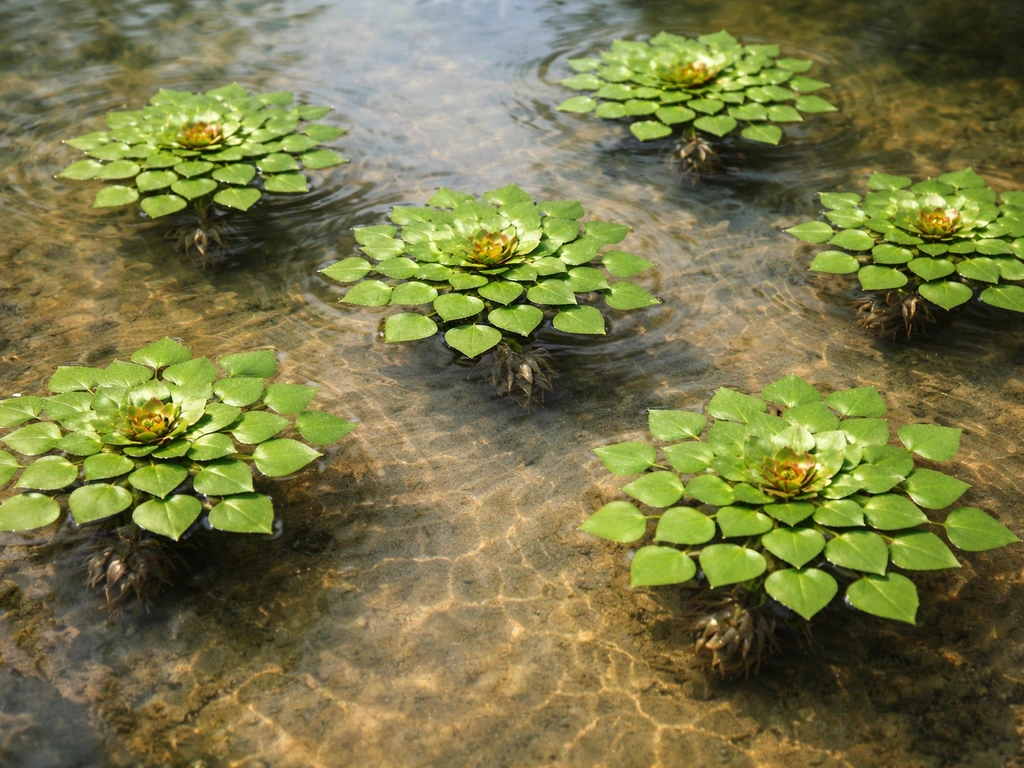
Yes, you can grow cannas in water, and they do surprisingly well once you get the setup right. The most reliable approach is a wet-feet or semi-aquatic method where the rhizome sits in a shallow container with roots submerged and the crown kept just above the waterline, though a full deep water culture (DWC) hydroponic setup works too if you manage oxygenation carefully.
How to Grow Cannas in Water: Beginner Step-by-Step
Marcus Holloway
24 Jun 2026
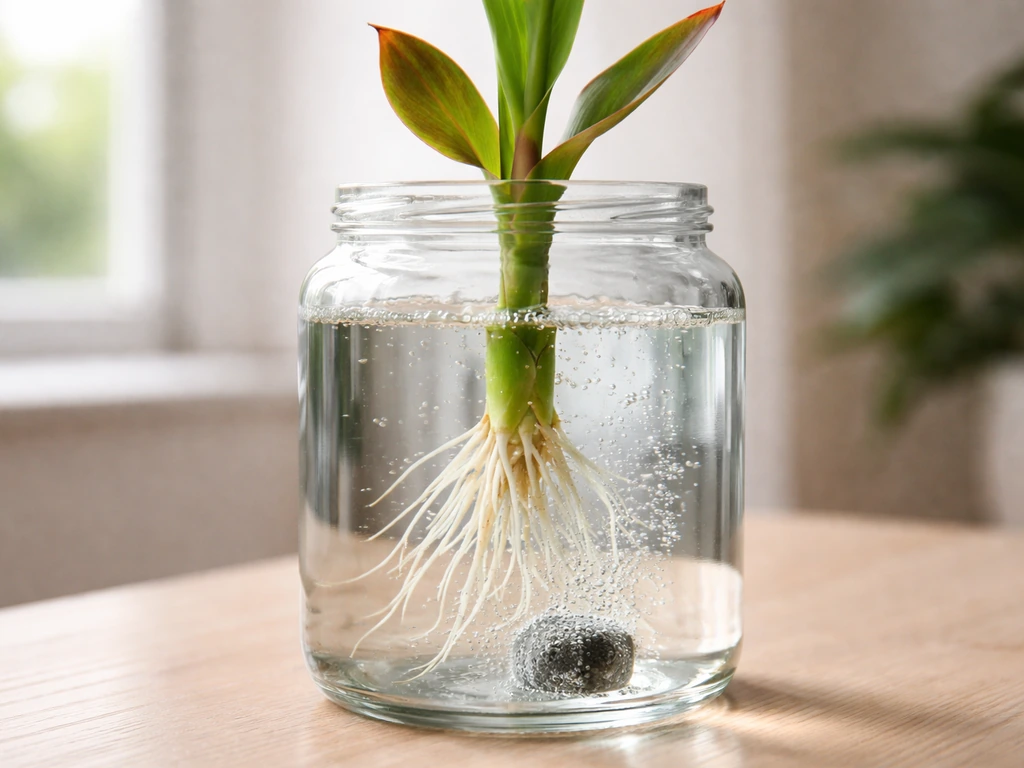
This guide can also help you with how to grow corms in water by applying the same wet, oxygenated setup principles hydroponic setup. The biggest mistake beginners make is dropping the rhizome straight into still, warm, poorly oxygenated water and wondering why it rots within two weeks. Get the oxygen and temperature right first, and the rest falls into place.
Choosing the right water method for cannas
There are two practical paths here, and the one you choose depends on how much equipment you want to manage and what your end goal is.
The first is the semi-aquatic or wet-feet method. This is the most beginner-friendly and mirrors how Canna glauca (water canna) grows in nature: rhizomes and roots stay wet, but the crown and stems sit above the water surface. You place the plant in a pot or container and keep the water level at about 2 to 6 inches deep around the roots. This is low-tech, forgiving, and works great for pond baskets, decorative bowls, or patio water features.
The second is deep water culture (DWC), a true hydroponic setup where the roots are suspended in aerated, nutrient-rich water inside a reservoir. The plant sits in a net pot, roots hang down into the solution, and an air pump with air stones keeps dissolved oxygen high. DWC gives you more control over nutrients and faster growth potential, but it requires more monitoring. Root rot can spread quickly in a recirculating system if oxygen drops or temperature creeps up.
My honest recommendation: start with the semi-aquatic method if this is your first time. It's more forgiving while you learn the plant's preferences. Move to DWC once you're confident with water quality management. Either way, the core principles of oxygenation, pH, and temperature apply to both.
| Feature | Semi-Aquatic (Wet-Feet) | Deep Water Culture (DWC) |
|---|---|---|
| Equipment needed | Container, water, basic nutrients | Reservoir, net pots, air pump, air stones, nutrients |
| Oxygenation | Natural surface exchange + optional aeration | Active air pump and air stones required |
| Rot risk | Moderate if water is static | Lower with good aeration, higher if pump fails |
| Nutrient control | Less precise | Precise, monitor EC and pH regularly |
| Best for | Beginners, ponds, water features | Intermediate growers, indoor setups |
| Growth speed | Good | Faster with dialed-in nutrients |
What you need: containers, oxygenation, lighting, and nutrients
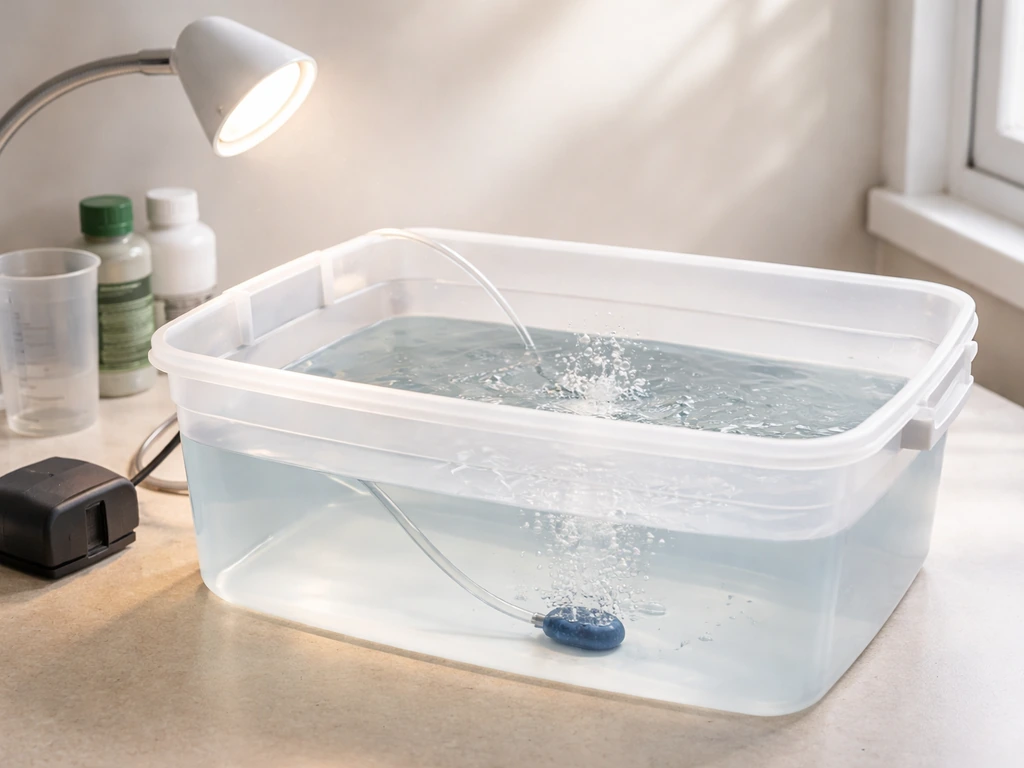
Containers
For the semi-aquatic method, use a wide, sturdy container at least 10 to 15 liters in volume. Pond baskets, large plastic tubs, or decorative ceramic bowls all work. Avoid metal containers, as they can leach into the water and affect nutrient availability. For DWC, a 15 to 20 liter opaque reservoir is ideal. Opaque walls block light from the reservoir and prevent algae from taking hold in the nutrient solution.
Oxygenation
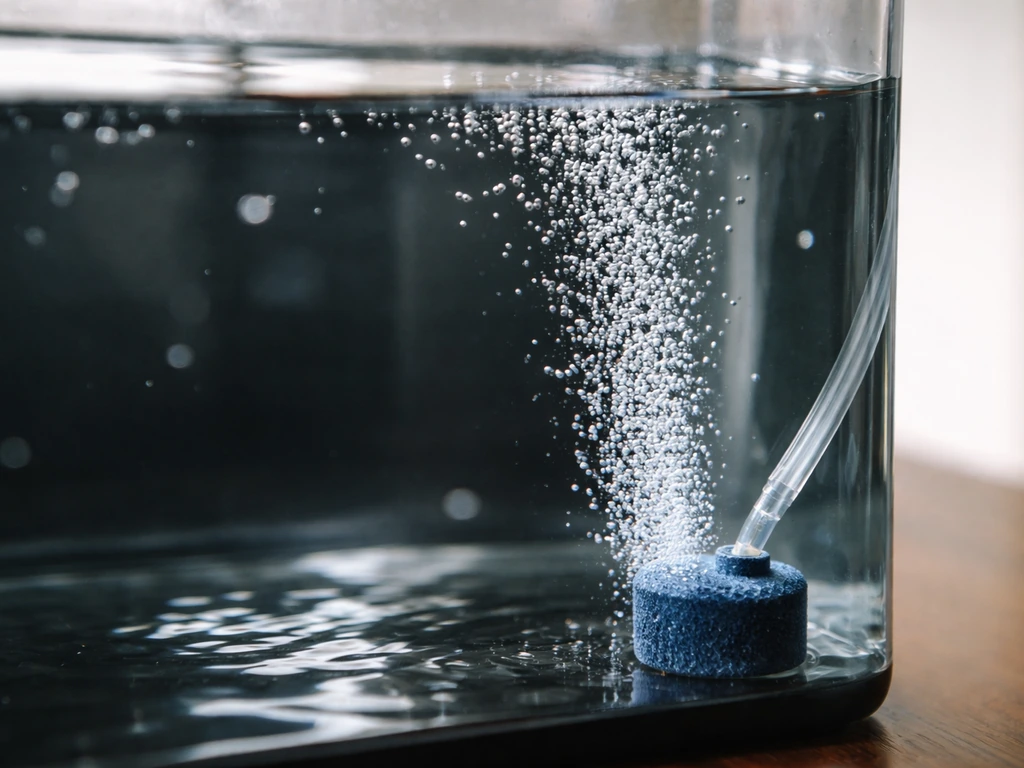
This is non-negotiable. Low dissolved oxygen is the number one cause of root rot in water-grown cannas. Pythium, the pathogen responsible for the classic brown slimy root disaster, thrives in warm, stagnant, low-oxygen water. For a semi-aquatic setup, a small submersible pump or airstone dramatically reduces rot risk. For DWC, run an air pump continuously with at least one air stone on the floor of the reservoir. Do not turn it off at night.
Lighting
Cannas are light-hungry plants. They need around 6 to 8 hours of direct sunlight per day to grow vigorously and flower. Water canna (Canna glauca) specifically cannot grow in full shade. Outdoors, place your setup in your sunniest spot. Indoors, a high-output LED grow light running 14 to 16 hours a day will compensate, but the total DLI (daily light integral) still needs to be generous. Undershooting light is a very common reason water-grown cannas stall at the vegetative stage and never bloom.
Nutrients
Plain water will not cut it for long. Camote tops can also be grown in water with the same focus on oxygen, stable temperature, and regular nutrient support once roots form water will not cut it for long. Once roots are established (usually within 2 to 3 weeks of starting), you need to introduce a balanced hydroponic nutrient solution. Use a two- or three-part hydroponic nutrient designed for flowering plants. A general-purpose formulation works through the vegetative stage; switch to a bloom-focused formula (higher phosphorus and potassium, lower nitrogen) once the plant begins to produce flower stalks. Follow the manufacturer's dilution rate and then verify with an EC meter rather than guessing.
Starting cannas in water: corms and rhizomes vs cuttings
Starting from rhizomes or corms
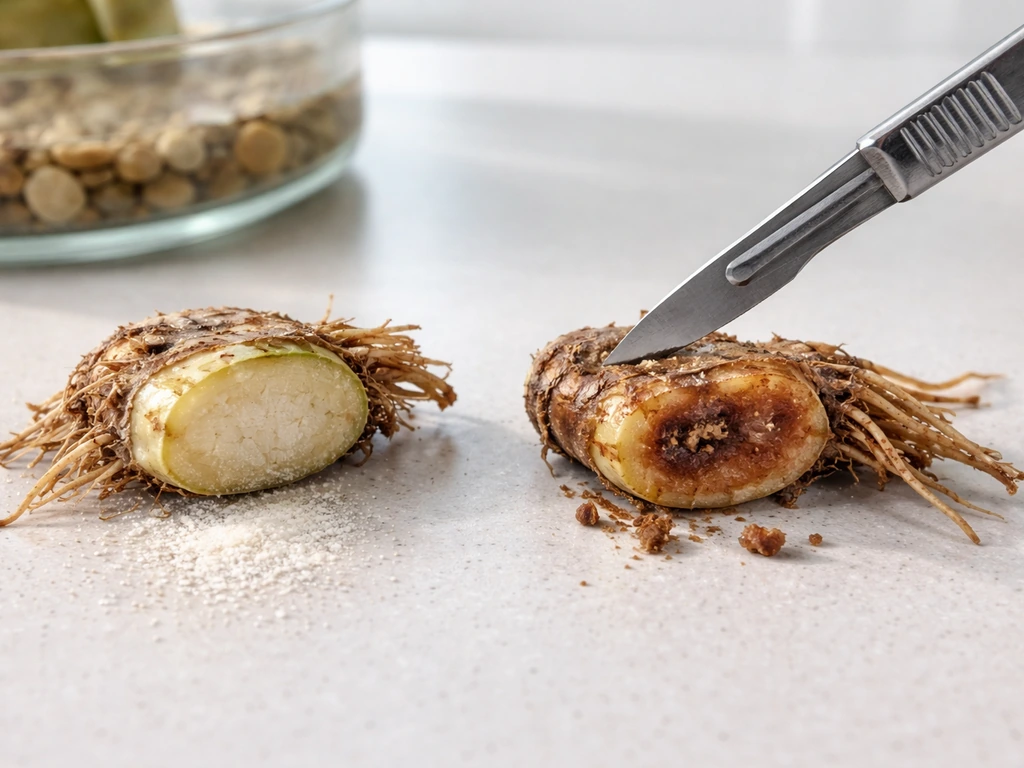
This is the most common starting point. Begin by inspecting the rhizome thoroughly. Cut away any soft, brown, or mushy sections with a clean blade and dust the cut surfaces with powdered sulfur or activated charcoal to discourage rot. Let the rhizome air-dry for 12 to 24 hours before placing it in water. This callusing step is small but genuinely makes a difference.
In the semi-aquatic setup, nestle the rhizome into a layer of washed gravel or LECA (lightweight expanded clay aggregate) inside your container, then fill with water so it just covers the root zone but leaves the growth tip above the waterline. In DWC, place the rhizome in a net pot filled with LECA and lower it so the bottom of the net pot just touches the surface of the nutrient solution. As roots develop and extend downward, you can lower the water level slightly to maintain a 1 to 2 inch air gap between the net pot base and the water surface. This air gap lets the upper roots breathe while the lower roots stay submerged.
Keep water temperature between 20°C and 25°C (68°F to 77°F) during this rooting phase. Warmer root zones encourage faster sprouting but also raise rot risk if oxygen is low, so run that airstone from day one.
Starting from stem cuttings
Canna cuttings root reasonably well in water, though it takes longer than rhizome propagation. Take a cutting with at least two nodes, strip the lower leaves, and optionally dip the base in IBA (indole-3-butyric acid) rooting hormone powder or gel before placing it in a clean container of water.
Syngenta’s rooting-station guidance notes that some commercial propagation approaches skip rooting hormones because they can slow down rooting, and it also highlights the importance of root-zone temperatures for rooting rooting hormones can slow down rooting.
Keep the water temperature around 25°C (77°F) and maintain humidity above 70% around the foliage. Roots typically appear within 2 to 4 weeks. Change the water every 3 to 4 days during this phase to prevent bacterial buildup. Once roots are 3 to 5 cm long, transition to your main growing setup with nutrients added.
If you've worked with corms from other aroids, this rooting-in-water process is conceptually similar to what's covered in guides on growing alocasia corms in water or growing corms in water generally: the main challenges are keeping the water clean and oxygenated while delicate new roots form. The same water-management basics, like clean, oxygenated water and careful temperature control, apply when you’re learning how to grow alocasia corms in water.
Water quality setup: pH, temperature, and nutrient routine
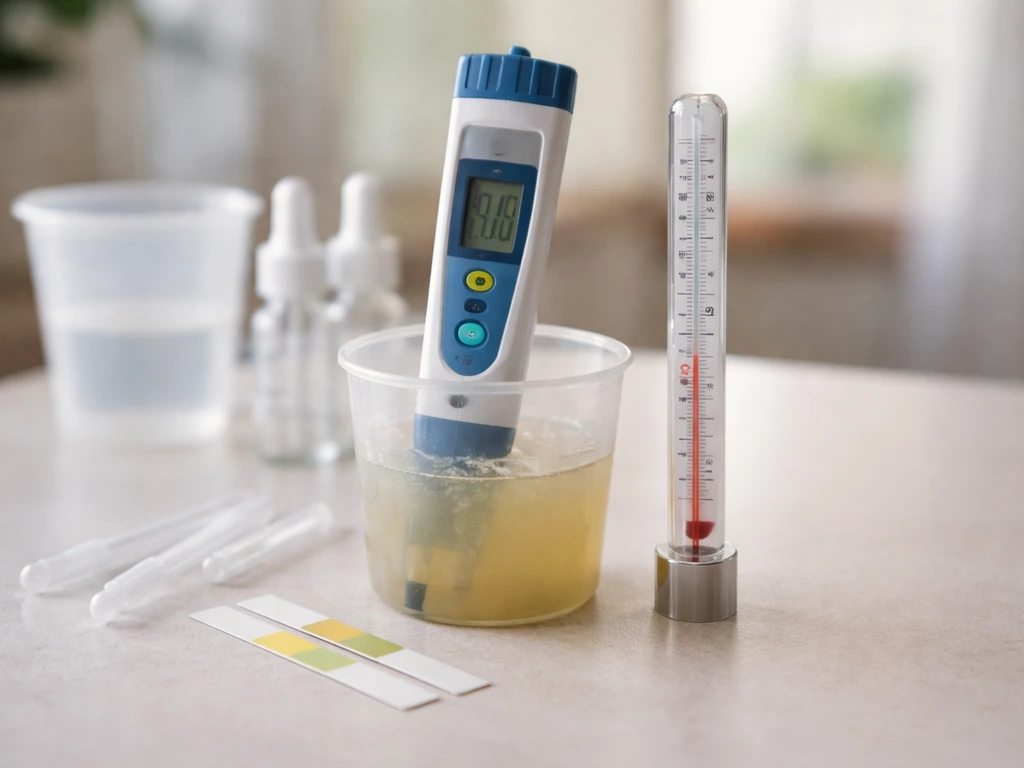
Getting water quality right is where most beginners either succeed or give up. The good news is that once you build a simple routine around three numbers (pH, EC, and temperature), it becomes second nature.
pH
Target a pH of 5.8 to 6.5 for your nutrient solution. This band keeps all major nutrients available to the roots. Outside this window, individual nutrients lock out regardless of how much fertilizer you've added. Tap water often runs alkaline (some municipal supplies come out above pH 8 or even higher), so you'll almost certainly need to adjust downward using pH-Down solution. Check pH every two to three days. Unlike soil, water culture has no buffering capacity, so pH can shift noticeably between checks, especially as the plant drinks and as you add nutrients.
EC (electrical conductivity)
EC measures nutrient concentration. For cannas in vegetative growth, target an EC of 1.2 to 1.8 mS/cm. During flowering, you can push it slightly higher, up to 2.0 to 2.4 mS/cm, to support bloom development. If EC climbs too high between changes, it means the plant is drinking water faster than nutrients, which is a sign of good uptake. Top up with plain pH-adjusted water. If EC drops significantly, add a dilute dose of nutrients.
Temperature
Cannas grow vigorously between 15°C and 38°C (59°F to 100°F), but the sweet spot for water-grown plants is an air temperature around 22°C to 28°C and a water temperature between 18°C and 24°C. When water temperature climbs above 22°C to 24°C, dissolved oxygen decreases and Pythium activity increases sharply. Outdoors in summer this can be a real problem. Keep your reservoir shaded and consider insulating it. Indoors, a small aquarium chiller is worth the investment if your room runs warm.
Maintenance schedule: water changes, aeration, algae control, pruning
Consistency is everything in water culture. Here's what a sustainable routine looks like.
| Frequency | Task |
|---|---|
| Daily | Check water level and top up with pH-adjusted water if low |
| Every 2-3 days | Check and adjust pH; check temperature |
| Weekly | Check EC; inspect roots for color and smell; check for algae or slime |
| Every 1-2 weeks | Partial water change (replace 25-50% of solution with fresh nutrient mix) |
| Every 3-4 weeks | Full reservoir flush and complete nutrient solution refresh |
| As needed | Remove dead or yellowing leaves; trim any dead root tissue cleanly |
On algae: if you see green growth on container walls or a slime layer forming on root surfaces, it's almost always because light is hitting the water. Block all light from reaching your nutrient solution. Wrap reservoirs in black plastic or use opaque containers from the start. For semi-aquatic setups in a sunny outdoor position, surface algae is nearly inevitable; skim it off regularly and consider adding a small amount of hydrogen peroxide (3 ml of 3% solution per liter) as a one-time treatment during a water change. Don't make this a routine, though; it will irritate healthy roots if overdone.
Pruning is straightforward: remove spent flower stalks at the base once they've finished, and strip any yellowing lower leaves to improve airflow. This is the same good practice whether you're growing in water or soil.
Growing conditions to maximize growth and flowering
Water-grown cannas can absolutely flower, and when they do in a well-maintained setup, the blooms are just as bold as soil-grown plants. Here's what drives the best results.
- Light: 6 to 8 hours of direct sun outdoors, or 14 to 16 hours under a high-output LED indoors. Don't compromise on this; it's the biggest single driver of whether you get flowers.
- Warmth: Air temps above 18°C consistently. Cannas slow dramatically below 15°C and stop altogether near freezing.
- Nutrients: Transition to a bloom formula (higher P and K) as soon as you see the first flower stalk forming. Continuing with a vegetative formula delays and reduces flowering.
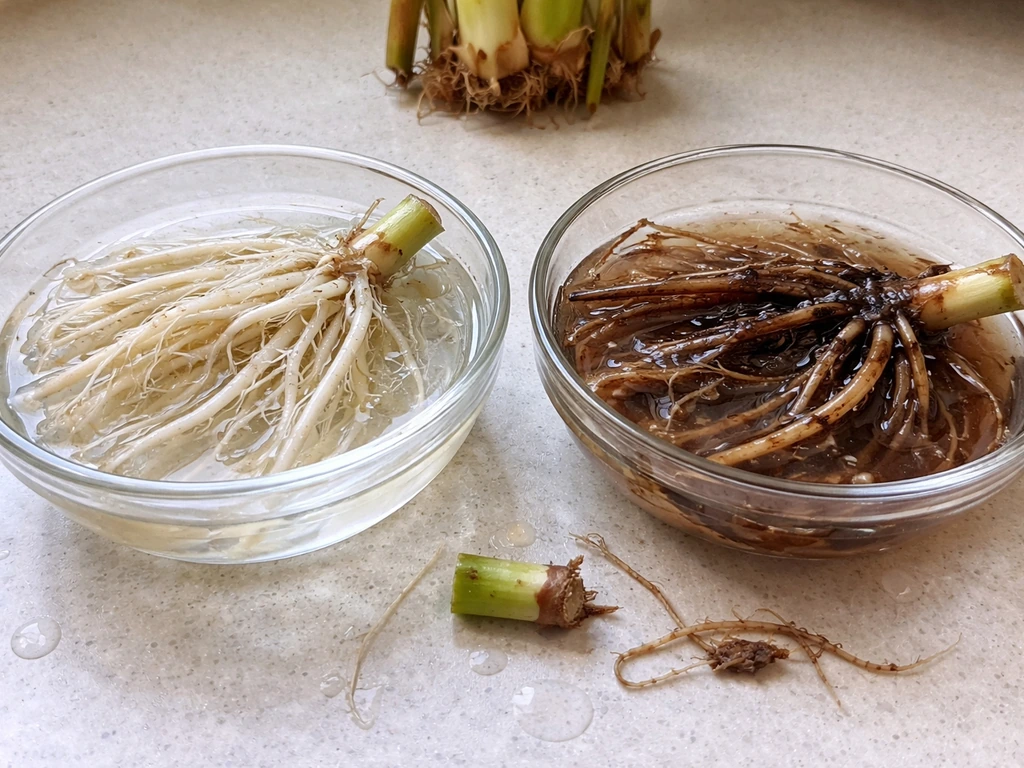
- Oxygen: Keep that air pump running. Healthy roots look white or light tan and feel firm. Any softness or brown discoloration is a warning sign.
- Space: Even in water, canna rhizomes spread. Give each plant at least a 10 to 15 liter water volume so roots aren't competing or crowding.
- Variety choice: Canna glauca and its hybrids (such as 'Erebus', 'Ra', or 'Endeavour') are purpose-built for water culture. Standard garden cannas work in a semi-aquatic setup but are less tolerant of fully submerged roots.
Troubleshooting rot, yellowing, stalling, and pests
Root or rhizome rot
This is the most common and most serious problem. Signs: roots turn brown, feel slimy, smell bad, and may fall apart when touched. Act immediately. Pull the plant out, rinse the roots with clean water, and trim all affected tissue back to firm healthy material with sterile scissors. Let the trimmed surfaces air-dry for an hour, then return the plant to a freshly cleaned, refilled reservoir. Boost aeration, reduce water temperature if it's above 22°C, and consider a dilute beneficial bacteria product (like Bacillus subtilis-based hydroponic additives) to help fight off Pythium. If you catch rot early, recovery is very realistic. If the rhizome itself is soft and fully brown, it's done; discard and start fresh.
Yellowing leaves
Yellowing is almost always a nutrient or pH issue. First check pH: if it's drifted above 7.0 or below 5.5, nutrients lock out even when EC looks fine. Correct pH and give the plant a few days before panicking. If pH is fine, check EC: if it's below 1.0 mS/cm, the plant is hungry. Yellowing of older (lower) leaves first often indicates nitrogen deficiency; yellowing of younger (upper) leaves with green veins points to iron or manganese lockout from pH being too high.
Stalled or no new growth
If the plant just sits there looking alive but not growing, the culprit is usually insufficient light, cold water or air temperatures, or a nutrient imbalance. Run through this checklist: Are you hitting 6+ hours of sun? Is air temperature above 18°C? Is EC in range? Are roots white and healthy? Are you running aeration? Nine times out of ten, one of those is off.
Algae and slime
Already covered in the maintenance section, but worth repeating: light reaching the water is the root cause. Block it. Green algae competes with the plant for nutrients and creates a hospitable environment for pathogens. Slime (biofilm) on the reservoir walls means bacteria are proliferating; scrub it out during your next full water change.
Pests
Spider mites, aphids, and caterpillars (particularly canna leafrollers) are the most common pest issues. Water-grown plants are no more or less susceptible to foliar pests than soil-grown ones. Inspect the undersides of leaves weekly. For aphids and spider mites, a strong spray of water knocks most off; follow with neem oil or insecticidal soap if the population rebounds. Caterpillars are hand-picked. Fungus gnats are rare in pure water culture but can appear in semi-aquatic setups with organic matter in the growing medium; they're mostly a nuisance rather than a serious threat.
Long-term care and overwintering options for water-grown cannas
Cannas are tender perennials that cannot survive freezing temperatures. Once the first light frost threatens (or once nighttime air temperatures drop below about 10°C), it's time to make a decision about what to do with your water-grown plants.
If you're in USDA zones 7 to 10, cannas can often overwinter in place outdoors as long as the water doesn't freeze solid. Drop the water level back so rhizomes are barely moist rather than fully submerged, reduce feeding significantly, and let the plant go dormant naturally. Resume watering and nutrient dosing once new growth appears in spring.
In colder zones (6 and below), you have two options. The first is to bring the whole container indoors before the first frost. A cool, bright spot (like a sunroom or south-facing window) can keep a water-grown canna ticking over at reduced growth through winter. The second is to lift the rhizomes out of the water, trim away all dead foliage, allow them to dry for a few days, and store them in barely damp peat or coir in a frost-free location between 7°C and 13°C (45°F to 55°F). Check them monthly and discard any rhizomes that develop soft spots. Replant into water in spring once temperatures are consistently above 15°C.
The worst overwintering mistake is leaving water-grown rhizomes in cold, standing water through winter. Cold plus stagnant water plus no plant activity is a rot recipe. Either keep them warm and growing, or dry them down and store them properly.
Your beginner setup and what success looks like
If you're starting today and want the simplest setup that actually works, here's the recommended beginner path. Get a 15-liter opaque container, a small air pump with an air stone, and a bag of LECA. Start a Canna glauca rhizome in LECA with the water level just touching the bottom third of the rhizome. Run the air pump from day one.
Once you see the first green shoot (usually within 1 to 2 weeks at 22°C to 25°C), begin adding a dilute hydroponic nutrient solution at half strength. Gradually increase to full strength over the following two weeks. Place the whole setup in the sunniest outdoor spot you have, or under a strong grow light indoors.
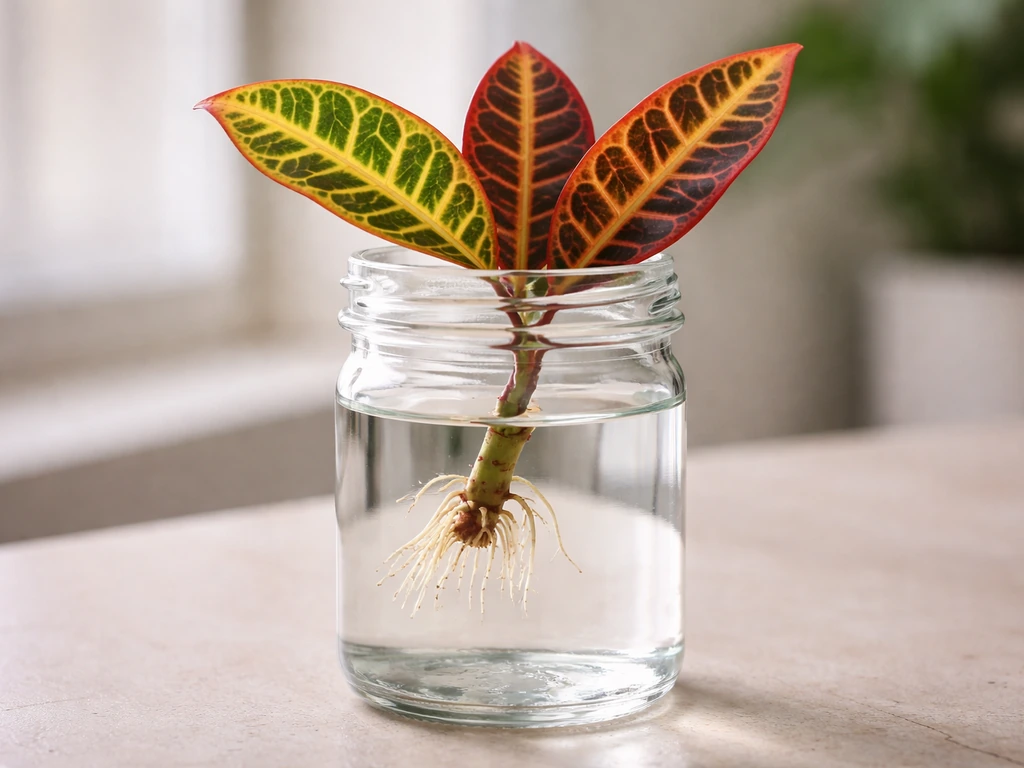
These same water-culture steps can also help you figure out how to grow a croton plant in water how to grow croton plant in water.
Success at 4 weeks looks like this: firm white or cream-colored roots extending into the water, one or more upright green shoots with unfurling leaves, no slime or foul smell from the reservoir. Success at 8 to 12 weeks: a plant with multiple leaves, strong upright growth, and ideally the first flower stalk beginning to emerge. If you're hitting those milestones, you're doing it right.
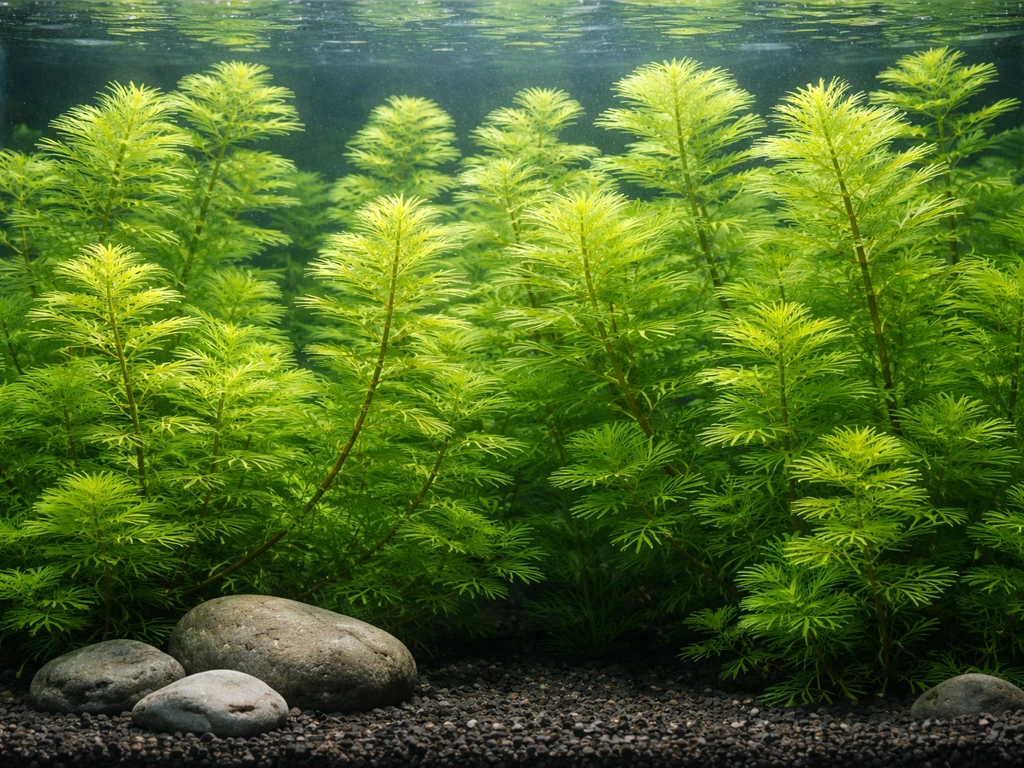
Here's a simple weekly checklist to keep things on track. Using this weekly checklist will also help you spot the common problems that can stop cabomba from growing well.
- Top up water level with pH-adjusted water (check daily, act as needed).
- Test pH and adjust to 5.8-6.5 (every 2-3 days).
- Check EC and adjust nutrient concentration if needed.
- Check water temperature and make sure it's staying under 24°C.
- Inspect roots visually: white and firm means good; brown and slimy means act now.
- Look over foliage for pests, yellowing, or rolling leaves.
- Remove any dead or dying leaf material.
- Do a 30-50% water change and top up with fresh nutrient solution every 1-2 weeks.
Water-growing cannas is genuinely rewarding once you get past the initial learning curve. The plants are vigorous, the flowers are spectacular, and running them in a water setup gives you a level of control over growing conditions that soil just can't match. Stick to the routine, watch your oxygen and temperature, and this will work. To learn the specifics for this plant and the best water conditions, follow our guide on how to grow dumb cane in water.
FAQ
Why did my canna rhizome rot before it sprouted, even though I kept it in “water”?
For a first attempt, use an opaque container (or wrap it in black plastic) plus continuous aeration. Even with nutrients, still warm water without oxygen exchange is the fastest path to rot. If your room or patio stays above about 24 to 25°C in the reservoir, increase aeration, keep the container shaded, and consider insulating it or using a small chiller.
Do I need to add nutrients from day one, or can I start cannas in plain water?
You can, but results are usually slower and more failure-prone if you start in plain water and wait. A practical approach is to start with oxygenated, pH-adjusted water for rooting only, then begin half-strength hydroponic nutrients once you see an active shoot (often 1 to 2 weeks). Continue ramping toward full strength over about two weeks rather than jumping to full concentration immediately.
What should I do if my pH and EC keep swinging week to week?
Measure pH and EC with water-stable meters, then adjust in small steps. If pH drifts above 7.0, nutrients become less available even if EC looks okay. If EC is low, top up with pH-adjusted water and add a dilute nutrient dose, then recheck after mixing thoroughly.
Is it safe to top off with water that is a different temperature than the reservoir?
Do it at the exact temperature range you are targeting. For example, if your water is above your preferred range, let the reservoir cool before adding nutrients, and then mix well and aerate while adjusting. If you add cold water abruptly, you can shock new roots, so aim for minimal temperature changes between top-ups or refills.
How can I tell algae growth from true root rot in a water-grown canna?
If you are seeing green film on the walls or anywhere light reaches the water, block light immediately. In semi-aquatic setups, skimming is helpful because algae will return faster than in an opaque DWC reservoir. For slime or foul smell, treat it as early rot: increase aeration, lower temperature if needed, and move to a clean, refilled reservoir after trimming affected tissue.
How much of the rhizome or crown should be submerged for canna water culture?
Aim for a “semi-aquatic wet feet” crown above the waterline. As a rule of thumb, keep the growth tip and any soft crown tissue out of water, while roots are submerged. If the crown stays wet for long periods, you will increase rot risk even when oxygenation is good.
Can I turn off the air pump at night to save power?
Yes, but only if you can keep oxygenation consistent. In DWC, turning off the pump at night can cause dissolved oxygen to drop and create an opportunity for Pythium, especially when the reservoir warms. If power is unreliable, use an air pump with a backup (like a small UPS) or choose the wet-feet method to reduce exposure time of delicate roots to low-oxygen conditions.
What temperature range is “good enough” if I cannot hit the ideal 18 to 24°C water target?
For rooting, you are trying to balance oxygen and warmth, so use an air pump from day one and keep the water around the mid-20s Celsius if possible. If you are forced to use cooler water, expect slower sprouting, but rot risk can actually decrease. If you are forced to use warmer water, compensate with stronger aeration and faster maintenance (more frequent checks and changes during early rooting).
My cutting is wilting, but roots are not forming yet. What should I adjust?
Canna cuttings typically need higher humidity around the foliage than rhizomes. If leaves wilt while the base is rooting, raise humidity (cover with a loose clear bag or use a propagation dome with ventilation) and keep water temperature near 25°C. Also ensure the lower nodes stay in clean, oxygenated water, and change water every few days during rooting to prevent bacterial buildup.
My canna looks alive but will not grow or flower in water. How do I troubleshoot quickly?
Cannas are light-hungry, so the easiest decision rule is to ensure at least several hours of strong, direct sun outdoors, or provide enough LED intensity so leaves stay vigorous and upright. If the plant is stalling despite correct pH and EC, check light first before you change nutrients. A modest nutrient change will not fix chronic low light, and excess fertilizer can make root issues worse.
What is the best way to overwinter water-grown cannas in a cold climate?
Overwintering depends on whether your water can freeze. In warm zones where water stays above freezing, you can keep plants in place, reduce feeding, and lower water so rhizomes are barely moist. In colder zones, avoid leaving rhizomes in cold standing water, lift and dry them, and store in lightly damp (not wet) peat or coir at cool, frost-free temperatures, then replant in water after temperatures are consistently warm.
Can I save a canna if the roots turned brown and slimy?
If rot reaches the rhizome itself (soft, brown, or fully mushy), it is usually unrecoverable. If rot is limited to lower roots, you can often save the plant by trimming to firm tissue, air-drying the cut surfaces briefly, and returning it to a freshly cleaned, refilled, well-aerated reservoir. Always trim with sterile tools to avoid re-seeding the problem.