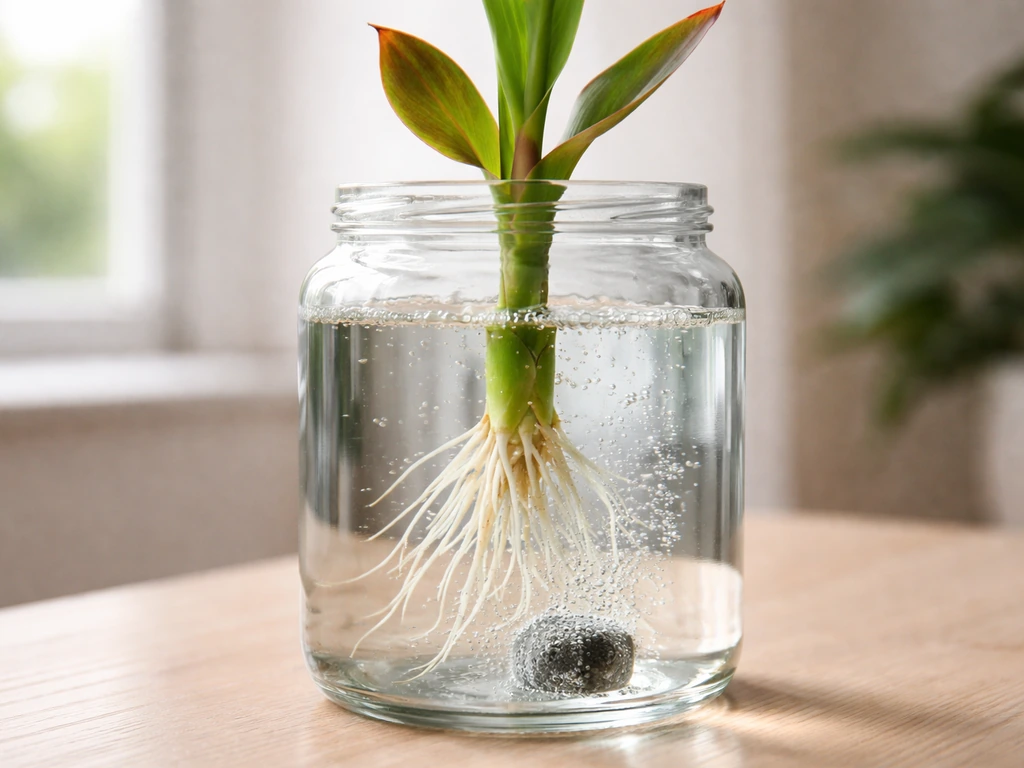
Cryptocoryne plants root best when you keep the rhizome above the substrate, match your water parameters to the species you chose, stay consistent with those parameters, and give the plant two to four weeks to settle before expecting new growth. If you're wondering how to grow cannas in water instead, you'll want to focus on root oxygen, consistent temperatures, and providing light and nutrients for strong new shoots. Most failures come down to burying the crown too deep, overdoing light or fertilizer too early, or panicking when leaves melt after transplanting. Get those three things right and crypts are genuinely some of the easiest aquarium plants you can grow.
How to Grow Cryptocoryne Aquarium Plants Step by Step
Marcus Holloway
11 Jul 2026
Choosing the right Cryptocoryne and buying healthy plants
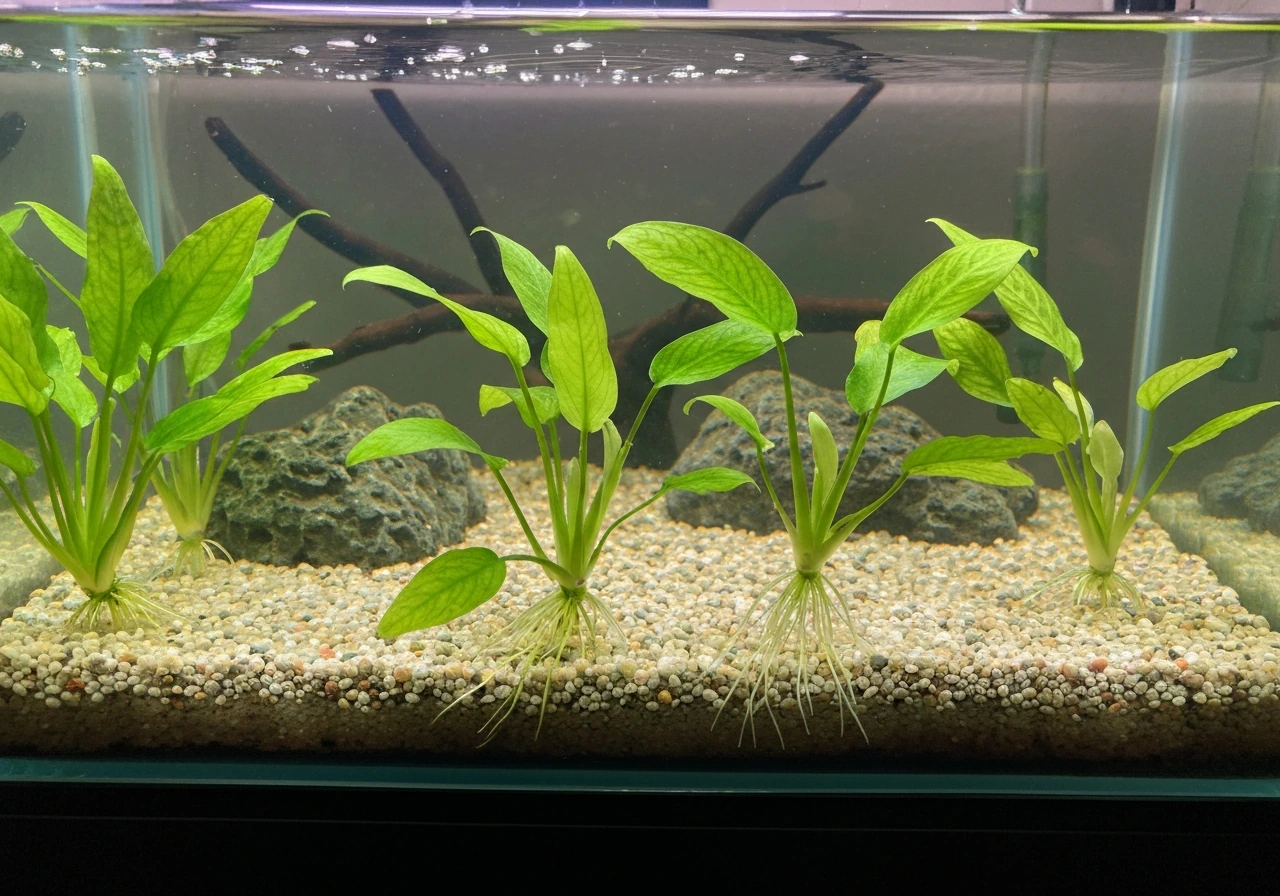
If you're new to crypts, start with Cryptocoryne wendtii. It comes in several forms (Green, Brown, and Tropica are the most common), tolerates a wide pH range of roughly 6.5 to 8.0, grows in low light without injected CO2, and is genuinely hard to kill once established. C. undulata and C. beckettii are close seconds for beginners. More demanding species like C. balansae or C. crispatula are better saved for once you've got a feel for how crypts behave in your specific tank.
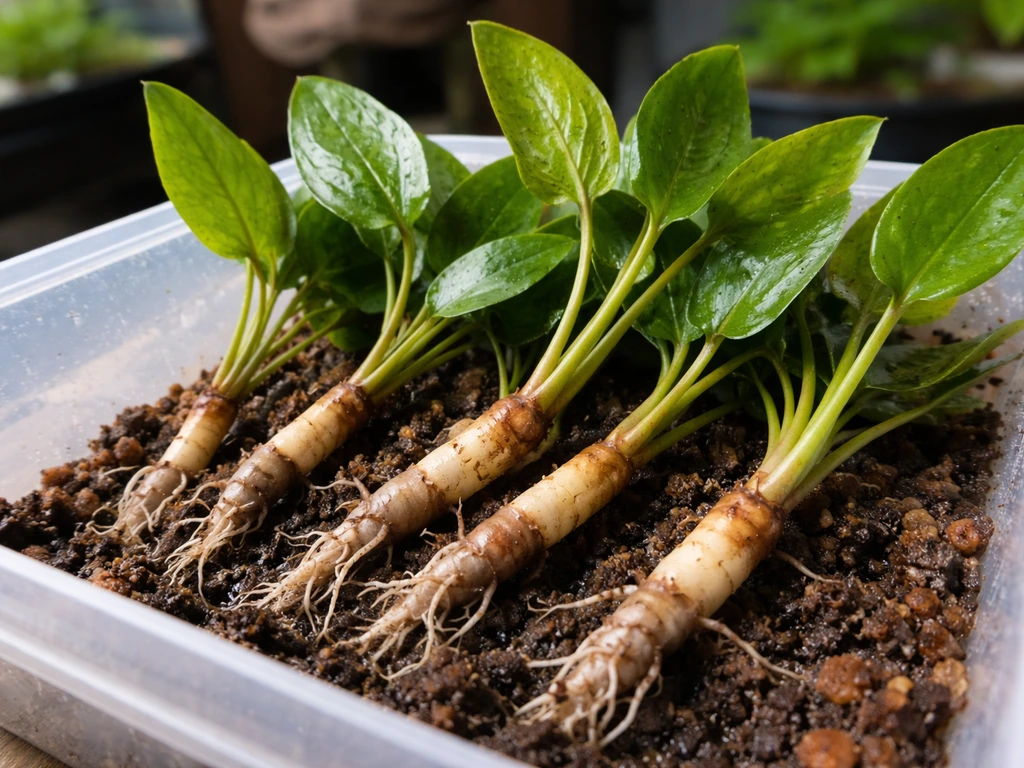
When buying, look for a firm, intact rhizome with at least a few healthy roots attached. Avoid plants with blackened or mushy rhizomes, heavily yellowed leaves, or a slimy base. Tissue-culture (TC) cups are a solid choice if you want pest-free plants, though they can be slower to establish because they start from emersed or in-vitro growth. Bare-root plants from a reputable shop are fine too, as long as the rhizome looks healthy. Don't let a seller talk you into the biggest, leafiest plant in the tank. A compact plant with a healthy root system will outperform a large, stressed one every time.
Tank setup and placement
Substrate choice and depth
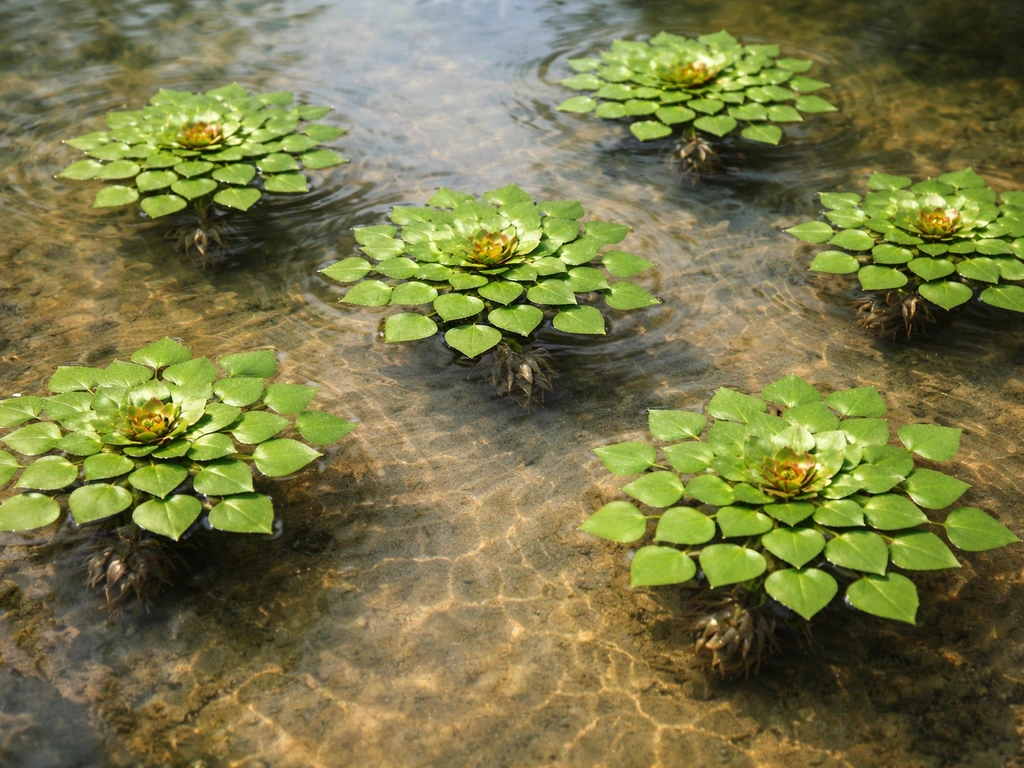
Crypts are heavy root feeders, so substrate matters more for them than for stem plants you can just float. A nutrient-rich substrate like aquasoil is ideal, but plain sand or fine gravel works as long as you supplement with root tabs (more on that below). Keep the substrate layer at least 2 to 3 inches deep so roots have room to anchor and spread. Water caltrop also benefits from a deep, stable planting zone so its roots can anchor and spread. Coarse gravel can work, but fine-grain substrates let the roots penetrate more easily and tend to give faster establishment.
The one planting rule you can't ignore
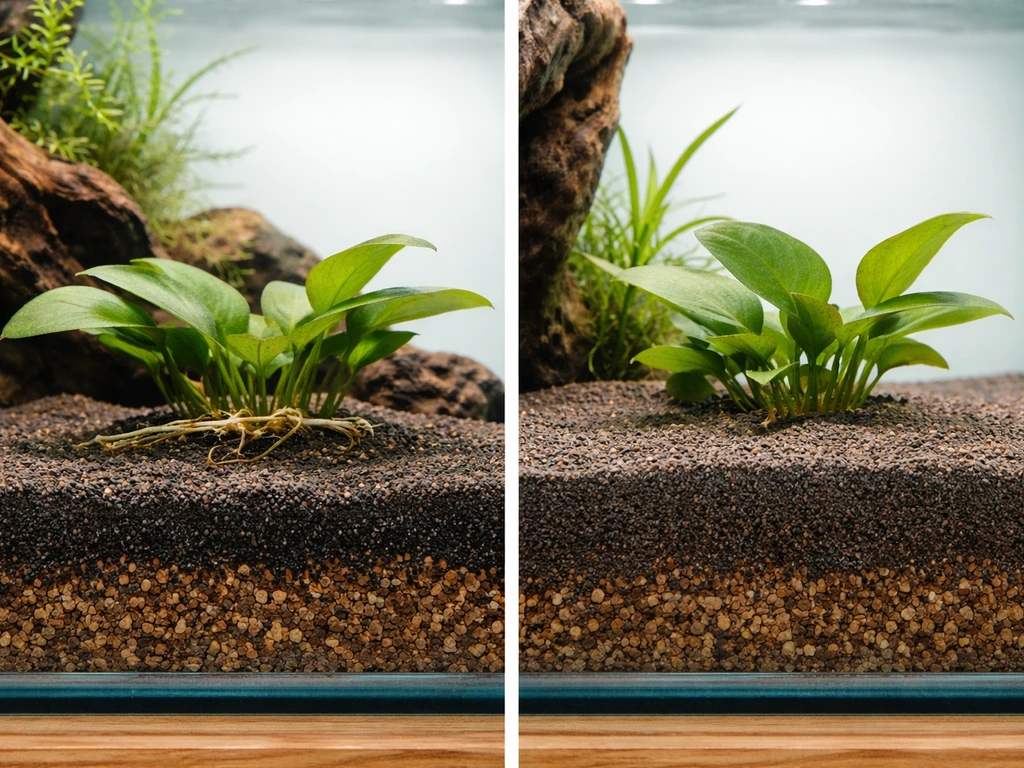
Do not bury the rhizome. The rhizome is the horizontal stem that the leaves grow out of. Cover it with substrate and it will rot, full stop. If you want to grow alocasia corms in water, keep the corm stable and provide fresh water so rot does not set in. Only the roots go into the substrate. Hold the plant so blank" rel="noopener noreferrer">the crown (the point where leaves emerge) sits at or just above the substrate surface, press the roots down into the substrate firmly, and let go. The plant will look precarious at first. That's normal. It anchors itself over the following weeks as the roots grow.
Placement in the tank
Most C. wendtii and similar mid-size crypts work best in the midground or foreground depending on tank height. They generally top out between 4 and 12 inches depending on variety and conditions, so plan accordingly. Space plants at least 3 to 4 inches apart to allow for the runners they'll eventually send out. Avoid placing them directly in front of a strong filter outflow. Some gentle current is fine, but crypts prefer calmer water than most stem plants.
Water parameters and stability
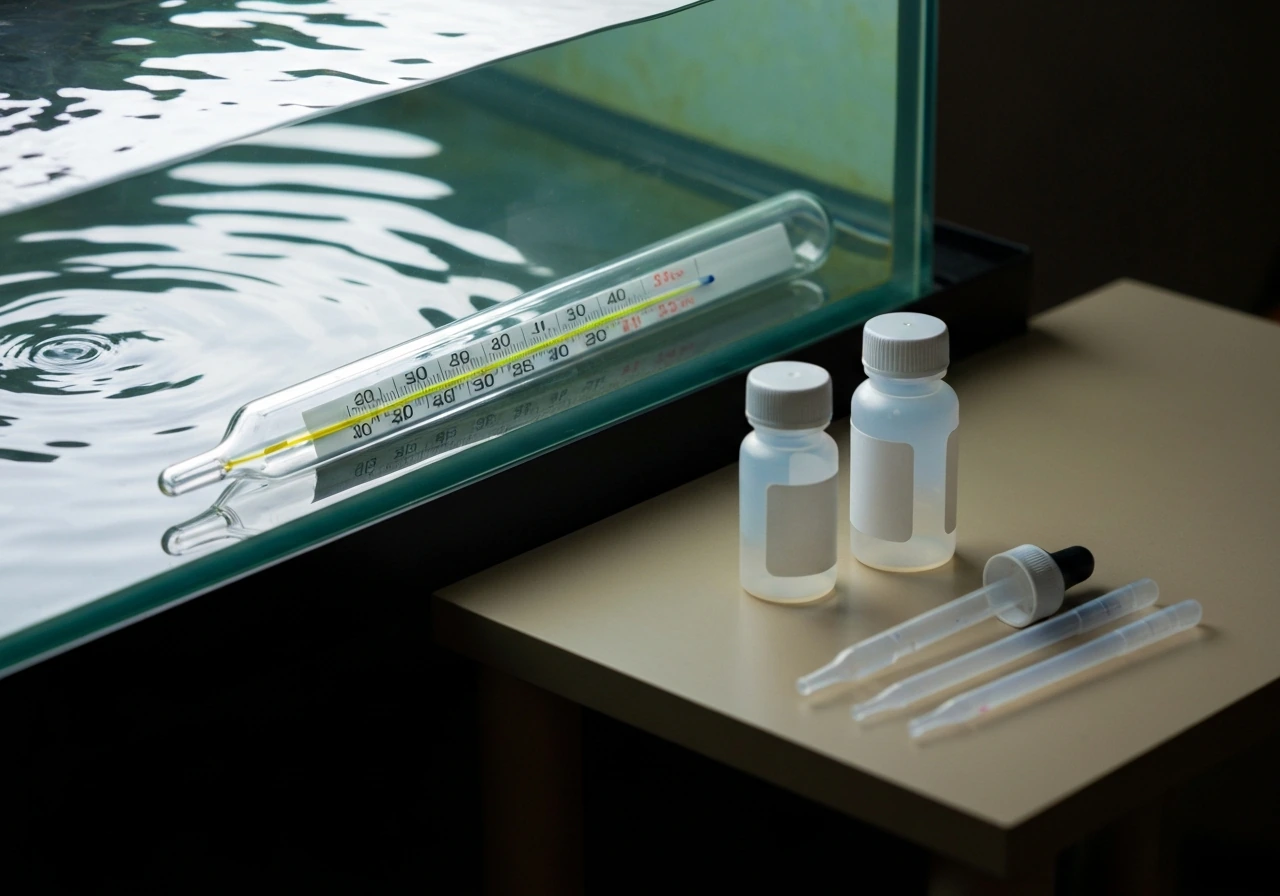
Crypts are flexible on water chemistry, but they hate sudden swings. This is the most important thing to understand about this genus. C. wendtii tolerates pH 6.5 to 8.0, GH around 8 to 18, and temperature between 75 and 82°F (24 to 28°C). That's a wide window, and your tap water will almost certainly fall somewhere in it. The specific numbers matter less than keeping them consistent.
| Parameter | Target Range | Notes |
|---|---|---|
| Temperature | 75–82°F (24–28°C) | Avoid sudden shifts of more than 2–3°F |
| pH | 6.5–8.0 (6.8–7.2 optimal) | Stability is more important than exact value |
| GH (General Hardness) | 8–18 dGH | Soft water still works at lower end |
| KH (Carbonate Hardness) | 3–8 dKH | Higher KH buffers against pH crashes |
| Flow | Low to moderate | Avoid strong direct current on leaves |
Water change strategy is where a lot of growers accidentally trigger problems. Large, infrequent water changes can spike or crash pH and temperature, and that's exactly what causes melt. Do smaller, more frequent changes instead. Replacing 20 to 25% weekly with water pre-matched to your tank temperature is a far safer approach than doing a 50% change every two weeks. I've lost crypts to nothing more than a poorly timed 50% change using cold tap water in winter. Match the temp, match the pH as closely as you can, and your plants will barely notice the change.
Lighting and nutrients
Light intensity and photoperiod
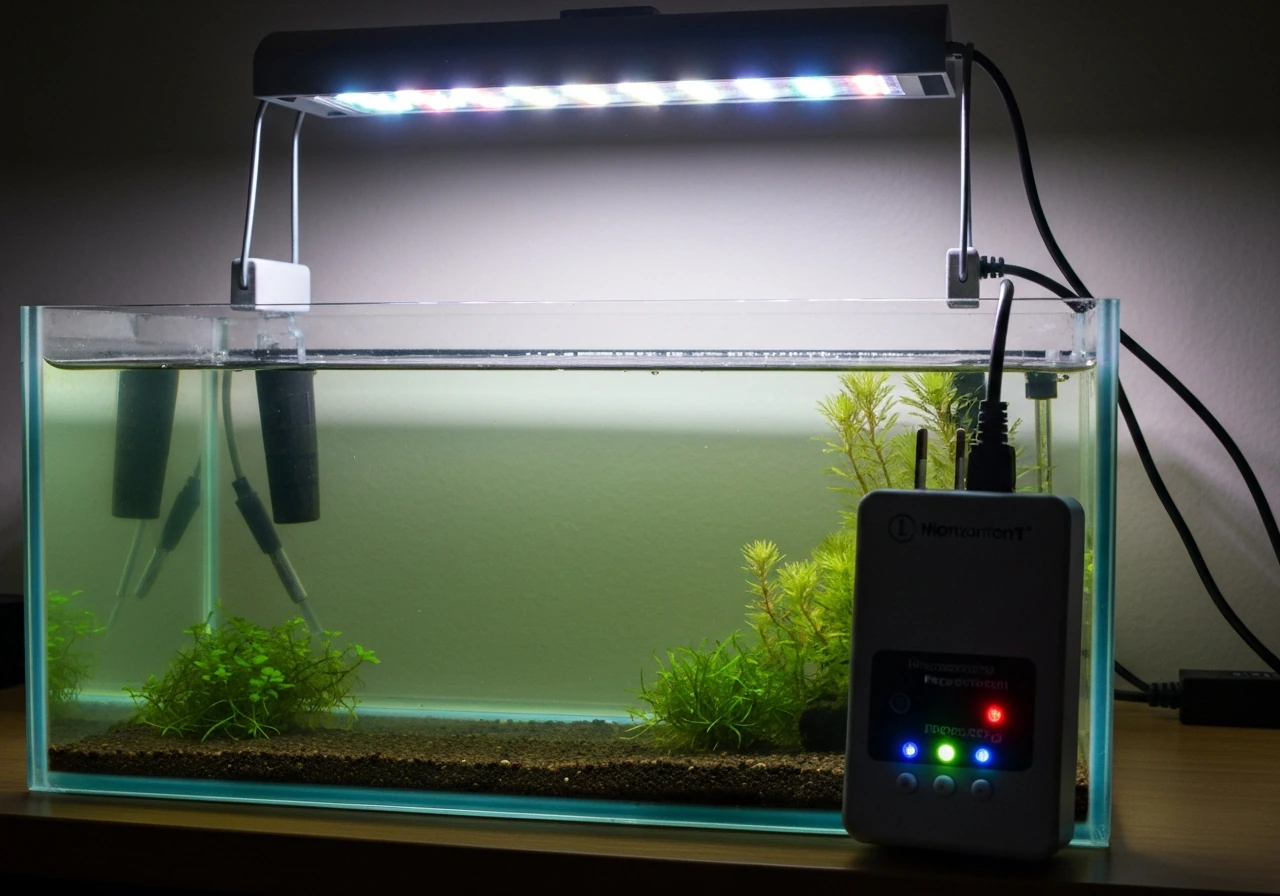
C. wendtii and most beginner crypts are classified as low-light plants. Tropica lists wendtii 'Green' as having a low light demand, which in practical terms means you don't need a high-powered planted tank light. A moderate LED on 8 to 10 hours a day is plenty. If you are also learning how to grow Cabomba, you will usually need steadier conditions for faster, branching growth than many crypts require. Running more light than that without CO2 injection mostly just feeds algae rather than accelerating crypt growth. If you're also keeping fish, you're likely already running a light that's more than sufficient. Start at 8 hours, watch for algae, and only extend the photoperiod if growth seems very sluggish after the first month.
CO2: do you actually need it?
No, you don't need injected CO2 for crypts. If you want to try water-only propagation methods, it helps to learn the specifics of how to grow corms in water. They grow fine at ambient dissolved CO2 levels in a healthy tank. That said, adding CO2 will make growth noticeably faster and, for species like C. undulata, can bring out the reddish-brown coloration in the leaves. If you're aiming for medium-level CO2 supplementation, the target is roughly 10 to 15 mg/L. For more demanding setups, 15 to 30 mg/L is the advanced range. But for most hobbyists growing wendtii or similar beginner crypts, skip the CO2 gear and focus on getting substrate nutrition and water stability right first.
Root tabs vs. liquid fertilizer
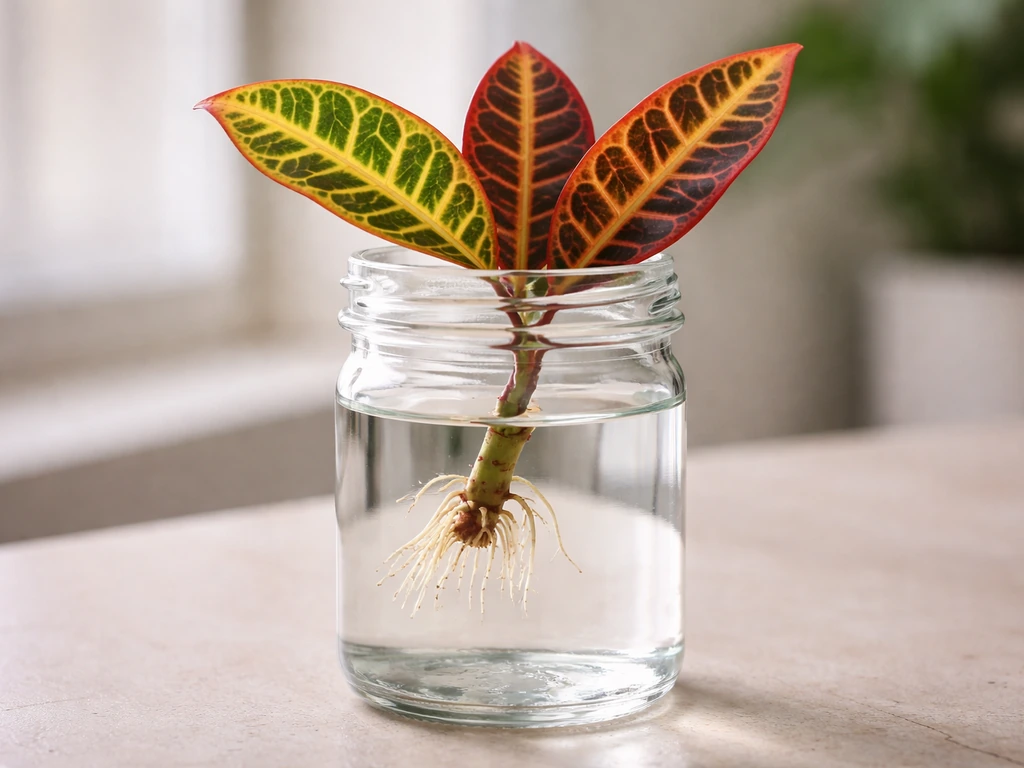
Crypts feed primarily through their roots, so root tabs are not optional in inert substrates like sand or plain gravel. They're genuinely more important for crypts than liquid fertilizer. Push a root tab into the substrate 2 to 3 inches from the base of the plant every 2 to 3 months. In a nutrient-rich aquasoil, you can skip tabs for the first 6 to 12 months while the substrate is active, then add them as the substrate depletes. Liquid fertilizers still help (they cover micronutrients the water column needs), but if you're only going to do one, make it root tabs for crypts. I tried relying entirely on liquid ferts with crypts in a sand substrate for three months and got almost no growth. Switched to root tabs and saw new leaves within two weeks. If you want to try growing croton in water, use fresh, clean water and keep the cutting in bright, indirect light to encourage new roots root tabs.
Dealing with transplant shock and crypt melt
Crypt melt is the single most common thing that frightens new growers into giving up on crypts. Here's what it actually is: when a crypt is moved to a new tank (or when tank conditions change significantly), it often drops its existing leaves. They yellow, go translucent, and turn to mush seemingly overnight. If you want to grow camote tops in water, steady conditions are just as important, because sudden changes can set off similar stress. It looks catastrophic. It usually isn't.
What causes melt
Melt is triggered by environmental change, and crypts are unusually sensitive to it compared to most aquarium plants. The common triggers include sudden shifts in pH, temperature, lighting schedule, CO2 levels, and fertilization routine. ScienceInsights notes that crypt melt risk can increase with sudden changes in pH or temperature, including when new light scheduling or even a large water change introduces slightly different conditions sudden shifts in pH or temperature. Even a significant water change with water at a slightly different temperature or pH can kick it off. Moving a plant from a shop's water chemistry into your tank's water chemistry is usually the biggest shock. Plants that were grown emersed (above water) are especially prone to dropping their leaves when submerged, because emersed leaves simply aren't suited to underwater life.
What to do when melt happens
- Remove the melting leaves immediately. Rotting leaves release nutrients that spike ammonia and feed algae, which makes everything worse.
- Check that the rhizome is still firm and not black or mushy. A healthy rhizome means the plant is alive regardless of how the leaves look.
- Stabilize your parameters and resist the urge to make changes. Don't adjust lighting, CO2, or fertilization right now. Consistency is what the plant needs.
- Wait. New growth typically appears from the base or crown within 2 to 4 weeks if the rhizome survived.
- If you trimmed off emersed leaves before planting, this is the period where the plant is putting energy into producing its first submersed leaves. It's not dead.
The only time melt is truly fatal is when the rhizome itself rots, usually because it was buried too deep or because the water quality collapsed during the melt period. If the rhizome is firm and pale to light brown, you're fine. Keep the tank stable and give it time.
Maintenance routine and expected growth timeline
Once crypts establish, they're one of the lower-maintenance plants you can keep. Here's what a realistic routine looks like and when to expect results.
Weekly tasks
- 20 to 25% water change with temperature-matched water
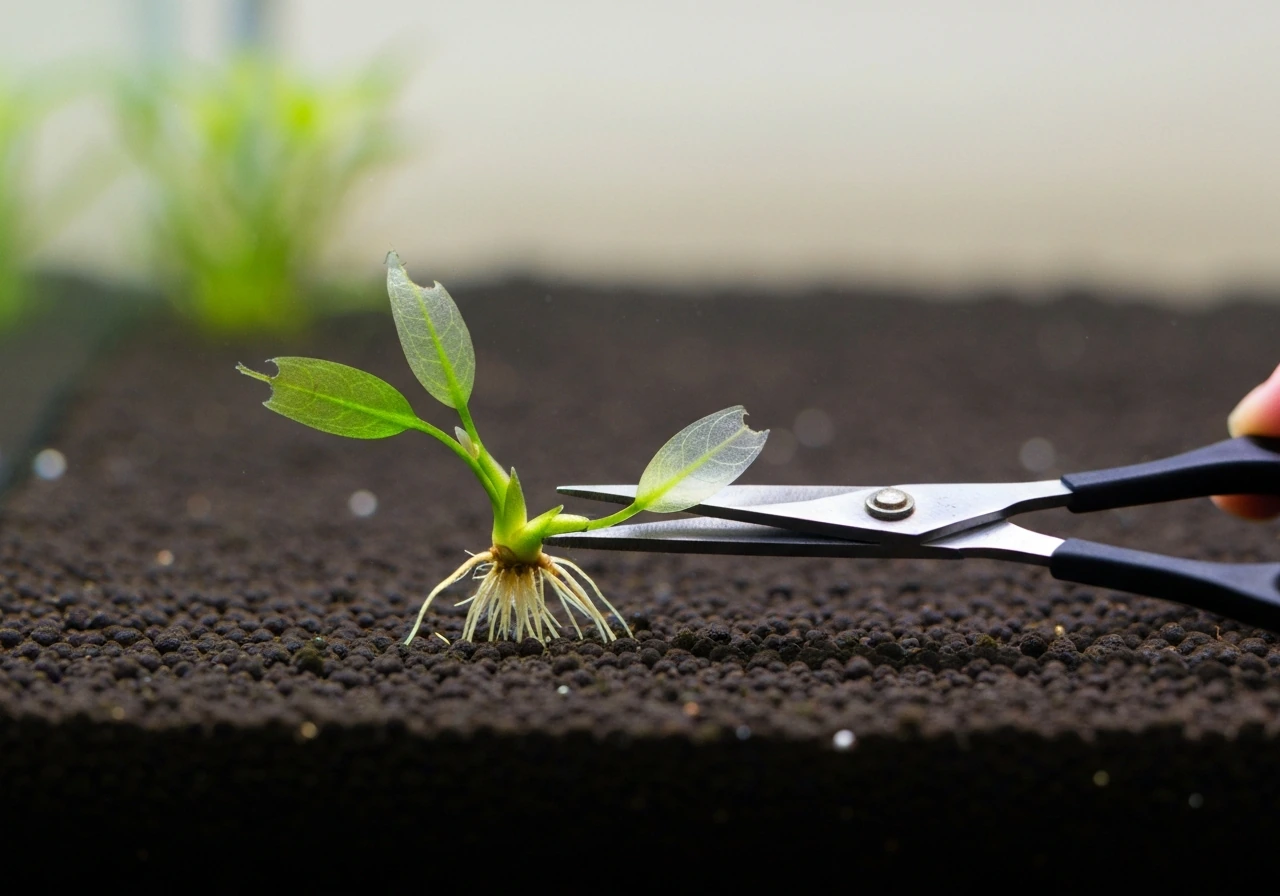
- Remove any yellowed or damaged leaves at the base (don't pull, use scissors and cut close to the rhizome)
- Dose liquid fertilizer after the water change if you're using it
- Quick visual check on the rhizome when doing substrate vacuuming nearby
Monthly and occasional tasks
- Check and replace root tabs every 2 to 3 months
- Gently trim any leaves that are blocking light to neighboring plants
- Separate runners if the plant is spreading into areas you don't want it
Growth timeline
Weeks 1 to 2 are the acclimatization period. Don't expect visible new growth, and don't be surprised if older leaves melt. Weeks 3 to 6 should see the first new submersed leaves pushing up from the crown if the plant is healthy. By month 2 to 3 most crypts are properly established, putting out consistent new leaves and beginning to spread via runners. Full, lush growth in a low-CO2 setup takes 3 to 6 months. Crypts are slow growers compared to stem plants, but the payoff is a dense, low-maintenance carpet or clump that largely takes care of itself. These same stability and root-feeding basics also apply when you grow dumb cane in water using hydroponic setups.
Propagation and long-term care
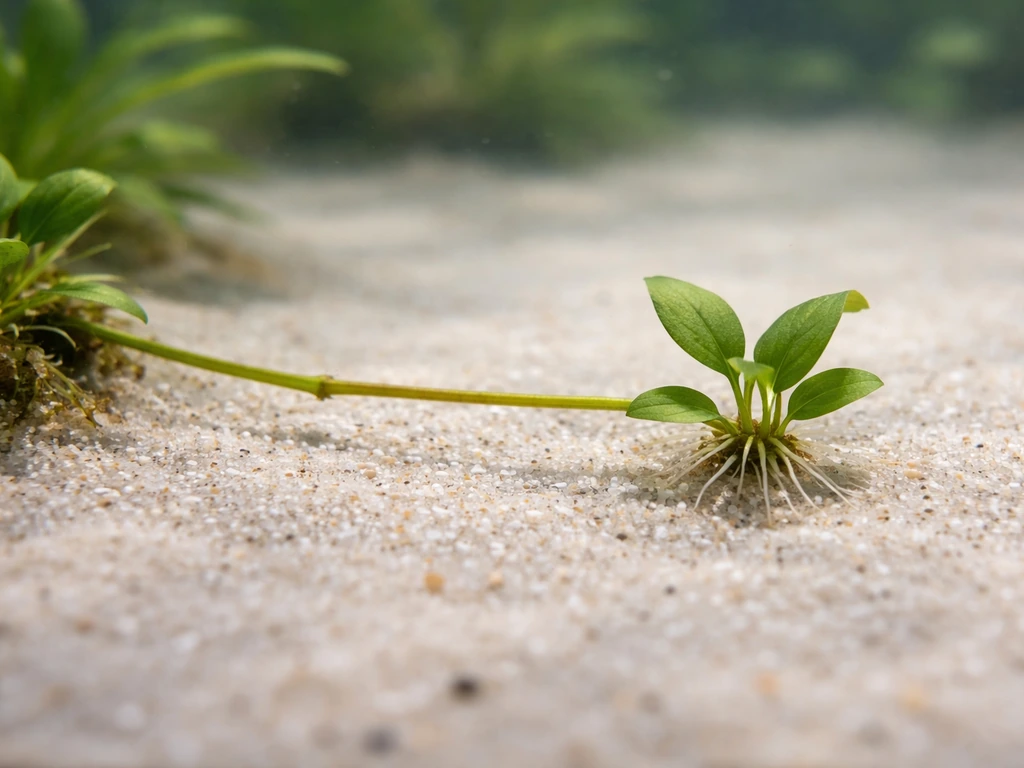
Crypts propagate vegetatively through runners (stolons) that grow horizontally through the substrate and produce daughter plants at intervals. You don't need to do anything to trigger this. Once the mother plant is established, usually after the first 2 to 3 months, runners appear on their own. Each runner produces a small plantlet that you can either leave in place to fill in a carpet or sever and replant elsewhere.
To separate a runner, wait until the daughter plant has at least 3 to 4 leaves and a visible root system of its own. Then use scissors to cut the runner connecting it to the mother plant. You can leave the plantlet where it is or carefully lift it and replant it in a new spot using the same technique as the original planting: roots in the substrate, rhizome above it. Replanting will often cause a small melt on the daughter plant, just as it did on the mother when first introduced. This is normal.
Long-term, established crypt clumps can get crowded. When a clump has grown very dense, you can divide the entire plant by carefully lifting it, separating the rhizomes by hand or with a clean blade, and replanting sections. This is best done during a routine water change so the tank disruption is already happening anyway.
Troubleshooting common problems
No new leaves after 4 to 6 weeks
First check whether the rhizome is firm. If it is, the plant is alive but stressed. The most common culprits are buried rhizome (causing slow rot), no root nutrition in an inert substrate, or parameter instability. Add a root tab if you haven't already, confirm the rhizome is fully exposed above the substrate, and check your pH and temperature for consistency across the week.
Blackening or mushy rhizome
This is rot, almost always caused by a buried rhizome or by substrate conditions that are too compacted and anaerobic. Lift the plant immediately, trim away any blackened sections of the rhizome with clean scissors back to healthy tissue, and replant with the entire remaining rhizome above the substrate. It can recover from partial rot if healthy tissue remains.
Slow growth even in established plants
Low growth in an otherwise healthy crypt usually means depleted root nutrition. Check when you last added root tabs. In an aquasoil that's more than a year old, the substrate is likely exhausted and root tabs become essential. A secondary cause is insufficient light: even though crypts are low-light tolerant, very dim conditions (like a tank in a dark corner with a weak light) will slow them to nearly a standstill.
Algae growing on or around your crypts
Algae on crypt leaves is usually a sign of too much light relative to the nutrients and CO2 available to the plant. Reduce the photoperiod by an hour or two first. If melt happened recently and you didn't remove the rotting leaves quickly, the resulting ammonia spike can also cause algae blooms. Remove algae-covered leaves if they're otherwise struggling, and clean up any decomposing plant matter in the substrate nearby.
Yellowing leaves that aren't melt
If leaves are yellowing on an established, settled plant (not a recently transplanted one), it's usually a nutrient deficiency. Overall pale yellowing often points to nitrogen deficiency. Yellow leaves with green veins suggest iron or micronutrient deficiency. Add or increase root tabs for the former, and consider a micronutrient-rich liquid fertilizer for the latter. Avoid overdoing potassium or phosphate without first checking if nitrogen is the limiting factor.
Tank inhabitants that damage crypts
Goldfish, large cichlids, and some plecos will uproot or eat crypts. If your substrate gets regularly disturbed by bottom-dwelling fish, crypts in that spot will never properly establish. Plant them in areas your fish don't dig, or use a light layer of small stones around the base to discourage uprooting until the plant has rooted in well. Shrimp and small community fish are generally harmless to crypts.
Substrate compatibility issues
Very coarse gravel makes it hard for crypt roots to penetrate and anchor. If you're seeing plants that just never seem to root in despite trying everything else, substrate grain size could be the issue. Mixing fine-grain sand into the coarse gravel in the planting area, or adding a small pocket of finer material, can solve this. Large-grain substrates also drain root tab nutrients faster, so you'll need to replenish tabs more often.
FAQ
Can I grow Cryptocoryne from a leaf cutting, or does it have to be from the rhizome?
Cryptocoryne will not reliably regenerate from detached leaves. You need the rhizome, with at least a few healthy roots or buds present. If you only have loose leaves from a melt, treat it as finished, then focus on rescuing or replanting rhizome tissue.
What’s the best way to handle crypts that arrive with roots tangled or damaged?
Untangle gently and trim only clearly dead, blackened root ends with clean scissors. After planting, avoid moving the plant again for a few weeks, because extra handling can trigger another round of leaf loss even when the rhizome is healthy.
How long should I wait before deciding a crypt is failing?
Give the plant 4 to 8 weeks after transplanting before making major changes. If the rhizome stays firm and pale (not mushy or black), it’s usually still settling. If no new leaves appear by week 8 and the rhizome is deteriorating, then adjust substrate nutrition and stability and recheck the rhizome position (fully above substrate).
Should I remove melted leaves immediately or leave them in the tank?
Remove leaves that are turning to mush, especially if they fall apart in the substrate. Decaying tissue can increase waste and encourage algae or further stress. Keep the rhizome area clean, but avoid disturbing the roots more than necessary.
My crypt rhizome is exposed, but it still melts. What else besides burying the crown should I check?
Check for rapid water parameter shifts (temperature and pH especially), and confirm you’re not over-lighting or changing fertilization habits suddenly. Also verify root nutrition, because crypts can stall in inert sand even when the rhizome is planted correctly.
Do I need to cap the planting area with something to protect the roots from bottom disturbances?
If fish or snails keep digging, you can use a light cover strategy near the base, such as a small ring of smooth pebbles, as long as it doesn’t bury the rhizome. The goal is to prevent uprooting while the roots anchor, then you can remove the cap later once established.
How deep should crypts be planted, if the rhizome must stay above the substrate?
Plant so the crown where leaves emerge sits at or just above the substrate surface, then press the roots into the substrate. If the crown ends up under the substrate or repeatedly sinks after settling, replant promptly to prevent rot.
Why are my crypt leaves getting algae covered, even though the tank seems stable?
Algae on crypt leaves often points to a mismatch between light level and plant uptake, usually meaning nutrients or dissolved CO2 are not sufficient relative to the photoperiod. Try reducing the light duration first, and ensure root tabs are present if you’re using inert substrate.
Can I keep crypts in an unheated tank or vary the temperature a lot?
Cryptocoryne tolerates a fairly wide temperature range, but it still dislikes swings. If your tank cools significantly at night or varies week to week, growth slows and melt risk increases. Use a heater and aim for minimal day to day fluctuation.
How do I know whether poor growth is a light issue or a root-tabbing issue?
If leaves are pale or not expanding and you recently installed crypts into inert substrate, prioritize root tabs first because crypts feed heavily through roots. If nutrients are supplied and the tank is still very dim, then raise light gradually. A practical approach is to add root tabs and wait 3 to 4 weeks before changing the lighting plan drastically.
What substrate is actually easiest for beginners with crypts?
A nutrient-rich planted substrate (like aquasoil) is the easiest because it supports root feeding for longer, reducing how quickly you must add root tabs. If you use sand or fine gravel, plan on root tabs becoming a regular part of your routine.
How often should I add root tabs for crypts?
For inert substrates, push a root tab 2 to 3 inches from the base every 2 to 3 months as a starting schedule. For active substrates, you may be able to skip for roughly 6 to 12 months, then switch to a tab routine once growth slows or you notice nutrient hunger symptoms.
Is it safe to move crypts between aquariums that have different water parameters?
It can be done, but expect melt. The key is to minimize shock by matching temperature before transferring and keeping the time out of water as short as possible. After moving, do smaller, well-matched water changes instead of large cold changes during the first couple weeks.
Why do my runners not produce plantlets, or they die back?
Runners often fail when the mother plant is stressed (low root nutrition, unstable parameters) or when they are continually disturbed. Give the clump time to establish, ensure root tabs are present, and avoid relocating the plant while runners are forming. If the plantlets are not developing roots, separate only once they have multiple leaves and visible roots.
Do crypts need CO2 enrichment to look good, or will they survive without it?
They can survive and grow in water-only conditions, and many beginners keep wendtii without injected CO2. CO2 mainly speeds growth and can deepen coloration in some species, so if growth is slow, address root tabs and stability first before buying CO2 equipment.