Before you can grow cow grass successfully in an aquarium, you need to figure out what you actually bought, because the name 'cow grass' is used loosely in the hobby and covers plants with very different care requirements. Once you know what you're working with, you can set up the right substrate, light, and nutrients and have it establishing within a few weeks.
How to Grow Cow Grass in an Aquarium: Step-by-Step Guide
Marcus Holloway
5 Jun 2026
What 'Cow Grass' Actually Is (and Why It Matters)
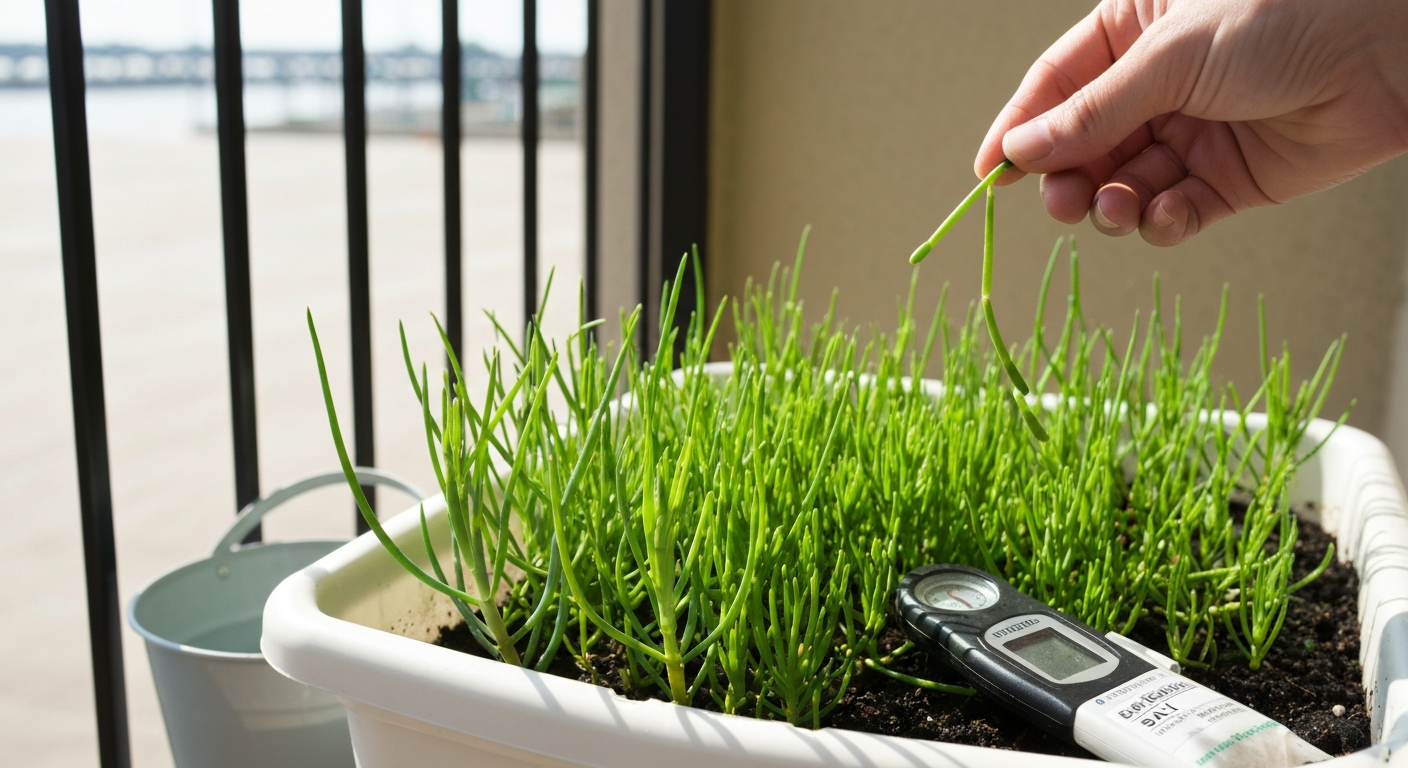
The honest answer is that 'cow grass' is a retail marketing label, not a botanical name. In the aquarium trade, you'll see it applied to a few different plants, and getting this wrong is the number one reason people fail. The two most common things sold under this name are: a true carpeting aquatic grass (often a fine-leaved species similar to hair grass or small leaf grass) sold as 'Big Cow Hair Grass,' and Ophiopogon japonicus, commonly called mondo grass or dwarf lilyturf. Retail listings for “Big Cow Hair Grass” use the cow-naming convention for a carpeting grass product rather than providing an aquarium-plant species name in the product snippet. These two plants need completely different treatment in an aquarium.
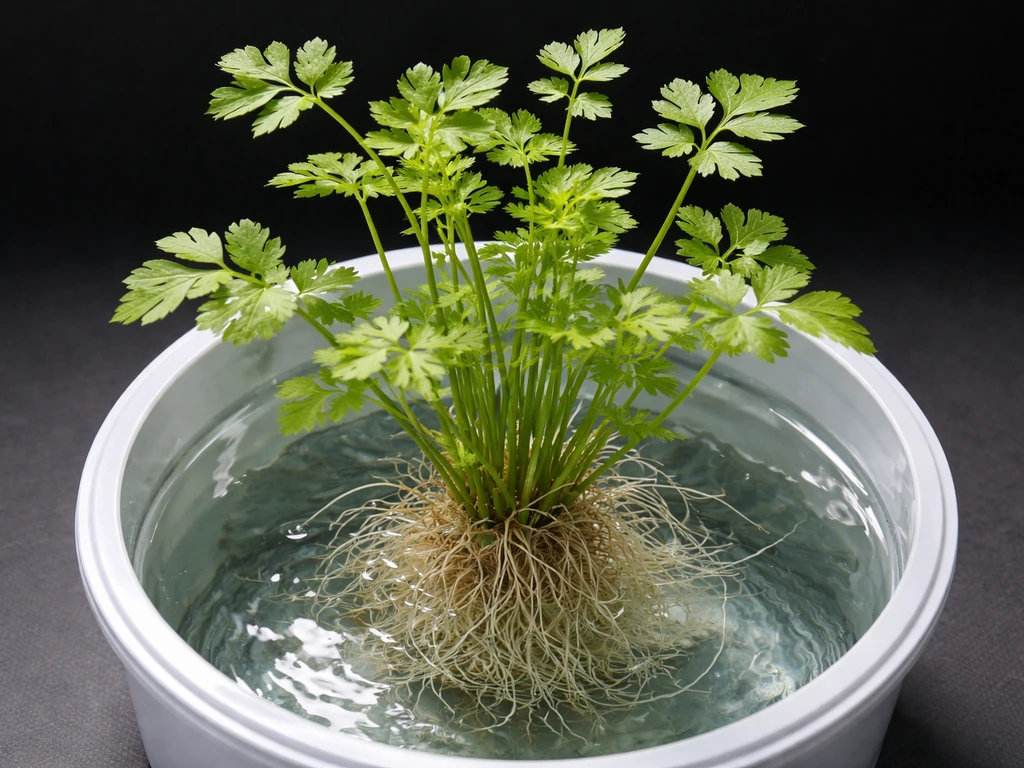
Ophiopogon japonicus is the one that catches people out. It looks the part, it's cheap and widely sold at fish stores, but it is not a true aquatic plant. Kept fully submerged, it will survive for a few months and then slowly die. The leaves yellow, the rhizome rots, and the whole clump falls apart. If what you bought has thick, rubbery, dark-green strap-like leaves coming from a dense rhizome with stolons underneath, that's almost certainly Ophiopogon. It's not suitable for a fully submerged aquarium setup.
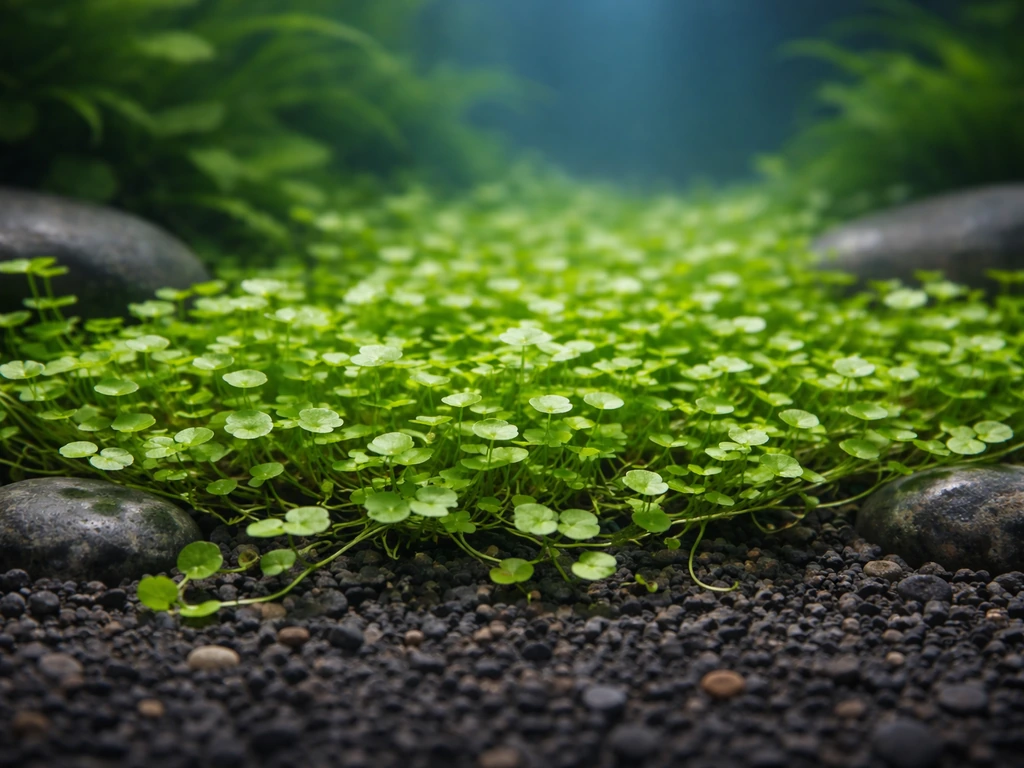
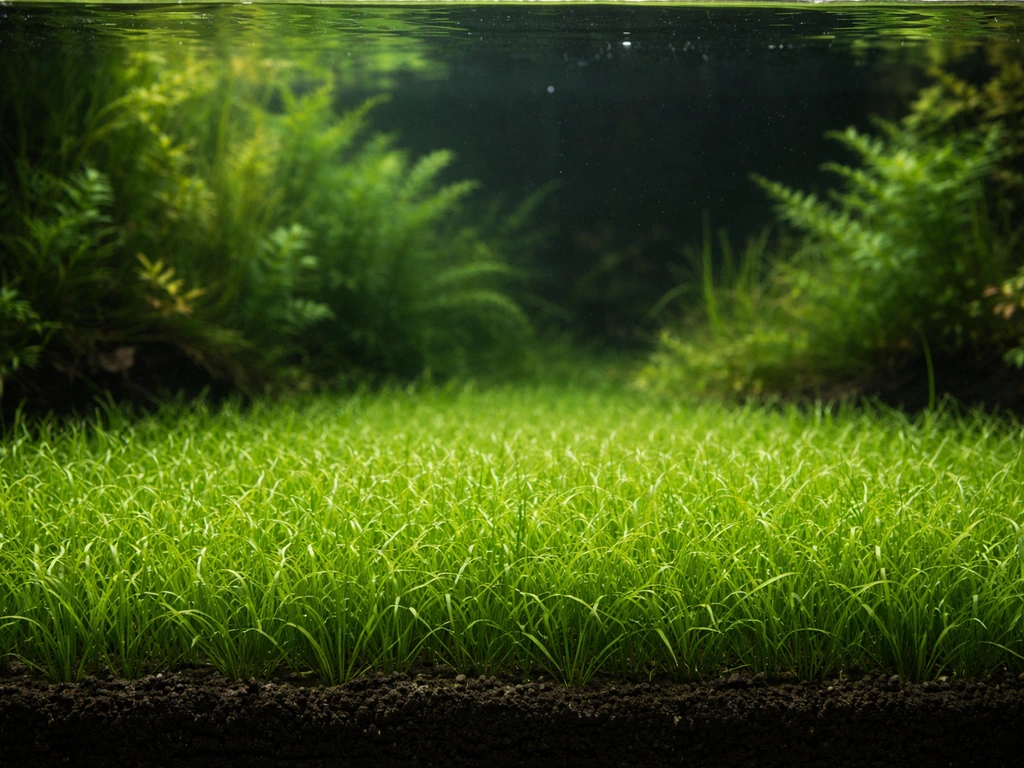
If your plant has very fine, hair-like or narrow grass blades and the seller described it as a carpeting plant, you're likely looking at a true aquatic species. Products like 'Big Cow Hair Grass' fall into this category and are treated the same way as other carpeting grasses in the hobby, such as hair grass or small leaf grass. If you want a small leaf grass carpet, you can also start similar carpeting species from seed, then follow the same light, substrate, and nutrient targets as your aquarium matures. The rest of this guide focuses on this type, with specific notes on Ophiopogon where relevant.
- Fine, soft, hair-like or narrow grass blades that bend easily in water flow: likely a true aquatic carpeting grass. Proceed with this guide.
- Thick, rubbery, dark strap-shaped leaves from a visible rhizome with stolons: likely Ophiopogon japonicus. Not suitable for full submersion. Use it as an emergent or paludarium plant instead.
- Unsure? Check the packaging for a Latin name. If there is no species name listed, search the seller's product photo against hair grass and Ophiopogon side by side before planting.
Setting Up Your Tank the Right Way
Carpeting cow grass is a foreground plant. If you want even faster establishment, follow the aquarium-specific steps for growing hair grass in aquarium setups, including the right substrate and light schedule carpeting grasses. It hugs the substrate and spreads horizontally, so it works best in tanks where light can reach the bottom without being blocked. A shallow tank in the 10 to 20 gallon range is ideal for beginners. Taller tanks (over 18 inches) make adequate light intensity much harder to achieve without expensive fixtures.
Substrate
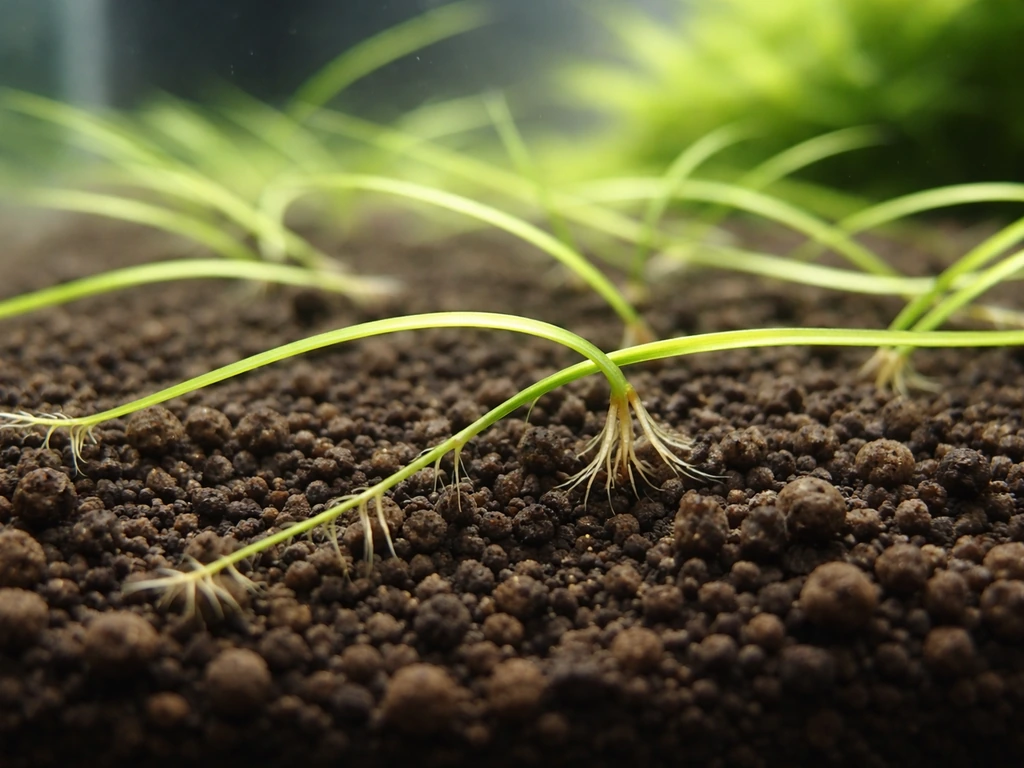
This is the most important variable. Cow grass carpets spread by sending runners through the substrate, so the roots need somewhere to go. A nutrient-rich aqua soil or planted tank substrate (like ADA Amazonia, Fluval Stratum, or similar capped aquasoil) at a depth of at least 3 inches gives the best results. To grow vallisneria in your aquarium successfully, match its light, substrate, and feeding needs to how it roots and spreads vallisneria in aquarium. Plain gravel or sand without a nutrient layer will stunt growth dramatically. I tried fine sand in my first attempt and the grass just sat there for two months doing nothing before I gave up and rebuilt with a proper substrate.
Lighting
Carpeting grasses are medium to high light plants. You're looking for at least 30 to 50 PAR (photosynthetically active radiation) at the substrate level, and for thicker, denser carpeting, 50 to 80 PAR is better. In practical terms, a quality LED planted tank light (Chihiros, Fluval Plant 3.0, Current USA Satellite Plus Pro, or equivalent) over a standard tank depth will work well. Run the light for 8 hours per day on a timer. Don't go beyond 10 hours, especially while the tank is cycling up, because longer photoperiods with high nutrients fuel algae more than plant growth.
Water Flow
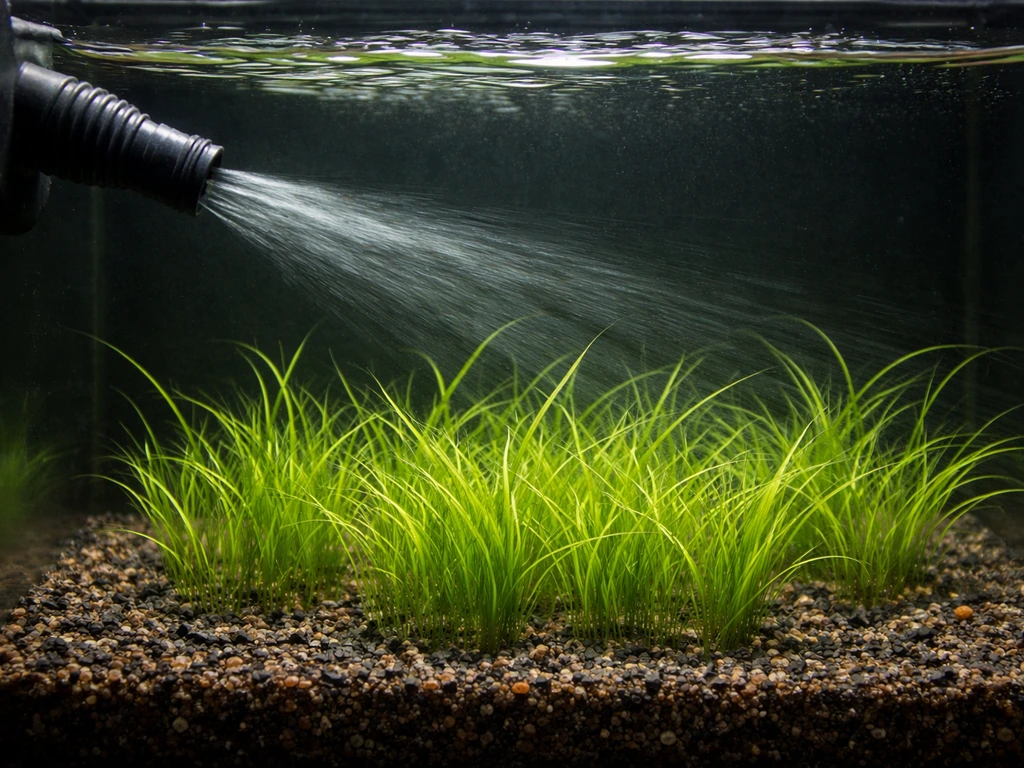
Gentle to moderate flow is ideal. You want enough surface agitation for gas exchange but not so much that it blasts the newly planted grass out of the substrate. A turnover rate of 4 to 6 times the tank volume per hour through your filter is a good target. If you're using a powerhead or wavemaker, angle it toward the surface rather than directly at the carpet.
CO2 and Fertilization
Injected CO2 is not strictly required, but it makes a significant difference. With CO2 injection (targeting 20 to 30 ppm), carpeting grasses spread 2 to 3 times faster and stay greener. Without CO2, you'll still get growth in high light, but it will be slower and you'll fight more algae in the process. If CO2 injection is out of budget right now, liquid carbon supplements (like Seachem Excel or similar) used daily at the recommended dose help bridge the gap. Pair CO2 with a root tab or two per plant cluster plus a balanced liquid fertilizer (one that includes nitrogen, phosphorus, potassium, and micronutrients like iron) dosed weekly.
How to Plant Cow Grass Step-by-Step
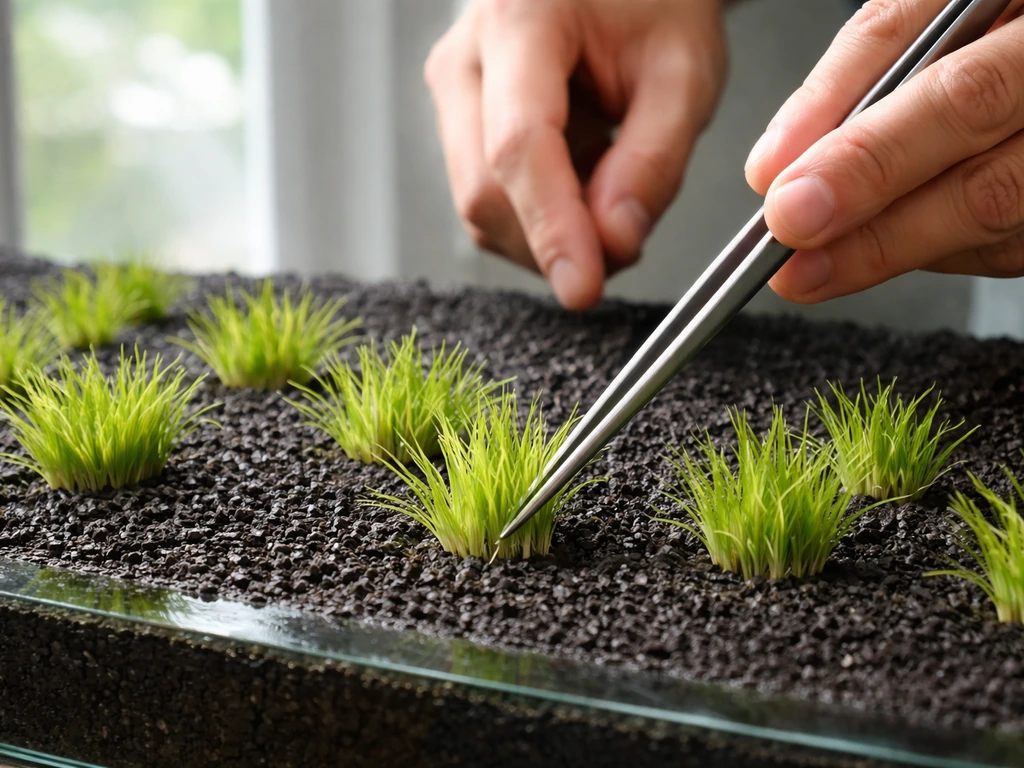
Most carpeting grasses come in a tissue culture cup or as a bunch wrapped in foam/wool. Either way, the prep process is the same before anything goes in your tank.
- Rinse the plant thoroughly under lukewarm tap water to remove any gel (from tissue culture) or rockwool. Rockwool left on roots can trap debris and cause rot, so take your time picking it off gently.
- Divide the bunch into small portions. For a carpeting grass, smaller is better. Aim for pieces that are roughly 1 to 2 cm wide with a few blades each. Smaller divisions establish faster and spread more evenly than large clumps.
- Use tweezers designed for aquascaping (straight or curved). Pick up a small portion near the root end, not the blade tips.
- Push each portion about 1 to 1.5 cm into the substrate. Go straight down, then pull back slightly to splay the roots outward in the substrate before releasing. This 'anchor pull' technique dramatically reduces floating.
- Space divisions about 1 to 2 cm apart in a grid pattern. This looks sparse at first but the runners will fill in the gaps within weeks. Planting too densely wastes plant material and can cause the center portions to die from lack of light.
- After planting, do not change the water immediately. Let the plants settle for at least 24 hours before doing any significant water movement or a water change.
- Optional but highly recommended for beginners: use the dry start method (DSM). Drain the tank to just above substrate level, mist the planted carpet twice daily, and seal the top with cling wrap for 3 to 4 weeks. The grass will root deeply and spread before you add water. This is the single most reliable way to get a dense carpet without CO2.
Water Parameters and Ongoing Maintenance
Once the tank is filled and running, these are the parameters to aim for and maintain.
| Parameter | Target Range | Why It Matters |
|---|---|---|
| Temperature | 22 to 28°C (72 to 82°F) | Most carpeting grasses tolerate a wide range; cooler end slows algae slightly |
| pH | 6.5 to 7.5 | Near-neutral suits most aquatic grasses and most tank inhabitants |
| Hardness (GH) | 4 to 12 dGH | Some mineral hardness supports healthy cell function in grass blades |
| Ammonia / Nitrite | 0 ppm | Spikes during cycling kill carpeting grass quickly |
| Nitrate | 10 to 30 ppm | Primary nitrogen source for growth; keep below 40 ppm |
| Phosphate | 0.5 to 2 ppm | Often limiting in planted tanks; dose if growth stalls |
| CO2 | 20 to 30 ppm (if injecting) | Faster spread and greener blades; use a drop checker to monitor |
Weekly Maintenance Routine
- 30% water change once per week. Consistent water changes dilute waste and replenish minerals. This is non-negotiable for a healthy carpet.
- Dose liquid fertilizer after each water change, not before. Dosing before a water change wastes product.
- Check CO2 drop checker color before lights-on each day. Lime green is ideal. Yellow means too much CO2 (dangerous for fish), blue means not enough.
- Inspect the carpet for algae spots, especially green spot algae on older blades and thread algae in dense clumps.
- Trim the carpet with aquascaping scissors once blades reach 3 to 4 cm tall. Cut to about 1 to 1.5 cm. This encourages lateral spread over vertical growth and keeps the carpet tight.
Keeping Algae Under Control
Algae outbreaks during carpet establishment are the most common frustration. The window when the plants are just establishing but nutrients and light are already high is when algae moves in fastest. The best defense is to keep light intensity lower for the first two weeks (50 to 60% power on your fixture), run a short photoperiod of 6 to 7 hours to start, and avoid overdosing nutrients early on. Add Amano shrimp to the tank as soon as it's cycled, since they are excellent at grazing hair algae and diatoms off the carpet blades without uprooting the plants. Nerite snails also help with green spot algae on the glass and broad leaves but won't bother the grass.
Troubleshooting the Most Common Problems
The Grass Keeps Floating Back Up
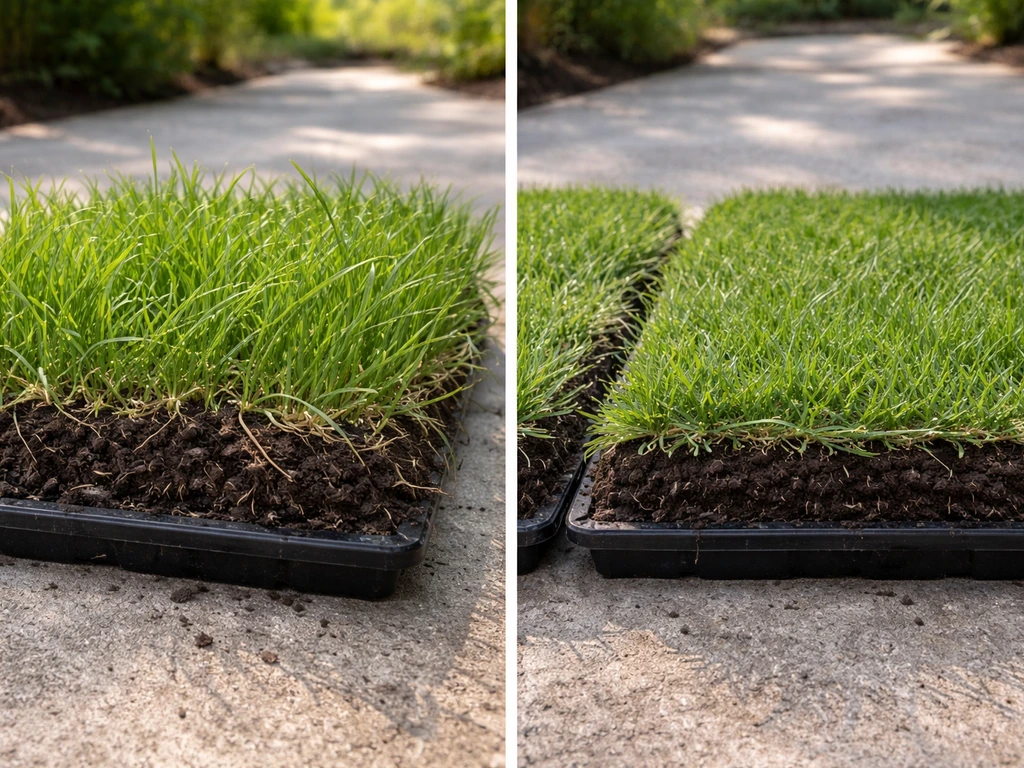
This is almost always a planting technique issue. Make sure you're going deep enough (1 to 1.5 cm minimum) and using the anchor-pull method described above. If your substrate is too coarse or sandy, roots have nothing to grip. Switching to a finer-grained aquasoil resolves this immediately. Weighting small portions with plant weights or aquascaping sand as a temporary hold while roots establish also works.
Yellowing Blades
Yellow blades in a new carpet usually mean nitrogen deficiency, insufficient iron, or a pH that's too high. Check your nitrate (should be above 10 ppm) and add a root tab near the affected area. If the newest blades are pale or yellow rather than old ones, that's typically an iron or micronutrient deficiency. Dose a chelated iron supplement and watch for new growth color over the next week. If pH is above 7.8, the plant's ability to uptake some nutrients drops significantly.
Melting After Planting
Melting in the first 1 to 2 weeks is normal, especially with tissue culture plants transitioning from the emersed form they were grown in. After you’ve transitioned from the emersed phase, you can keep the carpet healthy by following the same substrate, light, and CO2 targets for submersed growth. The existing blades may die back while new, submersed-grown blades push up from the roots. Don't pull the plant out at this stage. As long as the roots are anchored and not rotting, give it another week or two. Melt becomes a problem when the roots also go soft and dark, which usually indicates substrate anaerobic conditions or ammonia poisoning.
Slow or No Growth
If growth has stalled after 3 to 4 weeks, work through this checklist: Is PAR at the substrate actually sufficient (measure it with a PAR meter if you can, or borrow one at your local aquarium club)? Is your tank fully cycled with no ammonia or nitrite? Are you dosing both macro and micro nutrients? Is CO2 adequate? Slow growth is almost always caused by one of these four variables being off. The most common mistake I see is people running a light at 20% intensity thinking they're being conservative, when in reality the carpet is getting nowhere near enough light to drive photosynthesis.
Holes in the Blades or Brown Tips
Holes typically mean potassium deficiency. Add a potassium supplement (like Seachem Potassium or a balanced NPK fertilizer) and the new growth should come in clean within a week. Brown tips can indicate either a water quality issue (check ammonia and nitrite), physical damage from high flow, or the plant adjusting to submersed life. If it's only on the outer tips of older blades and new growth looks healthy, it's likely just transition stress.
Algae Taking Over the Carpet
Green hair algae threading through a young carpet is painful to deal with. Don't yank it out aggressively or you'll take the grass with it. Instead, reduce the photoperiod by 1 to 2 hours, do two back-to-back 30% water changes on consecutive days to drop nutrients, and manually remove as much algae as you can with a toothbrush or by twirling it on a skewer. Add Amano shrimp if you haven't already. Avoid using algaecides near a new carpet since many are harmful to delicate grass species.
Fish and Invertebrate Compatibility
Most small peaceful fish are fine with a cow grass carpet. Nano fish like ember tetras, chili rasboras, small danios, and pygmy corydoras won't disturb it. The concern comes from bottom-dwelling or digging species. Goldfish, cichlids, and large loaches will uproot a carpet almost instantly. Avoid them entirely while the carpet is establishing, and honestly avoid goldfish and most cichlids long-term if you want a carpet at all.
Herbivorous fish are the other risk. Silver dollars, Buenos Aires tetras, and some barb species will graze directly on soft-leaved grass plants. If your fish have shown interest in eating plants before, the carpet won't last. Stick to known plant-safe species for a planted carpet setup.
Invertebrates are mostly your friend here. Amano shrimp, cherry shrimp, and nerite snails all coexist well with carpeting grass and actively help keep it clean of algae. One exception: Malaysian trumpet snails and larger snails that burrow can disturb roots. They're not catastrophic, but keep populations in check. Mystery snails are generally fine.
One safety note specific to Ophiopogon japonicus: if you are running it as an emergent plant in a paludarium or above the waterline, it's worth knowing that this plant is mildly toxic to cats and dogs if ingested. It's not a risk in a standard fully aquatic setup, but worth mentioning if children or pets interact with your tank.
Quick Start Checklist and Realistic Timeline
Here's everything to do today and what to expect over the next few weeks.
- Identify your plant: is it a true aquatic carpeting grass or Ophiopogon japonicus? Check blade texture and whether there's a visible rhizome.
- Set up a cycled tank with nutrient-rich aquasoil at least 3 inches deep.
- Install a quality LED planted light capable of 30 to 80 PAR at substrate level.
- Set the photoperiod timer to 7 hours to start, increasing to 8 hours after week 2.
- Add CO2 injection or start daily liquid carbon dosing.
- Rinse and divide your plant into 1 to 2 cm portions.
- Plant with tweezers using the anchor-pull method, spaced 1 to 2 cm apart.
- Add Amano shrimp once the tank is cycled (5 to 10 shrimp per 10 gallons).
- Begin weekly 30% water changes and liquid fertilizer dosing after week 1.
- Monitor parameters weekly: nitrate 10 to 30 ppm, phosphate 0.5 to 2 ppm, pH 6.5 to 7.5.
- Trim the carpet when blades reach 3 to 4 cm to encourage lateral spread.
- Stay patient through the melt phase in weeks 1 to 2.
| Timeline | What to Expect |
|---|---|
| Days 1 to 7 | Some melting of original blades is normal. Roots anchoring in substrate. No visible spread yet. |
| Weeks 2 to 3 | New submersed-form blades emerging. Visible runners starting to push out if CO2 and light are adequate. |
| Weeks 4 to 6 | Patches filling in and connecting. First trim recommended. Carpet is establishing but still patchy. |
| Weeks 8 to 12 | Dense, connected carpet if setup is dialed in. Regular trimming needed every 2 to 3 weeks. |
| Week 12+ | Mature carpet. Maintenance mode: trim, water change, dose, repeat. |
A note on expectations: with CO2 injection and strong light, some carpeting grasses will fill in faster than 8 weeks. Without CO2, budget 12 weeks or more for a comparable result. The dry start method gives the fastest and most reliable carpet of all, especially for beginners. Whichever route you take, the most important thing is consistency, same light schedule, same water change day, same dosing routine. The carpet doesn't forgive erratic care, but it rewards steady attention very reliably.
FAQ
How can I tell whether my “cow grass” is true carpeting grass or Ophiopogon?
If you’re unsure which “cow grass” you have, don’t rely on the store label. Look for leaf shape and growth form: true carpeting grasses have very fine, hair-like or narrow blades and spread via runners, while Ophiopogon has thick, strap-like leaves coming from a dense rhizome and typically declines when fully submerged. When in doubt, treat Ophiopogon as a non-fully-submerged plant, or keep it in an above-water or paludarium setup.
Should I trim cow grass to help it carpet faster, and when is it safe to do so?
For most carpeting grasses, trimming is optional, but it’s helpful when the carpet is uneven. Use small scissors to remove tall, weak, or algae-covered tips without pulling plants from the substrate, and only trim after you see stable new growth. Avoid aggressive raking, it can loosen the runners and restart the establishment phase.
What should I check first if my cow grass is growing but not spreading?
If the carpet is healthy but not spreading, the most common cause is insufficient rooting space or low substrate fertility, not “too little feeding.” Confirm you have at least about 3 inches of nutrient-rich aquasoil and that plants are planted deep enough with the anchor-pull technique. Also check PAR at the substrate level, many tanks look bright from above while still delivering too little at the bottom.
Do I have to inject CO2 to grow cow grass in an aquarium successfully?
You can skip CO2 if budget is tight, but you should compensate with two things: keep the photoperiod tight (around 6 to 7 hours early on) and make sure nutrients are dosed moderately rather than high from day one. With no CO2, you may still get growth, but you’ll usually see slower runner expansion and a higher algae risk if light and fertilization run too strong.
Can I change light or fertilizer during the first month if algae starts showing up?
Yes, but you should stop changing more than one major variable at a time. If you need to adjust light or nutrients, change only one (for example, reduce photoperiod by 1 to 2 hours) and wait about a week to judge results. Sudden fertilizer increases during establishment are a frequent cause of algae threading into the carpet.
My cow grass keeps coming loose, what’s the correct way to replant it?
If the carpet is floating or lifting, it’s usually planting depth or substrate looseness, not “bad water.” Re-plant that area using the anchor-pull method and ensure plants are pressed into fine-grained aquasoil so roots can grip. For immediate hold, you can temporarily weight small sections with plant weights until runners anchor.
How do I know if my tank is cycled enough for cow grass carpet to take off?
A partial cycling that still shows ammonia or nitrite is a common reason for slow carpets and plant melt. Before expecting strong growth, confirm the tank is fully cycled, and target stable conditions (for example, no ammonia, no nitrite). Also keep CO2, lighting schedule, and dosing consistent so the plant can focus on building new submersed blades.
What do yellow blades usually mean in an aquarium-grown cow grass carpet?
If you see yellow blades, first confirm whether the yellowing is on new growth or older blades. New/pale-yellow growth often points to iron or micronutrient shortage, while widespread yellowing can relate to nitrogen, iron, or high pH reducing uptake. Treat by adding the appropriate root tab near the affected area or adjusting micronutrient dosing, rather than changing everything at once.
Why does my cow grass melt after planting, and how can I tell normal melt from root rot?
Melting in the first 1 to 2 weeks is usually normal, especially with tissue-culture plants transitioning from above-water growth. It becomes a real problem when roots also turn soft or dark and the mat starts failing, not just losing older blades. Don’t pull the carpet early, give it time unless you see root rot signs.
Will moving hardscape or doing frequent re-scaping ruin a cow grass carpet?
For beginners, re-scaping too often is a hidden setback. Avoid uprooting or rotating heavy aquascapes while the carpet is establishing, because runners break and you get dead patches. If you must move hardscape, do it gently and keep the plants anchored, then resume the same light schedule and dosing routine immediately after.
Which fish are safest with cow grass, especially during the first few weeks?
Fish selection matters most during establishment. Skip bottom-dwellers and diggers (they can uproot a carpet quickly), and avoid known plant-grazers if you want a durable carpet. Instead, use fish that are typically indifferent to plants, and add Amano shrimp after cycling if you need algae control on the carpet blades.
What’s the best way to handle green hair algae threading through a new cow grass carpet?
If you have green hair algae in the carpet, manual removal plus a short photoperiod reduction usually works better than harsh products. Reduce light by 1 to 2 hours, do two consecutive day water changes, and manually tease out algae with a toothbrush, then rely on shrimp for ongoing grazing. Many algaecides can harm delicate grass tissue, so avoid them near a young carpet.
Is the dry start method worth it for cow grass, and what should I expect during transition to full submersion?
If you want faster, more reliable results, the dry start method is typically the quickest route. It lets plants grow with less algae pressure and stronger conditions for runner development, then you flood later. If you do this, plan on a careful transition, keep growth consistent, and only expect full coverage after runners fully establish under emersed conditions.
My cow grass looks unchanged after a month, what should I troubleshoot first?
If it’s stuck after 3 to 4 weeks, the fastest troubleshooting path is to verify four variables: substrate depth and nutrient layer for rooting, PAR at the substrate level, tank cycling status, and whether CO2 and fertilization are adequate. If you’re not measuring PAR, don’t assume “low intensity” means safe, some settings still leave the carpet underlit at the bottom.
What causes holes in a cow grass carpet, and how do I fix them efficiently?
Holes are most often linked to potassium shortage, especially when new growth is actively expanding through the carpet. Dose potassium in line with your routine and watch the next flush of growth rather than expecting instant patch-filling. If holes coincide with algae or poor rooting, also revisit light and substrate quality.
Why are the tips of my cow grass turning brown?
Brown tips can come from multiple causes, water quality problems (including ammonia or nitrite), physical stress from high flow, or simple transition effects. Start by checking ammonia and nitrite, then dial flow down or redirect it away from the carpet. If the rest of the blades look healthy and only tips are affected, it may resolve as the carpet adapts.