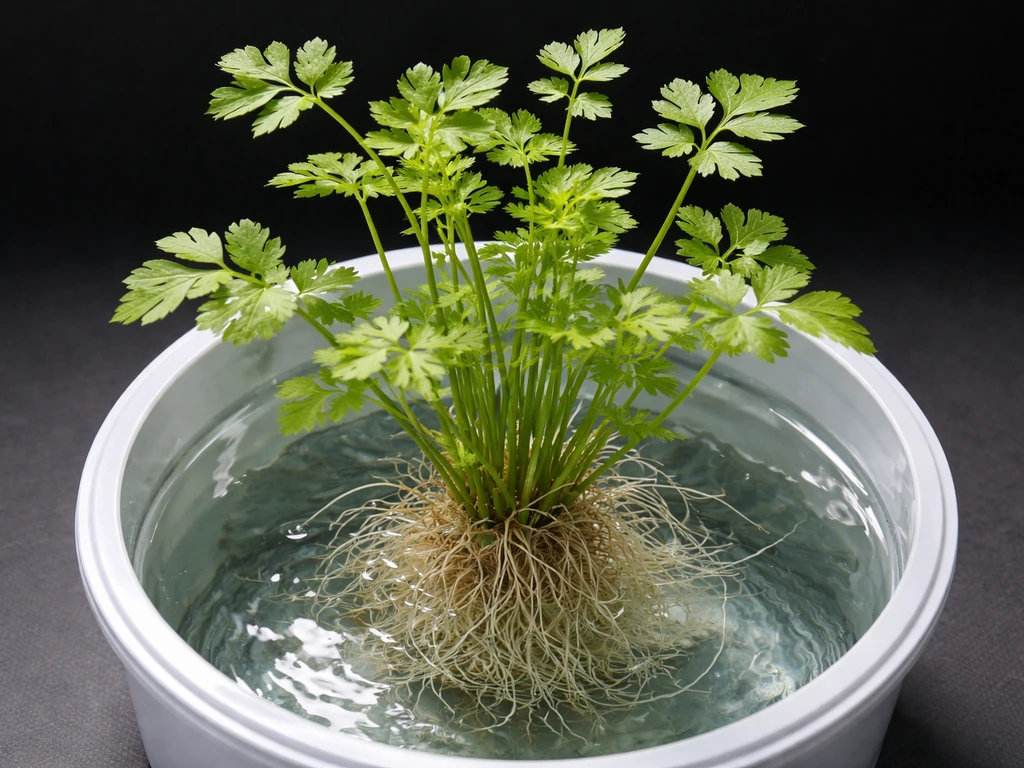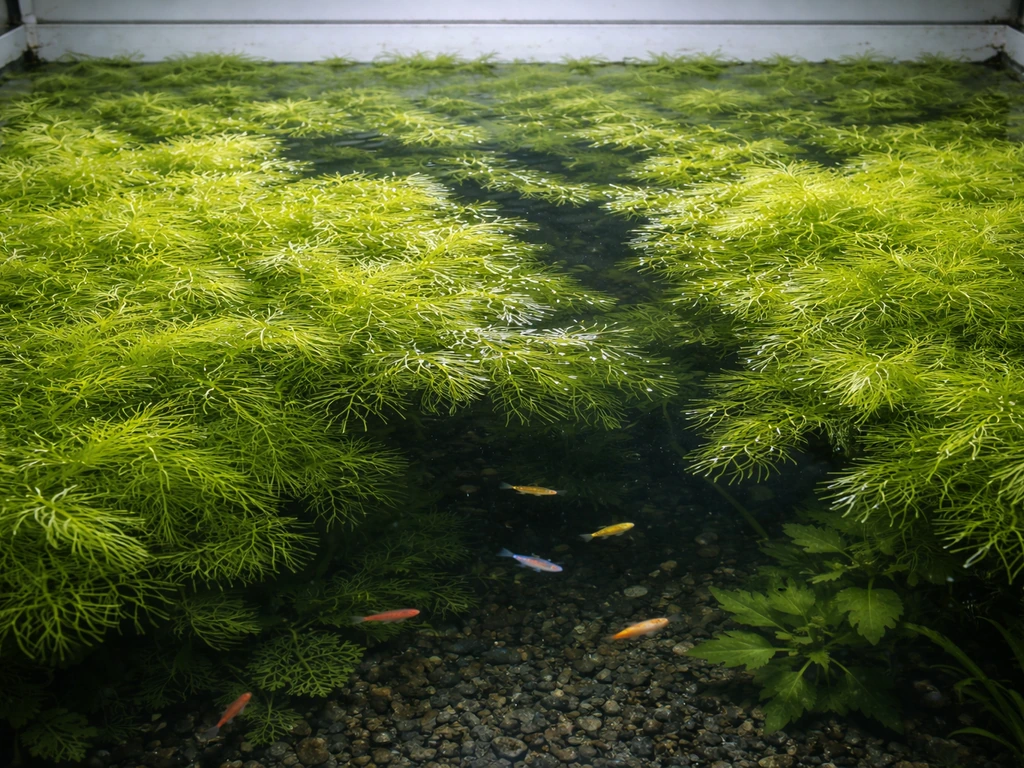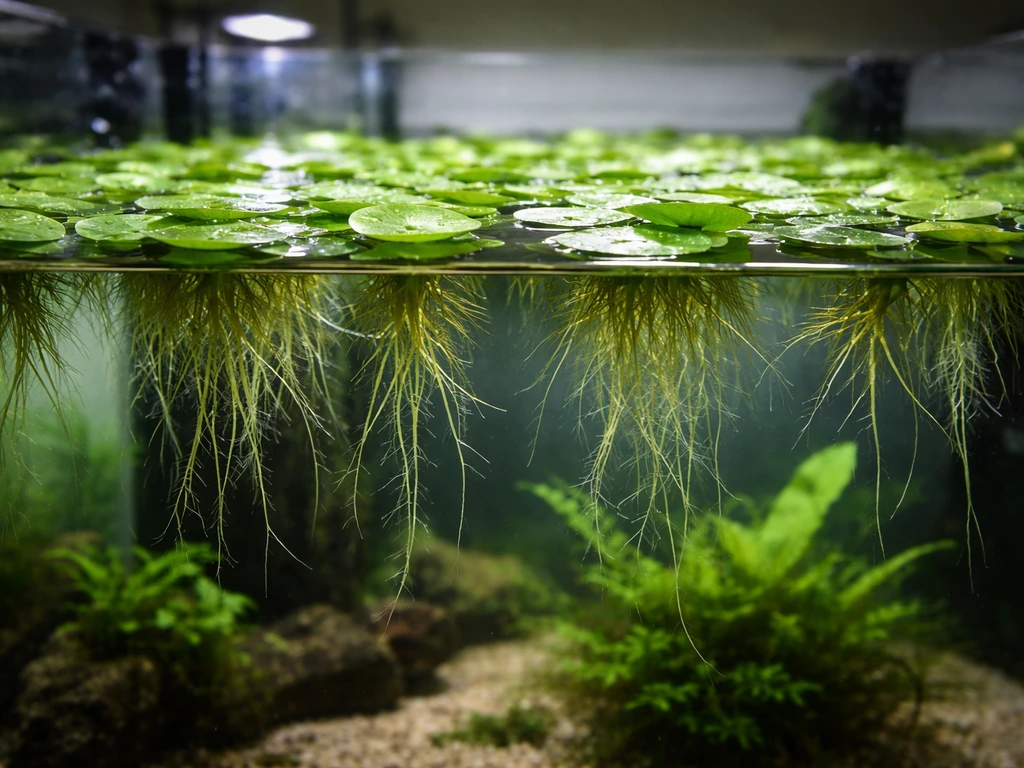
Moneywort (Lysimachia nummularia) will grow reliably in an aquarium if you give it medium to bright light, blank" rel="noopener noreferrer">stable water between 15–26°C, a pH of 6–8, and bury at least one node per cutting in the substrate. If you want to grow pennywort successfully long term, focus on the basics first: light, stable water, and proper node planting how to grow pennywort. The biggest trap is buying emersed-grown stock and expecting instant results: the plant will almost certainly melt back first, and that's completely normal. Once it adjusts and pushes submersed growth, it can cover ground at roughly 5 centimeters per week under good conditions. Give it a consistent setup and it will take care of itself; neglect the light or nutrients and it will stall, yellow, and frustrate you.
How to Grow Moneywort in Aquarium: Step-by-Step Care
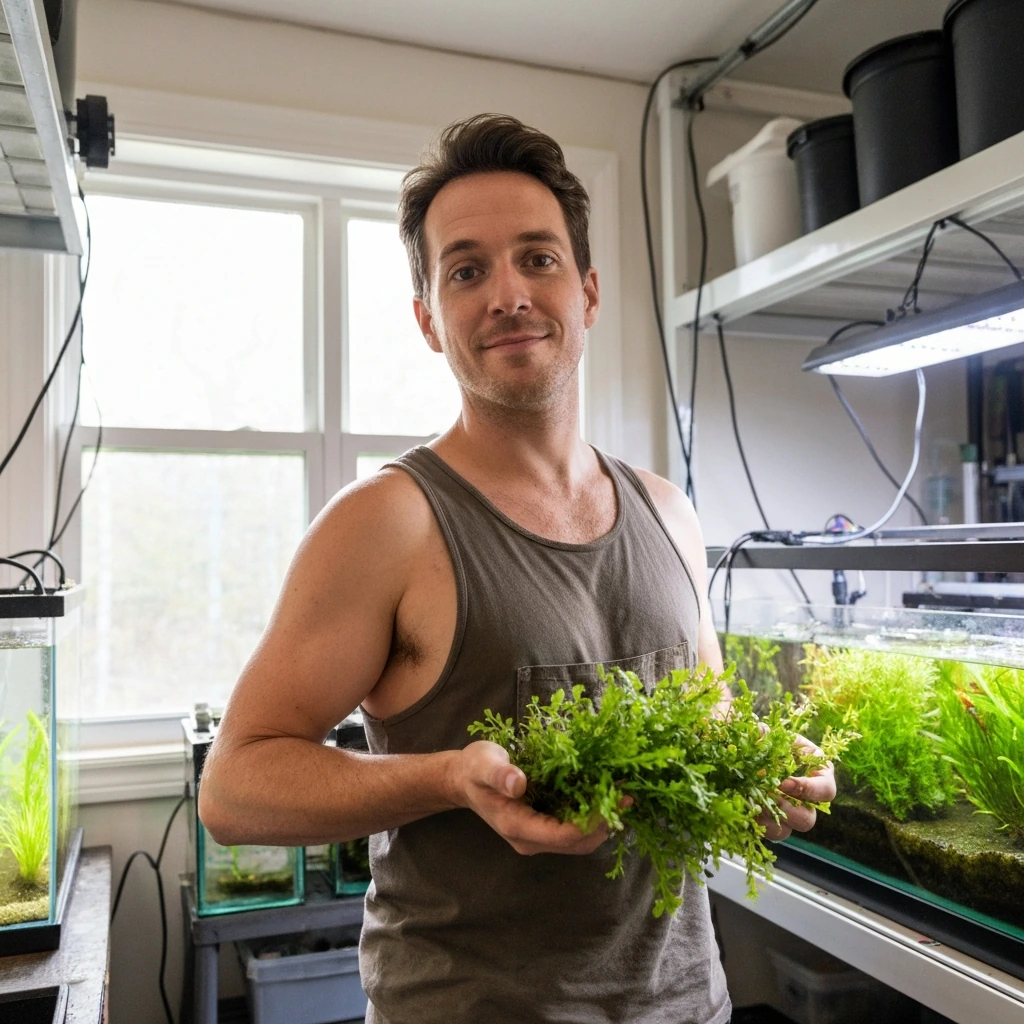
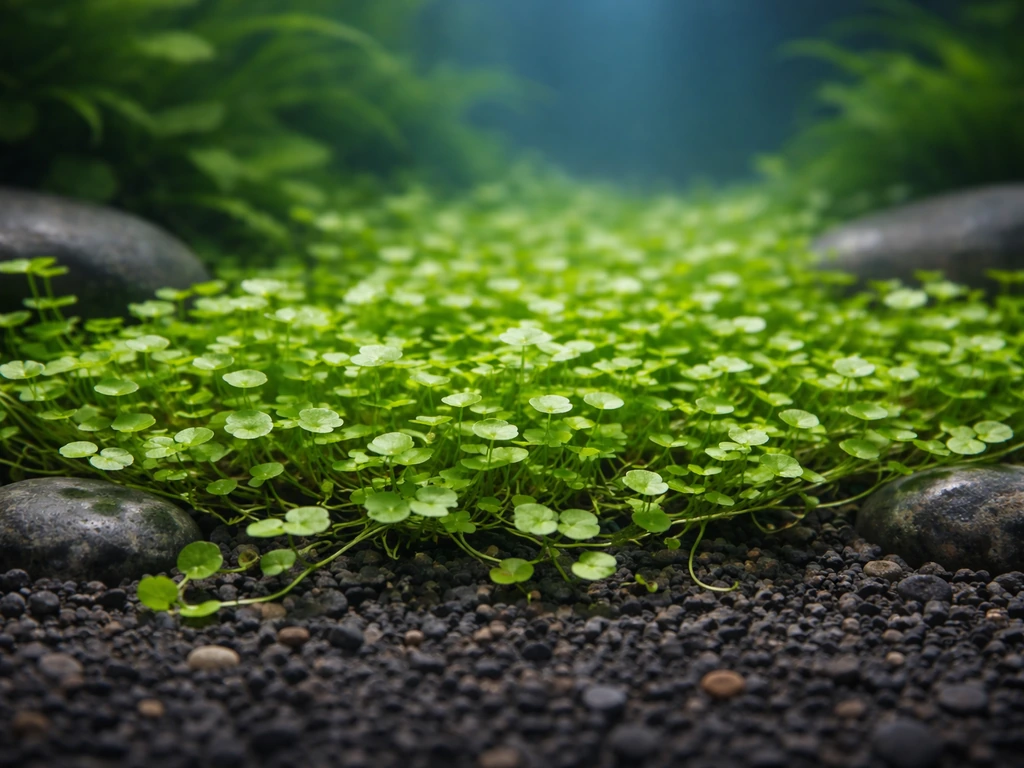
What moneywort actually is and how it grows underwater
Lysimachia nummularia belongs to the primrose family (Primulaceae) and is also sold under the name creeping jenny. In an aquarium context, it's a stem plant with rounded, coin-shaped leaves spaced along trailing stems that creep horizontally and root wherever a node touches the substrate. That node-rooting habit is the key to understanding how it spreads and how to propagate it. Left alone, it will carpet a tank bottom or drape along driftwood, creating a dense, bright-green mat. Emersed, the leaves are slightly waxy and more upright. Submerged, they become softer and more horizontal, which is why the plant looks so different between the two forms.
It's worth knowing that most moneywort sold at aquarium shops is grown emersed (in moist air above water, often in small pots or tissue culture). This matters because when you drop it straight into a fully submerged aquarium, the emersed leaves die off. Some people mistake this die-off for the plant dying. It isn't. The plant is producing new submersed-form leaves from the nodes; you just have to wait it out. I've had cuttings look completely dead at week two and then push fresh growth by week three.
Setting up the right conditions before you plant
Submersion style: full vs. semi-submerged
Moneywort handles both fully submerged and semi-submerged (emersed/paludarium) setups. For a standard aquarium, you'll grow it fully submerged. If you want it to thrive, follow the specific hornwort aquarium growing steps for light, nutrients, and anchoring. If you have a shallow tank, open-top setup, or paludarium, you can let stems trail above the waterline, where it will actually grow a little faster and even flower. For a planted tank, commit to one style early: mixing the two mid-cycle causes unnecessary stress and can trigger melt.
Substrate and anchoring options
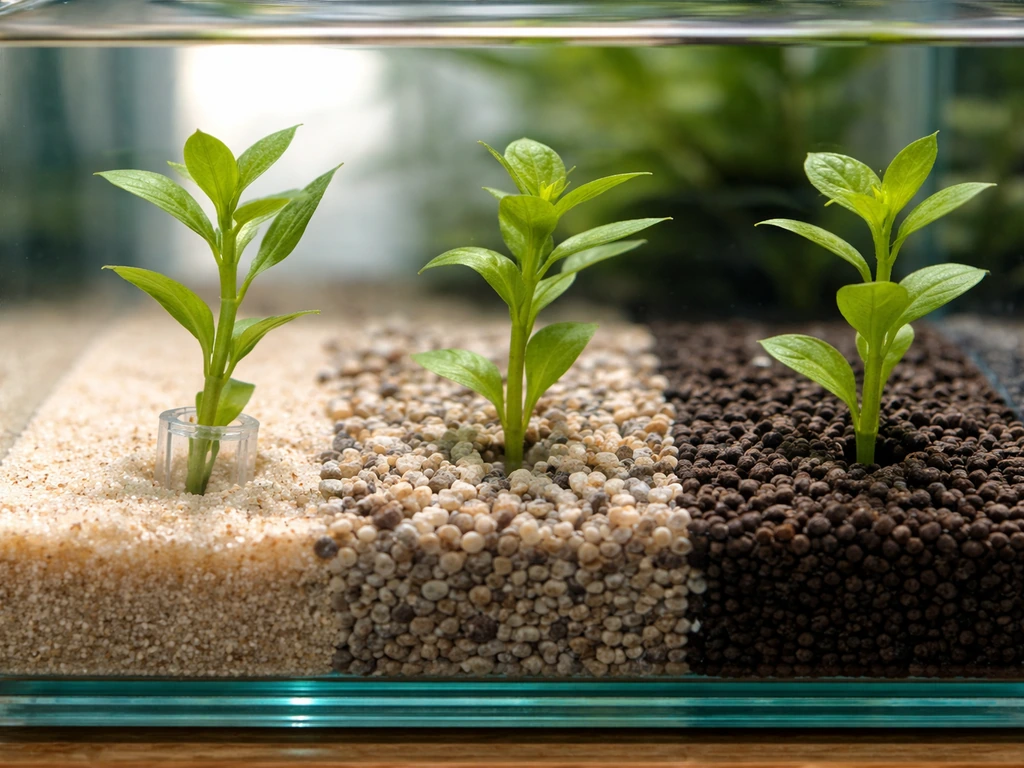
Moneywort isn't fussy about substrate type, but it roots better in something fine enough to hold stems without constantly shifting. Aqua soil, fine gravel, or sand all work. The goal is to bury at least one node per cutting about 1–2 cm deep so it has something to anchor to while roots develop. If you're planting in coarse gravel, press cuttings in firmly and consider weighting them temporarily with a small piece of decor. Remove the bottom leaves from each cutting before planting so those leaf nodes are exposed to the substrate rather than rotting.
Water parameters that matter
| Parameter | Acceptable Range | Ideal Target |
|---|---|---|
| Temperature | 15–26°C (59–79°F) | 22–26°C for fastest growth |
| pH | 6.0–8.0 | 6.8–7.2 |
| Water hardness | Soft to moderately hard | Moderate (GH 4–12 dGH) |
| Flow | Low to moderate | Gentle circulation, no direct strong current |
Moneywort is genuinely tolerant on water chemistry, which is part of what makes it beginner-friendly. The temperature ceiling is the thing to watch: once you push past 26°C consistently, growth slows and the plant becomes more prone to melting and algae issues. Keep your heater set conservatively, especially in summer. Flow matters too: a gentle current is fine and actually helps distribute nutrients, but a strong direct current aimed at the plant will batter the stems and slow rooting.
Getting the lighting right
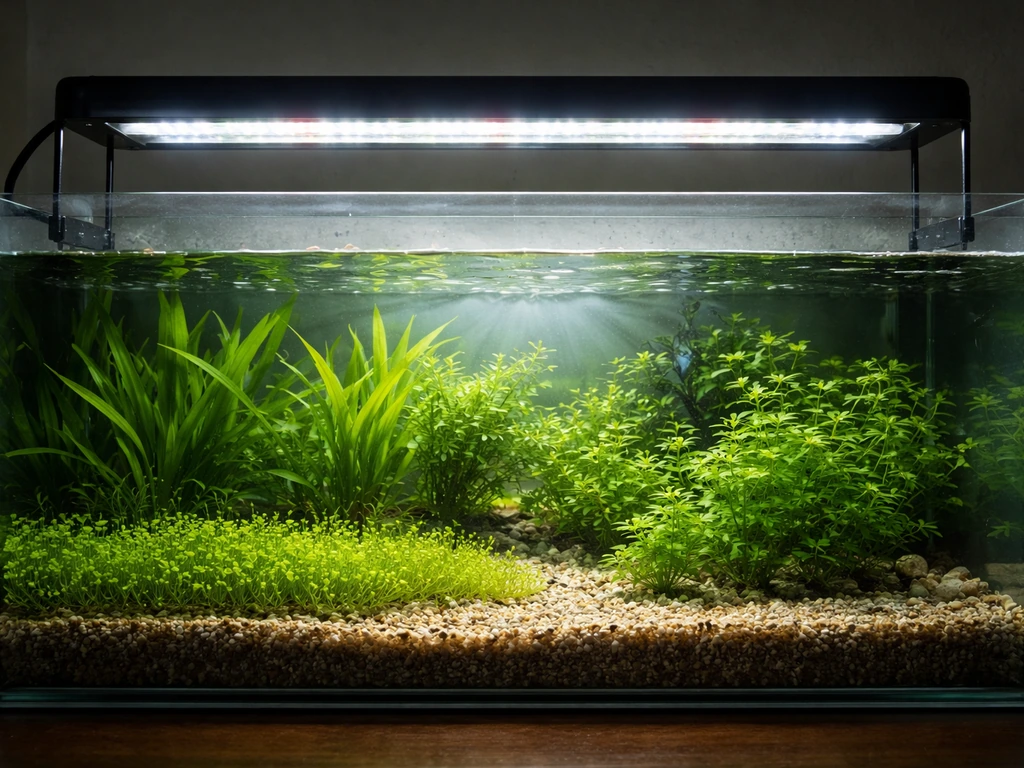
Light is the single biggest variable for moneywort success. The plant does best under medium to bright light. In PAR terms, you want at least 40–80 PAR at substrate level to drive consistent submersed growth. Too little light (under 20 PAR) and it will grow slowly, stretch upward toward the surface, and eventually yellow. Too much light without matching nutrient levels and you'll trade plant problems for algae problems.
For a beginner setup, a full-spectrum LED rated for planted tanks works well. Brands like Fluval, Chihiros, or even budget options like Hygger will do the job if you're not overdoing the tank size. Mount the light 15–30 cm above the water surface and start with a photoperiod of 8 hours per day. If growth is slow after a few weeks and algae isn't a problem, bump up to 10 hours. If algae is appearing before the plant is thriving, drop back to 7 hours and check your nutrient levels.
- Start with 8 hours of light per day and adjust from there
- Target 40–80 PAR at substrate level for medium-to-bright light
- Use a timer so the photoperiod is completely consistent, every day
- Avoid placing the tank in direct sunlight, which spikes light and temperature unpredictably
- If the plant is stretching upward with wide node spacing, it needs more light
Planting and propagating moneywort
Planting cuttings the right way
Start with cuttings that are at least 5–8 cm long and have at least two visible nodes. Strip the leaves from the bottom node, then push that node into the substrate about 1–2 cm deep. Space cuttings 3–5 cm apart so light can reach each stem. If you're buying from a shop and the stems are especially soft or already starting to yellow, trim the damaged ends off before planting and work with the healthiest portion only.
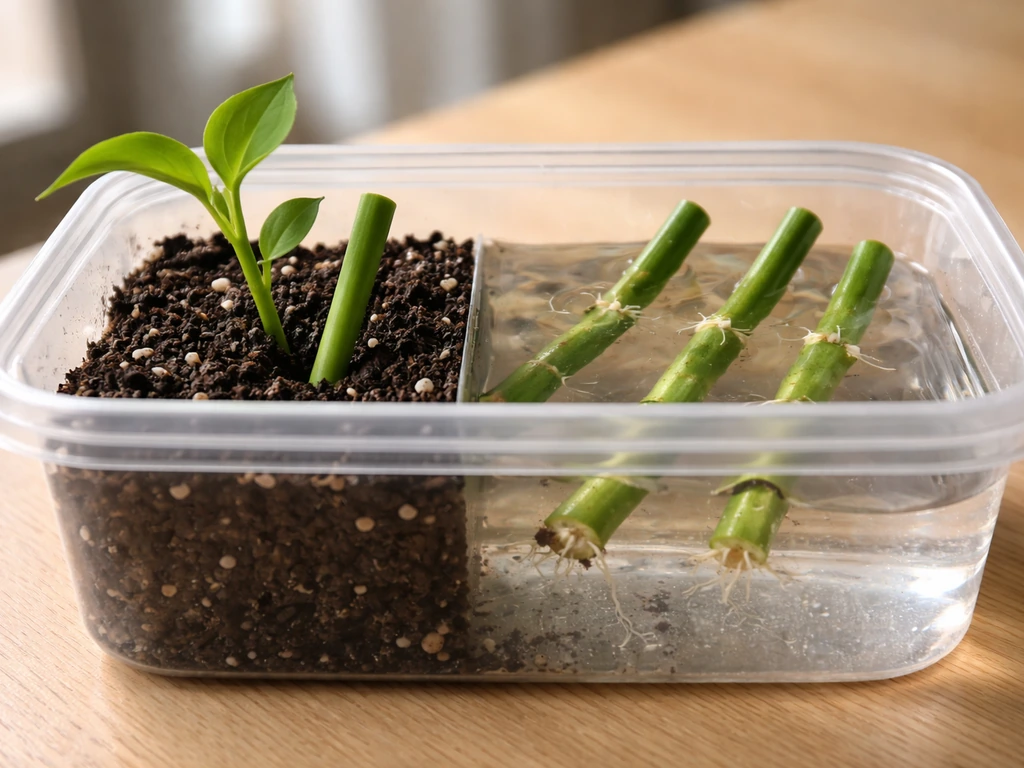
One trick that actually works: if your cuttings keep floating up because the substrate isn't holding them, let them float freely at the surface for one to two weeks first. During that time, roots often begin forming at the nodes. Once you see root nubs appearing, the cuttings will anchor much more readily when you plant them into the substrate. I've used this with stubborn emersed stock and it saves a lot of frustration compared to constantly re-planting stems that keep popping back up.
Propagation from runners and cuttings
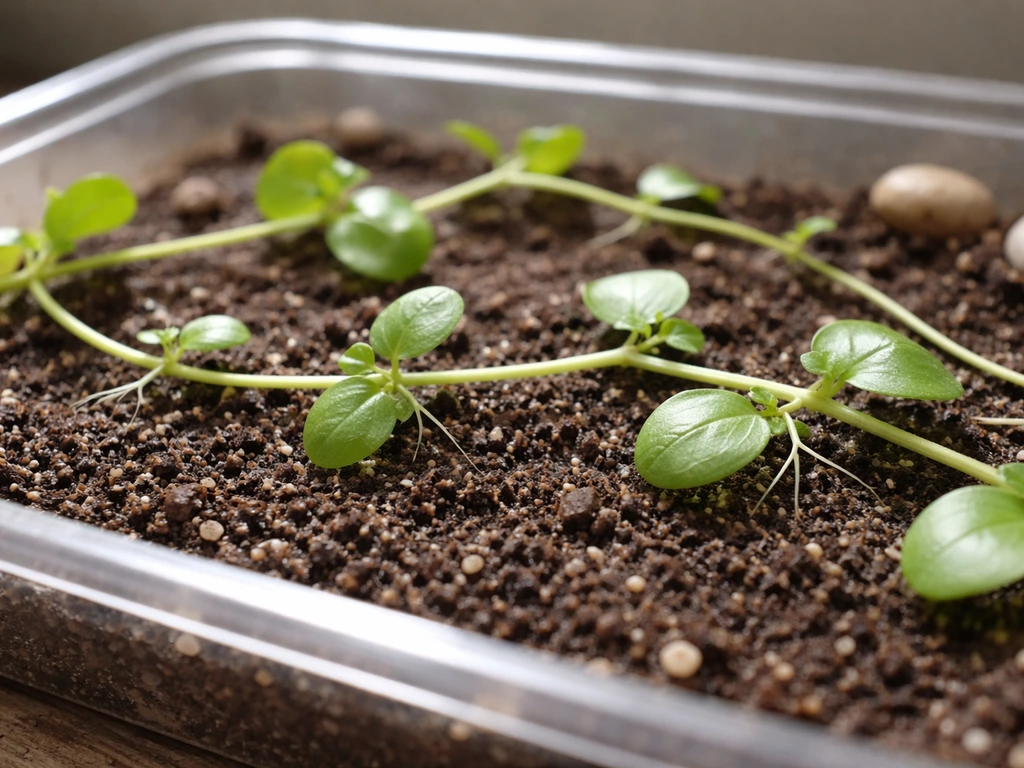
Once moneywort is established, propagation is almost automatic. If you want faster results, you can also use those creeping stems to propagate moneywort throughout your tank. The creeping stems will root at every node that touches the substrate, creating new anchor points and eventually spreading across the tank floor. To actively propagate, wait until a runner has rooted at a new point, then cut the stem connecting it back to the mother plant. That detached section grows independently. For stem cuttings, cut just below a leaf node and replant the cutting elsewhere. New shoots emerge from the cut node on the original plant, so you're not damaging the parent by trimming.
Expect the initial rooting phase to take 3–6 weeks if you're starting from emersed stock. Pinning a stem node onto moist substrate and waiting about 3, 6 weeks for it to root is a propagation approach described for creeping jenny waiting about 3–6 weeks for it to root. Submersed-grown cuttings root faster, sometimes within 2 weeks. A dose of liquid fertilizer right after planting new cuttings gives them a head start during establishment. After that, you'll probably be trimming more than propagating, because healthy moneywort spreads aggressively.
Ongoing maintenance: nutrients, trimming, and keeping it from taking over
Nutrients and CO2
Moneywort can grow without CO2 injection, and for most low-to-medium light setups, it does fine on just a balanced liquid fertilizer dosed weekly. Look for an all-in-one fertilizer that covers macronutrients (nitrogen, phosphorus, potassium) and micros (iron, manganese, etc.). Dose according to the product instructions, then adjust based on how the plant responds. If leaves are yellowing despite good light, the plant likely needs more iron or nitrogen. If algae is blooming alongside a healthy plant, you're probably overdosing relative to what the plant is consuming.
If you want faster growth or are running a high-light setup, adding pressurized CO2 at 20–30 ppm will make a noticeable difference. The plant can hit that 5 cm per week growth rate under strong light with CO2 and regular nutrients. Without CO2, expect something closer to 1–3 cm per week under medium light. Liquid carbon supplements (like Seachem Excel) are a middle-ground option that some growers use with decent results, though they're less effective than pressurized CO2.
Trimming and controlling spread
Moneywort spreads via its creeping stems, and in a healthy tank it will absolutely take over if you let it. The good news is that it's easy to control. Trim stems before they reach the edges or start shading other plants. Cut horizontally across the stem just above a node, and new growth will sprout from that cut point. Replant the trimmed tops if you want to fill gaps elsewhere, or discard them. Prune every 2–3 weeks during active growth phases to keep coverage dense without becoming invasive.
If you want moneywort to form a midground carpet rather than spreading everywhere, train the stems by physically repositioning runners before they root in unwanted spots. Runners only anchor where they touch substrate, so keeping them lifted or redirecting them gives you a surprising amount of control over where the plant grows.
Troubleshooting the most common moneywort problems
Melt and leaf drop after planting
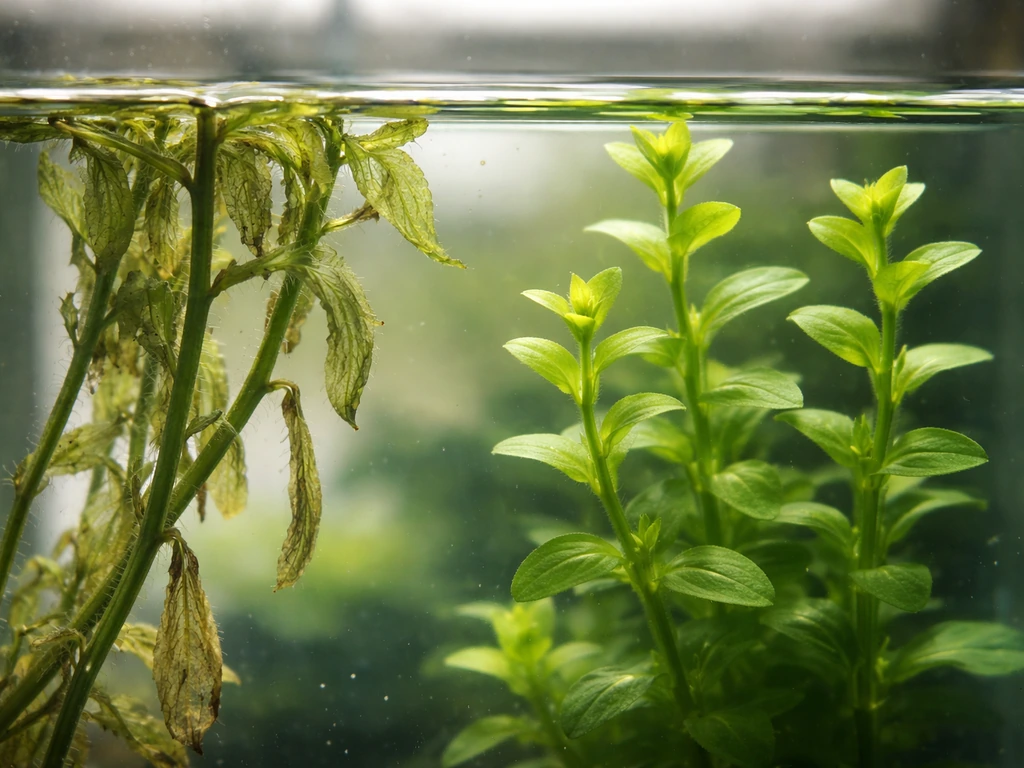
This is the most common issue and the one that causes the most panic. Emersed-grown leaves die off when fully submerged because they're not adapted to underwater conditions. The plant isn't dead: it's transitioning. The fix is to do nothing dramatic. Stabilize your water parameters, maintain the photoperiod, and remove dead leaves so they don't rot and pollute the water. New submersed leaves should appear within 2–4 weeks. If you want step-by-step guidance on moneywort aquarium growth, see how to grow liverwort for the basics on getting healthy establishment. If you've changed tanks, fertilizers, or parameters recently, melt can be triggered by that instability too. The answer is the same: stop changing things and let the plant settle.
Yellowing leaves
Yellowing usually points to one of three things: not enough light, nutrient deficiency (especially iron or nitrogen), or water that's too warm. Check your PAR levels first since it's the most common culprit in low-tech setups. If light looks fine, dose a liquid fertilizer and watch for improvement over 7–10 days. If the tank is running above 26°C, cooling it down often fixes yellowing by itself. Old leaves at the base of stems naturally yellow and die off over time, which is normal and not a cause for concern.
Slow or stalled growth
If moneywort isn't growing, the first thing to check is light intensity and duration. This plant is not a true low-light species despite what some retailers claim. Medium to bright light is a real requirement for consistent growth. After light, check nutrients. If you want better results when growing saltwort, pay close attention to the conditions that support steady growth after lighting and nutrition are dialed in After light, check nutrients.. If you're in a low-tech tank with no fertilizer, the plant will use up available nutrients and then stall. Start a weekly liquid fertilizer routine and you'll usually see improvement within two weeks. CO2 injection is an optional upgrade but can break a stubborn growth plateau in high-light setups.
Cuttings not rooting or floating
If cuttings keep floating out of the substrate, use the floating method described earlier: let them drift at the surface for 1–2 weeks until you see root nubs, then replant. Make sure you're stripping the lower leaves before planting so bare nodes are in contact with the substrate. In coarse gravel, use planting tweezers to push the stem deeper and consider adding a small rock to hold it temporarily. Very fine sand can also work against you by collapsing around stems before roots form; gently press a small indentation, insert the stem, and press the sand back around it.
Algae buildup on leaves
Algae growing on moneywort leaves usually means light is outpacing nutrients, or the photoperiod is too long. Start by dropping the photoperiod by 1 hour and increasing your fertilizer dose slightly. If you see green spot algae (hard green dots), phosphate levels may be low. Black beard algae usually points to CO2 fluctuations. The fastest fix in most cases is to trim and remove the worst-affected leaves, then recalibrate your light and nutrient balance. Don't just reduce light without also managing nutrients, or you'll slow the plant without solving the algae problem.
Your starter plan and what to check week by week
Here's a practical plan you can start today. It's designed to minimize the transition melt and get you to stable, active growth as efficiently as possible.
- Day 1: Set up water parameters. Target pH 6.8–7.2, temperature 22–25°C, and gentle filtration flow. Fill the tank and let it cycle if it's new.
- Day 1–3: Prepare cuttings. Trim to 6–8 cm, strip lower leaves, and either plant directly in substrate with at least one node buried, or float them if you're seeing immediate rooting problems.
- Week 1: Set your timer for 8 hours of light per day. Add a half-dose of liquid fertilizer. Don't disturb the cuttings.
- Week 2: Expect some melt or leaf drop if your stock was emersed-grown. Remove dead plant matter but don't replant or move stems yet. Look for any small new leaves forming at nodes as a sign of transition.
- Week 3–4: If floating cuttings now show root nubs, plant them into the substrate. Resume normal fertilizer dosing. Check temperature is staying under 26°C.
- Week 4–6: Assess growth rate. If stems are extending but slowly (less than 1 cm per week), increase the photoperiod to 9–10 hours or check nutrient levels. If growth is strong, maintain the current routine.
- Week 6 and beyond: Begin pruning once stems reach 10–12 cm of new growth. Replant healthy tops to propagate. Check for runner spread and redirect or trim as needed to control coverage.
The things to monitor every week are simple: water temperature, any new leaf growth at nodes (good sign), any yellowing or melt beyond normal transition (check light and nutrients), and algae on glass or leaves (check photoperiod and fertilizer balance). Moneywort is not a demanding plant once it's established, but the first four to six weeks are where most growers give up too early. Stick to the plan, keep conditions stable, and it will reward you with one of the easiest-spreading groundcovers in the hobby.
If you're also experimenting with other stem or creeping plants, moneywort pairs well with similar easy-growers and shares a lot of care logic with plants like hornwort, which is another forgiving option for beginners building a planted tank. If you want a similar low-fuss plant, see our guide on how to grow hornwort for easy anchoring, lighting, and routine care tips. The main difference is that moneywort roots into substrate while hornwort is typically free-floating, so they fill different roles in the same setup without competing directly.
FAQ
How long does moneywort take to root after I plant submersed cuttings?
If the cuttings are already submersed-grown, rooting can start in about 2 weeks. For emersed stock, expect a slower establishment, often 3 to 6 weeks. Look for root nubs at buried nodes, not just leaf survival, before judging the planting method.
Why do my moneywort cuttings keep floating back up, even after burying the nodes?
Floating usually happens when the substrate is collapsing around the stems or when too much soft growth is exposed above the substrate. Try the surface-floating pre-root step for 1 to 2 weeks, then replant. Also strip the bottom leaves so the node (not a rotting leaf base) contacts the substrate.
Can I grow moneywort without fertilizer if my aquarium already has fish waste?
You can sometimes get slow growth, but it often stalls once available nutrients are consumed. For best results, use a weekly liquid fertilizer routine at first establishment, especially during the first 4 to 6 weeks when the plant is rebuilding submersed growth.
What substrate works best if I want a dense moneywort carpet?
Fine gravel or sand tends to hold nodes better than coarse rock, which can allow stems to shift. In coarse gravel, press firmly and temporarily weight the cutting. With very fine sand, create a small indentation, plant the node, then gently firm sand around it to prevent collapse before roots form.
Do I need CO2 for moneywort to grow well?
No, moneywort can grow without pressurized CO2 in low to medium light when nutrients are available. CO2 helps most when you are running higher light and want faster coverage. If you add CO2, keep light and nutrients balanced to avoid algae blooms.
Is it normal for moneywort to melt when I first submerge it?
Yes, melt is a common transition response when the plant comes from emersed growth. Stabilize conditions, keep lighting consistent, and remove only clearly dead rotting leaves. New submersed leaves should begin replacing the old ones within about 2 to 4 weeks.
How do I prune moneywort without losing the dense look?
Trim stems just above a node, then either discard the cut bottoms or replant the healthy trimmed tops to fill gaps. For a carpet-like result, prune every 2 to 3 weeks during active growth, and remove runner sections before they shade slower plants.
My moneywort leaves are yellowing, but the plant is still pushing new growth. What does that mean?
If yellowing is mostly on older basal leaves, it can be normal turnover. If new growth is also failing to stay green, check light first, then nutrient balance (iron and nitrogen are common culprits), and finally temperature, since consistent warmth above 26°C can worsen melt and yellowing.
How should I adjust light and fertilizer if I get algae on moneywort leaves?
Algae often appears when light is outpacing nutrients or when the photoperiod is too long. Reduce the photoperiod by about 1 hour, slightly increase or correct fertilizer based on plant response, and trim the most affected leaves so algae does not keep fueling itself on dying tissue.
Where should I place moneywort runners if I want a midground carpet instead of full tank coverage?
Moneywort anchors only where nodes touch the substrate. Redirect runners before unwanted anchoring happens, or physically reposition stems during the early rooting stage. Once runners have rooted, it is harder to control without trimming and replanting.
Can moneywort be grown in a paludarium or semi-submerged setup?
Yes, it can handle semi-submerged conditions, and it may even flower when stems trail above the waterline. If you switch between fully submerged and semi-submerged mid-cycle, expect extra stress and possible melt, so pick the style early and keep it consistent.