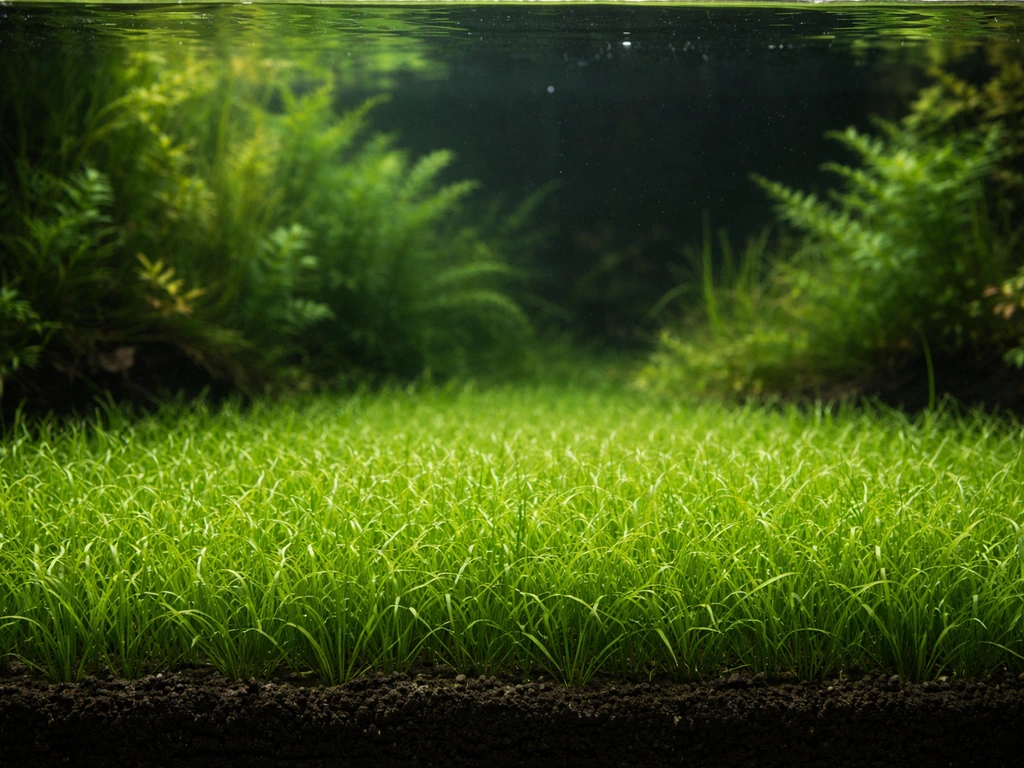
Vallisneria is one of the easiest aquarium plants you can grow, but it fails constantly for beginners because of one or two fixable mistakes. Get the planting depth right (crown above the substrate, roots below), give it a decent planted-tank LED on a consistent schedule, and add root tabs to the substrate. Do those three things and val will spread runners across your tank within a few weeks. Everything else is fine-tuning.
How to Grow Vallisneria in an Aquarium Step by Step
Marcus Holloway
22 Jun 2026
Pick the right Vallisneria type and set expectations
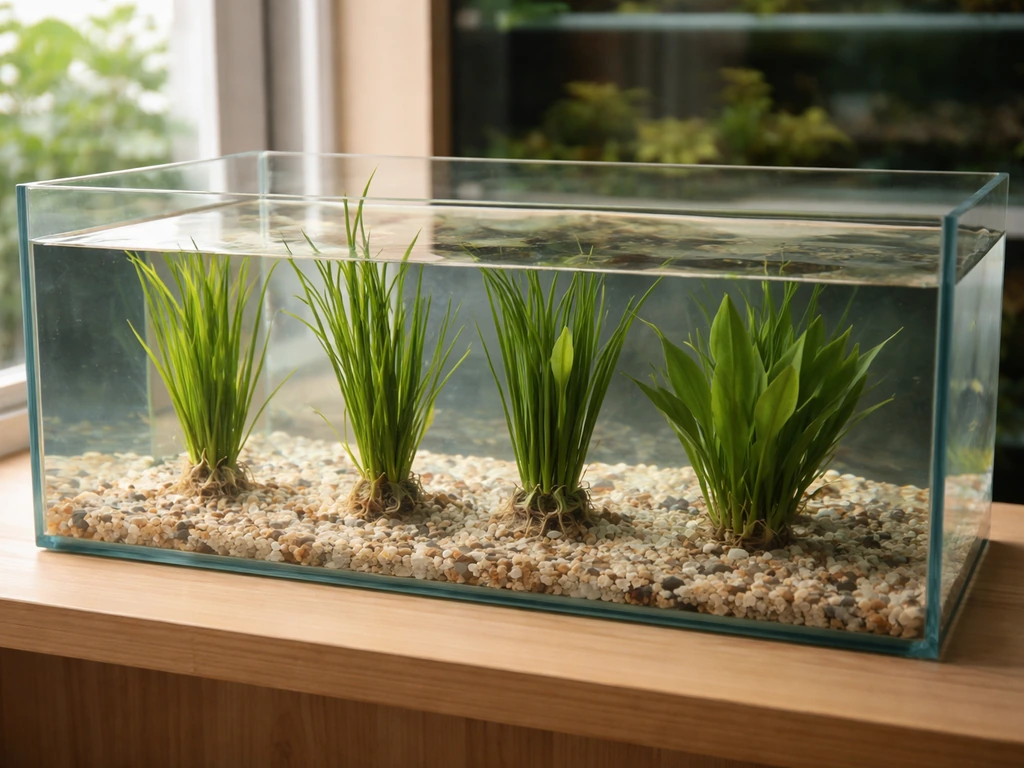
There are several species commonly sold in the aquarium trade, and the names in shops are frequently wrong. Plants labeled 'Vallisneria gigantea' are often actually Vallisneria americana, and V. spiralis gets mixed up with other varieties regularly. That said, care is similar across the group, so don't stress too much about the exact species label. What matters more is matching the plant's eventual size to your tank.
| Common Name / Species | Leaf Length | Best Tank Size | Notes |
|---|---|---|---|
| Jungle Val (V. americana) | Up to 1 m+ | 60 cm tall minimum, 80–100 cm ideal | Can drape over the surface; great background plant for tall tanks |
| Straight Val (V. spiralis) | 30–60 cm | 45 cm+ tanks | Hardiest and most forgiving; great for beginners |
| Corkscrew Val (V. asiatica / spiralis 'Tortifolia') | 20–40 cm | Standard community tanks | Twisted leaves add visual interest; moderate grower |
| Dwarf Val / Nana (V. nana) | 20–30 cm | Smaller tanks, 30 cm+ | Compact but needs similar conditions; can be picky about nutrients |
My honest recommendation for first-timers: start with V. spiralis or corkscrew val. They tolerate a wider range of conditions, recover faster from transplant stress, and spread readily once settled. Jungle val is stunning but you need a tank at least 60 cm deep, and ideally 80–100 cm, to give the leaves room to develop without constantly folding at the surface.
Set the right expectation before you even buy: vallisneria almost always goes through a melt period after planting. Old leaves yellow and die back, sometimes aggressively. This is normal. What you're watching for is new growth emerging from the crown. If you see new leaves within 2–4 weeks, the plant is doing its job. Panic-pulling it early is the number one way hobbyists kill a plant that was actually recovering fine.
Tank setup: substrate, planting depth, and initial acclimation
Substrate choice
Vallisneria is a heavy root feeder, which means substrate matters more for this plant than for stem plants that absorb nutrients through the water column. The good news is that it doesn't need an expensive active substrate. Regular gravel works fine as long as you fertilize it with root tabs. Nutrient-rich planted substrates like aquasoil also work well and reduce how often you need to add tabs. Sand can work, but it compacts easily and limits root oxygen, so if you're using sand, keep it shallower (around 4–5 cm) and supplement with root tabs.
Aim for a substrate depth of about 4–6 cm (roughly 1.5–2 inches). Too shallow and the roots can't anchor or feed properly. Too deep and you risk anaerobic pockets that cause root rot.
How to plant vallisneria correctly
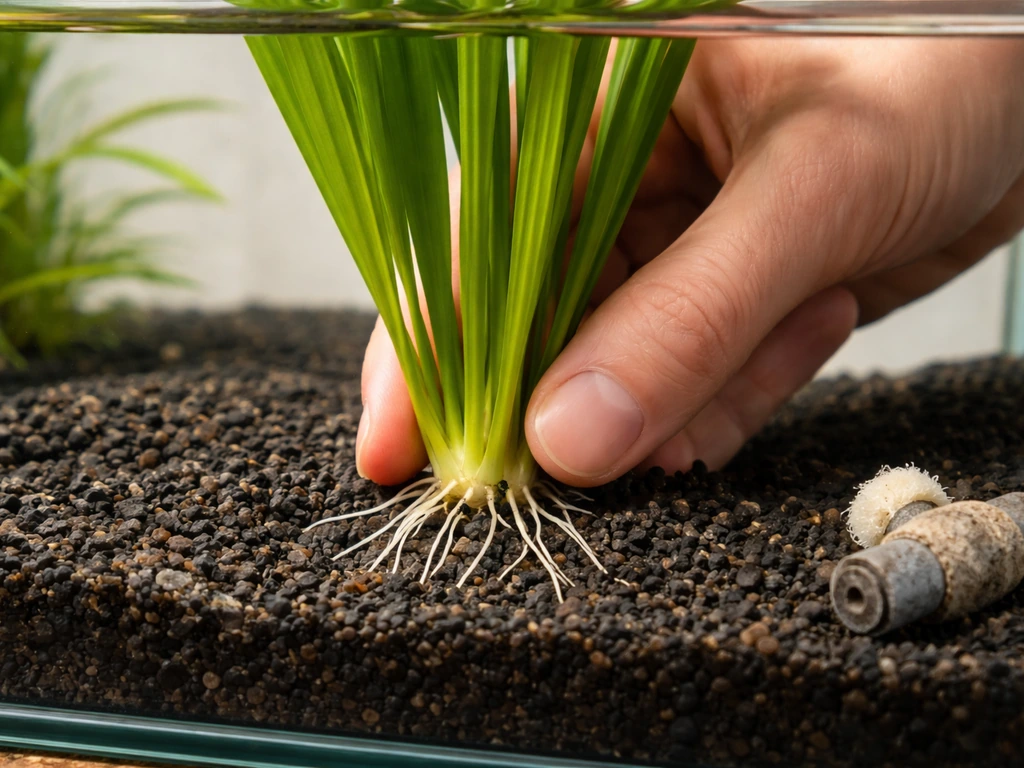
This is where most people go wrong. Burying the crown (the point where leaves meet roots) is the single most common planting mistake, and it causes rot almost every time. The roots go into the substrate, the crown sits right at the surface of the substrate, and the leaves point straight up. That's it.
- Remove any plastic weights, foam, or rock wool from the plant base.
- Trim any dead or heavily damaged roots back to about 2–3 cm.
- Use your finger or a chopstick to make a hole in the substrate deep enough for the roots.
- Lower the plant in so the roots are fully beneath the surface but the crown (where leaves emerge) is just above it.
- Gently press substrate around the roots to anchor the plant. Val tends to float out of the substrate in the first few days, especially with flow. A small pebble placed near (not on) the base can help hold it down temporarily.
For the first few weeks after planting, expect the older leaves to melt. Remove dead and dying leaves promptly so they don't foul the water or promote rot. Keep conditions stable: no big water changes, no major parameter swings, no repositioning the plant. Acclimation stress is real, and consistency helps the plant push new roots.
Lighting and photoperiod for steady growth
Light is the primary growth driver for vallisneria. You don't need a high-end reef light, but you do need a quality LED designed for planted aquariums. A cheap white LED strip that came with your tank is likely not enough. Tropica's data puts V. americana 'Natans' at a medium light demand of around 0.5 W/L as a rough baseline. In practice, what matters most is that the light is purpose-built for aquatic plant growth, covers the whole tank evenly, and runs on a consistent schedule.
Photoperiod is just as important as intensity. Vallisneria spiralis in particular benefits from longer light durations, around 10–14 hours per day. I personally run 12 hours on a timer and get consistent results. Go shorter (8 hours or less) and growth stalls. Go too long without enough light intensity and you invite algae, which is a balance every planted tank keeper eventually learns to navigate.
- Use a planted-tank LED, not a generic fish-keeping light.
- Set a timer for 10–12 hours per day; 14 hours maximum if your tank is in a low-ambient-light space.
- Make sure the light covers the back corners of the tank where you'll likely be planting val.
- If growth is slow despite all other conditions being right, check PAR distribution across the tank, not just at the center.
Water parameters and flow/CO₂ guidance
Vallisneria is genuinely forgiving on water chemistry compared to more demanding aquatic plants. Here are the ranges to aim for: Tropica’s catalogue excerpt lists a 20, 28 °C temperature range for the Vallisneria group blank" rel="noopener noreferrer">20–28 °C temperature range for the Vallisneria group.
| Parameter | Ideal Range | Notes |
|---|---|---|
| Temperature | 20–28 °C (68–82 °F) | Tolerates a wide range; aim for 22–26 °C for best growth |
| pH | 6.5–8.0 | Adapts well; slightly alkaline is fine |
| Hardness (GH) | Moderate to hard | Prefers some mineral content; very soft water can cause deficiencies |
| Nitrate | 20–50 ppm | Low nitrate often correlates with stalled growth |
| CO₂ (dissolved) | 2–5 mg/L (no injection needed) | Natural surface exchange is usually enough for this plant |
CO₂ injection is not required for vallisneria. Natural surface gas exchange in most aquariums provides around 2–5 mg/L of dissolved CO₂, which is sufficient for this plant. Research does confirm that elevated CO₂ accelerates growth, so if you're already running a CO₂ system for other plants, val will benefit. But if you're not, don't add CO₂ just for val. It's genuinely low-tech compatible.
One important warning: vallisneria is sensitive to glutaraldehyde-based 'liquid carbon' products (sold as Easy Carbo, Excel, and similar alternatives). Even half-doses can cause severe melt and kill the plant outright. If you're dosing any liquid carbon supplement, stop before adding vallisneria or switch to a different approach entirely.
Water flow should be moderate. Val doesn't need a still tank, but aggressive powerhead flow right at the planting area can dislodge newly rooted plants. Position your filter outflow to create general circulation without blasting the substrate directly.
Feeding and nutrients: root tabs vs. water column
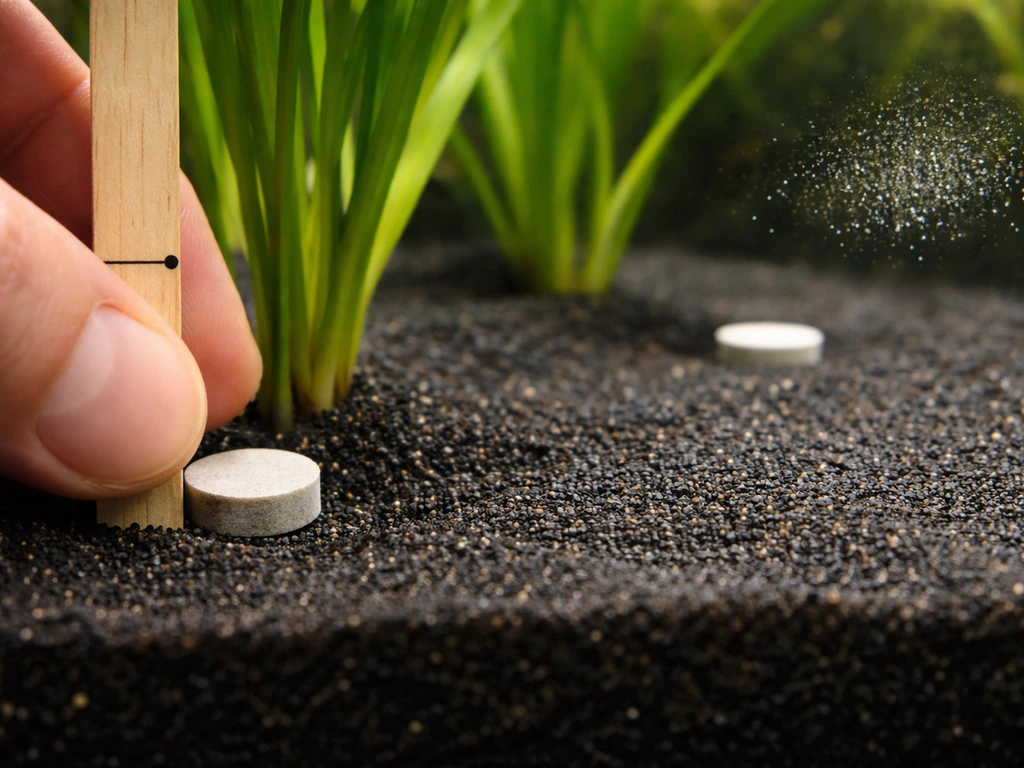
Because vallisneria feeds heavily through its roots, root tabs are your most effective fertilization method. Push them into the substrate about 5–8 cm from the base of the plant and replace them every 6–8 weeks. In a newly established tank, start with one tab per plant cluster. As the root system expands and runners spread, add more tabs to cover the root zone. A plant that's been in the tank for six months and spread across the back wall needs significantly more root nutrition than when it first went in.
Water-column fertilizers are a useful supplement, especially for potassium and iron. Potassium deficiency shows up as holes in leaves and leaf edge browning. Iron deficiency causes yellowing of new growth (while older leaves stay green). Dose a balanced liquid fertilizer regularly and target a nitrate level of around 20–50 ppm, which is a good sign that the plant has enough nitrogen to work with. If nitrates are consistently near zero in a tank with fish, your plants are either consuming everything or your feeding rate is too low.
- Root tabs every 6–8 weeks near the root zone (not under the crown).
- Liquid fertilizer weekly or as directed to maintain 20–50 ppm nitrate.
- Prioritize potassium and iron if you see holes or yellowing.
- Avoid glutaraldehyde-based liquid carbon products entirely.
- In tanks with a heavy fish load, the bioload may supply enough nitrogen, but potassium and iron still need dosing.
Maintenance: trimming, runners, and keeping it tidy
Vallisneria doesn't get pruned the same way stem plants do. You don't cut the tops of leaves, because the cut ends turn brown and stay brown. Instead, remove whole leaves from the base when they're yellow, dying, or getting too long and starting to cover the entire water surface. Grab the leaf near the base and pull it off with a gentle twisting motion.
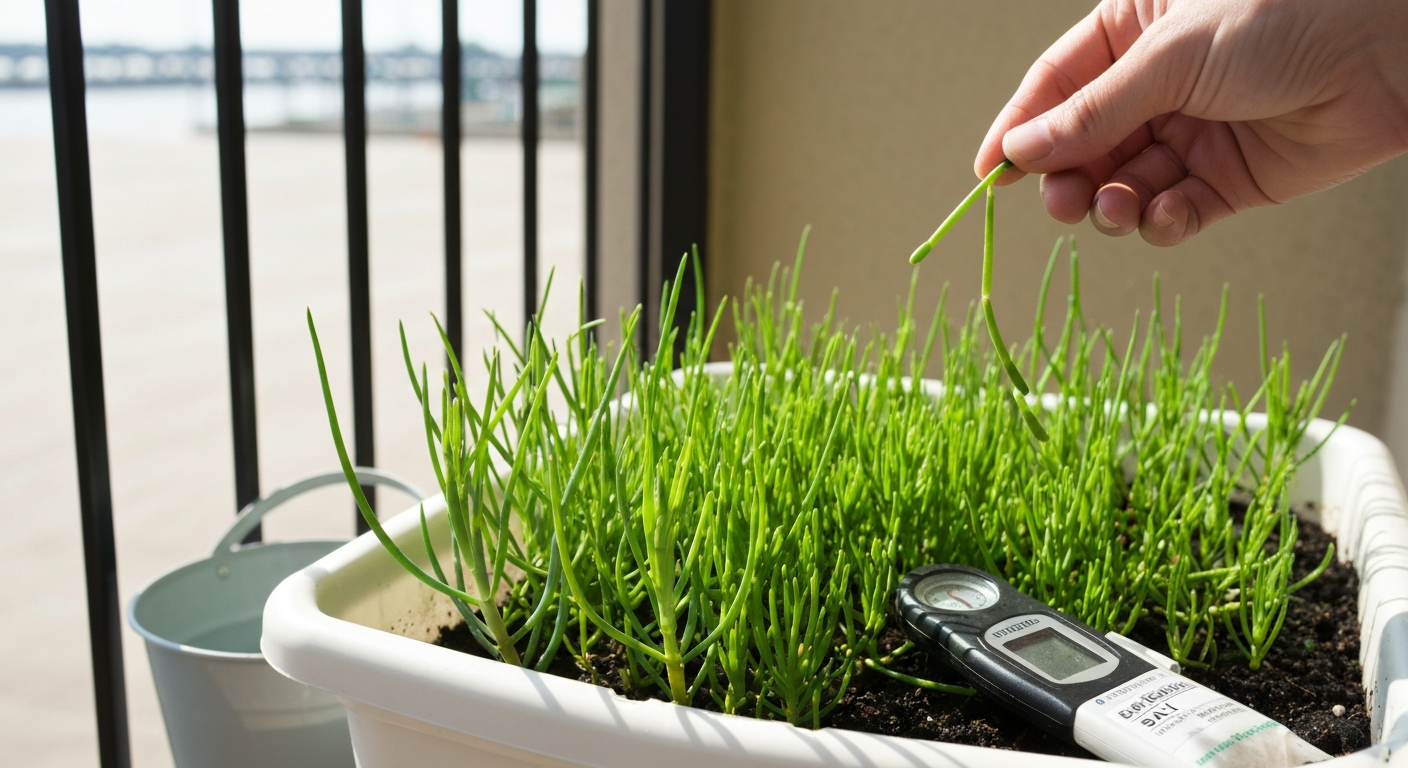
The more exciting maintenance task is managing runners. If you want your aquarium to look lush, use the same low-tech setup and planting steps, and then follow a simple routine for how to grow hair grass in aquarium tanks. Once val is established (typically 4–8 weeks in), it sends out horizontal runners along the substrate that produce daughter plants. This is how it spreads and fills the back of your tank. You have two options: leave the runners connected and let them form a dense colony, or wait until the daughter plants have developed their own root system (usually when they're a few centimeters tall with visible roots) and then snip the runner with scissors and replant the daughter plant wherever you want it.
- Let daughter plants develop 3–5 leaves and visible roots before separating.
- Cut the runner with sharp scissors, leaving a short stub on both the parent and daughter plant.
- Replant the daughter with the same crown-at-surface technique used for the original plant.
- Add a root tab near the newly planted daughter within the first week to give it a nutrient head start.
- Repeat as needed: a healthy val colony can fill a 90 cm background in a single growing season.
If the leaves are reaching the surface and lying flat, creating a canopy that blocks light to lower plants, you can trim individual leaves to about two-thirds of the tank height. It looks a little rough temporarily, but the plant adjusts. Some hobbyists plant val in taller tanks specifically to avoid surface management, which is the easier long-term approach.
Troubleshooting slow growth, melting, algae, and yellowing
Melting after planting
This is normal. Most vallisneria sold in shops is grown emersed (above water) or in very different water conditions. If you are wondering how to grow Monte Carlo emersed, the key is stable conditions and letting it acclimate before you expect rapid spread grown emersed. When it hits your tank, old leaves die back as the plant reallocates energy to push new submersed growth. As long as you see new leaves emerging from the crown within 2–4 weeks, you're fine. Remove melting leaves promptly, keep parameters stable, and don't replant or move it. The worst thing you can do during melt is panic and disturb the roots.
Slow or stalled growth after establishment
If val has been in the tank for over a month, looks healthy (green, no holes), but isn't spreading runners or putting out new leaves quickly, the usual culprits are:
- Light is too weak or the photoperiod is too short. Check that your light is a planted-tank model and extend the photoperiod toward 12 hours.
- Root tabs are depleted or were never added. Push fresh tabs in near the root zone.
- Nitrate is too low. If nitrate is under 10 ppm, dose liquid fertilizer more aggressively.
- Temperature is too cool. Below 20 °C will slow growth noticeably.
Yellowing leaves
Yellow older leaves with new growth still green usually points to nitrogen deficiency. Dose liquid fertilizer and check your nitrate level. Yellow new growth while older leaves stay green is almost always iron deficiency. Add an iron-containing liquid fertilizer or root tabs with iron. If all leaves are yellowing uniformly, check your light duration and root tab schedule together, since these two factors work in tandem.
Holes and leaf decay
Holes in vallisneria leaves most often signal potassium deficiency. Increase potassium dosing through a comprehensive liquid fertilizer. Holes can also appear from snail damage (bladder snails and ramshorn snails will graze val, especially if other food is scarce) or physical damage from fish. Rule those out by observing the tank at night with a flashlight.
Algae on leaves
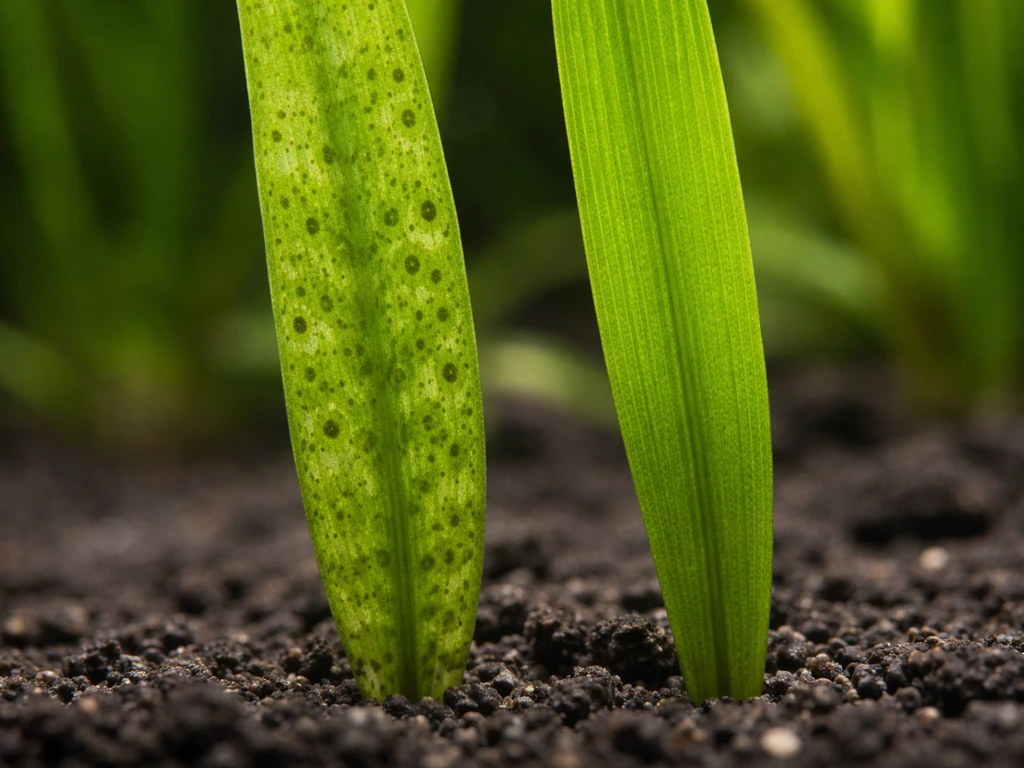
Green spot algae on vallisneria leaves usually means your phosphate is low relative to other nutrients, or your CO₂/flow isn't moving nutrients to the leaf surface efficiently. Green hair algae or thread algae taking over often means the light duration is too long for your current nutrient level. Try dialing back the photoperiod by an hour and checking that your fertilizer dosing matches your light intensity. Fast-growing val that's well-fed typically outcompetes algae on its own leaves once established.
Crown rot and plants floating loose
If plants keep floating out or the base looks slimy and brown, the crown is likely buried or rotting. Dig the plant out gently, trim any rotted root or crown tissue back to healthy white or light-colored material, and replant it correctly with the crown just at the substrate surface. This is recoverable as long as there's still viable crown tissue and at least a few healthy leaves.
Quick diagnosis reference
| Symptom | Most Likely Cause | Fix |
|---|---|---|
| Leaves melting in first 2–4 weeks | Normal acclimation/transition stress | Remove dead leaves, keep stable, wait for new growth |
| No new growth after 4+ weeks | Insufficient light or missing root tabs | Upgrade light or extend photoperiod; add root tabs |
| Yellow older leaves, green new growth | Nitrogen deficiency | Dose liquid fertilizer, target 20–50 ppm nitrate |
| Yellow new growth, older leaves green | Iron deficiency | Add iron-containing fertilizer or root tabs |
| Holes in leaves | Potassium deficiency or snail damage | Increase potassium dosing; check for snails at night |
| Severe melt shortly after adding product | Glutaraldehyde liquid carbon sensitivity | Stop liquid carbon immediately; do water change |
| Plants floating out of substrate | Insufficient anchoring or crown rot | Replant correctly; trim rotted tissue if present |
| Algae covering leaves | Light/nutrient imbalance or excessive photoperiod | Shorten photoperiod by 1 hour; balance fertilizer dosing |
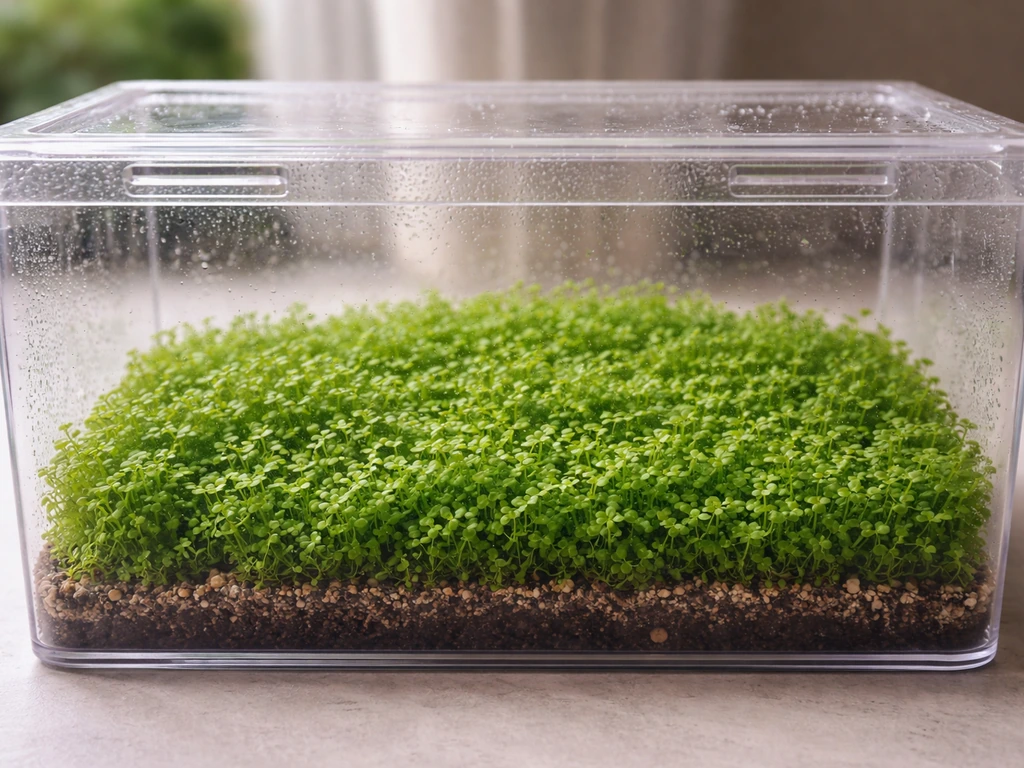
Vallisneria rewards consistency more than complexity. Once it's rooted, fed, and lit properly, it almost grows itself. If you enjoy working with grass-like aquarium plants, it's worth comparing val to other background options like hair grass or dwarf sagittaria, which have different substrate and light requirements but serve similar roles in tank design. If you want the grass look but are specifically aiming for how to grow small leaf grass aquarium from seed, you'll need a different approach to germination and fine substrate than vallisneria hair grass. The core lesson is the same across all of them: get the planting fundamentals right first, and the rest follows.
FAQ
Can I grow vallisneria in sand, and what changes should I make?
Yes, but only if you plant the crown correctly and keep the plant anchored. Use the same rule as submersed growing, roots in the substrate and crown at the substrate surface (not buried). Use moderate light and avoid moving the plant during the first couple of weeks, since emersed-to-submersed transition can cause a melt cycle.
How many root tabs do I need, and how do I know when to add more?
You can, but because sand compacts and can reduce root oxygen, keep it shallower (about 4 to 5 cm) and rely on root tabs more heavily. Place tabs directly under the root zone, about 5 to 8 cm from the plant base, and expect you may need replacements a bit sooner than in gravel.
What should I do if my vallisneria is melting, but I don’t see new leaves yet?
When val is still “settling,” one tab per planted cluster is usually enough. If you see a slowdown after several weeks, or older leaves yellow faster than new growth appears, add tabs to expand coverage of the runner and daughter plant root zone. A practical cue is that established colonies need more tabs than single, newly planted clumps.
Will vallisneria survive without root tabs if I already dose liquid fertilizer?
Don’t disturb or replant it immediately. Let the melt run its course and check for the crown and base, it should not smell rotten or collapse into a slimy mass. If there is zero new growth by 4 weeks, recheck crown placement and substrate depth, then review light duration and root tab dosing, since those are the most common non-CO2 causes.
Why are there holes in the leaves, but my nitrate is fine?
Often, yes for temporary survival, but growth and spreading usually lag. Vallisneria is a heavy root feeder, so water-column fertilizer alone may not deliver enough nutrients to the root zone. Root tabs near the base are the most reliable way to prevent nutrient-starvation symptoms like leaf holes (potassium) or poor runner growth.
My vallisneria looks healthy but won’t spread runners. What should I check first?
Leaf holes can be potassium deficiency, but confirm you do not have snail or fish damage. The simplest test is observation at night with a flashlight, if you see snail grazing or fin nipping, address that first. If damage is absent, increase potassium via a comprehensive fertilizer or targeted root tabs and keep the light schedule consistent so algae does not outcompete the plant.
Is it safe to use glutaraldehyde liquid carbon products like Easy Carbo with vallisneria?
Start with light, then root feeding. If plants are green and not developing new leaves quickly, inadequate photoperiod (too short) or insufficient root nutrition are common. Also ensure you are not dosing “liquid carbon” glutaraldehyde products, those can cause severe melt that later looks like stalled growth.
How should I trim vallisneria when it reaches the surface and lies flat?
No. Vallisneria is highly sensitive to glutaraldehyde-based liquid carbon, even small doses can trigger severe melt or kill the plant. If you are running such a product, stop dosing before adding vallisneria, then switch to an approach that does not rely on that chemical (for example, standard planted-tank fertilizing and proper lighting).
What’s the best way to thin or relocate vallisneria runners without crashing the colony?
Avoid cutting leaf tops. Instead, remove whole leaves from the base when they get too long or start blocking light, grasp near the base and gently twist them free. This reduces lingering brown cut ends that stay unsightly and can foul water, compared with trimming individual segments.
Can I plant vallisneria directly into a newly set up aquarium?
Wait until daughter plants have their own roots and are a few centimeters tall, then snip the runner and replant the daughters. If you cut too early, the new plants may fail to anchor, which can look like “crown rot” but is actually transplant stress. Keep conditions stable and give them root tabs at the new spots to speed establishment.
Do I need CO₂ to grow vallisneria fast?
It’s possible, but you must focus on stability and nutrient access. Use root tabs from day one, run planted-tank lighting on a consistent schedule, and avoid large water changes that swing parameters. New tanks can also have unstable nitrogen cycles, so watch nitrate and potassium, since both strongly influence leaf quality and runner production.
Why is my vallisneria base slimy or browning, and can it recover?
Not necessarily. Vallisneria typically grows well in low-tech setups because aquariums usually provide enough dissolved CO₂ via surface exchange. If you already run CO₂ for other plants, val will respond, but if you do not, adding CO₂ only for vallisneria usually is not worth the effort compared with optimizing light, photoperiod, root tabs, and stable conditions.
How deep should I plant vallisneria in taller tanks so it does not keep reaching the surface?
Slimy browning at the base usually means crown rot or the crown was buried too deep. Dig it out gently, trim back rotted tissue to healthy, light-colored material, then replant with the crown just at the substrate surface. Recovery is realistic if the crown still has viable tissue, but once the crown is fully gone, the plant will not regrow.
Should I remove dead vallisneria leaves immediately?
Depth helps, but you still may need leaf management because growth rate varies with light and nutrients. For tall tanks, choose a variety that fits the expected final height, then still keep photoperiod and root tab schedule under control so the canopy does not become too dense. If it does, thin by removing whole older leaves from the base rather than aggressive top trimming.
Will vallisneria work alongside fish that like to uproot plants?
Yes. Remove dying leaves promptly so they do not foul the water or accelerate rot around the crown. Pulling off whole leaves at the base is safer than leaving cut sections that can brown and linger, and it also reduces the chance of algae taking advantage of decaying plant material.
What nitrate level range is “safe” for vallisneria, and what if nitrates read zero?
It can, but choose a planting approach that resists disruption. Use adequate substrate depth (about 4 to 6 cm), place root tabs in the root zone, and avoid placing new plants where strong flow or fish activity repeatedly disturbs the base. If roots keep getting pulled, you may see repeated crown damage and chronic melt that looks like a nutrition problem.