Water dropwort grows best in shallow, slow-moving or still water with a pH of 6.5 to 7.5, full to partial sunlight (at least 6 hours a day), and water temperatures between 59°F and 77°F (15°C to 25°C). You can start it from cuttings stuck directly into a gravel or pea-stone substrate, or float it in a container with the roots submerged. It establishes fast once the roots are wet and the light is good, and you can be harvesting stems within 6 to 10 weeks of planting.
How to Grow Water Dropwort Step by Step in Water Systems
Marcus Holloway
31 May 2026
What water dropwort actually is and whether it fits your setup
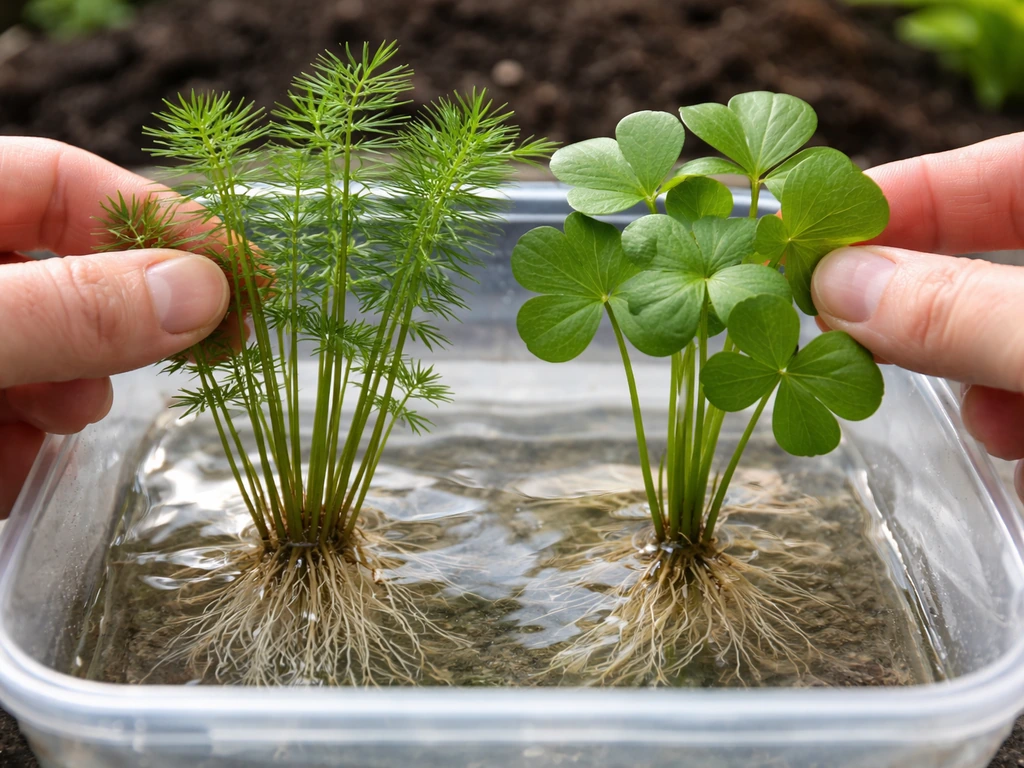
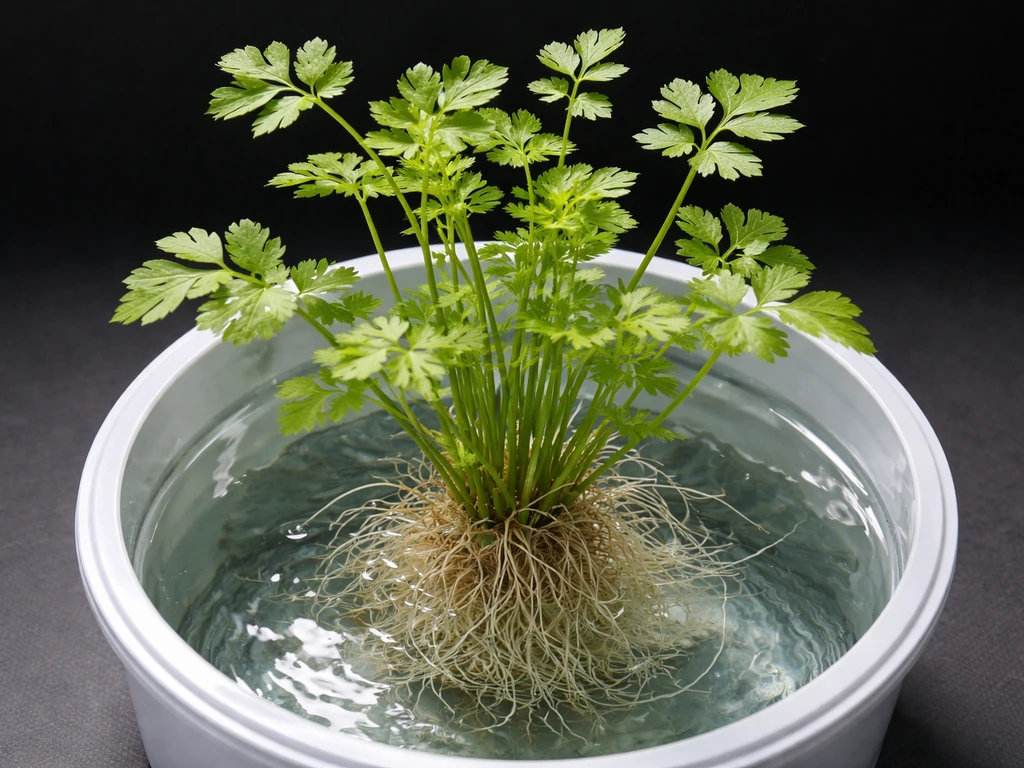
Before you plant anything, it is worth getting the naming straight, because this is where a lot of beginners run into trouble. 'Water dropwort' is a common name that gets applied to several different plants in the Oenanthe genus and beyond. The species this guide focuses on is Oenanthe aquatica, also known as fine-leaved water-dropwort. Plants of the World Online (Kew Science) also documents multiple historical synonyms for Oenanthe aquatica, including the basionym Phellandrium aquaticum L blank" rel="noopener noreferrer">Oenanthe aquatica has historical synonyms. It is an aquatic flowering plant in the carrot family (Apiaceae), native to Europe and parts of Asia, and it naturally grows in marshes, shallow ponds, and along stream edges. It has blank" rel="noopener noreferrer">hollow stems, hairless (glabrous) growth, and finely divided leaves that are two to four times pinnate with ovate to linear segments. Historically it was also called Phellandrium aquaticum, so if you see that name in older references, it is the same plant.
Here is the important caution: do not confuse Oenanthe aquatica with Oenanthe javanica, which is a completely different species commonly called Java waterdropwort, water celery, or minari. Oenanthe javanica is widely grown as a culinary herb across East and Southeast Asia. Oenanthe aquatica, by contrast, is not considered a safe edible and has known toxic properties. This guide covers cultivation of Oenanthe aquatica as an aquatic plant, but please read the health and safety section at the end before you consider consuming anything you grow.
As an aquatic plant for a water-based growing system, Oenanthe aquatica is a genuinely good fit. It handles root submersion well, tolerates a range of water depths from a few centimeters to around 30 cm (12 inches), and grows vigorously in a tub, a shallow pond container, a hydroponic raft, or even an aquarium-style setup with emergent planting. If you are specifically looking for pennywort care basics, focus on water conditions, lighting, and pruning in the same way you would for other floating or raft-grown aquatics how to grow pennywort. If your system already runs other semi-aquatic plants like pennywort or moneywort, water dropwort will slot in at similar water and light conditions.
Best growing conditions
Water quality and chemistry
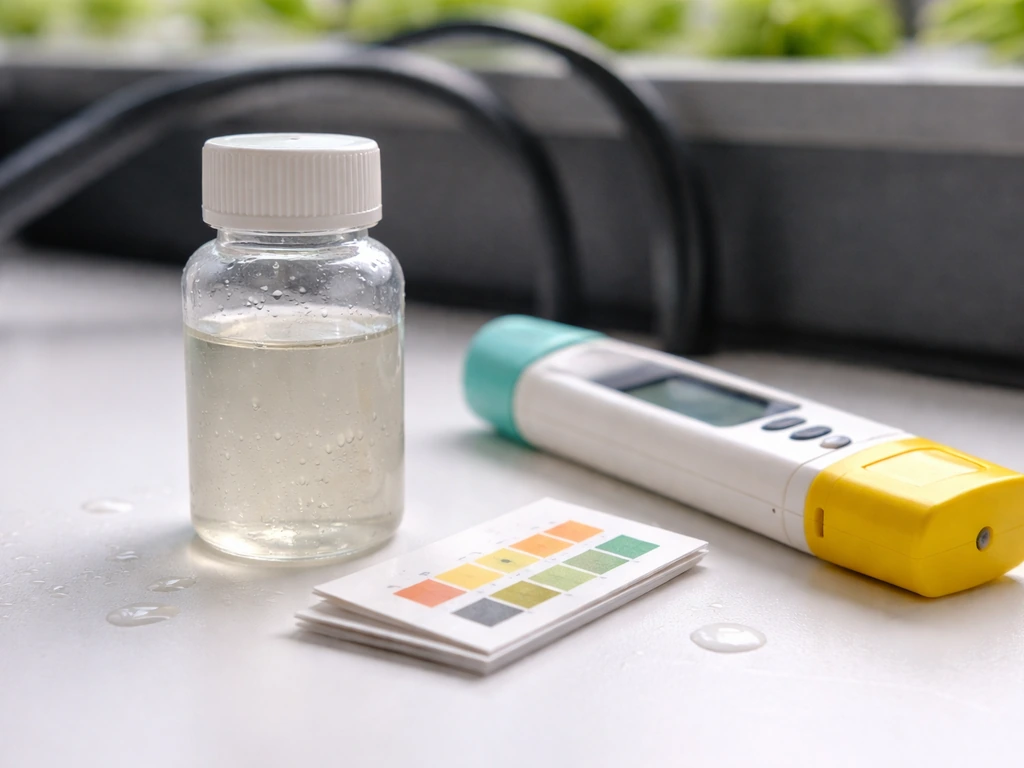
Keep your water pH between 6.5 and 7.5. This range suits the plant and also keeps nutrient availability stable if you are running a hydroponic or aquaponic system. Hardness is not critical, but moderately hard water (around 80 to 150 ppm GH) tends to give better results than very soft water because it provides background calcium and magnesium. Dissolved oxygen matters more than most people expect with aquatic plants: sluggish, stagnant water with low oxygen is the fastest route to root rot. Aim for gentle surface movement or use a small air stone or pump to keep water oxygenated.
Temperature
Oenanthe aquatica is a temperate plant and actually prefers cooler water than a lot of tropical aquatics. Its sweet spot is 59°F to 72°F (15°C to 22°C), though it will tolerate up to about 77°F (25°C) without much stress. Above that, growth slows and rot risk increases. In the UK and cooler US climates, outdoor tub growing works well from late spring through early autumn without any temperature management. If you are running an indoor system in a warm space, keep your reservoir or container away from heat sources and consider a small aquarium chiller if your ambient water temperature consistently exceeds 75°F.
Light
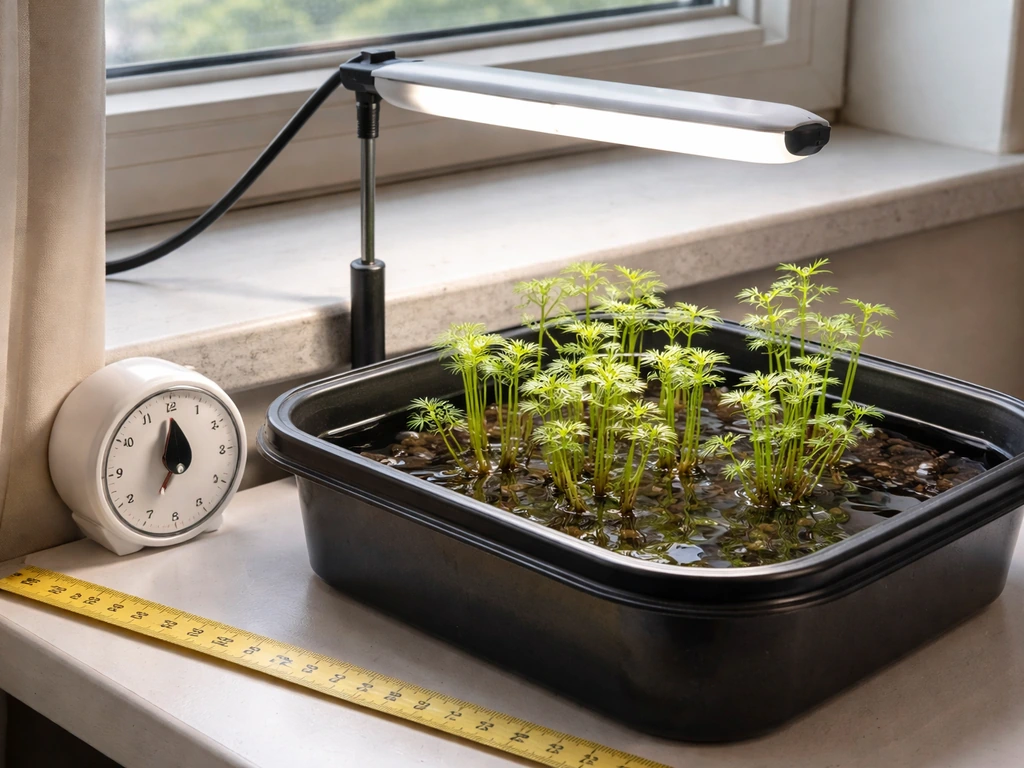
Aim for 6 to 8 hours of direct or bright indirect light per day. Outdoors, a spot that gets morning sun and some afternoon shade works well in summer, especially if your water tends to warm up. Indoors or in a grow-tent setup, a full-spectrum LED at around 40 to 60 watts per square foot of growing area, running 14 to 16 hours a day, produces solid growth. Avoid deep shade: plants grown with less than 4 hours of decent light will become leggy, pale, and prone to rot at the stem base.
Nutrients
In a basic tub or pond-style setup with no added fertilizer, water dropwort will grow slowly but steadily if the water has any natural organic load. For faster, more productive growth, use a dilute balanced hydroponic nutrient solution at around half the manufacturer's recommended strength. An EC of 0.8 to 1.4 mS/cm is a good target range. In an aquaponic system, fish waste provides most of the nitrogen the plant needs, and water dropwort is an enthusiastic uptaker of ammonia and nitrate, which makes it genuinely useful as a biofilter plant in that context.
How to start your plants: seeds, cuttings, and bought starts
Starting from seed
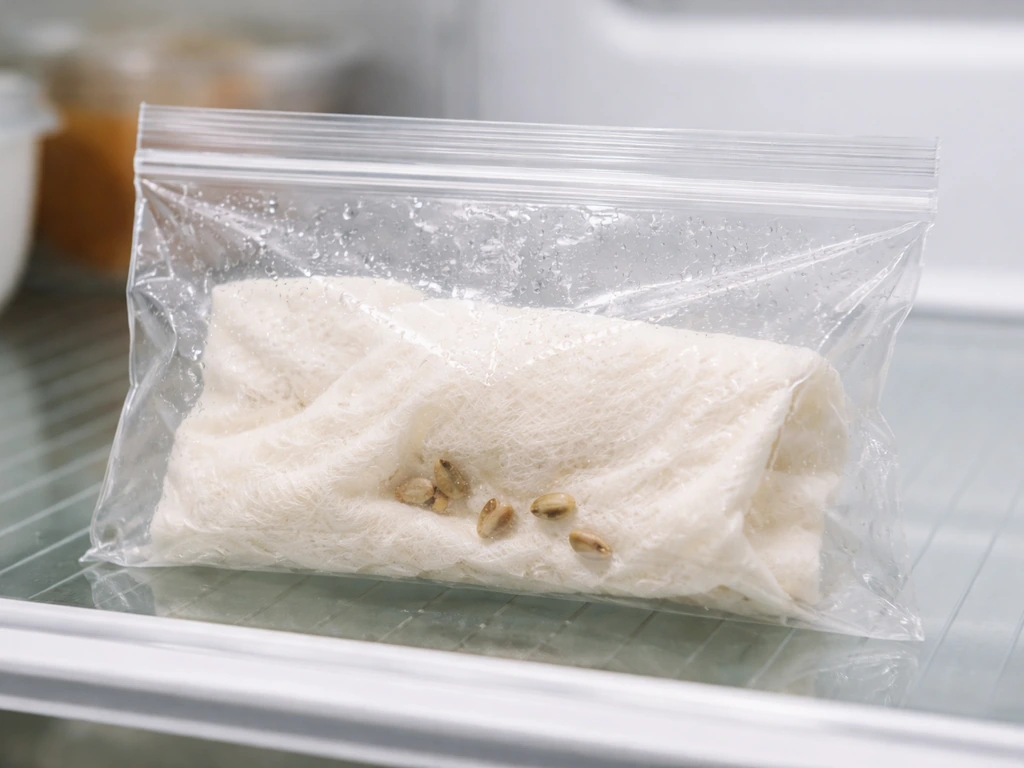
Oenanthe aquatica seeds can be slow and unpredictable germinators. They benefit from cold stratification: place seeds in a damp paper towel inside a sealed bag and refrigerate for 4 to 6 weeks before sowing. Sow onto a thin layer of aquatic compost or fine gravel kept consistently moist or very shallowly flooded. Germination typically takes 2 to 4 weeks after stratification and can be patchy. I have found that seed starting is worth doing if you want a large batch and can be patient, but for a quick productive setup, cuttings are the faster route.
Starting from cuttings
Cuttings are the practical go-to method. Take stem cuttings 10 to 15 cm (4 to 6 inches) long, cutting just below a node. Strip the lower leaves so that 3 to 5 cm of bare stem can be inserted into your substrate. Push the cuttings into a coarse gravel, pea stone, or clay pebble medium with the root zone submerged and the leafy portion above the waterline. Roots develop within 1 to 2 weeks under good light. If you want a similar low-maintenance, propagation-focused approach, see how to grow liverwort for another mossy, cut-and-commit style of plant growing. You can also just place cuttings in a glass of clean water and wait for roots to appear before transplanting, which takes about the same time and lets you confirm viability before committing them to your system.
Buying starts
If you can source a plug or a small pot of established Oenanthe aquatica from an aquatic nursery or specialist grower, that is the fastest path to harvest. When the plant arrives, rinse the roots gently to remove any nursery soil or gel (which can introduce pathogens into a clean water system), then plant as described in the system setup section below. Give it a few days to settle before adding nutrient solution at full target strength.
Choosing and setting up your growing system
Water dropwort is flexible enough to work in several different setup types. To learn the basics step by step, see our full guide on how to grow hornwort. Here is how each one works in practice.
| System type | Best for | Water depth | Setup complexity | Notes |
|---|---|---|---|---|
| Tub or container pond | Beginners, outdoor growers | 5–25 cm (2–10 in) | Low | Cheapest entry point; great outdoors in temperate climates |
| Deep water culture (DWC) raft | Faster growth, higher yield | 20–30 cm (8–12 in) | Medium | Roots hang in oxygenated nutrient solution; air pump required |
| NFT (nutrient film technique) | Compact indoor setups | Shallow film | Medium-high | Works well for emergent growth; roots in constant thin flow |
| Aquarium or aquaponic tank | Integrated fish/plant systems | Emergent planting zone | Medium | Great biofilter plant; use emersed zone or floating raft insert |
| Bog or marginal planting container | Garden pond integration | 0–10 cm over substrate | Low | Plant in mesh pot with aquatic compost, set on pond shelf |
Tub or container pond setup (recommended for beginners)
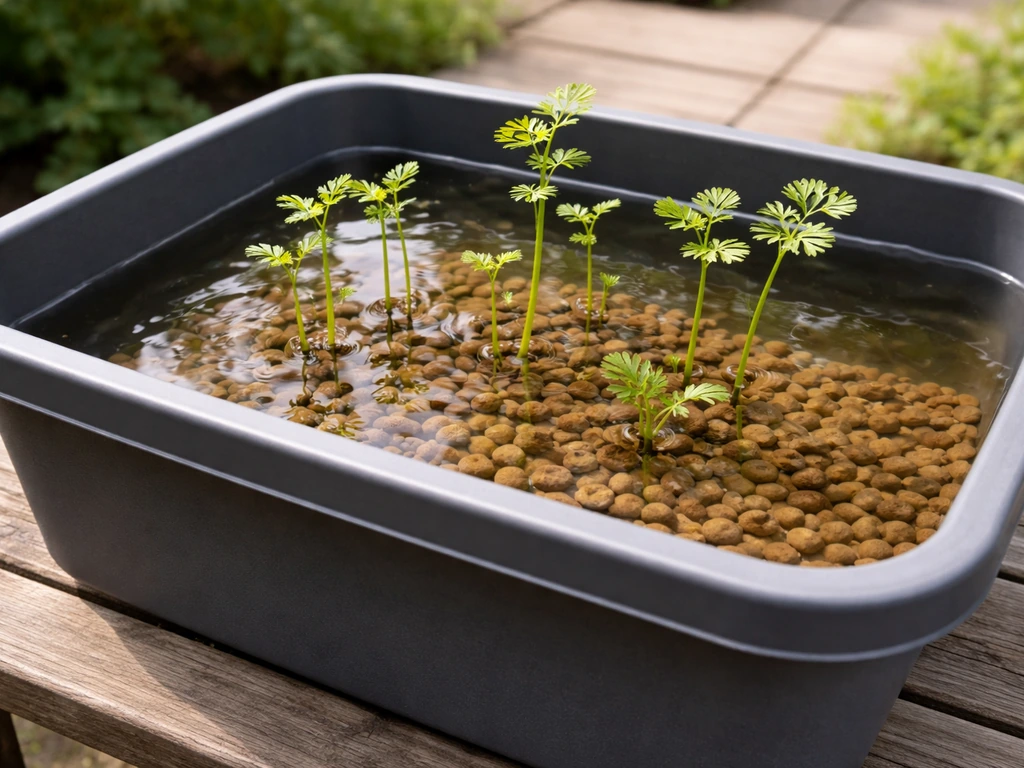
- Choose a container at least 30 liters (8 gallons) in volume and at least 20 cm (8 inches) deep. Opaque containers help reduce algae inside the reservoir.
- Fill with clean tap water and let it sit for 24 hours to off-gas chlorine, or use a dechlorinator.
- Add a 5 to 8 cm (2 to 3 inch) layer of washed pea gravel or coarse sand at the bottom as a planting substrate.
- Insert cuttings or plug plants into the gravel with the stem base 3 to 5 cm deep and the foliage above the water surface.
- Fill water to about 5 to 10 cm (2 to 4 inches) above the substrate surface. The plant will grow both submerged roots and emergent stems.
- Place a small submersible pump or air stone in the container to keep water moving and oxygenated.
- Position outdoors in a spot with morning sun, or under grow lights indoors at the schedule noted above.
- Begin adding dilute nutrient solution (half strength) at the first water change, about one week after setup.
DWC raft setup
For a DWC approach, use a net pot inserted into a hole cut in a foam raft floating on your nutrient reservoir. Fill net pots with clay pebbles, insert cuttings so the stem base touches or is close to the water surface, and let roots grow down into the solution. An air pump and air stone running 24 hours keeps dissolved oxygen high enough to prevent root rot. This system grows water dropwort noticeably faster than a static tub because roots always have access to oxygenated, nutrient-rich water.
Aquaponic or aquarium integration
Water dropwort works very well as an emergent plant in an aquaponic setup. Place it in a grow bed or floating raft section above a fish tank, with roots hanging into or wicking from the fish water. It uptakes nitrogen compounds efficiently, which helps keep water quality stable for the fish. In a standard aquarium, it works best planted in an emersed section (above the waterline) or in a hang-on refugium rather than fully submerged, since fully submerged growth is slower and harder to manage in a typical enclosed tank. To apply the same approach to hornwort, follow aquarium hornwort growing tips for light, nutrients, and temperature so it establishes quickly.
Keeping it growing: care and maintenance
Water changes and monitoring
In a closed tub or hydroponic reservoir, do a 20 to 30 percent water change every 7 to 10 days. This prevents salt and mineral buildup from nutrient solution and keeps EC and pH in range. Check pH every 2 to 3 days and adjust with pH up or down solution as needed. In an aquaponic system, your regular fish-management water changes (typically 10 to 20 percent weekly) handle this automatically. Top off evaporated water with plain dechlorinated water, not nutrient solution, to avoid accumulating EC over time.
Feeding schedule
- Weeks 1 to 2 after planting: plain dechlorinated water, no nutrients, while roots establish.
- Weeks 3 onward: half-strength balanced hydroponic nutrient solution, targeting EC 0.8 to 1.0 mS/cm.
- Once actively growing and producing multiple stems: increase to EC 1.2 to 1.4 mS/cm.
- In aquaponic setups: rely on fish load for nitrogen; supplement potassium and iron with a dedicated aquaponic mineral supplement if leaves yellow.
Pruning and managing growth
Prune stems back by about one third every 3 to 4 weeks to encourage bushy, lateral growth rather than a single tall stem that flops over. Remove any yellowing or dying leaves immediately, because decaying plant material in water raises ammonia levels and invites rot. In outdoor setups, the plant may try to flower in late summer, especially in warmer conditions. Pinching off flower stalks redirects energy into vegetative growth, which is what you want if you are harvesting foliage.
Harvesting, storing, and getting multiple rounds out of one plant
You can start light harvesting once the plant has 6 to 8 healthy stems and has been in the system for at least 4 to 6 weeks. Use clean scissors and cut stems just above a leaf node, leaving at least half the plant intact. This cut point is where new side shoots will emerge. Do not harvest more than 30 percent of the plant at one time, or you will stall regrowth significantly.
After each harvest, the plant will push new growth from the nodes within 7 to 14 days under good light and nutrient conditions. You can keep cycling harvests from the same plant for many months as long as you maintain water quality and top up nutrients after each cut. Plants that start to look exhausted, with fewer new shoots and older stems becoming hollow and weak, can be cut back hard to just a few centimeters above the substrate and allowed to regrow from the base.
For storage of harvested stems, place cut stems upright in a jar of clean water (like cut flowers) and keep them in a cool location out of direct sun. They will stay fresh for 3 to 5 days this way. Do not refrigerate in a sealed bag without water, as the stems tend to become slimy quickly when stored that way.
Troubleshooting common problems
Root rot and stem dieback
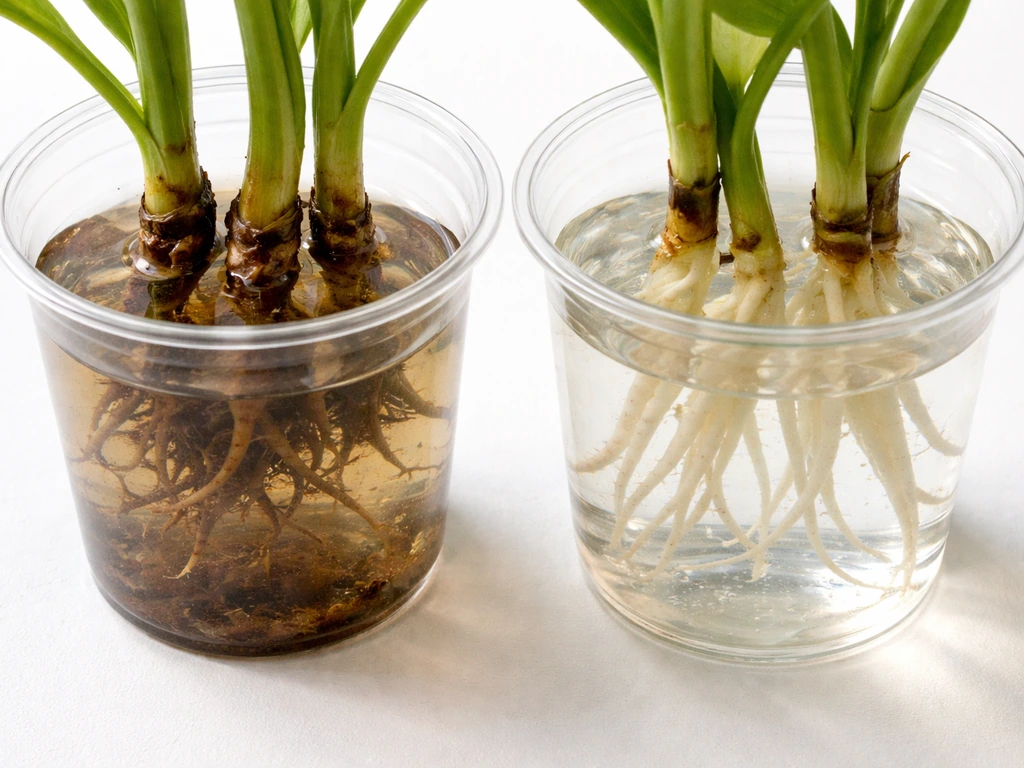
This is the most common failure point, and it almost always comes down to stagnant, low-oxygen water. If stem bases are going brown and mushy, your water is not moving enough. Add an air stone or pump, do a 50 percent water change, remove all affected plant material with clean scissors, and let the root zone dry out slightly (lower the water level by a couple of centimeters) for a day or two before refilling. In a DWC system, check that your air pump is actually running and that the air line is not blocked.
Algae blooms
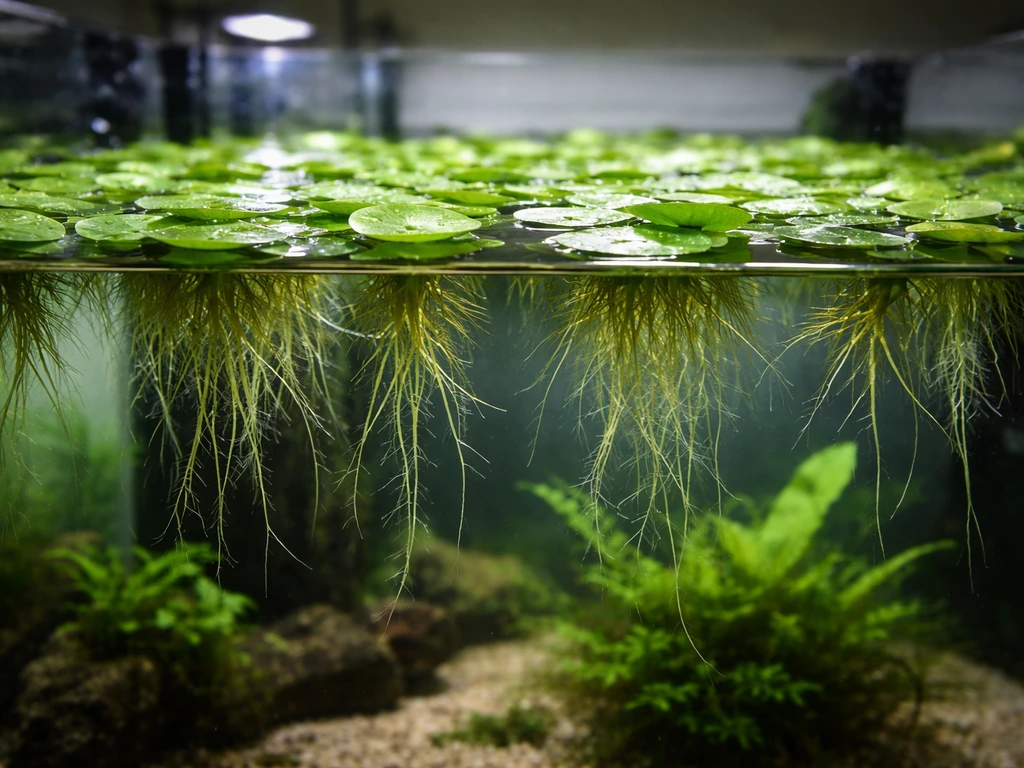
Green water or surface algae typically means too much light hitting open water and/or elevated nutrient levels. Use an opaque container to block light from the reservoir. Reduce nutrient concentration slightly. Add a layer of floating plants (frogbit works well for this) to shade the water surface and compete with algae for nutrients. Manually remove algae with a net or cloth, and do a partial water change to dilute nutrient concentration.
Nutrient deficiencies and excesses
| Symptom | Likely cause | Fix |
|---|---|---|
| Yellowing older leaves | Nitrogen deficiency or iron deficiency | Increase nutrient EC; add chelated iron supplement |
| Purple-tinged stems or undersides | Phosphorus deficiency | Use a more balanced nutrient formula; check pH is not locking out P |
| Brown leaf edges | Nutrient burn (EC too high) or potassium excess | Flush system with plain water; reduce nutrient concentration |
| Pale, washed-out new growth | Iron or manganese deficiency, often from high pH | Lower pH to 6.5; add chelated micronutrient supplement |
| Slow overall growth | Insufficient light, too-cold water, or low nutrient EC | Check all three parameters and adjust the most likely culprit first |
Pests
Water dropwort grown in water is less prone to the classic soil pest problems, but you may encounter aphids on emergent stems in outdoor setups, especially in warm weather. A strong blast of water dislodges them without chemicals. In indoor systems, fungus gnats can colonize any damp substrate above the waterline. Reduce the amount of exposed moist substrate and add yellow sticky traps near the plant. Avoid any pesticide sprays near an aquatic system with fish.
Leggy or floppy growth
If stems are long and spindly rather than compact and bushy, the plant is reaching for light. Move it closer to your light source, increase daily light hours to 16 if indoors, or reposition outdoors to a brighter spot. Pinching the growing tips also encourages lateral branching and a more compact plant.
Health, safety, and what you need to know before consuming anything
This section matters and should not be skipped. Oenanthe aquatica contains toxic compounds and is not an established culinary herb. Several species in the Oenanthe genus, including some commonly called 'water dropwort,' contain oenanthotoxin, a potent neurotoxin. Do not eat Oenanthe aquatica or any part of it unless you have confirmed identification from a qualified botanist and have specific, verified information that the material is safe to consume. Growing it for ornamental, ecological, or biofilter purposes is fine; consuming it is not something this guide recommends.
If your interest is in growing a water-based herb for culinary use, Oenanthe javanica (Java waterdropwort or water celery) is the species you want. It has a long history of edible use in Korean, Japanese, and Southeast Asian cuisine and is grown hydroponically and in aquaponic systems in the same way described in this guide. Make sure you have a confirmed, correctly labeled plant from a reputable supplier before consuming anything from the Oenanthe genus.
On water contamination: if you are growing any aquatic plant in an outdoor or open system and plan to use harvested material in any way, the water quality matters a great deal. Do not source water from ponds, streams, or outdoor sources that may carry agricultural runoff, industrial contamination, or human or animal waste. Use clean tap water (dechlorinated) or filtered water in your system, and do not introduce soil from unknown sources, which can carry pathogens, heavy metals, or herbicide residue.
Handling the plant is generally safe for most people. Wash your hands after working with any Apiaceae family plant, especially if you have sensitive skin, as some family members can cause photosensitivity reactions when sap contacts skin in sunlight. This is a precautionary measure rather than a common problem with Oenanthe aquatica specifically, but it is worth knowing.
Legal considerations
In most countries, growing Oenanthe aquatica is not restricted, and it is not listed as an invasive species in most temperate regions where it is already native or naturalized. However, if you are in a region where it is not native, check your local invasive species list before establishing it in an outdoor system where it could potentially spread to natural waterways. Contained indoor or sealed tub systems carry no such risk.
Your quick-start checklist
- Container: opaque tub or reservoir, at least 30 liters, 20+ cm deep
- Substrate: washed pea gravel or clay pebbles, 5 to 8 cm layer
- Water: dechlorinated tap water, pH adjusted to 6.5 to 7.5
- Aeration: small submersible pump or air stone and pump
- Light: 6 to 8 hours outdoors or 14 to 16 hours under full-spectrum LED
- Nutrients: half-strength balanced hydroponic solution, EC 0.8 to 1.4 mS/cm
- Plant material: cuttings 10 to 15 cm long with lower leaves removed, or a bought plug/start
- Monitoring tools: pH meter or test strips, EC/TDS meter, thermometer
- Maintenance: weekly water top-up, bi-weekly partial water change, monthly prune
FAQ
My water dropwort is browning at the base, what should I do first?
If you do not keep the roots oxygenated, water dropwort usually fails at the stem base first. For tubs and DWC, confirm aeration 24/7 (air stone bubbling, no blocked airline), and if you see brown, mushy bases, remove affected stems immediately and drop the water level slightly for a short reset before refilling.
When is the best time to start harvesting, and how much can I take?
For most setups, cut when the plant has at least 6 to 8 healthy stems and do not exceed about 30% removal per harvest. After cutting, keep light strong and nutrient or fish waste steady, then expect regrowth from nodes in about 1 to 2 weeks, faster in cooler, well-lit conditions.
Can I move an established plant from a nursery into my DWC or raft system?
Yes, but do it carefully. Start with cuttings in a net pot or coarse media where the leafy part stays above the surface. Expect full performance after transplanting to settle for a few days, and rinse off any nursery gel or soil so you do not introduce contaminants into your system.
Is water dropwort okay to grow completely submerged in an aquarium?
If the plant is fully submerged, growth is often slower and harder to manage, especially in enclosed aquariums. For typical tanks, aim for emergent growth, or use a refugium or hang-on approach where stems can access better light and oxygen exchange while roots remain in the water.
What’s the fastest way to propagate water dropwort, seeds or cuttings?
You can seed it, but germination is patchy and slower than cuttings. If you try seeds, use cold stratification (4 to 6 weeks), sow onto fine gravel or aquatic compost, keep consistently moist or shallowly flooded, and plan for 2 to 4 weeks post-stratification with possible gaps.
How do I manage pH and EC long-term, especially with repeated top-ups?
For hydroponic-style reservoirs, do not just keep topping up with nutrient solution. Top off evaporation with plain dechlorinated water, and perform 20 to 30% water changes every 7 to 10 days to prevent EC and pH drift from building up salts and minerals.
My plant is getting tall and leggy, why and how do I correct it?
Lighting too low usually shows up as long, pale, floppy growth. Fix it by increasing daily light time (up to 16 hours indoors) or moving outdoors to a brighter spot, then pinch the tips to force lateral shoots rather than chasing height.
Green water and surface algae are taking over, what should I change first?
Algae is often triggered by light and nutrient imbalance, not just “dirty water.” Block light to the reservoir, slightly reduce nutrients, and add surface shade using floating plants to compete for nutrients. Then remove algae physically and do a partial water change to dilute the remaining load.
What temperature is too hot for water dropwort, and how do I protect it in summer?
Seedlings and cuttings can be extra sensitive to temperature spikes. Keep the water preferably in the 59 to 72°F (15 to 22°C) range, avoid heat sources indoors, and if your ambient water stays above about 75°F (25°C) consistently, consider using a chiller or relocating the system.
Should I let it flower, or does that affect growth and harvesting?
If it flowers and you want foliage harvests, remove flower stalks promptly to redirect energy to vegetative growth. In warmer conditions, flowering can start late summer, so do a quick visual check every week during that period.
Can I eat water dropwort if I’m not sure of the species?
To reduce toxicity risk, treat all Oenanthe aquatica as non-edible unless you have verified identification and specific, confirmed safety for consumption. Also avoid confusing it with Oenanthe javanica, which is the edible species people commonly grow.
How should I store harvested stems so they stay fresh?
For storing cut stems, keep them upright in a jar with clean water in a cool spot out of direct sun. Use within 3 to 5 days, and avoid refrigerating them in a sealed bag without water because the stems tend to become slimy quickly.