You can grow carpet grass from seed in an aquarium, but you need to go in with clear eyes: most seeds sold online as 'carpet grass seeds' are unreliable, and the plants people actually mean (dwarf hairgrass, Eleocharis parvula, or micro sword, Lilaeopsis brasiliensis) are notoriously tricky to establish from seed compared to buying plugs or tissue-culture cups. If you are also experimenting with other aquatic plants, the same careful setup principles can help you understand how to grow seagrass in an aquarium too how to grow seagrass in aquarium. That said, it absolutely works when you nail the substrate depth, light intensity, and germination method. Here is exactly how to do it. If you want a plug-free approach, the dry-start method described next is one of the best ways for how to grow grass in aquarium while improving germination.
How to Grow Carpet Grass Seeds in an Aquarium Step by Step
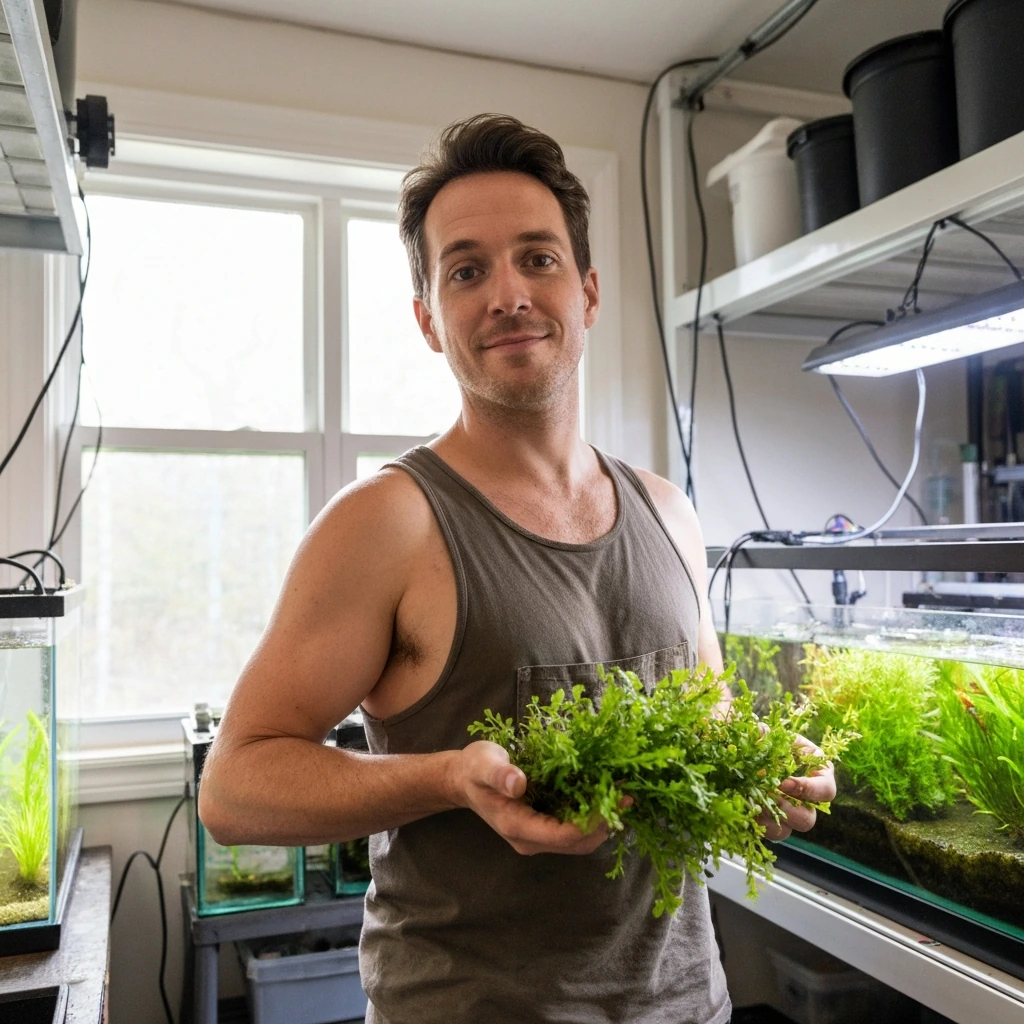
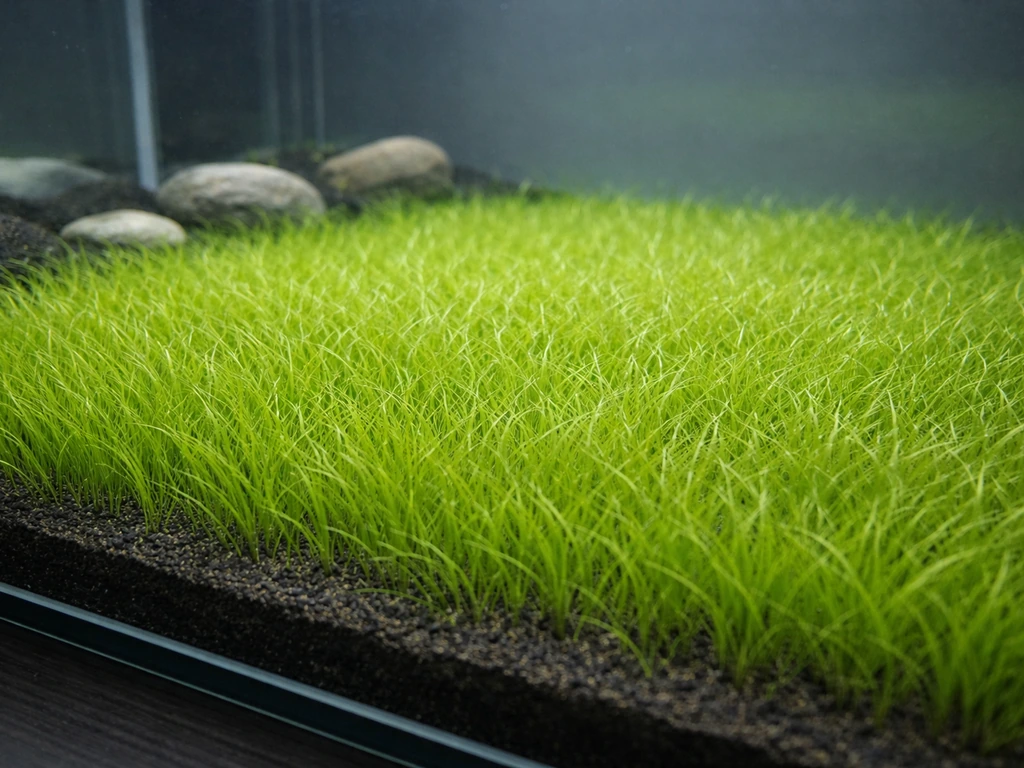
What 'carpet grass' actually means in the aquarium world
When people search for aquarium carpet grass seeds, they almost always mean one of two plants: Eleocharis parvula (dwarf hairgrass, also sold as dwarf spikerush or small spikerush) or Lilaeopsis brasiliensis (micro sword). Both form low, dense carpets when given enough light and nutrients, and both are marketed by seed sellers as easy to sprout. A third possibility is Eleocharis acicularis, a close relative of E. parvula that also goes by 'dwarf hairgrass' in the trade. All three spread primarily through runners once established, not from seeds.
Here is the honest part that most seed sellers skip: the aquarium hobby has a well-documented 'carpet seed scam' problem. Packets labeled 'aquarium carpet grass seeds' or 'magic seeds' frequently contain seeds that either do not match the listed species, have poor viability from bad storage, or are species that simply do not form carpets in a submerged aquarium environment. Even legitimate Eleocharis seeds have limited seed set under fully submerged or low-light conditions, meaning viability is genuinely harder to guarantee than with terrestrial plants. If you have a packet of seeds already, go ahead and try the method below, but also budget for buying a tissue-culture cup of the real plant as a backup.
The right tank setup: size, substrate, and planting method
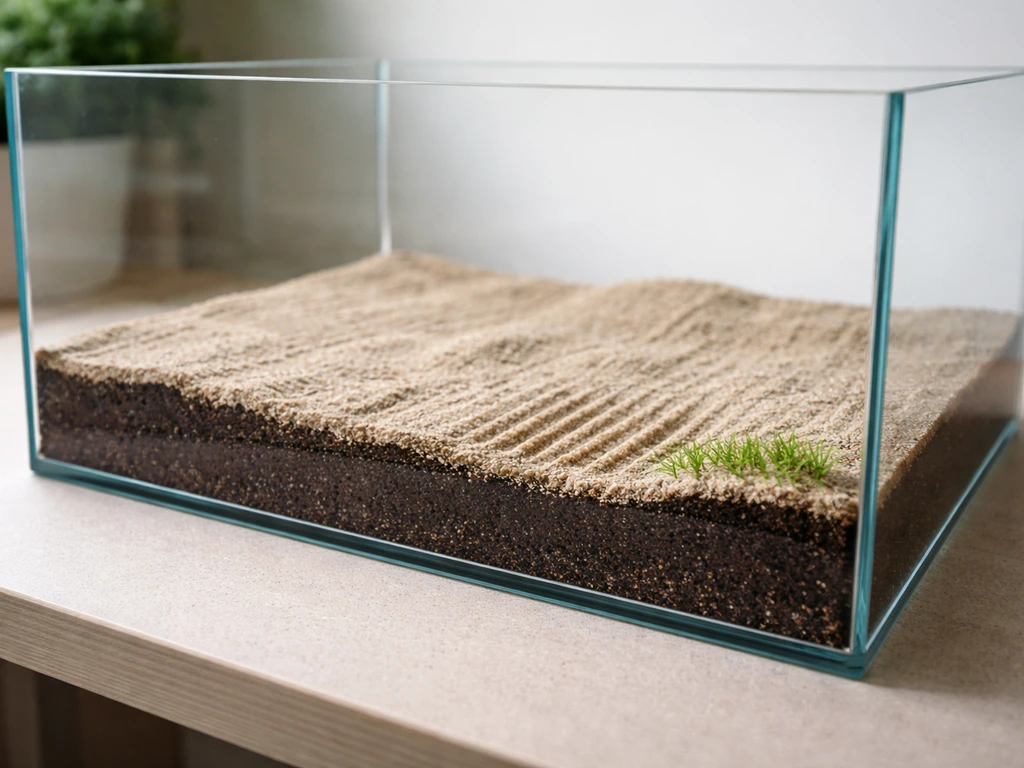
Tank size matters less than substrate quality, but a tank of at least 10 gallons gives you enough surface area to see a carpet actually form. Nano tanks of 5 gallons or less can work, but managing water parameters is harder and algae outbreaks hit faster.
Substrate depth and type
This is probably the single most important setup decision. Dwarf hairgrass and micro sword spread via runners that run just below the substrate surface. For establishment, dwarf hairgrass spreads through runners under the substrate and tuft division (about 1 to 2 cm wide) is a practical way to propagate and plant it tuft division (1 to 2 cm wide). If the substrate is too shallow, runners cannot anchor and the carpet stalls. Aim for at least 2 to 3 inches (5 to 7.5 cm) of substrate. Use a nutrient-rich aquasoil (Fluval Stratum, ADA Amazonia, or similar) as the base layer. Plain gravel or sand alone will not supply the nutrition seeds and young plants need to get started. A thin top layer of fine sand (2 to 5 mm) over aquasoil is optional but helps keep seeds in place during sowing.
Two planting approaches
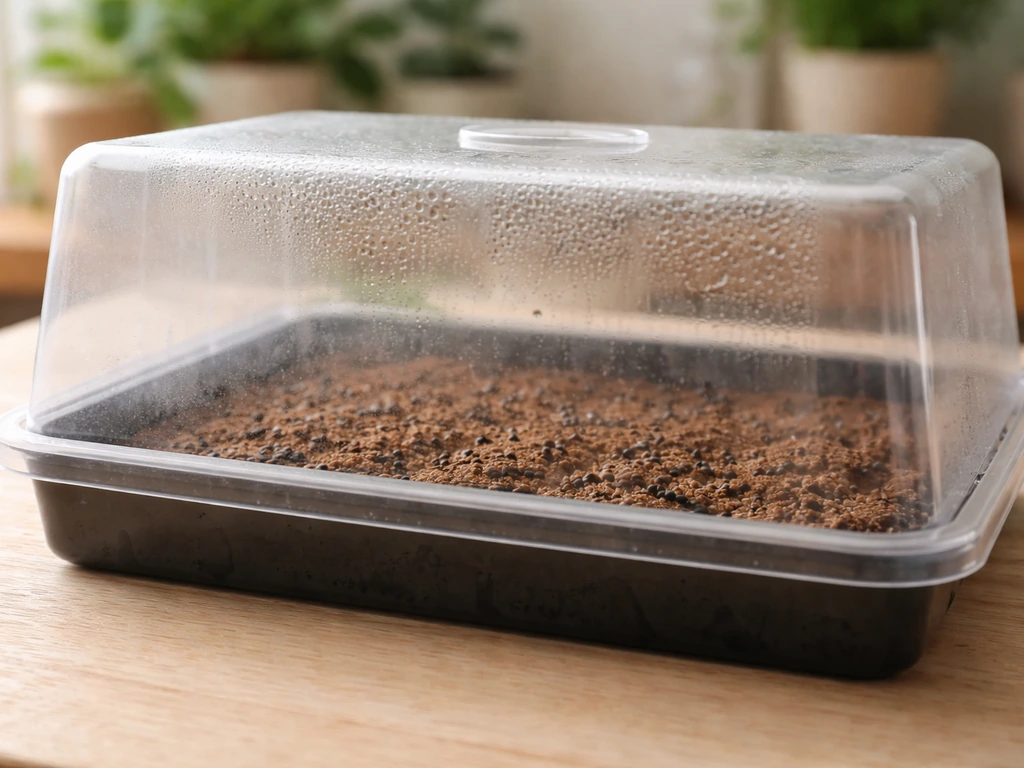
For seeds specifically, the dry-start method (DSM) dramatically improves germination success. In DSM, you set up your substrate, sow seeds, and keep the tank misted and covered with plastic wrap or a glass lid for the first two to four weeks before flooding. If you are specifically trying to grow bacopa in an aquarium, use a similar idea of controlled conditions to support healthy rooting, but follow bacopa-specific light and trimming needs rather than carpet-grass rules grow bacopa in aquarium. This mimics the moist, warm, above-water conditions that Eleocharis seeds need to sprout. blank" rel="noopener noreferrer">Seeds germinate with light, moisture, and warmth, and they should not be covered with substrate because they need light to trigger germination. After the seedlings are a centimeter or two tall and starting to send out their first runners, you can slowly flood the tank.
The fully submerged method works better if you are starting from plugs or tissue-culture cups rather than seed, but you can attempt it with seeds if DSM is not an option. In that case, press seeds gently onto the wet substrate surface, do not bury them, and use very low flow while germination is happening so seeds are not blown around.
Water parameters that actually matter
| Parameter | Dwarf Hairgrass (E. parvula) | Micro Sword (L. brasiliensis) |
|---|---|---|
| Temperature | 65–82°F (18–28°C) | 72–85°F (22–29°C) |
| pH | 6.5–7.5 | 6.5–7.5 |
| Water hardness | Soft to moderately hard | Soft to moderately hard |
| Flow | Low to moderate (gentle) | Low to moderate (gentle) |
| Water changes | 25–30% weekly | 25–30% weekly |
Keep flow gentle, especially in the first two weeks after sowing. A strong current will dislodge ungerminated seeds and uproot fragile seedlings before their roots take hold. A small sponge filter or a spray bar pointed at the glass wall rather than the substrate works well. Once the carpet is established and runners are spreading, you can increase flow slightly. Weekly water changes of 25 to 30% are non-negotiable: building organic waste is one of the fastest ways to trigger a hair algae outbreak right when your seedlings are most vulnerable.
Lighting plan: how to trigger germination and keep the carpet growing
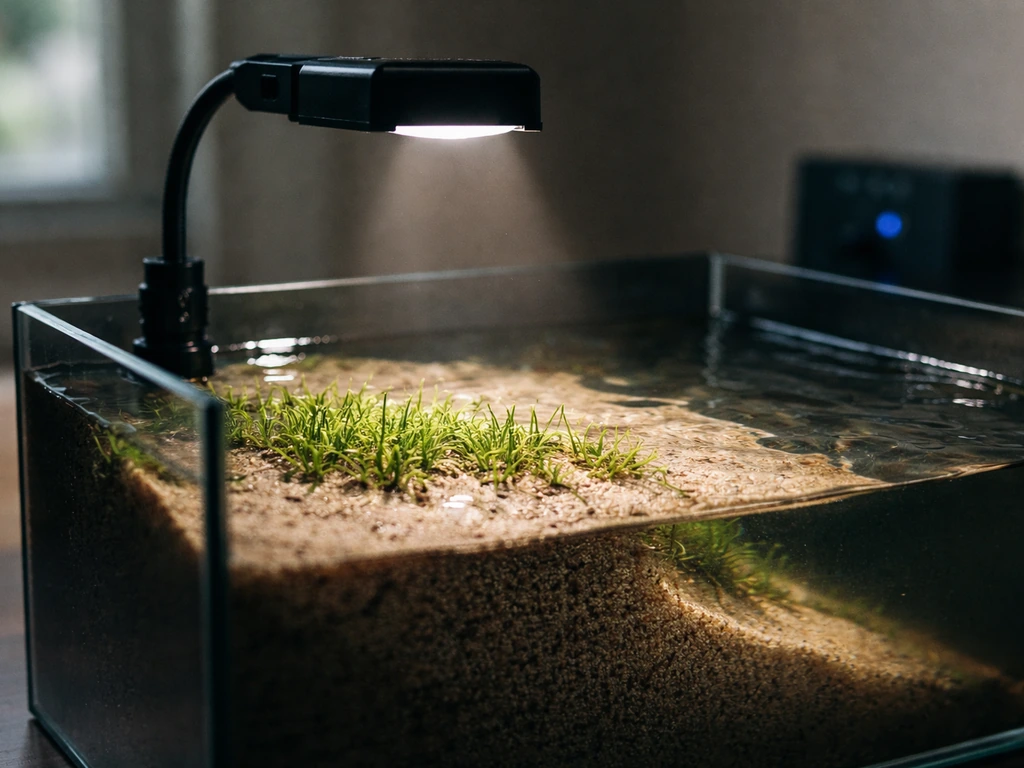
Light is one of the three core requirements for Eleocharis seed germination, alongside moisture and warmth. If you are also planning to keep a Monstera in the same aquarium, you will need to focus on different needs like light, roots, and how you manage water stability around the plant Eleocharis seed germination. During the dry-start phase, keep your light on for 10 to 12 hours per day directly over the substrate. Use an LED rated around 0.5 to 1 watt per liter of tank volume as a starting point. For context, a 20-gallon (75-liter) tank needs roughly 37 to 75 watts of LED output to give carpet plants what they need.
Once the tank is flooded, do not reduce the light duration. Dwarf hairgrass and micro sword both need high light to fill in as a carpet, and micro sword in particular struggles badly in low-light tanks. If you are seeing the blades grow tall and reach upward rather than spreading low and outward, that is almost always a light-deficiency response. Keep the photoperiod at 10 to 12 hours and make sure nothing is shading the substrate, including tall stem plants placed in front.
One practical tip: if you are using DSM, place your light source closer to the substrate than you would for a flooded tank, since you do not have water to diffuse and distribute the light. Even a desk grow light positioned 6 to 8 inches above the substrate works well for this phase.
CO₂ and nutrients: what to add and when
During dry start
You do not need CO₂ injection during DSM. The air space inside the covered tank already has sufficient CO₂ for germinating seedlings. Focus on keeping the substrate consistently moist (not waterlogged) by misting with dechlorinated water once or twice a day. A diluted all-in-one liquid fertilizer at half the recommended dose, added to your misting water, gives seedlings a nutritional boost without burning them.
After flooding
Injected CO₂ makes a significant difference once the tank is flooded. Target CO₂ levels of 20 to 30 ppm (a steady drop-checker green is a good proxy). CO₂ combined with high light is the main driver of fast, dense runner production. Without CO₂, carpet formation slows substantially and algae competition increases. Liquid CO₂ (glutaraldehyde-based products like Excel) can be used as a lower-cost alternative, but inject it carefully because overdosing stalls plant growth and kills shrimp.
For fertilizers, use a root-tab program from day one since both Eleocharis and Lilaeopsis are heavy root feeders. Place root tabs every 4 to 6 inches across the planting area when you set up the substrate, before sowing seeds. Supplement with a low-phosphate liquid fertilizer (a standard aquarium NPK + micronutrient formula) after flooding, dosed according to instructions. Avoid overdoing nitrogen early on, as excess nutrients in the water column before plants are established feeds algae more than seedlings.
How to sow seeds: step by step
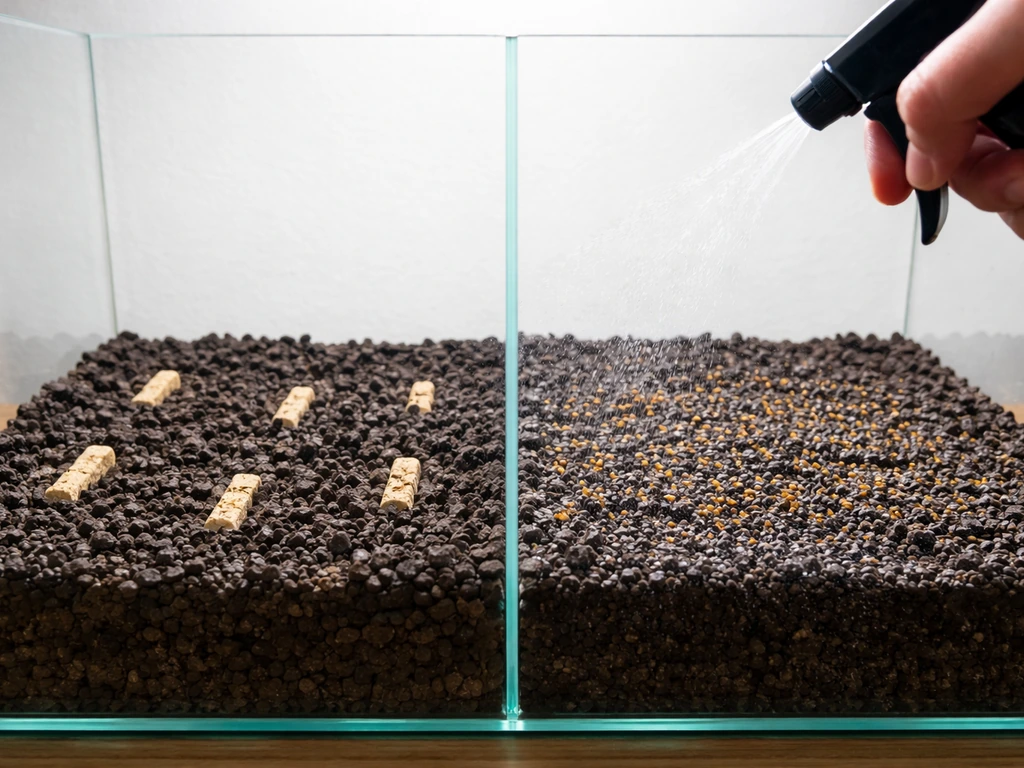
- Set up your substrate at full depth (2 to 3 inches of aquasoil, optional thin sand cap). Place root tabs before adding the top layer.
- Mist the substrate until it is uniformly moist but not pooling water on the surface.
- Open your seed packet and inspect the seeds. Legitimate Eleocharis or Lilaeopsis seeds are tiny (1 to 2 mm), brown or tan, and look like fine grain. If you received something larger or green, treat that as a red flag.
- Optional but worth doing if seeds may be dormant: soak seeds in room-temperature water for 12 to 24 hours before sowing. For Eleocharis acicularis specifically, a 2-hour soak in a very dilute sodium hypochlorite solution (scarification) followed by a 60-day cold period at 4°C has been shown to break dormancy, though this is an advanced step most hobbyists skip.
- Scatter seeds evenly across the moist substrate surface. A light pinch at a time works well. Do not press them into the soil and do not cover them with substrate. They need direct light contact to germinate.
- Mist gently over the seeds to settle them onto the substrate without washing them into piles.
- Cover the tank with plastic wrap or a glass lid to trap humidity. Leave a small gap for minor air exchange to prevent mold.
- Place your light 6 to 8 inches above the substrate and set a timer for 10 to 12 hours per day.
- Mist once or twice daily to keep the surface moist. You should see sprouting within 7 to 21 days depending on seed viability and temperature. Ideal germination temperature is warm, around 75 to 82°F (24 to 28°C), so if your room is cold, use a seedling heat mat under the tank.
- Once seedlings are 1 to 2 cm tall and you see lateral runner growth beginning (typically 3 to 5 weeks in), start slowly flooding the tank over 3 to 7 days by adding small amounts of dechlorinated water each day rather than flooding all at once.
Aftercare and how to troubleshoot problems
Once the tank is flooded and runners are spreading, you are in the maintenance phase. With good light, CO₂, and root nutrition, a carpet can fill in noticeably within four to six weeks. Here is what goes wrong and how to fix it.
Seeds not germinating after 3 weeks
This is the most common failure point and it usually comes down to one of three things: bad seed viability, insufficient warmth, or seeds buried or covered. Check that your substrate temperature is at least 72°F (22°C), ideally warmer. If seeds are still sitting on top of the substrate and the temperature is right, the seeds are likely not viable. This is the carpet seed scam problem in practice. Order seeds from a specialist aquatic nursery rather than a generic marketplace seller, or pivot to tissue-culture plugs of E. parvula which give you living, rooted plants to start from.
Seedlings melting after flooding
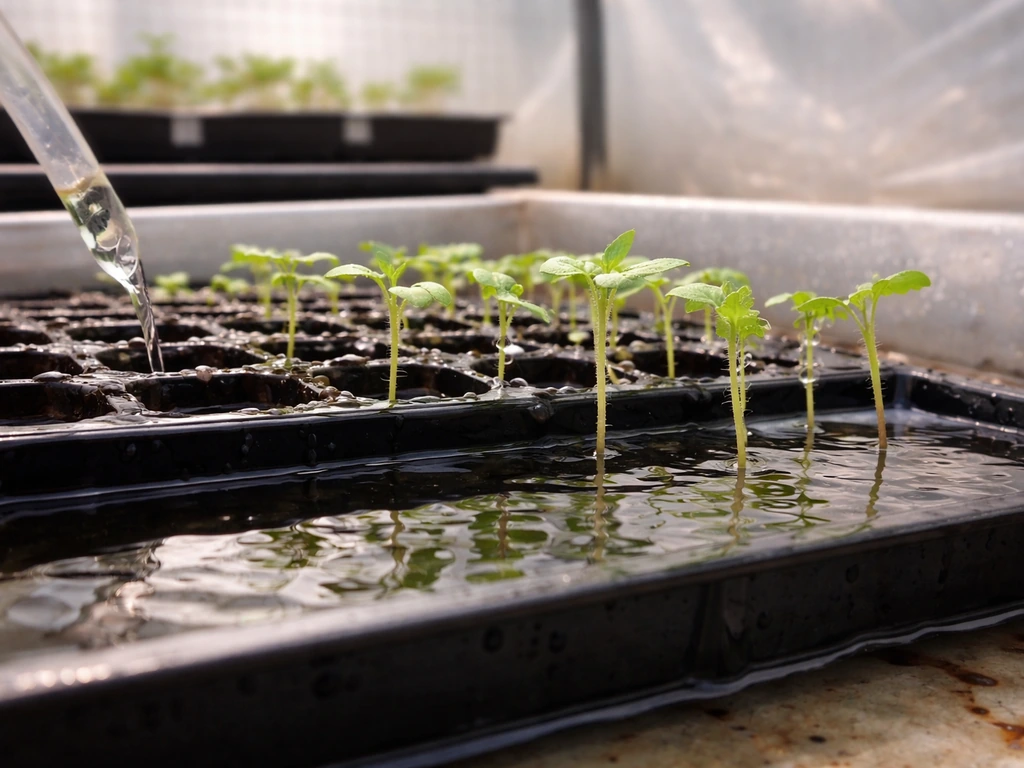
Melt happens when above-water (emersed) seedlings suddenly transition to a fully submerged environment. The slow-flood method (adding water gradually over 3 to 7 days) reduces this shock. If melt happens anyway, do not panic and do not pull the plants. The roots and runners often survive even when blades die back, and new submerged-form growth will emerge within 1 to 2 weeks if conditions are good. Keep up your water changes and reduce flow to minimal during this vulnerable period.
Algae outbreaks
Algae almost always hit during the first few weeks after flooding because there is more light and nutrients than the young plants can consume. Because biofilm can form on surfaces in a new aquarium, managing early nutrients and light helps prevent unwanted buildup while your aquarium carpet plants establish how to grow biofilm in aquarium. The best prevention is starting with a low nutrient dose and ramping up as the carpet fills in. If hair algae appear on the substrate or on seedlings, do a 3-day blackout (cover the tank completely, no light), then resume with a slightly shorter photoperiod of 8 hours and add a few Amano shrimp or a small nerite snail once the carpet is strong enough to handle tankmates. If you are dealing with biofilm on surfaces, improve flow and keep feeding and waste under control so your shrimp tank stays clean while the carpet establishes. Avoid using algaecides near seedlings.
Slow or patchy spread
Patchy spread almost always means one of two things: light is not reaching part of the substrate evenly, or the substrate in that area is too shallow for runners to anchor. Check for shadows from hardscape, rocks, or driftwood. In patches where substrate is thin, carefully add a small amount of aquasoil around existing plants. If light is even but spread is still slow, increase CO₂ to the target range and double-check that root tabs are placed throughout the carpet area, not just at the perimeter.
Blades growing tall instead of staying low
Tall, upward-reaching blades are a classic low-light response. Increase your light intensity or move the fixture closer to the water surface. Once you add more light, trim the tall blades with scissors to just above the substrate (about 1 cm). This encourages lateral runner growth rather than vertical blade extension and is the single most effective way to encourage carpet formation. Trim every one to two weeks in the early establishment phase.
Yellowing or pale blades
Yellow blades usually indicate iron or nitrogen deficiency. Add a root tab near the affected area and dose a micronutrient liquid fertilizer for a week and see if color returns. If new growth comes in yellow from the start, your liquid fertilizer dosing is likely too low or your water changes are removing nutrients faster than you are replacing them. Increase fertilizer frequency slightly rather than dose amount.
If you are also growing other carpeting plants and want to compare approaches, micro sword (Lilaeopsis brasiliensis) follows a nearly identical setup to dwarf hairgrass but is generally considered even more demanding on light, which is worth knowing before you choose your species. Monte Carlo is another popular aquarium carpeting plant that tends to be more forgiving for beginners starting from plugs rather than seed.
FAQ
In dry-start method, how wet should the substrate be during germination?
For DSM, you should keep the substrate surface mist-moist, not flooded. A good rule is that the substrate should darken slightly when you mist, but there should be no standing water pooled on top. If you see water running or the surface staying glossy wet all day, reduce misting frequency to prevent oxygen-poor germination and early rot.
Can I bury aquarium carpet grass seeds to keep them from floating?
You typically do not want to cover seeds with any thick layer. Seeds need light to trigger germination, so if you use aquasoil plus a fine sand cap, keep it very thin (just enough to hold seeds during sowing). A thick sand layer will slow or prevent germination even if temperature and moisture are correct.
If nothing sprouts after a few weeks, is it a CO₂ issue or something else?
In a covered DSM tank, you can usually stop worrying about CO₂ until after flooding. The more common failure is oxygen and temperature swings from poor covering or light too far away. If germination stalls after 2 to 4 weeks, first confirm substrate temperature stays at or above 22°C (72°F), then verify seeds were never buried and the light stayed on 10 to 12 hours daily.
How gentle does water flow need to be while carpet grass seeds are germinating?
Yes, current can ruin your start even if it seems “gentle.” During germination, use the lowest flow possible, and aim filtration output so water moves along the tank glass rather than directly over the planted area. If you spot floating seeds or seedlings being tugged after they pop, further reduce flow immediately.
What fertilizer should I use during dry start, and how much is safe?
During DSM, do not overdo fertilizer into the misting water. Half-dose (or even less if you have a very young tank) is safer, and avoid any high-phosphate, heavy nutrient blends that can fuel algae before the carpet establishes. If algae blooms appear while seedlings are tiny, pause fertilizing and focus on light control and water changes.
My carpet is patchy after flooding, how do I diagnose the real cause?
Most carpets fill in slowly at first, then accelerate once runners take off. If you are well past the early window (for example, after 6 to 8 weeks) and still see isolated tufts, check substrate depth at the failure spots and look for shading from hardscape or other plants. Patchiness is often physical anchoring or uneven light, not seed “bad luck.”
Is it worth continuing with seed if germination is poor, or should I switch to plugs?
If you want faster, more predictable results, buy plugs or tissue-culture cups and use seed only as a supplement for areas you missed. Tissue-culture plants bypass viability problems entirely, and runners spread once roots establish. If you do seed, treat it as experimental and budget a backup so you do not wait months on unreliable packets.
Do I need to remove melt-damaged carpet grass after switching from dry start to fully submerged?
If you see “melt” after flooding, you usually should not replant them or remove anything right away. Keep doing the maintenance you already planned (water changes, stable light, minimal flow). Melt often involves blades dying while roots and runners survive, and new submerged growth can appear within 1 to 2 weeks if conditions are stable.
When can I add shrimp or snails to control algae without harming seedlings?
Shrimp and small snails can help, but timing matters. Add them after the carpet is strong enough to handle grazing, typically once you see healthy submerged growth and the first substantial runner network. Early additions can increase disturbance, and some species may uproot fragile seedlings if flow is high.
What should I change if I get hair algae soon after flooding?
A practical photoperiod change is to reduce light if you get hair algae, not to stop light completely long-term. After a short blackout and algae suppression, returning to about 8 hours daily and then gradually increasing is safer than jumping back to the highest intensity immediately. Keep everything else stable during the adjustment so you know what helped.
How should I start CO₂ after flooding if I’m growing from seed?
You do not want to blast CO₂ at the carpet area immediately. Increase CO₂ gradually after flooding while maintaining high light, then watch for stable runner production. If CO₂ is too low you get slow spread, but if CO₂ is pushed too high or uneven you can stress seedlings, so use a steady target like 20 to 30 ppm and confirm with a drop checker.
Yellow blades, do I add more nutrients or adjust my root tabs and dosing schedule?
If new growth comes in yellow from the start, the issue is often nutrient availability not just “more fertilizer.” Root tabs can help, but also consider whether your water changes are removing nutrients faster than you replace them. Instead of doubling doses, increase feeding slightly and ensure you placed tabs across the full planting area, not only around the perimeter.