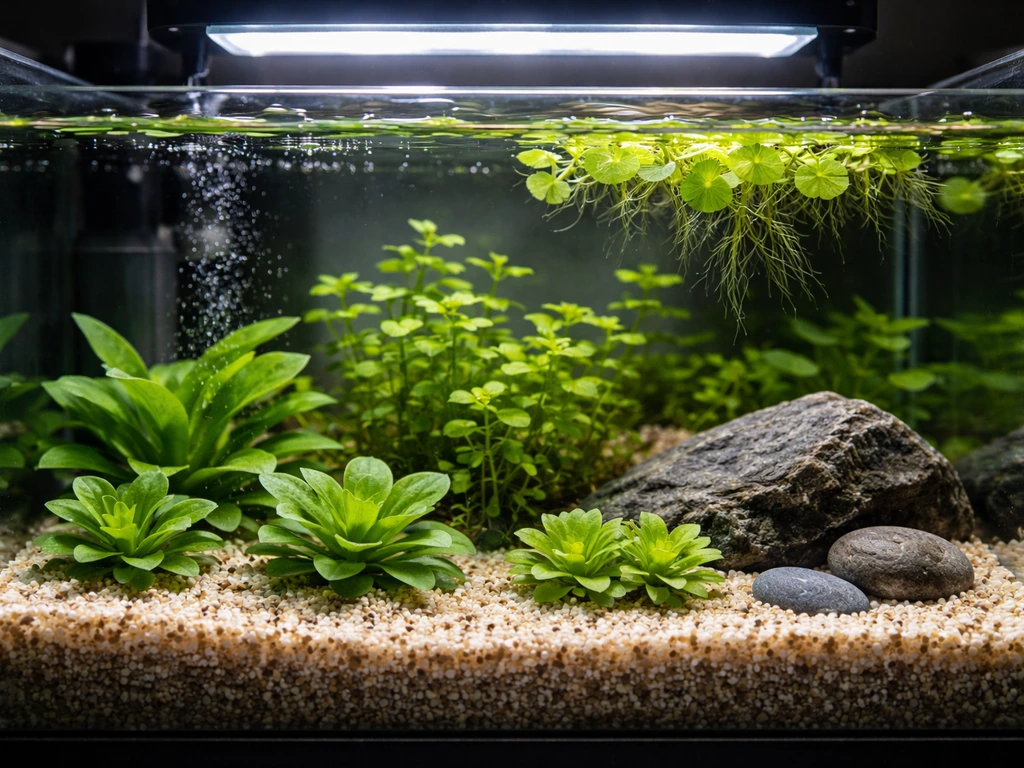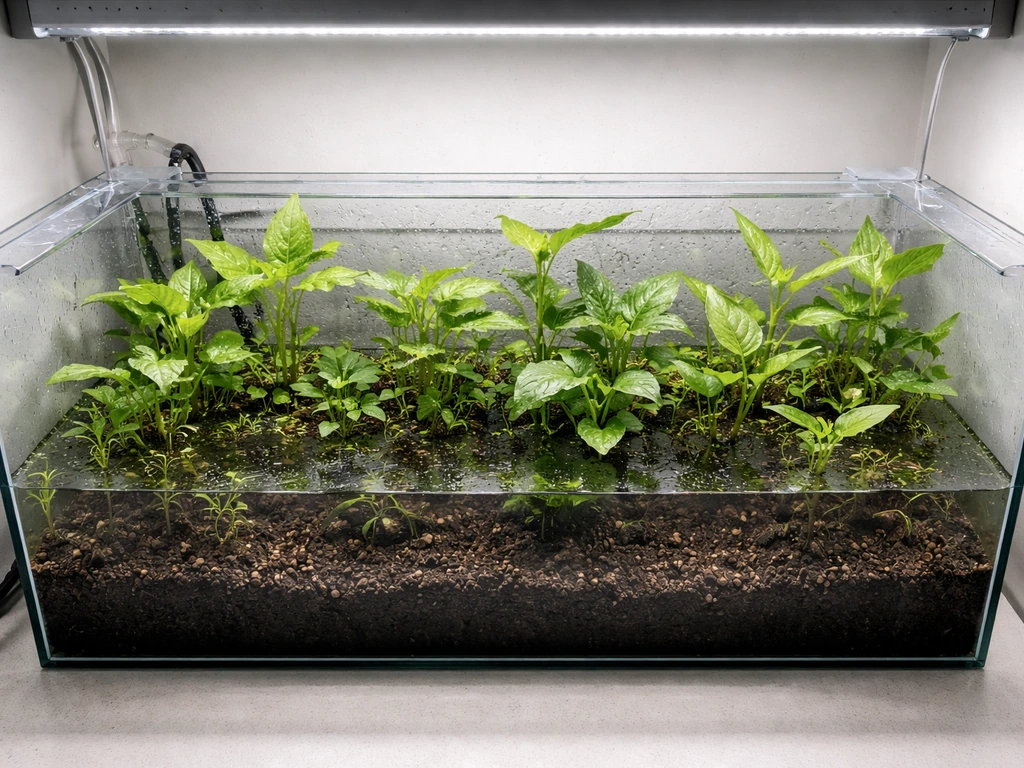
Tropical aquarium plants thrive when you give them three things consistently: enough light, a nutrient source matched to how they feed, and stable warm water between 72°F and 82°F (22°C–28°C). Get those three right and most beginner-friendly tropical species will grow reliably without CO2 injection. Add CO2 and dial in your lighting and you can grow almost anything.
How to Grow Tropical Aquarium Plants: A Complete Guide
Marcus Holloway
9 Jul 2026
Choosing the right tropical aquarium plants
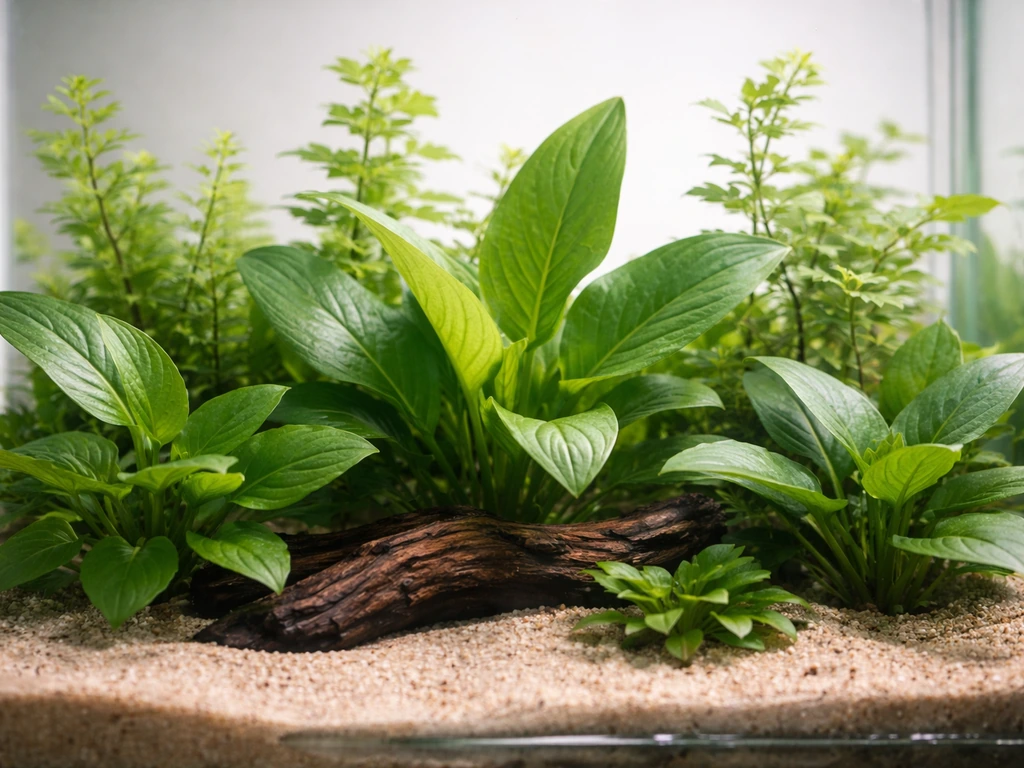
Your plant selection should be driven by your lighting category first, everything else second. If you have a basic LED strip or a low-output fixture, start with low-light species. If you upgrade to a quality planted-tank light and add CO2, the whole catalog opens up. Picking a plant that needs more light or CO2 than you have is the single most common reason beginners get frustrated.
For low-light, no-CO2 tanks, these are the species I'd put in front of any beginner without hesitation:
- Anubias (any species): extremely forgiving, slow-growing, attach to hardscape rather than planting in substrate
- Java Fern (Microsorum pteropus): virtually indestructible at low light, epiphyte — never bury the rhizome
- Cryptocoryne wendtii and other Crypt species: root feeders that tolerate low light, expect temporary melting during acclimation
- Amazon Sword (Echinodorus bleheri): heavy root feeder, does well at moderate light with root tabs
- Vallisneria: fast background plant that spreads by runners, very forgiving
- Java Moss and other mosses: attach to surfaces, low maintenance, great for shrimp tanks
For medium to high light with CO2, you can branch into stem plants like Rotala, Ludwigia, Bacopa, Hygrophila, and carpeting plants like Dwarf Baby Tears (Hemianthus callitrichoides) or Monte Carlo. These look spectacular but they demand more from you. If you're just starting out, build confidence with the low-light list first, then upgrade your setup when you're ready to commit to CO2 and tighter water management. If you want the clearest path to how to grow freshwater aquarium plants, focus on pairing your plant choices with the right light, nutrients, and CO2 level commit to CO2.
One rule worth burning into memory: epiphyte rhizome plants like Anubias and Java Fern must never have their rhizome buried in substrate. Bury it and it will rot within weeks. Tie or glue them to rocks, driftwood, or mesh instead.
Tank setup and water parameters for plant growth
Tropical plants need stable, warm water. Swings in temperature or pH are harder on plants than staying at a suboptimal number consistently. Here are the core parameters to hit and hold:
| Parameter | Target Range | Notes |
|---|---|---|
| Temperature | 72°F–82°F (22°C–28°C) | Most tropical species prefer 75°F–80°F; use a reliable heater with a thermostat |
| pH | 6.5–7.8 | Most tropical plants and fish are comfortable in this range; extremes inhibit nutrient uptake |
| Nitrate (NO3) | 20–50 ppm | Below 10 ppm plants starve; above 50 ppm do a 50% water change |
| Phosphate (PO4) | 0.5–2 ppm (low-light), up to 3+ ppm (CO2 tanks) | Test and dose accordingly; deficiency causes slow growth |
| CO2 (if injecting) | 15–30 ppm | Above 30 ppm risks fish health; target 20–25 ppm as your sweet spot |
| GH/KH | 3–8 dGH / 3–8 dKH | Moderately soft to moderately hard; very soft water can cause deficiencies |
Circulation matters more than most beginners realize. A gentle current distributes CO2 and nutrients to all plants, prevents dead zones where detritus builds up, and keeps the surface oxygenated for fish. Aim for a flow rate of about 5–10 times your tank volume per hour, but spread it gently. A single powerhead blasting one corner is less effective than a filter return positioned to create a slow circular flow.
If you're running CO2 injection, keep a close eye on your fish. Signs of CO2 overdose include fish gasping at the surface, unusual lethargy, or crowding the surface. The safe window is 15–30 ppm. Most hobbyists use a drop checker filled with 4 dKH reference solution as a rough real-time indicator: green means you're in range, yellow means too much, blue means too little.
Lighting design and photoperiod
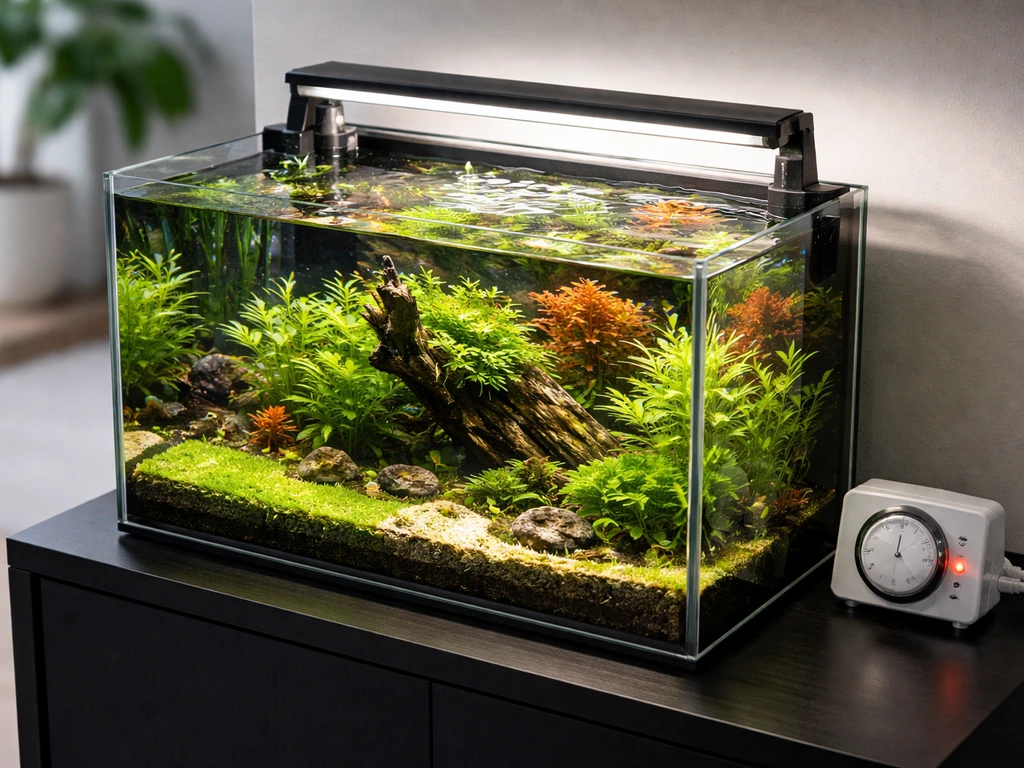
A consistent photoperiod of 8–10 hours per day is the starting point for most planted tropical tanks. Petco's guidance and general hobby consensus both point to 10–12 hours as the ceiling for full-spectrum light before you start feeding algae more than plants. I personally run 8 hours with a timer and have had far fewer algae problems than when I experimented with 12-hour photoperiods early on.
Your light intensity matters as much as duration. Here's a practical breakdown by plant category:
| Light Level | PAR Range at Substrate | Good Plant Choices | CO2 Needed? |
|---|---|---|---|
| Low | 10–30 µmol/m²/s | Anubias, Java Fern, Crypts, Java Moss | No |
| Medium | 30–80 µmol/m²/s | Swords, Vallisneria, most stem plants, Bucephalandra | Optional but helpful |
| High | 80–150+ µmol/m²/s | Carpeting plants, Rotala, demanding stem plants | Yes, required |
For most tropical community tanks with a mix of beginner plants, a quality LED fixture rated for planted tanks running at medium intensity for 8–10 hours per day is the sweet spot. Brands like Fluval Plant 3.0, Chihiros, and the Aquarium Co-Op Finnex Planted+ series are popular and reasonably priced. Avoid cheap white LED strips sold as 'planted' lights, they rarely hit the spectrum or intensity plants actually need.
One consistent mistake I see: people turn on their light and leave it on while they're home, sometimes 14–16 hours a day. This doesn't help plants grow faster, it just feeds algae. Set a timer from day one. Non-negotiable.
Substrate, nutrients, and fertilizer dosing
Picking your substrate
You have two main paths: a nutrient-rich aquasoil like ADA Aqua Soil, Fluval Stratum, or UNS Controsoil, or an inert substrate like sand or gravel paired with root tabs and liquid fertilizer. Aquasoil is the easier option for beginners growing root feeders like Crypts and Swords because it provides nutrients passively for the first several months. The tradeoff is cost and the fact that aquasoil needs replacing every few years as it exhausts. Inert substrate works perfectly well if you're disciplined about fertilization.
Root tabs vs. liquid fertilizer
The feeding strategy should match your plant types. Root feeders like Crypts, Amazon Swords, and bulb plants pull most of their nutrients from the substrate. Push root tabs into the substrate near their roots every 2–3 months if you're using an inert base. Stem plants and epiphytes like Anubias and Java Fern feed primarily from the water column, so they need liquid fertilizer added to the tank directly.
For most mixed tropical planted tanks, I recommend doing both: root tabs under heavy root feeders and a balanced all-in-one liquid fertilizer (like Easy Green, Seachem Flourish Comprehensive, or TNC Complete) dosed weekly into the water column. Start at the manufacturer's recommended dose, test your nitrate after a week, and adjust. If nitrate is climbing above 50 ppm before your next water change, cut the dose. If it's sitting below 10 ppm and plants look pale, increase it.
CO2 injection
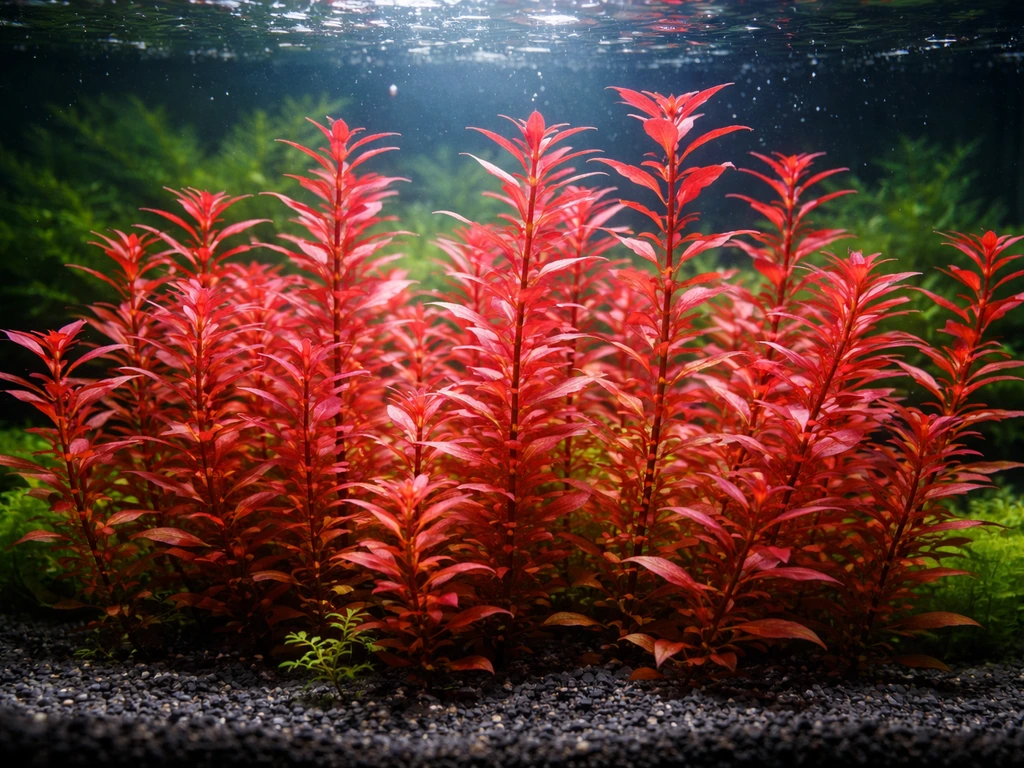
CO2 is optional for low-tech tropical tanks but it transforms what's possible at medium and high light. Red aquarium plants can be grown using the same core planted-tank basics, with extra attention to light intensity, steady nutrients, and proper CO2 if you want strong red coloration. A pressurized CO2 system (regulator, solenoid, needle valve, diffuser) is the most reliable setup. Aim for 15–30 ppm in the water. Run CO2 on a timer tied to your light, turn it on about an hour before lights on, off about an hour before lights off. Never run CO2 at night when plants aren't photosynthesizing.
DIY CO2 (yeast-based) is cheaper to start with but inconsistent. If you're growing demanding plants, invest in a proper pressurized system. The consistency alone is worth the cost.
Planting, propagation, and growth expectations
How to actually plant them
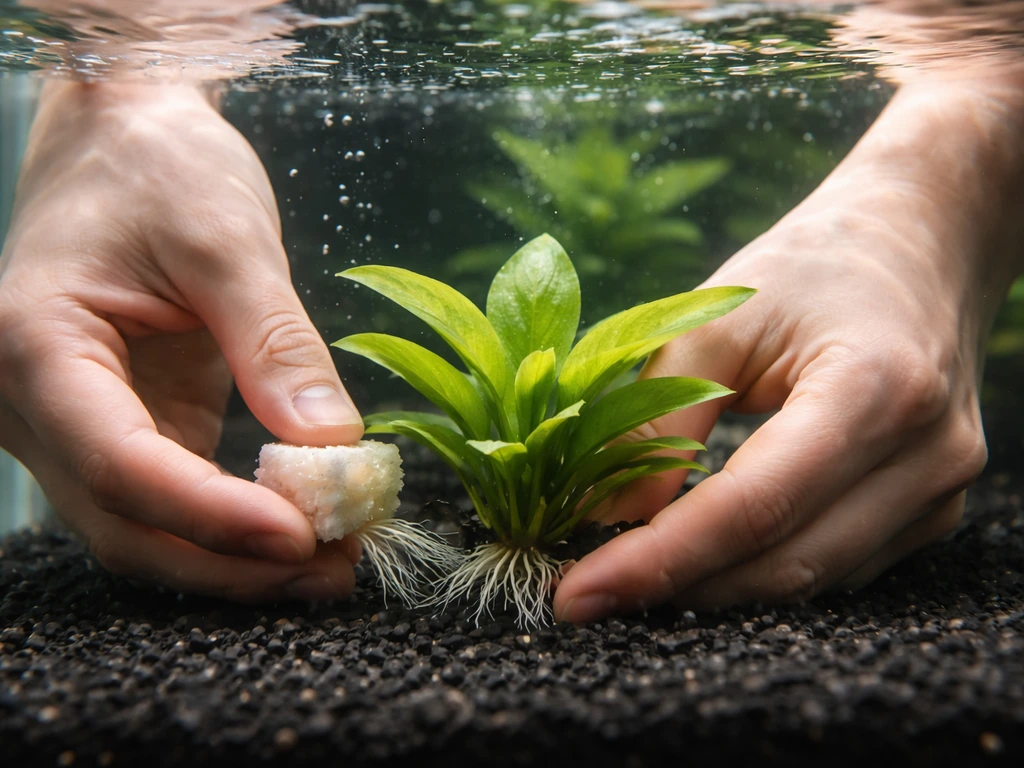
Most plants sold in stores come from emersed (above-water) growing conditions. When you plant them submerged, they often melt back partially while they grow new underwater leaves. This is completely normal, especially with Crypts. Don't pull them out. Leave them alone and they'll resprout from the roots within a few weeks.
- Remove any rockwool, foam, or emersed growth that is dead or yellowed before planting
- For stem plants: push each stem at least 2–3 inches into substrate, or use plant weights to anchor them until roots grab
- For rosette plants (Crypts, Swords): plant so the crown sits just above the substrate surface, roots buried
- For rhizome plants (Anubias, Java Fern, Bucephalandra): tie or super-glue the rhizome to hardscape; never bury the rhizome
- For mosses: tie to mesh, driftwood, or rocks with cotton thread or fishing line; it will attach and the thread will eventually dissolve
- Space stem plants 1–2 inches apart to allow light to reach lower leaves
Basic propagation techniques
Most tropical aquarium plants propagate easily once established. If you want a simple starting point, choose easy to grow aquarium plants for beginners first, then dial in light and nutrients to match them. Stem plants: trim the top 4–6 inches of healthy growth and replant it, the cutting will root within a week or two and the trimmed stem will grow new side shoots.
Crypts: they spread by runners, so just separate the daughter plants when they have a few leaves of their own. Anubias: you can cut the rhizome with a sharp blade as long as each piece has at least a few leaves. Java Fern: plantlets grow on the edges of mature leaves and can be detached and tied to new surfaces.
Realistic growth timeline
Don't expect fast results in the first month. Slow-growing species like Anubias and Bucephalandra might add one or two leaves per month, that's normal, not failure. Fast-growing stem plants like Hygrophila or Vallisneria can add several inches per week in good conditions. Setting realistic expectations keeps you from over-adjusting your setup out of frustration.
Ongoing care schedule and routine maintenance
A consistent weekly routine is what separates thriving planted tanks from struggling ones. It doesn't need to take long, 20–30 minutes a week handles most of it.
| Task | Frequency | Details |
|---|---|---|
| Water change | Weekly | 10–25% water change; vacuum substrate surface to remove detritus |
| Fertilizer dose | Weekly (or per label) | Dose liquid fertilizer after water change; test nitrate early on to calibrate amount |
| Trim overgrown plants | Weekly to bi-weekly | Trim stem plants before they shade lower plants; remove dead or melting leaves |
| Check parameters | Weekly (first 1–2 months), then bi-weekly | Test nitrate, phosphate, and pH; adjust dosing based on results |
| Clean glass | Weekly | Algae scraper or magnetic cleaner; remove spot algae before it spreads |
| Root tab refresh | Every 2–3 months | Push new tabs near root-feeding plants if using inert substrate |
| Filter maintenance | Monthly | Rinse media in old tank water; never use tap water which kills beneficial bacteria |
During the first 3–4 weeks of a new planted tank, do water changes more frequently, two 25–50% changes per week helps stabilize the nitrogen cycle and reduce the chance of early algae blooms. After the tank matures, you can settle into the weekly rhythm above.
Troubleshooting common tropical plant problems
Yellowing leaves
Yellow leaves across the whole plant usually signal a nitrogen deficiency. Test your nitrate, if it's below 10 ppm, increase your fertilizer dose or switch to a more concentrated product. If nitrate is fine but leaves are still pale, check iron levels; iron deficiency causes yellowing in new growth specifically. A liquid fertilizer with chelated iron or a dedicated iron supplement usually fixes this within two weeks.
Holes in leaves and spotting
Holes in leaves, particularly in Amazon Swords and Cryptocorynes, often point to a potassium or calcium/magnesium deficiency. An all-in-one fertilizer dosed properly usually covers this, but if you're using very soft or RO water, you may need to supplement with a GH booster or dedicated potassium supplement. Some fish like cichlids also nibble leaves, so rule that out first.
Crypt melt
If your Crypts suddenly dissolve into mush after planting or after any major parameter change, that's crypt melt. It's stressful to watch but almost never fatal. Leave the roots in place, don't disturb the substrate, and keep conditions stable. New leaves will grow back within 3–5 weeks. The biggest mistake people make is pulling the plant out thinking it's dead.
Algae overgrowth
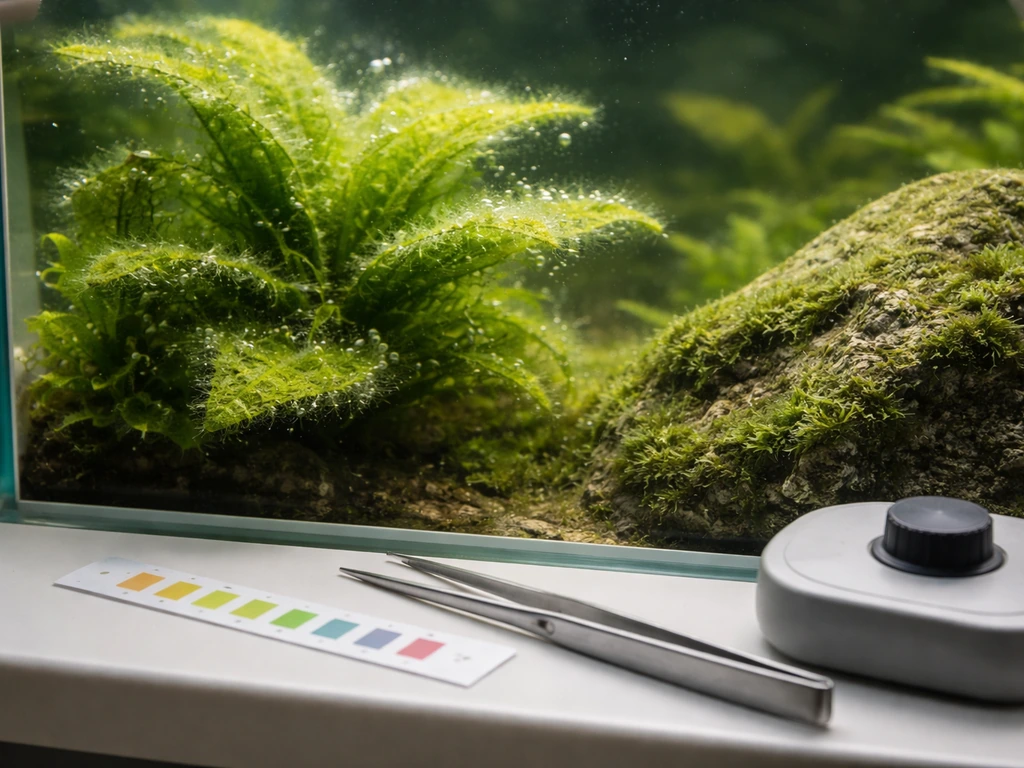
Algae is almost always a symptom of imbalance: too much light with not enough nutrients, inconsistent photoperiod, or excess nutrients without enough plant mass to use them. Start by reducing your photoperiod to 6–7 hours temporarily, then add more fast-growing plants to compete. Green spot algae on glass means phosphate is too low. Green hair algae usually means light is too high relative to nutrients or CO2. Blue-green algae (cyanobacteria, which looks like a dark blue-green slime) means low flow and often low nitrate, physically remove it, do a water change, improve circulation, and let the tank stabilize for a week before the next change.
Slow or no growth
The three most common causes of stubbornly slow growth are: not enough light, insufficient CO2 or nutrients, and cold water. Check each one. If your light is a basic all-purpose LED, it may simply not be putting out enough PAR for the plants you have. If your tank is running below 72°F, warm it up, tropical plants slow down dramatically below that. And if you've never tested your nutrients, start there before buying new equipment.
Plants not staying rooted
New stem plants float before they root. Use plant weights or push them deeper (2–3 inches minimum). If plants keep being uprooted, check whether substrate grain is too large or coarse, fine-grain substrates hold roots better. Fish that dig, like some cichlids or goldfish, are incompatible with most planted setups and will continually uproot plants no matter what you do.
A quick diagnostic checklist
- Yellow old leaves + slow growth: check nitrate (target 20–50 ppm), dose more fertilizer if low
- Yellow new leaves: likely iron deficiency, add chelated iron supplement
- Holes in leaves: potassium or calcium/magnesium deficiency, dose K+ or GH booster
- Melt on Crypts after planting: normal acclimation, leave in place and wait
- Green slime/hair algae spreading: reduce photoperiod, add more fast-growing plants, check nutrients
- Blue-green slime coating surfaces: low flow + likely low nitrate, remove manually, do water change, improve circulation
- No growth despite nutrients and light: check temperature (72°F–82°F), CO2 if running high light, and PAR output of your light fixture
Tropical planted tanks reward consistency more than expensive equipment. The hobbyists I've seen succeed long-term are the ones who test their water regularly, change it on schedule, and resist the urge to constantly change variables. Pick your plants based on your actual light, feed them the right way, keep the water warm and clean, and you'll have a lush tropical tank that genuinely grows. If you want to go deeper on specific plant types, there's a lot more to explore in areas like growing plants without soil, getting vibrant red species to color up, or even starting plants from seeds, each approach builds on the same foundation covered here.
FAQ
How do I know whether my tank is really “low light” or “medium/high light” for plant growth?
Use your fixture’s actual output at the plant level, not the marketing label. If you cannot measure PAR, choose a conservative plant set and watch growth for 2 to 4 weeks, rapid dieback or stalled new growth usually means the intensity is lower than the plants require.
Can I grow tropical aquarium plants in a tank that doesn’t have CO2 injection at all?
Yes, but you generally need to keep the plant list to low-light, low-tech species and ensure stable nutrients. If you see algae and slow growth simultaneously, the issue is often insufficient light for the nutrients you are adding, not just the lack of CO2.
What’s the safest first fertilizer plan if I’m using inert sand or gravel?
Start with root tabs for heavy root feeders and a light, consistent liquid dose for water column feeders, then adjust after testing nitrate 7 days later. Avoid high dosing in week one, because young tanks can spike nutrients while plant mass is still too low.
How often should I use liquid fertilizer, and should I dose weekly or daily?
Weekly dosing is usually simpler and more stable for planted tanks. If you dose daily, measure and document intake, and be careful not to overshoot nitrate or iron, where algae or pale growth can both show up depending on which nutrient is out of balance.
Do I have to test every nutrient to troubleshoot yellowing or stalling?
No, you can follow a decision order. For whole-plant yellowing, test nitrate first. For pale new growth with stable nitrate, check iron availability or chelated iron dosing, then review light intensity before changing more equipment.
Is it okay to increase the photoperiod to speed up plant growth?
It usually backfires unless nutrients and CO2 or plant mass keep up. A safer path is raising light duration slowly, or better, improving intensity and nutrient delivery first, then increase time in small steps if algae stays controlled.
What should I do if my fish keep triggering CO2 symptoms even when the drop checker looks okay?
Treat fish behavior as the priority signal. Check diffuser performance, ensure CO2 is actually reaching the plants (not trapped under the surface), and verify your drop checker color change timing, then reduce CO2 and increase aeration temporarily if fish show stress.
Should I run CO2 at night if I have a timer on my lights?
Avoid it. When lights are off, photosynthesis stops, and CO2 in the water can become wasteful and stressful. If you must keep gas on for equipment reasons, use an automatic cutoff that matches the photoperiod.
My plants are melting after I put them in the aquarium. Is that always a problem?
Not always. Many store plants are grown emersed, and partial melt after submersion is normal. If roots are healthy and conditions are stable, expect new underwater leaves to resprout within a few weeks.
How can I prevent stem plants from floating or uprooting repeatedly?
Trim and replant cuttings deep enough, usually at least a couple of inches, and use plant weights if needed until roots grip. If uprooting keeps happening, check substrate grain size and look for digging fish, which often defeats every fix.
Do epiphytes like Anubias and Java Fern really need special planting?
Yes. Their rhizomes should stay above the substrate, and only roots should contact substrate if you anchor them. If you bury the rhizome, rot is common and the plant may appear to “stall” rather than recover quickly.
What’s the easiest way to diagnose stubborn algae when plants also look weak?
Start by reducing stressors that can outpace plant uptake: lower the photoperiod temporarily, confirm circulation is gentle but present, and make sure nitrate and potassium are not near-zero. Then add fast-growing plant biomass to compete, instead of only scrubbing algae.
How should I handle crypt melt if I just planted them?
Leave the roots in place and do not rework the substrate, crypt melt is usually a response to shock. Keep temperature, light, and water parameters stable, and focus on preventing additional disturbance until new leaves emerge over the following weeks.
When is the right time to start propagating or replanting in a new tank?
Wait until plants show stable new growth. Propagating too early can slow recovery because your tank is still balancing nutrients and parameters. For stem plants, you can trim once you see consistent growth, then replant cuttings to build biomass.
What water-change schedule is best during the first month of a planted tank?
More frequent, moderate water changes during weeks 3 to 4 usually help stabilize the nitrogen cycle and reduce early algae pressure. Keep changes consistent, and avoid dramatic swings in temperature or pH during those first weeks.