Pachira aquatica grows surprisingly well in water-based and hydroponic setups when you keep three things in check: oxygenation, pH between 5.5 and 6.0, and bright indirect light. Get those right and the money tree thrives. Get them wrong and you end up with mushy roots and yellow leaves that make you wonder why you bothered. This guide walks you through every stage, from rooting a cutting in a jar of water to running a proper hydroponic system long-term.
How to Grow Pachira Aquatica in Water: Hydroponic Guide
Marcus Holloway
7 Jun 2026
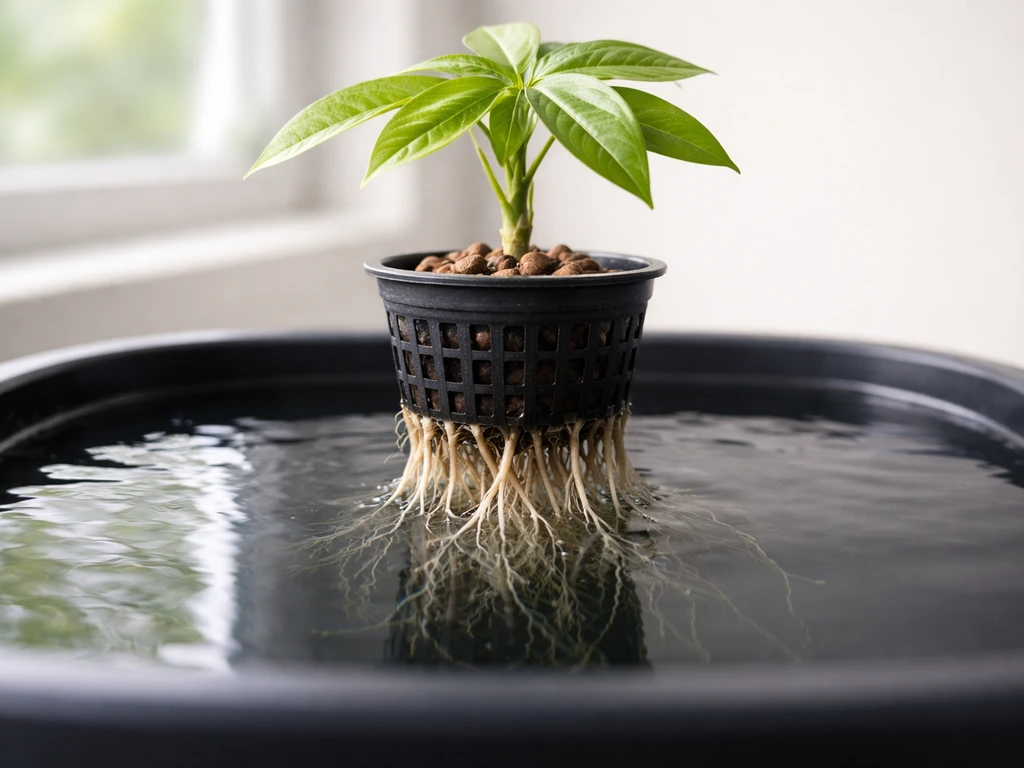
What Pachira aquatica Actually Needs vs a Typical Houseplant
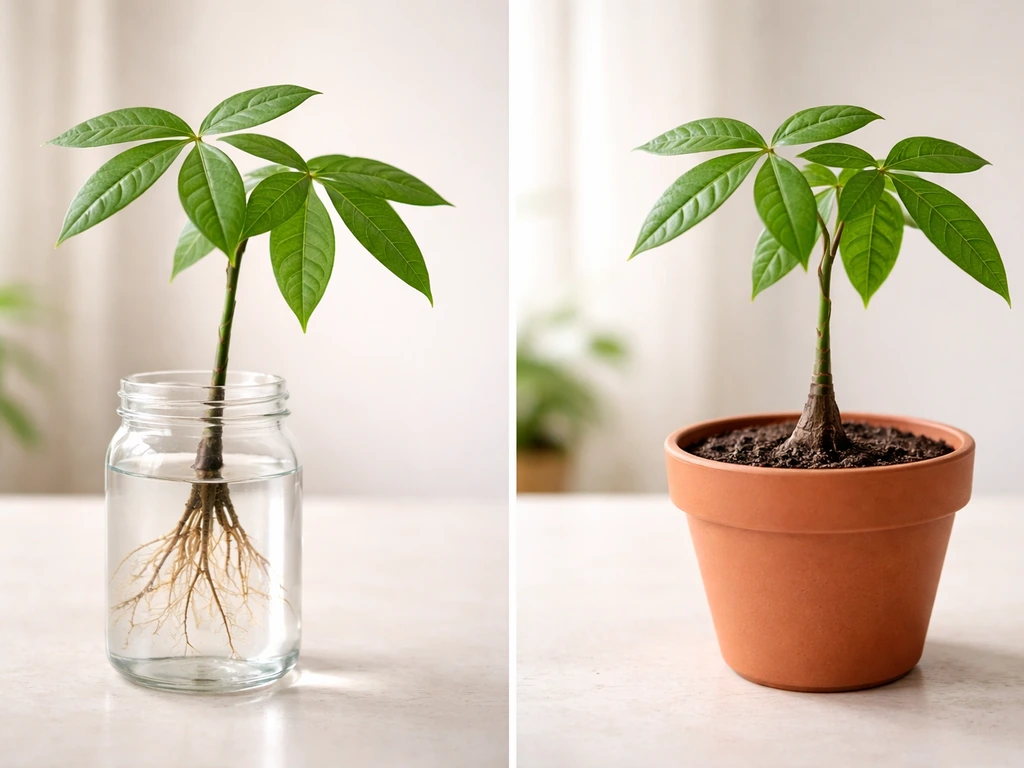
Most houseplants tolerate the occasional overwatering but need the soil to dry out between drinks. Pachira aquatica is different. It naturally grows along estuaries and riverbanks in Central and South America, which means it has adapted to cycles of flooding and drying rather than a consistently moist substrate. That sounds like it would make water culture easy, but there's a catch: those flood cycles also mean the roots get fresh, oxygenated water during high water, then air exposure during low water. Permanent stagnant water with no oxygen is the one thing it cannot handle.
In a soil pot, the mix buffers pH swings and holds a reserve of nutrients between waterings. In a hydroponic or water-based system, there is no buffer at all. You are in direct control of pH, electrical conductivity (EC), and dissolved oxygen. That is actually a good thing because you can dial in exactly what the plant needs, but it does mean you have to stay on top of the numbers. If you have grown aquatic plants in a tank or pond system before, this mindset will feel familiar.
| Factor | Typical Houseplant | Pachira aquatica in Water System |
|---|---|---|
| Root oxygen | Gets air from soil pore spaces | Needs active aeration; stagnant water causes rot |
| pH management | Buffered by soil | Must be maintained at 5.5–6.0 manually |
| Nutrient delivery | Soil releases slowly | EC 1.5–1.8 via liquid nutrient solution |
| Water changes | N/A | Full solution swap every two weeks |
| Flood tolerance | Low to moderate | High; adapted to estuary flooding cycles |
| Light demand | Varies widely | High: 2,500–4,500 foot-candles at maturity |
Best Setup: Container, Water, Light, Temperature, and Humidity
Container size and type
For a single cutting or young plant, start in a container that holds 1 to 2 liters of solution. Something opaque works better than clear glass because it blocks light from the water and slows algae growth, though I have used mason jars with dark tape wrapped around the outside and that works fine too. As the plant matures and the root mass grows, move up to a 5- to 10-liter reservoir. Net pots or mesh baskets set into a reservoir lid keep the stem stable while roots hang freely into the solution.
Water type and starting quality
Tap water works if it is not heavily chlorinated or high in bicarbonates. High-alkalinity water is a real problem because it pushes pH up constantly and makes it hard to hold the 5.5 to 6.0 range. If your tap water is hard, consider filtering it through a reverse osmosis unit first. RO water gives you a clean slate and you add only what the plant actually needs. If you do not have an RO filter, letting tap water sit out for 24 hours helps with chlorine but does nothing for alkalinity.
Light
Pachira aquatica is not a low-light plant, despite what you may have seen on care tag labels. Young cuttings and seedlings can get by at 1,000 to 1,500 foot-candles while they are establishing roots, but a mature plant needs 2,500 to 4,500 foot-candles. Indoors, that means a spot within 2 to 3 feet of a south- or east-facing window, or a quality grow light running 12 to 14 hours per day. Insufficient light is the number one reason water-grown Pachira drops leaves and stalls. If the plant is sitting in the corner of a dim room, no amount of perfect pH will save it.
Temperature and humidity
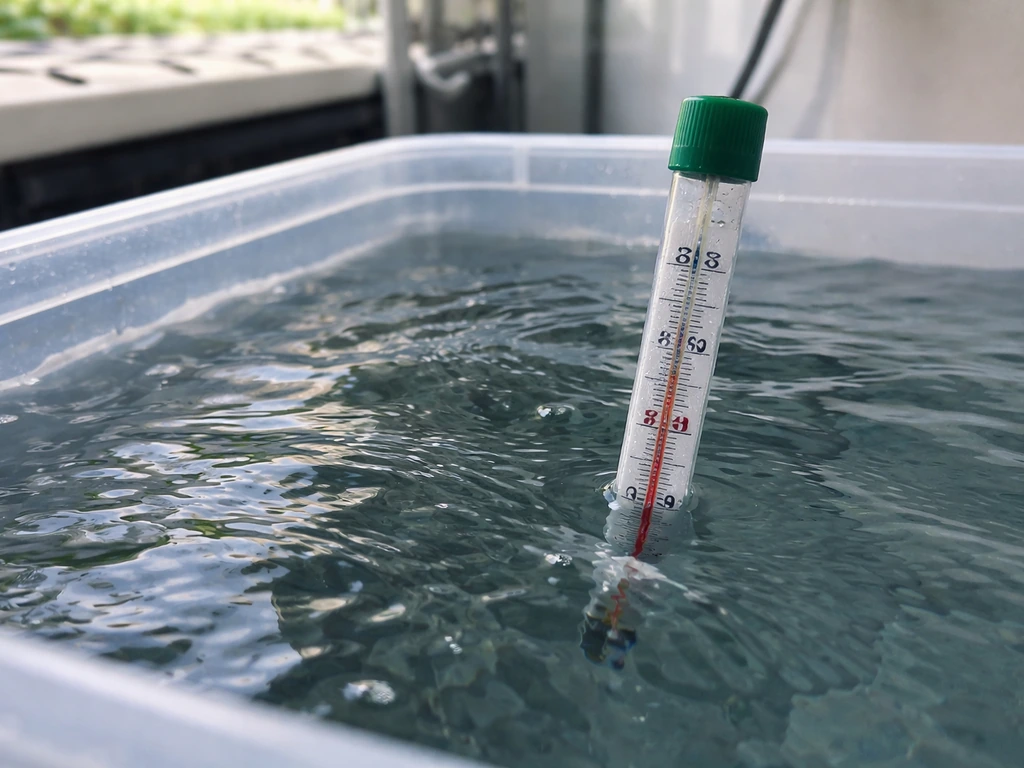
Keep ambient temperature between 68 and 83°F (20 to 28°C). Your nutrient solution itself should stay around 72 to 75°F, which is the sweet spot for root activity and oxygen retention in the water. Warmer water holds less dissolved oxygen, so if your reservoir sits in a warm room, aeration becomes even more important. For humidity, aim for 50 to 70%. If your indoor air is drier than 50%, the plant will protest with leaf curl and browning tips even if the water system is perfect. A small humidifier near the plant or grouping it with other plants makes a measurable difference.
Propagation: Seeds vs Cuttings, and How to Root in Water
Seeds
Seeds are viable but slow and variable. blank" rel="noopener noreferrer">Soak fresh Pachira aquatica seeds in water for 24 hours before planting. Under good conditions, germination takes 2 to 4 weeks. Research on wetland germination conditions reports 83 to 90% germination rates when seeds are stored floating in water before sowing, which tells you the seeds are not fragile, but results in a home setup will be more variable. The bigger issue is time: seed-grown plants take much longer to reach a useful size than cuttings, and you lose the option of braiding multiple stems together early on unless you start several plants simultaneously. For a water-system setup on this site's scale, cuttings are the practical choice.
Cuttings in water (the method I recommend)

Take a cutting that is 6 to 8 inches long. Veryplants suggests cuttings of about 6 to 8 inches snipped just below a leaf node, removing lower leaves, and optionally dipping the cut end in rooting hormone before water rooting. Cut just below a leaf node with a clean, sharp blade. Remove all leaves from the bottom third of the cutting so the submerged portion is bare stem only. Leaving leaves in the water accelerates decomposition and fouls the solution fast. Optionally dip the cut end in powdered rooting hormone before placing it in water. It is not strictly necessary but speeds things up noticeably in my experience. Place the cutting in a container with clean, plain water (no nutrients yet) and keep it at room temperature in bright indirect light.
- Take a 6 to 8 inch cutting just below a leaf node
- Strip all leaves from the bottom third of the stem
- Optional: dip the cut end in rooting hormone powder
- Place the bare stem end in a container of clean, plain water
- Keep the water at 70 to 75°F in bright indirect light
- Change the water every 5 to 7 days to prevent bacterial buildup
- Expect visible roots in 3 to 6 weeks depending on temperature and light
- Once roots reach 1 to 2 inches long, transition to nutrient solution
Water rooting is slower than rooting in perlite or a moist mix, but the advantage is you can watch root development directly and catch problems early. Once roots are established in water they are already adapted to a submerged environment, which makes the transition to a full hydroponic reservoir much smoother than converting a soil-rooted plant.
How to Grow Pachira aquatica in a Hydroponic or Water System
Once your cutting has roots 1 to 2 inches long, it is ready to move into a proper system. Here is the step-by-step process I use.
- Set up a reservoir: use an opaque container of 2 to 5 liters for a single plant, fitted with a lid that holds a net pot or mesh basket at the correct depth
- Fill with filtered or RO water and mix in a balanced liquid hydroponic nutrient solution to reach an EC of 1.5 to 1.8
- Check and adjust pH to 5.5 to 6.0 using pH up or pH down solution; always get EC into range first, then check pH
- Check nutrient solution temperature and aim for 72 to 75°F before placing the plant
- Set up an air pump with an airstone in the reservoir; run it continuously to keep dissolved oxygen levels high
- Place the rooted cutting into the net pot with the roots hanging into the solution; use a small amount of hydroton (clay pebbles) or foam to stabilize the stem
- Position the system under your light source: 1,000 to 1,500 foot-candles for new cuttings, increasing to 2,500 to 4,500 as the plant grows
- Check pH and EC daily for the first two weeks; small adjustments daily are far easier than correcting a large drift
- Top off the reservoir with pH-adjusted water as levels drop between changes
- Do a complete nutrient solution replacement every two weeks
From a rooted cutting to a well-established plant in a hydroponic system, expect 12 to 16 weeks before you have a full, leafy specimen. That timeline assumes consistent light, temperature, and solution management. Rushing the nutrient concentration early on when roots are still small will stress the plant, not accelerate growth.
Ongoing Care: Fertilizing, Braiding, Oxygenation, and Root Health
Fertilizing in a water system
Target EC 1.5 to 1.8 with a balanced liquid nutrient formula designed for foliage plants or general hydroponics. Check EC daily with a handheld meter. If EC rises above 1.8, the water is evaporating faster than the plant is using nutrients, so top off with plain pH-adjusted water. If EC drops below 1.5, add a small amount of mixed nutrient solution. Do the full solution swap every two weeks regardless of what the meter says, because salt accumulation and microbial buildup happen even when EC looks fine.
Pruning and braiding
Braiding is purely cosmetic and optional, but it is the signature look of a money tree. If you want a braided trunk, start with three to five young stems in a single container and loosely braid them together when they are still flexible, typically at around 6 to 12 inches tall. Here is the critical warning: never use wire or tight rubber bands around the stems. Binding material that cuts into the cambium causes strangulation and trunk rot, and I have seen plants that looked healthy on top completely fail at the base because of a rubber band left on too long. Use soft plant ties and check them every two weeks, loosening as the stems thicken. For general pruning, remove any yellowing or dead leaves at the base. You can cut back leggy stems to a node to encourage bushier growth.
Oxygenation and root health
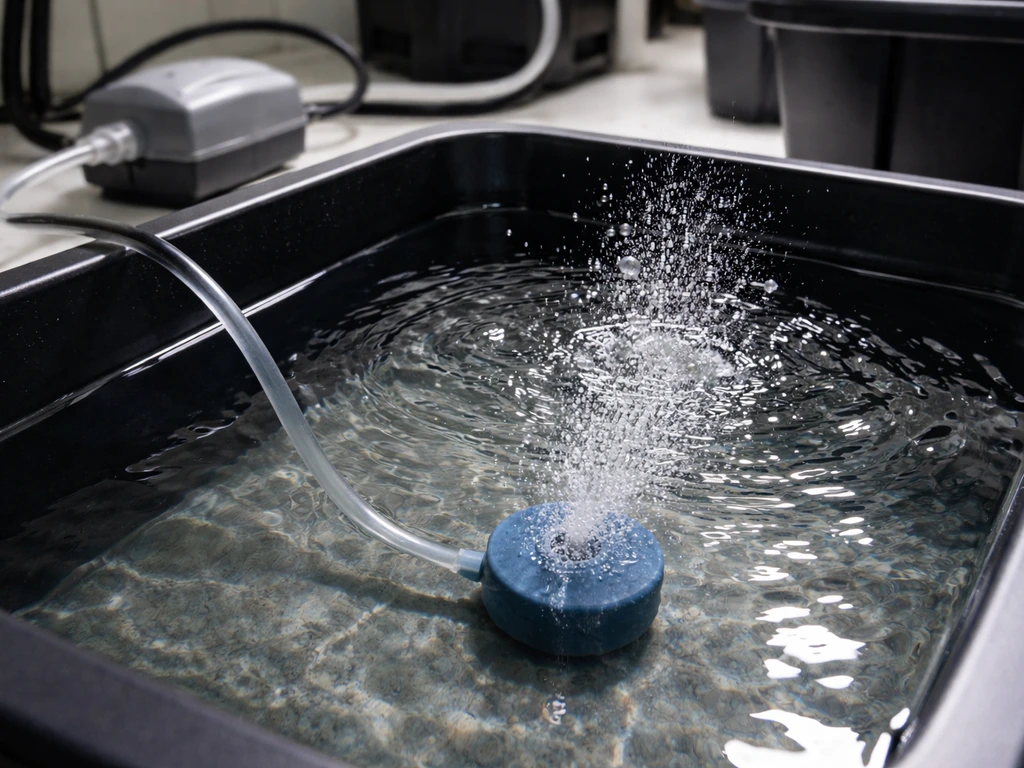
This is non-negotiable in a water system. Run your air pump and airstone continuously. Pachira roots need dissolved oxygen to function, and in a closed reservoir without aeration, oxygen depletes quickly especially at warmer temperatures. Healthy roots in a hydroponic system look white or light tan and feel firm. If you see brown, slimy, or mushy roots, anaerobic conditions have set in and you need to act immediately. Trim off the damaged roots with sterilized scissors, rinse the healthy roots gently with clean water, and replace the entire nutrient solution before returning the plant to the reservoir.
Troubleshooting the Most Common Problems
Yellowing leaves
Yellow leaves are the plant's way of telling you something is off with either light, nutrients, or roots. Start by checking your light intensity. If the plant is more than 3 feet from a window or under an underpowered grow light, inadequate light is almost certainly the cause. Next, check EC and pH. A pH outside the 5.5 to 6.0 range locks out specific nutrients even when they are present in the solution, producing deficiency symptoms that look like something else entirely. If light and solution are fine, inspect the roots for rot.
Root rot
Brown, slimy roots with a foul smell mean anaerobic bacteria have taken hold. This happens when the air pump fails or the reservoir gets too warm. Remove the plant from the system, trim all visibly rotted roots back to healthy tissue, and rinse thoroughly. Clean the reservoir completely with a dilute hydrogen peroxide solution, rinse it well, and refill with fresh nutrient solution at the correct pH and EC. Restart the air pump and keep solution temperature below 75°F going forward. Caught early, the plant almost always recovers.
Algae and biofilm
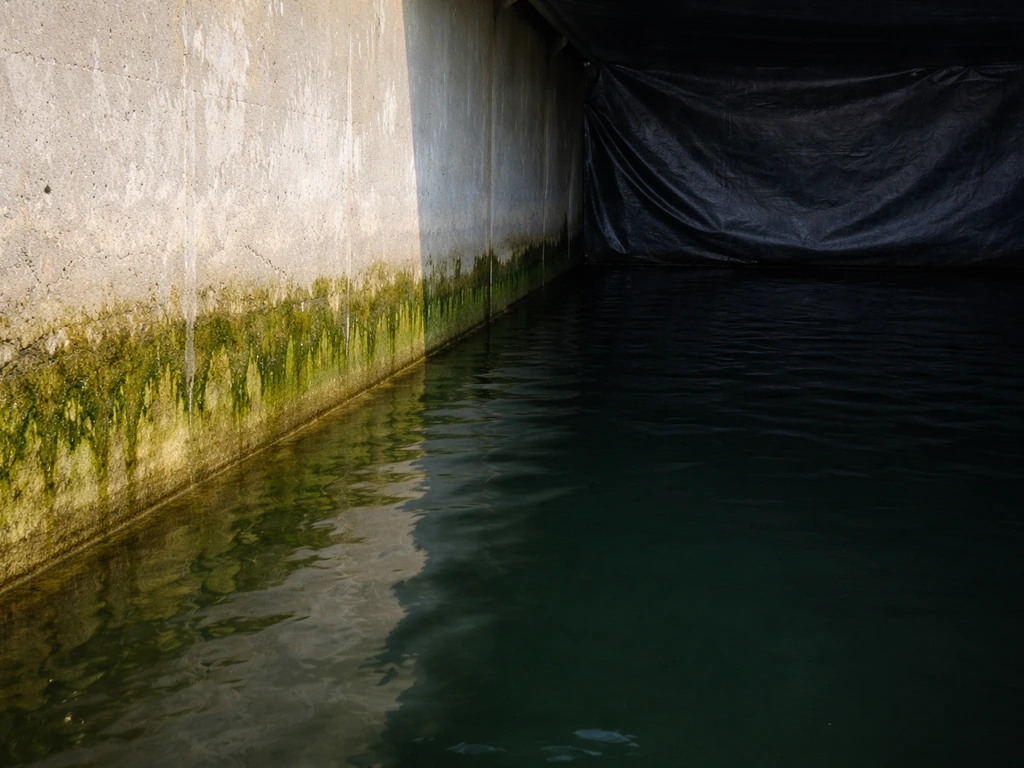
Green algae in the reservoir is a sign that light is reaching the water. Block all light from the reservoir by using an opaque container or covering any clear sections with tape or foil. Biofilm, the slimy grey or white film that builds up on reservoir walls and net pots, comes from bacteria feeding on organic matter in the solution. Regular two-week solution changes prevent buildup. If biofilm appears between changes, clean the reservoir walls with a soft brush during your next full swap.
Stunted growth
If the plant is alive but simply not growing, the most likely culprits are low light, low EC, or cold solution temperature. Check all three before adjusting anything else. Growth in a hydroponic system should be visibly faster than in soil once the plant is established, so true stagnation is a signal that something is outside the optimal range.
Pests
Indoor water-grown Pachira can still attract aphids, mealybugs, fungus gnats, and scale insects. Mealybugs and scale appear as white cottony masses or waxy bumps on stems and leaf undersides. Wipe them off with a cotton swab dipped in isopropyl alcohol. Aphids cluster on new growth and can be dislodged with a firm stream of water directed at the foliage. Fungus gnats are attracted to any moist organic matter around the base; keeping the reservoir sealed and removing decaying plant material from the water solves most fungus gnat problems without pesticides.
Leaf drop
Sudden leaf drop is usually caused by a rapid change in environment: moving the plant to a darker spot, a cold draft, or a large pH swing. Pachira is sensitive to abrupt changes even when the new conditions are technically within the acceptable range. Make all environmental adjustments gradually. If the plant is new to your water system and dropping leaves, give it two weeks to acclimate before making any further changes.
Seasonal Adjustments and Long-Term Maintenance
In summer, higher ambient temperatures mean your reservoir will warm up faster and dissolved oxygen drops. Check solution temperature more frequently and consider placing the reservoir away from heat sources or adding a small aquarium chiller if temperatures consistently exceed 78°F. Increased evaporation in warm months means you will be topping off with plain water more often, which keeps EC from rising too high. Conversely, the plant may grow faster in summer and consume more nutrients, so watch for EC dropping below 1.5 more quickly than usual.
In winter, lower light levels indoors are the main concern. If natural light drops significantly, supplement with a grow light and maintain at least 12 hours of light per day. Growth will slow regardless, which is normal. Reduce nutrient solution concentration slightly if the plant is not actively growing, targeting the lower end of the EC range (around 1.5) rather than pushing toward 1.8. Solution changes every two weeks remain important year-round even if growth is slow.
Long-term, the biggest maintenance tasks are managing root mass and checking braiding ties. As the plant matures, roots can fill the reservoir and reduce solution volume significantly. Trim back excess root mass during your two-week solution change, focusing on removing any roots that look brown or are circling back on themselves. Check all braiding ties every two weeks and loosen any that feel snug. A well-maintained water-grown Pachira aquatica can stay in the same reservoir system for years with these regular checks in place.
Your next steps when something goes wrong
When a problem appears, work through this order: check light first, then check and correct pH and EC, then inspect the roots, then look for pests. Most failures trace back to one of those four things. Resist the urge to change multiple variables at once. Make one adjustment, give the plant a week to respond, and then evaluate. That systematic approach will tell you far more than guessing and changing everything simultaneously. Over time, you will develop a feel for what the plant looks like when it is thriving versus when it is under stress, and the daily two-minute check of pH, EC, and root color becomes second nature.
If you are interested in expanding your water-based plant setup beyond Pachira, many of the same reservoir management principles apply to other aquatic and semi-aquatic species. You can use the same reservoir management habits from this guide when learning how to grow phalaris aquatica, since both are aquatic-minded plants that depend on water quality and oxygen. The fundamentals of pH control, oxygenation, and EC monitoring that make Pachira aquatica succeed in a hydroponic system are the same skills that transfer directly to growing aquatic plants at home, maintaining pond plants, and running aquarium plant systems. If you are trying to grow aquatic plants fast, focus on oxygenation, stable pH, and consistent light so growth does not stall. If you want to learn the basics beyond Pachira, this guide to how to grow aquatic plants at home walks you through setup, light, water parameters, and ongoing care. These same hydroponic reservoir skills are also the foundation for learning how to grow aquatic grass successfully at home. These same reservoir management skills can help you grow aquatic plants from seeds at home, too, especially once seedlings have established roots. For a deeper walkthrough on how to grow pond plants, review the key water, light, and oxygenation requirements that keep aquatic species healthy.
FAQ
Can I grow pachira aquatica in a jar without an air pump?
You can start with rooting in still water, but long-term hydroponic or water-culture needs continuous aeration. If you cannot run an air pump, switch back to short-term rooting and change the water more often, but expect higher risk of root rot in warm conditions.
How often should I change the water if I am not measuring pH and EC?
If you are not testing, rely on frequent full swaps. In practice, do a complete water change about every 3 to 7 days for a small jar rooting setup, and still move to measuring pH and EC once you transition to a nutrient reservoir.
What should I do if my tap water always pushes pH upward?
Treat it as an alkalinity problem, not a simple “add pH down” problem. Use filtration such as reverse osmosis if possible, because high bicarbonates keep forcing pH back out of the 5.5 to 6.0 window, even after adjustments.
Do I add nutrients immediately after rooting, or only after roots grow longer?
Hold off on nutrients during the first rooting phase in plain water. Once roots reach about 1 to 2 inches and look firm and healthy, then start with a low-strength mix and bring EC up gradually rather than jumping to the target range.
My EC is within range but the plant still looks yellow, what else could be wrong?
Check for light deficiency and pH drift at the same time. Even if EC looks fine, pH outside 5.5 to 6.0 can lock nutrients and produce yellowing that resembles deficiency.
How can I tell healthy roots from early rot before it gets obvious?
Healthy water roots should look white to light tan and feel firm. Early rot often shows as softening, browning, or a slimy texture, even if the plant has not yet dropped leaves, so inspect during each weekly check.
Is a clear glass container okay if I keep it in a dark spot?
It can work, but light exposure through clear sides commonly triggers algae. Opaque containers are easier because they prevent algae growth at the source, and you can still use clear glass if you fully wrap or tape it to block light.
Why is my cutting not rooting, even though the water looks clean?
Most non-rooting cases come from insufficient light or temperature, not from “bad water.” Keep solution near room temperature to about 72 to 75°F, use bright indirect light, and ensure submerged stem tissue has no remaining leaves decaying in the water.
Can I propagate pachira aquatica from a leaf instead of a stem cutting?
Generally, pachira is propagated successfully with stem cuttings that contain nodes. Leaf-only propagation is inconsistent, and water culture will not reliably produce roots without the proper stem section.
Should I remove roots during maintenance, and how much is safe?
Yes, during each two-week swap you can trim excess or circling roots. Remove brown or compromised roots, but avoid stripping too much healthy mass at once, since trimming while adjusting nutrients can temporarily slow growth.
What is the best way to prevent fungus gnats when using a water reservoir?
Keep the water system as sealed as possible and eliminate any organic debris near the base. Also, don’t leave decaying leaves or algae buildup in contact with the reservoir area, since gnats breed in that material.
My pachira is dropping leaves after I move it into hydroponics, is it dying?
Often it is stress from a rapid environmental change. Give it about two weeks to acclimate before making more adjustments, and avoid changing both lighting and nutrient strength at the same time.
How do I slow salt buildup if I cannot do full swaps every two weeks?
If you truly cannot swap on schedule, you still need a plan for salt management. Top-offs alone raise EC over time, so shorten the interval to the earliest possible date and consider more frequent partial dilutions, while still monitoring pH and EC closely.
Can I braid pachira in hydroponics using the same ties as soil?
Yes, but avoid any binding that can cinch as stems thicken. Use soft plant ties and check every two weeks, because tight material can cause trunk damage and rot even if the top foliage looks healthy.
What temperature limit should make me intervene immediately?
If your reservoir regularly exceeds about 78°F, dissolved oxygen drops faster and anaerobic risk rises. Move the reservoir away from heat sources and increase aeration, and consider chilling if high temperatures persist.