Growing pond plants successfully comes down to matching the right plant to the right depth, giving it a decent substrate to anchor into, and keeping the water chemistry from working against you. Do those three things and most pond plants will take care of themselves. Skip them and you'll be fishing floating pots out of the water and wondering why everything looks yellow by midsummer. This guide walks you through the full process, from choosing plants all the way to overwintering and troubleshooting the stuff that goes wrong.
How to Grow Pond Plants: Step-by-Step Planting Guide
Marcus Holloway
4 Apr 2026
Picking the right pond plants for your setup
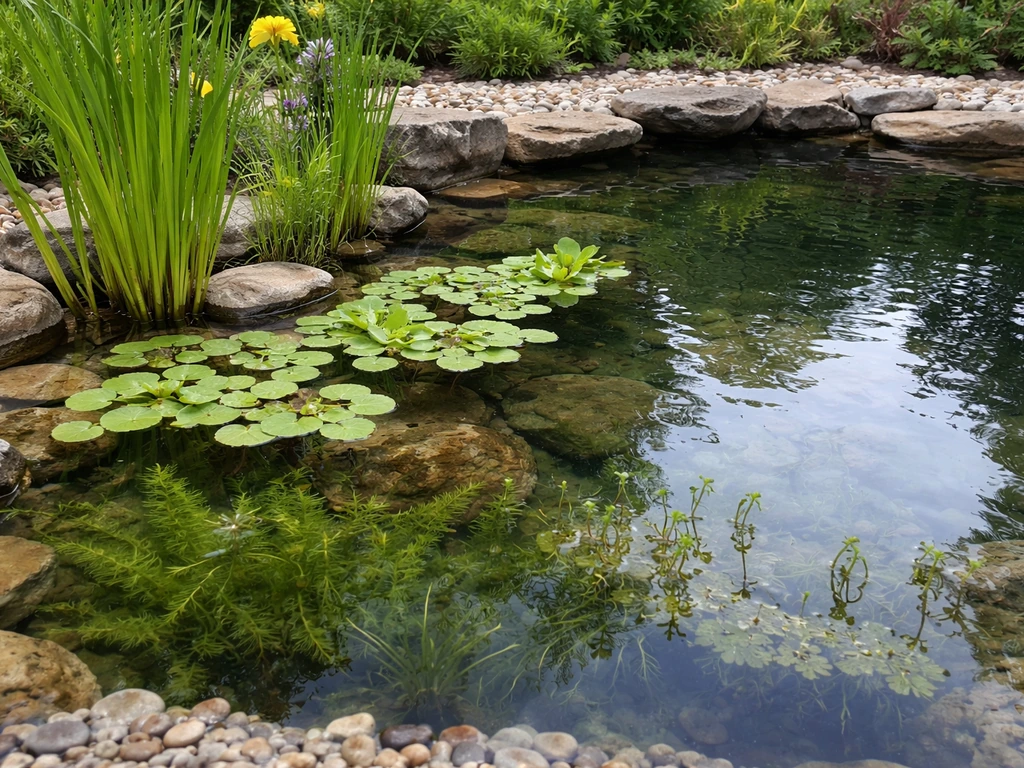
There are four main categories of pond plants, and your pond needs a mix of at least two or three of them to stay healthy and look good. Understanding what each type does helps you shop smarter and avoid planting something that's completely wrong for your water depth or climate.
- Marginal/bog plants (cattails, iris, pickerelweed, rushes): grow in shallow water or at the water's edge, typically 0 to 6 inches deep. Great for naturalizing the border and providing habitat.
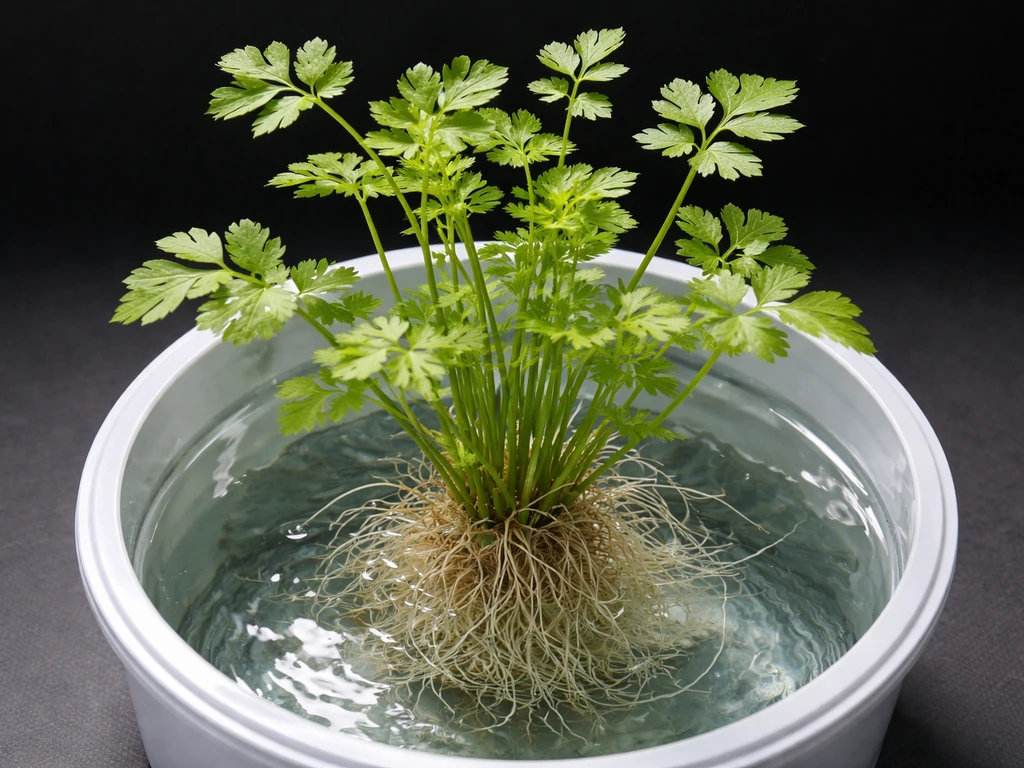
- Floating plants (water hyacinth, water lettuce, duckweed): roots hang free in the water, no substrate needed. They shade the surface, pull nutrients directly from the water, and are excellent algae competitors.
- Water lilies (hardy and tropical): planted in containers on a shelf or the pond floor, usually with 6 to 18 inches of water above the crown once established. The crown must stay at or just below the waterline, not buried.
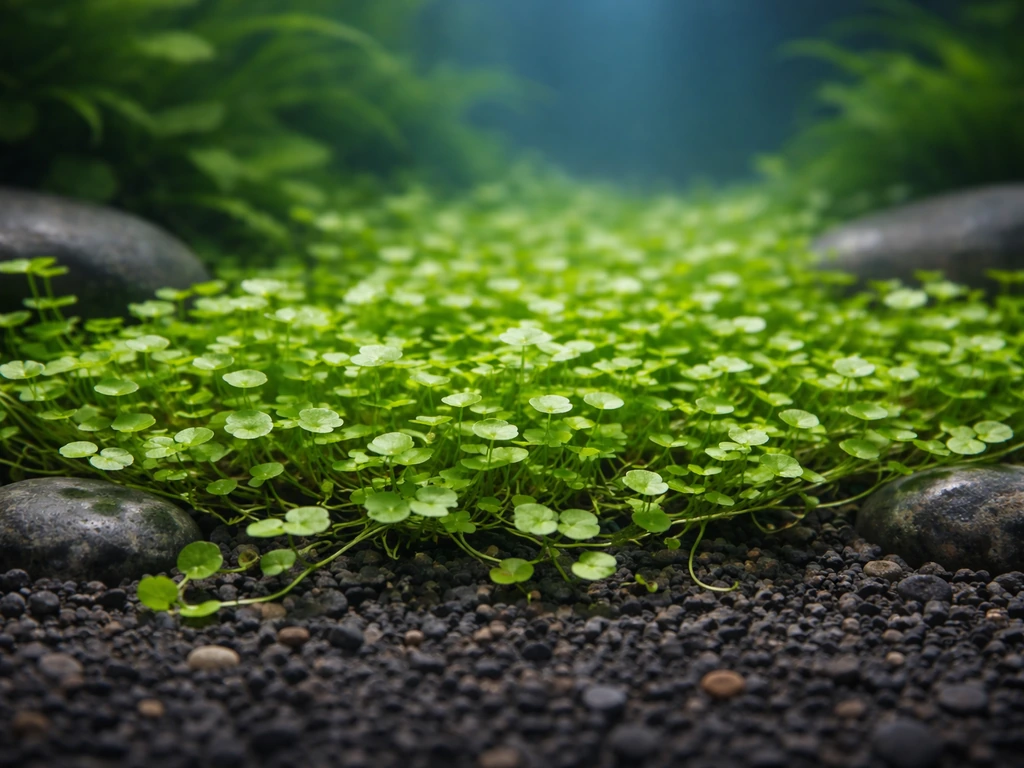
- Oxygenators/submerged plants (hornwort, anacharis, waterweed): planted in gravel or sand only, fully underwater. These are your water-quality workhorses, producing dissolved oxygen during the day and outcompeting algae for nutrients.
For a small backyard pond (under 500 gallons), I'd start with one water lily, two or three marginal species, and a handful of submerged oxygenators. That combination gives you surface shade (which cools the water and suppresses algae), edge softening, and active water cleaning all at once. If you're running a larger wildlife or water garden, scaling up proportionally makes a big difference. You can also grow aquatic plants at home in containers if a full pond isn't an option yet, which is a useful way to start plants off before transferring them outside.
Understanding light, water depth, and seasonal growth
Light and depth are the two variables that kill more pond plants than anything else. Most flowering pond plants, including water lilies, need at least 6 hours of direct sun per day. Marginals like iris and pickerelweed also prefer full sun. If your pond is heavily shaded, stick to shade-tolerant species like marsh marigold or some ferns at the edges, and accept that flowering will be minimal.
Water depth requirements vary significantly by plant type. Kansas State University's water gardening research highlights a zone-based approach: shallow marginal zones (0 to 6 inches), mid-depth zones for lilies and similar plants (6 to 18 inches), and deeper open water for submerged oxygenators. Submerged plants should be measured by the depth of water above the top of the container, not the total pond depth. A common mistake is placing a submerged plant in 3 feet of water when it really needs the top of its pot sitting at about 12 to 18 inches below the surface.
Seasonally, most hardy pond plants go dormant in late fall and re-emerge in spring. Tropical species (tropical water lilies, water hyacinth, water lettuce) need water temperatures above 60°F to thrive and will die if left out through a frost. Growth peaks in late spring through early summer when water temperatures are rising and day length is long. Don't panic if new plants seem slow in April or early May. Once the water hits 55 to 60°F, things move fast.
Choosing substrates and planting methods: pots vs in-ground
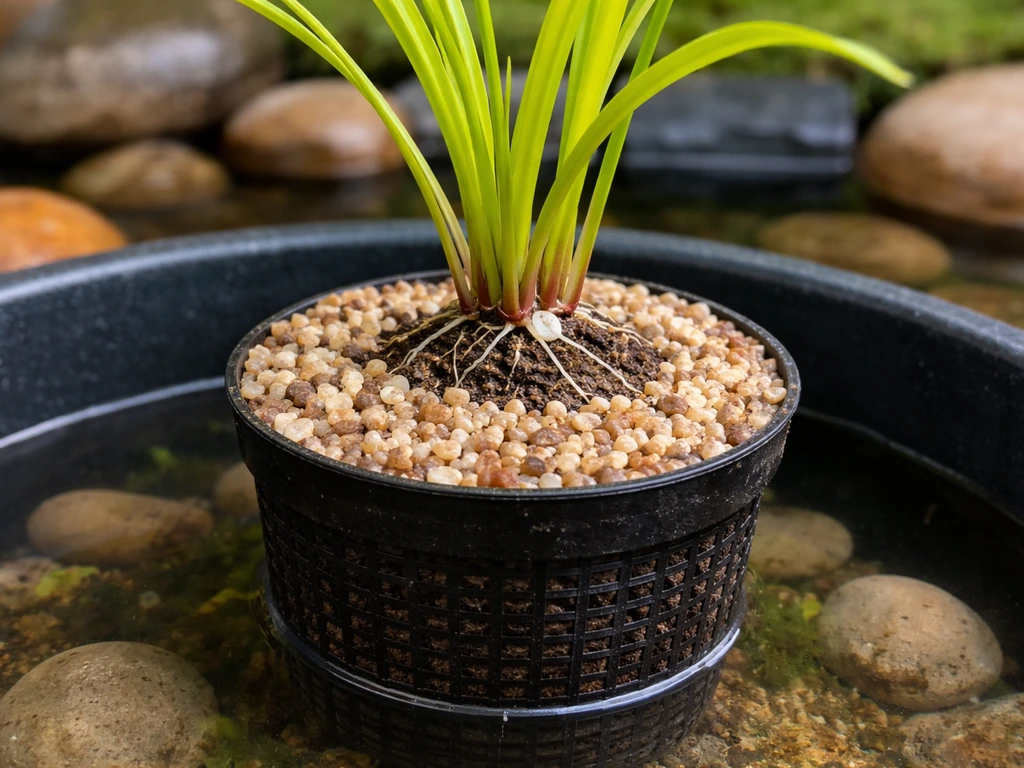
This is where a lot of beginners go wrong by overthinking it. The good news: pond plants aren't that fussy about substrate as long as you avoid regular potting mix, which releases nutrients rapidly and fuels algae blooms. Stick to these options instead.
| Substrate | Best for | Avoid if |
|---|---|---|
| Heavy clay loam / aquatic compost | Water lilies, marginals in pots | You're prone to algae problems (releases some nutrients) |
| Pond-safe gravel (pea-sized) | Oxygenators, submerged plants, topping off pots | You want fast growth from nutrient-hungry species |
| Coarse sand | Oxygenators, some marginals | You have strong water movement that will disperse it |
| Proprietary aquatic planting media | All pond plants, especially for beginners | Budget is tight (more expensive than DIY options) |
Maryland Aquatic Nurseries specifically recommends gravel or sand (and nothing else) for oxygenators. The logic is simple: submerged plants get their nutrients from the water column, not from a rich soil, so a nutritious substrate just pollutes the water. For water lilies and marginals, a heavy loam or aquatic planting compost in a pot works well, topped with a layer of pea gravel to keep the soil from clouding the water.
Pot planting vs. in-ground planting is a real choice worth thinking about. Pots give you control: you can move plants to adjust depth, bring them inside for winter, and stop aggressive spreaders from taking over your entire pond. In-ground planting (where you line the pond shelf with substrate directly) looks more natural and is lower maintenance once established, but it makes management much harder. For most hobby ponds, I recommend pots for everything except perhaps native bog plants at the very edge.
For water lilies specifically, Missouri Botanical Garden advises that the crown must not be buried. Plant the rhizome at an angle with the growing tip pointing up and slightly toward the center of the pot, with the crown at or just above the soil surface. A 6 to 8 inch soil depth in the container is typical, topped with gravel. Start the pot in shallower water (4 to 6 inches over the crown) and gradually lower it to the 12 to 18 inch final depth as the plant establishes.
Water quality basics your plants actually need
You don't need a chemistry degree to manage pond water for plants, but you do need to understand four things: pH, dissolved oxygen, nitrogen, and phosphorus. Get these in the right range and your plants will grow. Let them drift out of range and you'll fight algae and yellowing all season.
Penn State Extension puts the healthy pond pH range at 6.0 to 9.0. Most aquatic plants grow best between 6.5 and 7.5. If your pond pH is creeping above 8.5 consistently, it's often a sign of algae or rapid plant photosynthesis pulling CO2 out of the water. Test pH with a simple pond test kit every couple of weeks during the growing season. If it's too high, a partial water change usually helps.
Dissolved oxygen (DO) matters more than most pond plant growers realize. During the day, your submerged plants and algae produce oxygen through photosynthesis. At night, all plants (and your fish) consume oxygen through respiration, so DO levels drop. This daily swing is normal, but if you're seeing fish gasping at the surface on warm summer mornings, your pond is oxygen-depleted. A small fountain, waterfall, or air pump solves this immediately. blank" rel="noopener noreferrer">Healthy DO levels should stay above 5 mg/L. If you're curious about growing aquatic plants in an aquarium alongside fish, the same oxygen principles apply there.
Nitrogen and phosphorus are the nutrients that drive plant growth, but they also drive algae growth. Excess fish waste, decaying leaves, and overfeeding all dump nitrogen and phosphorus into the water. Your pond plants help by absorbing these nutrients directly, which is why floating plants like water hyacinth are such effective natural filters. If you're seeing persistent green water or string algae, excess nutrients are almost always involved. Reduce the fish load, stop overfeeding, and increase your floating plant coverage to 50 to 70% of the surface area.
Ongoing care: fertilizing, trimming, and controlling algae
Fertilizing
Pond plants in pots, especially water lilies and marginals in low-nutrient aquatic media, benefit from slow-release aquatic fertilizer tablets pushed into the substrate once a month from late spring through early fall. Use pond-safe tablets, never standard garden fertilizer, which will dissolve rapidly into the water and trigger algae explosions. One to two tablets per gallon of soil volume is a reasonable starting point. Submerged oxygenators don't need fertilizing at all if there's any fish waste or leaf decay in the pond.
Trimming
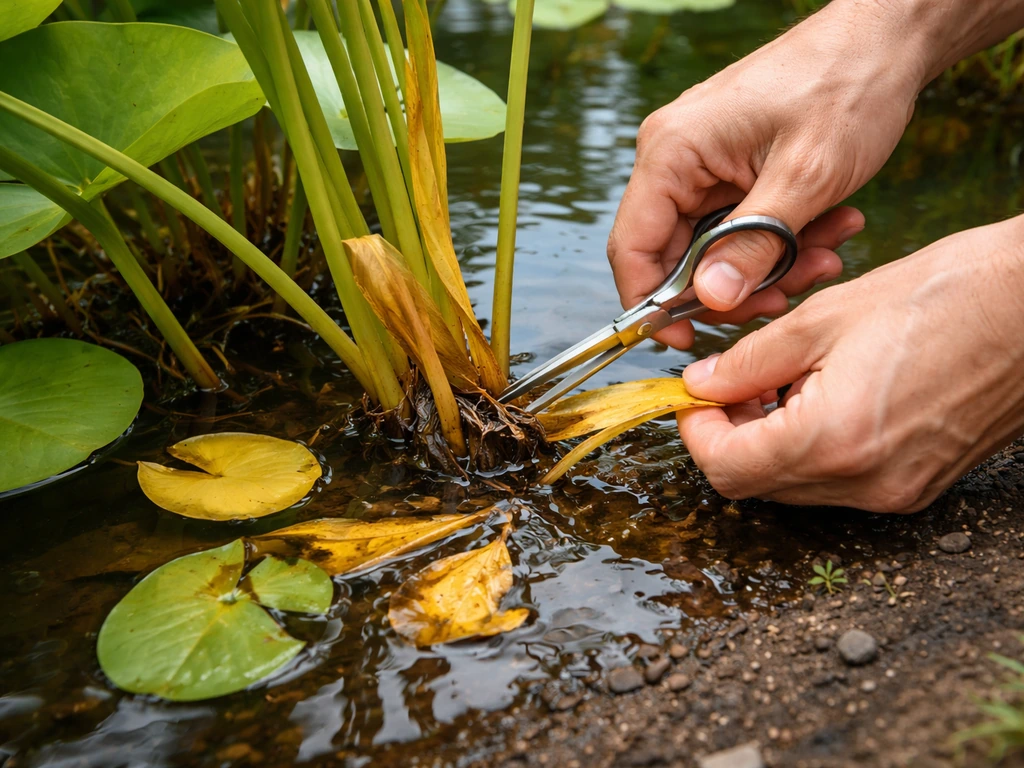
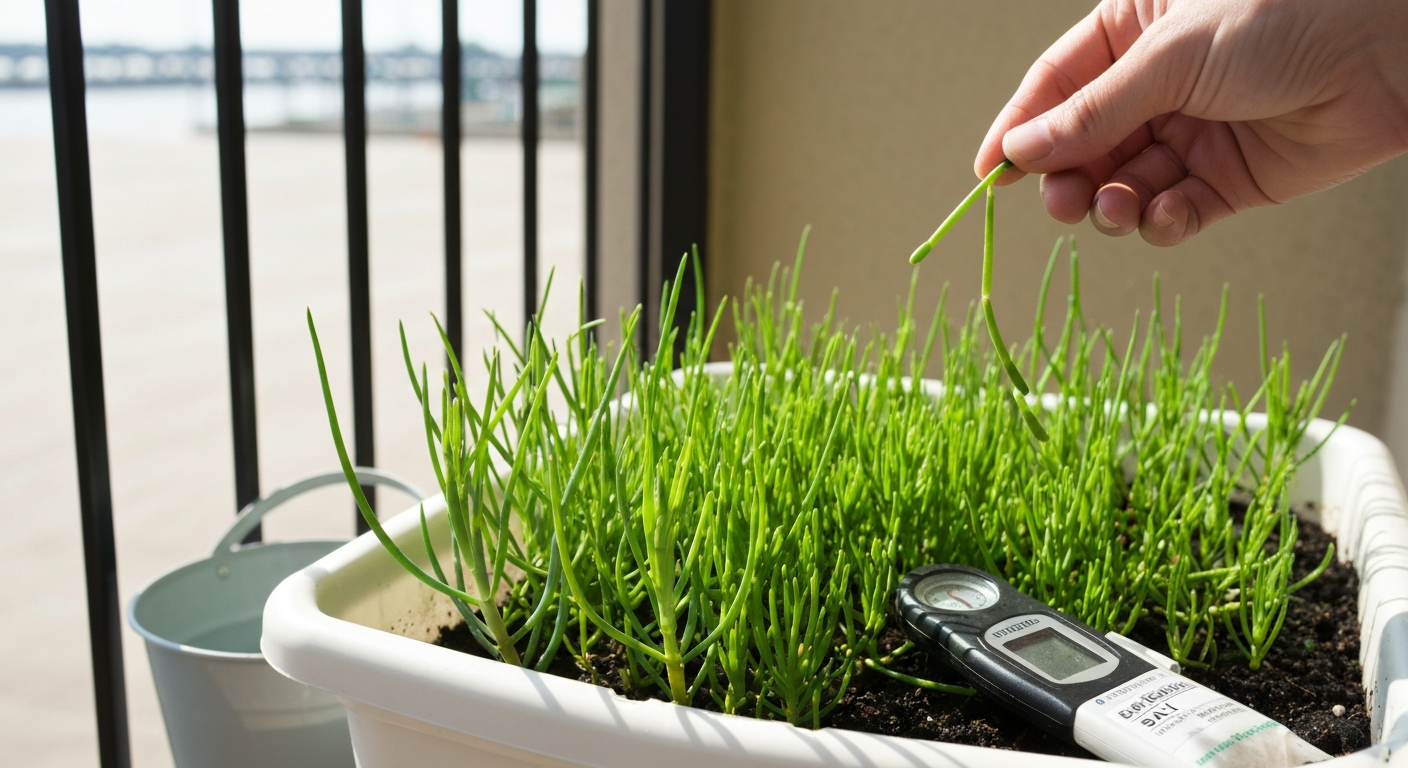
Regular trimming keeps the pond healthy and the plants productive. Remove dead or yellowing leaves at the base, not by pulling them off (which tears the plant). Cut stems cleanly and remove the debris from the water immediately to prevent it from decomposing and adding nutrients back. Water lilies should have old pads removed as they yellow. Marginals like cattail and rush can get aggressive: divide pots every two to three years to stop them from becoming root-bound and taking over. Growing phalaris aquatica is a good example of a semi-aquatic grass that needs regular cutting back to stay manageable and healthy.
Controlling algae
Some algae is normal and even healthy in a pond ecosystem. Problems start when it takes over. The most effective long-term control is biological: more plants competing for nutrients and shading the water surface. Floating plants are your best tool here. Barley straw extract (available as a liquid or in mesh bags) is a well-established low-chemical option that inhibits algae without harming plants or fish. UV sterilizers on your pump line handle green water algae effectively. Avoid algaecides unless you have a severe outbreak and no fish, as they oxygen-deplete the water as algae dies.
Planting schedule and overwintering
Timing your planting makes a real difference in establishment success. Here's a practical schedule for temperate climates (adjust earlier if you're in USDA zones 8 to 10, or later if you're in zones 3 to 4).
| Timing | Task |
|---|---|
| Early spring (water above 50°F) | Plant hardy marginals, divide and repot overwintered water lilies |
| Mid-spring (water 55–60°F) | Plant hardy water lilies, add submerged oxygenators |
| Late spring / early summer (water above 60°F) | Plant tropical water lilies and tropical floaters (water hyacinth, water lettuce) |
| Midsummer | Fertilize monthly, trim dead growth, monitor for algae and pests |
| Late summer | Stop fertilizing by late August in most zones |
| Early fall | Cut back marginals, remove tropical plants before first frost |
| Late fall / winter | Move pots of hardy lilies to the deepest part of the pond (below freeze line), or bring inside in a bucket of water |
Overwintering hardy plants in the pond works well as long as the rhizomes or crowns don't freeze solid. In zones 5 and below, move pots to the deepest point of the pond (typically 18 to 24 inches) where the water won't freeze through. Tropical species must come indoors. Store tropical water lily tubers in a container of barely moist sand at around 55°F, or keep the plant growing in a bright indoor aquarium. Marginals like iris and rush are tough: just cut them back to 3 to 4 inches and leave them in the pond.
If you're propagating from seed rather than division or bare-root plants, it's a slower process but rewarding. You can grow aquatic plants from seeds with the right setup, and starting them indoors in late winter gives you a head start before outdoor water temperatures are suitable.
Transplanting tips
When moving established plants between pots or to a new pond, timing and technique both matter. Transplant in spring as growth begins rather than midsummer when the plant is in full growth mode. For water lilies, bare the rhizome, trim any dead or mushy roots, dust any cuts with powdered sulfur to prevent rot, and replant immediately in fresh aquatic compost. Submerged plants can simply be re-anchored with small stones or lead weights in the new gravel bed. Avoid transplanting in extreme heat (above 90°F air temperatures) as the stress combined with heat can set plants back significantly. If you're trying to grow aquatic plants fast after transplanting, consistent water temperature, good light, and a monthly fertilizer tablet are the best levers you can pull.
Troubleshooting: what's going wrong and how to fix it
Yellowing leaves
Yellow leaves on pond plants usually point to one of three things: nutrient deficiency (especially iron or nitrogen), water that's too cold, or the plant being too deep and not getting enough light. Check your pot depth first, then test the water. If the plant is in a low-nutrient substrate, push in an aquatic fertilizer tablet and check back in two to three weeks. Yellow leaves caused by cold water usually sort themselves out once temperatures rise.
Dieback or rotting crowns
Rotting at the crown of a water lily is almost always caused by planting too deep too fast, poor water circulation, or burying the crown in the substrate. Lift the plant, remove mushy tissue with a clean knife, let the cut surfaces dry for an hour in open air, then replant correctly with the crown exposed at the soil surface. Move the pot to shallower water temporarily while the plant recovers.
Plants floating away or not rooting
Submerged plants like hornwort or anacharis are notorious for floating loose before they root into gravel. Anchor them with small smooth stones, or use lead plant weights (the kind sold for aquarium use) wrapped loosely around the base of the stem bundle. Make sure you're planting in a coarse enough substrate: very fine sand packs too tightly and can prevent root penetration. Once rooted, which typically takes two to four weeks in good conditions, they'll stay put.
Stunted or very slow growth
Cold water is the most common culprit for slow pond plant growth, especially in spring. If water temperatures are below 55°F, even healthy plants just sit there. Other causes include insufficient light (less than 4 to 6 hours of direct sun for most species), a pot that's too small and root-bound, or a deeply shaded pond. For a pond that's struggling overall, adding a broader range of plant types can help balance the system. The principles from growing aquatic grass in a water feature apply here: consistent light, the right substrate depth, and patience in early spring are what separate thriving plants from barely-surviving ones.
Holes in leaves or visible pests
Leaf holes on water lily pads are almost always caused by China mark moth larvae, pond snails, or water lily beetles. Check the undersides of leaves for eggs (small white clusters). Remove affected leaves and drop them in a bucket of water away from the pond to dislodge larvae. For heavy infestations, a low-pressure spray of water from a hose directly onto the leaves knocks insects off. Avoid insecticides in any pond that contains fish or wildlife. Encouraging natural predators (frogs, birds, predatory insects) is the best long-term solution.
Algae takeover
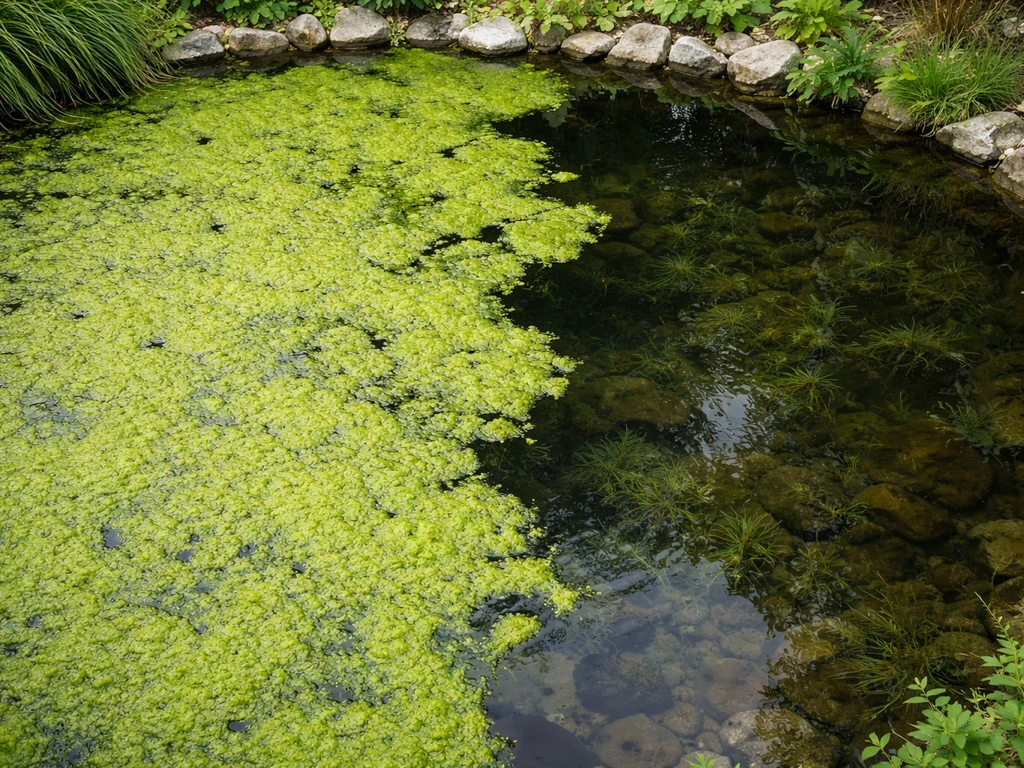
If algae is winning, your pond is out of balance, usually too many nutrients, too much light hitting open water, or not enough plant competition. Address the root cause rather than treating symptoms. Increase plant surface coverage, reduce fish feeding, remove decomposing debris regularly, and consider adding more floating plants like water lettuce or water hyacinth for immediate nutrient uptake. For a pond that's part of a broader aquatic growing system, it helps to think about this the same way you would with any controlled water environment. Similar nutrient balance principles apply whether you're growing a pachira aquatica in a water container setup or managing a full outdoor pond. Excess nutrients feed algae in both cases, and competition from healthy plants is the most sustainable fix.
FAQ
Can I just put pond plants directly into the pond shelf instead of using pots?
You can, but shelf planting is harder to manage. Pots let you control depth, prevent aggressive species from spreading, and remove plants for overwintering or treatment. If you do in-ground planting, plan to use a physical barrier or dedicated shelf area so rhizomes and roots do not invade other zones.
How do I know if a submerged plant is planted at the right depth?
Use the container depth reference, not the pond depth. Measure from the water surface down to the top of the plant’s container, pot, or planting media, then match that to the plant’s stated requirement. If you later adjust the pot position, re-check the water level above the container, since rain can change it.
Should I use pond water from my pond to water in new plants?
Yes, if you can. Using water from the same pond helps reduce shock from temperature and dissolved substances, especially for sensitive marginals and tropical species. Avoid chlorinated tap water unless it has been dechlorinated, and don’t let bare roots or rhizomes sit out longer than necessary before replanting.
Why do my new pond plants look pale or stop growing for a few weeks?
Most of the time it is establishment stress from transplanting, wrong depth, or a temperature lag. Plant growth often resumes once water temperatures stabilize and roots re-anchor. Keep light and depth consistent, and delay heavy fertilizing until you see active new growth to avoid feeding algae before the plant is established.
Is it safe to fertilize pond plants before algae gets established?
Fertilize cautiously and only if you actually need it. If nutrients are already high, fertilizer can worsen green water. A better approach is to start with healthy plant coverage, stop overfeeding, and only use slow-release aquatic fertilizer tablets for heavy feeders (like water lilies and many marginals) once plants are actively growing.
How much sun is “direct sun” for pond plants, and what if my sun is angled?
Count hours of direct sunlight that actually hits the water surface or the plant canopy, not just bright shade. If the sun is angled and only reaches the pond for part of the day, prioritize species that tolerate partial sun in that specific orientation, and consider relocating containers to the sunniest spot along the edge.
What should I do if my pond pH is outside the ideal range?
First, confirm with repeat test readings, not a single test result. If pH is high, a partial water change often helps, and reducing nutrient-driven algae can also stabilize pH swings. Avoid rapid pH swings with aggressive additives, since many aquatic plants respond poorly to sudden changes.
How can I raise dissolved oxygen without overcomplicating the pond?
A small fountain, waterfall, or air pump increases oxygen immediately by improving surface gas exchange and aeration. If you have fish, size the aeration for warm weather mornings when oxygen is lowest. If fish are repeatedly gasping, do not wait for plants to “catch up,” address aeration and nutrient inputs right away.
Do water lilies really need fertilizer tablets, or will they grow on fish waste alone?
They can grow on pond nutrients in some setups, but water lilies are often heavy feeders and may benefit from tablets in low-nutrient ponds or when fish load is light. Use slow-release aquatic tablets and start with a modest number, then watch for new leaf growth. If you already have persistent algae, skip tablets and focus on nutrient reduction first.
What’s the safest way to trim and remove dead plant material?
Cut yellow or dead parts at the base or stem where appropriate, then remove debris from the water promptly. Pulling leaves off can damage tissues, and leaving decaying plant matter increases nutrient release. For water lilies, remove old pads that yellow, and avoid tearing rhizomes or crowns during cleanup.
How often should I divide marginals, and what signs mean it’s time?
Divide when plants become root-bound, fail to fill their pot, or start crowding adjacent containers or edges quickly. A common rhythm for many marginals is every two to three years in pots, but faster growth conditions can require earlier division. After dividing, replant promptly and give them stable depth and sun.
Can I move plants during hot weather?
It’s best to avoid transplanting when air temperatures are extreme, especially above about 90°F. Heat stress during root disturbance can set growth back significantly and can also lower dissolved oxygen. If you must move them, do it in the coolest part of the day, keep roots covered and moist, and monitor water oxygen closely for the next week.
What should I do if submerged plants keep floating before rooting?
Anchor them with small smooth stones or aquarium lead weights until they root, then confirm the substrate is coarse enough for roots to penetrate. Very fine sand can compact and slow rooting. Expect a rooting window of a couple of weeks in good conditions, if light and temperature are adequate.
Why are my water lily crowns rotting, even after planting correctly once?
Rot usually returns when the crown is buried again, water circulation is poor around the pot, or the crown was planted too deep and then settled deeper over time. Re-check the crown position after the first week, and make sure the pot sits so the growing tip remains above the soil surface. Also remove any mushy or damaged tissue promptly to prevent the rot from spreading.
Are barley straw and UV sterilizers both necessary for algae control?
Usually no. Barley straw extract is a low-chemical long-term approach, and UV sterilizers can help with free-floating green water algae when positioned on the right plumbing line. Start by fixing the underlying nutrient and plant coverage issues, then use the tool that matches the algae type you are seeing.
How should I overwinter tropical pond plants differently from hardy ones?
Hardy plants typically stay outdoors if their crowns do not freeze solid, often by moving pots deeper in colder zones. Tropical species need water temperatures above about 60°F to thrive, so they generally must be moved indoors before cold snaps. Keep them bright and stable indoors, and do not assume they will recover after exposure to frost.
What’s the best way to troubleshoot “yellowing” leaves when multiple causes could be true?
Start with the most controllable checks in order: verify pot depth and light, then test pH, and only then consider nutrient supplementation. If depth and light are correct and pH is stable, feed lightly with pond-safe slow-release fertilizer tablets if the substrate is low in nutrients. If water is cold, wait for temperatures to rise before changing multiple variables at once.