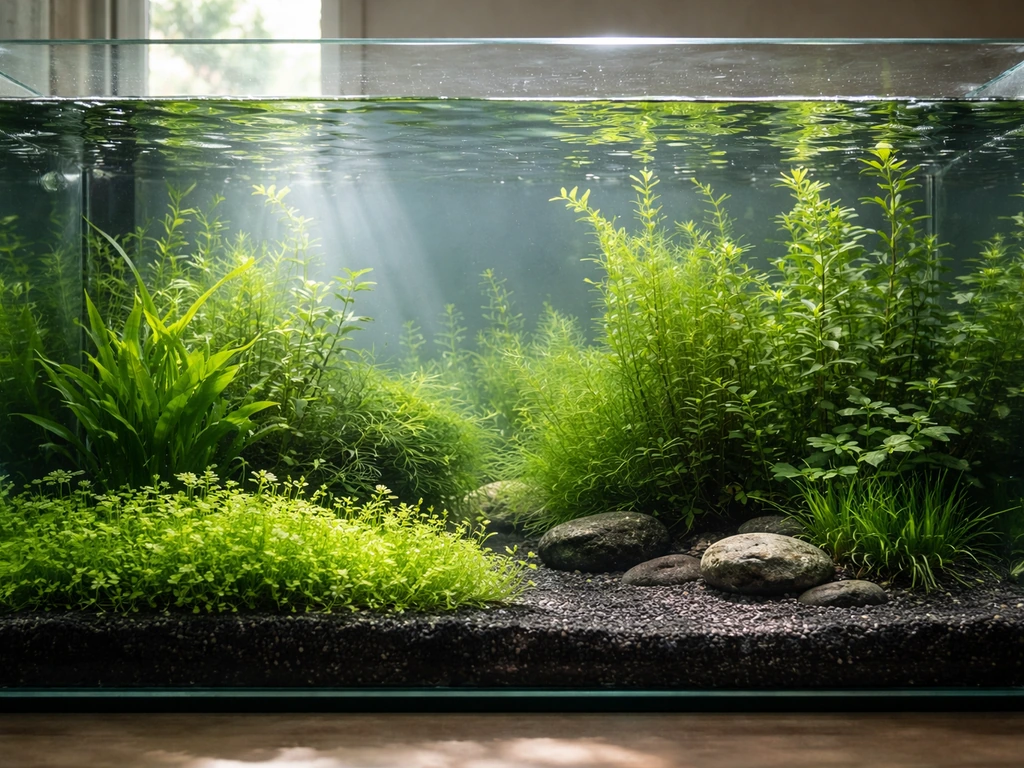
To grow aquatic grass successfully, pick the right species for your light and CO₂ setup, plant it into a nutrient-rich fine substrate, give it 6–8 hours of light per day, and keep water conditions stable while it roots and runners spread. If you want the same kind of lawn-like success with other aquatic plants, the basics stay similar: match the plant to your light, substrate, and nutrient routine how to grow aquatic plants in aquarium.
How to Grow Aquatic Grass: Step-by-Step Setup and Care
Marcus Holloway
30 May 2026
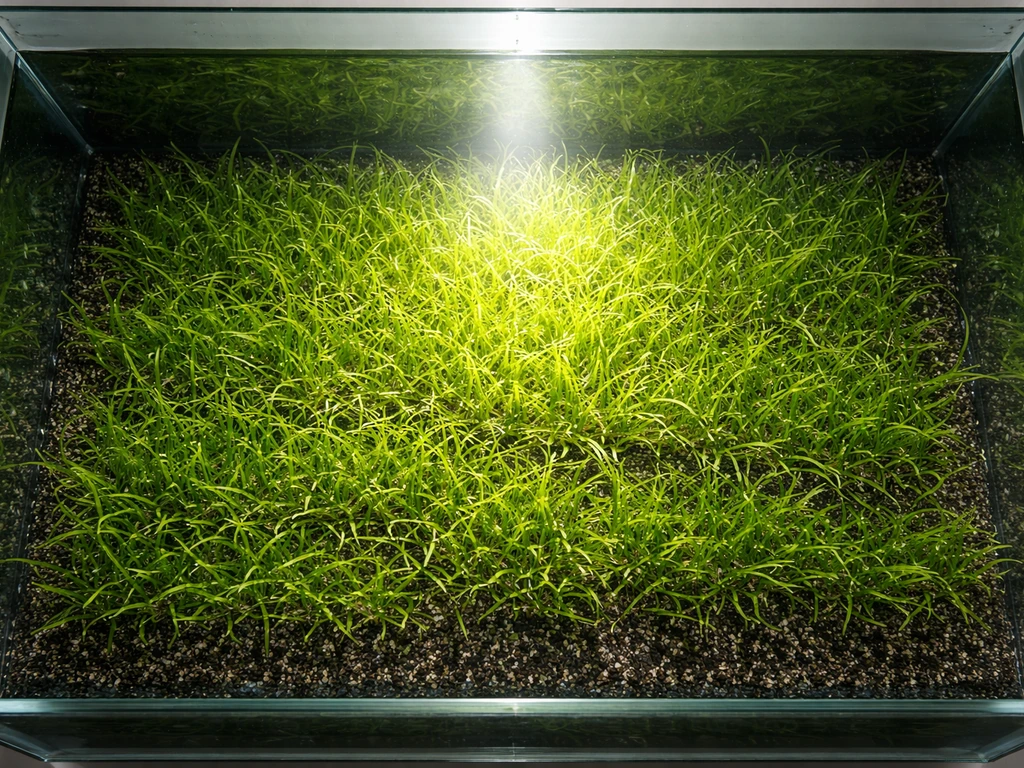
If you want a full walkthrough for growing aquatic plants at home, follow the steps for light, substrate, nutrients, and CO₂ across the rest of this guide grow aquatic plants at home. Most failures come down to three things: wrong species for the setup, insufficient light reaching the carpet layer, or the plants uprooting before they can anchor. Get those three right and you'll have a dense green lawn within 6–12 weeks.
If you want aquatic plants to fill in faster, focus on light that reaches the substrate and nutrient and CO₂ support for rapid runner growth 6–12 weeks.
Pick the right aquatic grass plant for your system
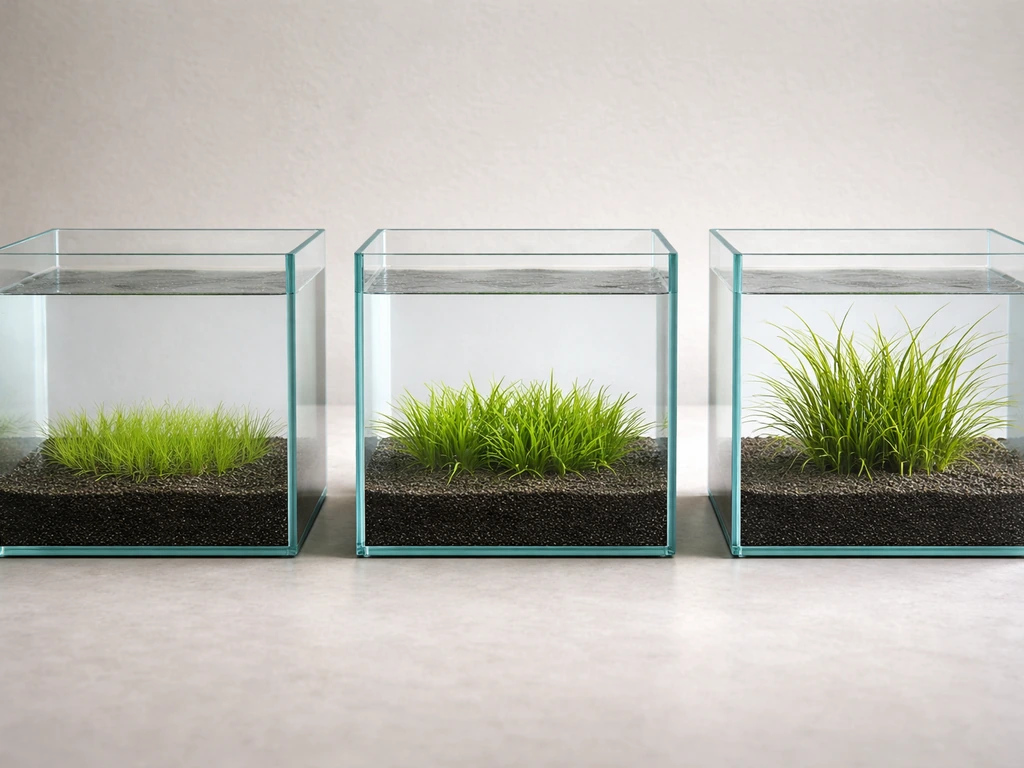
"Aquatic grass" covers a range of plants that look like lawn grass underwater or along pond margins. The right choice depends almost entirely on how much light you have and whether you're willing to run CO₂ injection. Picking the wrong plant for your setup is the single fastest way to fail, so spend five minutes here before you buy anything.
| Plant | Light needed | CO₂ required? | Spread style | Best for |
|---|---|---|---|---|
| Dwarf hairgrass (Eleocharis acicularis) | Medium to high | Yes for dense carpet; optional for sparse growth | Horizontal runners/rhizomes | Aquascape foreground carpets with CO₂ systems |
| Marsilea hirsuta | Low to medium | No (low-tech friendly) | Creeping runners | Beginners, low-tech tanks, shaded setups |
| Dwarf sagittaria (Sagittaria subulata) | Low to moderate | No | Lateral runners through substrate | Easy beginner carpet, ponds, low-light tanks |
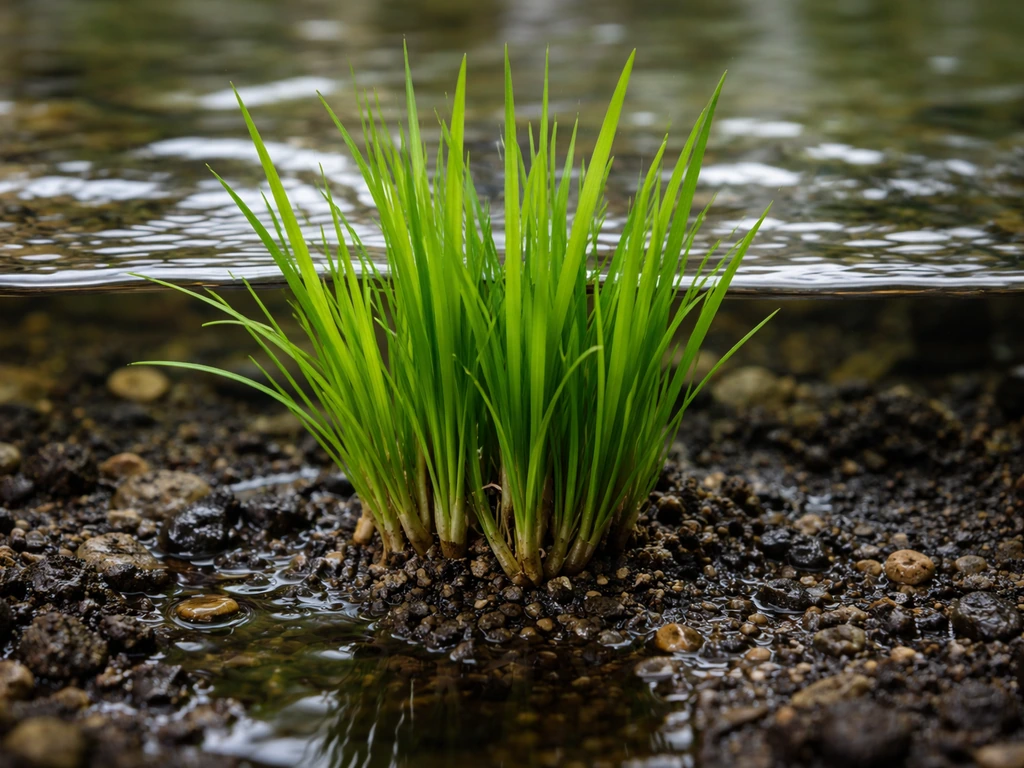
Dwarf hairgrass (Eleocharis acicularis) is the classic choice for that tight, manicured lawn look. It spreads aggressively via creeping rhizomes when conditions are right, but it really wants bright light and CO₂ to carpet densely and quickly. Without those, you'll get scraggly tufts that grow slowly and leave bare patches. If you already have a pressurized CO₂ system and good lighting, this is your plant.
Marsilea hirsuta is the plant I recommend to anyone running a low-tech setup. It's a fern, not a true grass, but it hugs the substrate and spreads via runners just like hairgrass does. It genuinely doesn't need CO₂ injection to thrive, which makes it far more forgiving. It grows a bit slower than hairgrass under high-tech conditions, but in a low-tech tank it will actually outperform hairgrass.
Dwarf sagittaria is another low-light workhorse. Sagittaria subulata forms a grass-like carpet by runners spreading laterally through the substrate, which is why it can fill in quickly blank" rel="noopener noreferrer">dwarf sagittaria is another low-light workhorse. It grows slightly taller than the other two (sometimes 4–6 inches rather than a true ground-hugging carpet), but it spreads quickly through runners and handles a wide range of water parameters. It works in aquariums and smaller pond setups alike. If you want something fast and easy before moving to a more demanding species, start here.
Set up tank and pond conditions (light, water, flow, and temperature)
Aquatic grasses live at the bottom of the water column, which means they're the first to suffer from weak lighting, poor circulation, and fluctuating parameters. Get the environment right before you plant anything.
Lighting
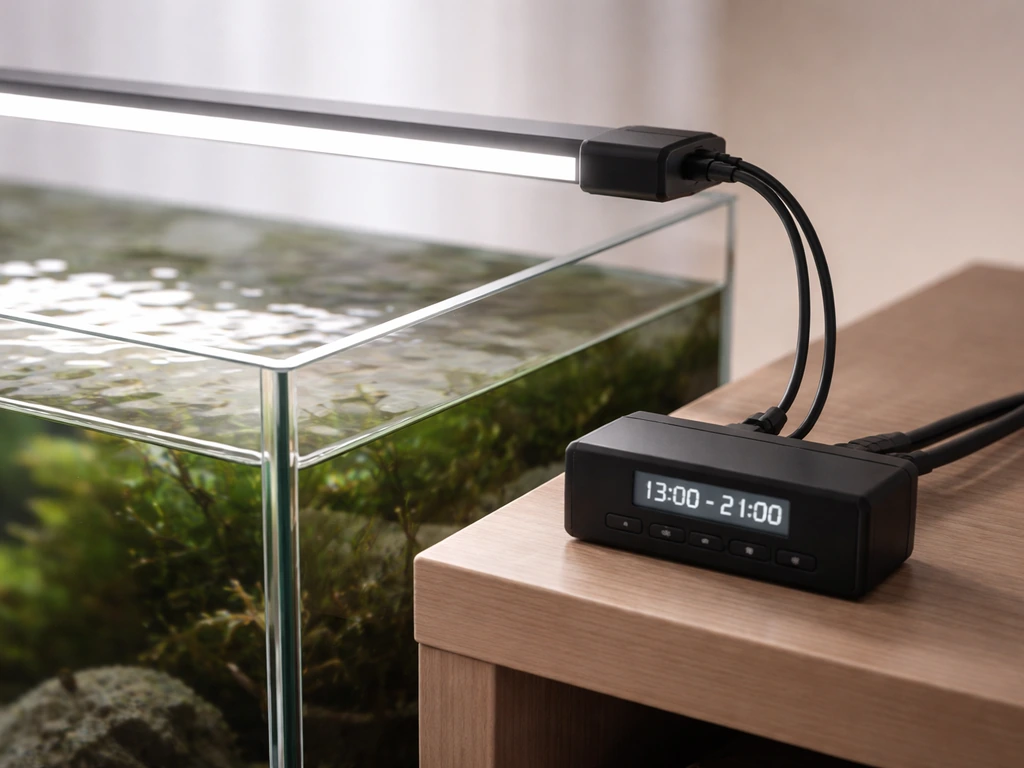
Start with a 6–8 hour photoperiod per day and adjust from there based on what you observe. If algae appears quickly, shorten the window by 30 minutes. If growth is sluggish but algae is minimal, you can extend it slightly or boost intensity. The key is consistency: use a timer so your light runs the same hours every day. Carpeting plants need light that reaches the substrate level, not just the surface, so avoid placing tall plants in front of your grass that cast shade on the carpet.
Water parameters
- Temperature: 68–82°F (20–28°C) suits most aquatic grass species; dwarf hairgrass prefers the cooler end of that range
- pH: 6.5–7.5 is a safe target for all three species listed above
- KH (carbonate hardness): aim for 3–8 dKH; if you plan to inject CO₂, stable KH is critical because KH and pH together determine your CO₂ level, and low KH causes pH swings that stress both plants and fish
- GH (general hardness): 4–12 dGH works for most aquatic grasses
Flow and circulation
Good water movement matters more for carpeting plants than most people expect. Dead zones in the tank, areas where water barely circulates, starve the carpet of CO₂ and nutrients and cause bare patches that never fill in. Aim for gentle but complete circulation that reaches the substrate. A spray bar directed along the back wall or a flow rate of roughly 5–10x tank volume per hour works well for most planted tanks. Avoid blasting the surface so hard that you off-gas CO₂ if you're injecting it.
Substrate, anchoring, and planting step by step
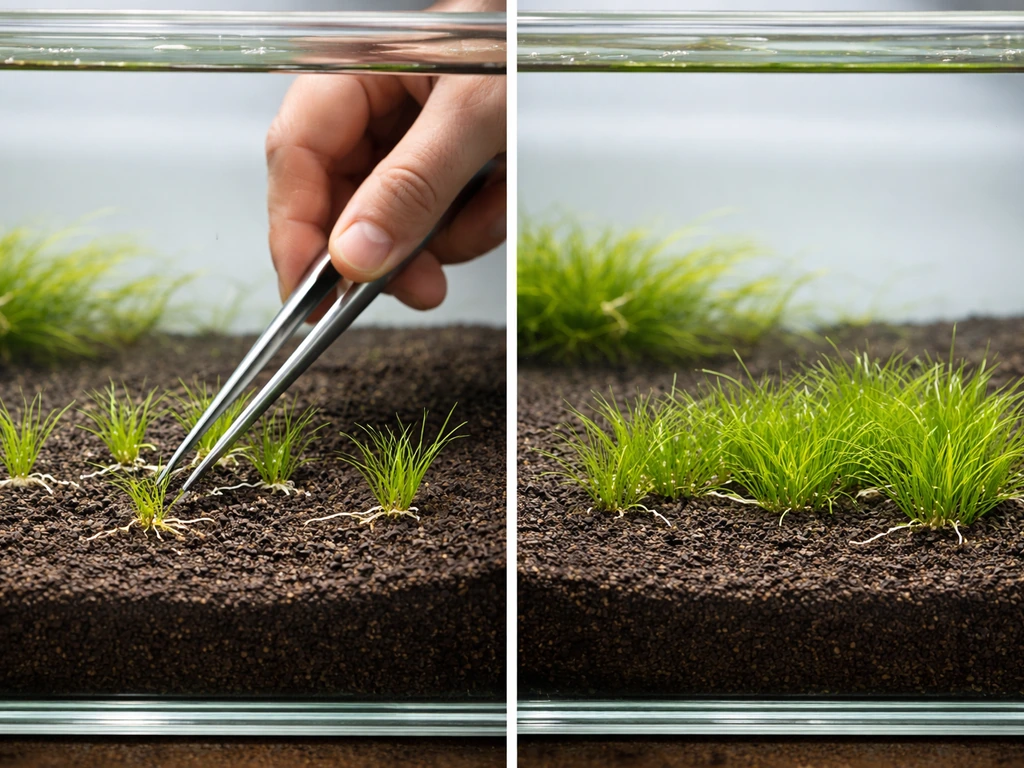
Substrate is where most beginners cut corners and regret it. Aquatic grasses spread via underground runners, so the substrate needs to be fine enough for roots and rhizomes to travel through, and nutritious enough to feed them. Coarse gravel alone will not work well. Use a nutrient-rich aquarium soil (Fluval Stratum, ADA Aqua Soil, or similar) at 2–3 inches deep. You can cap it with a thin layer of fine sand if you prefer the look, but the nutritious layer underneath is what matters.
Planting method (wet start)
- Fill the tank to about halfway with conditioned water before planting so you can see what you're doing without the substrate floating around.
- Break your plant portion into chunks slightly larger than you think you need, not tiny individual blades. Larger plugs anchor better and spread faster than dozens of tiny pieces.
- Use aquascaping tweezers to push each chunk about 1–1.5 inches into the substrate, deep enough that the rhizome is buried but the green blades are above the substrate.
- Space chunks roughly 2–3 inches apart across the area you want to carpet. They'll fill in the gaps as runners spread.
- Top off the tank slowly after planting to avoid uprooting everything you just planted.
- If plants keep floating up in the first few days, use a small rock or plant weight on the rhizome zone until roots grip the substrate.
Dry start method (optional but effective)
If you're setting up a new tank and patience isn't an issue, the dry start method is worth considering. You plant into moist substrate, cover the tank with plastic wrap to keep humidity near 100%, and run the light for your normal photoperiod. The plants establish roots and begin spreading above water before you flood the tank after 4–8 weeks. For a detailed walkthrough of phalaris aquatica specifically, follow the same grass-carpet approach and adjust light, substrate, and water conditions to match its needs how to grow phalaris aquatica. This eliminates the frustrating first-week floating problem entirely and gives you a much more established carpet when you do flood. It's especially useful with dwarf hairgrass.
Nutrients and CO₂ options (how to feed for lawn growth)
Plants need more than just light and water. Fish waste provides some nutrients but rarely enough to support a dense carpet, especially in new or lightly stocked tanks. You'll need to supplement with liquid fertilizers or root tabs, and for faster-growing species like dwarf hairgrass, you'll want to seriously consider CO₂ injection. If you follow the light, substrate, nutrients, and CO₂ guidance above, you can speed up growth and learn how to grow aquatic plants fast CO₂ injection.
Liquid fertilizers and root tabs
Use a comprehensive liquid fertilizer that includes both macros (nitrogen, phosphorus, potassium) and micros (iron, manganese, etc.) 2–3 times per week. Root tabs pushed into the substrate near your grass clumps every 2–3 months are especially helpful because carpeting plants feed heavily through their roots. Don't skip iron: aquatic grasses often show yellowing at the base (older blades) when iron is deficient.
CO₂ injection
If you're growing dwarf hairgrass and want a tight, full carpet in a reasonable timeframe, CO₂ injection is not optional in practice. A pressurized CO₂ system (regulator, diffuser, drop checker) gives you direct control. Target roughly 20–30 ppm, which corresponds to a lime-green drop checker reading using a 4 dKH reference solution. Replace the indicator fluid in your drop checker every few weeks because it loses accuracy over time. Synchronize the CO₂ to turn on about an hour before your lights and shut off an hour before lights out. This ensures CO₂ is available when plants are photosynthesizing and avoids overnight buildup that can harm fish.
For low-tech setups growing Marsilea hirsuta or dwarf sagittaria, liquid carbon supplements (like glutaraldehyde-based products) can give a modest boost without the cost and complexity of a full CO₂ system. They won't produce the same explosive growth as pressurized CO₂, but combined with good lighting and fertilization they'll keep low-tech plants healthy and spreading.
Maintenance routine for healthy spread (trim, clean, and water changes)
Once the carpet establishes, your job shifts to managing it rather than babying it. A consistent routine prevents the most common problems before they start.
Trimming
Trim the carpet regularly, every 2–4 weeks depending on growth rate. Use curved aquascaping scissors and cut across the top of the lawn to the height you want. Don't let the grass get too tall and dense without trimming, because thick overgrown carpet blocks light and circulation from reaching the lower rhizomes, which causes the base to rot and create bare patches. After trimming, net out all the floating clippings before they decompose and feed algae.
Cleaning and water changes
- Gently vacuum around (not through) the carpet during water changes to remove mulm and debris that accumulates between blades
- Remove dead or yellowing blades promptly; decaying plant matter raises organics and triggers algae
- Do weekly water changes of 25–30% in actively growing tanks to replenish minerals and export waste, adjusting the schedule based on nitrate levels and tank load
- After each water change, dose fertilizer so nutrients stay consistent rather than spiking after changes and crashing between them
Troubleshooting common problems (melting, slow growth, bare patches, algae)
Melting after planting
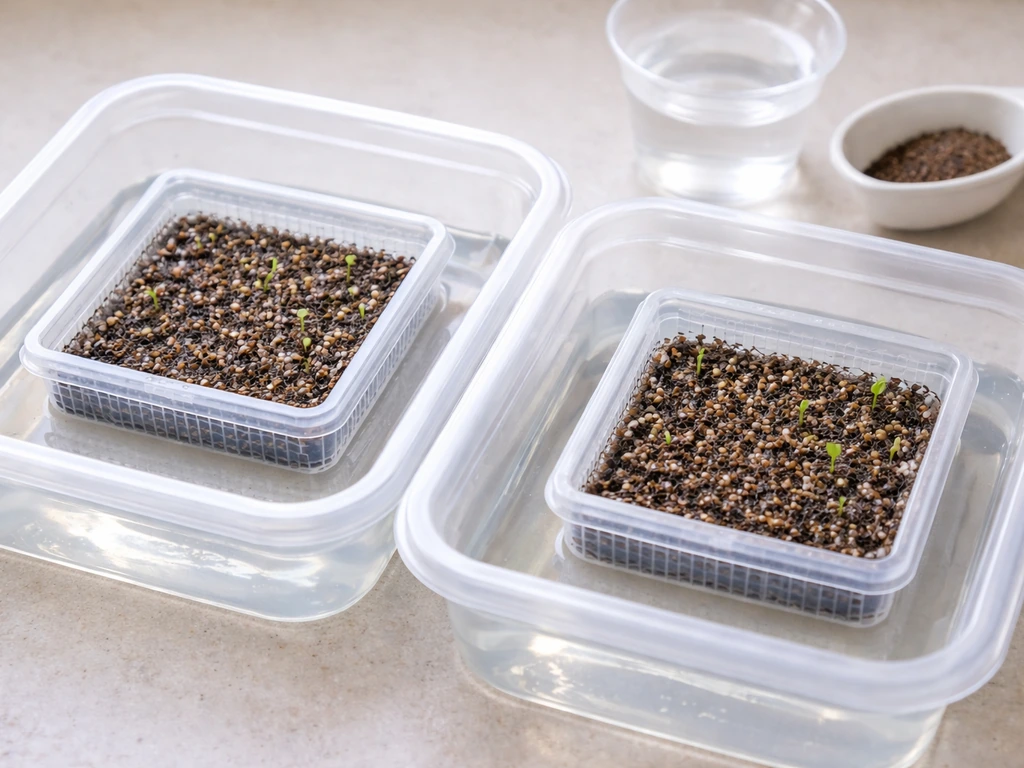
This is normal in the first 1–2 weeks and it panics a lot of beginners. Plants grown emersed (above water) at nurseries look different from their submersed form, so they shed their old leaves and grow new ones suited to underwater life. Don't pull them out. If you're trying to start aquatic plants from seeds, the key is choosing the right species and matching light, temperature, and water conditions so the seedlings can establish roots grow aquatic plants from seeds. As long as the rhizome and root zone look white and firm rather than brown and mushy, the plant is just transitioning. New growth will appear from the base within 2–3 weeks.
Slow or no growth
- Check light intensity and duration: is it actually reaching the substrate level, or being blocked by taller plants or a cloudy water column?
- Verify CO₂ levels with a drop checker and make sure the diffuser isn't creating dead zones where CO₂ never reaches the carpet
- Test water for nutrient deficiencies, especially iron and potassium, which are consumed quickly in carpeted tanks
- Confirm KH is stable: if KH is below 3 dKH and you're injecting CO₂, you may be getting pH swings that stress the plants
Bare patches and poor coverage
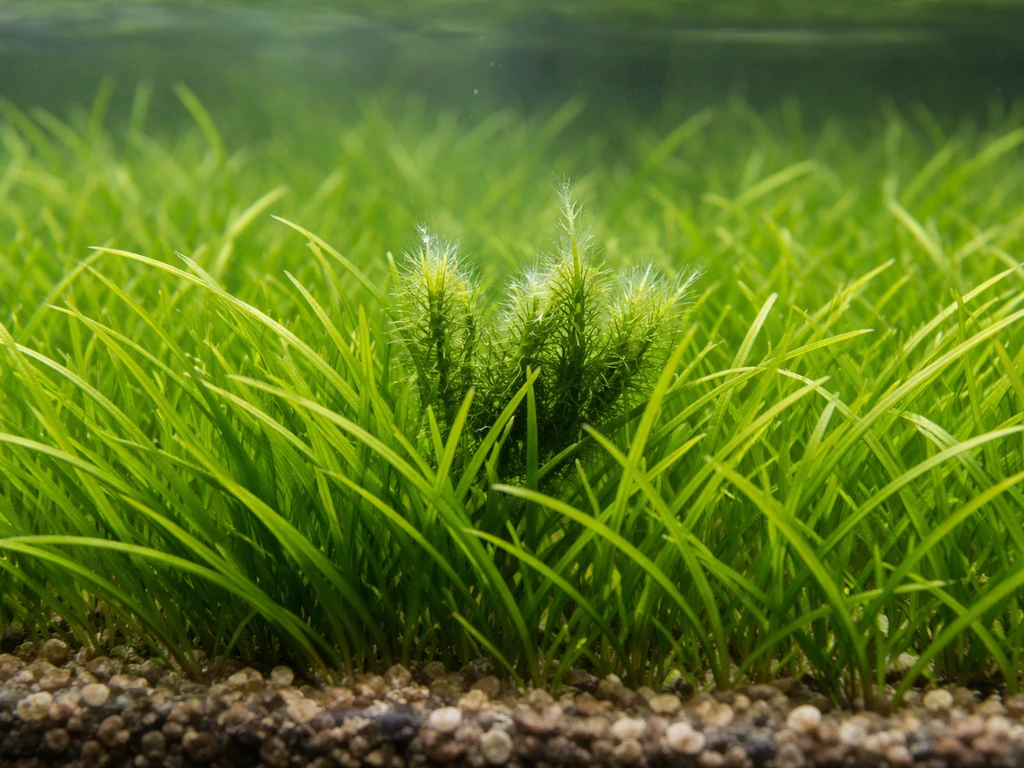
Bare patches usually mean either poor circulation reaching that zone, insufficient light, or the rhizome rotted at that spot from organic buildup. Check for dead zones in your flow pattern, redirect a powerhead if needed, and gently clean out any decaying matter from the bare spot. You can replant a fresh chunk directly into the gap; it will connect with the surrounding runners within a few weeks. If a large section keeps dying back despite healthy surroundings, check whether something is physically sitting on or shading that area.
Algae outbreaks
Algae on a new carpet is almost always caused by too much light for the plant's current growth rate, or nutrient imbalance. Reduce your photoperiod by 30 minutes and see if the situation improves over a week. Green spot algae on substrate glass or decorations is usually a sign of low phosphate. Hair algae tangling into the carpet often points to high light with insufficient CO₂. Fix the CO₂ level first, then address light. Nerite snails are excellent for cleaning algae off individual grass blades without uprooting the carpet.
Plants floating up
If plants keep popping out of the substrate, the problem is usually either chunks that were planted too shallow, or substrate that's too light and airy to grip roots. Push the rhizome deeper (at least 1 inch) and use a small plant weight temporarily. Aquarium soil that has been freshly filled tends to compact a little after the first week, which helps. The dry start method eliminates this issue almost completely since roots are established before flooding.
How to scale and succeed long term (carpet thickness, stocking, and stability)
Once your carpet is established and filling in, the goal shifts to keeping it stable and balanced. A mature carpet is actually more resilient than a new one because the root and rhizome network anchors everything, but it needs ongoing management to stay healthy.
Stocking your tank thoughtfully makes a big difference. Heavy burrowing fish (like large cichlids or goldfish) will destroy a carpet by uprooting runners constantly. Smaller, peaceful species like nano fish, rasboras, small tetras, or shrimp coexist well with a grass carpet and actually help by grazing detritus that would otherwise settle in and cause rot. Amano shrimp and nerite snails are particularly useful for keeping algae off the carpet blades without causing damage.
As the carpet thickens over months, trim it regularly to keep the grass at a height where light still reaches the rhizome zone. A carpet that gets too thick (more than 2 inches in most cases) starts to suffocate itself from the bottom up. You can harvest sections of mature carpet to replant in other tanks or share with other hobbyists, since each chunk with healthy runners will establish in a new setup just as the original did. This is the same runner-propagation method that makes dwarf hairgrass and Marsilea so easy to multiply.
Long-term stability comes down to consistency more than any single parameter. Pachira aquatica care is similar in the sense that stable conditions and consistent feeding help the plant stay healthy as it establishes how to grow pachira aquatica. Stable lighting schedules, regular fertilization, consistent water changes, and prompt removal of dying plant matter keep the system in balance.
Maintenance guides for planted aquariums also recommend removing dead or decaying plant leaves and managing excess organics to reduce algae pressure prompt removal of dying plant matter.
The tanks that look immaculate after a year aren't the result of perfect conditions from day one; they're the result of small, regular adjustments and catching problems early. If you're also growing other aquatic plants alongside your grass carpet, keeping the taller background plants trimmed so they don't shade the foreground will matter more and more as everything grows in.
If you find yourself wanting to expand beyond a single tank carpet, the same principles scale well to pond setups and larger water gardens, though species selection shifts a bit toward hardier options suited to outdoor conditions and seasonal temperature swings. Once you move the carpet plants outdoors, you can apply the same approach and focus on light, stable water parameters, and proper planting for pond plants pond setups and larger water gardens. The core loop stays the same: right species, right light, good substrate, consistent nutrients, and regular maintenance.
FAQ
Can I move or split an established aquatic grass carpet to start another tank?
Yes. You can’t just move an established carpet from one tank to another without planning, the new substrate depth matters and the rhizomes need fine, nutrient-rich contact. When replanting, cut small runner chunks, keep them damp during transfer, press the rhizome zone into the substrate, and expect the first 2–4 weeks to look thinner before it reconnects and regrows.
How do I increase light without triggering algae on my grass carpet?
Aim to keep the carpet evenly lit, but don’t chase maximum brightness. If growth is slow, increase either light intensity or your schedule gradually, keep the photoperiod changes small (about 30 minutes at a time), and watch the substrate surface and the grass tips for signs of stress before going further.
Should I vacuum the substrate under the carpet during the first month?
Treat new carpets like they are still “unrooted,” because they are. In the first weeks, avoid vacuuming directly in the carpet and don’t stir the substrate too aggressively, instead do gentle surface-level cleaning and only spot-clean decaying spots with a soft tool so you don’t uproot runners.
What should I do if my aquatic grass keeps floating up or uprooting after planting?
If you see a lot of floating or drifting after planting, you likely have shallow rhizomes or insufficient grip. Push the rhizome at least 1 inch (as applicable to your planting depth), weigh it lightly for a week, and consider adding fine sand capping only if the nutrient soil layer underneath remains undisturbed.
My plants melted after I planted them, is that always a sign I did something wrong?
On carpeting plants, melting is often a transition, not an immediate failure, especially with emersed plants. Don’t remove everything that browns immediately, instead wait until you see whether the base and rhizome remain firm and white, then trim only loose, dead blades to reduce rot.
How can I tell if my algae problem is from excess light versus nutrient or CO₂ issues?
If your algae is mainly on the glass or decorations, it can be controlled differently than algae inside the carpet. For grass-carpet algae tied to insufficient growth, first adjust CO₂ and nutrients, then trim and reduce the photoperiod slightly. For visible spot algae on hard surfaces, cleaning and grazing helpers can help while you correct the underlying balance.
Is liquid fertilizer enough for aquatic grass, or do I need root tabs?
Yes, but you need to match the fertilizer method to the feeding style of the grass. Root tabs are most effective for carpeting plants because they feed through the root zone, liquid fertilizer helps overall growth, but if the carpet base is yellowing while water looks “green,” add or re-dose iron through a substrate-based approach.
My grass blades are yellowing near the base, how do I confirm what nutrient is missing?
Most “nutrient deficiency” symptoms are easy to misread. Yellowing at the base often points to iron deficiency, but it can also occur when the plant can’t access nutrients due to poor circulation or dead zones. Before adding large fertilizer doses, check flow reach across the carpet and confirm you’re not shading parts of the lawn.
How often should I recalibrate or replace the drop checker solution?
If you’re injecting CO₂, use a stable schedule and a safe target range rather than constantly adjusting. A drop checker reading can drift as indicator fluid ages, so refresh it on schedule, then tune your CO₂ by watching plant response and livestock behavior after changes, rather than reacting minute to minute.
What causes localized rot or bare spots inside an otherwise healthy carpet?
Blackening or rotting at individual spots usually comes from buildup and poor access to clean flow, not from “bad luck.” Spot-clean the decaying matter, redirect the flow to eliminate a dead zone, and replant a small chunk into the gap once the area is clear so runners can connect.
Which fish and invertebrates are most compatible with a planted aquatic grass carpet?
Fish type matters more than most people expect because some species constantly uproot runners. Avoid heavy burrowers and large foraging fish in grass tanks, and instead use small peaceful fish or shrimp that graze detritus without disturbing the substrate.
Why does my carpet get worse right after I trim it?
Yes, drifting clippings and trapped organics can trigger algae and rot right where they fall. After trimming, use a net or siphon to remove cuttings from the water column promptly, and try trimming in smaller sections more often rather than one large cut.
If my carpet won’t root, should I replant right away or troubleshoot the substrate first?
You can usually fix it by correcting the physical planting, not by replanting constantly. If the grass won’t anchor, improve substrate fineness and nutrient contact, plant the rhizome deeper, and give a brief stabilization period with gentle flow. Replanting works best only after the substrate issue is corrected.
Does the same aquatic grass approach work outdoors, in a pond, or are there seasonal adjustments?
In pond conditions, seasonality changes everything, especially light duration and temperature. For outdoor success, focus on species matched to your local temperature swings, avoid planting too late in the season, and plan for reduced growth during cooler months rather than trying to force nonstop carpeting year-round.