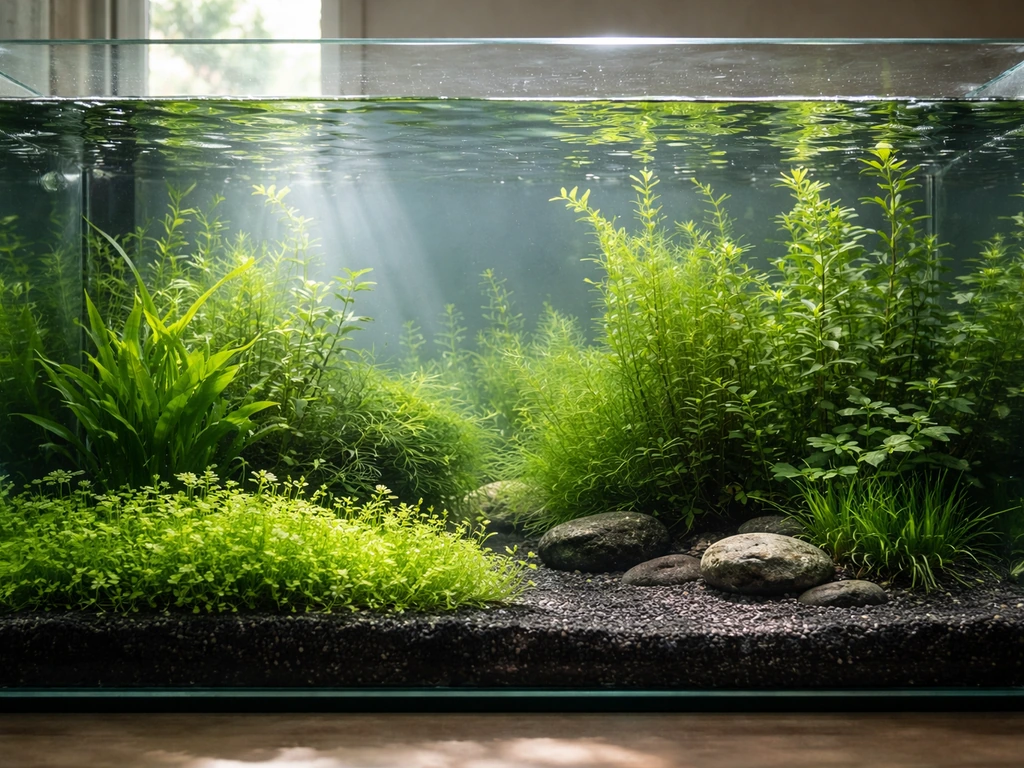
You can grow aquatic plants at home in almost any tank 10 gallons or larger by pairing the right beginner species with a basic LED light, a gentle filter, nutrient-rich substrate, and a consistent 6 to 8 hour light schedule. If you are specifically growing Phalaris aquatica, you will want to focus on its emergent growth needs and how to manage the right light, nutrients, and water depth how to grow phalaris aquatica. Get those fundamentals right and the plants will grow. Miss one of them and you will fight algae, melting leaves, or stalled growth until you do.
How to Grow Aquatic Plants at Home: Aquarium Guide
Marcus Holloway
16 Jun 2026
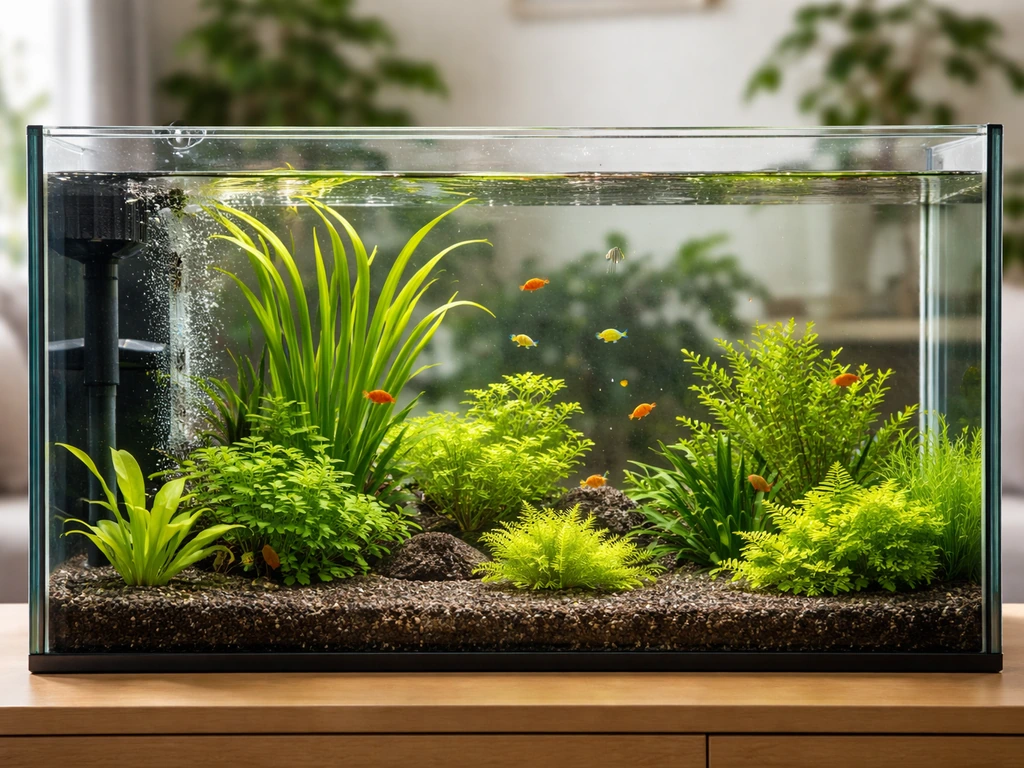
Choosing the right aquatic plants for your setup
The biggest beginner mistake is buying plants that need high light and injected CO2 before the tank is even cycled. Start with species that are genuinely forgiving, grow in a wide range of conditions, and will actually show you progress in the first few weeks.
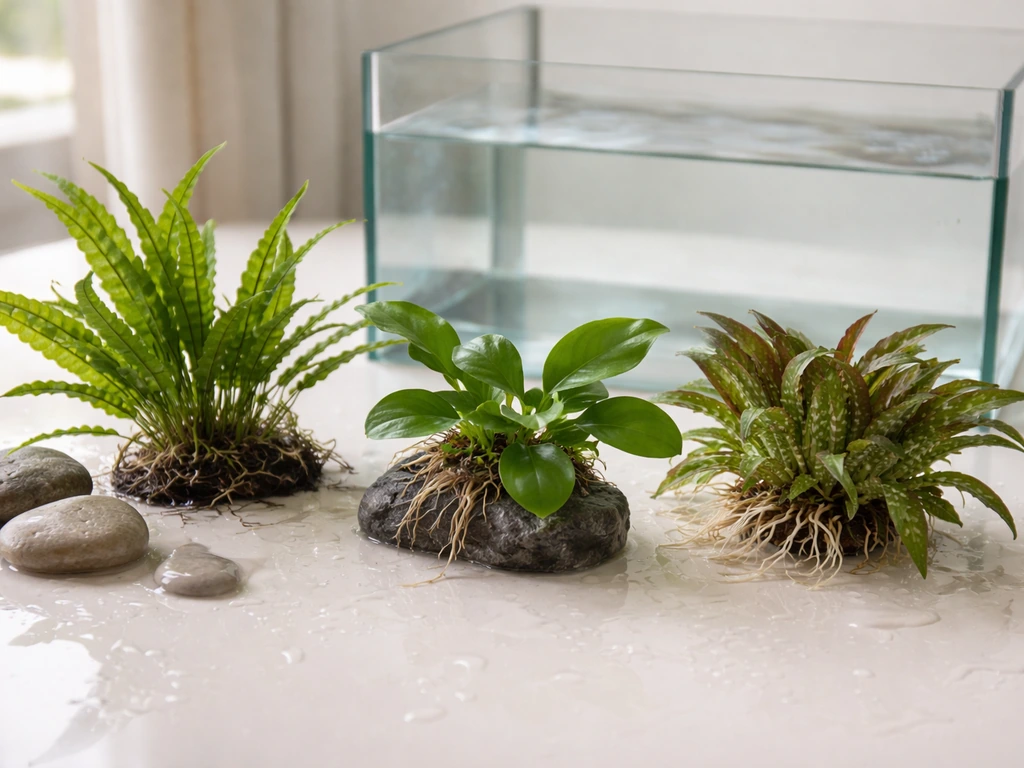
The four species I always recommend to new growers are Java fern, Anubias, Cryptocoryne, and Java moss. These are the backbone of a low-tech setup because none of them require CO2 injection and all of them tolerate lower light levels. Java fern is particularly easy: it thrives in water temperatures of 68 to 82°F and a pH of 6.0 to 7.5, which covers nearly every freshwater home tank. Anubias is even more tolerant of neglect, handling temperatures from about 72 to 82°F and a wide range of water hardness. Cryptocoryne is the one to add when you want lush mid-ground color, and Java moss is perfect for carpeting rocks, driftwood, or mesh for shrimp tanks.
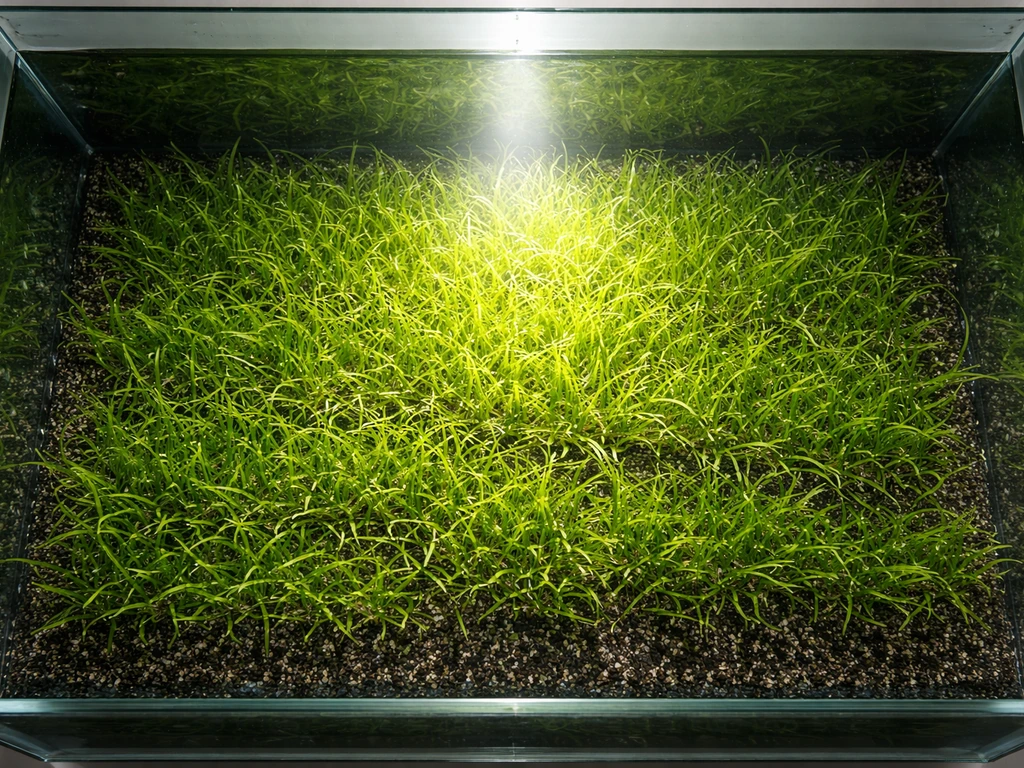
Once you have a few of those established and your tank is stable, you can layer in faster-growing stem plants like hornwort or water wisteria. These grow quickly and are excellent at pulling nutrients from the water column, which helps keep algae in check while slower plants find their footing. If you want to eventually grow aquatic grass or work toward a pond setup, it is worth knowing those each have their own specific requirements, but the fundamentals you build here carry over. When you are ready to try aquatic grass, pay close attention to lighting intensity, nutrient supply, and how you anchor the grass in the substrate so it can actually root.
| Plant | Light Needed | CO2 Required? | Growth Style | Best Placement |
|---|---|---|---|---|
| Java Fern | Low to medium | No | Slow, steady | Attached to hardscape, background |
| Anubias | Low to medium | No | Very slow | Attached to wood/rock, midground |
| Cryptocoryne | Low to medium | No | Moderate | Planted in substrate, midground |
| Java Moss | Low | No | Fast in warm water | Tied to rocks/driftwood, foreground |
| Hornwort | Medium | No | Fast | Floating or anchored, background |
| Water Wisteria | Medium | No | Fast | Background, stem plant |
Tank and water setup: what you actually need
A 10 to 20 gallon tank is the sweet spot for a first planted aquarium. It is large enough to maintain stable water parameters but small enough to manage without spending a fortune on equipment. Anything under 5 gallons swings in temperature and chemistry too fast for most plants to adapt comfortably.
Filtration and water movement
You need a filter, but the goal is gentle, consistent flow rather than a strong current. A sponge filter or a hang-on-back filter with an adjustable flow rate works well. The filter keeps ammonia and nitrite in check (especially during the tank cycling period) and circulates nutrients so plants can access them throughout the tank. Keep the water moving but avoid blasting delicate stem plants or uprooting anything newly planted.
Before you add plants, cycle the tank to establish beneficial bacteria. A product like Seachem Stability (dosed at roughly 1 capful per 20 gallons at each water change) speeds this up by introducing the bacterial colonies that break down ammonia and nitrite. While the cycle is establishing, use a dechlorinator that also detoxifies ammonia, such as Seachem Prime, to protect any livestock.
Lighting
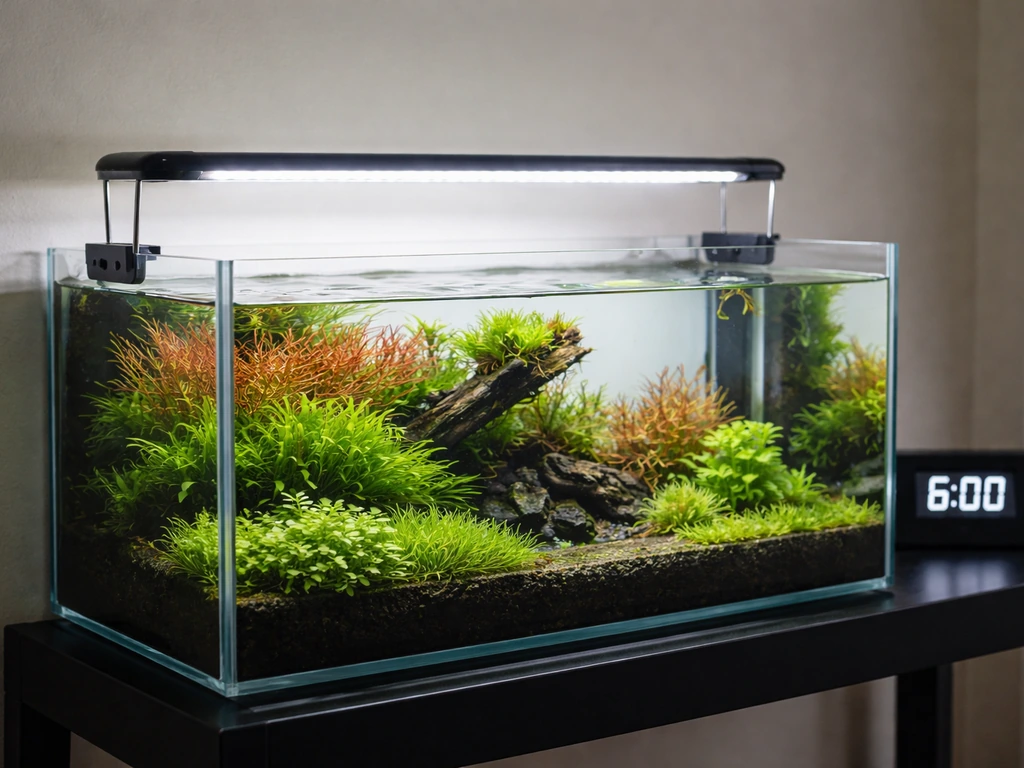
Skip any generic aquarium hood light and get an LED designed specifically for planted tanks. These deliver the right spectrum and enough PAR (photosynthetically active radiation) to drive actual plant growth. Brands like Fluval, Finnex, and Aquarium Co-Op's own Lumens line are well-regarded for planted setups. Keep the tank away from windows: direct sunlight is one of the fastest ways to trigger an algae explosion because you cannot control its intensity or duration the way you can with a dedicated LED.
Substrate
Substrate matters more than most beginners expect. A purpose-made aquasoil or planted tank substrate like Fluval Stratum or ADA Aqua Soil gives roots an immediate nutrient source and tends to slightly lower pH, which suits most tropical plants. If you want to save money, a dirted substrate works too: use no more than 1/8 to 1/4 inch of plain topsoil at the bottom and cap it with at least 2 inches of gravel. The gravel cap prevents the dirt from clouding the water while still letting roots access the nutrients below. Plain gravel or sand alone provides no nutrition, so you will need to compensate heavily with root tabs and liquid fertilizer.
Planting methods and hardscape placement
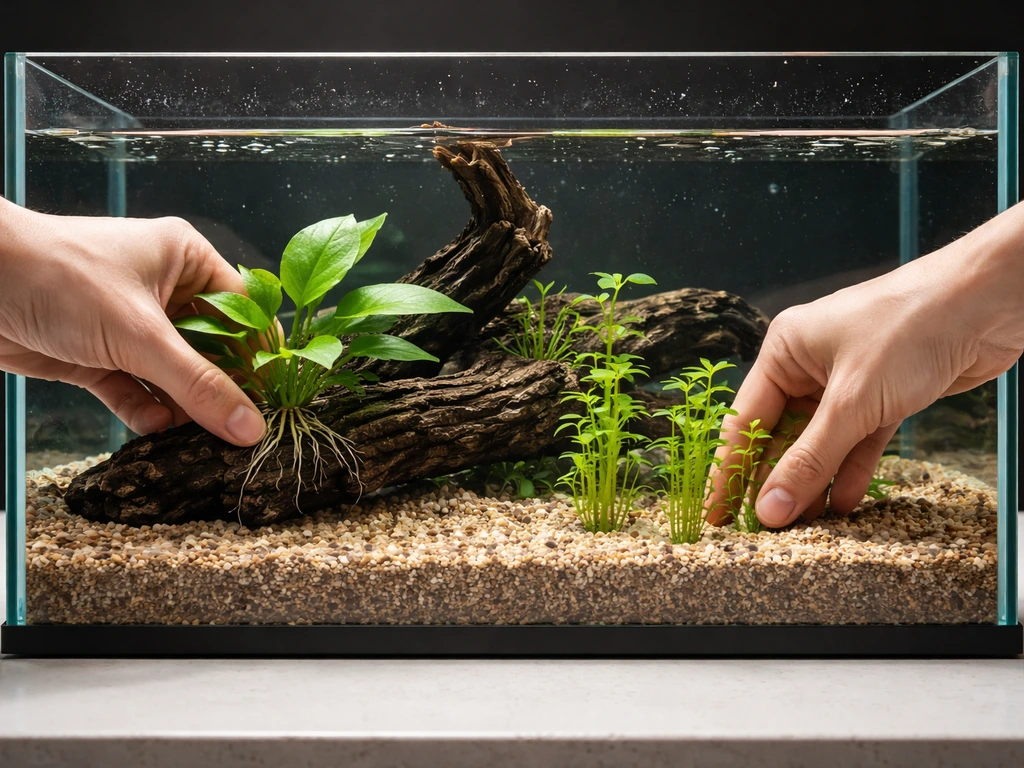
How you put plants into the tank depends entirely on what type of plant you are working with. Getting this wrong is actually one of the most common reasons plants melt or fail to establish in the first few weeks.
- Rhizome plants (Java fern, Anubias): Never bury the rhizome in substrate. The rhizome is the horizontal stem that leaves and roots grow from, and covering it causes rot. Instead, tie or glue the plant to driftwood or rock using aquarium-safe thread or gel super glue. It will attach itself within a few weeks.
- Rosette plants (Cryptocoryne, Amazon sword): Plant into substrate so the roots are buried but the crown (where leaves emerge) sits just at or above the surface. Burying the crown also causes rot.
- Stem plants (hornwort, water wisteria): Trim off the bottom inch of leaves and push the bare stem 1 to 2 inches into the substrate. They root quickly and grow upward fast.
- Moss and carpet plants: Tie moss to hardscape with cotton thread, which biodegrades as the moss attaches. For carpet plants on mesh, anchor the mesh with rocks or suction cups.
- Floating plants (frogbit, duckweed): Just place them on the surface. No planting needed.
For hardscape (rocks and driftwood), place these before you add substrate or water so you can design the layout freely. A good rule of thumb is the rule of thirds: put the main focal point off-center, and use hardscape to create depth by placing larger pieces toward the back and smaller pieces in the foreground. Tropica's guidance suggests thinking of hardscape and substrate depth together to create perspective in the tank. Boil driftwood or soak it for several days before adding it to prevent tannin from yellowing your water and dropping pH unpredictably.
Feeding your plants and managing CO2 and flow
Fertilization basics
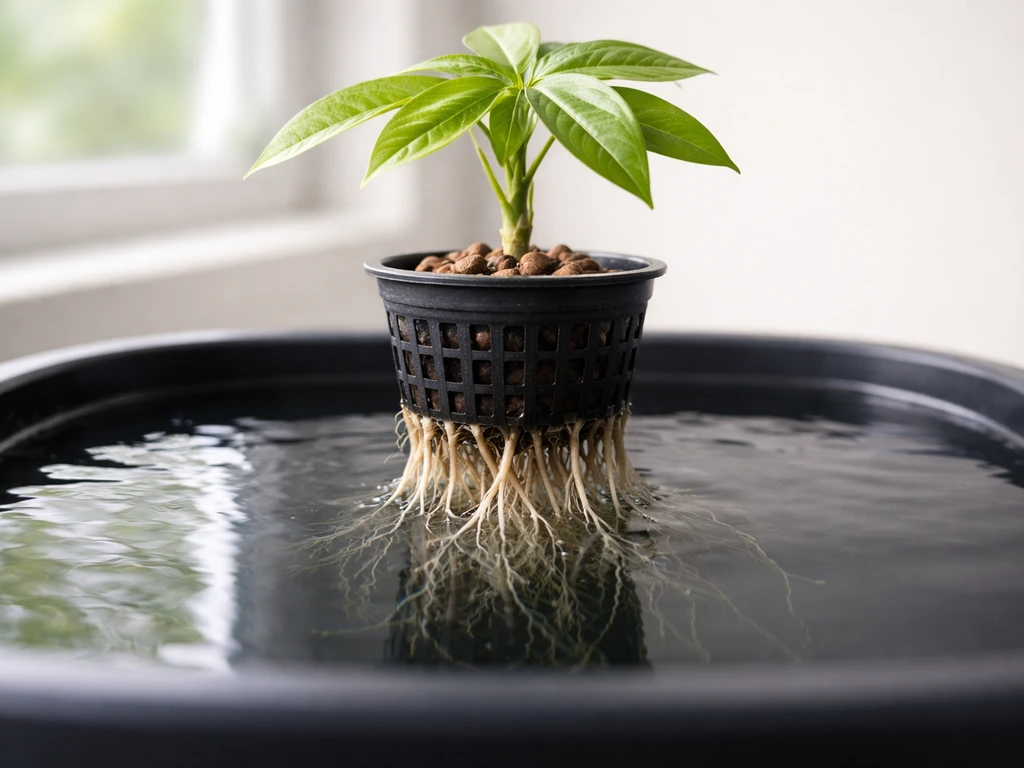
Plants need macronutrients (nitrogen, phosphorus, potassium) and micronutrients (iron, magnesium, and trace elements). In a low-tech tank with fish, nitrogen comes partly from fish waste, but you will almost certainly need to supplement the rest. Once you have the basics down, you can apply the same planted-tank care to learn how to grow Pachira aquatica with stable water conditions and consistent light. A straightforward approach is to use a liquid all-in-one fertilizer like blank" rel="noopener noreferrer">Easy Green once or twice a week and target nitrates in the 20 to 50 ppm range as a proxy for whether plants are getting enough. Test your nitrates weekly at first. If they stay below 20 ppm, dose more. If they climb past 50 ppm, cut back or do a water change.
For root-feeding plants like Cryptocoryne and sword plants, add root tabs directly into the substrate near the root zone. For a standard 10-gallon tank, around 6 root tabs placed evenly through the substrate is a solid starting point, replaced every 3 to 4 months. Press them in far enough that they stay buried, since a tab sitting at the surface just leaches nutrients into the water column instead of feeding roots.
CO2: do you actually need it?
For the beginner species listed above, no. CO2 injection is a tool for pushing growth rates and enabling high-light, demanding plants. In a low-tech setup it is optional and can actually cause problems (pH crashes, fish stress, or dangerous blowouts if DIY equipment fails) if not managed carefully. A good filter and powerhead keep CO2 from dissolved organic waste circulating, which is enough for easy-care species. If you do want to add CO2 later, a pressurized system with a regulator is far more stable and controllable than a DIY yeast bottle. Introduce CO2 gradually and monitor pH daily when you first set it up.
Light schedules and keeping algae under control
Algae is the thing that makes beginners quit planted tanks. The good news is that almost every algae problem traces back to either too much light, unbalanced nutrients, or both. Fix those two things and algae becomes a minor nuisance rather than a tank takeover.
Start with less light than you think you need
When you first set up the tank, run your lights for only 6 hours per day. Both Tropica and Aquarium Co-Op recommend this for new tanks, and it works. Your plants are still adapting, root systems are not established yet, and algae can outcompete struggling plants if you give it a long photoperiod right out of the gate. Some experienced hobbyists even drop light intensity by about 50% for the first two weeks specifically to limit algae while plants settle in. After 4 to 6 weeks, once plants are showing new growth, you can creep up to 7 or 8 hours if needed.
Use a timer. This is non-negotiable. Inconsistent light schedules confuse plants and give algae an opening. A cheap outlet timer set to run your LED at the same time every day costs a few dollars and removes one variable entirely.
The nutrient balance connection
Algae blooms in the presence of unused nutrients, particularly phosphate and nitrate sitting in the water column with no plants consuming them. This is why a heavily planted tank tends to stay cleaner than a lightly planted one: the plants are eating the nutrients before algae can use them. Floating plants are especially effective at this because they grow fast and feed directly from the water column. Adding a few stems of frogbit or water lettuce early on is one of the simplest algae-prevention strategies there is.
If algae does appear, diagnose before you react. Green spot algae on glass usually means low phosphate. Brown diatoms in new tanks usually disappear on their own within a month as silicates get used up. Green hair algae almost always points to excess light combined with inconsistent nutrients. In that case, reduce your photoperiod by an hour, check your nitrate level, and adjust fertilization before touching anything else. Change only one variable at a time and wait two weeks to see the result.
| Algae Type | Likely Cause | Fix |
|---|---|---|
| Brown diatoms | New tank, high silicates | Wait it out (usually clears in 4–6 weeks), add nerite snails |
| Green spot algae on glass | Low phosphate, too much light | Reduce light duration, check phosphate levels |
| Green hair/thread algae | High light + nutrient imbalance | Reduce photoperiod, dose fertilizer consistently |
| Blue-green algae (cyanobacteria) | Low flow, high organic waste | Improve circulation, reduce feeding, manual removal |
| Green water (bloom) | Excess light reaching tank | Blackout for 3 days, block window light |
| Black beard algae | CO2 fluctuation or low CO2 | Stabilize CO2, dose Excel, introduce SAEs |
Ongoing care, pruning, and fixing common problems
Weekly and monthly maintenance
- Water changes: Do a 25 to 30% water change weekly. This removes accumulated waste, resets mineral balance, and keeps parameters stable. Use dechlorinated, temperature-matched water.
- Fertilizer dosing: Dose liquid fertilizer once or twice a week, test nitrates monthly to calibrate your dose.
- Root tabs: Replace every 3 to 4 months for substrate-rooted plants.
- Glass cleaning: Wipe algae off the front glass with a magnetic scraper weekly before it hardens into green spot algae.
- Filter maintenance: Rinse sponge or filter media in used tank water (never tap water) every 4 to 6 weeks to preserve beneficial bacteria.
Pruning stem and fast-growing plants
Stem plants need regular trimming or they shade everything below them and cause lower leaves to melt and rot. When a stem plant reaches the top of the tank, cut it about halfway down with sharp aquarium scissors. The bottom portion will usually branch and the top cutting can be replanted immediately. For slow-growing rhizome plants like Anubias and Java fern, just remove yellowed or damaged leaves at the base with clean scissors. Do not over-prune; these plants grow slowly and losing too many leaves at once stresses them.
Troubleshooting common problems
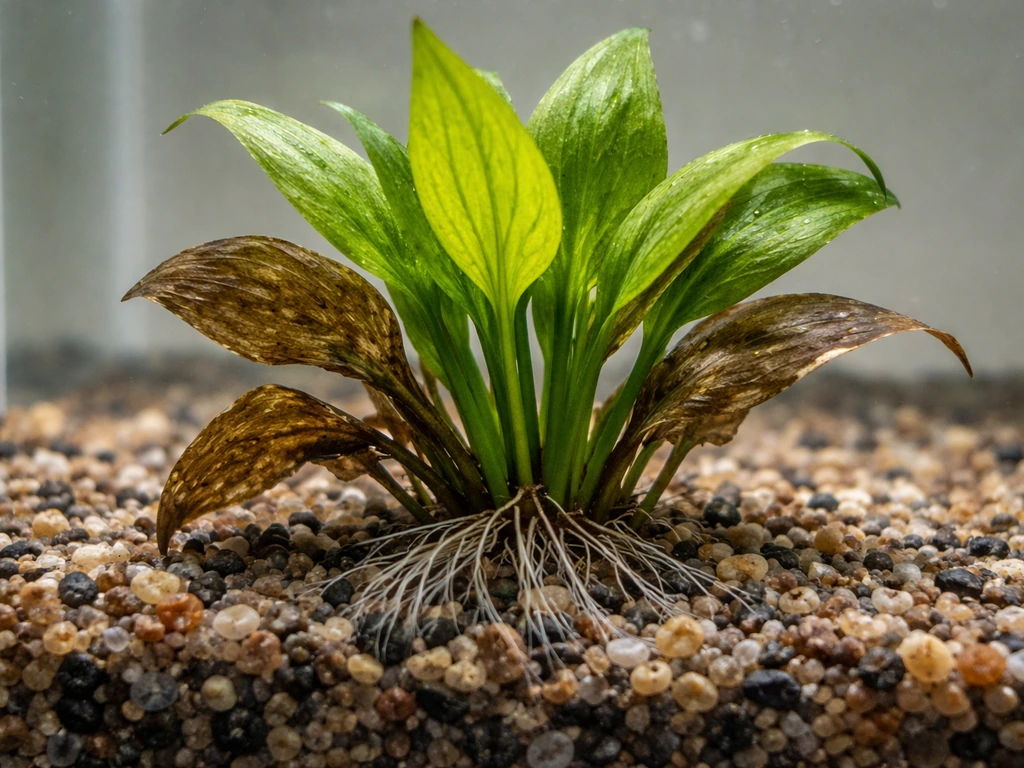
- Leaves melting after planting: Normal for Cryptocoryne (called 'Crypt melt'). The plant is converting from emersed (above-water) growth to submerged growth. Leave the roots in place, keep the tank stable, and new leaves will emerge in 2 to 4 weeks.
- Yellowing leaves: Usually a nitrogen deficiency. Test nitrates — if they are near 0, increase fertilizer dosing. If nitrates are high, look for iron or potassium deficiency instead.
- Slow or stalled growth: Check light duration and intensity first, then nutrients. In a low-tech tank without CO2, pushing growth faster than the light and nutrients support just invites algae.
- Poor root development: Check substrate. Bare gravel with no root tabs starves root-feeding plants. Add root tabs near the root zone and give it 4 to 6 weeks.
- Plants floating free: Rhizome plants should not be buried. Epiphytes need to be tied or glued to hardscape, not stuffed into gravel.
- Leaves with holes or translucent patches: Often a potassium deficiency. Supplement with potassium chloride or switch to a fertilizer that includes potassium.
Propagation, harvesting, and moving plants between setups
Propagating what you already have
Most beginner plants propagate easily once they are established. Java fern grows small plantlets (called adventitious plants) directly on its leaves. When a plantlet has three or four leaves of its own and visible roots, snap it off and tie it to a new piece of driftwood. Anubias spreads by extending its rhizome, which you can divide with a clean knife, making sure each section has at least three leaves and healthy roots. Cryptocoryne produces runners that push up new daughter plants through the substrate; separate them once they have four or five leaves. Stem plants are the simplest of all: cut, trim the lower leaves, and replant the cutting.
Growing from seeds
Some aquatic plants (particularly foreground carpet species) can be grown from tissue culture or seed. This is a slower route but lets you source specific species that are hard to find as established plants. The process involves different considerations around germination conditions and transitioning seedlings to fully submerged growth, which is worth exploring once your main tank is stable.
Moving plants between tanks or to semi-aquatic setups
Most aquarium plants you buy at a store were actually grown emersed (partially or fully out of the water) because it is faster and cheaper for commercial growers. When you put them in your tank they convert to submerged growth, which is why new plants often look rough for a few weeks before they settle in. If you are wondering how to grow aquatic plants in an aquarium, this emersed-to-submerged conversion timing is one of the keys to success. That same conversion works in reverse: you can grow many aquarium plants emersed by keeping their roots wet while exposing the leaves to air. This is the basis of paludarium setups, riparian tanks, and some hydroponic systems.
If you want to move a plant from one tank to another, rinse it gently in dechlorinated water, inspect it for snails or pest hitchhikers, and trim off any dead or damaged leaves before introducing it. A 10 to 20 minute dip in a diluted potassium permanganate or alum solution (and a thorough rinse after) is good practice for preventing pest snails or parasites from traveling between tanks. When transitioning aquarium plants to pond or semi-aquatic setups, ease them in gradually: float the container in the pond for a few days to equalize temperature before fully releasing the plants. If you are wondering how to grow pond plants, this gradual transition is one of the easiest ways to improve survival.
The skills you build running a planted aquarium translate directly to more advanced setups. Once your home tank is thriving, you will have the water chemistry intuition, the eye for plant health, and the patience that every more complex system, from a pond planting to a full aquasoil aquascape, demands.
FAQ
How long should I keep the light on, and what if my plants look worse after I start lighting them?.
Run plants for 6 to 8 hours on a timer, then keep the tank in the same general schedule for at least two weeks. After that, change one variable at a time, such as increasing by about 30 to 60 minutes if new growth starts appearing and algae is under control.
Do I really need to measure nitrates, or can I just fertilize by feel?.
Yes, but treat it as a starting point, not a “set it and forget it” metric. In general, if nitrates are consistently under 20 ppm your plants may be starved, and if they persist above 50 ppm you are likely feeding more than plants can use. Always pair nitrate targets with weekly trimming and an algae check.
Can I use both root tabs and liquid fertilizer together without causing algae?.
For low-tech tanks, avoid adding both heavy root feeding and full-strength liquid dosing at the same time. If you do use root tabs, space them near the plant root zone and keep liquid fertilizer modest, then adjust after you see growth within 2 to 4 weeks.
My aquarium plants melted after planting, is it dead or just transitioning?.
If a plant melts right after you plant it, don’t immediately assume failure. Many plants from the store are grown emersed and transition to submerged growth, so a rough “settling” phase can last a few weeks. Give it time unless the plant base is rotting or the rhizome is turning mushy.
What changes if I have a lot of fish or heavy feeding in my planted tank?.
Yes, when fish are aggressive feeders you can get nutrient levels that encourage algae even with plants present. In that case, start with slower-growing, forgiving species first, reduce feeding slightly, and use a gentle weekly water change to keep nitrate and phosphate from spiking.
What should I do when leaves start dying, do I leave them or remove them?.
Treat dead plant matter as a nutrient source. Remove yellow mush and trim decaying leaves promptly, especially from stems and rotting crypts, then watch for a temporary nutrient spike that can trigger short-lived algae.
How do I plant each type, and what are the most common anchoring mistakes?.
Use planting positions and substrate depth intentionally. Rhizome plants like Java fern and Anubias should not be buried, because burying the rhizome can cause rot. For rooted plants, bury roots or insert root tabs in the correct zone so nutrients go to roots, not into the water column.
I see tannin staining and pH changes from my driftwood, will it harm my plants?.
For hardscape, soaking prevents tannin release spikes, but temperature and chemistry changes can still stress plants. Soak and rinse driftwood, then add it before you plant, and keep water stable during the first month so plants do not experience multiple changes at once.
How should I use floating plants to prevent algae without starving my tank’s plants?.
Floating plants help, but they should be introduced gradually if you are fighting an active algae bloom. Add a small amount first, verify plants still receive enough light for growth, and avoid completely shutting out light because that can slow submerged plants.
What is the best step-by-step way to fix algae when you don’t know the cause?.
When you need to treat an algae outbreak, change one factor and wait. For many beginner cases, reducing photoperiod by about an hour and confirming nitrate levels resolves the issue. Avoid multiple drastic changes, because it becomes hard to identify what actually worked.
What’s the safest way to transition plants between an aquarium and a pond or paludarium?.
Most aquarium plants are grown emersed and then adapt submerged, but survival depends on how fast you change exposure. If you are moving from a pond or semi-aquatic setup, float the plant first to equalize temperature, then introduce gradually over several days, keeping roots wet the whole time.
Should I add CO2 even if I’m starting with easy plants like Java fern and Anubias?.
Mostly no, because injected CO2 is not required for low-light, beginner species. If you later add CO2, introduce it gradually and monitor pH daily, but also make sure your lighting and nutrients are set for plant uptake, otherwise algae can use the extra carbon-related conditions.