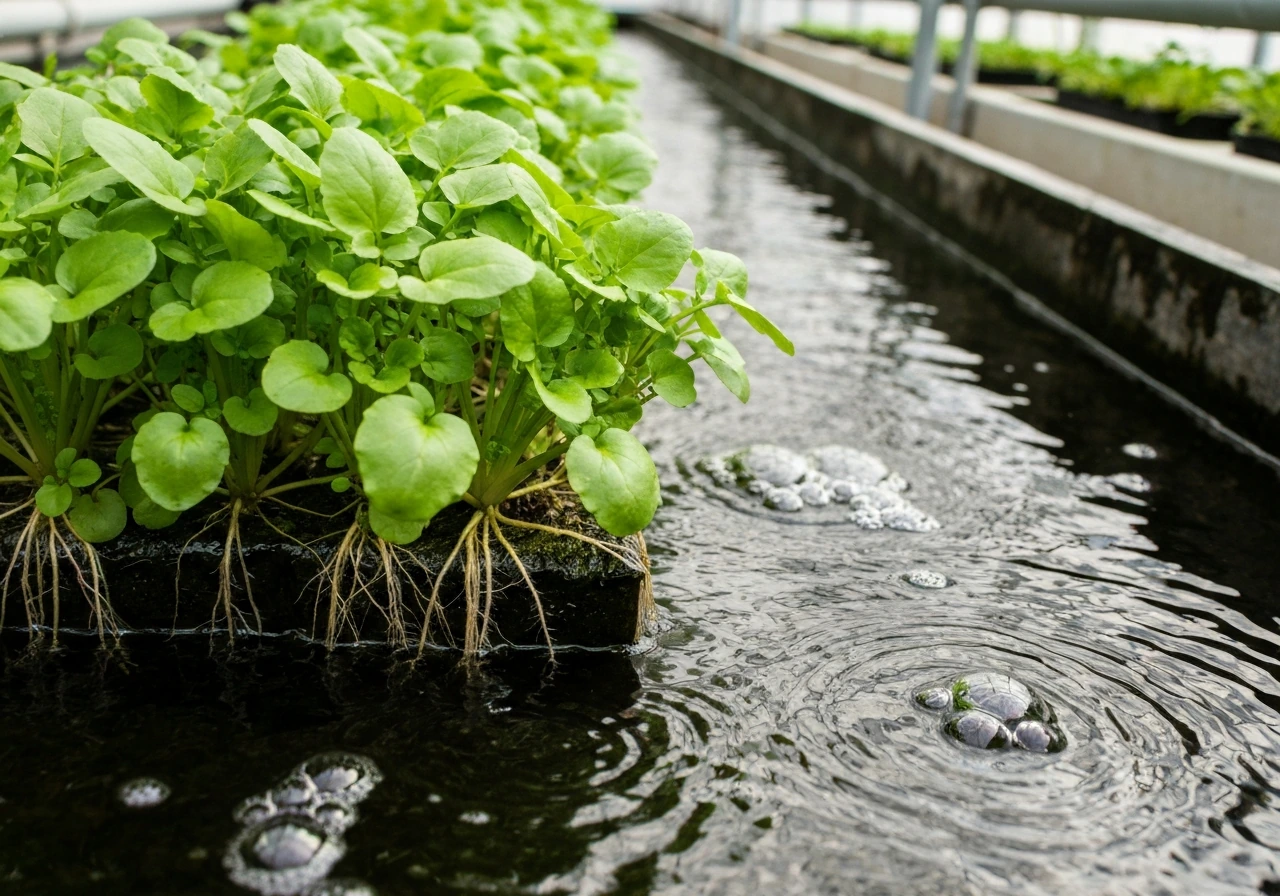
Watercress grows exceptionally well in aquaponics. It thrives in the constant flow of nutrient-rich, oxygenated water that a healthy system produces, and it grows fast enough that you can be harvesting within 4 to 6 weeks of planting. The key is matching your system's water conditions to what watercress actually wants: cool temperatures, good flow, slightly alkaline to neutral pH, and decent light. Get those four things right and this plant practically takes care of itself.
How to Grow Watercress in Aquaponics Step by Step
Marcus Holloway
8 Jul 2026
Choosing the right watercress and growing style
The species you want is Nasturtium officinale, which is true watercress. You'll sometimes see garden cress (Lepidium sativum) sold under similar names, but it's a completely different plant and doesn't perform the same way in aquaponics. Stick with N. officinale and you're working with a semi-aquatic plant that was basically designed for a system like yours.
You have two growing strategies: growing for cut leafy greens (the most common goal) or growing as a propagating, rooting crop where you're constantly cycling in new cuttings. Both work in aquaponics. If you want a steady harvest of tender leaves, treat it as a cut-and-come-again leafy green in a media bed or raft. If you're more interested in propagating new plants or selling starts, focus on a shallower flow channel where cuttings root fast and you harvest whole stems.
One honest note: watercress is a cool-season plant. If your fish tank runs above 75°F (24°C) year-round, you'll fight it constantly. In warm climates, plan for a fall-through-spring production window or invest in a chiller for the grow zone.
Where to put it in your system
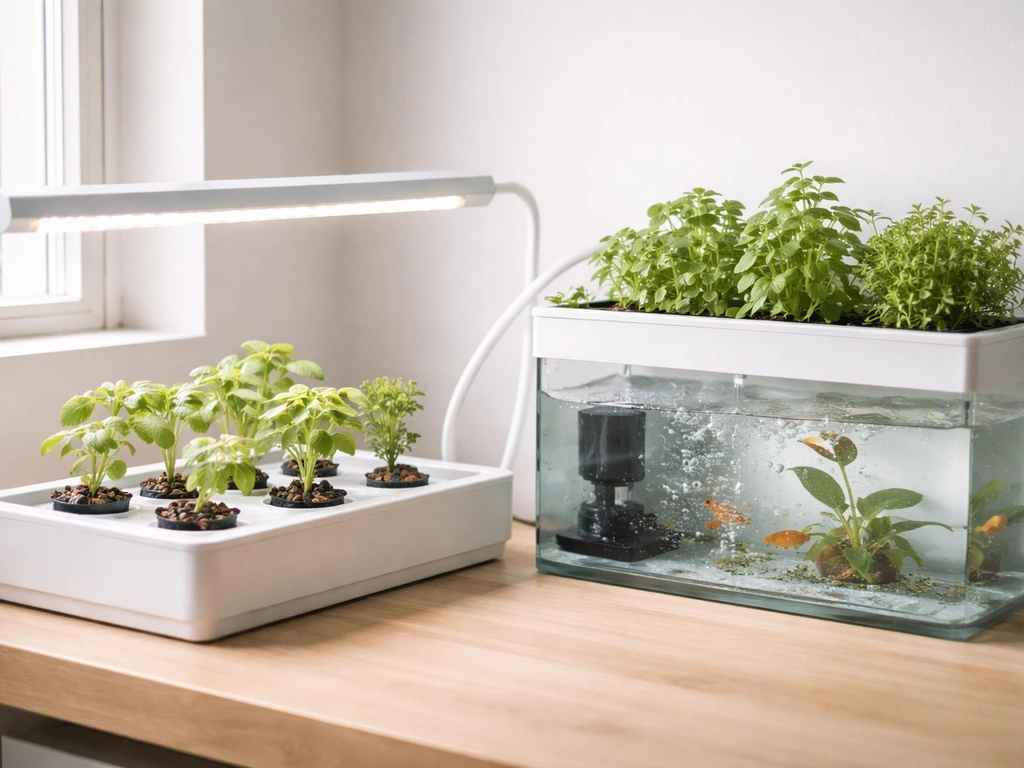
Watercress is flexible about placement, but it has a strong preference for high water contact and good flow. If you want to grow food in water, watercress in an aquaponics raft or DWC channel is one of the fastest, easiest options to start with. Here's how it fits into the three most common aquaponics grow formats:
| Grow Format | How Watercress Fits | Best For |
|---|---|---|
| Media bed (flood and drain) | Roots anchor into gravel or clay pebbles; works well if flood cycles are frequent enough to keep media moist | Beginners, small systems, mixed crops |
| Raft / Deep Water Culture | Roots hang directly in moving nutrient water; watercress loves this setup | Dedicated leafy green production, larger systems |
| NFT / flow channel | Shallow film of water over roots; roots can mat over time but early growth is fast | Propagation, cuttings, high-turnover production |
If you're running a media bed, the biggest mistake is letting the media dry out between flood cycles. Watercress is a riparian plant and it doesn't tolerate dry roots the way basil or tomatoes might. If you want a simpler option for grow media choices, you can also follow these steps on how to grow water plants in fish tank to set up your layout and timing grow in a fish tank. If your timer gives the bed long dry periods, either shorten the drain interval or position watercress in the section of the bed that stays consistently damp near the inlet. Raft beds (DWC-style) are genuinely the best option for watercress because the roots stay submerged in moving, oxygenated water at all times. I switched from a media bed to a dedicated raft channel for my watercress and yields roughly doubled.
Water quality targets
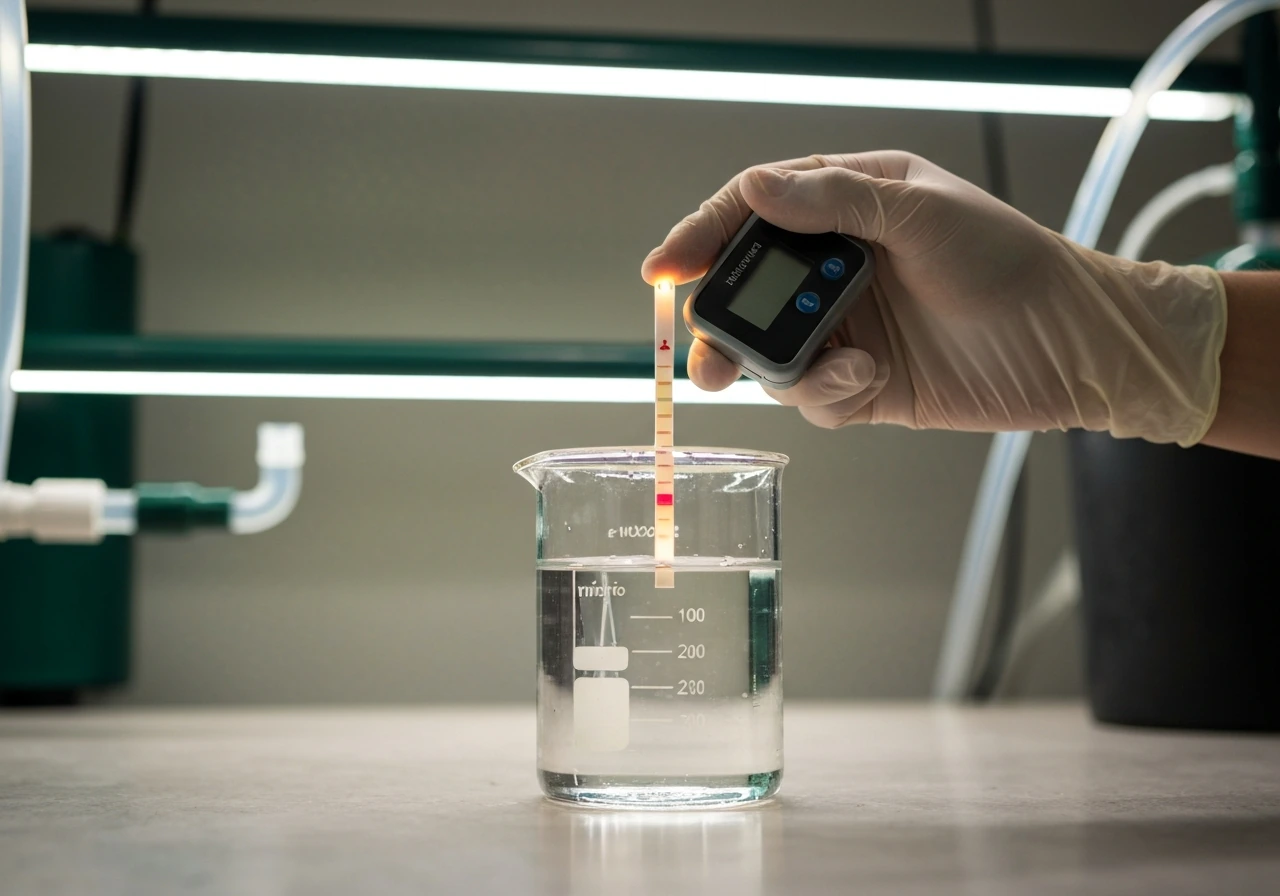
Getting these numbers dialed in is what separates a thriving crop from a frustrating one. Watercress is forgiving on some parameters and strict on others.
| Parameter | Target Range | Notes |
|---|---|---|
| pH | 6.5 to 7.2 | Slightly higher than many aquaponics crops; don't chase 6.0 |
| Water temperature | 50–72°F (10–22°C) | Below 75°F is critical; above that, growth stalls and bolting accelerates |
| Dissolved oxygen | 6–8 mg/L or higher | High DO is essential; stagnant water causes rot and algae |
| Flow rate | Moderate to high | Watercress wants moving water; sluggish flow leads to biofilm buildup |
| Nitrate (NO3) | 20–80 ppm | Nitrate drives leafy growth; too low means pale leaves |
| Ammonia / Nitrite | < 1 ppm / < 0.5 ppm | Standard cycled system targets; watercress is not especially ammonia-tolerant |
The dissolved oxygen target is the one people underestimate. Watercress in nature grows in running streams because it needs that oxygen and flow. In a raft or DWC channel, use an air pump or ensure your water return is creating surface agitation. A simple airline with a fine-bubble diffuser along the bottom of a raft bed works well and costs very little.
Light, planting, and spacing
How much light watercress needs
Watercress grows well in partial shade to full sun. Indoors, aim for 10 to 14 hours of light per day using a T5 fluorescent or a full-spectrum LED grow light positioned 12 to 18 inches above the canopy. If you want more details for growing water plants indoors, see this guide on how to grow water plants at home. Outdoors or in a greenhouse, it will tolerate partial shade and actually prefers it during hotter months since shade helps keep temperatures down. If your plants are leggy and pale, they need more light. If they're short, dark green, and bolting fast, they might be getting too much heat along with the light.
Starting from cuttings vs seeds
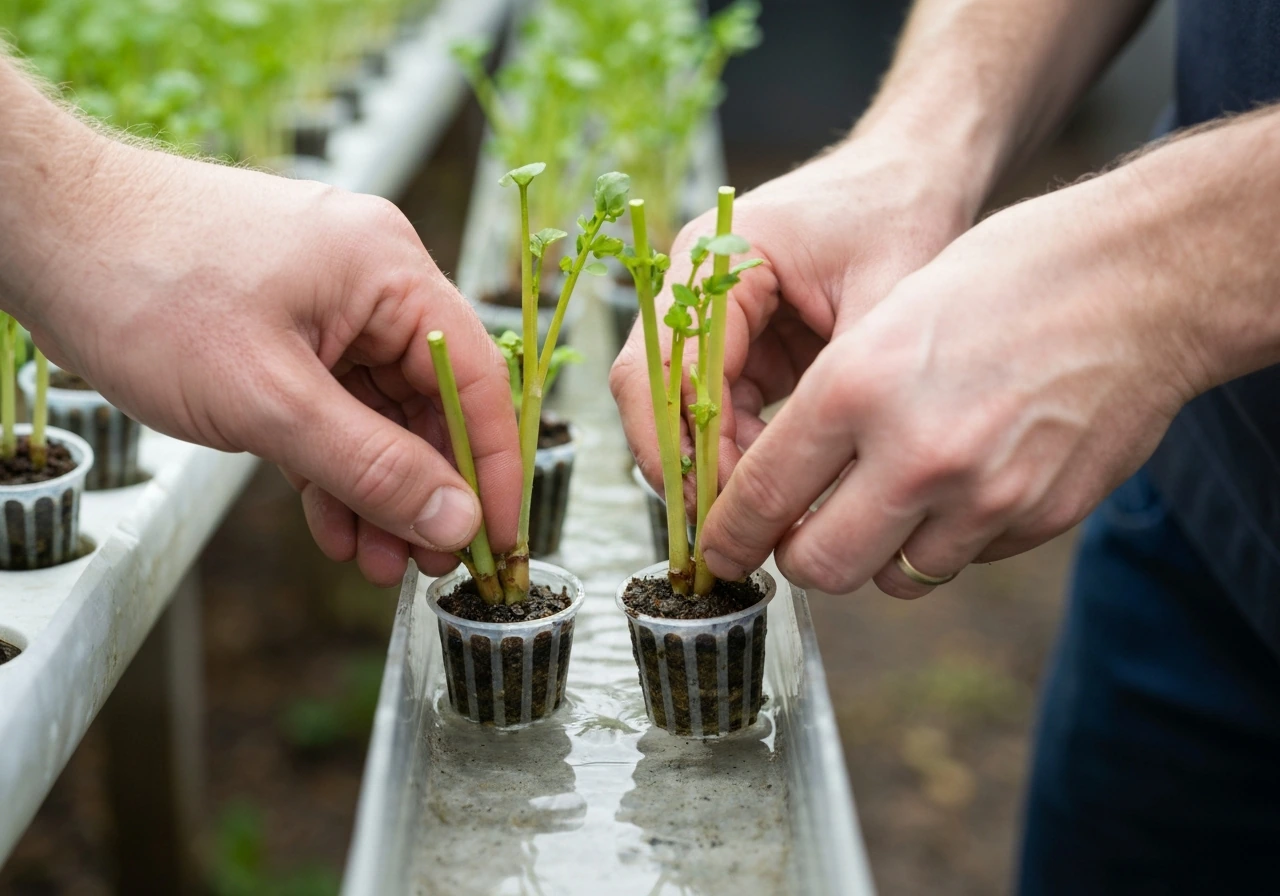
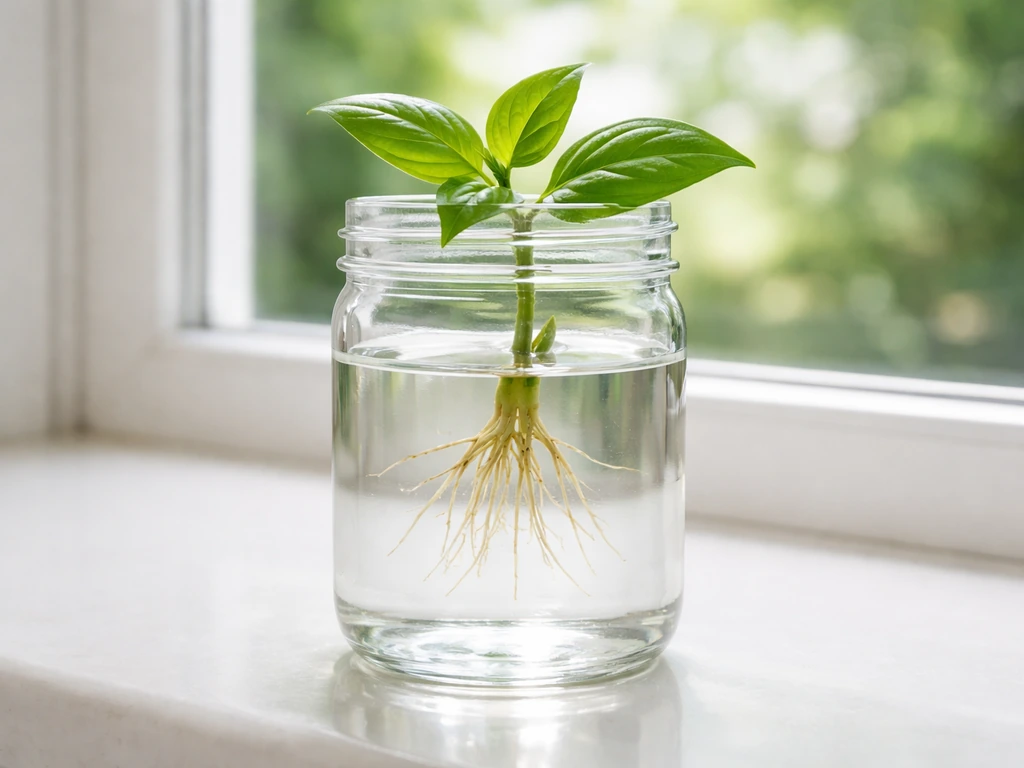
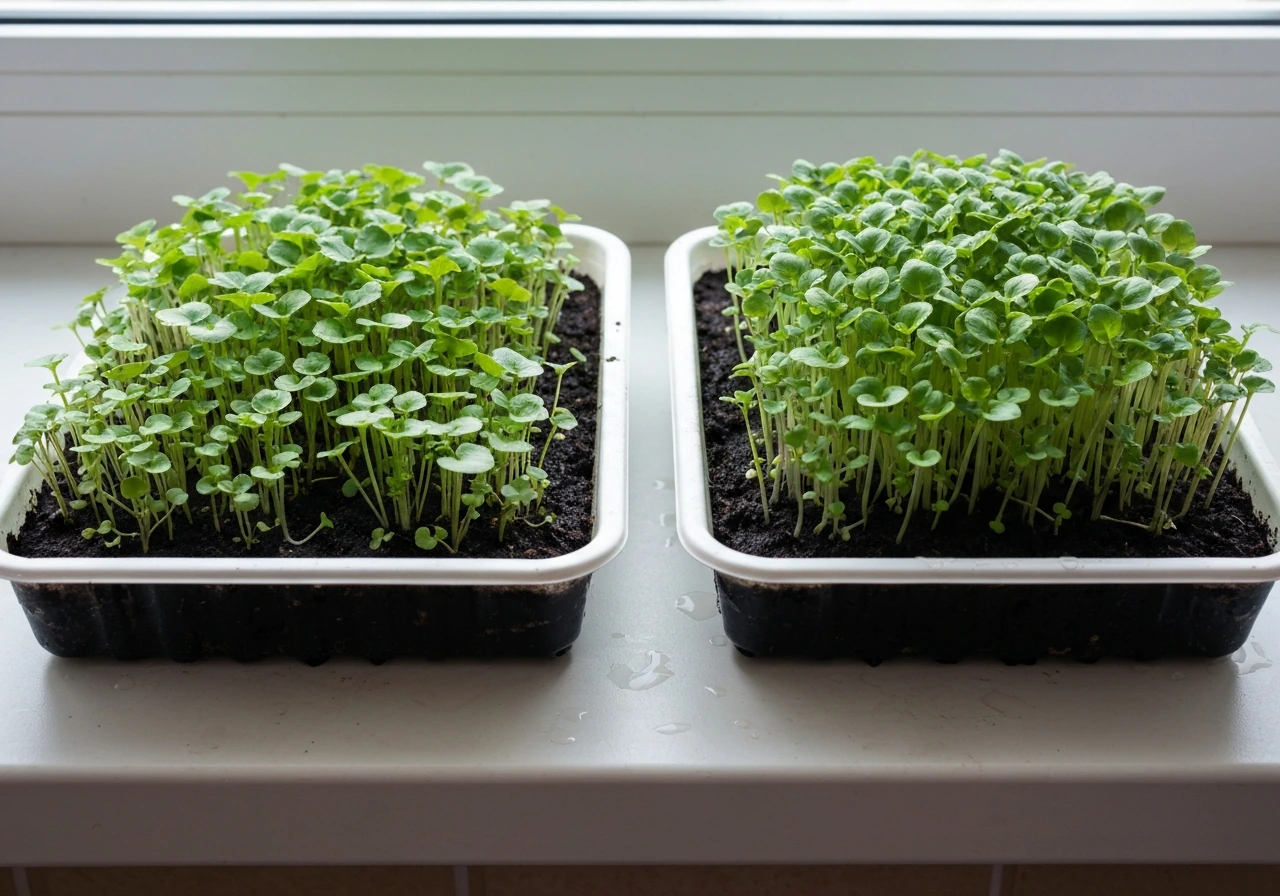
Cuttings are faster and more reliable for getting a crop started quickly. Utah State University Extension notes that watercress (Nasturtium officinale) can be easily propagated by either blank" rel="noopener noreferrer">stem cuttings or seeds. Take 4 to 6 inch stem cuttings and simply place them in your grow channel or net cups with the lower node submerged. Roots emerge within 5 to 10 days in warm conditions. You can even use blank" rel="noopener noreferrer">fresh grocery-store watercress bunches as your cutting source: as long as the stems aren't wilted, they root readily. I've started entire beds this way. Seeds work fine too but add 1 to 2 weeks to your timeline. Surface-sow seeds on a moist grow medium or even directly onto a raft float, then keep them consistently wet. Germination takes 7 to 14 days at 60–70°F (15–21°C).
Spacing
Once plants are established, space them 6 to 8 inches apart (15 to 20 cm). Watercress will spread and fill in the gaps over time, especially in a raft system where runners extend across the water surface. Tight spacing is fine early on and actually helps keep humidity around the young plants, but you'll need to thin or harvest aggressively once the canopy closes to maintain airflow and prevent rot at the base.
Balancing fish nutrients for leafy watercress growth
Watercress is a nitrogen-hungry leafy green, which makes it a natural fit for aquaponics. The plant wants a steady supply of nitrate for lush, dark leaf production. For a small raft bed of about 4 square feet growing watercress as the primary or only crop, a stocking density of roughly 0.5 to 1 pound of fish per 10 gallons of system volume is a reasonable starting point. Tilapia, goldfish, and channel catfish all work well as the fish side of the system. Trout is an especially good match because it thrives in the same cool water temperatures that watercress prefers.
Watch your nitrate levels closely. Below 20 ppm and your watercress will look pale and grow slowly. Above 100 ppm consistently, you risk stressing your fish and encouraging algae. If your nitrates are climbing too high, either add more plant mass (watercress grows fast enough to absorb a lot), reduce feeding, or do a partial water change. If nitrates are too low and your leaves are yellowing, increase fish feed slightly or add a companion crop of higher-bioload fish.
One thing to avoid: don't add liquid fertilizers or synthetic nutrient additives to an aquaponics system to compensate for low fish output. Fix the root cause (literally: more fish, more feed, or lower plant density) rather than turning your system into a hybrid hydro/aquaponics setup unless you've specifically designed it that way.
Harvesting and keeping production going
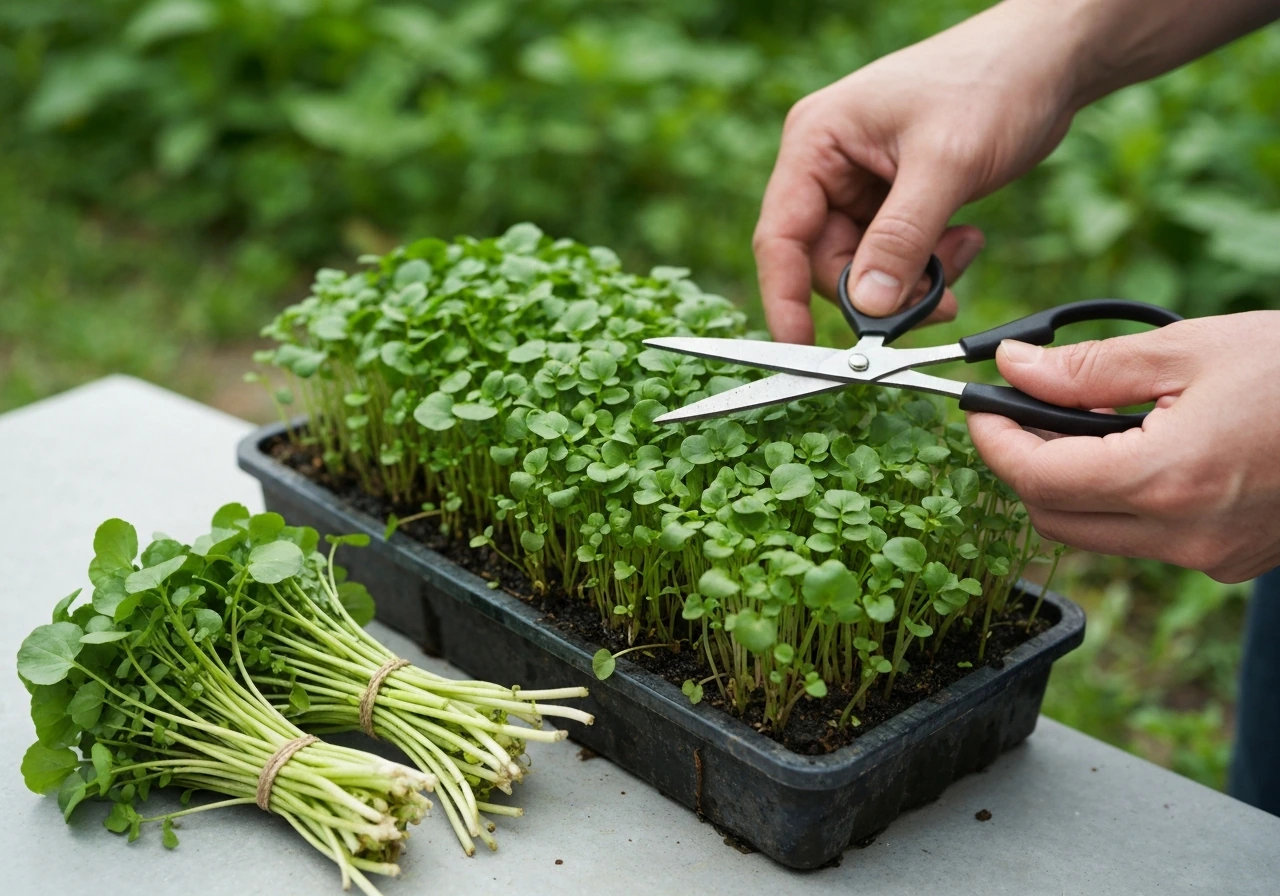
Watercress is a cut-and-come-again crop, which means the more you harvest it, the more it produces. Start harvesting when plants are 6 to 8 inches tall, usually 4 to 6 weeks after planting depending on temperature and light. Cut stems back to about 2 to 3 inches above the base or the waterline, leaving at least two or three leaf nodes on the plant. New shoots will emerge from the cut nodes within a week.
Harvest every 1 to 2 weeks once production is established. Don't let plants bolt (flower and go to seed) if you want tender leaves: as soon as you see flower buds forming, cut the whole flowering stem back hard. Bolted stems taste bitter and signal the plant is switching energy to reproduction rather than leaf growth.
For ongoing maintenance, check the grow area weekly for dead leaves or stem pieces sitting in the water. These decompose quickly and become a biofilm and algae food source. In a raft system, do a quick visual scan under the float every 2 weeks and remove any dead plant material. In a media bed, stir the upper layer of media gently during harvest to break up any compaction and spot any root rot early.
A simple weekly monitoring checklist
- Check and log pH (target 6.5 to 7.2)
- Check water temperature (flag anything above 74°F / 23°C)
- Test nitrate levels (target 20 to 80 ppm)
- Visually check for yellowing, bolting, or slow growth
- Remove dead leaves and debris from grow area
- Inspect roots for sliminess or discoloration
- Harvest any stems at 6 to 8 inches or showing flower buds
Troubleshooting common problems
Slow growth or poor germination
The most common cause is water temperature being too cold (below 50°F / 10°C) or too warm (above 75°F / 24°C). Check your actual water temp with a thermometer, not an assumption. Second culprit: low nitrates. If your fish load is light or your system is newly cycled, nitrate might be sitting below 10 ppm, which isn't enough to push leafy growth. Third: not enough light. Bump your photoperiod to 12 to 14 hours if you're growing indoors.
Yellowing or pale leaves
Yellow leaves on watercress almost always point to nitrogen deficiency (low nitrates) or iron deficiency. Check your nitrates first. If they're above 30 ppm and leaves are still yellowing, test your pH: a pH above 7.5 can lock out iron even when it's present in the water. Lower pH slightly toward 6.8 to 7.0. If your system uses well water with high mineral content, you may need to add a chelated iron supplement (iron EDTA or iron DTPA are aquaponics-safe) at a very low dose.
Bolting
Watercress bolts when it's too warm, under too much direct light, or it's been left unharvested for too long. Cut flowering stems back immediately and check your water temperature. If you're in a warm season, consider shading the grow area and increasing airflow around the canopy. Bolted plants can recover if you cut them back hard and cool the system down.
Algae and biofilm in the grow area
Green algae or slimy biofilm in a watercress raft or channel usually means two things are happening at once: too much light hitting the water surface and too little flow. Algae needs light to grow, so covering any exposed water surface with black plastic or opaque material cuts algae off from its energy source. Increase flow rate to prevent dead zones where biofilm can establish. If algae is already thick, do a manual cleanout during a harvest cycle: lift the raft, scrub the channel walls, and rinse thoroughly before replacing plants.
Root rot or slimy roots
Brown, mushy, or slimy roots in watercress are a sign of low dissolved oxygen or inadequate flow, not overwatering (remember, this plant lives in streams). Check your air pump output and make sure diffusers aren't clogged. In a media bed, root rot can also happen when dead media compacts and cuts off water circulation. Stir or replace the top 2 inches of media in affected zones and consider switching compacted gravel to expanded clay pebbles, which hold their structure better.
Clogged media or slow drainage
Watercress root mats are thick and can clog media beds over time. Every 2 to 3 months in an active system, lift a section of plants, pull old root material from the media, and replant fresh cuttings into the cleared spots. This is also a good time to check that your standpipe or drain isn't partially blocked by root material. Keeping a 2 to 3 inch clear zone around your drain hardware helps a lot.
Scaling up and keeping production consistent
Once your first bed is producing reliably, scaling is straightforward. Watercress cuttings from your existing crop can start new channels or beds: you'll never need to buy seeds or transplants again once you have a healthy mother stand. Stagger your planting so one section is always in early growth while another is ready to harvest. A simple rotation of three zones, each planted 2 weeks apart, gives you continuous harvest on a rolling schedule.
If you're running watercress alongside other crops (which works well since it's a good companion in aquaponics systems alongside leafy greens and herbs), make sure its higher water and flow needs don't compromise other plants in the same bed. Watercress in a dedicated raft channel and other crops in media beds is a clean split that avoids most compatibility issues.
Aquaponics is also a great platform for experimenting with other water-loving plants alongside watercress. If you're interested in how watercress fits into broader aquatic and semi-aquatic growing strategies, the same principles of flow, oxygenation, and nutrient balance apply whether you're growing food in water, setting up water plants in a fish tank, or exploring a full water garden setup. Watercress is one of the easiest entry points into any of those directions.
To get started today: grab a bunch of fresh watercress from a grocery store or nursery, strip the lower leaves from 4 to 6 inch cuttings, drop them into net cups or directly into your raft channel, set your pH to 7.0, make sure your water temperature is under 72°F, and set your lights for 12 hours. Check back in a week and you'll almost certainly have roots and new leaf growth already underway.
FAQ
Can I grow watercress in aquaponics with a low-bubble aerator, or do I need a diffuser?
You can start without a diffuser, but watercress is very sensitive to oxygenation and flow dead zones. If you are not using fine-bubble diffusers, make sure your return line creates visible surface agitation across the whole raft, and periodically check for “stagnant” corners where roots start turning brown or slimy.
What pH should I aim for if my system swings up and down during the day?
Aim for about 7.0 as a target, but the bigger goal is keeping the pH from spending long periods above 7.5. If your pH is fluctuating, prioritize alkalinity stability (buffering) and avoid abrupt changes that can shock fish and temporarily reduce nutrient availability for the watercress.
How do I tell if yellowing watercress is nitrogen deficiency or an iron issue?
Check nitrates first as the baseline, then look at timing. If nitrates are under 20 ppm, assume nitrogen. If nitrates are acceptable and the newest growth is pale while older leaves look less affected, that pattern often points to iron lockout from high pH, especially when pH is above 7.5.
Is it better to start watercress from seeds or from grocery-store bunches in an aquaponics system?
For the fastest, most reliable first harvest, grocery-store watercress cuttings are usually better because rooting begins in days under warm, oxygenated conditions. Seeds can work, but expect an added 1 to 2 weeks to first growth, and you must keep the surface consistently wet so they do not dry out before they establish.
Should I grow watercress in a media bed if my flood cycle has long dry periods?
If your timer creates extended dry phases, watercress often struggles because its roots prefer continuous wet conditions. Either shorten the drain interval, increase wet-time near the inlet by using placement, or switch to a raft/DWC channel for better root health and fewer rot problems.
What stocking density should I use if my system is not fully mature?
Start more lightly than the usual guide when cycling or just after cycling, because nitrate production can lag behind feeding. If nitrates sit below about 10 to 20 ppm for more than a short period, increase plant mass or feeding gradually, but do not jump to the highest fish loading immediately.
Can I co-grow watercress with other crops in the same raft or channel?
Yes, but keep watercress as the “flow and oxygen” priority. Avoid pairing with plants that tolerate stagnant water or warmer conditions in the same channel. If you must mix crops, choose water-loving, cool-season plants, and ensure the whole bed receives the same circulation so watercress does not become a sacrificial sacrificial crop.
Why does my watercress keep bolting even when temperatures seem only slightly warm?
Bolting is often triggered by a combination of heat, light intensity, and harvest delay. Even if average temperature is near your limit, check peak water temperature and canopy heat from strong direct light. If you see buds, cut back immediately, and reduce heat by shading or improving airflow around the canopy.
What’s the safest way to clean up algae or biofilm without crashing water quality?
Remove excess algae during harvest so nutrients are not redistributed at random. Lift and scrub only what you can rinse thoroughly, then restart with healthy plants rather than dumping entire biofilm masses back into the system. Also, address the cause first (reduce exposed surface light and improve flow) or it will return quickly.
Do I need to thin watercress, or can I just harvest and let it fill in?
You should plan to thin or harvest aggressively once runners start to close the canopy. Dense growth reduces airflow at the base and increases the odds of base rot, even if nutrients and oxygen are adequate. A good rule is to keep plants spaced early, then switch to regular cutting intervals once the canopy fills.
How do I prevent watercress root mats from clogging the system over time?
In active systems, plan a root-mat “refresh” every 2 to 3 months. Clear out old root material from affected sections, replant with fresh cuttings, and maintain a clear zone around drain hardware (roughly 2 to 3 inches) so standpipes do not slowly choke.
What should I do if dissolved oxygen seems fine, but roots still turn brown and mushy?
First confirm that diffusers are not partially clogged and that circulation reaches every plant area, not just the middle. Next, inspect for compacted media or dead plant residues that can reduce local oxygen. In media beds, stirring the upper layer and improving water movement often fixes the issue without changing your overall watering schedule.