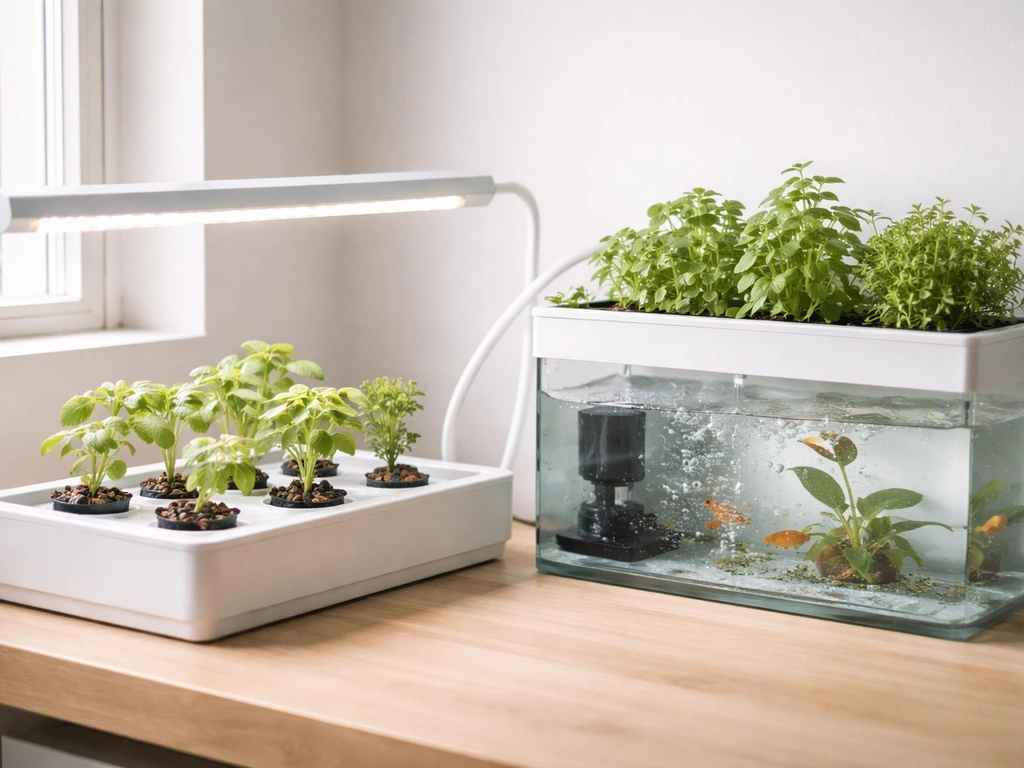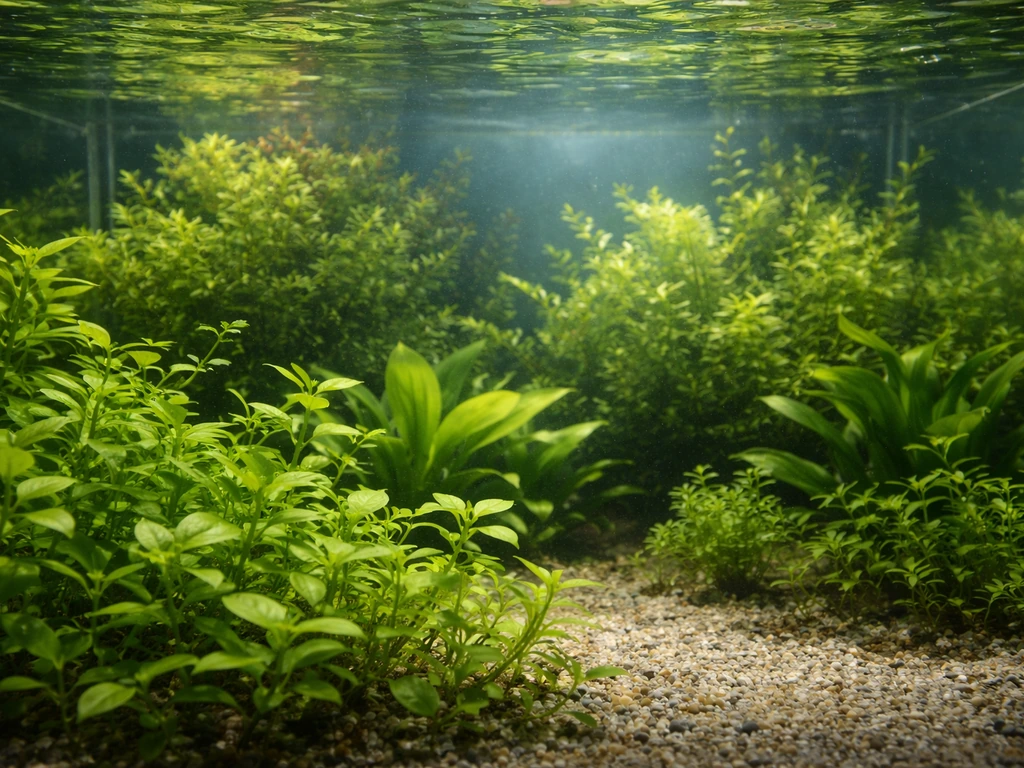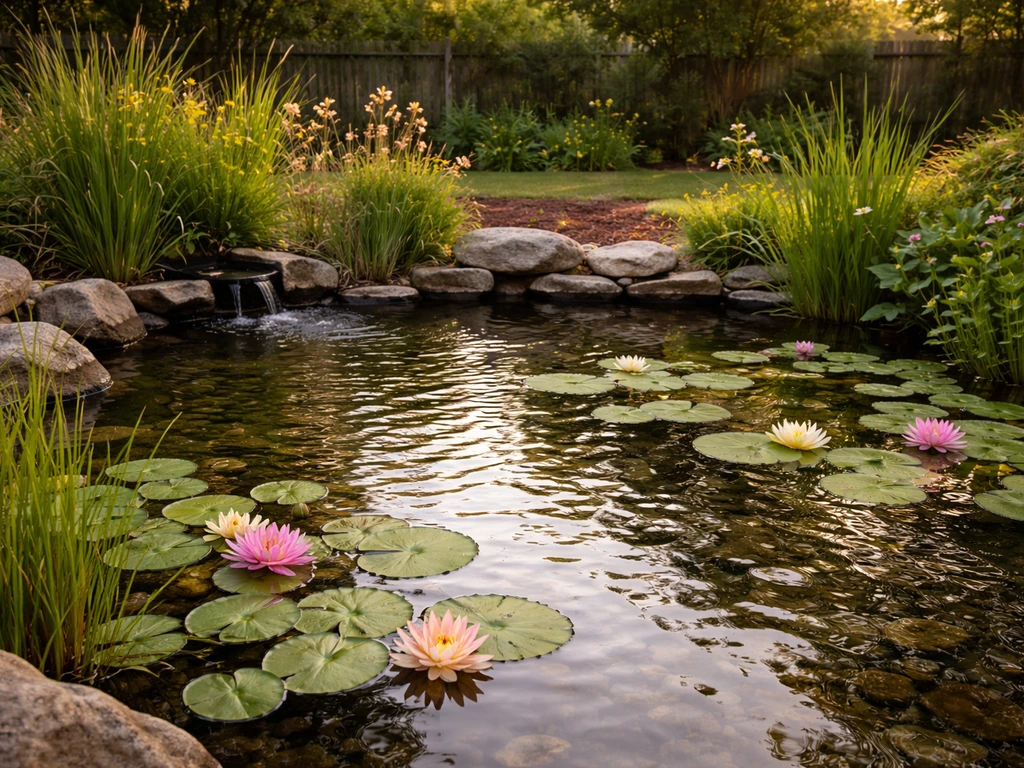
You build and biologically 'grow' a flowing stream ecosystem by combining a recirculating pump, basic filtration, cycled water, and the right mix of aquatic plants and (optionally) animals in a shaped container, raceway, or lined pond channel. Get those four things working together and you have a living stream: clear water, growing plants, stable chemistry, and a habitat that essentially maintains itself with weekly checkups.
How to Grow a Stream: Build a Flowing Aquatic System
Marcus Holloway
9 Jun 2026
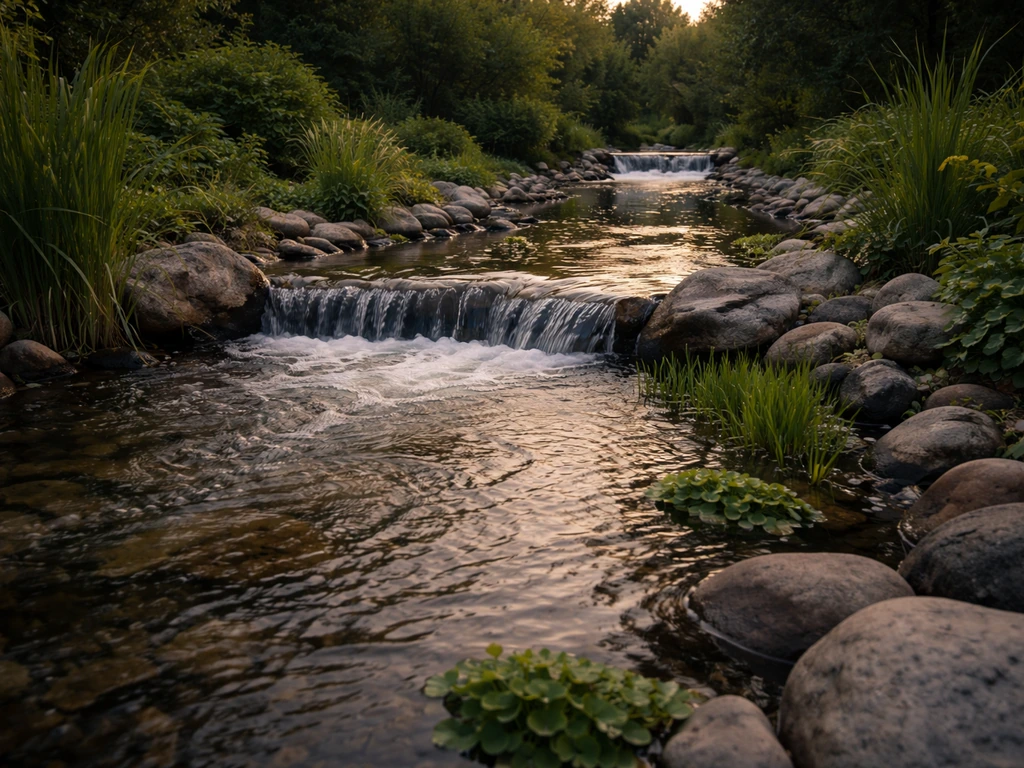
This guide covers both sides of the phrase: physically constructing the flowing habitat and making it biologically productive. Whether you want a lush indoor watercress raceway, an outdoor streambed lined with marginals and mosses, or a mini recirculating channel stocked with small fish or shrimp, the fundamentals are the same. If you want step-by-step guidance, this guide shows how to grow a water garden by setting up the right flow, filtration, and plant selection, then cycling the system before adding anything living the fundamentals are the same. Here is exactly how to do it.
Choose your setup: container, raceway, or pond-style stream
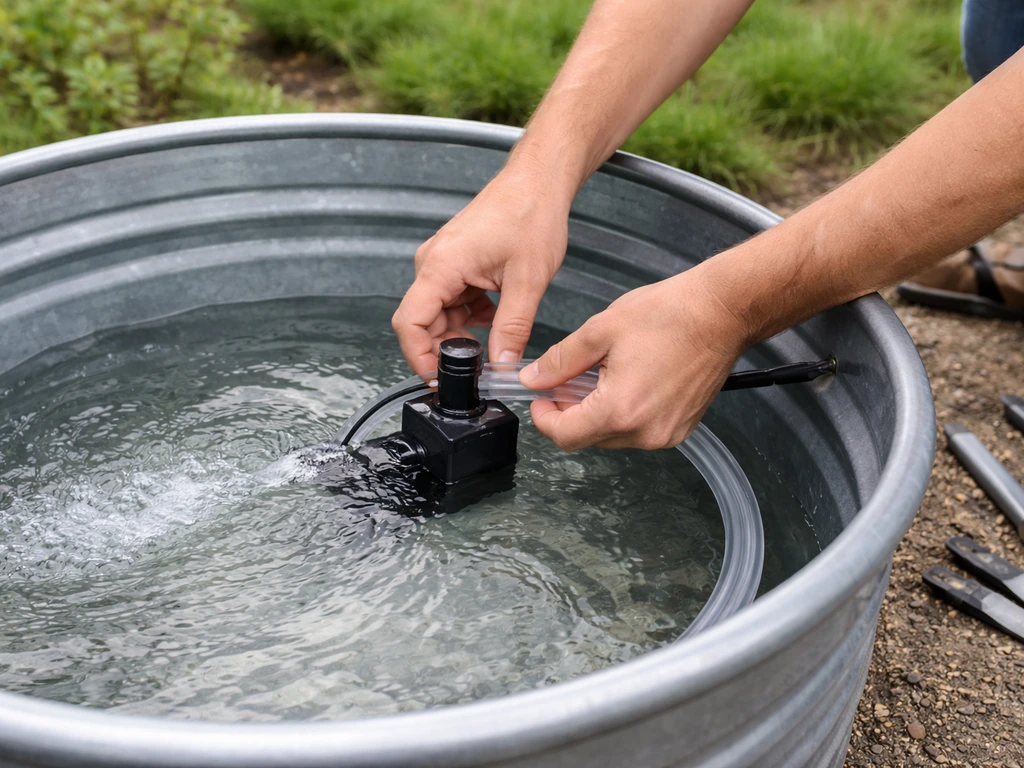
The first decision shapes every other one: how much space do you have, and what do you want to grow? There are three practical formats for a home or small-scale stream system.
Container or tub stream (beginner-friendly)
A 20–100 gallon stock tank, IBC tote section, or large plastic trough works as a compact recirculating stream. Water moves from one end to the other via a pump, drops over a small lip or through a spray bar, and returns. This is the easiest to set up, control, and move indoors for winter. It is the format I recommend for anyone starting out.
Raceway (for plant or algae production)
A raceway is a long, narrow channel, typically 6–12 inches wide and 4–20 feet long, where water flows in one direction at a controlled rate. It maximizes surface exposure for plants like watercress, water celery, or filamentous algae. Raceways are common in aquaponics and are the format closest to commercial stream cultivation. You can build one from timber and a pond liner or from PVC guttering for small-scale indoor use.
Pond-style flowing stream (outdoor, larger scale)
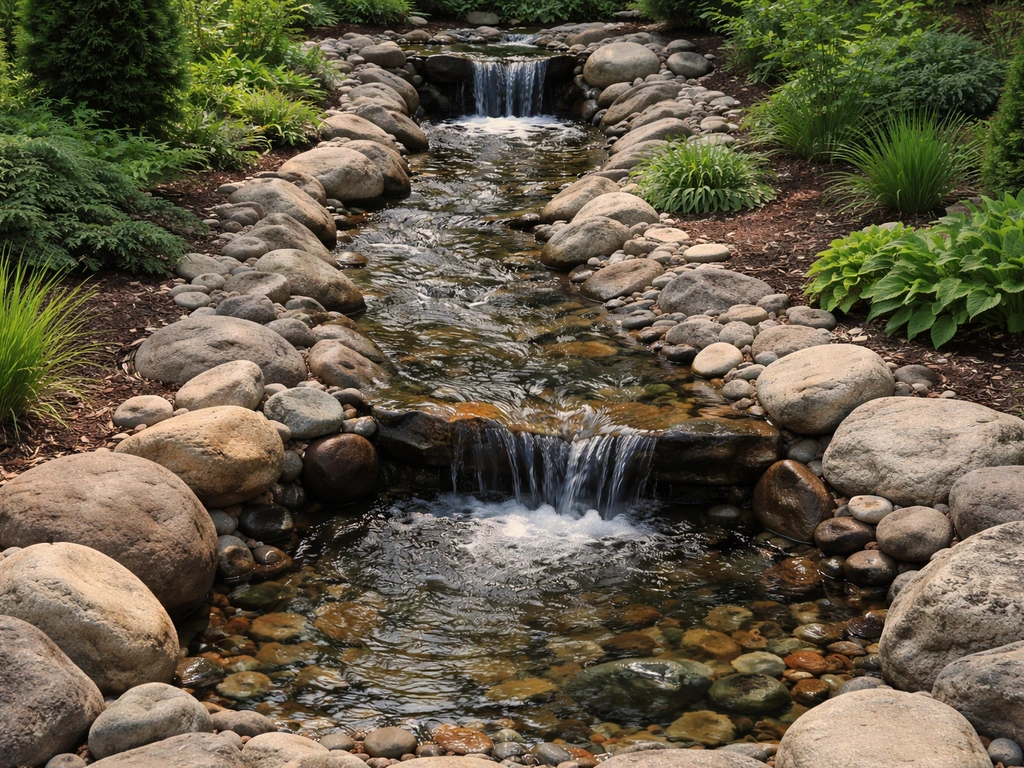
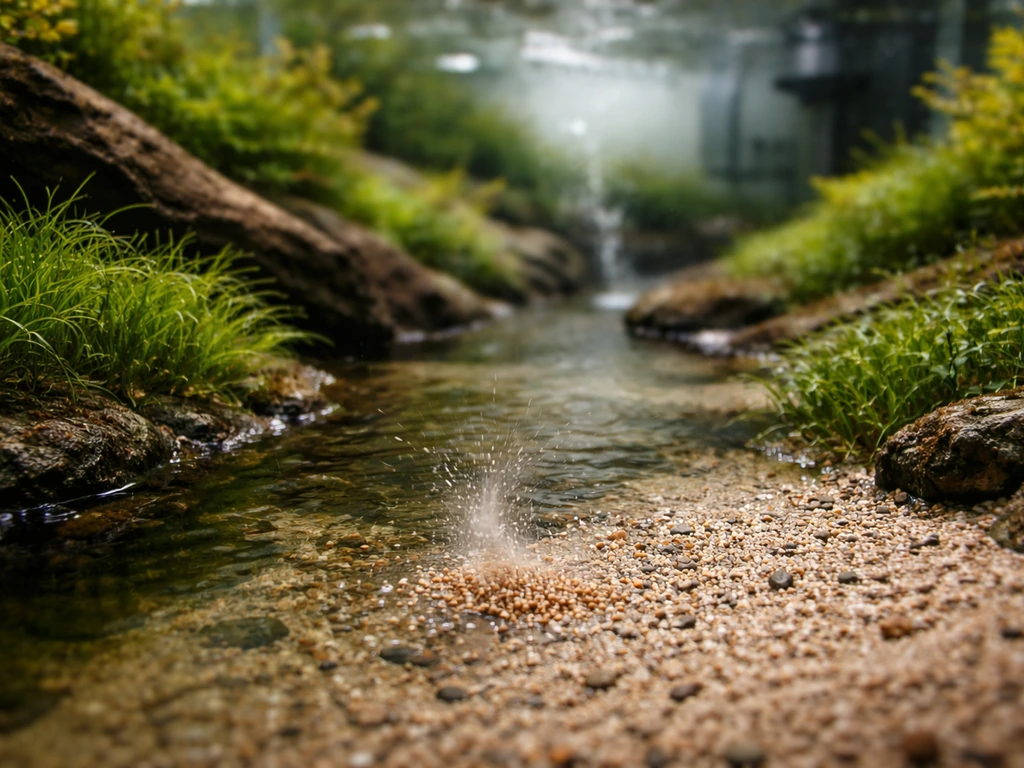
This is a shaped, lined channel in the ground or raised above grade, with a pump at the lowest point recirculating water to the head of the stream. It can include a waterfall, planted shelves, and gravel substrate. It looks the most natural and supports the widest range of plants and animals, but requires the most planning and maintenance. If this is your goal, the design principles below still apply, just at a larger scale.
| Format | Best For | Volume Range | Difficulty | Indoor/Outdoor |
|---|---|---|---|---|
| Container/tub | Beginners, small plant trials, shrimp | 20–100 gal | Low | Both |
| Raceway | Plant/algae production, aquaponics | 10–80 gal | Medium | Both |
| Pond-style stream | Full ecosystems, fish, naturalistic look | 100–1,000+ gal | High | Outdoor mainly |
Recommendation: start with a container or raceway. You will learn water chemistry, pump sizing, and plant management much faster in a small system where mistakes are cheap and corrections are quick.
Build water flow and life support: pump, filtration, oxygenation, recirculation
Flow is what makes a stream a stream rather than a pond. Getting it right means choosing a pump with enough real-world output, running the water through filtration, and ensuring oxygen exchange. This is where most beginners undersize things and then wonder why the water goes cloudy or smells.
Pump sizing: match flow to your volume and head height
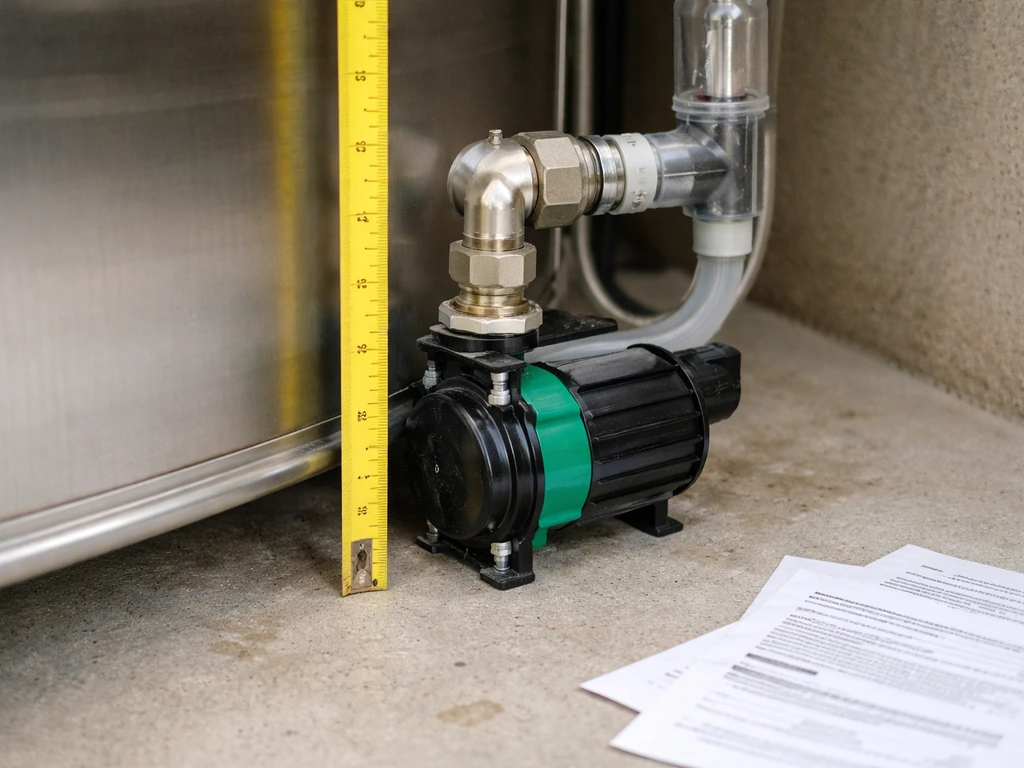
The standard target for a healthy recirculating system is to turn over the total water volume once per hour. Environmental Literacy Council also frames a healthy-pond guideline around aiming for about once-per-hour total turnover, where the pump moves enough water that the pond’s volume circulates roughly every hour. A 50-gallon container needs a pump rated at a minimum 50 GPH at your actual head height, and ideally 100 GPH to give yourself buffer. For pond-style streams with a waterfall, a commonly used rule of thumb is 400 GPH for every foot of waterfall height. A 2-foot drop with a 200-gallon system needs a pump capable of at least 800 GPH to cover both the head lift and the turnover target.
One critical thing: pump ratings on the box are open-flow numbers at zero resistance. Real flow drops with every foot of head height and every elbow or length of tubing. Always check the pump curve chart before buying and look at the flow at your actual head height, not the headline number. A pump rated at 3,500 GPH may deliver 1,200 GPH at 4 feet of head. I learned this the hard way with my first stock tank build, where a 'powerful' pump moved almost no water by the time it reached the spray bar.
Filtration: mechanical first, then biological
At minimum, run water through a mechanical pre-filter (foam, filter floss, or a mesh basket) to catch debris before it clogs your pump. After that, biological filtration is what keeps ammonia and nitrite in check, either through a dedicated bio-media chamber, a trickle filter, or a thick plant bed that does the work naturally. For plant-only systems, healthy root mass and surface area on gravel often handle biofilter duties. For systems with fish or shrimp, a dedicated biological filter is non-negotiable.
Oxygenation
A moving stream surface inherently oxygenates water through splash and turbulence, which is one reason stream systems outperform still ponds for plant and animal health. To maximize this, design your return point to break the water surface: a spray bar, a small waterfall drop, or a diffuser pipe all work well. If you are running a deeper container or adding fish, add a small air pump and airstone as insurance, especially overnight when plants consume rather than produce oxygen.
Prepare the water and cycle the system
Before adding any living thing, you need safe, chemically stable water and an established colony of beneficial bacteria (the nitrogen cycle). Skipping this step is the single most common reason beginner stream systems crash within the first few weeks.
Dechlorination and water prep
Tap water contains chlorine or chloramine, both of which kill the beneficial bacteria you need. Add a dechlorinator (sodium thiosulfate-based liquid dechlorinator, or a full water conditioner like Seachem Prime) to the full volume before doing anything else. Follow label dosing, typically 1 ml per 10 gallons for basic dechlorinators or as labeled for chloramine-treating products. If you are using rainwater or well water, test for pH, hardness, and ammonia first, since these vary widely.
Target water parameters
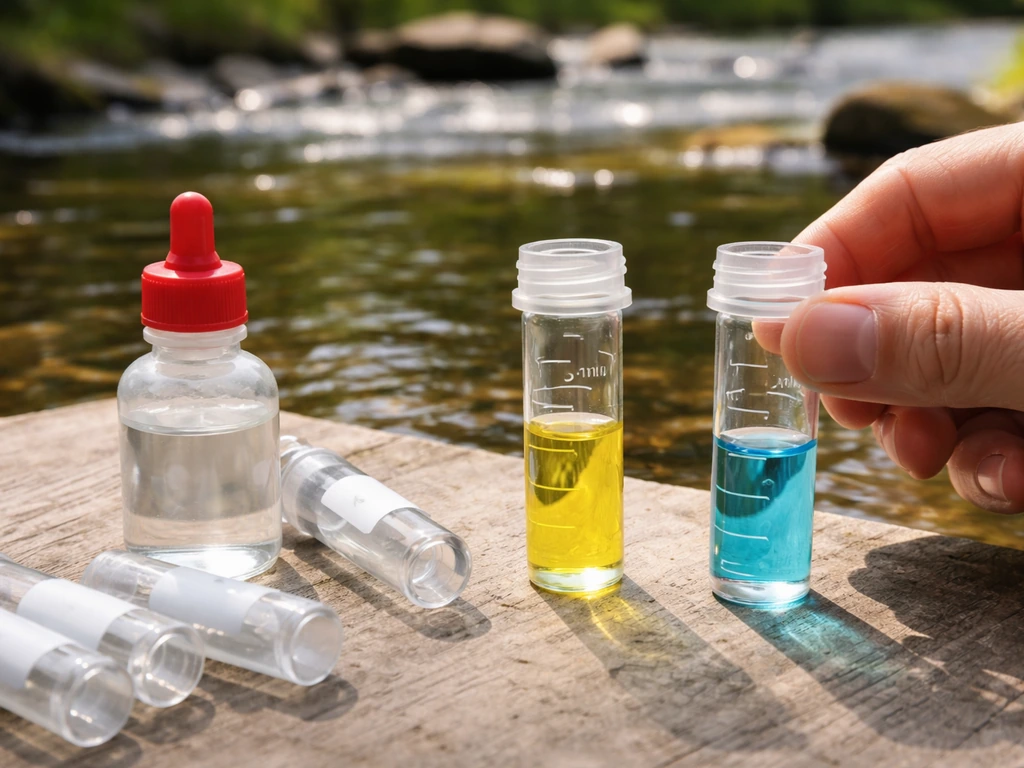
- pH: 6.5–7.8 (most aquatic plants and common freshwater animals thrive in this range)
- General hardness (GH): 50–100 ppm
- Alkalinity (KH): 54–140 ppm (approximately 3–8 dKH)
- Temperature: 65–75°F (18–24°C) for temperate stream species; adjust for tropical species
- Ammonia: 0 ppm once cycled
- Nitrite: 0 ppm once cycled
- Nitrate: below 20 ppm for sensitive animals; up to 40 ppm for plant-only systems is generally fine
Cycling the system
Cycling means building up the Nitrosomonas and Nitrospira bacteria that convert toxic ammonia (from fish waste, decomposing plant matter, or added ammonia) into nitrite and then into relatively harmless nitrate. A standard fishless cycle takes 3–6 weeks. Add a small amount of pure ammonia or a pinch of fish food daily, test with a liquid test kit (not strips, which are notoriously inaccurate) every 2–3 days, and wait until ammonia and nitrite both read 0 ppm within 24 hours of a 2 ppm ammonia dose. Speed up cycling by adding commercially available nitrifying bacteria products, seeding with gravel or filter media from an established system, or planting heavily from day one, since plant roots support bacterial colonization.
Select plants and algae, then establish growth
This is where the system comes alive. Plants do three things in a stream setup: they consume excess nutrients (keeping water clear), they oxygenate the water during daylight, and they provide habitat structure. Choose species that match your flow rate, light level, and temperature.
Good starter species for flowing systems
- Watercress (Nasturtium officinale): fast-growing, edible, thrives in moving cool water, excellent nitrate uptake
- Water celery / Oenanthe: similar to watercress, popular in raceway setups
- Java fern and Anubias: low-light tolerant, attach to rocks or wood, no substrate needed
- Water mint (Mentha aquatica): marginal plant, strong grower, aromatic, good for edges
- Hornwort (Ceratophyllum): free-floating or weighted, extremely effective oxygenator and nutrient absorber
- Azolla (fairy moss): floating nitrogen-fixer, rapid growth, good for shaded raceway channels
- Filamentous algae (controlled): in outdoor systems, a thin mat of beneficial green algae on rocks is natural and supports invertebrates
Lighting
Outdoor stream systems in full sun need no artificial lighting. Indoors, most aquatic plants need 8–12 hours of light per day. Use a full-spectrum LED grow light or aquarium plant light positioned 6–12 inches above the water surface. A simple plug-in timer set to a consistent daily photoperiod prevents algae imbalances caused by irregular lighting.
Nutrients and fertilization
In a stream with animals, fish and crustacean waste usually supplies enough nutrients for moderate plant growth. In a plant-only system, dose a liquid aquatic fertilizer weekly according to label directions, focusing on nitrogen, phosphorus, and potassium (the macro trio), plus iron for green color. Avoid over-dosing: it feeds algae, not just your plants. If you are growing edible species like watercress, stick to food-safe fertilizers and flush the system with clean water for 48 hours before harvest. To get the best results with this leafy crop, follow a watercress-focused approach to lighting, nutrients, and flow inside your aquaponics stream watercress in aquaponics.
Seeding and propagation
Most aquatic plants establish fastest from cuttings or divisions rather than seed. Anchor stem cuttings in gravel with plant weights or tuck them into substrate. Floating plants simply need to be placed on the surface. For algae seeding in outdoor systems, a small handful of established green algae from a healthy pond or stream pressed against a wet rock surface will colonize within 1–2 weeks in good light. Give new plantings 2–3 weeks before judging their success; some dieback on first introduction is normal.
Optional animals: stocking, feeding, and waste management
Adding fish or crustaceans turns your stream into a full ecosystem and provides natural nutrient cycling, but it also increases the biological load. Do not add animals until your system has fully cycled and plants are established.
Good animals for a stream system
- Cherry shrimp or Amano shrimp: excellent algae grazers, low bioload, safe with most plants
- White cloud mountain minnows: cold-tolerant, active, work well in cool stream temperatures
- Dace or rosy red minnows: suitable for outdoor stream setups, handle temperature swings
- Small crayfish species (Cambarellus): compatible with some robust plants, interesting behavior
- Snails (nerite or pond snails): effective cleanup crew for algae and detritus
Stocking and feeding
Start conservatively: a few shrimp or 5–6 small fish in a 50-gallon system is enough to seed the nutrient cycle without overwhelming it. Feed fish small amounts once or twice daily, only what they consume in 2–3 minutes. Uneaten food is the fastest route to ammonia spikes. As your plant mass increases, you can increase stocking gradually, using weekly ammonia and nitrite tests to confirm the system can handle the load.
Waste management
In a well-planted, properly flowing stream, the plants absorb most of the nitrate that accumulates from animal waste. However, solids still settle in low-flow areas. A weekly rinse of the mechanical filter and a light vacuuming of settled detritus keeps things from building up. In raceway systems, a settling basin or mesh basket at the inflow end captures solid waste before it enters the plant channel.
Maintenance and troubleshooting
A healthy stream system needs about 15–30 minutes of weekly attention once it is established. Most problems telegraph early, and catching them before they compound is the key to not losing plants or animals.
Weekly maintenance checklist
- Check pump output and clean pre-filter foam or mesh
- Test ammonia, nitrite, nitrate, and pH with a liquid test kit
- Trim fast-growing plants and remove dying leaves before they decompose
- Top off evaporated water with dechlorinated water
- Observe animals for abnormal behavior, labored breathing, or lesions
- Check for dead spots (still water, surface film, or waste accumulation) and redirect flow if needed
Cloudy water
Milky or white cloudiness in the first few weeks is usually a bacterial bloom, a harmless sign that the nitrogen cycle is establishing. It clears on its own within 1–2 weeks. Green cloudiness is free-floating algae, caused by too much light, excess nutrients, or insufficient plant competition. Reduce light to 8 hours, cut back fertilizer, and add more rooted or floating plants to outcompete the algae. Brown cloudiness is usually a tannin release from wood or substrate; it is harmless but clears with activated carbon in the filter.
Algae overgrowth
Some algae on rocks is healthy and normal in a stream system. When it takes over, the cause is almost always one of three things: too much light, too many nutrients, or not enough plant competition. Fix the root cause before manually removing algae, otherwise it comes right back. Shrimp and snails help keep surfaces grazed once the underlying imbalance is corrected.
Plant die-off
New plants often melt back in the first 1–2 weeks as they transition from emersed (grown above water) to submersed form. This is normal; leave the roots and new growth will emerge. Ongoing die-off after that usually points to: pH outside the 6.5–7.8 range, insufficient light, nutrient deficiency (check iron and nitrogen first), or too-high flow velocity physically damaging delicate stems. Adjust one variable at a time.
Pump and filter issues
Reduced flow is the most common pump symptom and almost always means a clogged pre-filter or impeller. Turn off the pump, remove it, rinse the impeller housing under running water, and clean the foam. If the pump runs but moves no water, check for an airlock (tilt and shake the pump underwater to release trapped air). A pump that runs hot or hums without moving water is failing and needs replacement before it burns out entirely and crashes your water parameters.
Scaling up and seasonality: indoor vs outdoor, power, rain, and temperature
Once your small system is stable, you can scale up or adapt it to year-round operation. Seasonality is the biggest variable for outdoor systems and needs a concrete plan before you build.
Indoor systems
Indoor stream systems are the easiest to run year-round because temperature, light, and weather are all under your control. The main limits are space and electricity. A 100-gallon raceway with a 150-watt grow light, a small pump, and an air pump runs on roughly 200–250 watts total, comparable to two or three LED bulbs. Use a GFCI outlet for any water-adjacent electrical equipment, without exception.
If you are interested in related setups like growing water plants in a fish tank or cultivating watercress in an aquaponics system, the parameter targets and cycling steps in this guide apply directly. If you want a simple starting point, water plants in a fish tank follow many of the same lighting and cycling principles growing water plants in a fish tank.
Outdoor systems and seasonal transitions
Spring startup after winter dormancy means cleaning filter media, replacing UV bulbs if you use them, checking pump impellers, and testing water parameters before adding new plants or animals. Water temperatures below 50°F slow bacterial activity significantly, so wait until the water reaches at least 55°F before counting on your biofilter to be fully active.
For fall and winter in freezing climates, you have two real options: bring the system indoors, or winterize it. Winterizing a larger outdoor stream means removing and storing the pump in a bucket of water to keep the seals from drying and cracking, clearing leaves and organic debris that would decompose under ice, and either keeping a small pump or pond de-icer running to maintain a breathing hole in the ice, or netting and overwintering cold-hardy fish indoors. Plants like watercress and water mint die back but regrow from roots in spring. Hardy aquatic plants like pickerelweed and many sedges survive freezing in place.
Rain, evaporation, and water top-offs
Outdoor systems gain water from rain and lose it to evaporation, which can shift your pH and nutrient concentrations unexpectedly. Heavy rain dilutes nutrients and can lower pH if your area gets acidic precipitation. Long dry spells concentrate everything. Check parameters after any significant weather event and top off with dechlorinated water (not straight tap water) to maintain stable chemistry.
Scaling up: when to expand
Expand your system only after the current one has run stably for at least 60 days: clear water, 0 ppm ammonia and nitrite, thriving plants. Bigger systems are more stable, not less, once established, because the larger water volume buffers parameter swings. When you scale up, add a second pump running in parallel rather than replacing the original, which maintains filtration continuity and avoids a mini-cycle from disturbing the established biofilter.
A stream system built and managed this way becomes genuinely self-sustaining over months: plants grow, water stays clear, animals thrive, and your maintenance drops to a quick weekly check. The first 60 days are the most hands-on. After that, you are mostly watching something work rather than fixing something broken.
FAQ
How do I calculate the pump size correctly if my tubing run is long and the return has elbows?
Use the setup’s actual “turnover” requirement plus a safety margin, then plan for real head loss. If your stream includes a waterfall, elbows, longer tubing runs, or a diffuser, choose a pump using its curve chart at your measured head (height plus friction losses), not the box GPH. For small raceways, even a modest underestimation often shows up first as cloudy water and weak plant growth.
What should I do if my ammonia tests stay high, or nitrite never appears during cycling?
Cycling can take longer when temperatures are low, when the pre-filter clogs frequently (reducing ammonia to the biofilter), or when you dose too aggressively. If ammonia is present but nitrite never rises, check that you are actually dechlorinating, that beneficial bacteria have a food source (small ammonia dose), and that the biofilter is oxygenated and not smothered. If both ammonia and nitrite stay at 0 while you are dosing, verify your liquid tests and that the ammonia dose is reaching the biofilter chamber.
Do I need special treatment for chloramine, and how can I tell if my water is likely chloraminated?
Most tap water treatments neutralize chlorine immediately, but chloramine can require a dechlorinator designed for it. If you use a conditioner, dose the full system volume and test pH and, if you can, ammonia before starting the cycle. If you suspect chloramine and you do not have the right product, you can stall the nitrogen cycle and end up with weeks of delayed stabilization.
Can I add fish at the same time as plants, or do I have to wait until cycling finishes?
Yes, but treat it as a food-and-space planning problem. A stream can support algae if nutrients and light are mismatched to plant uptake, or if flow is too low in parts of the system. Start with more plant mass than you think you need, keep lighting on a timer, and avoid heavy nutrient dosing right before you add animals.
How can I tell whether cloudy water is a harmless bacterial bloom or a sign I have a water-quality problem?
White cloudiness that appears within the first couple of weeks often improves on its own, but you still need to verify parameters. If ammonia or nitrite are elevated, do not assume it is just a harmless bloom. Use liquid tests to confirm the nitrogen cycle, and only reduce feeding or adjust lighting after you know the water chemistry is on track.
Where do solids usually build up in stream systems, and what is the best way to prevent them from turning the water cloudy?
If you want the stream to look clean without constantly clearing solids, design flow paths to avoid dead zones. Aim for strong circulation through the plant zone, then use a mechanical pre-filter and, in raceway designs, a settling area or mesh basket at the inflow. Stirring detritus into suspension without filtration can worsen cloudiness and increase ammonia from trapped waste.
What troubleshooting steps should I take if the pump runs but the stream flow is weaker than before?
If flow drops suddenly, clean the pre-filter first because clogs are the most common cause. If the pump still underdelivers after cleaning, inspect the impeller for blockage, check for an airlock, and confirm the pump is rated for continuous submersion if it is submerged. A pump that runs hot or does not move water reliably can crash the system quickly by reducing oxygen exchange.
My plants are melting after I set them up, what checks should I do first and how long should I wait?
Plant “melting” after you introduce them is normal, but the cause matters. If stems keep detaching and nothing new appears, check pH first, then light duration and intensity, then nutrient balance (iron for greening, nitrogen for growth). Also verify flow velocity, very fast currents can strip delicate new shoots, especially watercress cuttings.
What’s the safest way to fertilize if I’m growing edible water plants like watercress?
For edible, food-oriented plants like watercress, use fertilizer types intended for edible use or aquarium-safe products that meet your safety expectations, then avoid overfeeding. Even with safe products, excess nutrients can promote algae and can leave you with bitter or dirty-tasting growth. Flush the system after fertilization and before harvest as a quality step, not just for plant health.
Will adding snails or shrimp solve algae problems on its own?
Do not rely on shrimp or snails as the only algae control, because they do not fix the underlying drivers like too much light or nutrient imbalance. If algae takes over, reduce light, confirm fertilization rate, and add rooted plants or floating plant coverage to increase competition. Manual removal can help cosmetically, but the system should remain in the correct nutrient and light balance to prevent recurrence.
When do I actually need an air pump and airstone in a stream system?
Airstones help, but oxygenating a stream is not the same as aerating stagnant water. If you run a spray bar or create turbulence at the return surface, you often get strong oxygenation during the day. Add an air pump mainly as insurance during night and low-light periods, especially if you stock fish or your plants are heavy but light is reduced.
What’s the safest way to expand from a small stream to a larger one without causing a mini-cycle?
Scale-up should be gradual and should preserve biofilter stability. Add volume or parallel equipment rather than replacing the old pump, because disturbing established media can trigger a mini-cycle. Run the current system stably first, then expand so plants can uptake the increased nutrients as animal load rises.
How should I manage the stream during winter, especially in freezing weather?
Avoid big swings in temperature and chemistry by planning seasonal changes. For outdoor freezing climates, do not leave pumps running without a plan for water flow and seal protection; overwintering often involves storing the pump, removing debris, and keeping a breathing hole if you plan to keep fish. For spring restart, assume the biofilter is not fully active until temperatures return, and re-test before adding anything living.
When scaling or swapping pumps, is it better to replace the old pump or run two pumps at once?
Add a second pump in parallel for scaling and continuity, not in series for “more pressure” unless you know your flow requirements. In parallel, you keep the original pump working during transitions, which reduces the chance of abruptly cutting flow through the biofilter and causing parameter swings. If you must replace equipment, do it in a way that preserves circulation through the filtration path.