You can grow water plants at home starting today with nothing more than a clean jar, tap water treated with a dechlorinator, and a sunny windowsill or a basic grow light. The most reliable approach is to pick a beginner-friendly species like pothos, lucky bamboo, anubias, or java fern, cut or buy a healthy start, place it in water with the roots submerged and the leaves above the waterline, and give it 8–12 hours of indirect or artificial light daily. Most cuttings show roots within 1–3 weeks. From there you can scale up to a hydroponic tub, a planted aquarium, or floating species like duckweed and water lettuce, depending on how far you want to take it.
How to Grow Water Plants at Home: Step-by-Step Guide
Marcus Holloway
10 Jun 2026
Best plant types for growing in water at home
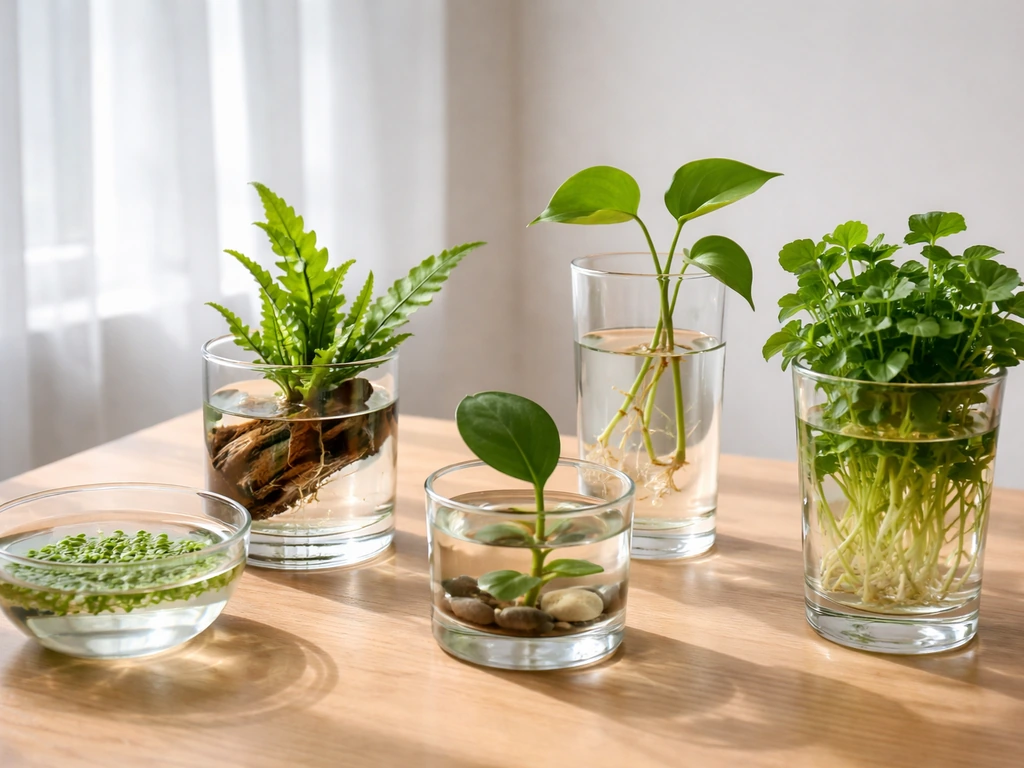
Not every plant thrives in a water-only setup, so starting with the right species saves you a lot of frustration. The plants below are genuinely forgiving and are the ones I'd recommend to anyone setting up their first water-growing system at home.
True aquatic plants (fully submerged or floating)
- Anubias (especially Anubias nana): incredibly tough, grows in low to medium light, has very low nutrient needs, and almost never melts in home setups. It's an epiphyte, so it attaches to rocks or wood rather than rooting into substrate, which makes it perfect for jar and aquarium-style growing.
- Java fern: similar to anubias in that its rhizome must stay exposed above whatever surface it's attached to. It tolerates a huge range of water conditions, including soft acidic water, alkaline water, and even slightly brackish setups.
- Hornwort (Ceratophyllum demersum): a fast-growing stem plant that floats freely or can be loosely weighted. It handles temperatures anywhere from 50–85°F (10–30°C), making it one of the most adaptable plants on this list.
- Duckweed (Lemna minor): a tiny free-floating plant that multiplies fast (sometimes too fast) at temperatures of roughly 63–79°F (17–26°C). Great for a beginner who wants to see rapid growth and experiment with nutrient uptake.
- Water lettuce (Pistia stratiotes): a floating rosette with dangling roots, optimal between 72–86°F (22–30°C). Works well in large jars, tubs, or aquarium-adjacent containers.
- Water hyacinth (Eichhornia crassipes): a vigorous floater with feathery roots and beautiful purple flowers. It tolerates 54–91°F (12–33°C) and reproduces via runners, so it fills a container quickly.
Semi-aquatic and transitional plants
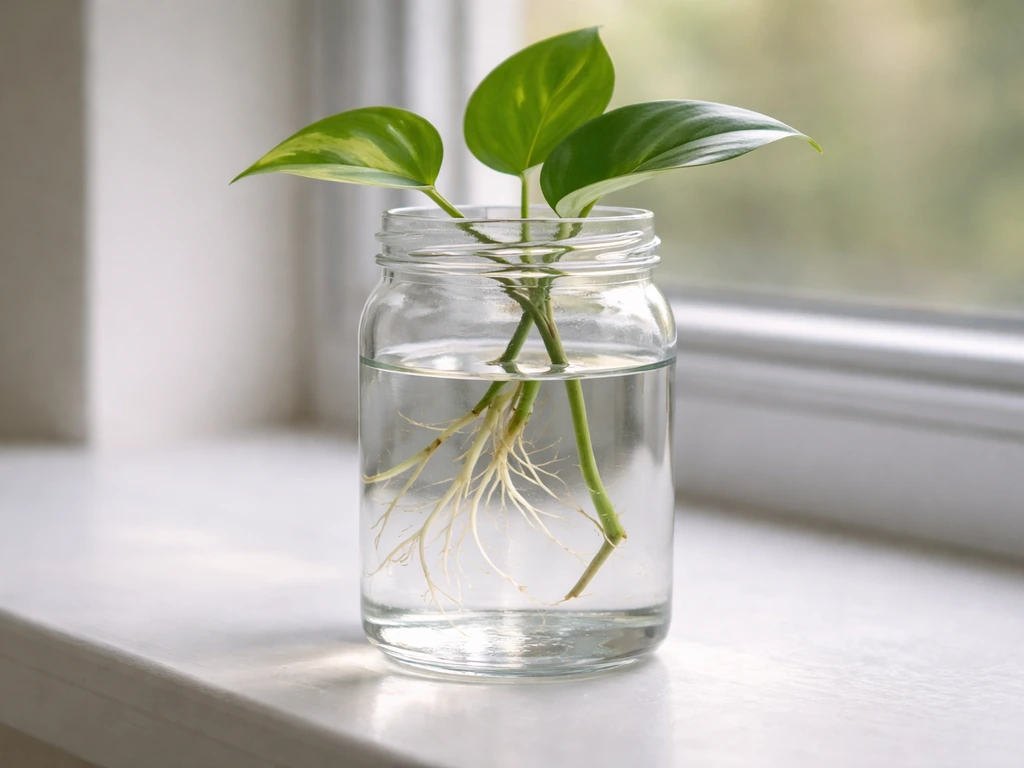
- Pothos and philodendron: common houseplants that root and thrive with their stems in water and leaves in air. Not true aquatics, but perfect for a beginner jar setup.
- Watercress (Nasturtium officinale): edible, fast-growing, and happy in cool water between 50–65°F (10–18°C). It's one of the most rewarding water plants for anyone who also wants to grow food. If that's your goal, growing food in water as a broader practice is worth exploring as a next step.
- Lucky bamboo: technically a Dracaena, not bamboo, but it roots easily in a vase and is extremely low-maintenance.
- Mint and basil cuttings: both root quickly in water and can be harvested while they're waiting to be transplanted or kept indefinitely in a hydroponic jar.
Choose your setup: jar/vase, hydroponic tub, or aquarium-style
The setup you choose depends on how many plants you want, how much space you have, and whether you're also keeping fish or not. Here's how the three main options compare:
| Setup | Best for | Cost to start | Plants that work well | Key limitation |
|---|---|---|---|---|
| Glass jar or vase | 1–3 plants, windowsill or countertop | Under $10 | Pothos, lucky bamboo, anubias, watercress cuttings | No aeration, small water volume needs frequent top-offs |
| Hydroponic tub or bin | Multiple plants, food production, serious hobbyist | $30–$80 with a basic pump | Watercress, mint, basil, lettuce, duckweed | Needs a small air pump or circulation; more setup time |
| Aquarium-style planted tank | Fully aquatic plants, optional fish co-culture | $50–$200+ for a complete setup | Anubias, java fern, hornwort, water lettuce, water hyacinth | Requires filter, lighting, and water cycling knowledge |
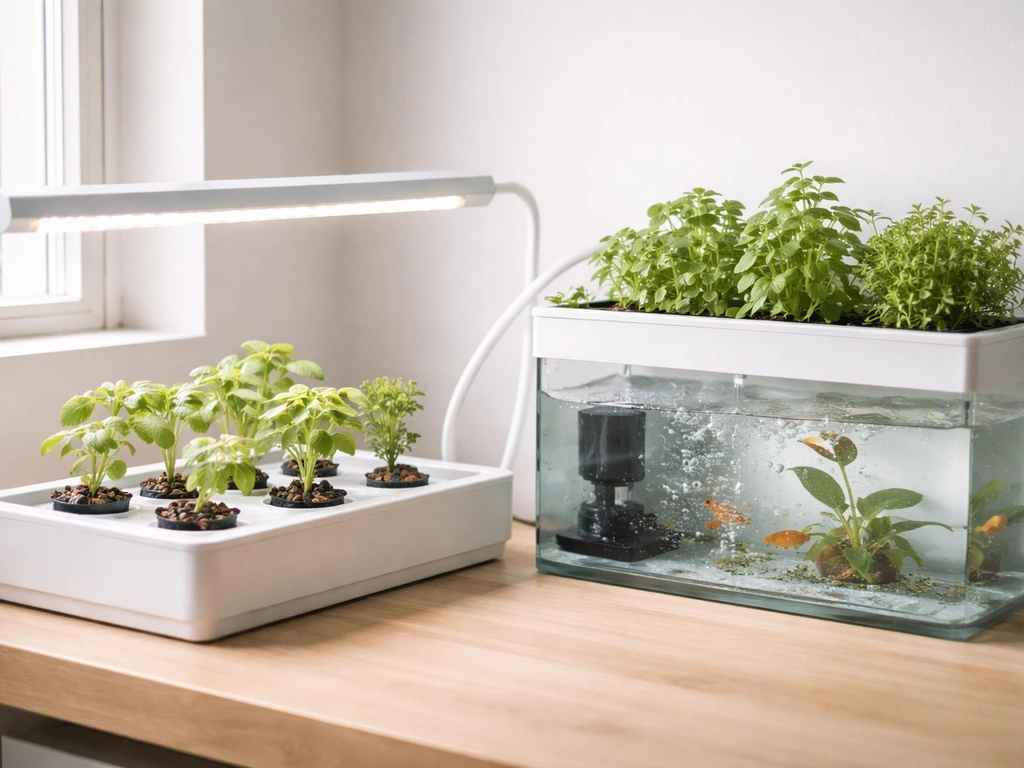
For most beginners, a jar or vase is the right starting point. You get fast feedback, almost no cost, and you can always scale up once you know what you're doing. A hydroponic tub is the next logical step if you want to grow edible plants in quantity. The aquarium-style setup is where things get more interesting: you can combine aquatic plants with fish, shrimp, or snails, and the biology of the whole system starts working together.
If you're specifically interested in growing plants in a fish tank, that specific setup has its own workflow worth exploring separately. To grow water plants in a fish tank successfully, focus on compatible species, safe lighting, and stable water quality alongside your fish growing plants in a fish tank.
Light, temperature, and water quality basics
Light
Light is the single biggest variable that determines whether your water plants root, grow, or slowly die. For a jar setup on a windowsill, you want bright indirect light for 8–12 hours a day. Direct sun through glass can overheat small containers and trigger algae explosions. If your windowsill gets fewer than 4 hours of natural light, add a basic full-spectrum LED grow light (even a cheap clip-on bulb works).
For aquarium setups, a dedicated aquarium LED rated for planted tanks is worth the investment. Anubias and java fern genuinely thrive in low to medium light, so they're forgiving if your lighting isn't perfect. Hornwort, on the other hand, will shed needles from its lower portions if light can't penetrate deep enough.
Temperature
Most home water plant setups do best between 65–80°F (18–27°C), which is roughly room temperature in most homes. That covers blank" rel="noopener noreferrer">anubias (68–82°F), duckweed (63–79°F), and water lettuce (72–86°F) comfortably. Watercress is the outlier: it actually prefers cooler water around 50–65°F (10–18°C), making it a great choice for unheated spaces or cooler months. Watercress can also be grown in aquaponics, but you still want to keep the water cooler and provide enough light for steady growth. Hornwort is the most flexible of the bunch at 50–85°F. If you're keeping fish alongside your plants, match the temperature to what your fish need and pick plants that fit that range.
Water quality
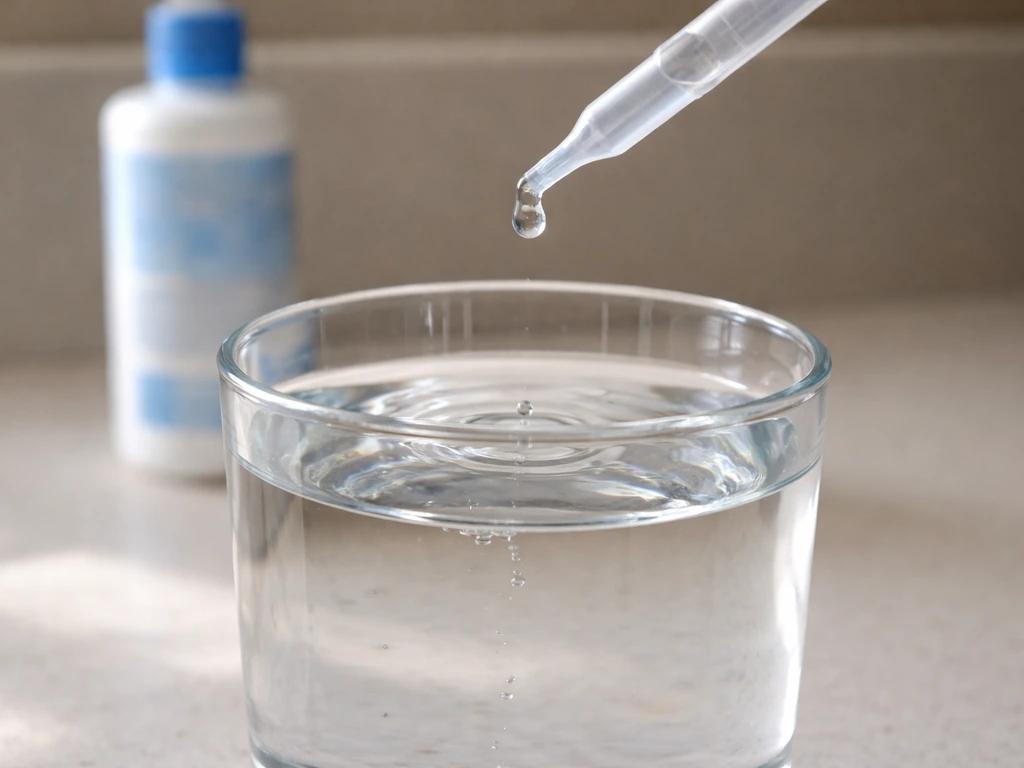
Tap water is fine as a starting point, but you need to neutralize chlorine and chloramine before putting any plants or animals in it. A dechlorinator like Seachem Prime or API Tap Water Conditioner does this quickly. Seachem Prime is particularly useful because it also temporarily neutralizes ammonia, which matters if you're running a tank with fish. For plain jar growing of houseplant cuttings or semi-aquatics, a simple water conditioner and letting the water sit for 24 hours usually works. Target a pH of 6.5–7.5 for most species. Change 25–50% of the water weekly in small containers since there's no filtration to process waste.
How to plant and root cuttings or starts in water
The method you use depends on whether you're rooting a cutting (like pothos or watercress) or working with an already-rooted aquatic plant (like anubias or java fern). Getting this step right prevents rot and dramatically speeds up establishment.
Rooting cuttings in water
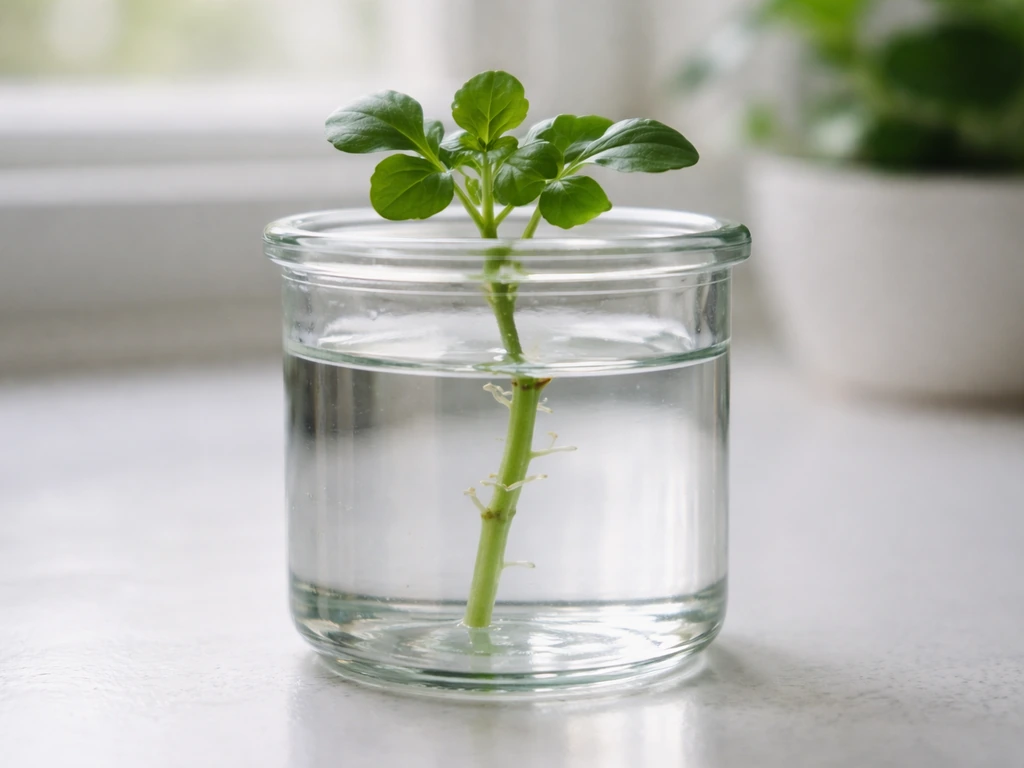
- Take a cutting just below a node (the bump where a leaf or root will emerge). For watercress or mint, 3–4 inches is plenty.
- Remove any leaves that would sit below the waterline. Submerged leaves rot and cloud the water.
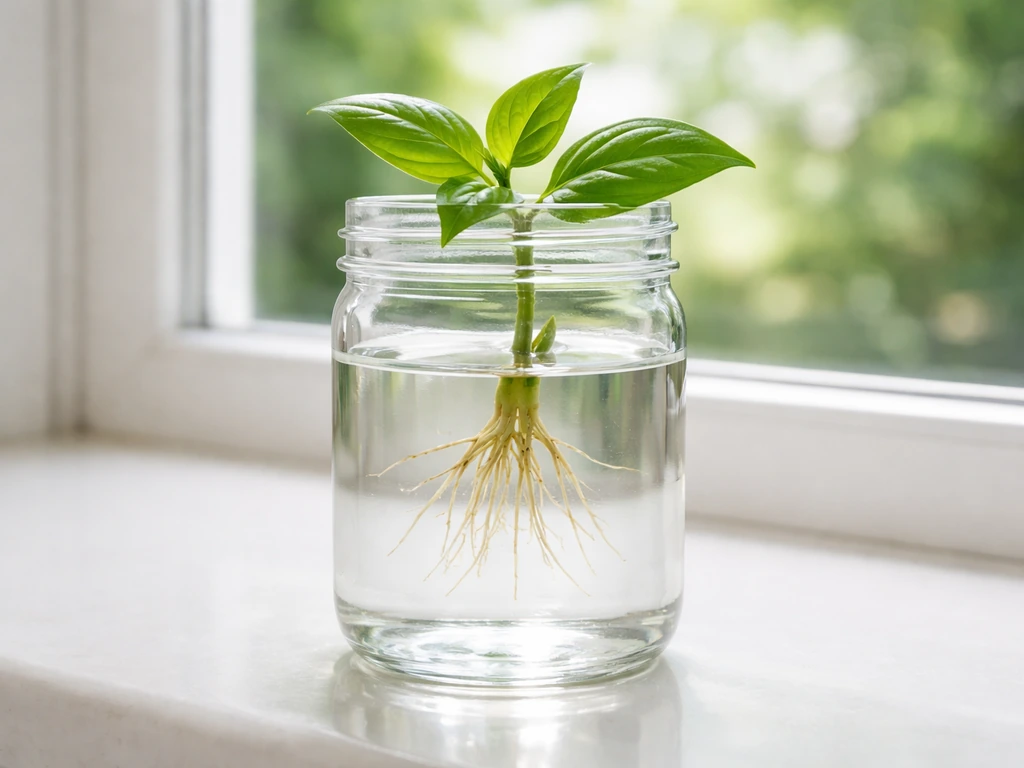
- Place the cutting in a clean jar with treated water so the node is submerged but the upper leaves stay above the surface.
- Set in bright indirect light. Change the water every 3–5 days or when it starts to look cloudy.
- Roots typically appear within 7–21 days. Once roots are 1–2 inches long, the plant is established enough to leave in place or transfer to a hydroponic setup.
Planting rhizome plants (anubias, java fern)
This is where I see beginners make a consistent mistake: burying the rhizome. The rhizome is the thick horizontal stem the leaves grow from, and it must stay above whatever surface it's attached to. Burying it cuts off water flow and causes it to rot within weeks.
Instead, use one of two methods: tie or wedge the plant's roots against a rock or piece of driftwood and let it attach naturally over 4–8 weeks, or use a small dab of aquarium-safe super glue gel to press the roots against the surface. For additional anti-uprooting protection in aquariums, Aquarium Co-Op recommends using an Easy Planter when planting rhizome plants use one of two methods: tie or wedge the plant's roots.
If you use glue, keep it off the rhizome itself. Once attached, these plants are practically self-sufficient.
Placing floating plants
Duckweed, water lettuce, and water hyacinth just go in the water. No planting required. For watercress seeds, the key detail is that they need light to germinate, so scatter them on the water surface or on a damp medium and do not cover them. For water hyacinth in a container, give it at least 6 inches of water depth and expect it to spread via runners quickly.
Nutrients and feeding: when to use them (and when not to)
This is the part most beginners either skip entirely or overdo. The truth is somewhere in the middle, and it depends heavily on which plants you're growing and what kind of setup you have.
When you probably don't need to add nutrients
- You're growing slow-growing epiphytes like anubias or java fern. These have very low nutrient requirements and can pull trace minerals directly from the water column.
- You have fish in the same system. Fish waste provides nitrogen, phosphorus, and other nutrients naturally. Adding extra fertilizer in a fish tank often feeds algae more than it feeds the plants.
- You're growing floating plants like duckweed in a jar for a short time. They'll do fine on trace minerals in conditioned tap water for weeks.
When you should add nutrients
- You're running a hydroponic tub with edible plants like watercress or herbs and want productive growth. Use a diluted hydroponic nutrient solution (half-strength to start).
- You see clear deficiency symptoms: yellowing of older leaves first often points to a mobile nutrient like nitrogen, potassium, or magnesium being depleted. Yellowing of new growth typically signals an immobile nutrient issue like iron.
- Your plants have been in the same water for 4+ weeks with no water changes and growth has stalled.
- You're running a planted aquarium without fish, in which case a liquid all-in-one aquatic plant fertilizer dosed weekly is a reasonable baseline. If you suspect iron deficiency specifically, a targeted iron supplement may help more than just increasing the all-in-one dose.
Mosses, floating plants, and epiphytes like anubias and java fern do not use root tabs, which are made for substrate-rooting plants. Don't waste money on them for water-column or rhizome growers. Stick with liquid fertilizers for water-growing setups and watch how your plants respond before increasing the dose.
Maintenance and troubleshooting
Algae outbreaks
Algae shows up when light, nutrients, and CO2 are out of balance, and too much light is usually the number one trigger in a home setup. If you see green slime or fuzz on the glass or on your plants, first reduce light duration to 8 hours per day and make sure the container isn't sitting in direct sun. Next, do a 50% water change to reduce dissolved nutrients.
In a jar or tub with no fish, excess nutrients usually come from over-fertilizing or decomposing plant matter. Remove any dead leaves immediately. If you're growing duckweed alongside other plants, keep in mind it can form a surface mat that blocks light from reaching everything underneath, which stresses lower plants and can trigger algae indirectly.
Root rot and stem rot
Rot is almost always caused by submerged leaves breaking down in still, warm water. Remove any leaves below the waterline immediately when you set up a cutting, and again every few days during maintenance. Brown mushy roots in a jar usually mean the water isn't being changed often enough. Switch to every 3 days and rinse the roots gently under cool tap water before refilling. For rhizome plants in an aquarium, a rotting rhizome is usually caused by burying it: pull it up, trim off the brown portion with clean scissors, and reattach it to a surface correctly.
Yellow leaves
Yellow older leaves that start at the bottom of the plant and work their way up usually mean a mobile nutrient is running low, most commonly nitrogen or potassium. Add a small dose of liquid aquatic plant fertilizer and see if new growth looks healthier within 1–2 weeks. Yellow new growth at the top of the plant, while older leaves stay green, typically points to iron deficiency. A targeted iron supplement will address this more effectively than just increasing your general fertilizer.
Slow or stalled growth
The most common causes of slow growth are insufficient light, water that's too cold, and nutrient depletion. Work through them in that order. Increase light first (add a grow light or extend photoperiod to 10–12 hours). If the water temperature is below the plant's preferred range, move the container to a warmer spot or add a small aquarium heater. If light and temperature are already good, do a water change and add a half-dose of liquid fertilizer. Hornwort shedding needles is a classic sign of inadequate light reaching the lower portions of the plant, or an abrupt change in water parameters.
Cloudy water and odor
Cloudy water in a jar setup is almost always a bacterial bloom from decomposing plant matter or uneaten organic material. Do a full water change, clean the container with hot water (no soap), trim dead or rotting plant parts, and restart with fresh conditioned water. An odor in a sealed or still container means anaerobic bacteria are at work. Increase water changes to every 2–3 days and consider adding a small air stone with a mini pump to keep the water oxygenated, especially in a hydroponic tub or larger container.
Your beginner starter plan: what to do today
Here's the exact plan I'd follow if I were starting from scratch today. If you are also curious about creating a small stream-style water feature, the same principles of light, water quality, and plant choice will guide you there too how to grow a stream. It takes about 20 minutes to set up and gives you reliable results within 2–3 weeks.
What you need
- One clear glass jar (at least 16 oz, larger is better for water stability)
- A water conditioner like Seachem Prime or API Tap Water Conditioner
- One or two starter plants: a pothos cutting from a friend, a small anubias from a pet or garden store, or a bunch of watercress from a grocery store
- A bright windowsill or a clip-on full-spectrum LED grow light
- Optional but helpful: a basic liquid aquatic plant fertilizer for weeks 3 and beyond
Step-by-step to get started today
- Fill your jar with tap water and add dechlorinator according to the label (usually 1–2 drops per gallon). Let it sit for 10 minutes.
- Prepare your plant: trim off any leaves that will sit below the waterline. For anubias, make sure the rhizome is not going to be submerged in sediment. For a cutting, trim just below a node.
- Place the plant so roots or the stem base are submerged but leaves are above water. For anubias, rest it against the inside of the jar with the rhizome at or above the waterline.
- Set the jar in a spot with bright indirect light or directly under your grow light. Aim for 8–10 hours of light per day.
- Change 50% of the water every 3–5 days for the first 3 weeks. This is the most important habit to build.
- At week 3, if growth has started (new leaves, visible root growth), add a small dose of liquid aquatic plant fertilizer. If not, check light first before adding nutrients.
- By week 4–6, assess whether you want to scale up: add more plants to the same jar, start a second container with a different species, or set up a small hydroponic tub for edible plants.
What to watch for in the first few weeks
- Rooting progress: most cuttings show white root nubs within 7–14 days. No roots after 3 weeks usually means not enough light or water is too cold.
- Water clarity: should stay clear or very slightly tinted. Cloudiness means something is decomposing, so investigate immediately.
- Leaf color: healthy new growth should be the same color or slightly brighter than older leaves. Yellowing is your first warning sign.
- Algae: a little green tint on the jar walls is normal. A thick mat or heavy green water means reduce light duration and do a water change.
Once you're comfortable with a basic jar setup, the natural next steps depend on what interests you most. A water garden in a larger container opens up floating species like water hyacinth and water lettuce. A good next step in your water garden setup is to think through lighting, since light level determines whether plants root and grow well how to grow a water garden.
A planted aquarium lets you combine aquatic plants with fish or shrimp in a self-regulating system. And if edible production is the goal, a dedicated hydroponic setup for growing food in water is worth building out. Watercress is a particularly rewarding bridge crop, and if you want to take that further, growing watercress in an aquaponics system combines fish waste with plant production in a genuinely efficient way.
Start simple, pay attention to your plants, and adjust one variable at a time. That's genuinely all it takes.
FAQ
How do I prevent algae when I’m trying to learn how to grow water plants at home?
Do one short “light trial” before committing to 8 to 12 hours. Place the container where you get your target brightness, then check after 48 hours for algae. If you see green haze early, shorten to 6 to 8 hours and stagger light by an hour or two each week rather than jumping straight to a long photoperiod.
Can I use potting soil or gravel for my water plant setup?
Avoid covering seeds and rhizomes with gravel or any floating substrate. For watercress, keep seeds exposed to light and germinate them on the surface, misting or keeping the surface consistently damp. For rhizome plants, ensure the thick rhizome stays above attachment surfaces, only the roots should be secured.
Is it safe to use softened or filtered tap water when growing water plants at home?
Yes, but treat it as a separate water-quality problem. If you use softened tap water, check that the conditioner is not adding too much salt, and plan for a periodic partial water change to keep dissolved buildup from stressing plants. If you also have fish, match water temperature to the fish first, then choose plants that tolerate that same range.
How often should I fertilize my water plants in a jar or tub?
For most jar setups, treat liquid fertilizer like “spot dosing,” not a full feeding. Start at half-dose once you see new growth, then wait 1 to 2 weeks before increasing. If algae blooms start, pause fertilizer first, reduce light duration, and remove dead leaves before adding nutrients again.
What should I do if the water turns cloudy?
For cloudy water, do a complete restart only if the water stays cloudy after you remove decaying plant matter and do a full water change. If the cloudiness is mild, you can try the simpler first step: remove organics, do a 50% change, and keep light reduced to about 8 hours for a few days. Full restart is more effective when there is an odor or visible rotting.
Why did my water plants stop growing after a water change or moving them?
If growth stalls suddenly, the most common causes are a temperature drop and a lighting change rather than “plant failure.” Move the setup back to its stable spot, keep the photoperiod consistent, and re-check that you did not accidentally bury the rhizome or submerge leaves during maintenance.
Should I use root tabs or substrate fertilizers for anubias, java fern, or floating plants?
Use the plant’s attachment method as your guide. Roots that are meant to attach (anubias, java fern) should be tied or glued onto a surface, not planted into sand. Root tabs are for substrate-rooting plants, so for these rhizome or epiphyte types, stick with liquid fertilizer only.
Can duckweed share a container with other water plants?
You can combine duckweed with other plants, but prevent mat overgrowth. Thin duckweed when it starts covering the full surface, because it blocks light and can indirectly trigger algae and stress in lower plants. A practical rule is to remove some of it weekly until the surface stays mostly open.
Do I need an air stone when growing water plants at home, especially if I keep fish?
Yes, but oxygen management matters more as containers get warmer and larger. If you notice fish gasping at the surface or plants browning quickly, add aeration such as an air stone. Keep air flow gentle enough that it doesn’t blast floating plants into constant movement.
How do I know when to trim dead or decaying parts in my water plant setup?
Trim anytime you see leaves below the waterline turning soft, brown, or mushy, and remove them right away. For healthy pruning, leave the rhizome and attachment area intact, and only remove damaged tissue with clean scissors to reduce the chance of rot spreading to the remaining plant.