Mangrove propagules will grow for you at home if you give them the right water conditions, light, and support from day one. The biggest mistake most people make is treating them like regular seeds that need to "wake up." They don't. A mangrove propagule is already alive and already growing when it drops from the parent tree. Your job is to keep it alive and give it somewhere to root, not to coax it into germinating from scratch.
How to Grow Mangrove Propagules: Step-by-Step Guide
Marcus Holloway
6 Apr 2026
What mangrove propagules actually are (and why they're different from seeds)
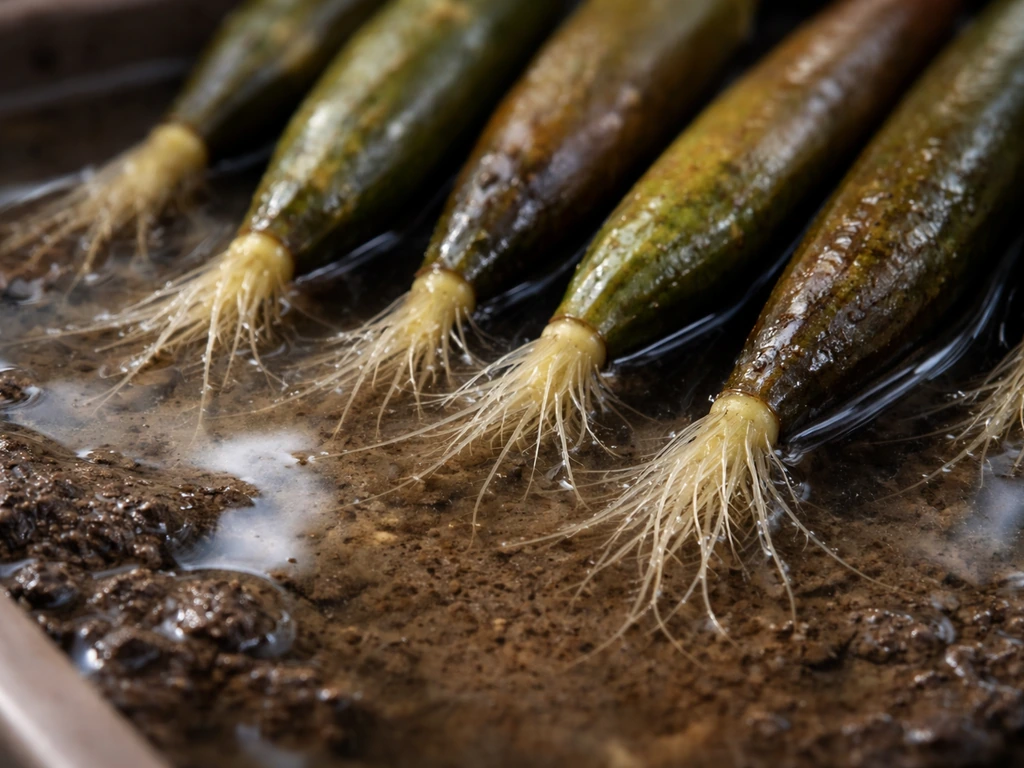
Most plants produce dormant seeds that need a trigger to start germinating. Mangroves skip that step entirely. They're viviparous (or cryptoviviparous), meaning the embryo begins developing while still attached to the parent tree. By the time a Rhizophora propagule drops into the water, it's already a living seedling in a torpedo-shaped package. It's been developing for months before you ever see it.
This is why the USDA Forest Service propagation literature specifically calls the propagule "not a seed, but a viviparous seedling." That distinction matters practically: you can't store them dry on a shelf, you can't plant them and wait weeks for germination to start, and you can't treat them like tomato seeds. Think of them as a cutting that's already trying to root. Your setup needs to support that process immediately.
The most common species you'll encounter in the aquarium and aquatic gardening hobby are red mangrove (Rhizophora mangle), black mangrove (Avicennia germinans), and white mangrove (Laguncularia racemosa). Red mangrove propagules are the long cigar-shaped ones most beginners start with, and they're generally the easiest to source and establish. If you're curious about expanding your semi-aquatic plant collection, growing floating plants alongside mangroves in a brackish display is a great way to fill the water surface while your propagules develop their root systems.
Sourcing viable propagules and knowing when they're ready
You can source mangrove propagules from aquarium suppliers, online retailers, local reef and brackish tank hobbyist groups, or from the wild where collection is legally permitted. Online sources are the most common option for most people, and the quality varies a lot. Here's what to look for and avoid.
Signs of a viable propagule
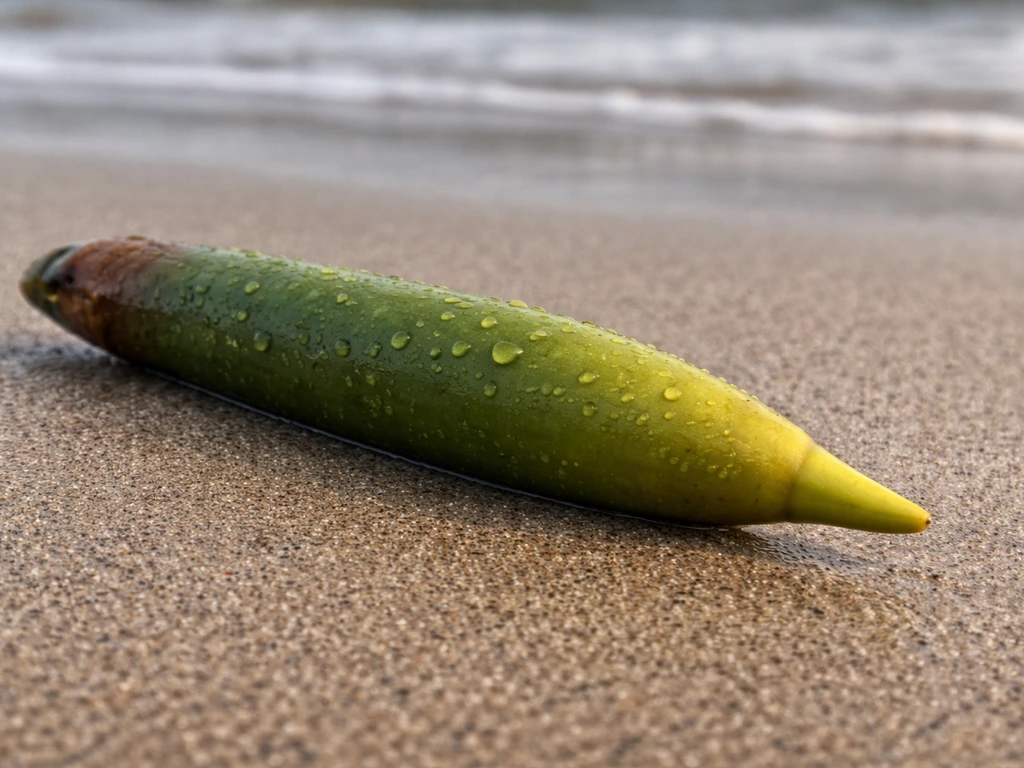
- Firm and dense throughout, not soft, mushy, or wrinkled
- Green to yellow-green color (some brown near the attachment point is fine)
- The pointed tip (the root end) is intact and not damaged or dried out
- No foul smell, no visible mold or rot patches
- For Rhizophora: the long hypocotyl (the cigar body) should be plump and hydrated
- If you can see a slight swelling or nubbing near the base, that's the root bud beginning to form — a great sign
Propagule viability has a real time limit. Research on Rhizophora species shows that floating viability varies significantly by species: R. mucronata has a median floating interval of around 70 days, while R. apiculata sits at a median of only about 7 days (with maximums of roughly 150 and 89 days, respectively). R. mangle can float for up to about 63 days and still establish successfully. In a US Forest Service study, researchers tested Rhizophora mangle and Bruguiera sexangula propagules for flotation longevity up to 63 days and assessed establishment under different light intensities blank" rel="noopener noreferrer">float for up to about 63 days and still establish successfully. The takeaway: the longer a propagule has been drifting or sitting in storage, the lower your success rate. Smithsonian reports that blank" rel="noopener noreferrer">Rhizophora propagules can remain able to grow after release for over a year, while Laguncularia racemosa can float up to about 24 days before it starts losing the ability to take root. Most propagules show visible root growth by around 40 days after dropping, and those that don't root by 30 days can lose their vertical orientation and go horizontal, which is a sign they're losing viability.
When ordering online, ask the supplier how long they've been holding the propagules and in what conditions. Reputable suppliers store them in brackish water under shade for up to two weeks before shipping, which is about the recommended handling window. If a vendor is vague about storage or ships them bone dry, that's a red flag. Dry shipping is a death sentence for most propagules.
The conditions that actually make propagules thrive
Getting the environment right is the whole game. Mangroves live at the edge of tidal systems, which means they experience fluctuating salinity, regular wet-dry cycles, warm temperatures, and bright light. You're recreating a version of that at home.
Salinity
For Rhizophora (red mangrove), start with low-salinity brackish water in the range of 5 to 15 ppt (parts per thousand). A practical nursery protocol puts this at roughly 0.4% salts or less for early rooting. You don't need full marine salinity (35 ppt) to get them started, and starting too salty actually slows root development. For Avicennia (black mangrove), salinity in the 5 to 25 ppt range works well for propagule establishment. Laguncularia (white mangrove) does best at 15 to 20 ppt for growth after initial rooting, though it tolerates a wide range. The key point: none of these species will thrive long-term in pure freshwater. If you want to explore how to grow mangroves in freshwater, know that you can push into low salinity but zero is generally not ideal for sustained health.
Temperature
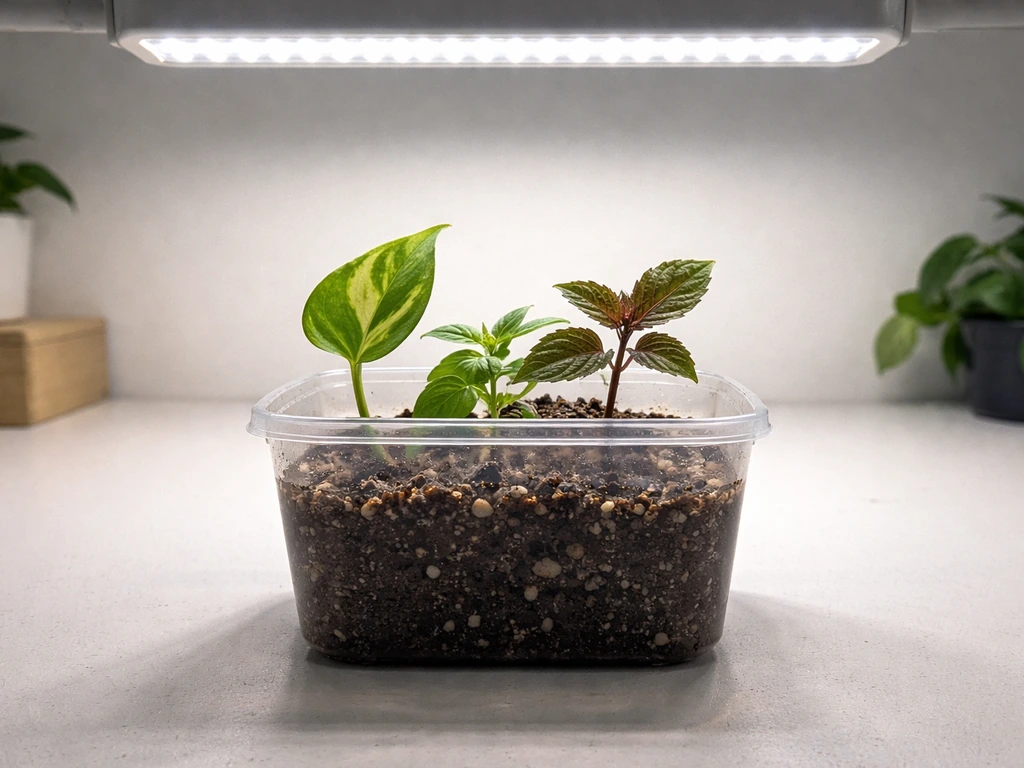
Keep water and ambient temperature between 20 and 28°C (68 to 82°F). Research on Laguncularia showed zero germination at 5°C, so cold is a hard stop. The sweet spot for most species is 22 to 26°C. If you're in a cool climate and growing indoors, a small aquarium heater in the water reservoir is your best friend.
Light
Propagules can tolerate lower light during initial rooting, but once leaves start appearing, they need strong light: at minimum 8 hours of direct or high-output grow light per day, with 12 to 16 hours being ideal for fast growth. South-facing windows work if they're genuinely bright. LED grow lights or T5 fixtures positioned 10 to 20 cm above the foliage are the go-to for indoor setups. Note that dense shade can suppress establishment even after rooting begins, so don't skimp on light once leaves emerge.
Water movement and oxygenation
Mangrove roots need oxygen. Stagnant, anoxic water at the root zone is one of the main causes of rot in home setups. A small air pump running a sponge filter or airstone in your water reservoir provides enough circulation. You don't need strong flow, just enough to prevent stagnation and keep oxygen levels up around the root zone.
Tidal simulation (wet-dry cycling)
In nature, mangrove roots experience regular drying between tides. You don't need a literal tide simulator, but you should avoid keeping propagules permanently fully submerged at the root zone. The goal is to keep the root tip in contact with water while allowing the upper portion of the propagule to experience air exposure. More on this in the setup section below.
How to set up your propagule growing system
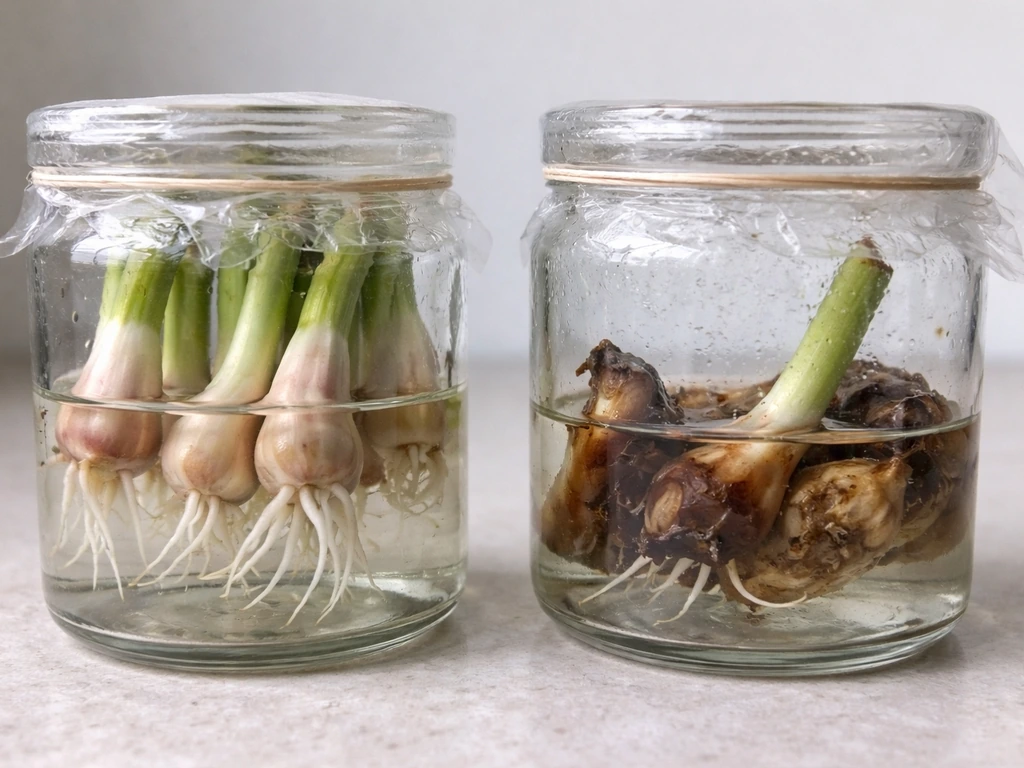
You don't need expensive equipment. The most reliable beginner setup uses items you probably already have or can grab cheaply. Here's the step-by-step.
- Choose a container: A clear glass jar, a plastic tub, or a small aquarium tank all work. For a few propagules, a wide-mouth mason jar or a tall plastic cup works well. For a dedicated display or production setup, a 10 to 20 gallon tank is ideal.
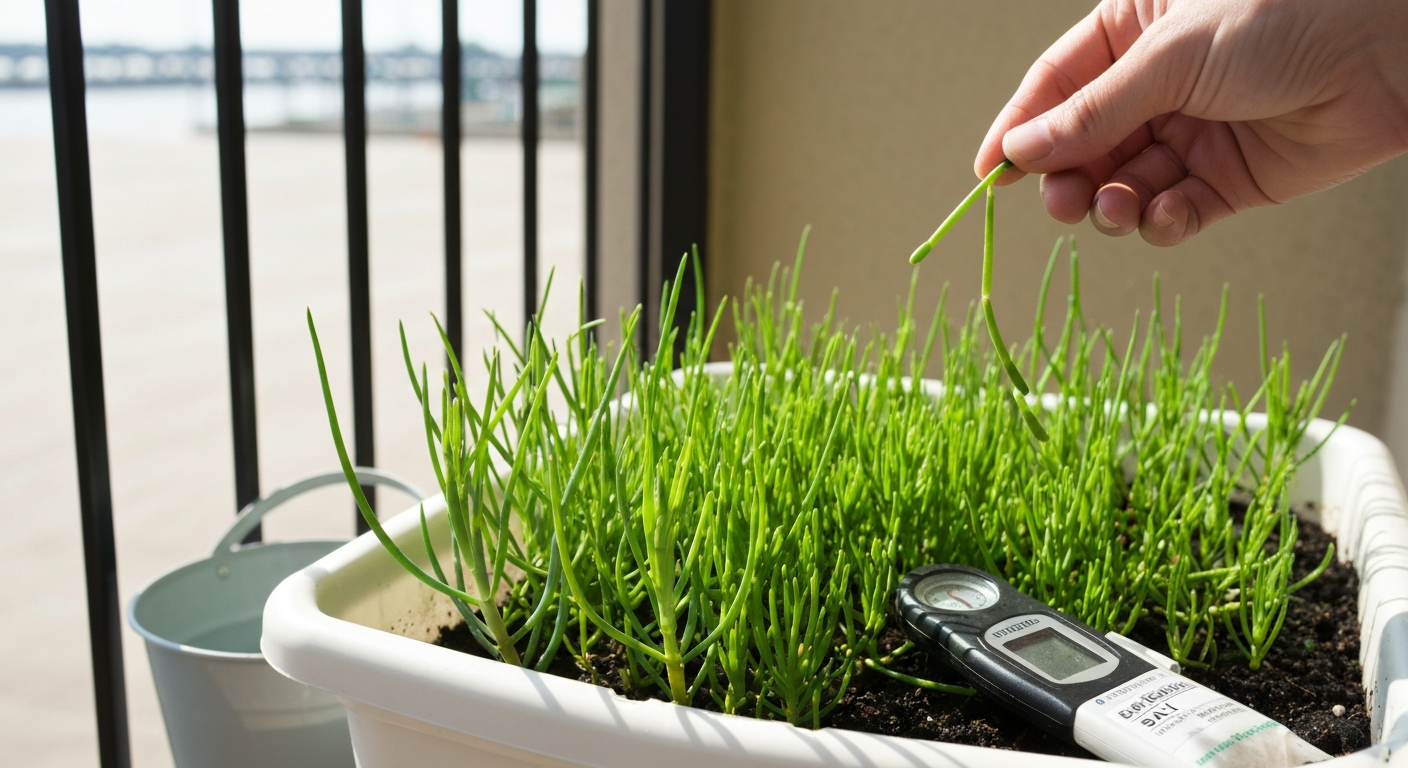
- Mix your brackish water: Use a marine salt mix (like Instant Ocean) in dechlorinated tap water or RO water. Target 5 to 10 ppt to start. Use a refractometer or digital salinity meter — guessing doesn't work here.
- Fill the container to the right depth: You want the pointed root tip of the propagule to sit just at or just below the waterline, with the body of the propagule sticking up into the air. For Rhizophora, this means roughly the bottom one-third of the hypocotyl is in or touching water.
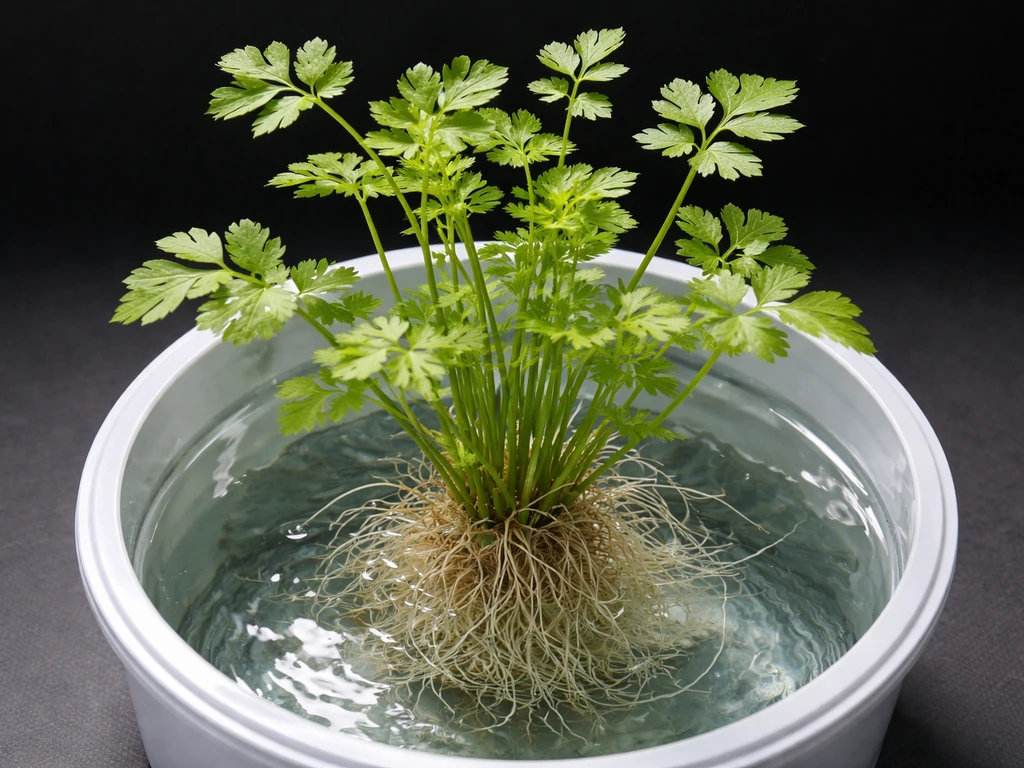
- Support the propagule upright: Use a foam insert cut to fit the container opening, a mesh lid, or a propagation tray with holes. The propagule should hang or stand so the root tip touches water but the body isn't submerged. Some growers poke holes in a styrofoam sheet and float it on the water surface — it works fine.
- Add an airstone or small sponge filter: Connect to an air pump and run continuously to keep water oxygenated and prevent stagnation.
- Place in a warm, bright location: Bright indirect light works for the first two weeks. Once you see root buds or early leaf growth, move to direct or high-output artificial light.
- Optional — add a thin substrate layer: If you want to use a nursery-style approach, fill the bottom of a container with river sand or coarse aquarium substrate, partially submerge the lower end of the propagule into the substrate about one-third of its length, and keep the substrate moist but not fully flooded. This mimics the planting-into-sediment method used in reforestation protocols.
I've had great results with the floating foam method for early rooting and then transitioning to a sand substrate once roots are 2 to 4 cm long. Trying to plant them in substrate before roots appear tends to cause more rot issues, especially if water circulation is low.
Maintenance: salinity, water changes, and your weekly routine
Once your propagules are set up, the main job is keeping conditions stable. Here's a practical maintenance schedule.
| Task | Frequency | Notes |
|---|---|---|
| Check salinity | Every 2 to 3 days | Evaporation concentrates salt; top off with fresh RO or dechlorinated water, not saltwater |
| Partial water change | Weekly, ~25% | Replace with fresh brackish mix at the same target salinity |
| Check temperature | Daily for the first two weeks | Keep 22 to 26°C; adjust heater as needed |
| Inspect roots and propagule body | Every 2 to 3 days | Look for root bud development; check for soft spots, mold, or browning |
| Clean algae from container walls | Weekly | Light scrub; don't use soap or chemicals near the propagule |
| Adjust light schedule | After first leaves appear | Increase to 12 to 16 hours if using artificial light |
| Top off water level | As needed (every few days) | Maintain root tip contact with water; don't let the tip dry out |
The single most common maintenance mistake is topping off with saltwater when the level drops. Evaporation removes only water, not salt, so topping off with a saltwater mix gradually increases salinity to toxic levels. Always top off with fresh water and do water changes with your target-salinity brackish mix.
Fertilizer is generally not needed during propagule establishment. The propagule carries its own energy reserves. Once you see several sets of leaves and strong root development (usually 6 to 12 weeks in), you can introduce a dilute liquid fertilizer like a 10-10-10 at quarter strength, but it's optional. Mangroves are not heavy feeders at the seedling stage.
Troubleshooting: when your propagule won't cooperate
No root growth after 3 to 4 weeks
First, check your salinity and temperature. High salinity (above 25 ppt) at the rooting stage will dramatically slow root development. High salinity suppresses early establishment in most species. Dial back to 5 to 10 ppt and make sure your temperature is above 20°C. Also check that the root tip is genuinely in contact with water, not just hovering above it. If the propagule has gone horizontal or feels significantly lighter than when you started, viability may already be compromised. Try a fresh propagule.
Soft spots, rot, or foul smell
Rot almost always comes from one of three things: too much submersion of the propagule body (which should stay above water), stagnant water with no oxygen, or damage to the outer skin before you even started. If you catch soft spots early (just a small area), you can sometimes trim away the affected tissue with a clean blade and continue, but if more than 20% of the body is compromised, start over. Prevention is better: always run an airstone, never submerge more than the root end, and change water weekly.
Algae and mold on the container or propagule
Algae on container walls is normal and harmless in small amounts. Wipe it off weekly and consider moving the container away from direct sunlight if algae growth is aggressive, since mangrove propagules don't need intense light at the root-zone level. Mold on the propagule itself (fuzzy white or gray patches) is more serious and usually indicates poor air circulation around the body. Increase airflow around the setup, wipe the affected area gently with a soft cloth, and reduce humidity if you're growing in an enclosed space.
Roots appear but are thin and weak, not developing further
Weak, spindly roots are usually a light problem. Once roots appear, the propagule needs more light to fuel further growth. Move it to a brighter location or add a grow light. Also check salinity, if you've crept above 20 ppt without realizing it, dilute down and do a partial water change. Weak roots can also result from a container that's too small and crowded if you're growing multiple propagules together; give each at least 10 to 15 cm of space.
Leaves appear but turn yellow or drop
Yellowing leaves after initial emergence often signal nutrient deficiency (especially nitrogen) or salinity stress. If your salinity has been creeping up, dilute it. If conditions look right, try a very dilute liquid fertilizer. Also check for root-zone oxygen: if roots are sitting in stagnant water, they can't uptake nutrients efficiently no matter how good the water chemistry looks.
Comparing your options: Rhizophora vs Avicennia vs Laguncularia
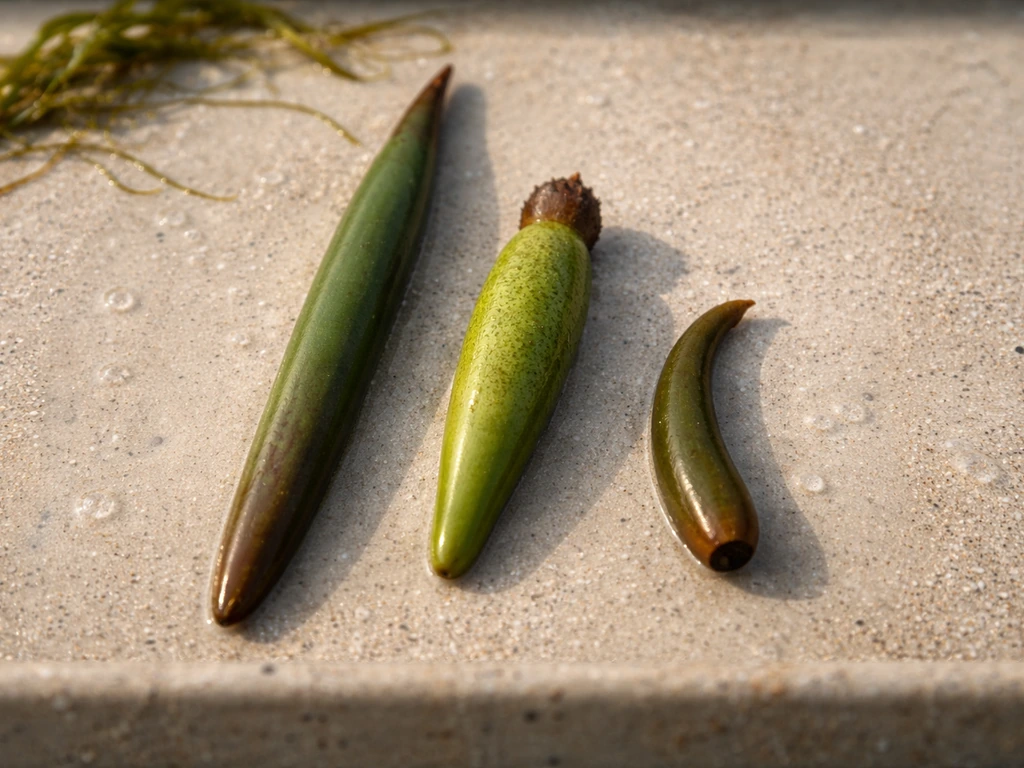
If you're trying to decide which species to start with, here's a practical comparison based on home growing conditions.
| Species | Common Name | Propagule Type | Ideal Salinity (ppt) | Ease for Beginners | Best for Aquarium/Tank? |
|---|---|---|---|---|---|
| Rhizophora mangle | Red mangrove | Long hypocotyl (cigar-shaped) | 5 to 15 ppt to start | Easiest — fast rooting, ~90% germination rate | Yes — iconic prop roots, very popular |
| Avicennia germinans | Black mangrove | Smaller, flattened propagule | 5 to 25 ppt | Moderate — needs more careful salinity management | Yes — tolerates a wider salinity range |
| Laguncularia racemosa | White mangrove | Small, buoyant propagule | 15 to 20 ppt optimal | Moderate — temperature sensitive below 15°C | Less common but possible |
Start with Rhizophora mangle if you're new to this. The long propagule is easy to handle, roots quickly (often within 2 to 4 weeks), has a germination success rate around 90% under good conditions, and is forgiving of minor salinity and temperature variation. The other species are worth trying once you've got the workflow down.
Transplanting once your propagule is established
You're ready to transplant when your propagule has roots at least 4 to 6 cm long, ideally with multiple root branches, and at least one set of fully expanded leaves. For Rhizophora, this typically happens 4 to 10 weeks after setup depending on conditions.
Move to a larger container with a proper substrate: coarse river sand, aquarium substrate, or a sandy loam mix works well. Plant the propagule so the lower one-third of the hypocotyl is buried in the substrate, leaving the rest and all foliage above the surface. Water level in the new container should be maintained so the substrate stays moist to wet but doesn't permanently drown the root zone, again, that tidal wet-dry pattern. A container with drainage holes that you fill and drain manually once or twice a day is a simple DIY tide simulation.
After transplanting, expect a brief adjustment period of 1 to 2 weeks where growth slows or the plant looks stressed. Keep light consistent, maintain your target salinity, and resist the urge to fertilize heavily during this window. Once new leaf growth resumes, you know the roots have taken hold and the plant is establishing.
For aquarium setups, mangroves are commonly positioned in sump refugiums or hang-on-back chambers where roots dangle into the water and leaves grow above the tank. This keeps the foliage in air and the roots in water, a natural position for them. Just make sure the salinity in your tank matches what the plant has been acclimated to, or adjust gradually over several days rather than all at once.
If you're building out a larger semi-aquatic or paludarium setup, mangroves pair naturally with other emergent wetland plants. How to grow reeds covers another group of tough, fast-growing emergent plants that thrive in similar wet, nutrient-rich conditions and can help fill out the mid-zone of a larger display. You can also look into how to grow reeds in aquatic systems for setup tips that translate well to multi-species wetland builds. And if you want surface coverage while your mangroves are still small, red root floaters can do that job in lower-salinity brackish conditions, adding color and nutrient uptake at the same time.
The bottom line: mangrove propagules aren't difficult if you respect what they already are. They're not dormant seeds waiting for a signal. They're living seedlings waiting for a place to root. Give them stable brackish conditions, warm temperatures, good oxygen, bright light, and physical support to stay upright, and most of them will do exactly what they're supposed to do.
FAQ
My propagule is still alive and floating, but no roots are forming. What should I check first?
If the propagule stays floating but never forms a vertical root after 30 to 40 days, it is likely already lost viability. Before discarding, check that only the root end is in contact with water, the body is not fully submerged, and the salinity has not crept above about 20 to 25 ppt. If orientation has flipped horizontal and the root tip looks dull or mushy, start with a fresh propagule rather than trying to “save” the current one.
When is the right time to transplant mangrove propagules into sand?
Don’t wait for “leaf swelling” to act. Transplant when roots reach roughly 4 to 6 cm and you can see multiple root branches, and confirm at least one set of fully expanded leaves. Planting earlier, when roots are only tiny, raises the chance of rot because the root tip is more easily damaged during handling and the oxygen conditions in substrate can become worse than in a floating stage.
Can I top off with saltwater if my level drops?
Use the fresh-water top-off practice even if you are doing daily water changes. Evaporation concentrates salts, so adding saltwater “to replace volume” steadily pushes salinity upward over days. A safer approach is to keep a separate container of pre-mixed brackish water for scheduled changes, and always top off with plain fresh water until you do a full or partial change.
I want to move my mangroves into a saltwater aquarium or sump. Is acclimation necessary?
Yes, but only if you acclimate slowly. Even in indoor setups, sudden jumps in salinity can burn leaves or slow root development. A practical method is to adjust salinity over several days using small, measured water changes or a drip-style dilution approach, aiming to match the propagule’s current water first, then gradually approach the new target.
Should I add fertilizer during the first month to speed up growth?
For early rooting, fertilizing is usually unnecessary because the propagule has stored energy. If you see persistent pale growth, then use a very dilute all-purpose fertilizer, but only after you have several leaf sets and solid root development (often around 6 to 12 weeks). Avoid adding fertilizer during the first 1 to 2 weeks after setup or transplant because stressed seedlings can respond poorly and water quality can degrade faster.
My setup keeps the entire propagule underwater. Is that okay?
Not permanently. Mangroves need wet-dry cycling at the root zone, meaning the root tip should contact water while the rest of the propagule body experiences air exposure. If the entire body is submerged continuously, oxygen drops around the root and rot risk increases. A simple fix is to keep the body above water and only keep the root end immersed.
My room is cool at night. How cold is too cold for mangrove propagules?
Cold is a hard limiter for mangrove establishment. If daytime or nighttime temperatures dip below about 20°C, rooting speed can stall, and some species may fail to establish. If you are growing indoors, warm the water reservoir with a small heater and verify the temperature in the water where the propagules sit, not just air temperature.
How do I handle rot if I notice a soft spot on the propagule?
Increase oxygenation and avoid damage to the outer skin. Rot is most often caused by prolonged submersion, anoxic water at the root zone, or skin damage. If you catch it early and the soft area is limited (small patch), you can carefully trim with a clean blade and ensure good airflow and oxygen immediately. If more than roughly one-fifth of the body is compromised, re-start with a new propagule because rot can spread internally.
My roots are there, but the leaves and stems are thin and leggy. What should I adjust?
Dense, persistent shade after leaves emerge can produce weak, spindly growth. Use bright light once leaves appear, aiming for about 12 hours of strong grow light exposure daily (or at least 8 hours) and keep the light close enough, roughly 10 to 20 cm, to reach the foliage. If growth remains leggy even under light, re-check salinity and root-zone oxygen, because either problem can look like a light deficiency.
What if I do not have a salinity meter?
If you cannot measure salinity, use a backup sign: leaves yellowing plus slow growth often points to salinity stress or nutrient imbalance. However, you still need a refractometer or conductivity meter for accuracy because the tolerances are narrow. If salinity may have drifted, dilute by doing a partial water change with lower-salinity brackish water, then confirm with a meter rather than guessing.
Can I grow multiple mangrove propagules in the same container?
Give each propagule physical space. Crowding can reduce oxygen availability and increase microbial buildup, especially in small containers or when multiple root zones overlap. A practical spacing target is at least about 10 to 15 cm between propagules so their bodies and root tips remain accessible to light, airflow, and circulation.
There is lots of algae in my propagule container. Should I worry?
Yes, and algae itself is not usually the problem, but it can mask other issues. If you see heavy algae film, wipe the container and consider reducing direct sunlight exposure to the root-zone chamber, while still supplying bright light for leaf growth. Most importantly, keep the oxygenation system running so algae is not paired with stagnant, oxygen-poor water.