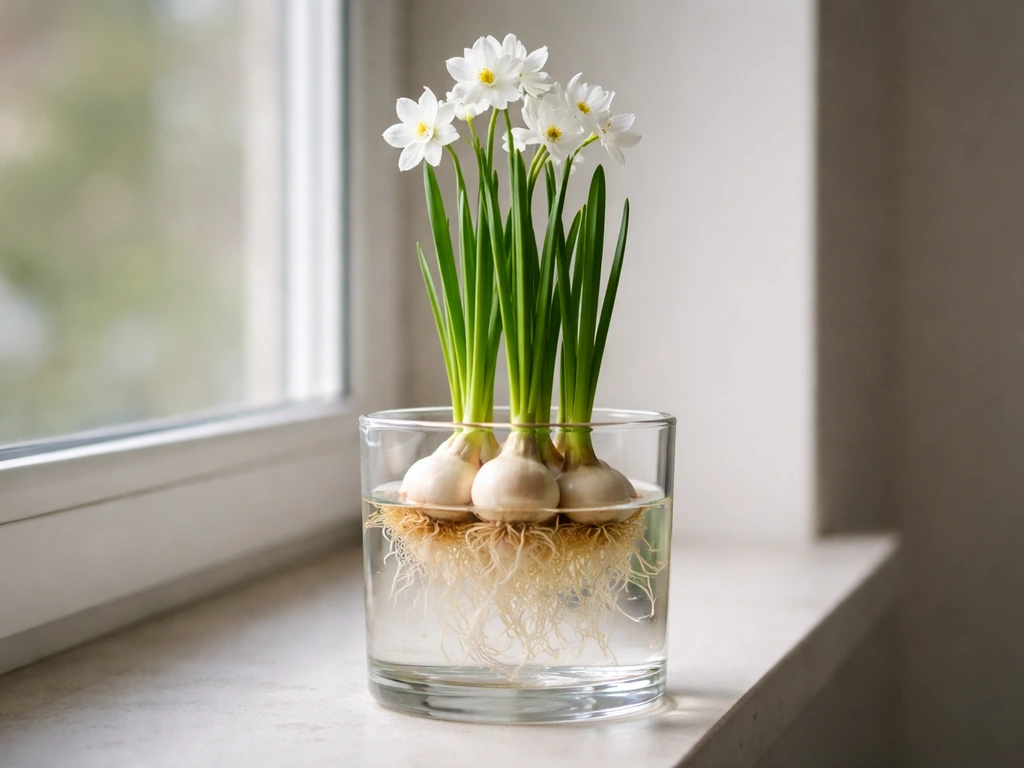
You can grow hydroids (specifically freshwater hydra, the small tentacled polyps that look like tiny sea anemones) in a water bottle at home with nothing more than a clean container, dechlorinated water, and a steady supply of live prey like Daphnia or baby brine shrimp. If you want a different kind of water-growing project, you can also learn how to grow paperwhites in water for quick, fragrant blooms. The setup takes about 20 minutes to build, and you can have a stable, reproducing culture within one to two weeks if you keep the temperature around 18–21°C, maintain clean water with daily partial changes, and feed once a day while removing uneaten food immediately.
How to Grow Hydroids in a Water Bottle DIY Setup
Marcus Holloway
4 Jun 2026
Which "hydroids" are we actually talking about?
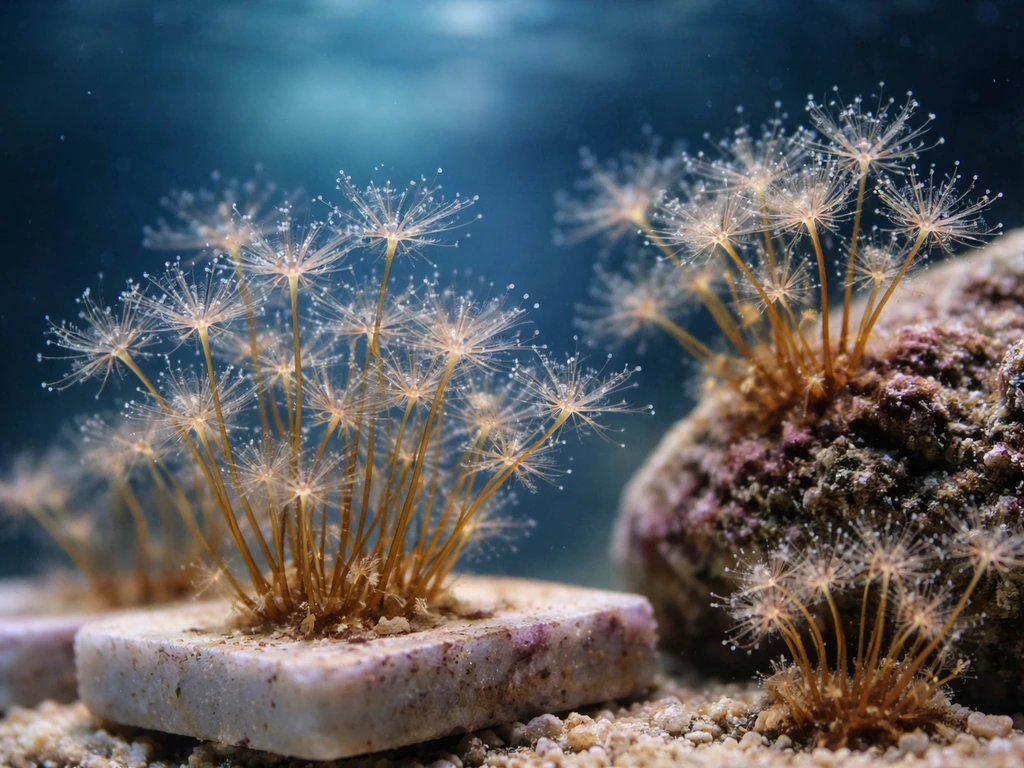
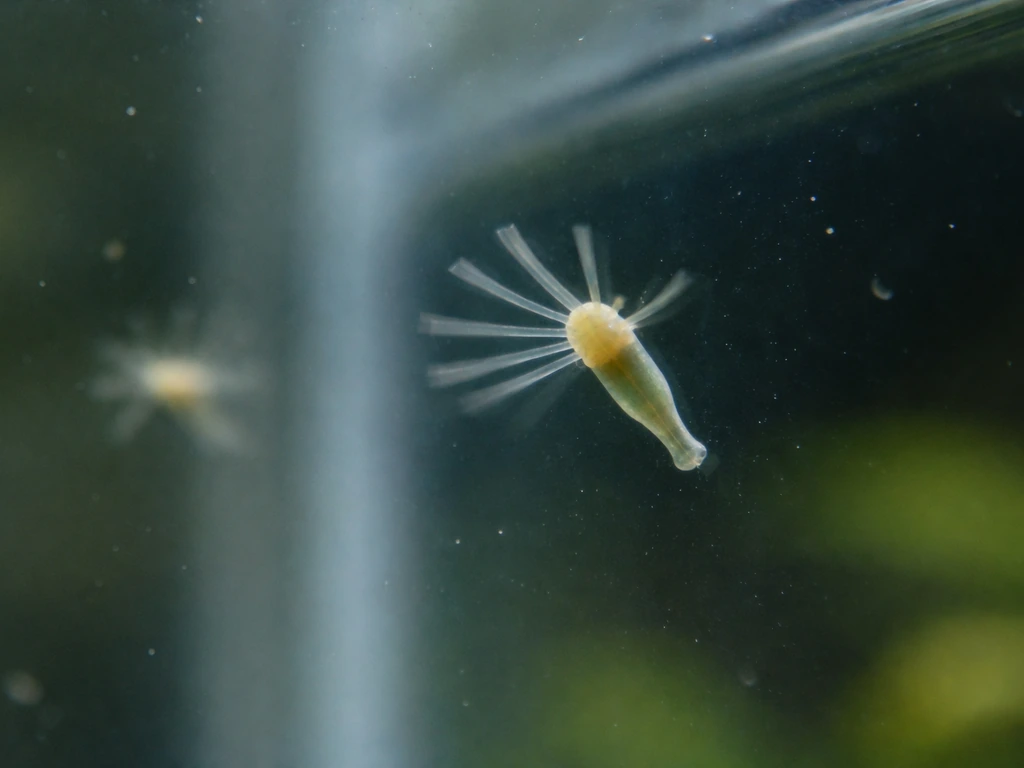
The word "hydroids" covers a broad group of cnidarians, but in a freshwater DIY context, what most hobbyists are trying to culture is Hydra: small, freshwater polyps in the family Hydridae that anchor themselves to glass, plants, or substrate and wave their tentacles to catch passing prey. They look like tiny wisps or filaments when contracted, and like miniature sea anemones when fully extended, typically 1–25 mm long depending on species. They are not algae, not flatworms, not detritus worms, and not planaria, though beginners often confuse them.
How to tell hydra apart from common look-alikes
| Organism | Movement | Shape | Attachment | Sign of... |
|---|---|---|---|---|
| Hydra (your target) | Sways with flow; tentacles retract fast | Star-burst or wisp with visible tentacles | Attached to glass/plant by a foot | Clean water, enough microfauna prey |
| Planaria (flatworms) | Glides smoothly across surfaces | Flat, triangular head, no tentacles | Slides freely | Overfeeding, organic buildup |
| Detritus worms | Wriggles freely through water column | Thread-like, no tentacles | Not attached | Dirty substrate, mulm accumulation |
| Algae filaments | No movement at all | Green or brown thread/mat | Attached, no pulsing | Excess light, nutrients |
The definitive hydra giveaway is the tentacle retraction reflex: tap the glass near one and it will instantly contract into a tiny ball. Nothing else in a freshwater micro-aquarium does that. Brown hydra (Hydra oligactis) and green hydra (Chlorohydra viridissima) are the two types you are most likely to encounter or order. Both culture the same way, though green hydra carry symbiotic algae and can tolerate slightly longer gaps between feedings.
Building your water-bottle micro-aquarium
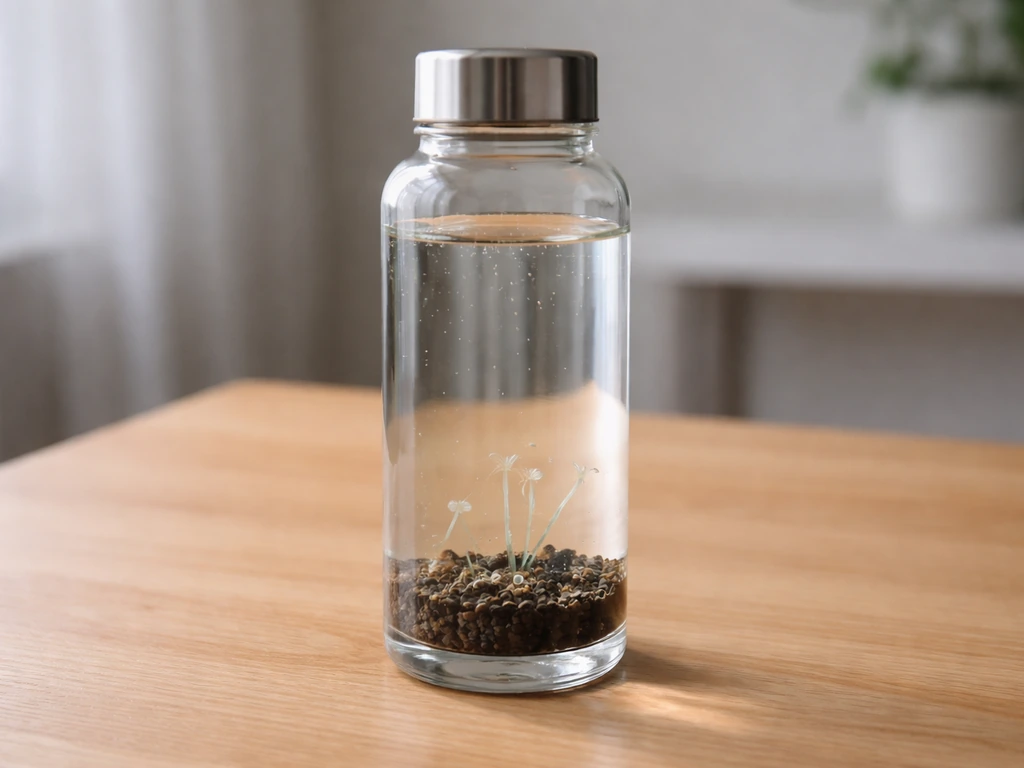
A standard 1–2 liter clear plastic or glass water bottle is genuinely all the container you need to start a hydra culture. Glass is better because it does not leach plasticizers and is easier to observe through, but a clean, odor-free PET plastic bottle works fine if glass is not available. I started my first culture in a 1.5-liter glass Voss bottle with nothing but dechlorinated tap water and a handful of pond plants, and it worked.
What you need (the full checklist)
- 1–2 liter clear glass or PET water bottle (rinsed with hot water only, no soap)
- Dechlorinated tap water or aged pond water (let tap water sit uncovered 24 hours, or use a dechlorinator drop)
- A small clump of live aquatic moss (Java moss or hornwort works well) or a biofilm-coated rock from an established tank
- A pipette or turkey baster for targeted feeding and spot-cleaning
- A small net or fine coffee filter for straining prey cultures
- A live prey culture: Daphnia, baby brine shrimp (BBS), or copepods
- A basic aquarium thermometer
- A pH test kit or strips (target 7.5–8.0)
- Optional: a small USB air pump with airline tubing and an air stone for aeration in longer cultures
Prepping and assembling the bottle
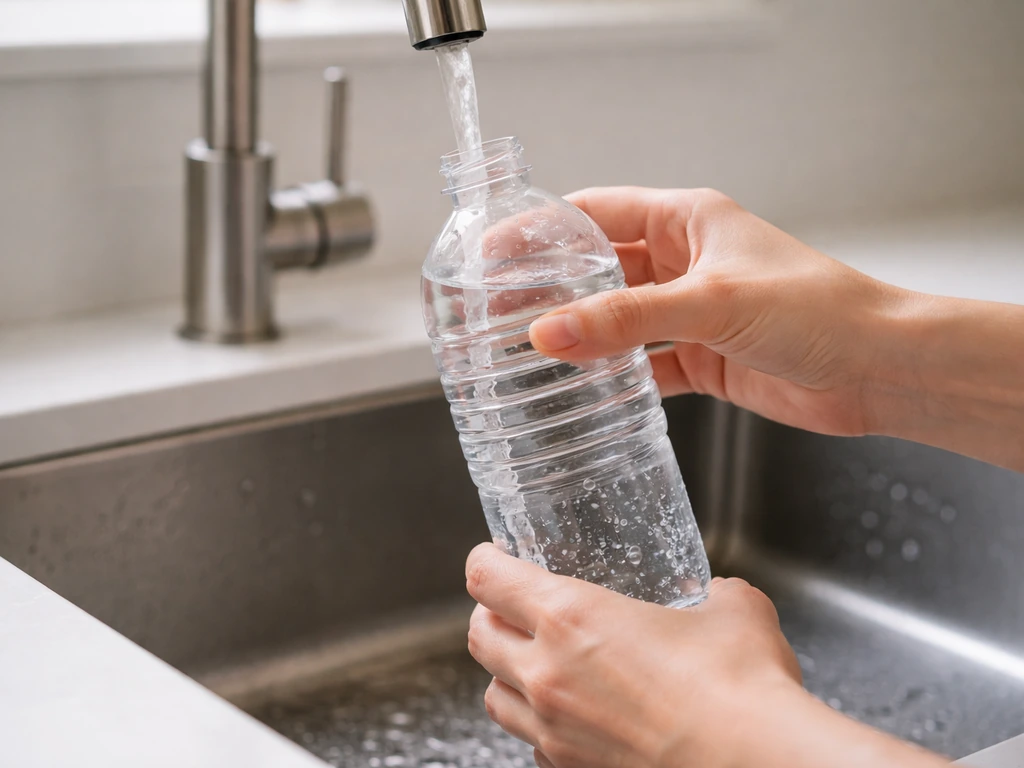
- Rinse the bottle thoroughly with hot water. Never use soap, bleach, or detergent—residue will kill hydra instantly.
- Fill it 75–80% with your dechlorinated water. Leaving headspace allows you to top up and gives the water surface area for gas exchange.
- Drop in a small clump of live moss or a biofilm-coated piece of slate or smooth rock. This gives hydra something to anchor to immediately, and the biofilm feeds the microfauna that in turn feeds the hydra.
- Place the bottle in your chosen spot and let the water temperature stabilize for an hour before adding any organisms.
- If you are using a USB air pump, drop the air stone to the bottom and set it to the gentlest possible flow. Hydra tolerate mild flow but do not want turbulence—strong bubbling will stress them and prevent them from extending their tentacles to feed.
The water conditions that make or break the culture
Getting the water right is where most DIY hydra cultures either thrive or quietly collapse within the first week. Hydra are actually pretty tolerant, but they do have a narrow sweet spot. Nail these parameters and they will reproduce on their own without much intervention.
| Parameter | Target Range | Why it matters |
|---|---|---|
| Temperature | 18–21°C (65–70°F) | Optimal growth and budding rate; above 25°C they often go into sexual reproduction mode and die back |
| pH | 7.5–8.0 | Slightly alkaline mimics their natural pond/lake habitat; below 7.0 stresses them quickly |
| Dissolved oxygen | Keep surface-agitated or lightly aerated | Low DO causes retraction and die-off; do not seal the bottle tightly |
| Light | Dim, indirect; 10–12 hrs of low ambient light | Too much direct light triggers algae overgrowth and stresses the culture |
| Flow/turbulence | Minimal to none | Hydra feed by extending tentacles; strong flow keeps them contracted and starved |
| Salinity | Freshwater only (0 ppt) | These are strictly freshwater organisms; any salt will kill them |
Keep the bottle in a spot that gets soft ambient or indirect window light, never direct sunlight. A north-facing windowsill or a spot lit by a low-wattage LED on a timer works perfectly. Aim for 10–12 hours of light and 12–14 hours of darkness. Room temperature in the 18–21°C range is usually achievable without a heater in most homes during spring and early summer, but if your room runs warm, move the culture to a cooler shelf or a basement corner.
Seeding: how to get hydra into the bottle
You have three realistic options for sourcing your first hydra, and each has its own trade-offs.
Option 1: Order a starter culture
This is the most reliable route. Carolina Biological Supply, Flinn Scientific, and several online live culture suppliers sell brown or green hydra cultures, usually arriving in a small jar of water with live individuals already attached to the glass. When they arrive, float the jar in your prepared bottle water for 15–20 minutes to temperature-match, then gently pipette the hydra and a small amount of their culture water into your bottle. Avoid dumping all the original water in, since it may carry bacteria or parameters you have not tested.
Option 2: Collect from a natural source
Hydra are extremely common in clean ponds, slow streams, and lake margins. Collect a handful of aquatic plants, submerged leaves, or moss from a clear, unpolluted pond and place them in a white tray with some pond water. Within an hour, hydra often detach and become visible as the tiny tentacled wisps floating or clinging to surfaces. Use a pipette to transfer them into your bottle. The risk with wild collection is introducing look-alikes (planaria, detritus worms) or hitchhiker pests, so inspect carefully before adding anything.
Option 3: Use aquatic plants as hitchhiker vectors
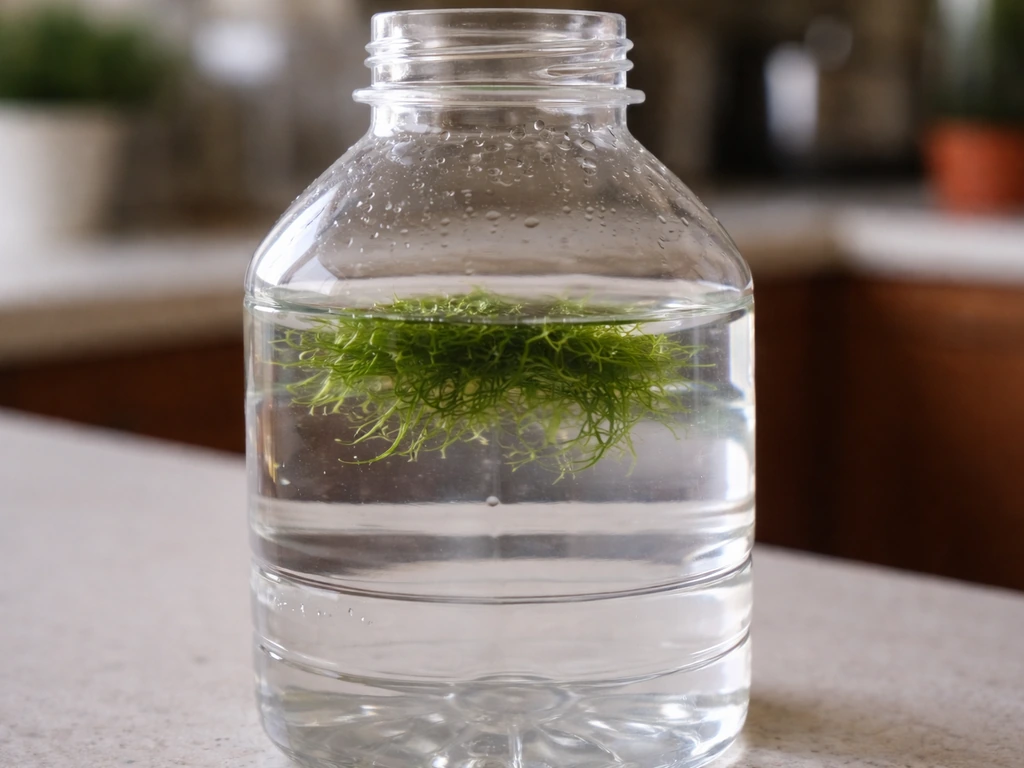
Hydra frequently arrive on aquarium plants purchased from fish stores or other hobbyists. Hydra can hitchhike into DIY cultures on aquarium plants or other contaminants, which is why plant source and contamination control matter for seeding success Hydra frequently arrive on aquarium plants. If you add a clump of Java moss, hornwort, or water sprite to your bottle and it came from a tank that had any live microfauna, there is a reasonable chance hydra will appear within one to two weeks as long as prey is available. This is the most passive approach and is hit-or-miss, but it does work. It is also how hydra commonly spread in established aquariums without any intentional introduction.
Feeding: what to give them and how often
Hydra are strict carnivores. Hydras are strictly carnivorous freshwater cnidarians that capture a wide range of tiny prey, including small crustaceans, insect larvae, worms, and (in captivity) newly hatched fish fry. They do not eat algae, flake food, pellets, or anything that is not a small, live animal. They use nematocysts (stinging cells) in their tentacles to paralyze prey, and they are triggered to begin feeding by chemical cues, specifically glutathione released by crushed or injured prey. If you drop in dead or frozen food, they often will not react at all. This is the single biggest mistake beginners make: feeding the wrong thing.
Best prey options
- Daphnia (water fleas): the gold standard, widely available as live cultures; hydra grab them readily and Daphnia are easy to culture yourself in a separate container
- Newly hatched brine shrimp nauplii (baby brine shrimp): hatch overnight from eggs available at any fish store; 24-hour-old nauplii are the perfect size for most hydra
- Copepods (cyclopoid copepods like Cyclops): excellent natural prey; if you have a copepod culture running, use the smallest juveniles (nauplii stage)
- Ostracods (seed shrimp): work well but slower-moving, so hydra may need a bit more time to catch them
- Micro-worms or Walter worms: in a pinch, these tiny nematodes will be eaten but are less nutritionally ideal than crustaceans
Feeding schedule
Feed once a day, in the afternoon. Add only as many prey organisms as the hydra can consume in 30–60 minutes. In a 1-liter bottle with 10–20 hydra, that is roughly 50–100 Daphnia or a small pipette-drop of brine shrimp nauplii. After an hour, use your pipette to suck out any obviously uneaten prey from the bottom. This is non-negotiable: dead, decaying prey fouls the water within hours and causes bacterial blooms that will crash the culture fast. Flinn Scientific's protocol explicitly calls for removing uneaten food daily, and from my own experience, skipping this step even once in a small bottle can turn the water cloudy by morning.
Daily and weekly care routine
Hydra cultures are not set-and-forget, but the maintenance is genuinely simple once you build the habit. Here is the routine that keeps a water-bottle culture stable for weeks to months.
Daily tasks (5 minutes)
- Morning: remove 10–15% of the water volume using a pipette, drawing from the bottom where waste settles. Replace with fresh dechlorinated water of the same temperature. Do this gently to avoid disturbing hydra.
- Observe: check that hydra are extended and active. Contracted, ball-shaped hydra that stay that way for hours indicate stress (check temperature and pH).
- Afternoon: feed with live prey (see feeding section above).
- One hour after feeding: remove uneaten prey from the bottom with the pipette.
Weekly tasks (15–20 minutes)
- Perform a larger water change of 25–30% to remove accumulated dissolved organics that daily top-ups cannot fully address.
- Test pH. If it has drifted below 7.5, replace more water with fresh dechlorinated water. A tiny pinch of baking soda dissolved in a cup of water can nudge pH up, but add it to the replacement water, not directly to the culture.
- Inspect the moss or substrate for dead hydra, dead prey, or excessive biofilm buildup. Remove any visible detritus with the pipette.
- Check for overcrowding: if hydra are budding heavily and you have dozens attached to every surface, plan to split the culture (transfer half to a second bottle) to prevent a population crash from prey depletion.
One practical note on water changes: always use water that has been dechlorinated and temperature-matched. A sudden 3–4°C temperature swing from cold tap water can cause hydra to contract and not fully recover. I match my replacement water by letting it sit in a cup on the same shelf as the culture bottle for an hour before adding it.
Fixing common problems fast
Problem: Nothing appears after a week
If you seeded with a purchased culture and see nothing, the hydra may have arrived stressed or dead from shipping. Check the culture jar carefully under a bright light before concluding they did not survive. If you are relying on hitchhiker plants, give it two full weeks before worrying. If still nothing, get a new culture and seed directly. Sometimes wild-collected moss simply does not carry hydra.
Problem: Hydra are contracted and not feeding
Check temperature first. Above 23°C or below 16°C, hydra stay contracted. Check pH, too: below 7.0 causes rapid stress. If parameters are fine, the issue is almost always not enough prey. Double the amount of live food for two days and see if they respond. Also make sure the prey is truly alive when added; dead Daphnia or nauplii do not trigger the feeding response.
Problem: Water turns cloudy
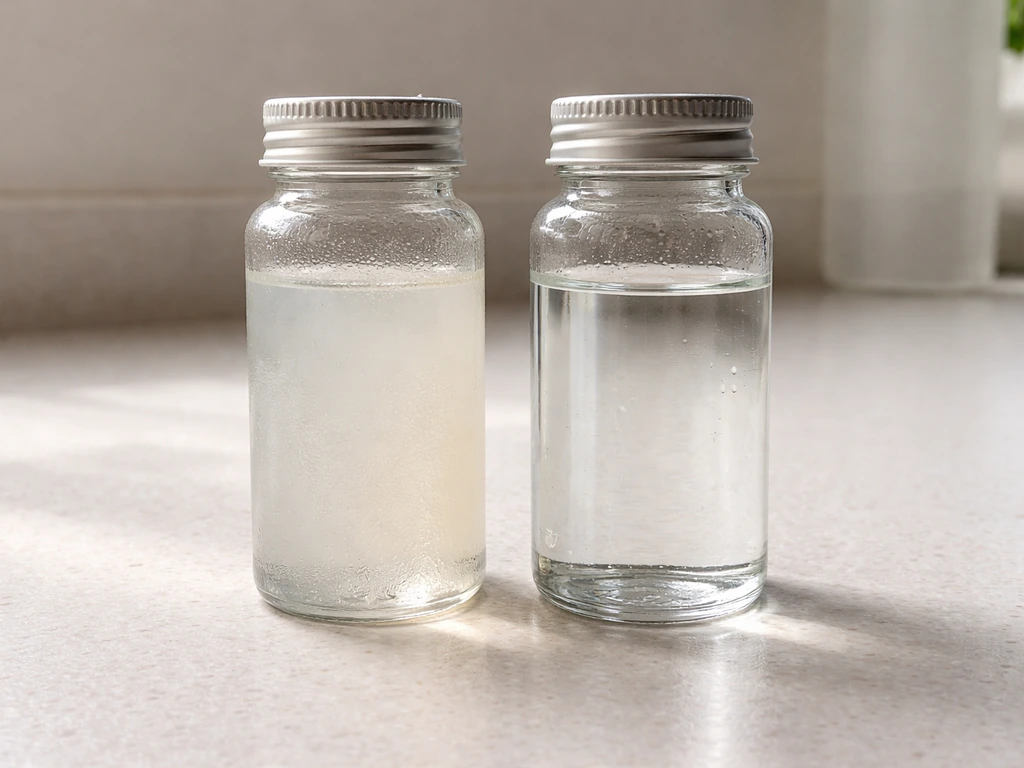
Cloudy water in a hydra bottle is almost always a bacterial bloom caused by excess dissolved organics, which means you have been leaving uneaten food in the bottle or not doing partial changes frequently enough. Do not add more water with food in it. Instead, do a 30–40% water change with fresh dechlorinated water immediately, suck out all visible waste from the bottom, and skip feeding for one day. The cloudiness usually clears within 24–48 hours. If it persists and smells bad, do a 50% change and consider moving surviving hydra to a clean bottle.
Problem: Hydra die off after a few days
A fast die-off after initial success usually points to one of three things: a water-chemistry crash (check pH and dissolved oxygen), prey exhaustion (your Daphnia or BBS culture ran out), or seasonal stress. Flinn Scientific's husbandry notes specifically flag seasonal cycles as a real factor: hydra can enter sexual maturation phases (often in late autumn or under certain temperature cues) where they become harder to culture and populations crash. If this happens in late autumn or when temperatures drop sharply, start a fresh culture from a new source and keep temperature stable at 20°C with artificial light.
Problem: Bad odor
A sulfurous or rotting smell means you have significant organic decay happening. Do a large (50%) water change immediately, remove all visible dead matter, and hold off on feeding for 24 hours. If the smell persists after two large water changes, transfer any surviving hydra to a freshly prepared bottle and start the maintenance routine cleanly.
Problem: Algae is taking over
Too much light or too many nutrients (from prey waste) feeds algae. Move the bottle to a dimmer location and reduce light exposure to 8–10 hours daily. Manually remove algae strands with a pipette or cotton swab. Hydra can get physically trapped in algae mats and starve, so do not let it get out of control.
Problem: You see worms, not polyps
If your organisms move smoothly across glass without tentacles and do not retract into a ball when disturbed, you likely have planaria or detritus worms, not hydra. Planaria have a characteristic triangular head and glide; detritus worms wriggle freely in the water column. Neither is harmful to a dedicated hydra culture, but they will compete for organic matter and can confuse your observations. If you want a pure hydra culture, start fresh with a purchased culture in a clean, uncontaminated bottle.
Scaling up, observing, and when to reset
A healthy water-bottle culture will start showing visible budding (small bumps forming along the body of the hydra, which detach as new individuals) within 5–10 days of consistent feeding. Once you have more hydra than your bottle's prey supply can support, it is time to scale up or split.
Scaling up
Move to a 5-liter glass jar, a small aquarium, or a large culture dish if you want a bigger, more stable population. Larger volume means slower parameter swings, which makes the culture more forgiving. Add a gentle sponge filter or air stone at this scale to maintain dissolved oxygen without disturbing the hydra. Flinn Scientific's guidance supports cultures up to 5 gallons for serious culturing work, which gives you a lot of headroom.
Observing and harvesting
Hydra are fascinating to watch under a 10x loupe or a basic stereo microscope. You can observe their feeding response, the budding process, and even nematocyst discharge if you have the optics for it. For hobbyists using hydra as a live food for small fish or as a bioassay indicator of water quality, simply pipette individuals out as needed. Hydra are useful indicators of clean water conditions, so a thriving culture is also a signal that your water parameters are good.
When to reset the culture
Plan to reset (transfer to a clean bottle with fresh water and fresh substrate) every four to six weeks, or sooner if you notice persistent cloudiness, a film on the water surface, or a declining hydra population despite correct feeding. The reset is simple: pipette as many hydra as you can find into a fresh prepared bottle, add some clean moss or biofilm substrate, and restart the feeding routine. Think of it less as a failure and more as routine maintenance, similar to refreshing a Daphnia or algae culture. If you grow other aquatic cultures like haematococcus or maintain live plant setups alongside your hydra work, the same discipline around water cleanliness and feeding precision applies across all of them. If you are also working with Haematococcus pluvialis, the same idea of keeping water quality stable and avoiding contamination will help you succeed.
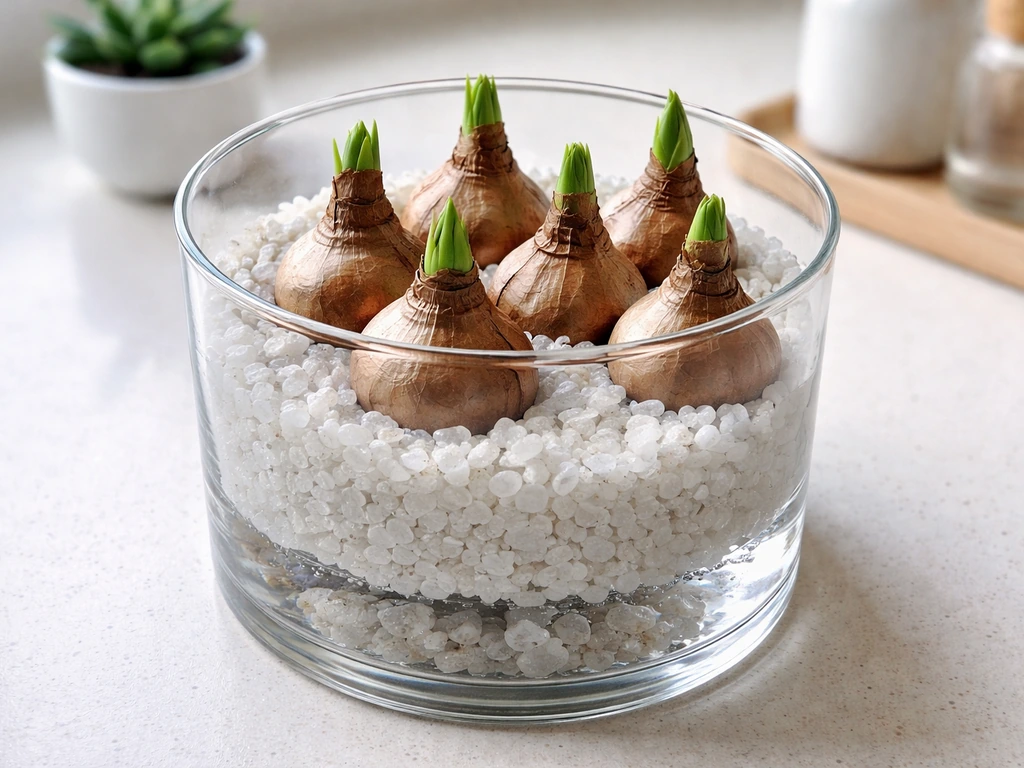
Realistically, expect your first culture to take one to two weeks to establish, show active budding by week two to three with good feeding, and need a reset or scale-up by week four to six. That timeline assumes once-daily feeding with live prey, daily partial water changes, and stable temperature. Get those three things right, and a water-bottle hydra culture is genuinely one of the more satisfying and low-cost live-organism projects you can run at home. If you want to branch into bulbs, you can also learn how to grow paperwhites in gravel for reliable indoor blooms. If you also want a plant project, you can learn how to grow a hyacinth in water for a simple indoor bloom using clean water and a properly chilled bulb.
FAQ
Can I grow hydra in a water bottle using rainwater or pond water instead of dechlorinated tap water?
You can, but only if the water is from a clear, low-pollution source and you still dechlorinate only for tap sources. Pond water often brings extra dissolved organics and microbes, so you should expect more frequent cloudy-water problems early on, and you may need to do smaller, more frequent partial water changes for the first week.
How much light is safe, and does window light cycle matter?
Indirect light is safest, aim for 10 to 12 hours per day. If your window lighting varies wildly by weather, use a simple LED timer to keep a consistent photoperiod, since long sudden bright spells can promote algae growth and trap hydra.
What if I only have frozen or dead Daphnia or brine shrimp?
Hydra typically ignore non-live food because the feeding trigger depends on chemical cues from injured prey. If you must use something, focus on reviving live prey (for example, hatching brine shrimp so the nauplii are alive) rather than feeding frozen, otherwise you will usually get rapid fouling and poor survival.
How do I know my hydra prey is actually alive when I add it?
For brine shrimp nauplii, check movement in the hatching container or briefly observe them after adding, they should swim and not sink as inert specks. If they are sluggish immediately or cloud the water quickly, they are likely dying and you should restart your prey culture rather than feeding those.
Can I culture hydra without any plants or substrate in the bottle?
Yes, but plants help provide attachment points and natural micro-surfaces where hydra can anchor. If you keep the bottle bare, ensure there is enough glass surface contact, and be extra strict about removing uneaten prey, since waste will accumulate directly in the open water.
Do hydra need aeration in a water bottle?
In small bottles they usually do fine without added aeration as long as you avoid overfeeding and you do daily partial changes. If you notice repeated stress signs, cloudy water that returns quickly, or hydra contracting and staying contracted even with correct temperature and feeding, adding gentle air (low bubbling) or switching to a larger volume can help stabilize dissolved oxygen.
My hydra are present but not budding, what should I change first?
First confirm temperature is within 18 to 21°C and that you are feeding appropriate live prey in a quantity they can consume within 30 to 60 minutes. If food is correct but budding is slow, reduce light intensity slightly and remove any algae, since algae and trapped hydra can suppress feeding and reproduction.
Is it normal to see hydra retreating or contracting when I disturb the bottle?
Yes, hydra typically retract quickly when the glass is tapped or when the bottle gets jostled. What is not normal is staying fully contracted for long periods. If they remain contracted for hours, check pH (especially dropping below 7.0), temperature, and whether replacement water was temperature matched.
How do I handle the risk of hitchhiker pests if I’m collecting from the wild?
Inspect plants under bright light and rinse gently in dechlorinated water before adding. After seeding, give it time to establish and monitor, if you later see gliding or free-wriggling organisms rather than tentacled hydra, consider resetting using a purchased culture and a clean container to avoid persistent competitors.
What should I do if the water surface forms a film?
A film usually indicates bacterial or organic buildup, often linked to excess dissolved waste. Do a 30 to 50% dechlorinated water change, siphon out bottom waste, skip feeding for a day, and move the bottle to slightly dimmer light to reduce additional nutrient loading.
How long can I leave the hydra bottle without feeding?
Hydra can tolerate short gaps, and green hydra generally handle longer gaps slightly better. However, if you skip feeding for more than a couple of days, expect reproduction to slow and starvation stress to rise, especially in small volumes, so plan at least daily or near-daily feeding during initial establishment.
When is it time to split or scale up, and what volume change is best?
Scale up when you start seeing fewer prey available or hydra numbers increase beyond what your daily prey supply can support, usually after stable budding and consistent feeding. Moving from 1 to 2 liters to around 5 liters is a good next step because parameter swings become less drastic.
Do I need to remove hydra if I use them as a live food for fish?
If you are harvesting individuals, do it in small batches and avoid draining the culture. After harvesting, keep feeding the remaining hydra as usual and remove any uneaten prey, because harvesting can temporarily disrupt the balance and the bottle can foul faster in a small volume.
Should I ever keep hydra with other aquarium animals in the same bottle?
It is not recommended for a dedicated culture. Other organisms can compete for prey, eat hydra, or introduce different microbes that destabilize water quality, and it becomes much harder to diagnose problems like cloudiness or population crashes.
How often should I reset if everything seems fine?
Even with good care, plan for a reset every 4 to 6 weeks, but if the bottle stays clear and hydra abundance remains consistent, you can sometimes stretch it longer. Reset sooner if you repeatedly get persistent cloudiness, surface biofilm that returns quickly, or a decline in hydra numbers despite correct feeding.