You can deliberately grow and culture Aiptasia in a dedicated tank, and it is honestly one of the easiest things to keep alive in saltwater. These glass anemones are famously tough, reproduce fast, and will thrive in a simple setup that would not support most corals. The practical reason most hobbyists do this is to maintain a steady food supply for Berghia nudibranchs or other Aiptasia-eating predators, but some keep a culture purely for experimentation.
How to Grow Aiptasia in an Aquarium Step by Step Guide
Marcus Holloway
27 Jun 2026
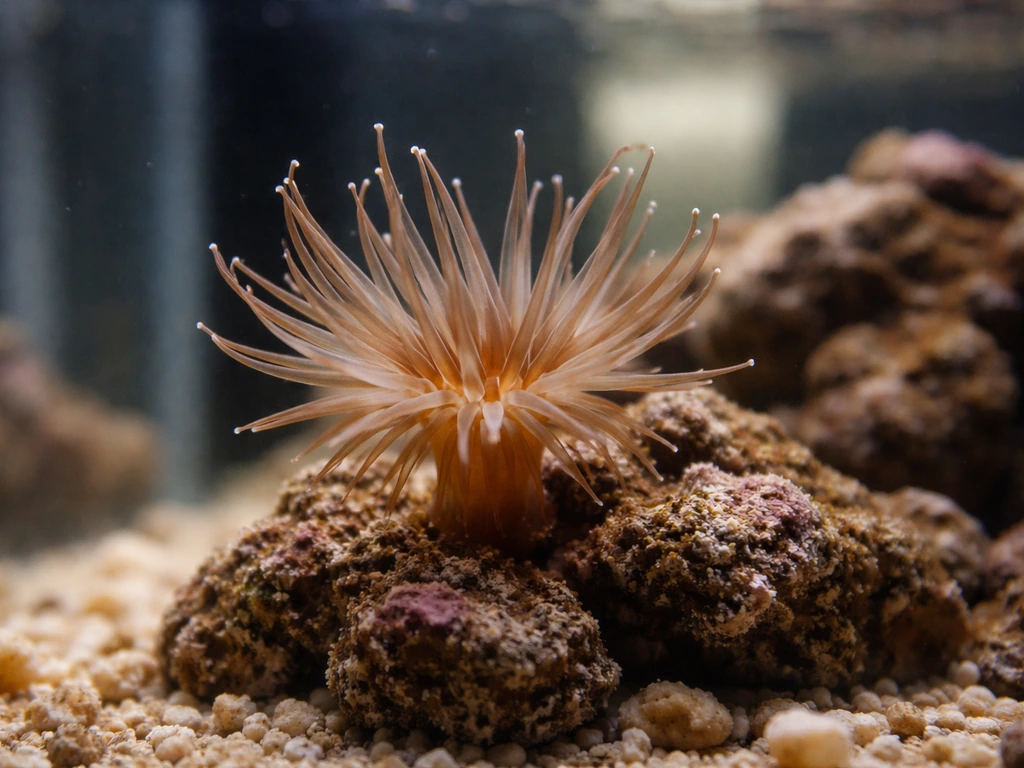
Either way, success looks like a growing colony of expanding, tan-to-brown anemones that feed readily and multiply on their own. If you want the basics on sea anemone husbandry instead, use the guidance in this article to learn how to grow and keep them healthy how to grow sea anemone.
What Aiptasia actually is (and why anyone would want to grow it)
Aiptasia are small sea anemones in a genus that includes Aiptasia pallida (the brown glass anemone) and Aiptasia pulchella, among others. In reef aquariums they are universally treated as pests, and for good reason: their stinging tentacles can damage corals, they sting small tank inhabitants, and they reproduce so aggressively from even tiny tissue fragments that a single hitchhiker on a frag plug can become dozens of individuals within a few months.
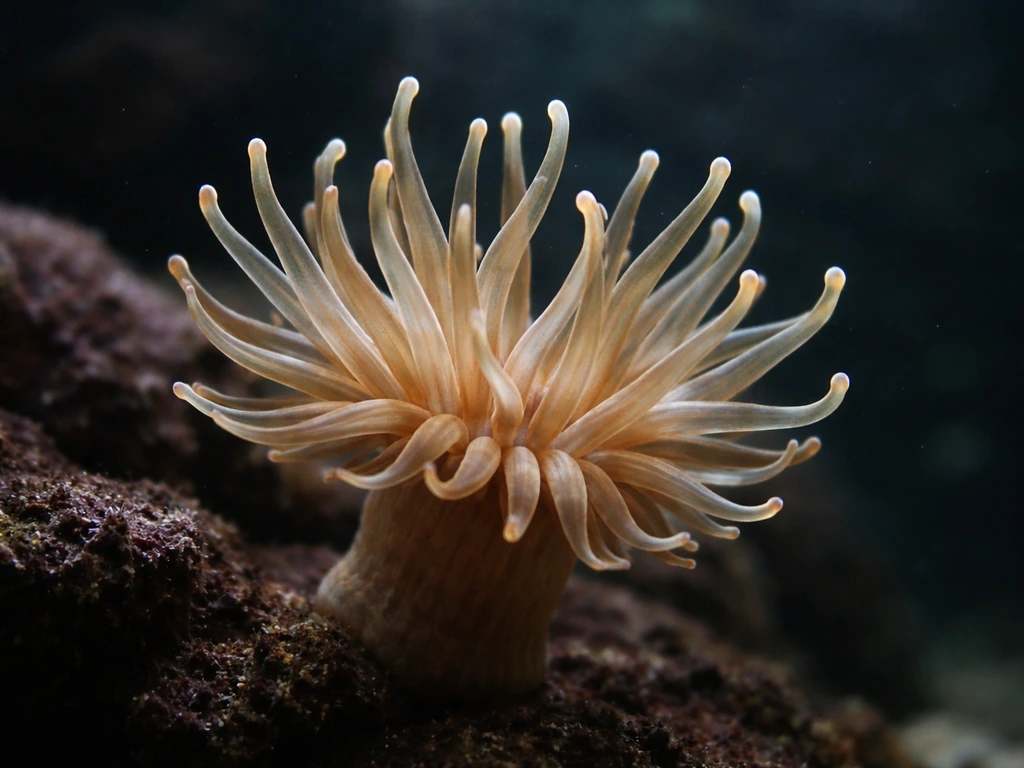
Physically, they have a pedal disc that anchors to hard surfaces, a cylindrical body column, and long tapered tentacles radiating from an oral disc. Healthy individuals are translucent to tan-brown, with color intensity driven largely by their symbiotic zooxanthellae and your lighting. Under higher light they tend toward dark brown; under dim conditions they can look almost clear. You will usually see them with tentacles fully extended when conditions are good and retracted into a hole in the rock when stressed.
The main reason to intentionally culture Aiptasia is as a live food source. Berghia nudibranchs are obligate Aiptasia predators, and anyone breeding or maintaining a colony of Berghia needs a reliable, ongoing supply. Keeping a dedicated Aiptasia tank in a separate system is the standard solution in the hobby, and it gives you full control without risking your display reef. Some researchers also maintain Aiptasia cultures because they are a widely used model organism for studying coral-zooxanthellae symbiosis.
Core setup: tank, water, flow, and light
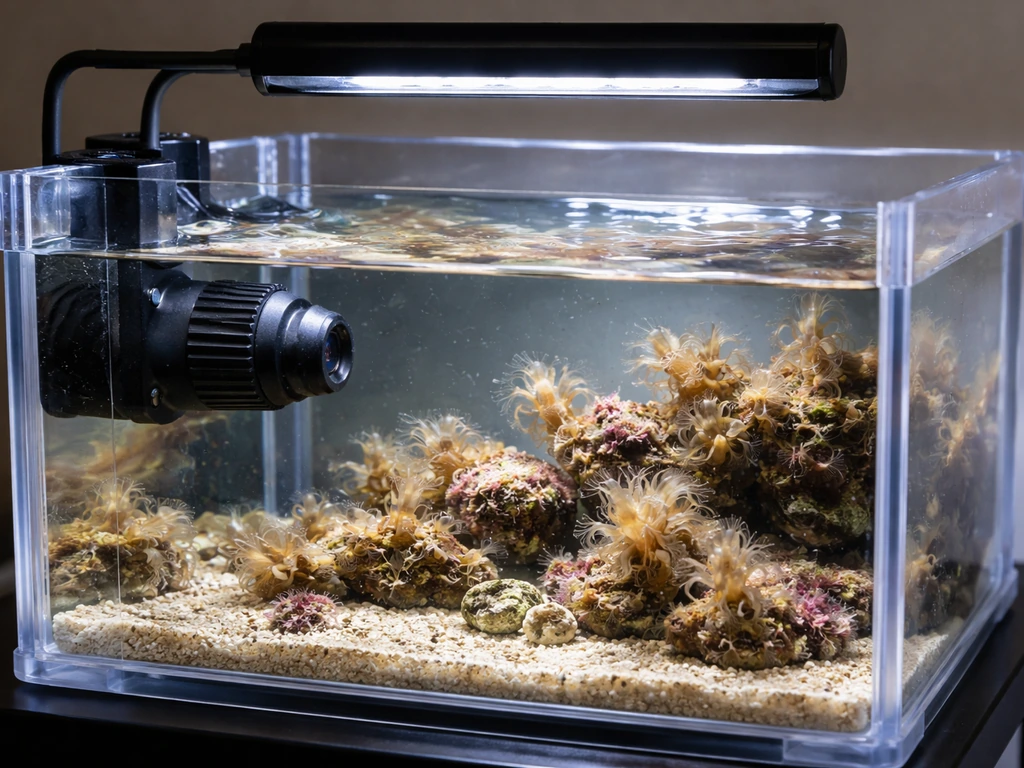
You do not need anything fancy. A 5- to 20-gallon tank works well for a small-to-medium culture. Translucent polycarbonate containers or standard glass aquariums both work fine. The goal is a system you can monitor easily and keep isolated from your display. A lid or cover is a good idea, not because Aiptasia will jump out, but to limit evaporation and keep salinity stable.
Water parameters to hit and hold
| Parameter | Target Range | Notes |
|---|---|---|
| Temperature | 76–80°F (24–27°C) | Stability matters more than hitting a precise number |
| Salinity | SG 1.024–1.026 (approx. 35 ppt) | Use a reliable refractometer; top off with RODI water |
| pH | 8.1–8.3 | Avoid swings; test at the same time each day |
| Alkalinity (dKH) | 8–12 | More relevant if running a mature live rock system |
| Ammonia / Nitrite | 0 ppm | Run even a small sponge filter to maintain a cycle |
Stability is the real target here. Aiptasia can handle a fairly wide range of conditions, but rapid swings in salinity, temperature, or alkalinity will cause them to deflate, retract, and refuse to feed, which can spiral into die-offs in a culture tank. Another hobby-facing parameter summary echoes similar stability goals for anemones: stable salinity SG 1. 024, 1.
026, temperature 76, 78°F, pH 8. 1, 8. 3, and dKH alkalinity roughly 8, 12 [stable salinity SG 1. 024–1.
026, temperature 76–78°F, pH 8. 1–8. 3, and dKH alkalinity roughly 8–12](https://enviroliteracy. org/what-water-conditions-do-anemones-like/).
I lost an early Aiptasia jar to evaporation over a weekend when salinity crept past SG 1. 030. The animals went sickly and translucent within a couple of days. Once you top off and restabilize, they usually recover, but it is a frustrating setback.
Flow and filtration
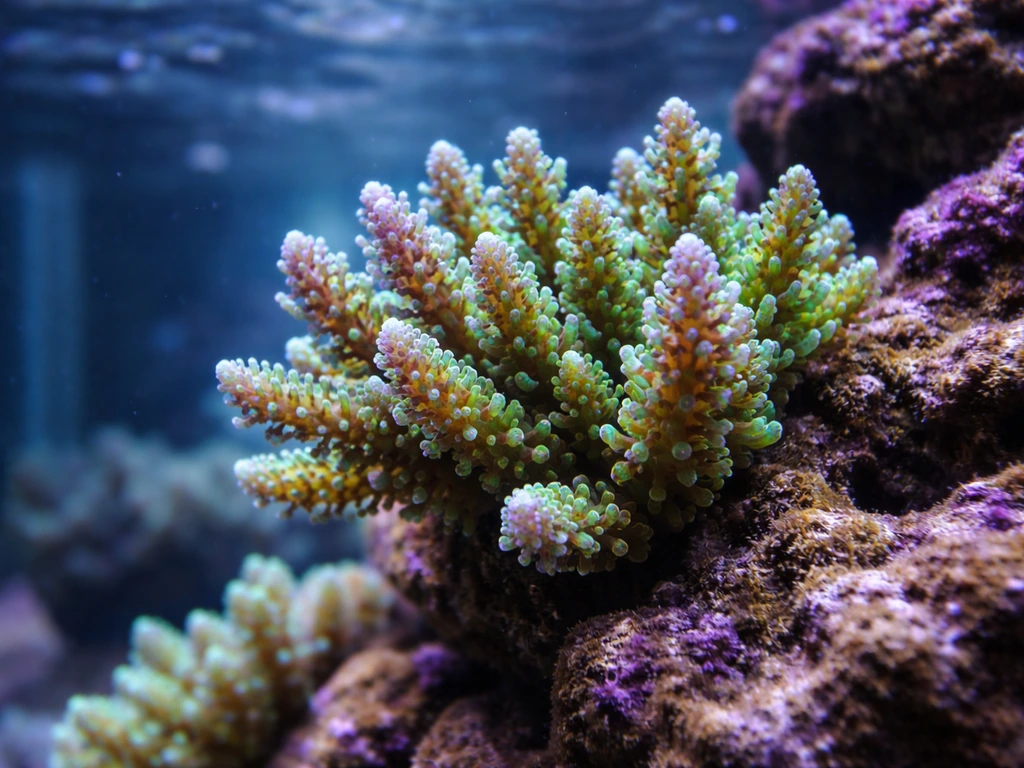
You want gentle, indirect water movement. Too much direct flow and the anemones stay retracted and stressed; too little and detritus builds up and water quality degrades. A small powerhead on the lowest setting pointed at a wall, or a basic sponge filter, is usually enough for a 10-gallon culture tank. Aiptasia do not need strong flow the way Acropora or other high-flow SPS corals do. If you are actually aiming for coral growth, contrast this with how to grow acropora fast in an SPS setup where light and flow demands are much stricter. The sponge filter also provides biological filtration, which matters because you will be adding food regularly.
Lighting
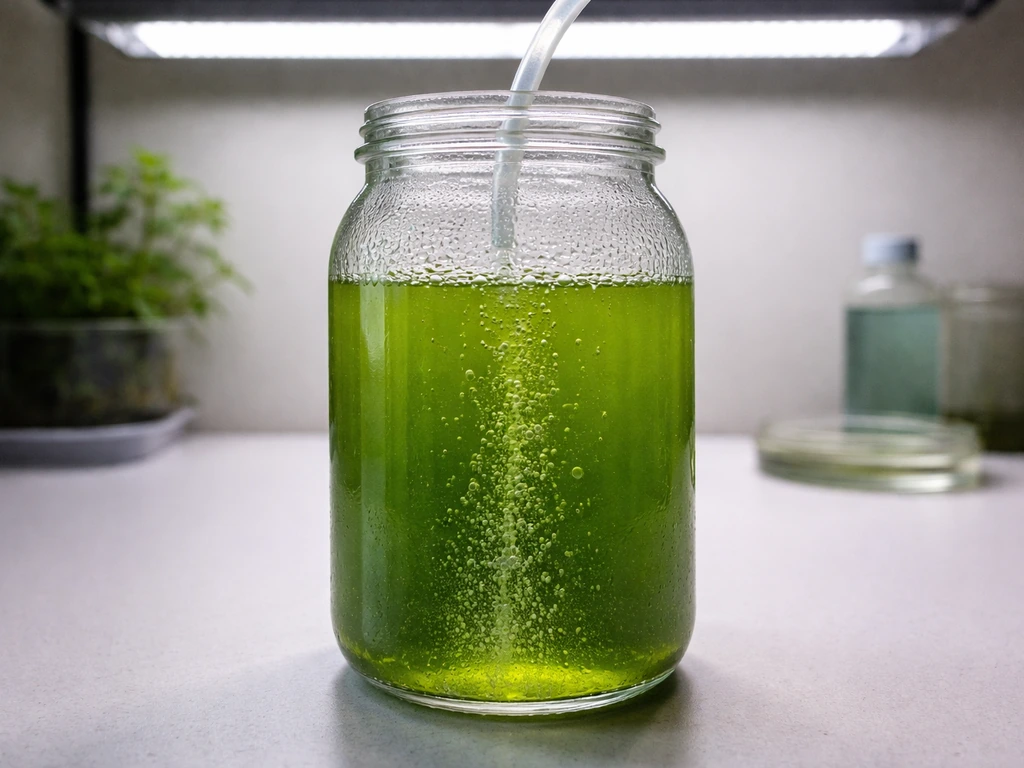
Aiptasia are photosymbiotic, meaning their zooxanthellae contribute to their nutrition through photosynthesis. If you are growing Nannochloropsis, you will also rely on light-driven growth, but you will tune water chemistry and aeration for a microalgae culture instead photosymbiotic. A basic LED fixture running a 12-hour on, 12-hour off photoperiod is all you need. You do not need reef-grade PAR levels.
A moderate intensity in the 50–150 PAR range is sufficient. Research into Aiptasia reproduction has actually used specific blue-light cues to trigger spawning, but for a basic food-source culture, a consistent white/blue LED on a timer will keep them healthy and colored up. If they are going very clear or pale without bleaching (no tissue sloughing), try bumping your light intensity slightly before changing anything else.
How to source and start your culture
The easiest way to start is to get a piece of live rock or a frag plug that already has Aiptasia on it. Ask in your local reef club or on hobbyist forums. Anyone with a reef tank who has dealt with an infestation will happily give you rock covered in them for free, because for them it is pest removal. You can also buy small rubble pieces with confirmed Aiptasia from some online livestock sellers. Alternatively, if you already have a reef tank with a few, transfer a small rock with two or three individuals directly into your culture vessel.
Placement and attachment
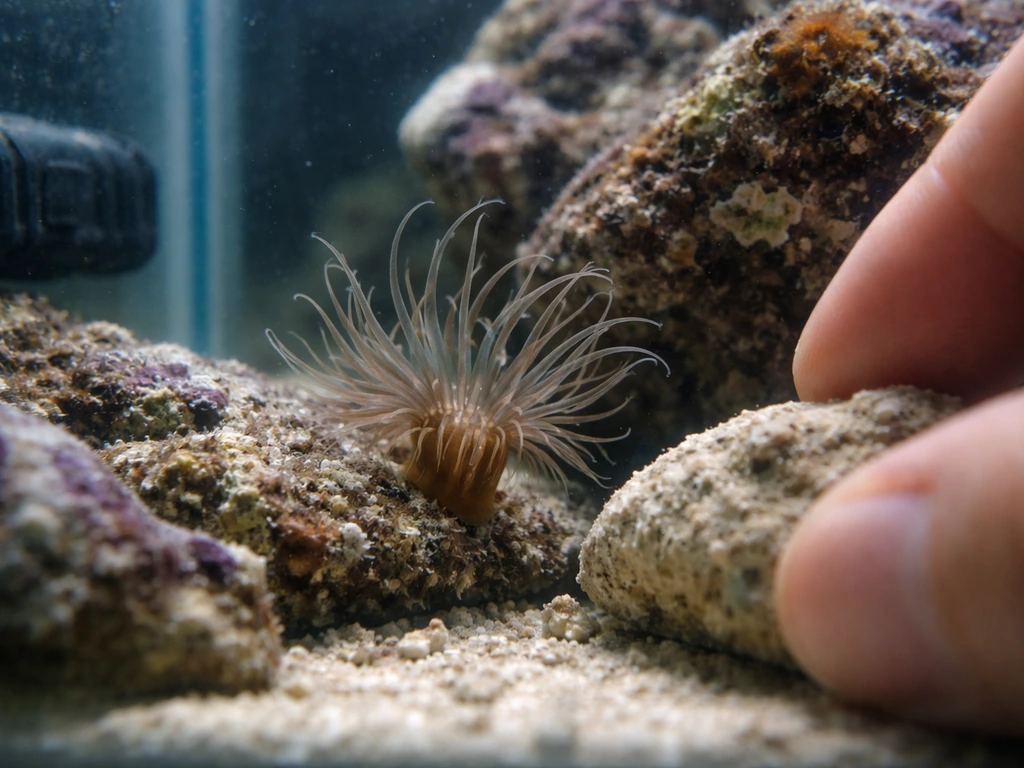
Aiptasia attach via a pedal disc, and they will anchor themselves to live rock, frag plugs, bare glass, and even plastic equipment. For starting a culture, place rubble pieces or plugs with visible individuals on a flat surface in low-flow areas of the tank. Do not bury them or place them where flow will tumble them around. If the pedal disc gets damaged during transfer, the animal may fail to reattach and die. If you see a free-floating individual, gently place it upright with the foot touching a hard surface and reduce flow nearby until it grips on.
Acclimation
Even though Aiptasia are tough, acclimate them properly when moving from one system to another. Float the container in your culture tank for 15 minutes to equalize temperature, then slowly add small amounts of your tank water over 20 to 30 minutes to match salinity. A parameter mismatch during introduction is one of the main reasons new starts retract and refuse to open for days. Once you add them to the tank, leave them alone for 24 to 48 hours before attempting to feed.
Feeding strategy and how to encourage growth
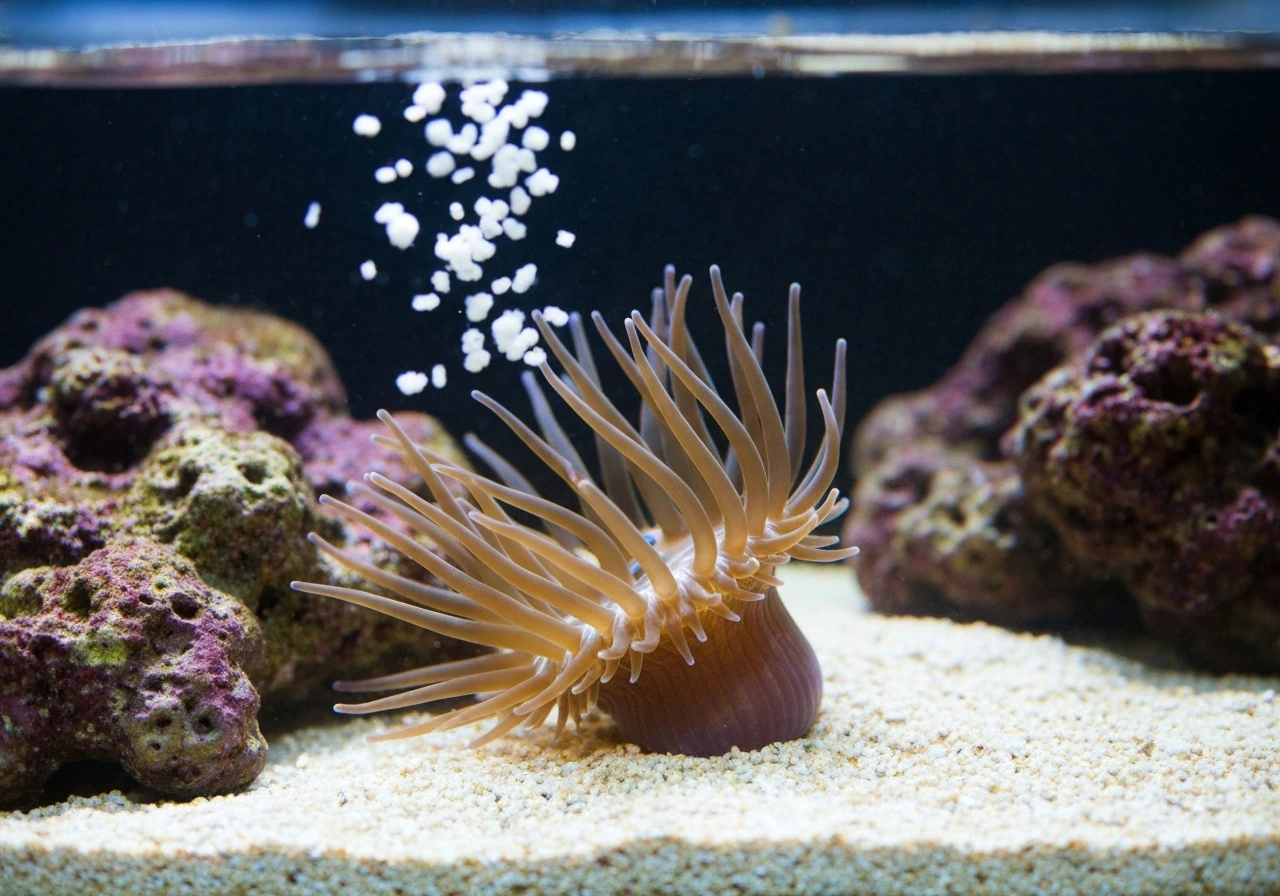
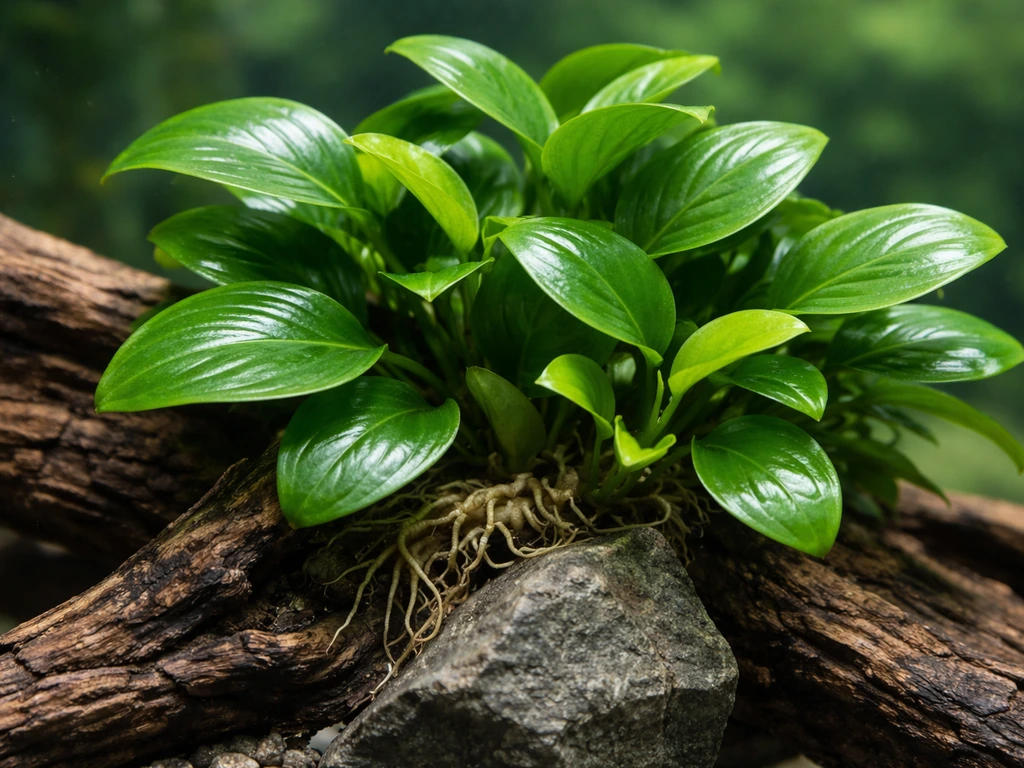
Aiptasia will eat most meaty foods: frozen mysis shrimp, brine shrimp, finely chopped silversides, reef roids, and similar particulate foods. Feed only when the tentacles are fully extended. I use a pipette or turkey baster to target-feed individual animals, placing a small amount of food directly onto the oral disc. They respond quickly and visibly, pulling food in within a minute or two. If you want to grow Anubias faster, focus on the right light, nutrients, and stable conditions encourage growth.
Feed two to three times per week for a growing culture. If you are looking at ways to grow Japanese anemones alongside your culture, the same focus on stable water conditions and gradual adjustments applies. The biggest mistake I see with Aiptasia cultures is overfeeding. Uneaten food rots fast in a small system with minimal cleanup crew, spikes ammonia, and can crash your whole culture. Start with a smaller amount than you think you need, remove uneaten food after an hour with a pipette or turkey baster, and scale up as the colony grows. In a small culture tank, you genuinely do not need a lot of food per feeding.
What boosts growth and what limits it
- Consistent, stable parameters accelerate expansion more than any other single factor
- Regular small feedings (2–3 times per week) with complete food removal after 1 hour keeps nutrients up without fouling water
- Moderate indirect flow keeps fresh water moving over tentacles without causing constant retraction
- A 12: 12 light cycle supports zooxanthellae and photosynthetic contribution to nutrition
- High ammonia or nitrite from rotting food will stop growth cold and cause retraction
- Excessive flow (direct powerhead blast) keeps them retracted and stunts colony development
- Salinity swings from evaporation are the most common silent growth limiter in small systems
Once established, Aiptasia clone themselves readily through pedal laceration (leaving small tissue fragments behind as they move) and through direct budding. A healthy colony in good conditions can double in a few weeks without any intervention beyond feeding and water maintenance. This is exactly why they are so successful as pests in display tanks.
Troubleshooting common culture problems
Animals staying retracted and not expanding
This is almost always a flow or parameter problem. Check flow first: reduce it or redirect it away from the animals. Then check salinity and temperature. If both are in range and stable, test ammonia. A new tank that has not fully cycled will have ammonia spikes from feeding that keep anemones retracted. Run a sponge filter for two weeks before adding animals if you can, or add a small amount of established biological media from an existing system.
Color changes: browning or going very pale/clear
Color is driven by zooxanthellae density and lighting. Very dark brown usually means light intensity is too low and the animals are compensating by increasing zooxanthellae density to capture more light. Very pale or nearly clear (without tissue deterioration) often means too much light. Actual bleaching with tissue sloughing or disintegration points to a water quality problem rather than just a light issue. Adjust lighting gradually, in one direction at a time, and give the animals a week to respond before changing anything else.
Failure to attach after transfer
If an individual keeps floating or fails to grip after 24 hours, gently press it against a flat hard surface with as little flow as possible and check that the pedal disc tissue is intact. If the foot looks damaged or torn, the animal may not recover. Remove it to prevent it from decomposing in the tank. Going forward, move Aiptasia on their rock or plug rather than pulling them free.
Nuisance algae and cyanobacteria takeover
A culture tank with regular feeding and no cleanup crew is a perfect environment for algae and cyano blooms. Reduce feeding frequency or portion size first. Increase flow slightly (while keeping it indirect) to disrupt cyano mats. Manual removal with a turkey baster or toothbrush helps. Consider adding one or two small hermit crabs or a single small snail to help with detritus. Partial water changes of 10 to 20 percent weekly will dilute excess nutrients and are one of the best tools you have in a small culture system.
Sudden die-off
If multiple animals deflate and start deteriorating together, test water immediately. Ammonia spike from rotting food, a dramatic salinity swing from evaporation, or temperature extremes are the usual culprits. Do a 25 percent water change with matched parameters right away, remove any dead tissue, and reduce feeding until water parameters stabilize. Do not add more individuals until the root cause is resolved.
Keeping it contained, or getting rid of it entirely
Aiptasia culture and Aiptasia eradication are two sides of the same coin. The biology that makes them useful to culture (rapid cloning, hardy, hard to kill) is exactly what makes them a nightmare if they escape into a display reef. The most important containment rule is to keep your culture in a completely separate, isolated system. If you are trying to figure out how to grow Anubias instead, focus on stable light, gentle flow, and secure rhizome placement. Never share equipment like pipettes, rocks, or water between your culture tank and your display tank without thorough rinsing.
If it spreads and you want to slow it down
Reduce feeding to limit clone production. Remove individual animals by pulling their rock out and scraping the pedal disc fully off with a blade, being careful to collect all tissue fragments so they do not land elsewhere and regenerate. Keep in mind that any torn tissue left behind can grow into a new individual. This is the same regeneration mechanism that makes them so good at colonizing a tank and equally frustrating to eradicate.
Full eradication options
If your goal shifts from growing Aiptasia to eliminating them, you have several practical options. Berghia nudibranchs are the most targeted biological control: they are obligate Aiptasia predators and will systematically work through a population, though they are slow and require enough Aiptasia to sustain them, and they are nocturnal so you may not see results for a couple of weeks.
For mechanical and chemical removal, a kalkwasser paste or commercial Aiptasia-killing paste (injected via syringe directly at the oral disc) is very effective for spot treatment. The key is injecting slowly with minimal flow so the paste contacts the tissue rather than dispersing into the water column. Treat one or two individuals at a time rather than doing a mass treatment that can disturb others and cause them to retract into unreachable spots.
| Method | Effectiveness | Effort | Risk of Spread |
|---|---|---|---|
| Berghia nudibranchs | High (systematic) | Low ongoing | None |
| Kalkwasser paste injection | High per target | Medium (repeat sessions) | Low if done with low flow |
| Commercial paste (e.g., Aiptasia-X) | High per target | Medium | Low if done carefully |
| Manual scraping/removal | Moderate | High | High if fragments escape |
| Starving/isolation | Moderate (slows spread) | Low | Low |
If you are running a dedicated culture tank and want to wind it down completely, the most reliable approach is to stop feeding, let the Berghia or paste treatments work through the population, then do a thorough bleach rinse of the entire tank and equipment before repurposing it. Do not dump tank water down a drain connected to coastal water, and dispose of rock and substrate responsibly.
Quick reference: what success looks like
A healthy Aiptasia culture has individuals with fully extended tentacles during their light period, tan-to-brown coloration, visible feeding responses within minutes of food presentation, and a slowly growing number of individuals over weeks. You will notice new tiny anemones appearing on rock surfaces near established ones as the population clones itself. That is your sign the culture is working. If you are maintaining this as a food supply for Berghia, keep the culture tank large enough or the feeding population small enough that the Aiptasia can replenish between feeding sessions. If the Berghia eats the culture down to nothing, they will starve, which defeats the whole purpose of the system.
FAQ
How do I keep Aiptasia from taking over my whole room or getting into my display tank accidentally?
Use fully separate equipment for the culture tank, and store it in a labeled container so you do not mix up pumps, basters, and lids. If you have any chance of splashes, keep the culture tank on a drip-free stand and never top off with the same container you use for the display.
Do I need a cleanup crew in an Aiptasia culture tank to prevent detritus and cyano?
Often, no cleanup crew is simplest for consistency, but detritus still builds quickly. If cyano or mulm becomes a problem, start by reducing food portion sizes and siphoning leftovers, then consider adding one small snail or a couple of tiny hermits to stir surfaces gently, not large scavengers that can foul the water.
What water tests matter most for troubleshooting a struggling culture?
Check ammonia first, then salinity and temperature stability. For most culture crashes, swings in evaporation-driven salinity and ammonia from uneaten food are the primary drivers, even when everything else looks “fine.”
Why are my Aiptasia staying retracted even though my salinity and temperature seem okay?
They may be reacting to leftover food rotting and causing low oxygen or elevated ammonia, or to localized high flow that prevents them from extending. Try reducing flow to near-zero directly over the rock, then target-feed only after they have stayed extended for a day.
How much should I feed an Aiptasia culture, and how do I tell if I am overdoing it?
Feed only what they fully consume when tentacles are fully extended, and remove any visible leftovers within about an hour. A quick sign you are overfeeding is cloudy water or rapidly rising detritus on the rock, where individual tentacles retract shortly after feeding.
Can I start a culture from a single tiny individual, or do I need a large rock plug?
A single anemone can work, because pedal laceration and budding can eventually build numbers, but it is slower and more sensitive to mistakes. Expect a longer ramp-up, and avoid aggressive parameter changes, since small cultures crash more easily.
What light schedule is best, and should I change intensity to fix pale or clear coloration?
Use a consistent photoperiod, commonly around 12 hours on. If they become very clear without tissue damage, increase light gradually in small steps and wait a week between changes, because abrupt jumps can stress them and cause retraction.
Is it safe to handle and move the Aiptasia rock with bare hands or common reef tools?
Use clean tools and avoid sharing hands directly between tanks if you can. Even if Aiptasia do not spread by “contact” like algae, damaged tissue fragments can detach more easily during rough handling and then regenerate elsewhere.
What should I do if an Aiptasia foot gets damaged during transfer but it looks alive?
First reduce flow and press it gently against a flat hard surface so the pedal disc can reattach, ideally within 24 hours. If it fails to grip after that, remove it to prevent decomposition, damaged tissue can seed additional individuals.
How do I prevent a culture from collapsing when the Berghia nudibranchs eat it down?
Plan the relationship between predator and prey. Keep the culture large enough or maintain a separate “backup” growth phase, and only keep Berghia if you can reliably refeed the system with fresh Aiptasia from another source.
If I want to reduce future Aiptasia numbers, what is the least risky approach that still works?
Start by stopping or sharply reducing feeding to slow pedal laceration and cloning. Then remove individuals by scraping the pedal disc fully off their rock so fragments do not remain behind, and do not just pull them off the surface.
Can I use the same filter media, sponges, or tubing between the culture and my display for convenience?
No. Even thorough rinsing is not a guarantee, because tiny tissue fragments and waterborne remnants can survive and reattach. Keep sponge filters, basters, and transfer containers dedicated to one system only.