Water lettuce (Pistia stratiotes) is one of the fastest-growing floating plants you can add to an aquarium or pond. When conditions are right, it produces thick, velvety rosettes and spreads by runners into a dense mat within weeks. When conditions are wrong, it yellows, rots at the crown, and slowly melts away. This guide covers everything you need to dial it in: the right setup, water parameters, nutrients, propagation, and how to fix the most common failures.
How to Grow Water Lettuce in an Aquarium or Pond
Marcus Holloway
14 Apr 2026
What water lettuce needs to grow
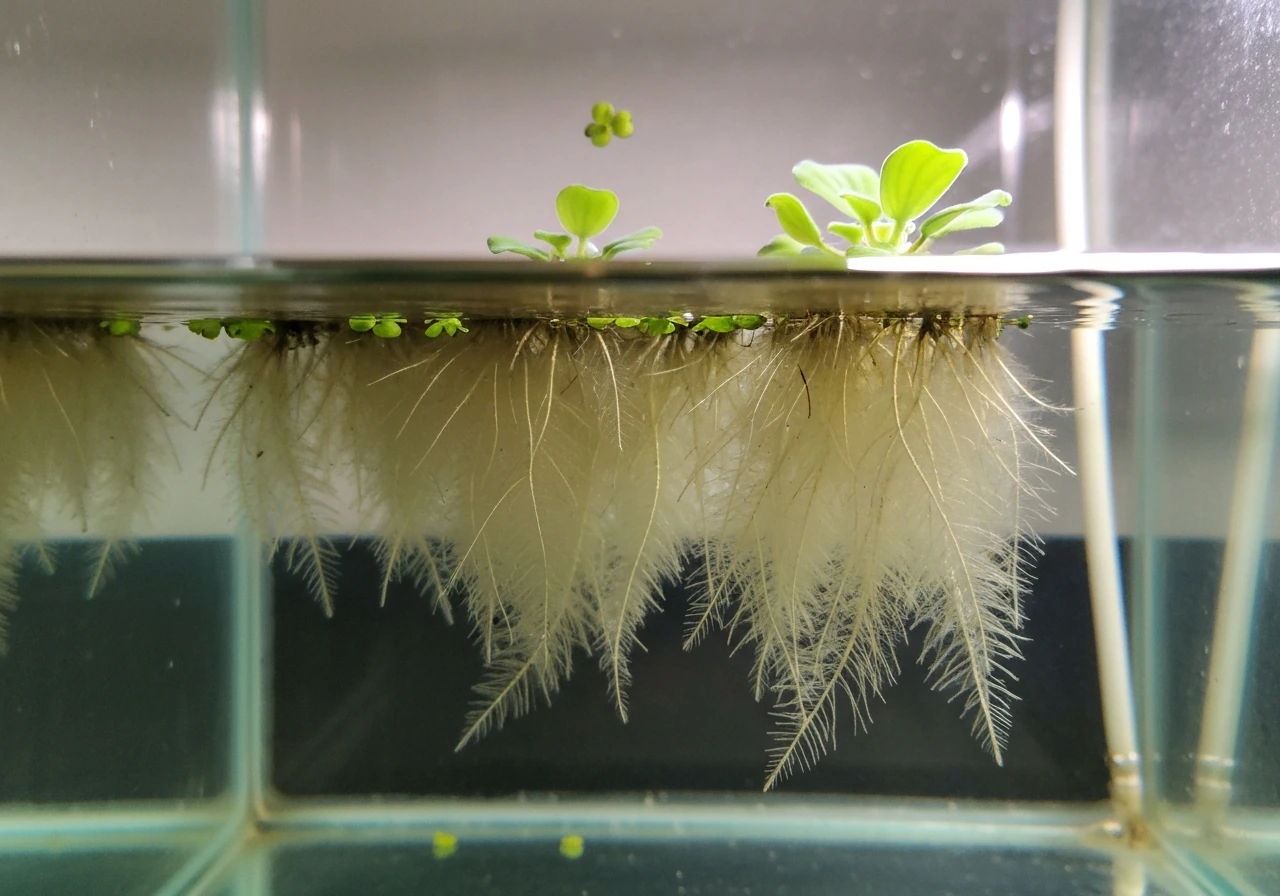
Water lettuce is a free-floating plant, so it pulls almost everything it needs directly from the water through its feathery roots. It does not root into substrate. That makes the water column your main tool for controlling growth. Here are the core requirements at a glance:
- Temperature: 22–30 °C (72–86 °F). Growth stalls below 20 °C and the plant will not survive frost.
- pH: 5.0–8.0 works in practice; optimal growth in lab conditions has been recorded around pH 4, but most aquarium setups run fine between 6.5 and 7.5.
- Light: bright, consistent light for 12 hours per day. Intensity around 4,000–6,000 lux is enough for vigorous growth.
- Salinity: freshwater only. Water lettuce cannot survive salinity above about 2.5 ppt.
- Dissolved oxygen: 8–12 mg/L supports healthy respiration and photosynthesis.
- Nutrients: nitrogen, phosphorus, potassium, and iron are all needed. Deficiencies show up fast on the leaves.
- Water flow: gentle surface movement is fine; strong spray or turbulence will waterlog and rot the leaves.
Think of water lettuce as a nutrient sponge with a preference for warmth and calm water. Get those two things right first, then fine-tune nutrients and light.
Aquarium setup: light, water parameters, nutrients, and placement
Lighting
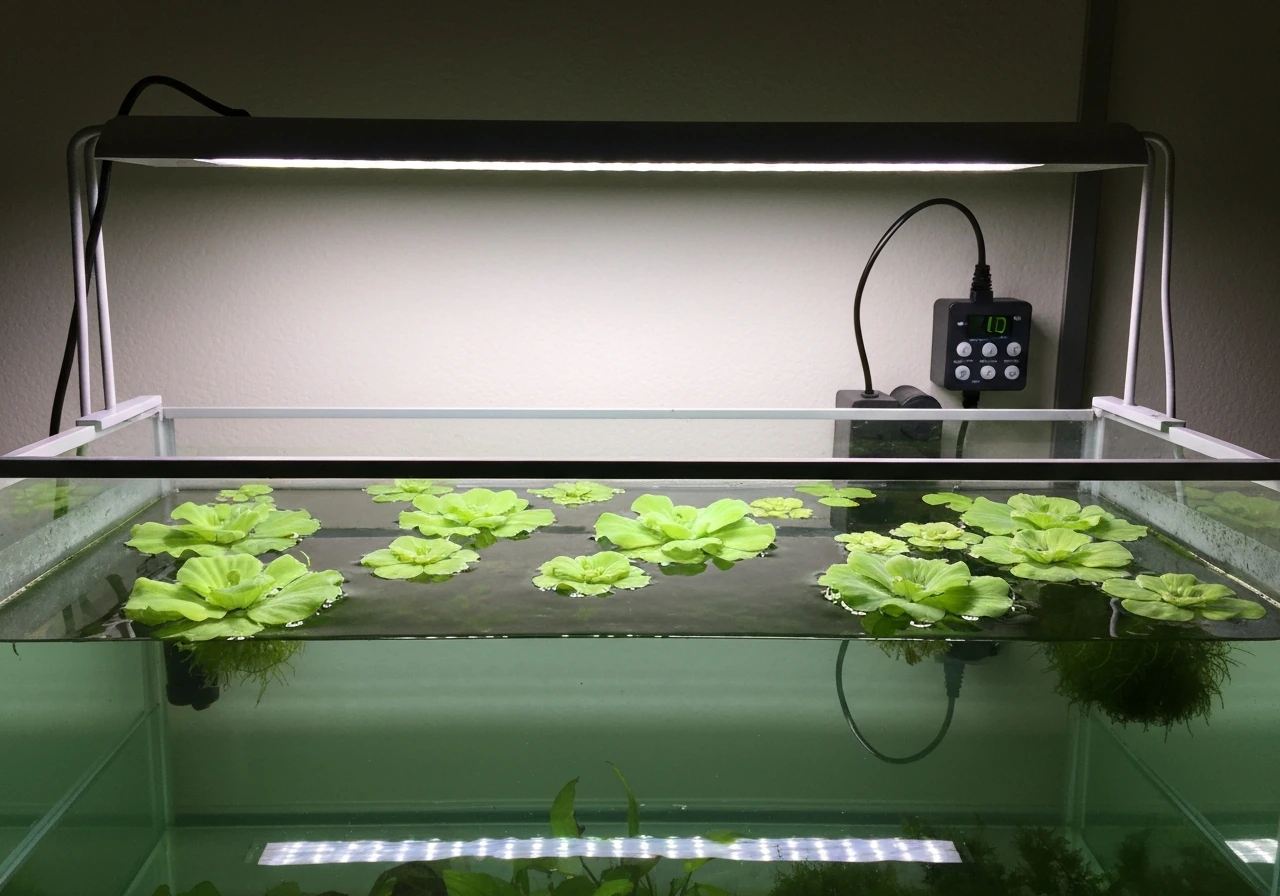
This is where most aquarium growers go wrong. Water lettuce needs overhead light, not side-mounted aquarium strips aimed at submersed plants. A 12-hour light, 12-hour dark cycle (12:12 photoperiod) closely mirrors what it gets in the tropics and is well-supported by controlled growth experiments. Use a full-spectrum LED or T5 fluorescent fixture positioned close enough to hit the floating canopy with at least 4,000–5,000 lux. If the leaves are pale and flat rather than thick and cupped, the light is too weak or too far away.
Water parameters
For an aquarium, aim for temperature in the 24–28 °C range, pH between 6.5 and 7.5, and zero salinity. Water lettuce does not belong in brackish tanks. Keep dissolved oxygen healthy by running gentle filtration. A sponge filter or a low-flow hang-on-back works well because it keeps surface agitation minimal without blasting the plant with spray.
Nutrients
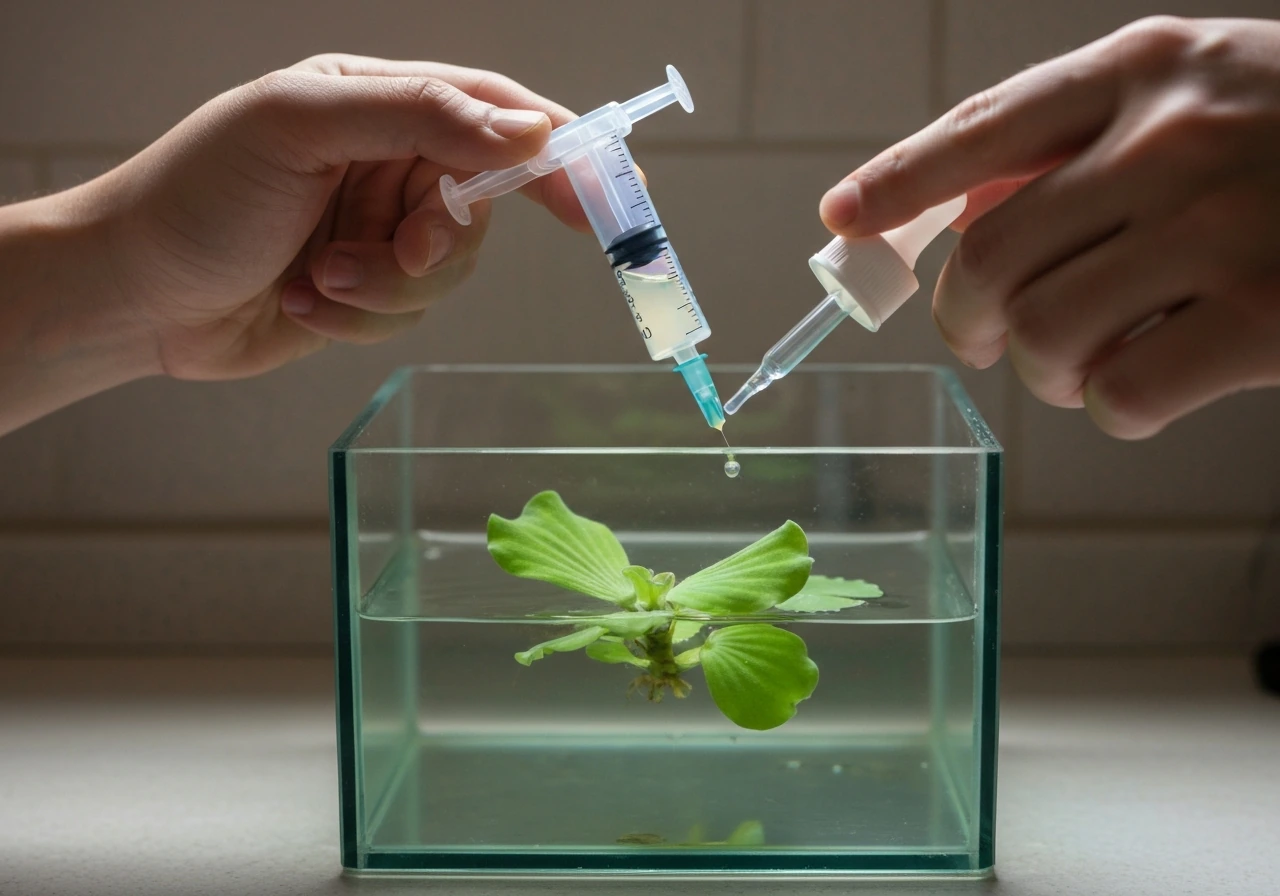
Water lettuce is a heavy feeder, especially in aquariums without fish waste to supplement nutrients. Target these levels to keep growth compact and healthy:
| Nutrient | Target Range | Notes |
|---|---|---|
| Nitrate (NO3) | 10–50 mg/L | Closer to 20 mg/L keeps growth vigorous without algae explosion |
| Phosphate (PO4) | 0.1–3 mg/L | Some sources report optimal growth near 8–9 ppm PO4 in high-nutrient setups |
| Potassium (K) | 5–30 mg/L | Often the most overlooked deficiency in floating plants |
| Iron (Fe) | 0.01–0.5 mg/L | Chelated iron works best; dose after water changes |
If you have fish in the tank, their waste provides a lot of this, especially nitrogen. In a low-fish or fish-free aquarium, you will need to dose a balanced liquid fertilizer weekly. Aquarium-grade all-in-one fertilizers work, but if you want precise control, dose nitrate, phosphate, potassium, and iron separately so you can adjust each one independently.
Placement
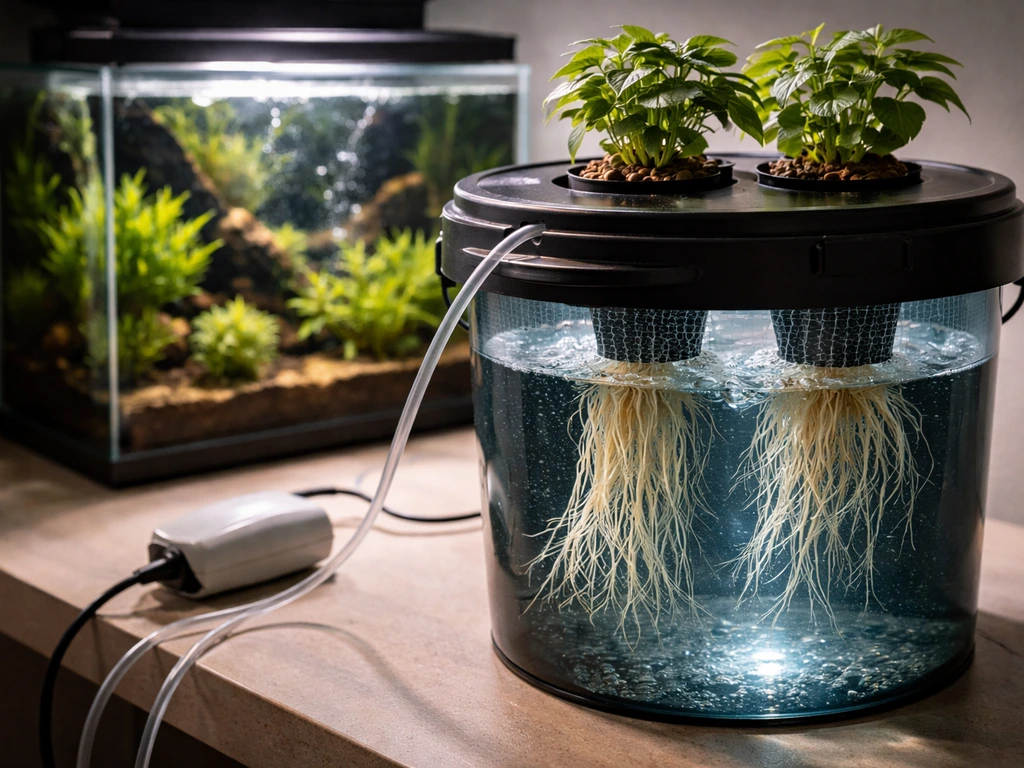
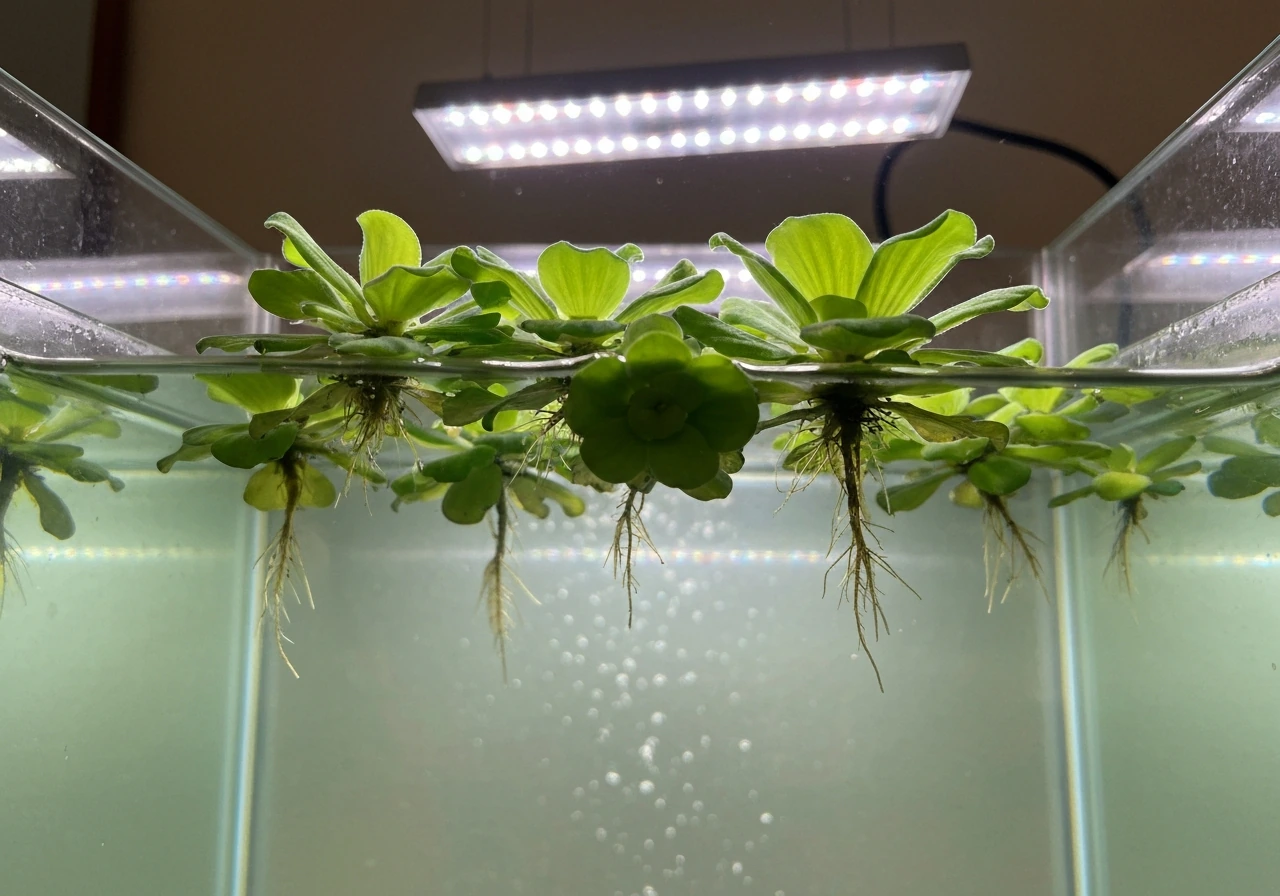
Float the plants in the upper third of the water column and give them room to spread. In a tank, you can use a thin floating ring or airline tubing shaped into a circle to corral the plants to one section. This keeps them away from filter inflows and lets you manage coverage without disturbing the roots constantly. Roots in a healthy plant will hang 5–15 cm down and should look white to light tan. Dark, mushy roots mean rot.
Pond setup: sun, seasons, and keeping growth in check
Outdoors, water lettuce is in its natural element and will grow much faster than in an aquarium. That is both the appeal and the risk. Understanding how to grow water plants in a pond setting will help you see water lettuce in context alongside other floating and rooted species you might already be managing.
Sun and temperature
Water lettuce thrives in full sun to partial shade outdoors. In warm climates (USDA zones 9–11), it can grow year-round. In temperate zones, it is a seasonal plant. It will not survive winter outdoors. Nighttime temperatures dropping below about 10 °C will cause rapid decline, and frost will kill it outright. The Wisconsin Master Gardener program recommends moving water lettuce indoors before nighttime temperatures get cold, which is practical advice: bring a few healthy rosettes inside in late summer and float them in a tank or bucket under grow lights until spring.
Water depth and surface space
Pond depth does not matter much since the plant floats, but the pond should be at least 30–45 cm deep so water temperature stays stable. Shallow ponds heat and cool rapidly, which stresses the plant. Give each rosette about 30 cm of open surface when you introduce them, then let them fill in naturally.
Controlling growth outdoors
This is where pond growers need to pay attention. Water lettuce is blank" rel="noopener noreferrer">flagged as high ecological risk by the U.S. Fish and Wildlife Service and is considered invasive in parts of the eastern and southern United States. blank" rel="noopener noreferrer">Dense mats can deplete oxygen below the surface and block light to submerged plants. Never release harvested plants into natural waterways. In a garden pond, control growth by physically removing rosettes every 2–3 weeks during peak summer growing season. Keep coverage to about 50% of the surface at most to maintain oxygen exchange.
How to start and propagate water lettuce
Sourcing plants
Buy from a reputable aquarium shop or online aquatic plant seller. Avoid collecting from natural waterways, which is illegal in many states. When the plants arrive, quarantine them in a bucket of clean dechlorinated water for a few days before adding them to your main tank or pond. This lets you spot pests, snails, or disease without risking your established system. Rinse roots gently to remove any debris.
Propagation by runners
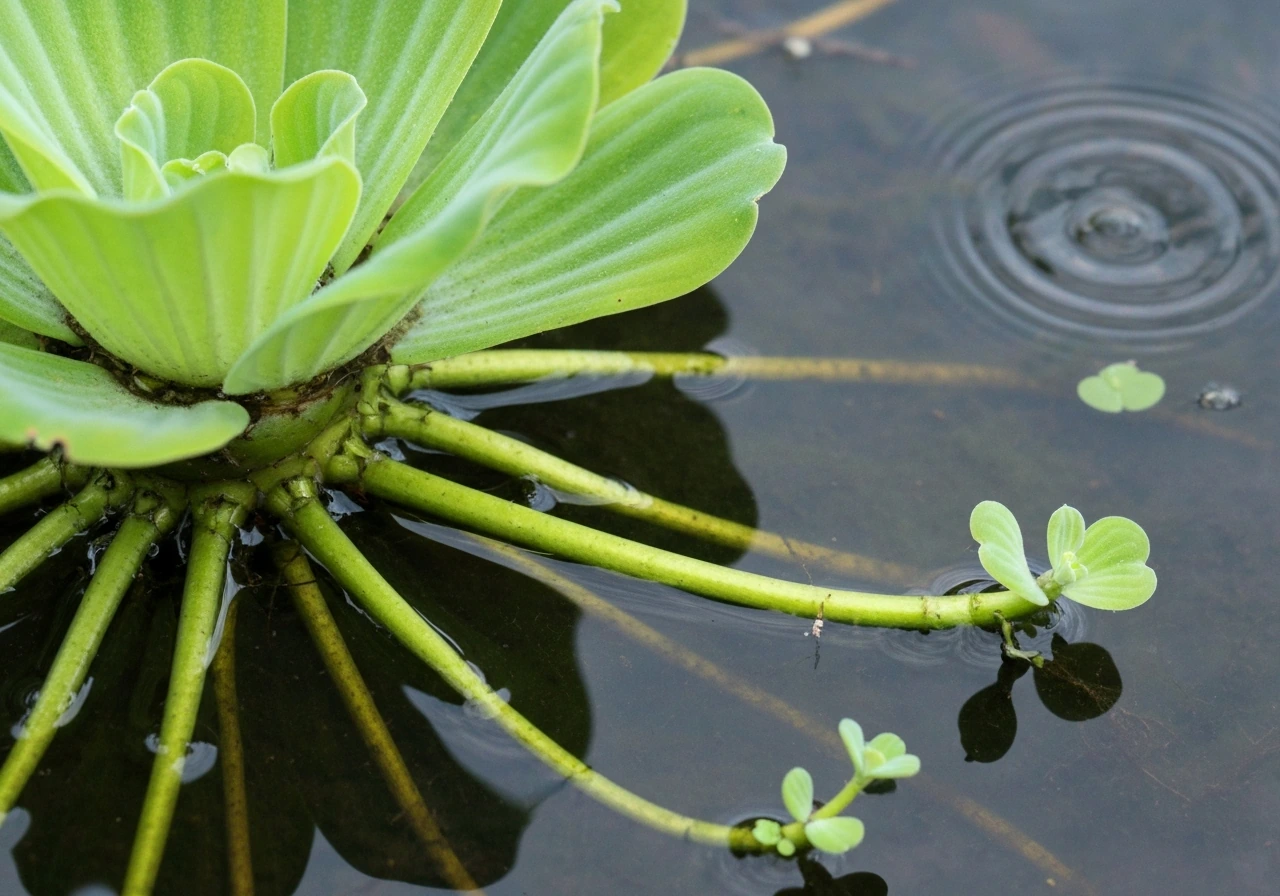
Water lettuce propagates vegetatively through stolons, which are horizontal runners that grow outward from the base of the mother rosette. A new daughter plant forms at the end of each stolon. When the daughter reaches about half the size of the mother, you can separate it by simply pinching the stolon between them. That daughter becomes an independent plant and will start producing its own runners within a week or two under good conditions. There is no need to do anything special: just give it warm water, light, and nutrients and it will handle the rest. This stolon-based spreading is why water lettuce forms mats so quickly when conditions are favorable.
If you want to understand the broader principle of how to grow in water using floating and aquatic species, water lettuce is actually a great starting point because it shows you how nutrient uptake, light, and temperature interact in a floating system without the complexity of substrate or rooting depth.
Feeding and water quality management
Fertilizing without causing rot
Overfeeding is rarely the problem with water lettuce. Underfeeding is more common, especially in low-fish tanks. Dose liquid fertilizer at the beginning of the week after a water change, when nutrient levels are lowest. Avoid spraying fertilizer directly onto the leaves or crown. Phosphate buildup near the crown in stagnant water is one of the sneaky causes of crown rot in tank setups. Keep water moving gently at the surface and make sure fertilizer dilutes quickly.
Water changes and TDS
In an aquarium, do a 20–30% water change weekly. This prevents total dissolved solids (TDS) from building up, which can affect nutrient balance and root health. Water lettuce actively absorbs TDS through its roots, which is actually useful: in a heavily stocked fish tank, water lettuce will help pull nitrates and phosphates out of the water. That is why it is used in phytoremediation research. But it still needs water changes to stay healthy. Do not skip changes and assume the plant is handling it.
Preventing crown rot
Crown rot is the most common cause of water lettuce death in aquariums. It happens when water splashes onto the rosette center repeatedly, when humidity is too low and the leaves dry and crack, or when the plant sits in stagnant, low-oxygen water. To prevent it: keep filter spray below the water surface, maintain good dissolved oxygen (target 8–12 mg/L), and avoid overcrowding plants so air can circulate above the surface.
Maintenance: pruning, harvesting, and staying ahead of overgrowth
Water lettuce does not need much pruning in the traditional sense, but it does need regular thinning. In both aquariums and ponds, the main job is removing excess plants before they completely cover the surface. A 100% surface cover blocks light from reaching anything below, drops dissolved oxygen, and creates a stagnant dead zone in the water underneath the mat. The best management practice is consistent, frequent removal, not occasional large hauls.
- Every 1–2 weeks in summer (or in a heated aquarium), check surface coverage. Remove rosettes to keep roughly 40–60% of the surface open.
- Remove oldest or smallest rosettes first, keeping the largest, healthiest ones as mother plants.
- Separate daughter plants from stolons only when they are large enough to survive independently (about 5–8 cm diameter).
- Dispose of removed plants in compost or trash. Never release into natural water bodies.
- In outdoor ponds, begin removing all plants or bringing them indoors before nighttime temperatures drop consistently below 10 °C.
This kind of active surface management connects to the same principles you would use when learning how to grow watercress in a pond, where surface space and oxygen exchange are equally critical for a productive, healthy system.
Troubleshooting common problems
Yellowing leaves
Pale green to yellow leaves across the whole plant usually point to nitrogen deficiency. In a tank with fish, this is rare, but in a low-fish setup without fertilizer it happens fast. Add a nitrogen source (potassium nitrate or a complete fertilizer with NO3) and you should see new growth recover within a week. If only the newest leaves are yellowing while older leaves stay green, that is more likely an iron deficiency. Iron is immobile in plants, so it shows up in new growth first. Dose chelated iron and increase light slightly.
Browning and rotting
Brown, mushy leaves at the center of the rosette almost always mean crown rot. Remove the affected plant immediately so it does not infect neighbors. Check your filter output: if it is spraying the surface, redirect it below the waterline. Brown leaf tips with otherwise healthy plants can indicate low potassium. Add a potassium supplement and monitor over the next 10–14 days.
Stalling or very slow growth
If your water lettuce has been sitting in the tank for two weeks without producing a single runner, something in the environment is limiting it. Work through this checklist one factor at a time: temperature first (is it actually 24–28 °C at the surface?), then light (is the photoperiod 12 hours? Is intensity sufficient?), then nutrients. Do not change multiple variables at once or you will not know what fixed it. Water lettuce growth is strongly governed by temperature and light, so those are almost always the culprit in aquarium stalls.
Plants not forming thick rosettes
Flat, limp rosettes instead of the classic cupped, velvety form usually mean insufficient light. The plant is etiolating, stretching out to find more light. Move the light fixture closer, increase intensity, or extend the photoperiod to 12–14 hours. Also check that the leaves are staying dry: waterlogged leaves flatten and lose their texture. High humidity above the tank actually helps maintain that cupped shape, which is why a glass lid (partially covering the tank) works well for water lettuce.
Outdoor pond crash in cold weather
If your pond plants are collapsing as fall approaches, it is almost certainly a temperature issue. Water lettuce does not overwinter outdoors in temperate climates. The solution is to bring specimens inside before the first cold snap. Float them in a heated aquarium or tub with a grow light on a 12-hour timer. Outdoor plants that freeze cannot be revived.
It is worth noting that if you enjoy experimenting with unusual aquatic plants, the challenge of growing something like how to grow adenium in water or exploring how different flowers grow in water shares the same underlying logic: control temperature, light, and nutrients, then troubleshoot one variable at a time.
Aquarium vs pond: a quick comparison
| Factor | Aquarium | Outdoor Pond |
|---|---|---|
| Temperature control | Heater keeps 24–28 °C year-round | Seasonal; move indoors below 10 °C nights |
| Light source | LED/T5 fixture, 12-hour timer | Natural sunlight, full sun preferred |
| Nutrients | Dose liquid fertilizer weekly | Fish, runoff, and natural sources usually sufficient |
| Growth rate | Moderate; controllable | Fast to very fast in summer |
| Overgrowth risk | Low; easy to manage in small tank | High; requires frequent thinning |
| Water changes | 20–30% weekly | Rainfall and topping off maintain levels |
| Crown rot risk | Higher (splash from filter) | Lower (open air, rain is gentle) |
| Overwintering | Year-round with heat and light | Bring indoors or lose plants each fall |
Both setups work well. Aquariums give you more control; ponds give you more growth. If you are new to floating aquatic plants, starting in a tank lets you learn the plant's behavior before scaling up to a pond where things move faster and failures are harder to catch early.
Your next steps to get started
- Source healthy water lettuce from a reputable aquarium store or online seller. Quarantine for 3–5 days before introducing to your main system.
- Set your heater to 25–27 °C and confirm with a thermometer at the water surface.
- Set your light on a timer for 12 hours on and 12 hours off. Position it to deliver 4,000–6,000 lux to the floating plants.
- Test your water for pH (target 6.5–7.5), nitrate, and phosphate before adding plants.
- In a low-fish tank, begin weekly liquid fertilizer dosing with a complete aquatic plant formula.
- Check surface coverage every week. Remove runners and daughter plants as needed to keep about half the surface open.
- If keeping plants in a pond, plan your overwintering strategy before fall: keep a few rosettes ready to bring indoors under grow lights.
- Troubleshoot by changing one variable at a time: temperature first, then light, then nutrients.
FAQ
How fast should water lettuce start making runners in an aquarium?
If temperature and light are in range, you should typically see new runners within 1 to 2 weeks. If you get no runners after 2 weeks, treat it as a stall, check surface temperature first, then confirm the floating canopy is actually receiving strong overhead light (not just bright room light).
Can I grow water lettuce in an aquarium with a canister filter or strong pump?
Yes, but avoid direct surface blast. Strong flow from outlets can repeatedly wet the rosette center and increase crown-rot risk, so redirect intakes and outlets below the waterline or use a diffuser to calm the top surface.
Do I need an air stone for water lettuce, or is gentle filtration enough?
Gentle filtration is often enough if surface agitation is mild and oxygen stays healthy. If you notice slow growth, frequent leaf softening, or a smelly, low-oxygen look under a mat, increase aeration using an airstone or raising surface circulation slightly.
What water quality should I use if my tap water is hard or chlorinated?
Use dechlorinated water, and if your tap has very high hardness or you are seeing unstable nutrient behavior, consider using RO or a mix to keep conditions predictable. Regular water changes matter because water lettuce can pull and concentrate nutrients while still accumulating unwanted dissolved solids.
Will water lettuce survive a power outage or heater failure?
It depends on how quickly temperature drops. Water lettuce tolerates cool stress poorly, especially below the mid-20s °C for long periods, so if a heater fails, move the tank to a warmer room and use a backup heat source until temperature returns to the 24 to 28 °C range.
How do I stop water lettuce from taking over an aquarium or pond filter area?
Use a floating ring or a confined area so it cannot drift into intakes, heater housings, or filter outflows. Then thin it regularly, since occasional big removals often trigger new stress and uneven matting.
Can I keep water lettuce with shrimp, snails, or fry?
Usually yes, but monitor behavior around the mat. Dense surface coverage can trap uneaten food and reduce oxygen exchange below the mat, so thin coverage if you keep sensitive fry or small invertebrates.
Should I remove yellowing leaves, or leave them attached?
Remove clearly deteriorating, fully yellow or mushy leaves, especially those from plants showing early crown issues. Leaving rotting material can spread problems to nearby rosettes in tight aquarium clusters.
Why do my water lettuce leaves turn pale even though I fertilize?
Pale, whole-plant yellowing often points to nitrogen shortage, but it can also happen if light is weak so nutrient uptake is limited. Confirm light intensity and distance to the floating canopy, then adjust nitrogen rather than increasing fertilizer blindly.
Is it safe to use fertilizer capsules or root tabs for water lettuce?
Not directly. Water lettuce feeds through its water column roots, so root tabs and substrate fertilizers are mostly wasted. If dosing, use water-based liquid fertilizer and avoid applying directly to the rosette center.
How do I quarantine new water lettuce without stressing it?
Quarantine in a separate bucket or small tank with dechlorinated water for a few days, then gently rinse roots to remove debris. Keep the same temperature and provide a steady light cycle, so pests can be spotted without shocking the plant.
Can I compost or dispose of harvested water lettuce?
In many areas, harvested water lettuce should not be released outdoors or into natural waterways. For pond harvest, bag and dispose through municipal waste or compost only if your local rules allow aquatic invasive plant composting.
What should I do if water lettuce smells bad or the base turns translucent?
A bad odor plus translucent or mushy base usually indicates crown rot or anaerobic conditions. Remove the affected plant immediately, reduce surface wetting from filter spray, and check that your top water stays well oxygenated and not stagnant under a thick mat.