Growing in water works, and it works surprisingly well once you match your method to what you actually want to grow. Whether you're setting up a simple bucket of nutrient solution for herbs, planting an aquascape tank full of aquatic plants, or building a pond-style semi-aquatic system, the core principles are the same: clean water, the right chemistry, enough light, and oxygen at the roots. This guide walks you through every step, from picking your system to harvesting your first crop and fixing the problems that will inevitably come up along the way.
How to Grow in Water: Hydroponics and Aquatic Setups
Marcus Holloway
10 Apr 2026
Pick the right water-growing method
There are three practical approaches to growing in water, and choosing the wrong one wastes time and money. Here's how to think about each one honestly.
Hydroponics (nutrient solution in a reservoir)
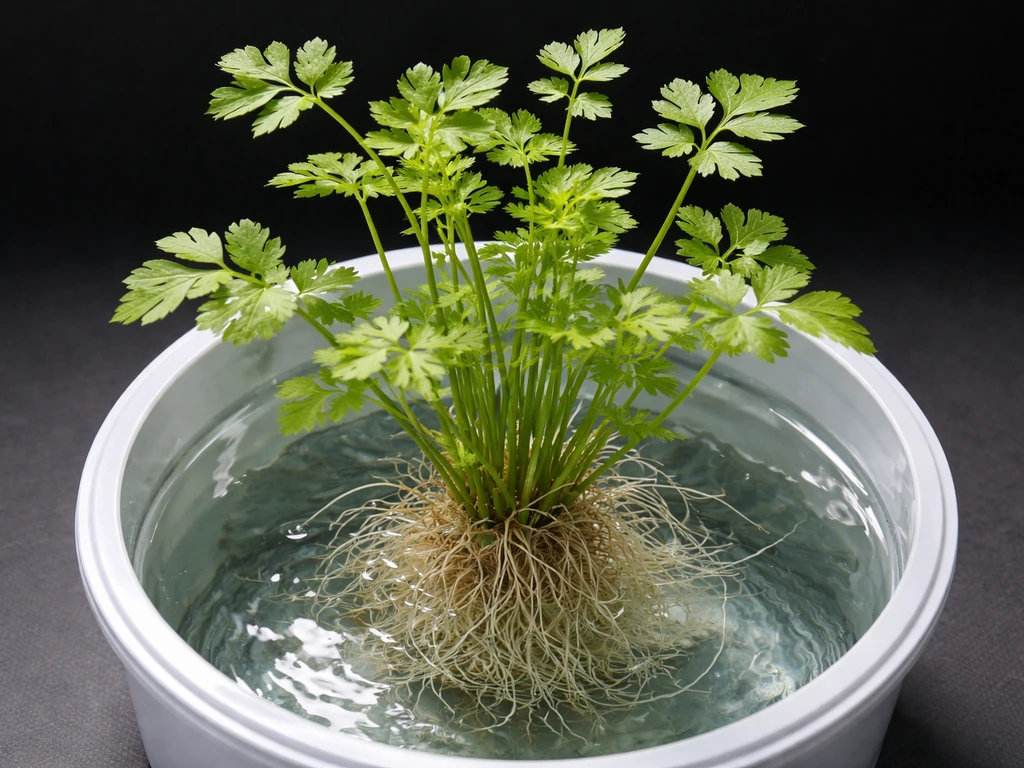
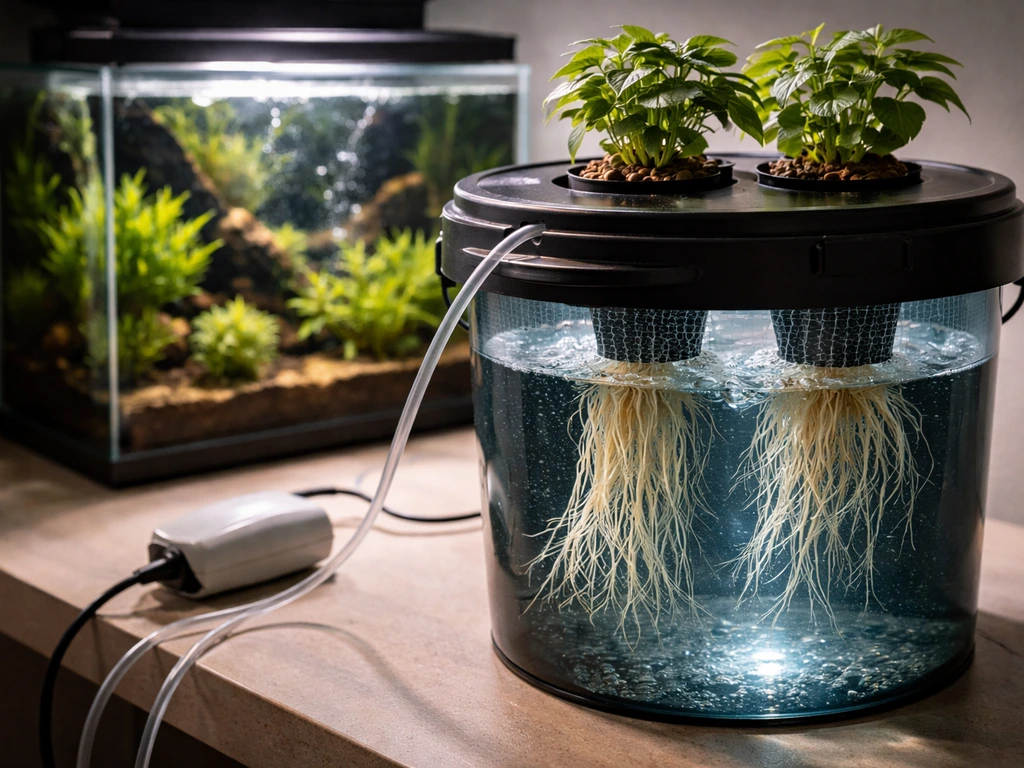
Hydroponics is for growers who want to produce food-grade plants, herbs, or leafy greens fast. You're growing roots directly in a nutrient solution (or in an inert medium flushed with it), controlling every input yourself. Deep Water Culture (DWC) is the simplest entry point: a bucket with a lid, net pots, an air pump, air line, and an air stone. You fill it with pH-adjusted nutrient solution, suspend your plants in the net pots, and the air stone keeps the water oxygenated. This method is fast, measurable, and beginner-friendly as long as you're willing to test your water regularly.
Aquarium-style setups (planted tanks and aquascapes)
If you want to grow aquatic plants, floating species, or keep fish and crustaceans alongside live plants, a planted aquarium is your system. You're managing a living ecosystem rather than a pure nutrient delivery machine, which means cycling the tank, balancing light against algae, and matching species to your water parameters. It takes more patience to get established but it's deeply satisfying once it's running. For example, growing water lettuce in an aquarium is a great starting point because floating plants establish fast and immediately start pulling nutrients from the water.
Semi-aquatic and pond systems
Semi-aquatic cultivation covers plants that grow at the water's edge or with roots submerged while foliage stays above the surface. Ponds, barrels, and large tubs work here. Watercress, for instance, thrives in running or slow-moving water with its roots submerged and stems above the surface. If you're interested in that approach, the dedicated guide on how to grow watercress in a pond covers the species-specific setup in detail. For broader aquatic planting in a pond environment, it's worth also looking at how to grow water plants in a pond to see how different species are arranged by depth and water flow.
| Method | Best for | Startup cost | Complexity | Time to first harvest/results |
|---|---|---|---|---|
| Hydroponics (DWC) | Herbs, leafy greens, fast crops | Low–Medium ($30–$100) | Low–Medium | 2–6 weeks |
| Planted aquarium | Aquatic plants, floating species, fish/shrimp | Medium–High ($50–$300+) | Medium | 4–12 weeks to stable system |
| Semi-aquatic/Pond | Marginal plants, watercress, water lettuce | Low–High (varies) | Low–Medium | 2–8 weeks |
My honest recommendation: if you want food fast, start with DWC hydroponics. If you want a living display or aquatic ecosystem, start with a planted aquarium. If you have outdoor space and want low-maintenance abundance, go semi-aquatic.
Set up containers, water, and essential equipment
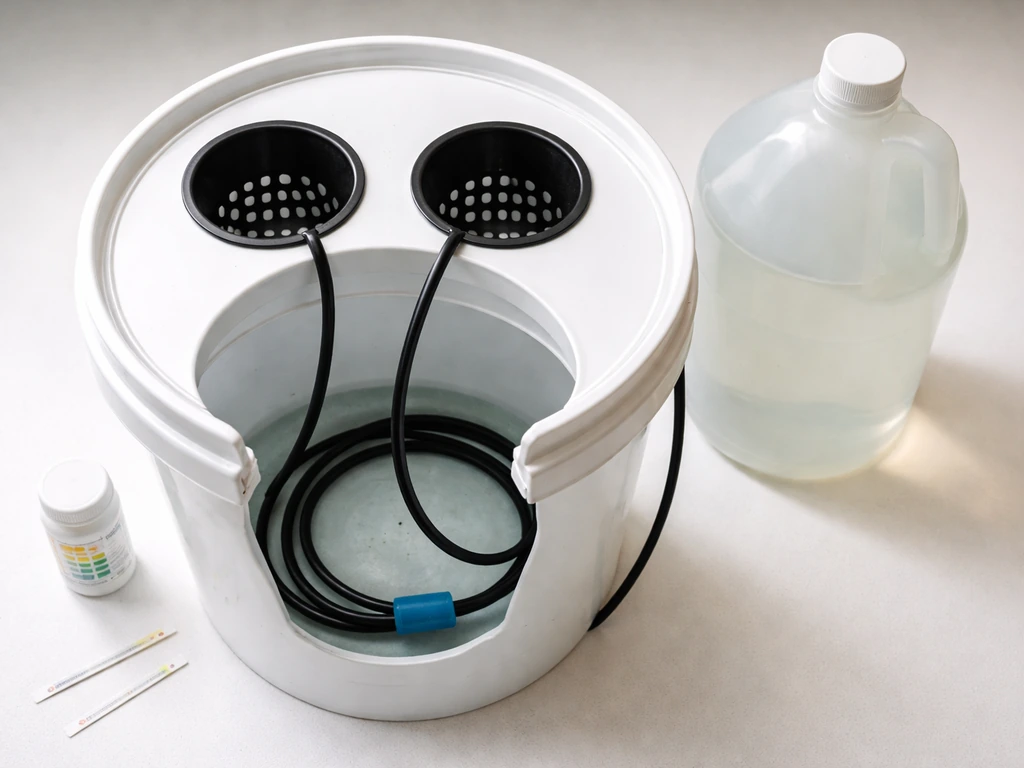
Hydroponics equipment checklist
- 5-gallon bucket with a lid (opaque to block light and prevent algae)
- Net pots (2-inch or 3-inch diameter, sized to fit lid holes)
- Air pump, air line tubing, and an air stone
- pH meter and pH up/down solution
- EC/TDS meter to measure nutrient strength
- Hydroponic nutrient solution (a three-part system like Flora Series works well)
- Growing medium for net pots: clay pebbles, rockwool, or hydroton
- Timer for lights
Aquarium equipment checklist
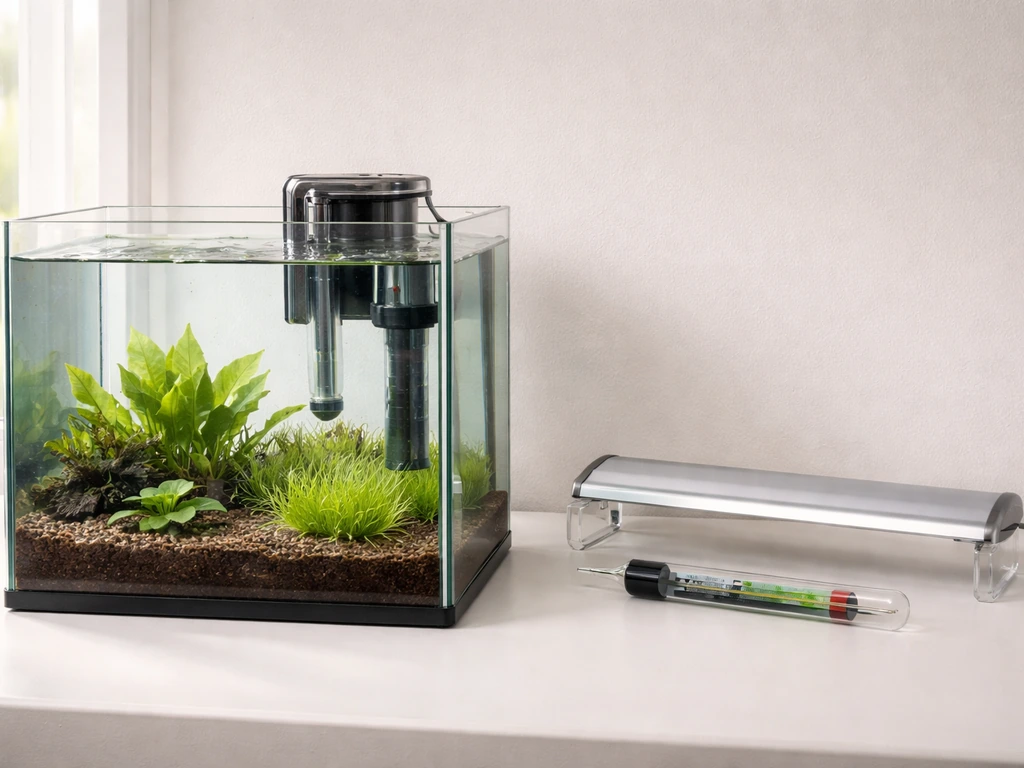
- Tank (10–20 gallons is ideal for beginners)
- Filter with a gentle flow rate (especially important for floating plants)
- Heater with a thermostat (if growing tropical species)
- LED grow light suitable for planted tanks
- Substrate: aqua soil or fine gravel for rooted plants
- Liquid fertilizer for aquarium plants
- Ammonia test kit, nitrite/nitrate test kit, and pH test kit
- Dechlorinator (sodium thiosulfate or commercial product)
One thing I learned the hard way: tap water needs to be treated before use in either system. Chlorine kills beneficial bacteria in aquariums and can interfere with nutrient uptake in hydroponics. Always dechlorinate or let tap water sit 24 hours before using it. For aquariums specifically, fill the tank, add dechlorinator, and run the filter before adding any plants or livestock.
Water quality from day one
In hydroponics, target a pH of 5.5–6.5. General Hydroponics' FloraGro label specifies this range for best nutrient absorption, and drifting outside it locks out specific minerals even when they're present in your solution. Measure pH every 1–2 days at the start and adjust with pH up or pH down solution in small increments. Use your EC meter to gauge nutrient strength rather than guessing, since EC gives you an objective reading that translates directly to whether your solution is too weak or too strong for the growth stage. For aquariums, the day-one water targets are simpler: you're aiming for ammonia at 0 ppm, nitrite at 0 ppm, and nitrate below 20 ppm once the tank is cycled.
Choose what to grow
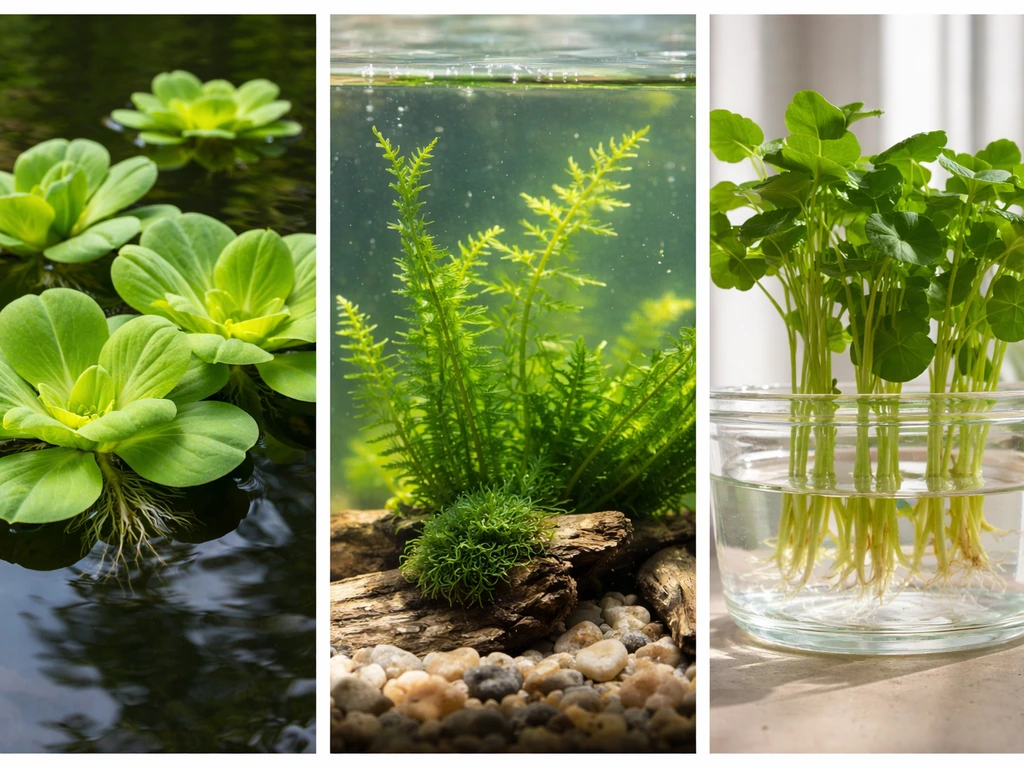
The species you pick should match the system you're running. Here's a practical breakdown across the three categories this site covers.
Aquatic and floating plants
Floating plants like water lettuce (Pistia stratiotes) are among the easiest things you can grow in water.
They need no substrate, establish in days, and visibly show you how healthy your water is through their root growth. They do best between 70–85°F and will show stress below 60°F, so keep them out of cold rooms in winter. If temperatures drop toward 64°F (18°C) they'll slow but usually survive.
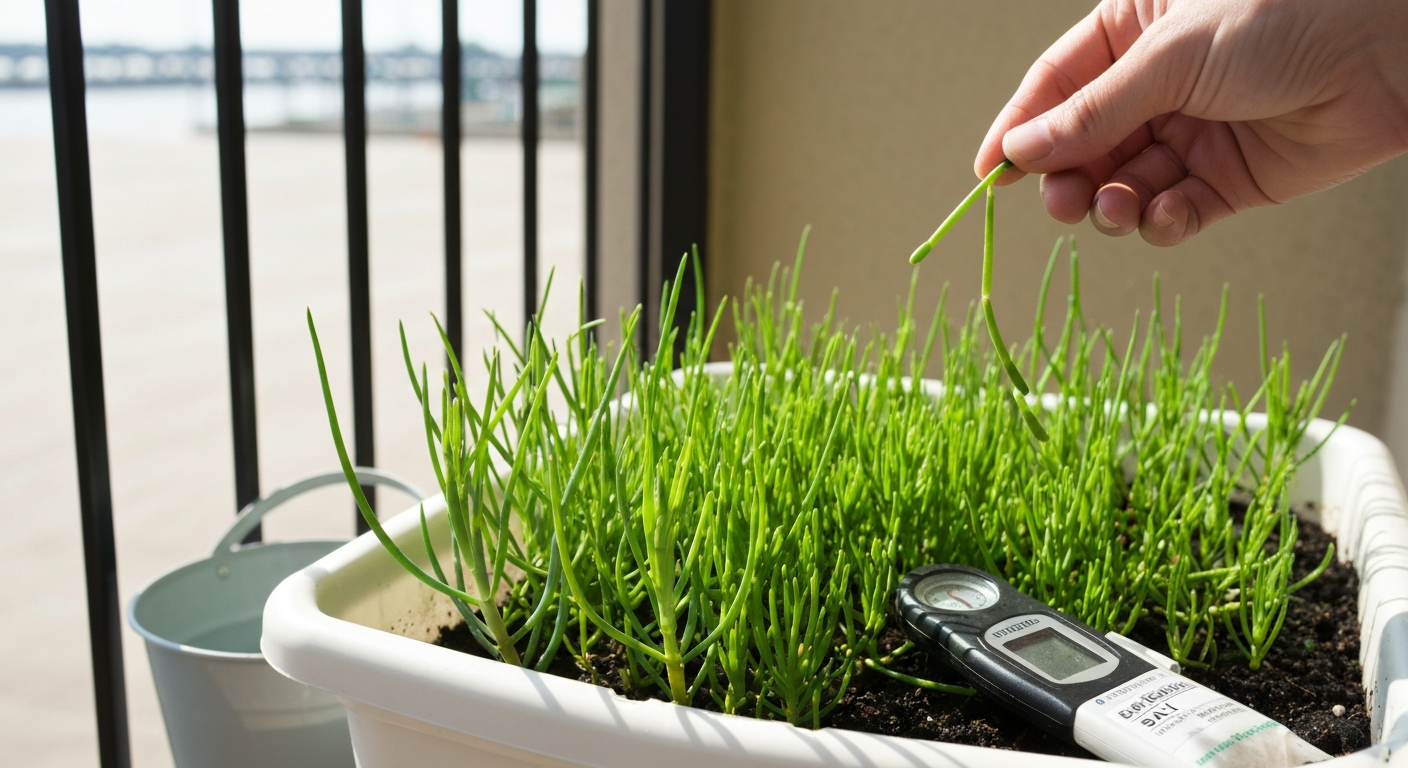
For something edible and fast, watercress is a top choice: it grows from seed or from stem cuttings placed in water, tolerates sun to part shade, and produces harvestable stems within a few weeks. USU Extension (Utah State University) notes that watercress can be propagated by stem cuttings and prefers a pH range of 6. 5, 7. 5, with roots submerged in a wet medium [stem cuttings and a pH range of 6.
5–7. 5 with roots submerged](https://extension. usu. edu/yardandgarden/research/watercress-in-the-garden.
pdf). Just know that it turns bitter in heat, so keep it in cooler conditions for the best flavor.
Submerged and rooted aquarium plants
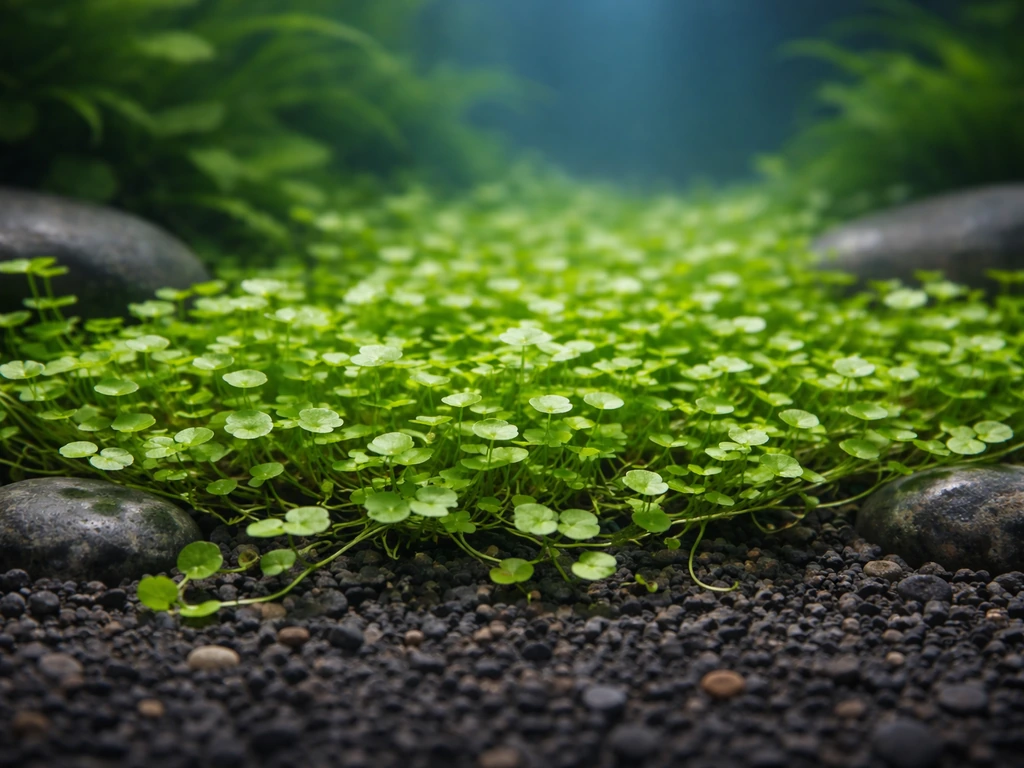
For planted tanks, beginners should start with low-to-medium light species like Anubias, Java Fern, or Cryptocoryne. These attach to rocks or driftwood (Anubias, Java Fern) or root into substrate (Crypts) and are very forgiving of imperfect water conditions. The key principle from Tropica's plant care guidance is to match light intensity and water parameters to the species you choose, not the other way around. Don't buy a high-light carpeting plant and then wonder why it melts in a basic tank setup.
Fish, shrimp, and crustaceans
If you're building an aquarium ecosystem, adding fish or shrimp comes after the tank is cycled, not before. Beginner-friendly options include small schooling fish like ember tetras or neon tetras for planted tanks, and cherry shrimp for tanks you want to keep as a planted display. Shrimp are excellent at cleaning algae and detritus, but they're sensitive to ammonia and copper (even trace amounts in some fertilizers), so double-check product labels before dosing. Some growers also explore unusual options, like growing adenium in water, which is a less conventional but genuinely interesting approach to rooting desert-rose cuttings hydroponically.
Algae
If you're cultivating microalgae (spirulina, chlorella) intentionally, you'll run a separate culture container with strong light, aeration, and a specific nutrient medium. This is a more advanced topic, but the same principles of pH, dissolved oxygen, and light management all apply.
Step-by-step: from setup to visible growth
For a DWC hydroponic system
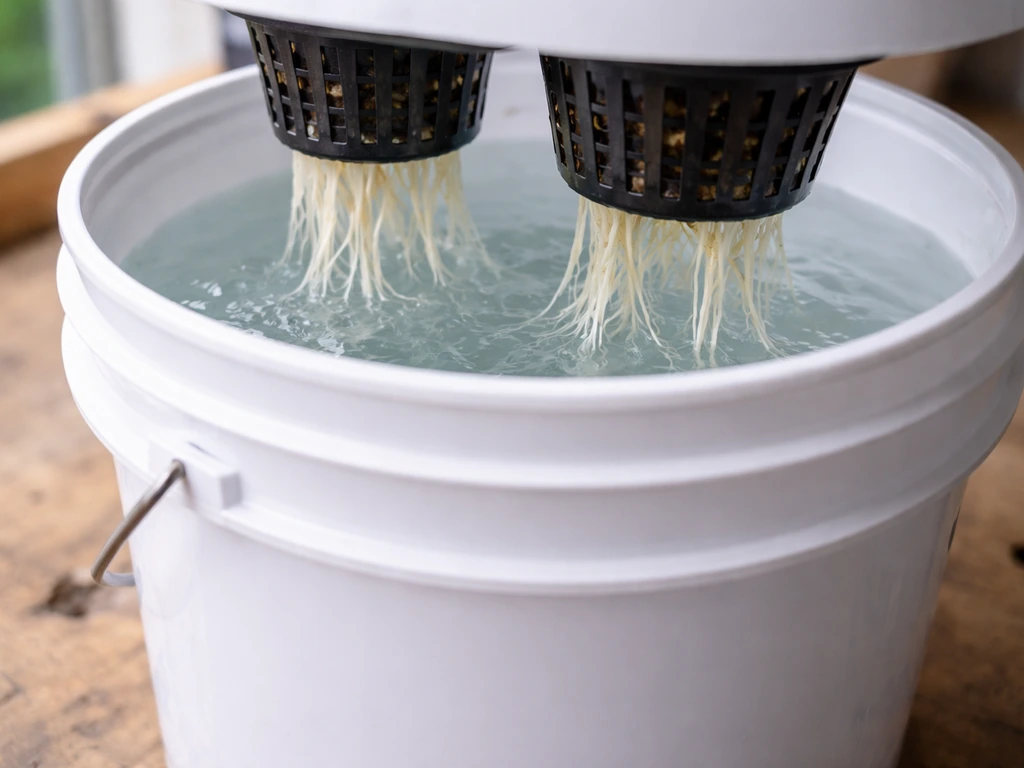
- Fill your bucket with clean, dechlorinated water. Leave 1–2 inches of air gap between the water surface and the bottom of the net pots so roots get both oxygen and solution contact.
- Mix your nutrient solution per label instructions. For Flora Series (FloraMicro, FloraGro, FloraBloom), dose per gallon as labeled and adjust based on your crop's growth stage.
- Test and adjust pH to 5.5–6.5. Check EC to confirm nutrient strength is appropriate (seedling/young plant: 0.8–1.2 EC; vegetative growth: 1.2–2.0 EC).
- Place your air stone in the reservoir, connect to the air pump, and confirm bubbling before planting. Aerated solution reaches ~6.81 mg/L dissolved oxygen versus ~1.06 mg/L without aeration, which is the difference between healthy roots and root rot.
- Place seeds in moistened rockwool cubes or put rooted cuttings into net pots filled with clay pebbles. Set net pots into the bucket lid.
- Turn on your light on a timer: 16 hours on, 8 hours off for most leafy crops.
- Check pH and water level daily for the first two weeks. Top off with plain pH-adjusted water (not nutrient solution) to prevent salt buildup.
- First signs of new growth typically appear within 5–14 days depending on species.
For a planted aquarium
- Add substrate (1.5–2 inches of aqua soil or fine gravel), fill with dechlorinated water, and start the filter.
- Cycle the tank before adding fish. Use the fishless cycling method: dose pure ammonia to 2–4 ppm, then test daily. The cycle is complete when a full dose of ammonia converts to nitrate overnight with no nitrite spike remaining.
- Cycling takes 2–6 weeks. Plant fast-growing plants like hornwort or water sprite immediately to help consume ammonia and establish beneficial bacteria faster.
- Once cycled (ammonia 0 ppm, nitrite 0 ppm, nitrate under 20 ppm), add livestock slowly over 2–4 weeks.
- Begin liquid fertilizer dosing once plants are established (typically week 2 onward). Follow product label dosing and watch plants for response.
- Start lighting at 8 hours per day. Increase by 30–60 minutes per week as the system stabilizes, targeting 10 hours per day by weeks 4–5.
For semi-aquatic and pond setups
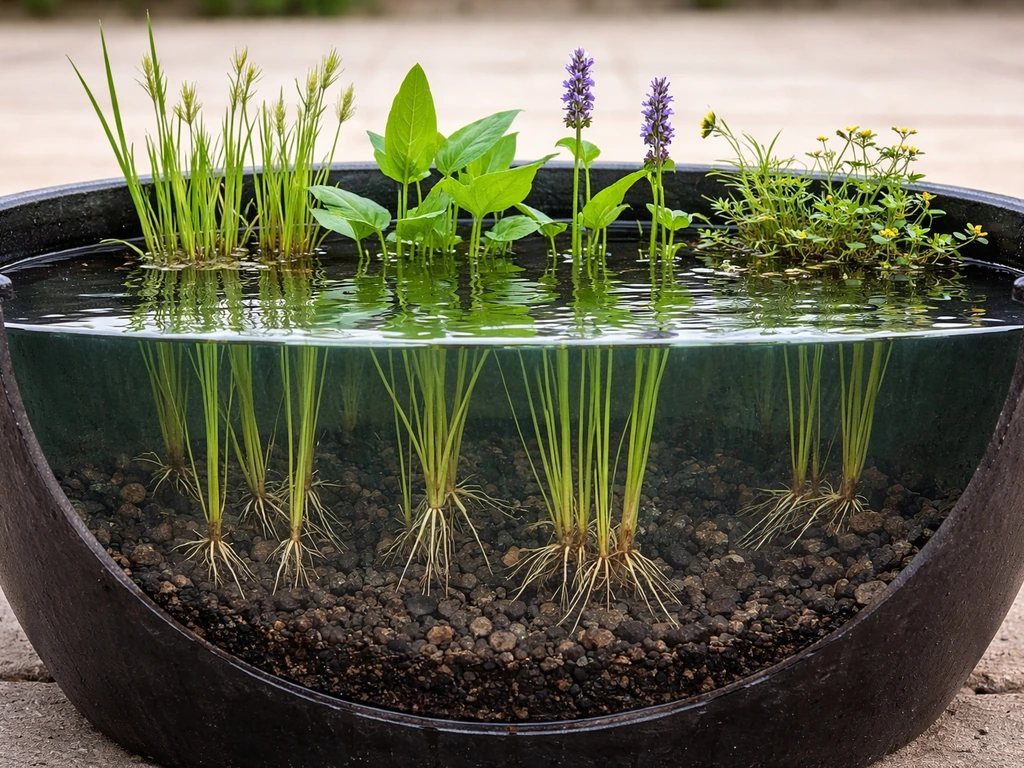
- Fill your container or pond to the appropriate depth. Most marginal plants do well with 2–6 inches of water over the crown.
- For watercress, place stem cuttings directly in water or a gravel medium with roots submerged. No soil needed. Cuttings root within 5–10 days.
- For water lettuce and similar floaters, simply place them on the surface. They will anchor themselves with roots within a few days.
- In an outdoor setup, monitor for temperature swings. Bring tender tropicals inside when temperatures drop below 60°F.
Light, nutrients, temperature, and water quality targets
Here are the measurable targets to aim for across all three systems. These are real numbers, not vague ranges.
| Parameter | Hydroponics target | Planted aquarium target | Semi-aquatic/Pond target |
|---|---|---|---|
| pH | 5.5–6.5 | 6.5–7.5 (species dependent) | 6.5–8.0 |
| Temperature | 65–75°F (18–24°C) for most crops | 72–82°F (22–28°C) for tropical species | Varies; most temperate plants 55–75°F |
| Dissolved oxygen | Above 6 mg/L (use air stone) | 5–8 mg/L (filter + surface agitation) | Natural aeration usually sufficient |
| Ammonia | N/A (no bioload) | 0 ppm (cycled system) | Near 0 ppm |
| Nitrate | Provided via nutrients | Below 20 ppm | Below 40 ppm |
| EC (nutrient strength) | 0.8–2.5 EC depending on stage | Not directly measured; dose per label | N/A for most plants |
| Light duration | 14–18 hrs/day | 8–10 hrs/day | Natural light or 10–12 hrs/day |
Lighting is where most beginners either overdo it or give up too early. In an aquarium, start at 20–40% brightness and increase gradually only if there's no algae appearing. More light is not automatically better, especially in a new system. Algae outbreaks in young tanks are almost always a light-before-plants problem, not a fertilizer problem. A well-established planted display can be absolutely stunning, and the same principles apply whether you're maintaining a lush aquascape or growing flowers in water as a decorative project.
In hydroponics, the dissolved oxygen level is the variable most beginners ignore and then wonder why roots turn brown. Aeration makes a dramatic difference: a properly aerated DWC solution holds roughly 6.81 mg/L of dissolved oxygen, while an unaerated one sits around 1.06 mg/L. That low-oxygen environment is essentially a recipe for root rot. Keep the air pump running 24/7.
Maintenance, harvesting, and fixing what goes wrong
Regular maintenance schedule
- Hydroponics: Check and adjust pH daily for the first two weeks, then every other day once stable. Top off water to maintain level. Do a full reservoir change every 7–14 days to prevent salt buildup.
- Aquarium: Change approximately 25% of the water weekly. This prevents accumulation of nitrates and other dissolved organics, and it's one of the most effective algae-prevention steps you can take. Wipe algae off glass during water changes.
- Semi-aquatic/Pond: Top off evaporated water with dechlorinated water. Remove dead or yellowing leaves before they decompose.
Harvesting
For leafy hydroponic crops (lettuce, herbs), harvest outer leaves first and leave the central growing point intact for continuous production. For watercress, cut stems above a leaf node and the plant will branch and regrow within days. For aquarium plants, trim stems back by one-third and replant cuttings directly into the substrate. Water lettuce multiplies by producing runners with daughter plants, which you can remove and replant or give away.
Troubleshooting common failures
| Problem | Likely cause | Fix |
|---|---|---|
| Yellowing leaves (hydroponics) | pH out of range locking out nutrients, or true nutrient deficiency | Test and adjust pH to 5.5–6.5 first. If pH is correct, check EC and raise nutrient concentration. |
| Algae bloom (aquarium) | Too much light, too early, with not enough plant mass | Reduce light intensity to 20–30% or cut duration by 2 hours. Add fast-growing floating plants to compete. |
| Brown, slimy roots (hydroponics) | Low dissolved oxygen or root rot (Pythium) | Confirm air stone is running continuously. Add hydrogen peroxide (3%) at 3ml per gallon as a short-term fix. Clean and sterilize reservoir. |
| Stalled or no growth (aquarium plants) | Insufficient nutrients or CO2, or wrong light spectrum | Add liquid fertilizer, check lighting spectrum (plants need the red and blue spectrum). Consider adding a CO2 diffuser for medium-to-high light setups. |
| Ammonia spike (aquarium) | Uncycled tank, overfeeding, or dead plant matter | Perform a 30–50% water change immediately. Remove dead material. Reduce feeding. Test daily until readings stabilize. |
| Plants melting after introduction (aquarium) | Transition stress from emersed to submersed growth | Normal for many plants. Leave them and wait 2–3 weeks. New submersed growth will appear if parameters are correct. |
| Bitter watercress | Water temperature too warm | Move to a cooler location or shade the container. Ideal growth temperature is below 70°F for best flavor. |
One mistake I see constantly is people chasing nutrient deficiencies with more fertilizer when the actual problem is pH. In hydroponics especially, a pH of 7.2 will lock out iron and manganese regardless of how much fertilizer is in the water. Fix the pH first, always. In aquariums, the same logic applies: test before you dose. Most mid-stage problems in planted tanks are solved by a water change and a light reduction, not by adding more product to the water.
Once you've got one system running well, it becomes much easier to expand. A small DWC bucket teaches you water chemistry fast. A planted aquarium teaches you to read plants as indicators of system health. A pond or semi-aquatic tub teaches you patience and the value of margin plants like water lettuce in managing water quality naturally. Whichever you start with today, focus on measuring first and adjusting second, and you'll have a living, productive water system within a few weeks.
FAQ
How often should I change the water or nutrient solution when I grow in water?
If you leave plants in nutrient solution without changing it, salts build up and can push EC too high, even if your pH still looks acceptable. For beginners, plan a full reservoir refresh on a schedule (often every 1 to 3 weeks depending on crop and tank size), then do smaller top-offs with dechlorinated water in between. Always recheck pH and EC right after a change.
What should I check first if my plants look unhealthy but my pH seems okay?
Use pH and EC trends, not one-off readings. If pH is stable but growth slows, check dissolved oxygen and temperature first, because both can suppress uptake. If pH keeps drifting, reduce how aggressively you dose adjustments and make sure you’re measuring with clean, calibrated probes (dirty probes commonly read wrong).
How do I know if my DWC system has enough oxygen at the roots?
Aeration and water movement are not optional in DWC. If your air stone stops or the pump is weak, oxygen can drop fast and roots can brown within days. Also confirm the air stone isn’t clogged and that the outlet tubing isn’t kinked, because “the pump is on” can still mean “no effective bubbles.”
Can I use the same dechlorinator for aquariums and hydroponics?
Rely on your system type. In planted aquariums, only add dechlorinator and follow it immediately, then run filtration before adding plants or livestock. In DWC hydroponics, avoid using aquarium-style water conditioners that add extra organics or unknown buffers. If you’re unsure, use products labeled for hydroponics or at least check that they do not add metals or copper.
Can I add fish, shrimp, or livestock immediately after setting up a water-growing system?
Yes, but do it carefully. For aquariums, add fish or shrimp only after cycling, and only a small number at first to prevent ammonia spikes. For DWC, you should not treat roots with antibiotic or copper-containing meds because residues can harm beneficial microbes in your system and stress plants, and some chemicals can also burn root tissue.
What if my tap water is very hard or my EC jumps right away in hydroponics?
For hydroponics, hard tap water can raise EC and complicate nutrient balance, even after you dechlorinate. If EC climbs quickly or pH refuses to stabilize, consider using reverse-osmosis or distilled water blended with tap water, then add nutrients to reach your target EC. This keeps your adjustments predictable rather than chasing the incoming water.
How should I adjust pH without overshooting it?
Most beginners overcorrect. If pH is off, adjust in small increments and give the system time to settle before the next adjustment. A good rule is to make one change, wait a few hours, then remeasure, rather than repeatedly adding pH up or pH down at short intervals, which can cause oscillation and root stress.
What’s the best way to set aquarium lighting so algae does not take over?
Measure light as hours per day and watch for algae, because brightness alone does not tell the whole story. If algae appears, reduce photoperiod first (fewer hours), then only fine-tune intensity. In young aquariums, start conservative, since algae often establishes faster than plants.
Why do hydroponic roots turn brown, and how can I fix it fast?
When roots turn brown in DWC, it often starts with oxygen shortage or stagnant water rather than a simple lack of nutrients. Check that the air pump is running 24/7, inspect the air stone, verify the reservoir is not overheating, and confirm you’re not letting the water go too warm. Once oxygen is stable, then revisit pH and EC adjustments.
How do I tell the difference between nutrient deficiency and pH or light problems?
If you see yellow leaves, look at context. In DWC, pH lockout is a common cause, so retest pH before adding more fertilizer. In aquariums, yellowing is frequently a light or nutrient imbalance issue, where a partial water change and a light reduction often help more than adding supplements right away.
How do I harvest hydroponic greens without stopping the next growth cycle?
For harvested leafy crops, continuous production works best when you avoid disturbing the crown. Don’t strip too much foliage at once, especially in DWC, because the plant needs leaf area to support nutrient uptake. Use clean scissors, and if you harvest repeatedly, refresh or re-stabilize the reservoir because nutrient strength can drift over time.
What can I do to prevent floating plants from taking over my aquarium?
If you grow water lettuce or similar floating plants in an aquarium, make sure your tank has enough surface area and light penetration for the plant to spread. Also watch airflow, since surface agitation can cool the plant or make it harder for roots to establish. As the plants multiply, thin them to prevent shading and to keep the aquarium’s nutrient balance from swinging.
How do I avoid harming shrimp when I’m dosing plants or algae treatments?
For most aquariums, copper is a key risk. Even trace copper from some fertilizers and some algae treatments can harm shrimp and other invertebrates. Before dosing anything, confirm ingredients and avoid “multi-purpose” additives unless they are clearly safe for invertebrates.