Growing pond weed successfully comes down to three things: picking a species that actually suits your setup, getting the water conditions right from day one, and staying on top of growth before it takes over. Most people jump straight to planting without checking pH or light levels, and then wonder why their plants melt, yellow, or refuse to root. Do those basics first and you'll have healthy, thriving aquatic plants instead of a frustrating green mess.
How to Grow Pond Weed: Step by Step Care and Setup
Marcus Holloway
7 Jul 2026
Pick the right pond weed type
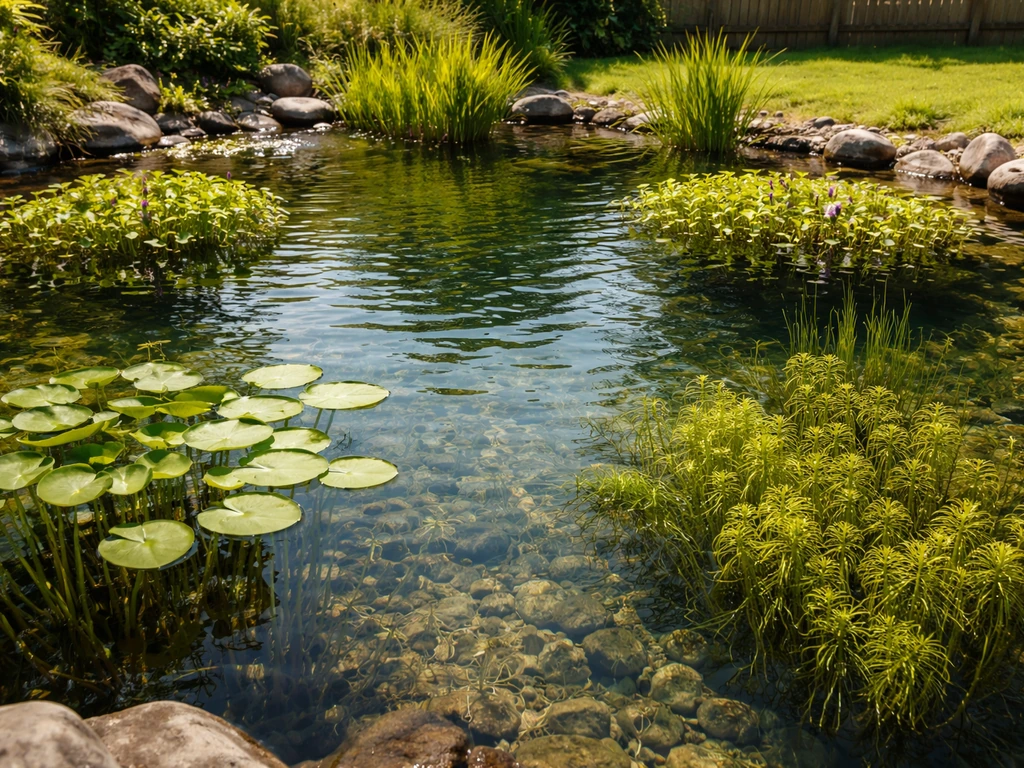
The term 'pond weed' covers a huge range of aquatic plants, so the first thing to do is get specific about what you're growing and why. For a backyard water garden or aquarium-style pond, you're generally looking at one of four categories: rooted submerged plants, rooted marginals (plants that grow with their roots underwater but leaves above the surface), free-floating plants, or oxygenating plants that grow mostly underwater. Each one behaves differently and suits different goals.
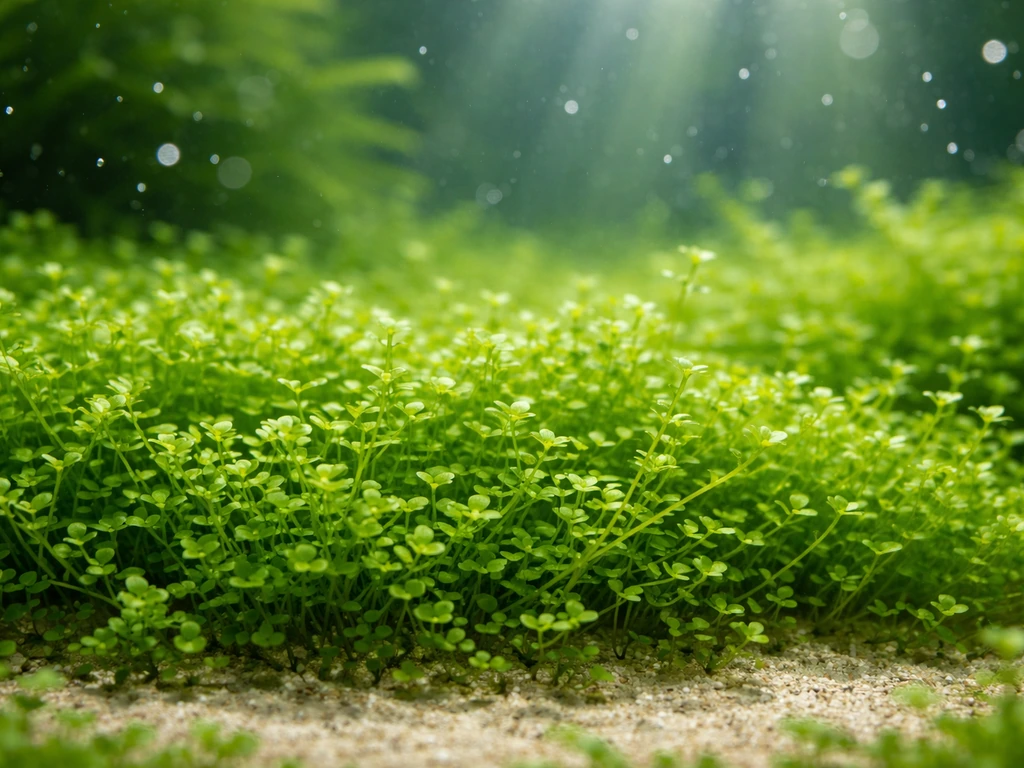
If you want to oxygenate the water and give fish cover, submerged rooted plants like hornwort (Ceratophyllum demersum), anacharis (Egeria densa), or sago pondweed (Stuckenia pectinata) are strong choices. Sago pondweed in particular is a great pick for wildlife ponds because it provides food and habitat, though it needs careful management to avoid overgrowth. Marginal plants like pickerel weed (Pontederia cordata) are excellent for pond edges and help filter runoff nutrients. For aquarium-style setups, smaller foreground plants like pearl weed or pearl grass work well for detail planting. Free-floating plants like duckweed are easy to grow but spread aggressively, so only use them if you're committed to regular skimming.
One important distinction: some plants commonly called 'pond weed' in casual use are actually invasive in many regions. Curly-leaf pondweed (Potamogeton crispus) and hydrilla, for example, are listed as invasive in large parts of the US and Europe. Always check your local regulations before introducing any aquatic plant, and buy from a reputable aquatic nursery that sells cultivated, non-invasive stock. Always check your local regulations before introducing any aquatic plant, and buy from a reputable aquatic nursery that sells cultivated, non-invasive stock, which is especially important when you want to learn how to grow pearl weed.
| Plant Type | Best For | Growth Habit | Difficulty |
|---|---|---|---|
| Hornwort | Oxygenation, fish ponds | Free-floating or loosely rooted | Easy |
| Anacharis (Egeria densa) | Aquariums, small ponds | Rooted or floating stems | Easy |
| Sago pondweed | Wildlife ponds, waterfowl habitat | Rooted submerged | Moderate |
| Pickerel weed | Pond margins, large containers | Rooted emergent | Easy |
| Pearl weed / Pearl grass | Aquarium foreground, nano tanks | Rooted submerged | Moderate |
| Water lily | Decorative ponds, shade cover | Rooted with floating leaves | Moderate |
| Duckweed | Nutrient export, fish food | Free-floating | Very easy (can become invasive) |
Set up lighting, water depth, and planting method
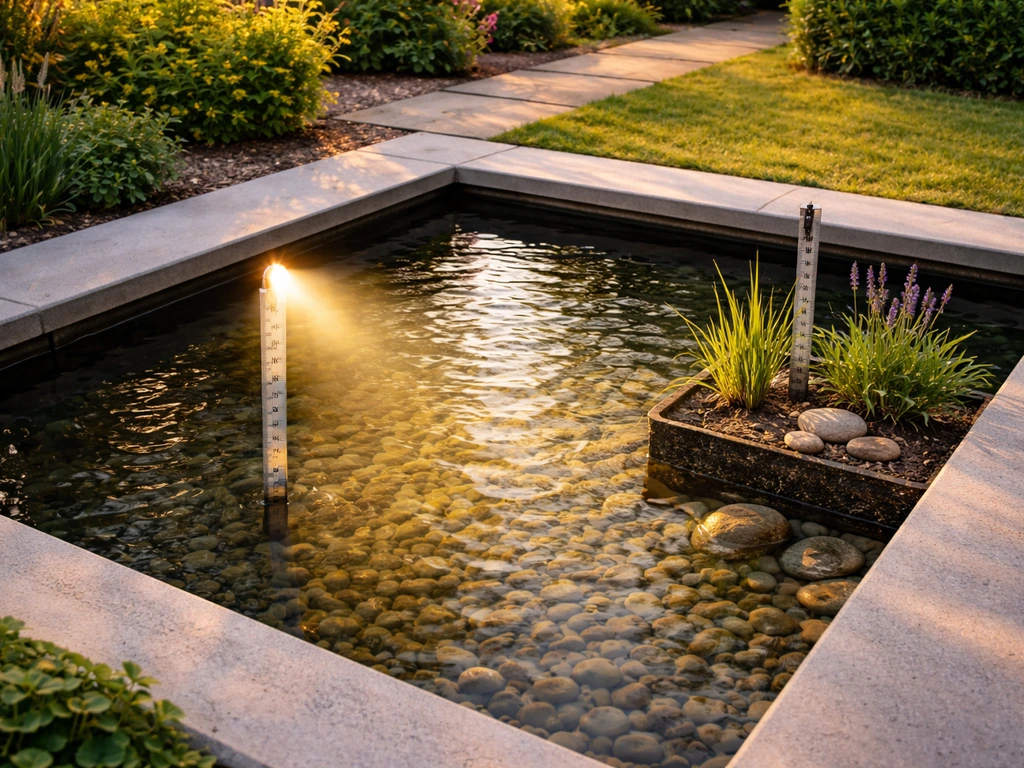
Light is the single most common reason pond plants fail to establish. Water absorbs and scatters light quickly, so a plant sitting at 18 inches of depth gets dramatically less light than one at 6 inches, even on a bright day. For outdoor ponds, most submerged plants need at least 6 hours of direct or bright indirect sunlight daily. Marginals like pickerel weed do well in 4 to 8 hours. If you're running an indoor aquarium setup, you need full-spectrum LED lighting blank" rel="noopener noreferrer">measured in PAR (photosynthetically active radiation), specifically PPFD at the plant surface. Most aquatic plants need 20 to 50 PPFD for low-light species and 50 to 150+ PPFD for medium to high-light plants. Modern full-spectrum LED fixtures make hitting those numbers easy.
Water depth matters more than most beginners expect. Here's a practical guide by plant type: submerged oxygenating plants like hornwort and anacharis grow well in 12 to 36 inches of water. Sago pondweed handles up to 6 feet in larger ponds. For example, if you are learning how to grow sago pondweed, matching its light, water depth, and placement helps it establish quickly. Marginals like pickerel weed prefer 2 to 12 inches of water over the crown. Water lilies need 18 to 36 inches over the crown for most varieties. If you're starting new plants, place them shallower at first (6 to 12 inches) and move them deeper once established.
For planting method, you have two real options: plant directly into substrate at the bottom of the pond or container, or use planting baskets. Baskets are honestly the better choice for most home ponds because they let you control feeding, move plants around, and pull them for maintenance without disturbing the whole pond floor. Fill baskets with aquatic planting media (more on that below), position them at the right depth, and weigh them down with a layer of pea gravel on top. For aquariums, press stems or root the plant into the substrate using tweezers, making sure the base of the stem is buried at least 1 to 2 inches deep.
Soil, nutrients, and how to root it
Substrate choices
For rooted aquatic plants, substrate is critical. Regular garden soil works in outdoor pond baskets but comes with trade-offs: it's nutrient-rich but can cloud the water and fuel algae blooms if disturbed. A better option is a purpose-made aquatic soil or planting compost, available at pond stores. These are low in phosphate (which feeds algae) but still contain enough organic matter to feed roots. For aquarium setups, use a capped substrate: a nutrient-rich lower layer (commercial aquatic soil, or inert sand mixed with laterite, which is an iron-rich clay known to support root growth) topped with 1 to 2 inches of plain fine gravel or sand. The cap keeps nutrients in the root zone and out of the water column.
Avoid using regular potting soil or houseplant fertilizer sticks in aquatic setups. Potting mixes often contain perlite (which floats) and high-phosphate fertilizers that will directly feed algae rather than your plants. The same goes for generic fertilizer tabs designed for terrestrial plants: they're not balanced for aquatic environments and can spike nutrient levels badly. If you want to add supplemental root fertilization, use tabs or rods specifically formulated for aquatic plants. These are low in phosphate and designed to break down slowly in wet substrate.
Free-floating plants: no substrate needed
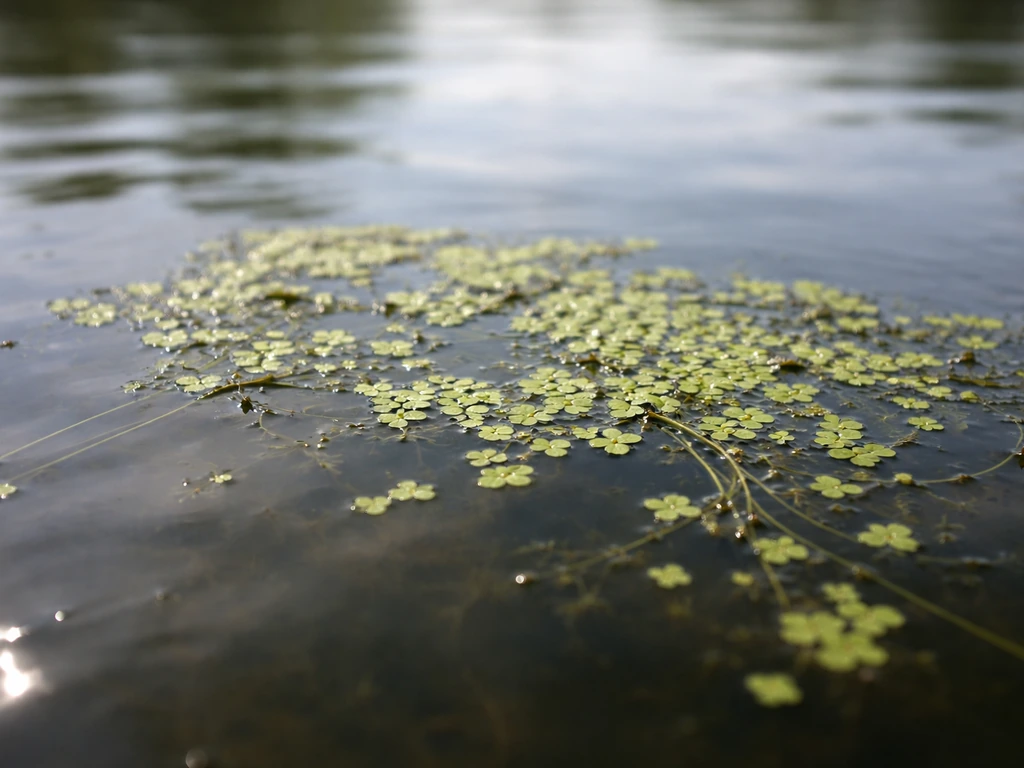
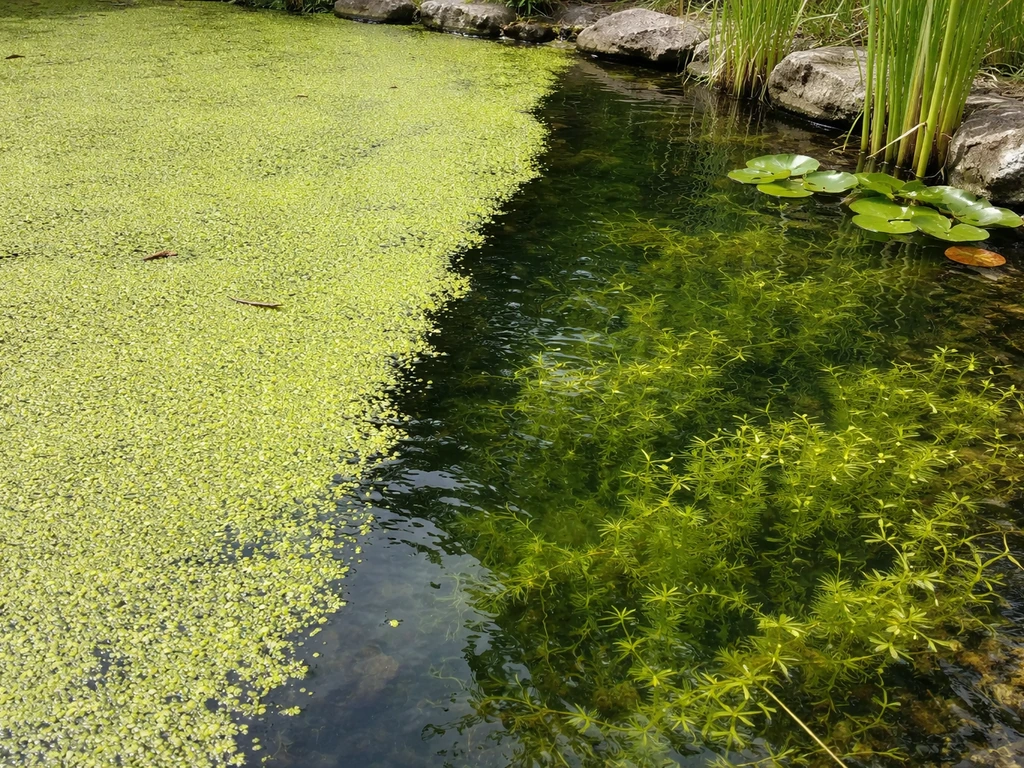
Free-floating plants like hornwort and duckweed absorb nutrients directly from the water column, so they don't need substrate at all. They actually work as a natural nutrient export system, pulling out nitrogen and phosphorus that would otherwise feed algae. The downside is that they grow fast and can shade out submerged rooted plants if you let the surface coverage exceed about 50 to 60 percent. Keep them managed (covered below in the growth management section).
Water quality targets: what to actually measure
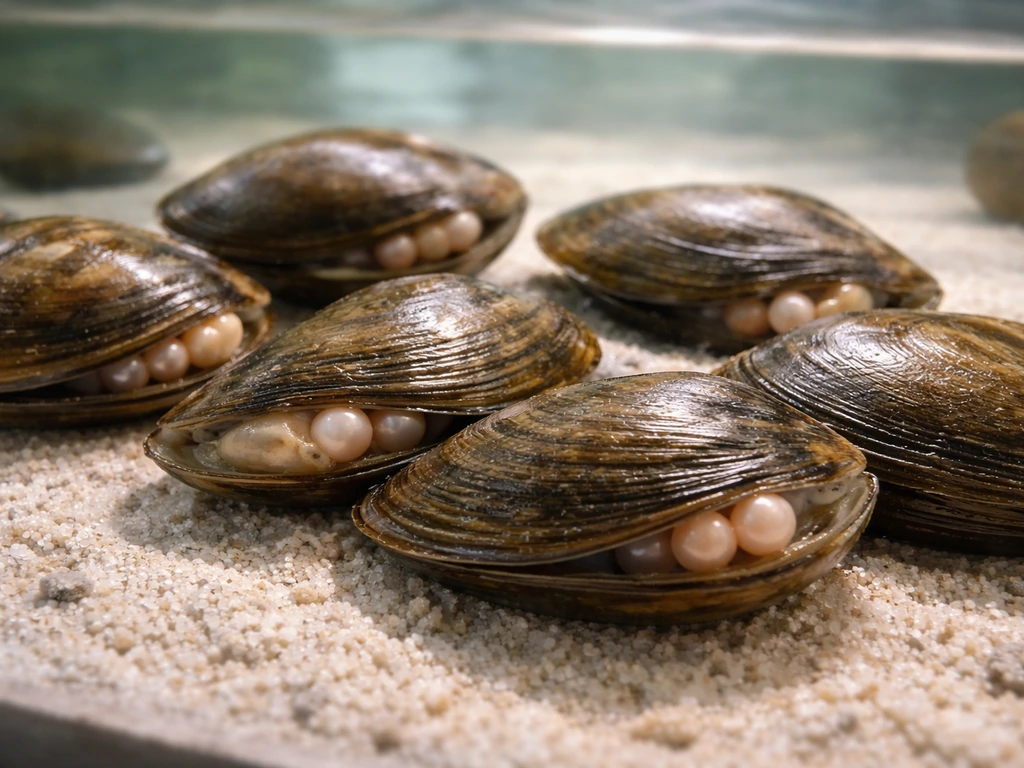
Get a basic water test kit before you plant anything. Testing takes 5 minutes and tells you whether your water is even in the right ballpark. Pearl farming in freshwater ponds or tanks also depends on providing stable water quality, correct lighting, and steady nutrition so the mollusks can form nacre properly water test kit. Here are the parameters that matter most for aquatic plant health:
| Parameter | Target Range | Why It Matters |
|---|---|---|
| pH | 6.5 to 7.8 | Controls nutrient availability and plant metabolism |
| General Hardness (GH) | 50 to 100 ppm | Provides calcium and magnesium for plant cell structure |
| Alkalinity (dKH) | 3 to 8 (54 to 140 ppm) | Buffers pH and supports CO2 availability |
| Temperature | 65 to 80°F (18 to 27°C) for most species | Drives growth rate and root activity |
| Dissolved Oxygen | Above 6 mg/L | Root zones need oxygen to prevent rot |
| Ammonia/Nitrite | 0 ppm | Even low levels stress and kill roots |
pH is the one I'd focus on first. For best results, follow Aqueon’s guidance for pH (6.5, 7.8), general hardness GH (50, 100 ppm), and alkalinity dKH (3, 8, 54, 140 ppm) Aqueon’s guidance for pH (6.5–7.8), GH (50–100 ppm), and dKH (3–8). Below 6.5, many nutrients become unavailable to plants even if they're present in the water. Above 7.8, iron deficiency becomes common, which shows up as yellowing new leaves. Most tap water in the US falls between 7.0 and 8.0, so you may need to buffer down slightly using driftwood, peat, or a commercial pH buffer. Always adjust pH gradually: a sudden shift of more than 0.5 in one day stresses both plants and fish.
Dissolved oxygen is easy to overlook but important, especially for rooted plants. Roots need oxygen to function properly, and waterlogged, anaerobic substrate causes root rot. For ponds, a small fountain, waterfall, or air stone keeps oxygen levels healthy. For aquariums, surface agitation from a filter outlet is usually enough. Aim for above 6 mg/L, which you can check with an inexpensive dissolved oxygen test kit or digital meter.
Temperature affects how fast your plants grow and whether they go dormant. Most temperate pond weeds slow down significantly below 50°F (10°C) and many tropical aquarium plants struggle below 65°F (18°C). If you're growing outdoors in a climate with cold winters, plan for seasonal dormancy and don't panic when growth stops in fall.
Manage growth: spacing, trimming, and controlling spread
Aquatic plants grow fast once they're established, and that's mostly a good thing. But without regular management, submerged plants can fill a pond, floating plants can block all light to lower layers, and marginals can crowd out everything else. Getting ahead of this early is much easier than trying to reclaim an overgrown pond.
For spacing, plant rooted submerged plants 6 to 12 inches apart to start. They'll fill in over one to two growing seasons. Marginals like pickerel weed can spread 18 to 24 inches per season, so give each plant a basket of its own and space baskets at least 18 inches apart along the pond edge. Water lilies need the most room: one plant per 4 to 10 square feet of surface area depending on variety.
Trimming is straightforward for most stem plants. Cut stems back by one-third to one-half when they reach the surface or start to get leggy. The cuttings can often be replanted or composted. For sago pondweed and similar rhizomatous plants, pull up excess root mass annually in fall or early spring to keep growth in check. For free-floating plants, skim off excess weekly with a net. A good rule of thumb: allow floating plants to cover no more than half the water surface so submerged plants and pond life get enough light.
If any plant escapes your pond and starts spreading into natural waterways or neighboring land, act immediately. Remove all plant material including root fragments, bag it, and dispose of it in the trash (not compost). Never dump aquatic plants or pond water into rivers, streams, or storm drains. This is both an ecological issue and often a legal one.
Troubleshooting: algae, poor establishment, die-off, and pests
Algae blooms
An algae bloom right after planting is one of the most common complaints, and it almost always traces back to too much light and not enough plant coverage in the early weeks. Algae and aquatic plants compete for the same nutrients and light. Until your plants are established and drawing down nutrients actively, algae has the advantage. Short-term fix: reduce lighting to 8 hours per day, add fast-growing floating plants like hornwort to compete with algae for nutrients, and do a 25 percent water change to dilute the nutrient spike. Long-term fix: get your plants established so they outcompete algae naturally.
Poor establishment or no growth
If a plant sits in the pond for two to three weeks and shows no new growth at all, check these four things in order: light levels (is it actually getting enough?), water temperature (too cold slows or stops growth completely), pH (outside the 6.5 to 7.8 range?), and whether the plant was planted correctly with roots in substrate and crown above it. New transplants also sometimes go through a 'melt' phase where old leaves die off while the plant adjusts. Don't pull it yet: if the roots are firm and white, new growth will usually appear within two to four weeks.
Yellowing leaves and die-off
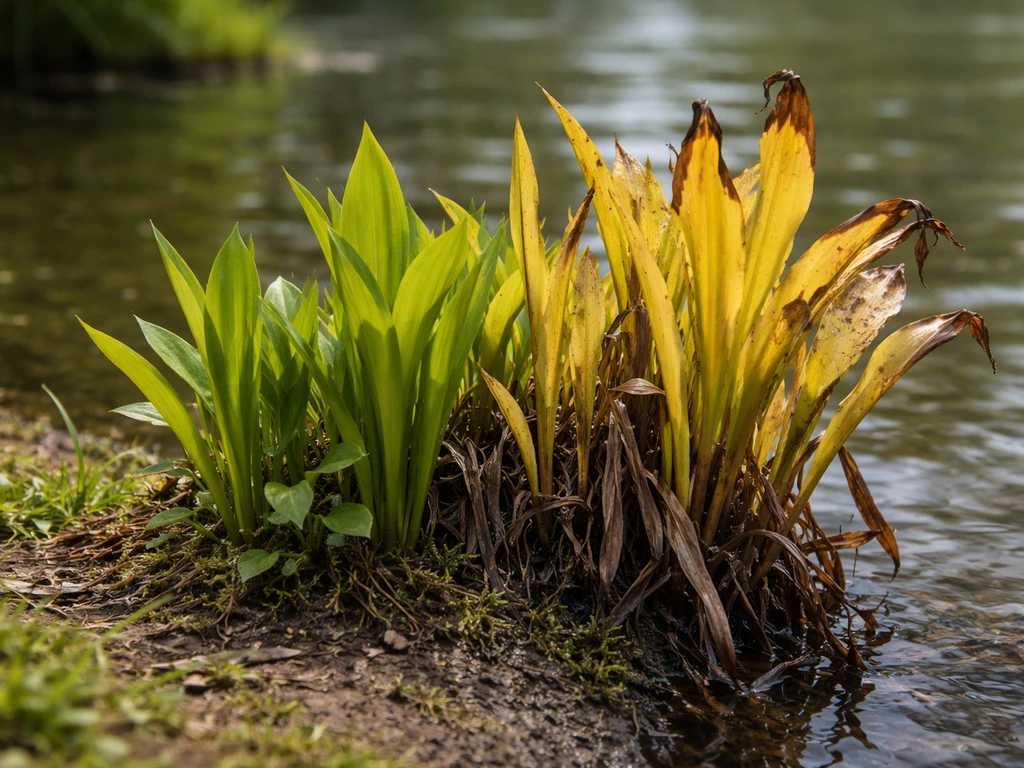
Yellow leaves on new growth usually mean iron deficiency. Check your pH first (above 7.5 locks out iron) and then consider adding an iron supplement or liquid micronutrient mix designed for aquatic plants. Yellow older leaves with green new growth often point to nitrogen deficiency, which is rare in ponds with fish but possible in fish-free planted setups. In that case, add a balanced aquatic plant fertilizer or root tabs. Widespread browning and soft, mushy stems is usually root rot from anaerobic substrate: fix water circulation, reduce the depth of your substrate layer, and remove any rotting plant material immediately.
Holes in leaves and pest damage
Ragged holes in leaves are usually caused by pond snails, caterpillars (particularly in outdoor ponds), or waterlily beetles. For snails in aquariums, reduce overfeeding (snail populations explode when there's excess food) and manually remove snails you can see. In outdoor ponds, ducks and fish are often the most effective snail control. For leaf-mining insects on water lilies and marginals, remove and destroy affected leaves, and consider netting the pond surface if infestations are severe. Avoid insecticides near any pond with fish or amphibians.
Floaters not settling and stem plants not rooting
Some free-floating plants like hornwort simply don't want to anchor, and that's fine. Weight the base loosely with a plant anchor or lead strip to hold position if needed. For stem plants that keep floating up from substrate, use planting tweezers to push stems deeper (at least 2 inches) and press substrate firmly around them. A light gravel cap over new plantings helps hold everything down for the first couple of weeks.
Seasonal care and long-term maintenance
Spring (planting and restart season)
Spring is when most aquatic plants wake up from dormancy and when you do your main setup work. Once water temperatures consistently stay above 50°F (10°C), start cleaning out dead plant material from the previous year. Divide overgrown plants, repot anything in baskets that has outgrown its container, and add any new plants you planned over winter. Hold off on fertilizing until the water is above 60°F (15°C) and plants show active new growth, usually late spring depending on your climate.
Summer (active growth management)
Summer is your highest-maintenance season. Plants grow fast, algae can spike with longer days, and evaporation drops water levels. Top up the pond with dechlorinated water (or rainwater) to keep depth consistent. Trim stem plants and floating plants every one to two weeks. Feed root-feeding plants with aquatic plant tabs once a month from June through August. Watch for pest activity: the warm months are when waterlily beetles and aphids are most active on marginals.
Fall (preparing for dormancy)
As water temperatures drop below 55°F (13°C), most pond plants slow dramatically. Stop fertilizing by early fall. Remove tender tropical plants before the first frost if you plan to overwinter them indoors. Hardy plants like water lilies can stay in the pond: cut back foliage to just above the crown and move the basket to the deepest part of the pond (below the freeze line). Leave some oxygenating plants in place because they continue to provide a degree of oxygen through winter even at low growth rates.
Winter and early spring
For outdoor ponds in cold climates, keep a small area of the water surface ice-free during deep freezes to allow gas exchange. A floating pond heater or de-icer works well for this and only costs a few dollars to run. Avoid breaking ice by force because the shockwave can stress or kill fish. For indoor aquarium setups, there's no real dormancy period: maintain consistent temperature and lighting year-round and trim as needed. At the start of each new growing season, do a full water test and adjust chemistry before adding new plants or fertilizer.
Your starting checklist
- Choose a non-invasive aquatic plant species suited to your pond depth, climate, and light conditions.
- Test your water for pH (target 6.5 to 7.8), GH (50 to 100 ppm), and temperature before planting.
- Set up substrate using aquatic planting media or a capped nutrient layer, not garden soil or potting mix.
- Plant at the right depth for your species and use planting baskets for flexibility.
- Set lighting to 8 to 10 hours per day with full-spectrum output appropriate for your water depth.
- Add surface agitation or aeration to keep dissolved oxygen above 6 mg/L.
- Start a trimming schedule from week three onward and never let floating plants exceed 50 percent surface coverage.
- Monitor for algae blooms in the first four weeks, when competition with plants is at its peak.
- Adjust care seasonally: fertilize in active growth periods only, and prepare for dormancy in fall.
FAQ
Can I grow pond weed from store-bought bunches or from cuttings I take from another pond?
Yes for many submerged stem and oxygenating plants, but only use cultivated, non-invasive stock. For cuttings from another pond, you must remove all root fragments and never transfer pond water (even a little), then disinfect tools and let the plant root in a separate quarantine tub before introducing it to your pond.
How long should I wait after planting before assuming the pond weed won’t take?
Give rooted plants 2 to 4 weeks to show new growth, especially if temperatures are cool or light is still stabilizing. If there is no new growth after that window, re-check light and placement depth first, then confirm pH is within roughly 6.5 to 7.8 and the crown is above the substrate for marginal plants.
Do I need to fertilize pond weed right away?
Usually not. Many aquatic soils and planting media provide enough root nutrition initially, and early fertilizing often fuels algae. Wait until you see active new growth (often after water warms in spring), then use root tabs sparingly, especially in fish-heavy ponds where nutrients are already available.
Why does my pond weed keep melting even though pH and light seem fine?
Melting can also be transplant shock from low oxygen or rough handling of roots, or it can happen if the plant was planted at the wrong depth (crowns buried for marginals, stems too shallow for submerged plants). Make sure baskets are weighed down, crowns stay at the correct height, and avoid disturbing the substrate right after planting.
What’s the best way to prevent algae when starting a new pond?
Start with enough plant mass so the water is shaded, not just individual plants. Reduce lighting to about 8 hours daily during the first couple of weeks, add managed fast growers like hornwort if compatible with your system, and keep nutrients from spiking (for example, avoid heavy feeding and don’t over-fertilize).
How do I choose the right planting depth for a mixed plant pond?
Plant shallower at first, then adjust after roots anchor. As a practical rule, keep marginal crowns above the substrate and submerged plants in the midwater zone appropriate for that species. If you move plants later, do it gradually, changing depth in stages over several days to reduce stress.
Should I use regular garden soil or aquatic soil in pond baskets?
Regular garden soil can work outdoors, but it often clouds water and can trigger algae when disturbed. Purpose-made aquatic soil is usually lower in phosphate and holds together better. If using a mixed approach, keep the nutrient source contained in baskets, and consider a gravel cap to limit nutrient release.
How can I keep free-floating plants like duckweed from taking over?
Treat floating plants as a managed surface crop. Skim regularly with a net, and cap surface coverage around roughly half the area. If duckweed is already established everywhere, remove it in sessions over several days to avoid a sudden nutrient release that can worsen algae.
What do I do if a plant escapes my pond and starts spreading elsewhere?
Remove every visible piece, including fragments and loose root material, bag it, and dispose of it in trash. Never toss plants or pond water into natural waterways or storm drains, and do not compost escaped plant material. After cleanup, monitor nearby edges for fragments that can regrow.
Can pond weed be grown in an aquarium without a heavy substrate?
Some types can, like hornwort which can be anchored or weighted and absorbs nutrients from the water. For rooted submerged plants, you typically need a capped nutrient system so roots get access without releasing excess nutrients to the water column. Avoid bare gravel only setups if the plant is a root feeder that needs consistent root nutrition.
My pond has yellow leaves on new growth, what should I check first?
Check pH first. When pH rises above about 7.5, iron becomes less available, which commonly causes yellowing in new growth. After confirming pH, consider an iron supplement formulated for aquatic plants, and dose lightly to avoid nutrient overshoot.
How do I know if I’m over-trimming or under-trimming pond weed?
If stems get leggy and reach for the surface, trim about one-third to one-half to encourage branching. If algae is increasing, under-trimming and low plant coverage are common contributors. For free-floating plants, trim when surface coverage exceeds around 50 to 60 percent.
What’s the safest way to handle pond pests without harming fish or amphibians?
Insecticides can be risky around pond life, so start with mechanical control (remove affected leaves, manually remove visible snails) and adjust feeding to avoid fueling snail explosions. If infestations persist on water lilies and marginals, consider physical barriers like pond netting rather than chemicals.