Growing freshwater pearls means cultivating live freshwater mussels in a controlled water system, then performing a tissue-graft operation (called nucleation) that triggers the mussel to form a pearl sac and deposit nacre around it over several years. You are not buying a kit or planting seeds, you are running a small-scale aquaculture operation with live animals, real water chemistry management, and a multi-year commitment before you see a single pearl.
How to Grow Freshwater Pearls: Step-by-Step Guide
Marcus Holloway
2 Jul 2026
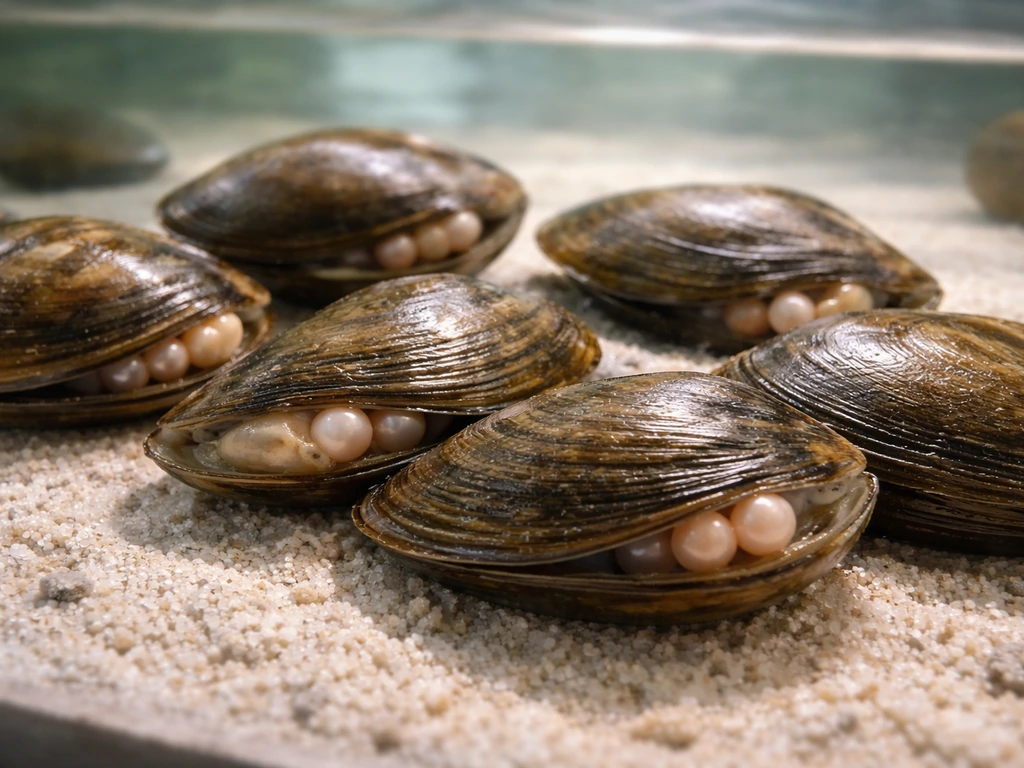
Freshwater pearl culture vs. jewelry pearls: what you're actually doing
The pearls you see in jewelry stores come from commercial pearl farms in China, Japan, and parts of Southeast Asia. A Virginia Tech mussel lab page summarizes that freshwater pearl culture technology was developed in China about 2,000 years ago, and commercial pearl culture expanded in Japan and China in the late 1960s and early 1970s blank" rel="noopener noreferrer">freshwater pearl culture technology was developed in China about 2,000 years ago and commercial pearl culture expanded in Japan and China in the late 1960s and early 1970s. China's industry is built almost entirely on one species: Sinohyriopsis cumingii, the triangle sail mussel. These farms operate at scale, thousands of mussels per pond, professional nucleation technicians, and years of refined technique. The pearls you're aiming to produce at home are the same biological product made the same biological way, but your setup will be smaller, your yield far lower, and your margin for error much thinner.
Here's the key distinction a lot of beginners miss: there are two very different freshwater mussel species people call 'freshwater pearl mussels.' The European freshwater pearl mussel (Margaritifera margaritifera) is a wild, endangered species that requires a specific salmonid host fish for its larval stage, it is NOT a practical aquaculture species for hobbyists and is protected in most countries. The species you actually want to work with for pearl culture is Sinohyriopsis cumingii (or close relatives in the Hyriopsis genus). These are the workhorses of the cultured pearl world, they can receive dozens of tissue grafts per mussel, and their nacre quality can be excellent. Everything in this guide focuses on Sinohyriopsis cumingii-type culture.
Cultured freshwater pearls form when a small piece of donor mantle tissue, called 'saibo' in the Japanese pearl trade, is surgically inserted into a recipient mussel. The recipient's immune response encapsulates that tissue in a pearl sac, and the sac secretes layer after layer of nacre. Unlike saltwater Akoya or South Sea pearls, most freshwater pearls are tissue-only nucleated, meaning no bead is implanted, just the mantle piece. The result is an almost all-nacre pearl, which is actually a quality advantage. The trade-off is that shapes are less predictable and the process takes 3 to 7 years to complete.
What you need before you start
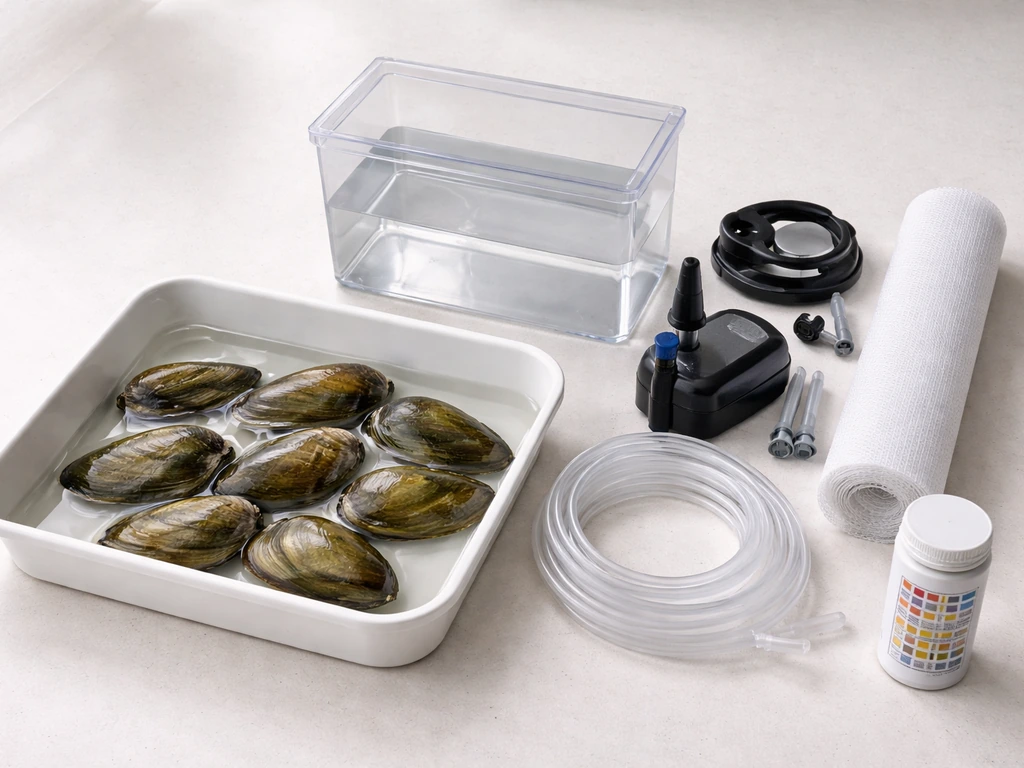
Getting this right from the start saves you a lot of dead mussels and wasted time. Here is what you actually need, broken down by category.
Host organisms
Your primary animals are adult Sinohyriopsis cumingii mussels, ideally 3 to 5 years old and at least 10 to 15 cm in shell length before nucleation. You will also need donor mussels, animals you harvest mantle tissue from to create the saibo grafts. The donor and recipient should ideally be from the same or closely related populations. Some hobbyists source both from specialty aquaculture suppliers or freshwater mussel farms; wild collection is either illegal, ecologically harmful, or both depending on your location. Budget for a minimum of 10 to 20 recipient mussels if you want a realistic chance of at least a few successful pearls, mortality is part of the process.
Vessels and water systems
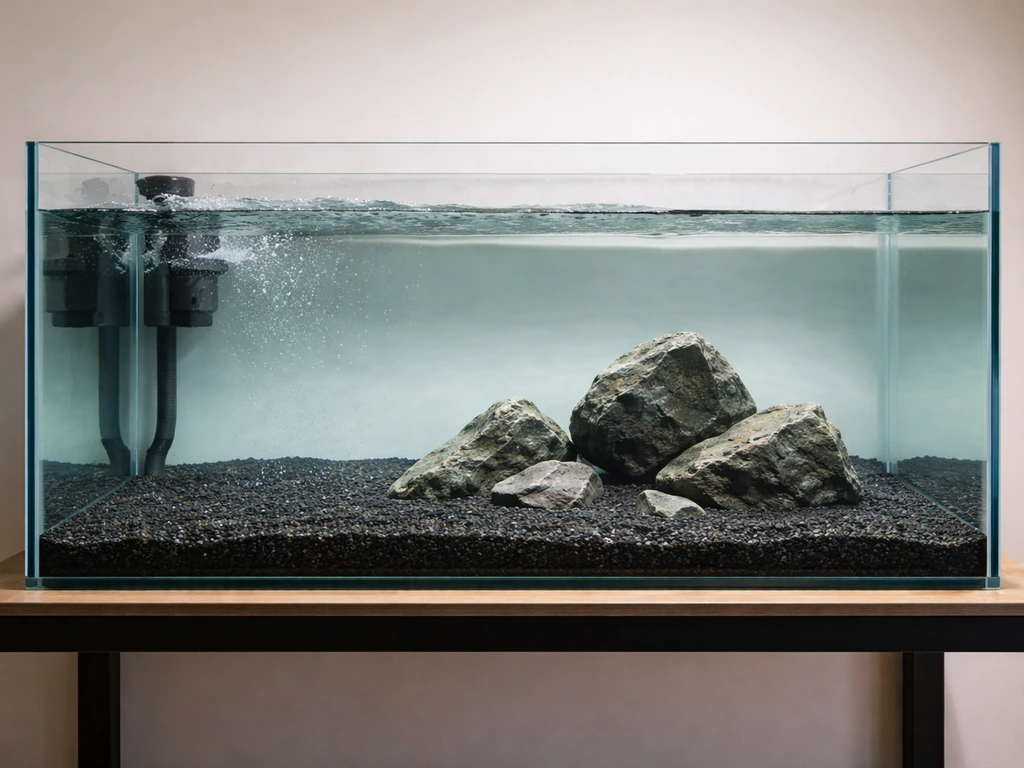
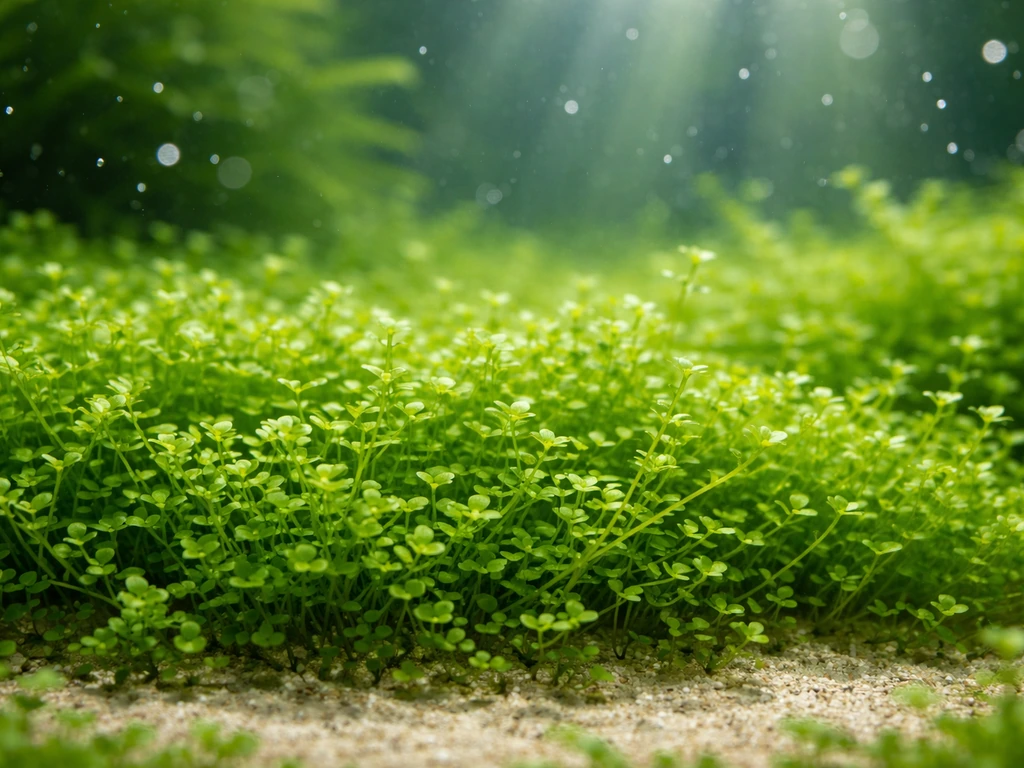
For a hobbyist-scale setup, a large aquarium (200+ liters) or a small outdoor pond works. Outdoor ponds in warm climates tend to produce better results because natural phytoplankton populations provide food and seasonal temperature cycling mimics the mussel's natural growth rhythm. If you are wondering how to grow sago pondweed, the water and nutrient stability goals are similar to what you will manage for your pond setup outdoor pond. Aquarium setups give you tighter control over water chemistry but require you to actively provide food (more on that below). Either way, the system needs good water flow or circulation, mussels are filter feeders and stagnant water equals starving mussels. Outside of tank chemistry and feeding, a field-cage comparison study of juvenile freshwater pearl mussels found that rearing success also depends on blank" rel="noopener noreferrer">water flow, water chemistry, and food resources transported with the water.
Equipment list
- Large tank or pond with a minimum 200-liter capacity per 10 to 15 mussels
- Submersible pump or recirculating water flow system
- Fine-mesh substrate (clean sand or fine gravel, 5 to 10 cm deep) for the mussels to partially bury
- Water test kit or digital meters covering pH, ammonia, nitrite, nitrate, dissolved oxygen, and conductivity
- Thermometer or temperature probe (a HACH-style portable meter covers multiple parameters at once)
- Air stone or diffuser for supplemental oxygenation
- Fine-mesh cage or basket system if you want to keep mussels accessible for monitoring without disturbing the substrate
- Scalpel or fine scissors, forceps, and a mussel-opening wedge for the nucleation procedure
- Phytoplankton culture or concentrated liquid phytoplankton for supplemental feeding in tank setups
- A logbook — seriously, track everything
Sourcing your mussels and setting up the culture environment
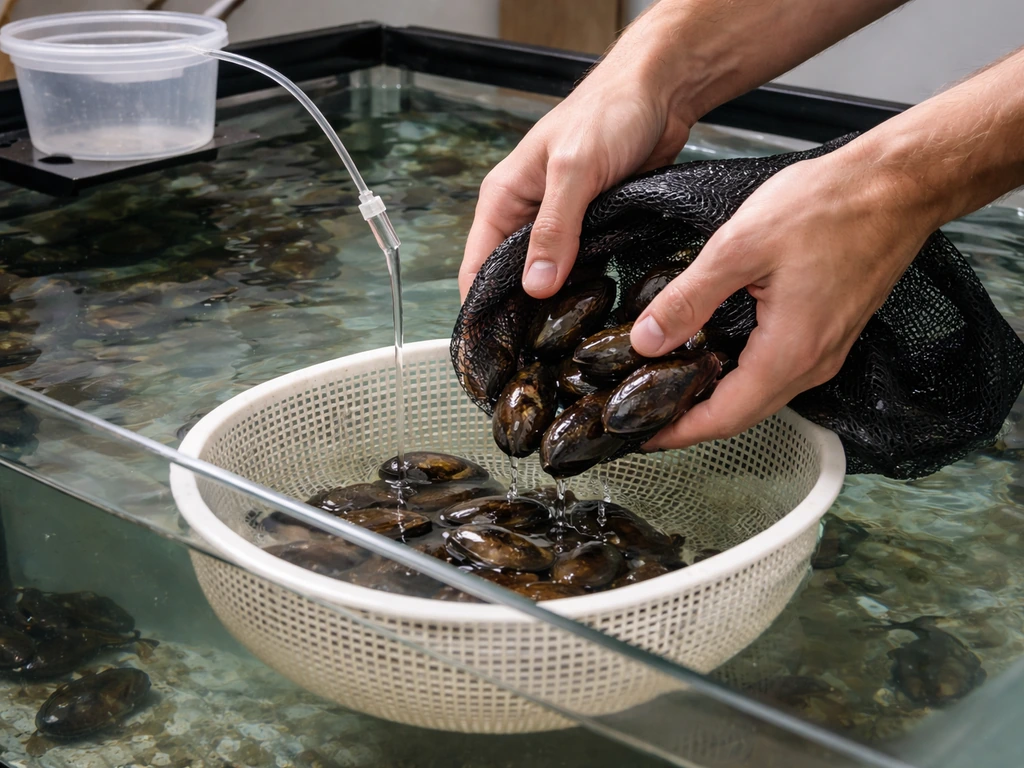
Finding Sinohyriopsis cumingii outside of China is genuinely the hardest part for most hobbyists. Your best options are specialty aquaculture suppliers, university aquaculture programs, or connecting with freshwater mussel conservation labs that sometimes have surplus stock. Some pearl aquaculture networks in the US and Europe have emerged in recent years. Avoid sourcing from the wild, beyond the legal issues, wild mussels carry unknown parasite loads and stress poorly from collection.
When your mussels arrive, acclimate them slowly to your system water over at least 60 to 90 minutes using the drip-acclimation method. Place them in their substrate immediately and resist the urge to handle them for the first week. Mussels that have been stressed by shipping need time to reopen, reorient, and start filtering before you subject them to anything else.
For the physical setup, the mussels need a substrate they can partially bury into. Use clean, fine sand or fine gravel that has been rinsed thoroughly. Avoid overly coarse material, mussels should be able to anchor the lower half of their shell. Water flow should pass over and through the substrate area, not just across the top of the tank. Think of it like a slow river bottom, not a turbulent stream.
Run your system for at least 4 to 6 weeks with mussels in residence before attempting any nucleation. This establishes your biological filtration, lets you dial in water chemistry, and lets you confirm the mussels are feeding actively (you will see them open and observe pseudofeces, mucus-wrapped rejected particles, if they are working properly).
The nucleation process: from tissue graft to nacre deposition
This is the core technical step, and I want to be direct with you: nucleation is a surgical skill that takes practice, and your first attempts will likely produce some failures. Commercial operations use trained technicians who can perform dozens of grafts per hour. That said, the basic technique is learnable, and plenty of dedicated hobbyists have produced real pearls.
Preparing the saibo (donor mantle tissue)
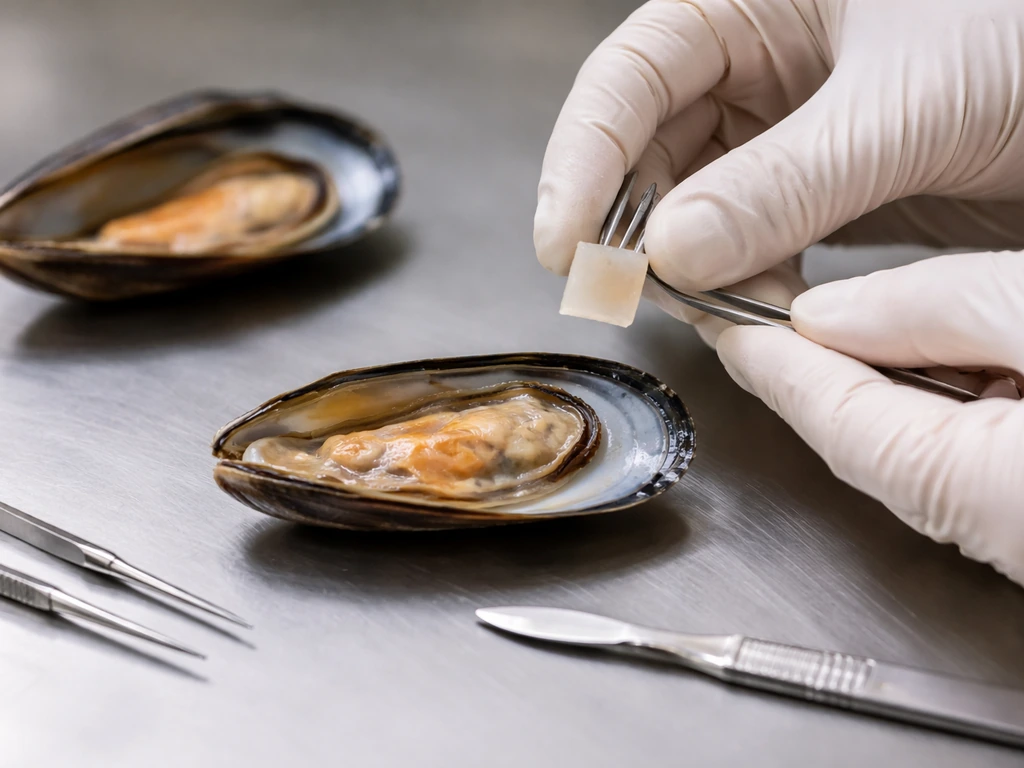
The saibo is a small square of inner mantle epithelium, the tissue that lines the inside of the shell and secretes nacre, cut from a donor mussel. The donor mussel is typically sacrificed for this step, so plan accordingly. Cut small pieces roughly 2 to 4 mm square from the outer edge of the mantle, keeping them moist in clean system water. Work quickly, tissue viability drops fast. These pieces need to be implanted within 30 to 60 minutes of cutting.
Opening the recipient mussel and making the incision
Gently wedge the recipient mussel open just enough to work, you do not need it fully open, just 1 to 2 cm of gap. Using a fine scalpel, make a small pocket incision in the soft tissue of the mantle or foot area. Insert the saibo piece into the pocket with forceps, epithelial side facing outward. The recipient mussel's immune response will encapsulate the foreign tissue and form a pearl sac. Each recipient mussel can receive multiple grafts, up to roughly 25 per side in commercial operations, but start with 5 to 10 per mussel until your technique is reliable.
Immediately after nucleation
Return nucleated mussels to the system immediately and keep the environment as stable and stress-free as possible. Immune response and initial pearl sac formation are observable histologically within 3 to 7 days, but from a management standpoint, the first 30 days post-nucleation are the highest-risk window. Mussels may reject grafts, expel them, or die from the stress of the procedure. Expect a rejection rate of 20 to 40 percent in your early attempts, this is normal and improves with practice.
The growth timeline
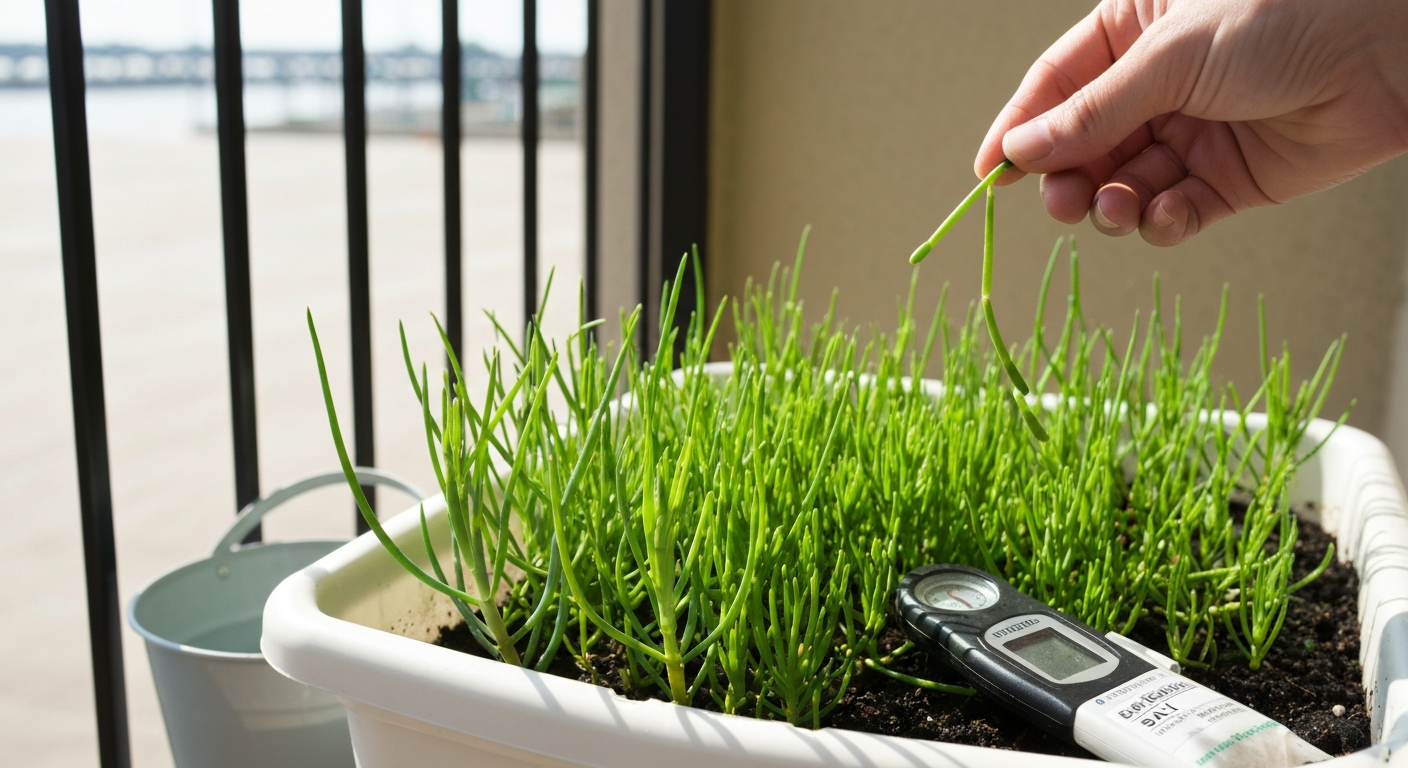
Once the pearl sac forms and nacre deposition begins, you are in the long game. Tissue-nucleated freshwater pearls are typically kept in the parent mussel for 3 to 7 years before harvest, depending on the nacre thickness and quality you are targeting. There is no shortcut here, nacre builds up layer by layer, and rushing harvest means thin nacre and dull luster. Most hobbyists target a minimum of 3 years for decent quality, with 5 years producing noticeably superior results. If you are aiming to learn how to grow pearl weed at home, plan for the same long-term patience and careful water management from start to harvest.
Water quality targets, feeding, and seasonal management
Water quality is not just a background concern, it is the single biggest variable you control, and swings in any direction will cost you mussels and pearls. Here are the targets to maintain.
| Parameter | Target Range | Why It Matters |
|---|---|---|
| pH | 6.5 to 7.5 | Above 7.5 stresses juvenile mussels; low pH interferes with shell/nacre formation |
| Dissolved Oxygen | 90 to 110% saturation (ideally >7 mg/L) | Mussels are aerobic filter feeders; low DO = stress and mortality |
| Ammonia (total) | <0.1 mg/L (as low as possible) | Ammonia from decomposition is acutely toxic even at low levels |
| Nitrite | <0.1 mg/L | Nitrite interferes with oxygen transport in soft tissue |
| Nitrate | <20 mg/L | Elevated nitrate signals poor nutrient cycling |
| Alkalinity | 50 to 150 mg/L as CaCO3 | Buffering capacity stabilizes pH and supports shell growth |
| Temperature | 15 to 25°C (optimal 18 to 22°C) | Growth slows below 15°C and above 25°C; extremes are lethal |
| Conductivity | 200 to 500 µS/cm | Indicates mineral content suitable for nacre formation |
| Turbidity | Low, clear water | Suspended fine sediment clogs gills and prevents effective feeding |
Test your water at minimum once a week during the first year, and at least twice a month once the system stabilizes. Any ammonia or nitrite spike above 0.25 mg/L should trigger an immediate partial water change of 20 to 30 percent.
Feeding your mussels
Mussels are passive filter feeders, they pull microscopic algae and organic particles from the water column. In a pond setup, natural phytoplankton growth often provides enough food, especially if you manage nutrient levels appropriately. If you want to grow pond weed instead, the key is providing light, nutrients, and stable water conditions so the plants can establish without being smothered by algae or competing species pond setup. In a tank setup, you need to actively supplement. Use a concentrated liquid phytoplankton product (Nannochloropsis or Tetraselmis work well) and dose daily or every other day based on the manufacturer's instructions, watching for clear vs. green-tinted water as a rough guide to availability. Do not overdose, excessive organic matter crashes oxygen levels and spikes ammonia. Watch for pseudofeces production: if mussels are rejecting a lot of material, you are overfeeding.
Seasonal management
If you are running an outdoor pond in a temperate climate, your mussels will naturally slow down in winter. Below 10°C, most Sinohyriopsis cumingii activity including nacre deposition essentially stops. This is not a problem, it is natural. Do not try to force winter activity by heating the pond dramatically; a gradual temperature cycle is healthier than a constant artificial environment. In aquarium setups, keep temperature stable year-round in the 18 to 22°C range for maximum nacre deposition rate.
Troubleshooting the most common failures
Something will go wrong, probably multiple things. Here is how to read the signs and respond.
Mussel mortality
A gaping mussel that does not close when touched and has an odor is dead. Remove it immediately, a dead mussel in a small system will spike ammonia fast and can trigger a cascade of additional deaths. Mortality causes include ammonia/nitrite toxicity, temperature shock, low dissolved oxygen, post-nucleation stress, bacterial infection, or viral disease. A densovirus has been linked to mass mortality events in freshwater mussel populations, and bacterial pathogens including various Gram-negative species are documented threats. If you lose more than 20 percent of your stock in a short period, treat it as a disease investigation: check water quality first, then look for external signs of parasites (small white spots, visible worms or mites, unusual mucus).
Poor nacre development or thin nacre
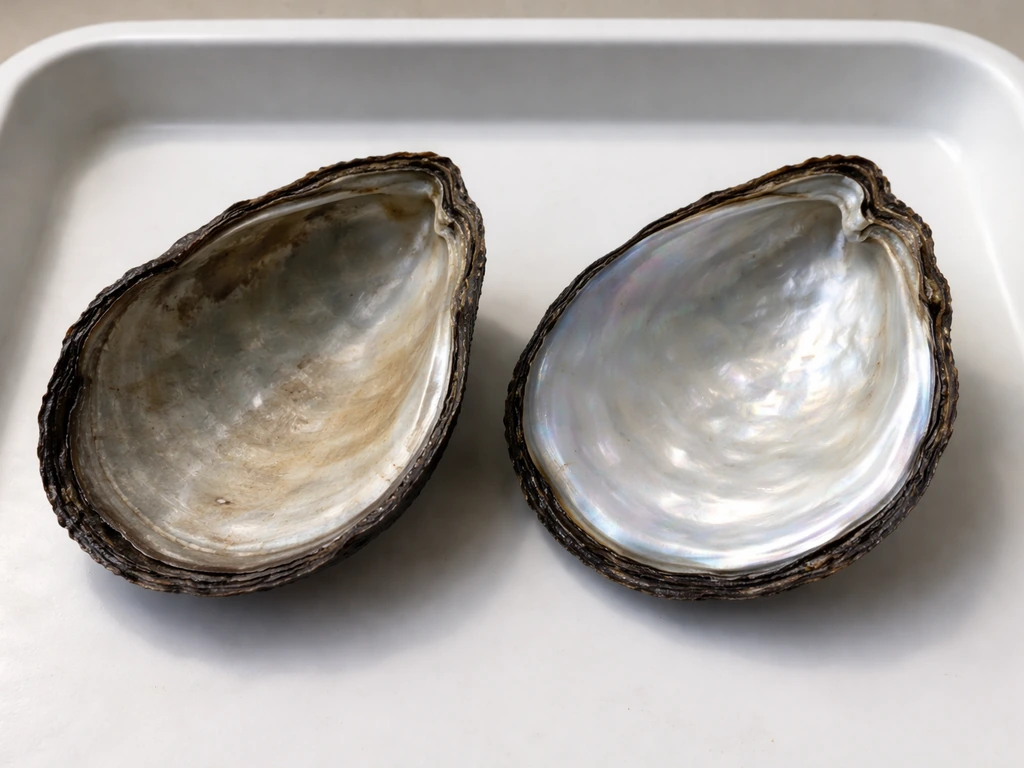
If you harvest early and find thin, dull nacre, the most likely causes are: harvesting too soon (under 3 years), chronic low dissolved oxygen, nutritional deficiency, or a pH that drifted too high or too low. Nacre deposition is biologically expensive, the mussel has to be well-fed and in good water to lay down thick, lustrous layers. Think of it like trying to grow a large crop in depleted soil.
Graft rejection
If no pearl forms at the implant site after several months, the graft was likely rejected. This can happen from poor tissue handling (dried out, damaged saibo), inaccurate incision placement, or post-nucleation stress. Improving your technique, working faster with freshly cut tissue, and ensuring the recipient mussel is calm and healthy before the procedure all help. Keeping mussels in cool water (around 15°C) briefly before nucleation can reduce their stress response and improve graft take rates.
Disease and parasites
Freshwater mussels are susceptible to a range of pathogens: bacteria, ciliates (like Conchophthirus), trematodes, nematodes, mites, and leeches. Most of these enter your system via wild-caught organisms or contaminated water. Your best defense is strict biosecurity, quarantine new animals, use pathogen-free water sources, and do not introduce wild fish or plants without inspection. Specific treatments for mussel diseases are limited, which means prevention through excellent water quality is your real first line of defense. If you suspect a bacterial outbreak, a brief bath in a low-level antibiotic may help, but consult a veterinary or aquaculture resource for current protocols before treating.
Slow or stalled growth
Mussels that are not feeding are either stressed, underfed, or in poor water. Check dissolved oxygen first, it is the most commonly overlooked parameter. Then check ammonia. If both are fine, look at food availability: clear, odorless water in a tank setup usually means there is not enough phytoplankton for the mussels to filter. Increase supplemental feeding carefully and watch the mussels' activity. An open mussel actively filtering is a good sign; a closed mussel that stays closed during daylight hours is not.
Harvesting, what you'll realistically get, and what comes next
Harvest is as simple as gently opening the mussel (the same way you prepared for nucleation) and using forceps to extract the pearl from the pearl sac. The mussel can survive harvest if handled carefully, especially if you have only a few grafts per mussel and do not cut into major tissue. After extraction, rinse pearls in clean water and sort them by size, shape, and luster. Commercial operations send pearls to processing facilities for tumbling and sorting, at hobbyist scale, a gentle cloth buff is typically all that is needed.
Here is the honest part: your first culture cycle will probably produce a mix of near-round, baroque, and oddly shaped pearls of varying luster. That is completely normal and mirrors what commercial farms produce, they just process enough volume that the better-quality pieces dominate the final product. A single Sinohyriopsis cumingii can theoretically yield up to around 25 or more pearls from one nucleation session, but at hobbyist scale with beginner technique, expect 5 to 15 recoverable pearls per mussel with 3 or more years of growth, and plan for a meaningful percentage to be irregular or low-luster.
The CIBJO classification system for cultured pearls evaluates pearls on luster, surface quality, shape, size, color, and nacre thickness, useful if you want to objectively assess what you have produced against industry standards. But for most hobbyists, the satisfaction of holding a pearl that your system actually grew is its own reward regardless of commercial grade.
Realistic time and cost expectations
- Setup and system stabilization: 1 to 3 months before nucleation
- Post-nucleation growth period: 3 to 7 years minimum for quality nacre
- Startup costs (tank, equipment, mussels, water testing): expect $200 to $600 USD for a basic hobbyist setup
- Ongoing costs: phytoplankton supplements, water testing reagents, and occasional water treatment are low but continuous
- Yield per mussel: 5 to 25 pearls depending on nucleation success and mussel size
- Pearl quality: highly variable on first attempt; improves with experience and stable water management
- Skill investment: nucleation technique takes practice — budget for early failures
If this process sounds like a lot of sustained commitment, it is, but it is also genuinely fascinating aquaculture that overlaps with many of the same skills used in other aquatic cultivation projects. The water quality management principles you develop here apply directly to any live-animal aquatic system, whether you are also working with aquatic plants, shrimp, or other organisms. The mussel itself is a rewarding animal to keep: quiet, low-maintenance once established, and deeply tied to water quality in ways that make it an excellent indicator of system health. To get the best results, treat your blue pearl chlorophytum like a light-feeder: give bright indirect light, keep the mix evenly moist, and avoid letting it sit in soggy soil aquatic plants.
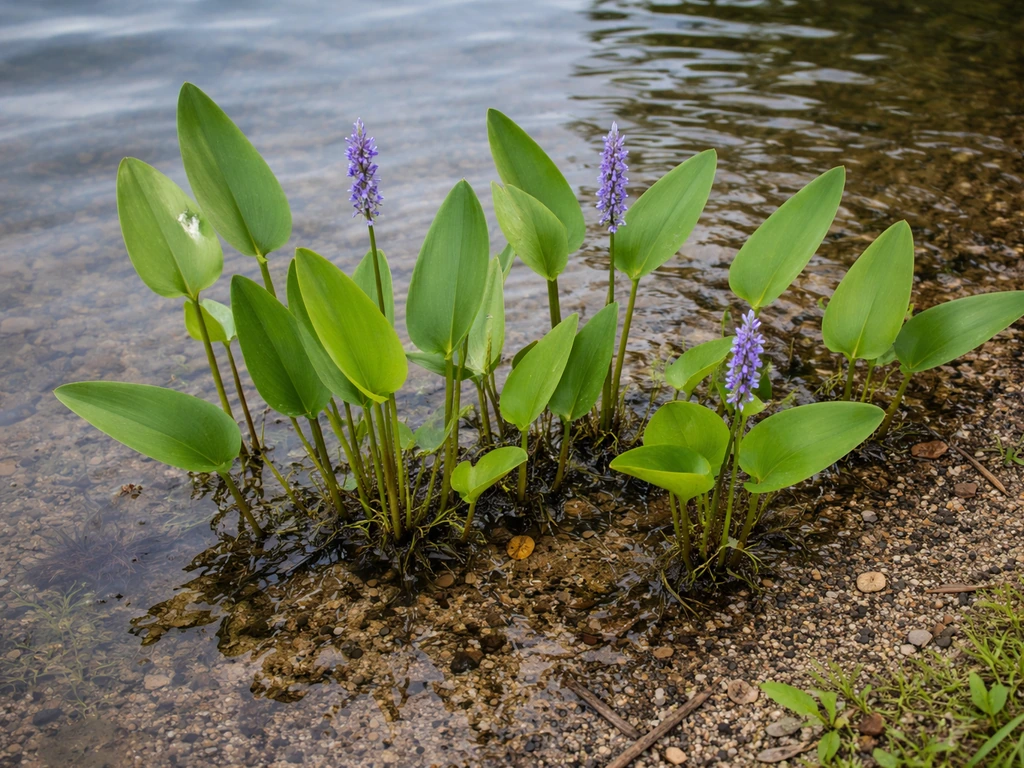
Start small, get your water chemistry dialed in before you introduce animals, practice your nucleation technique on non-pearl-bearing mussels first if you can source them, and be patient. Three to five years from now, you could open a mussel and find something you actually grew. If you are wondering how to grow pickerel weed, the best starting point is to learn its light and rooting needs before you choose a planting method.
FAQ
Do I need to buy a special “pearl kit,” or can I DIY the whole process?
You cannot reliably DIY this as a simple kit. The risky parts are maintaining live mussels long enough, handling water chemistry correctly for years, and performing nucleation as a surgical procedure. Even if you source tools and supplies, you still need a steady biosecure water system, a safe way to obtain viable donor mantle tissue, and a plan for post-surgery survival, which kits typically do not fully cover.
Where can I legally source freshwater pearl mussels, and why is “wild collection” such a problem?
For most countries, collecting mussels from the wild can be illegal, and even where it is permitted, it is high-impact because several freshwater pearl species are protected and many habitats are sensitive. Beyond legality, wild mussels often arrive with unknown parasites and stress from capture and transport, which can trigger die-offs during the weeks you need them calm for pre-nucleation recovery.
How do I know my water quality is actually safe after I think I “cycled” the tank or pond?
Cycling is not the same as stability. Keep testing, but also watch for biological activity indicators like steady pseudofeces production and regular opening with normal mucus. If ammonia or nitrite stay at or near zero but mussels repeatedly close during daylight or show poor feeding behavior, you may have oxygen stress, hidden organic buildup, or a subtle pH drift that weekly spot checks miss.
What dissolved oxygen target should I aim for, and what happens if oxygen drops?
Aim for consistently high dissolved oxygen rather than brief spikes. If oxygen drops, mussels stop filtering, immune response worsens after nucleation, and ammonia spikes become more likely because beneficial nitrification slows. If you suspect oxygen is low, prioritize aeration or flow improvements before adjusting feeding, and avoid making multiple changes at once.
Can I nucleate on the same day my mussels arrive, or should I wait?
Wait. After shipping, mussels need time to reopen, reorient, and resume normal filtering. Doing nucleation immediately increases rejection and mortality because the procedure adds immune stress on top of shipping stress. A practical rule is to acclimate slowly, keep handling minimal for at least a week, and only nucleate after the system has been running with the mussels for several weeks.
How many grafts should I start with per mussel if I’m a beginner?
Start conservatively. Even if a mussel can handle more in commercial settings, beginners typically see better survival by doing a small number first (for example, single digits per side per session). Your goal is learning incision placement and tissue handling while keeping the recipient stable, so reducing graft count often improves both survival rate and your ability to evaluate whether failures are technique-related.
What’s the difference between grafts that are rejected versus mussels that are sick from water problems?
Rejection usually shows as no pearl development at the incision site after a period of time, sometimes with visible expulsion or lack of encapsulation signs early. Water-driven sickness often looks more systemic: multiple mussels close, pseudofeces stops, ammonia or nitrite trends upward, or mortality clusters. If only specific implant sites fail, technique is more likely. If many individuals deteriorate together, check water quality and oxygen first.
If I get thin, dull nacre, does that always mean I harvested too early?
Not always. Harvest timing matters, but thin or dull nacre can also result from chronic low dissolved oxygen, insufficient or inconsistent nutrition, or pH drifting outside the mussels’ comfort range. Another common issue is environmental instability, like swings in temperature or poor filtration, which forces the mussels to divert energy away from nacre deposition.
Do I need to provide live algae or phytoplankton in a pond setup too?
Often you do less in outdoor ponds because natural phytoplankton can sustain filtering, but “natural” does not guarantee “enough.” Overfeeding can still cause oxygen crashes and ammonia spikes, while low nutrient or low light periods can reduce food availability. The practical approach is to observe feeding behavior and water clarity trends, then adjust inputs cautiously rather than assuming the pond ecosystem is always sufficient.
What should I do if my pearls are irregularly shaped or low-luster after years?
Expect variation in beginner runs. Tissue-only nucleation can produce baroque shapes and mixed luster even when the process is biologically successful. Instead of judging everything at the first harvest, keep detailed notes on water stability, feeding consistency, graft count, and survival, then adjust one factor at a time in the next cycle to improve your odds of better surface and nacre thickness.
Can I harvest the pearl and keep the mussel to use again later?
Sometimes, but it depends on how much tissue is disrupted and whether the pearl sac is safely removed without major damage. At hobby scale, people may keep the mussel if they minimize cutting into critical tissue, but there is a real risk of harming the animal or reducing future performance. Plan on the first cycle primarily as learning and survival optimization, not as a repeatable “harvest multiple times” workflow.
How do I reduce disease risk if there are no easy “treatments” for mussels?
Focus on prevention. Quarantine new arrivals, use clean or pathogen-free water sources, and avoid introducing wild plants or fish that could bring in parasites or bacteria. Also keep handling low and reduce stress, because stressed mussels have poorer defenses. If losses exceed your normal mortality expectation, troubleshoot water chemistry first, then look for external signs like spots, abnormal mucus, or visible parasites.