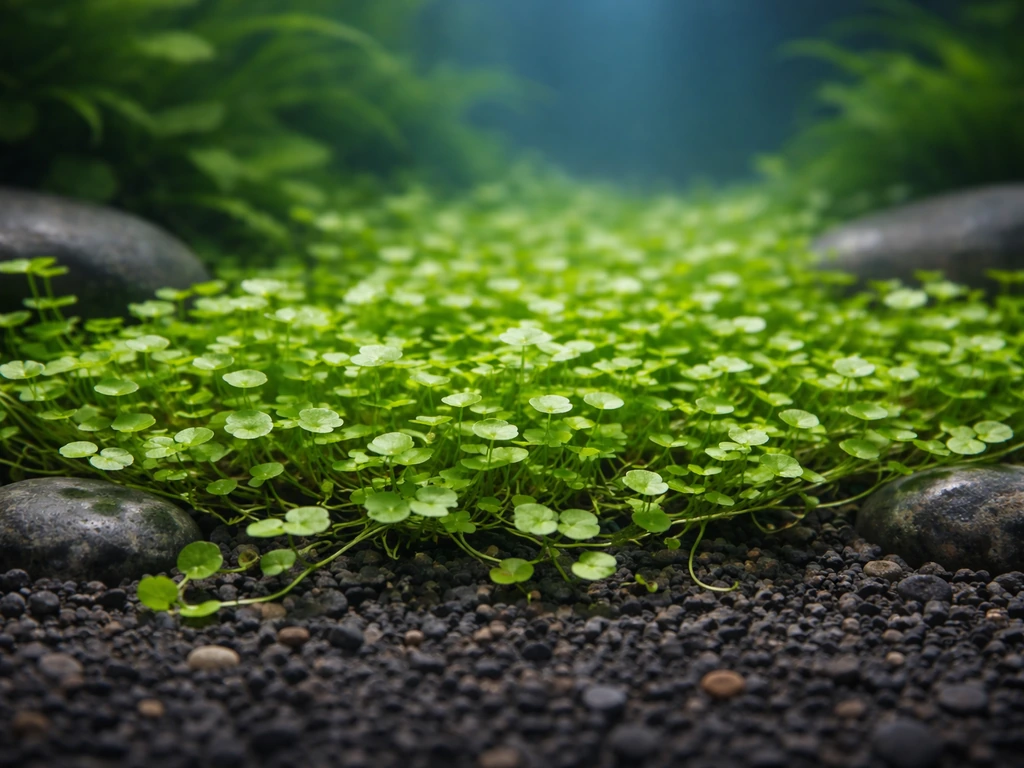
Pearl weed (Hemianthus micranthemoides) is one of the most rewarding small-leaved aquarium plants you can grow once you understand what it actually needs: medium light around 35–50 PAR, a pH between 6.5 and 7.5, temperatures between 66 and 82°F, and a basic liquid fertilizer routine. It does not need CO2 injection to survive, though CO2 will speed things up noticeably. Get those fundamentals right and pearl weed grows fast, looks incredible as a foreground or midground carpet, and is genuinely hard to kill.
How to Grow Pearl Weed: Setup, Nutrients, and Troubleshooting
Marcus Holloway
29 Jun 2026
What pearl weed actually is (and why the name confuses people)
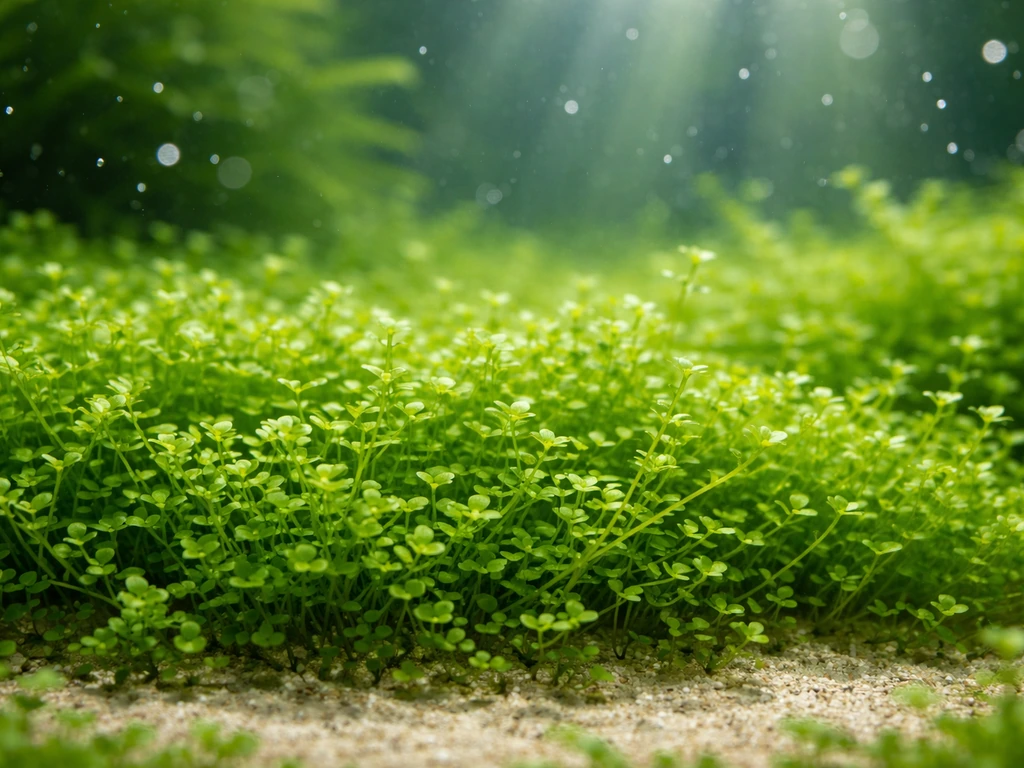
The plant sold in the hobby as pearl weed is Hemianthus micranthemoides, a small, bright-green stem plant with tiny rounded leaves arranged in whorls along each stem. You will sometimes see it sold as baby tears, pearl grass, or even mislabeled as Micranthemum micranthemoides, which is a related but distinct species that is actually rare in the wild and almost certainly has never been cultivated in aquaria at all. When you buy pearl weed at a fish store or online, you are almost certainly getting H. micranthemoides, and that is what this guide covers.
In the hobby, pearl weed is used primarily as a submerged aquarium plant, either as a foreground carpet or a midground accent in planted tanks. Aquarium Co-Op sells pearl weed as a planted-tank plant for use as a foreground carpet or midground accent in aquaria.
It can also be grown emersed (above water) in high-humidity terrariums and ripariums, where it develops slightly larger leaves and will occasionally flower, something it almost never does underwater. For most people reading this, though, the goal is a lush submerged planting in a tank or aquatic container, and that is the main focus here.
If you focus on a lush submerged planting and dial in the basics, you will be well on your way to learning how to grow pearl grass effectively.
Choosing the right setup before you plant anything
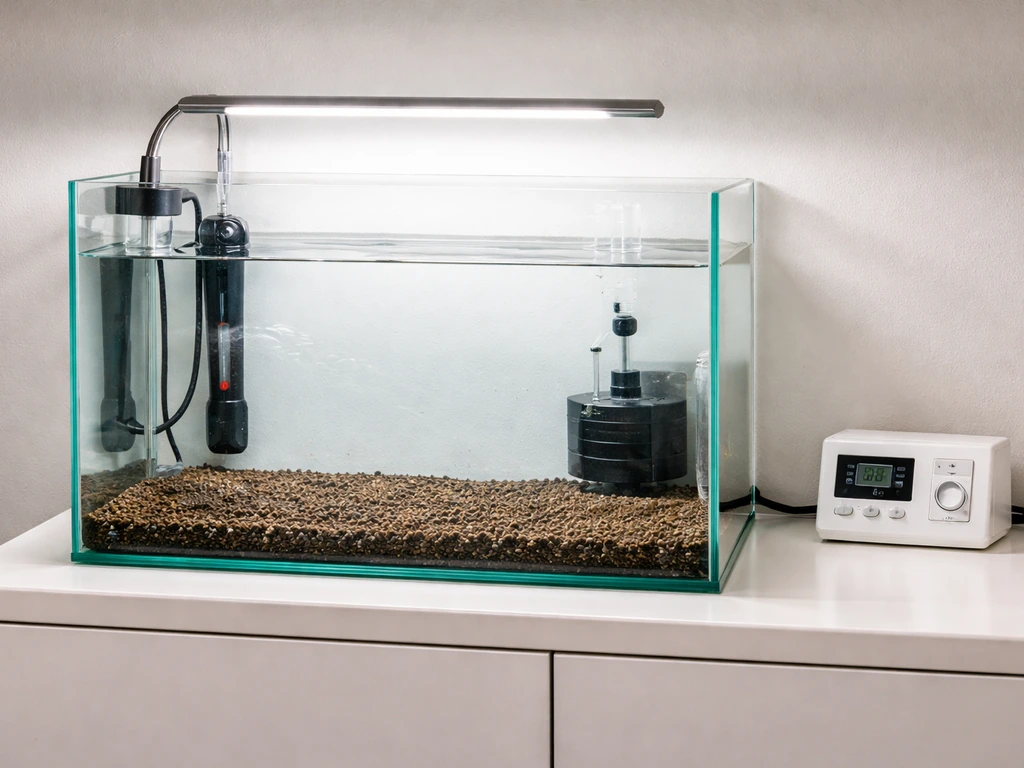
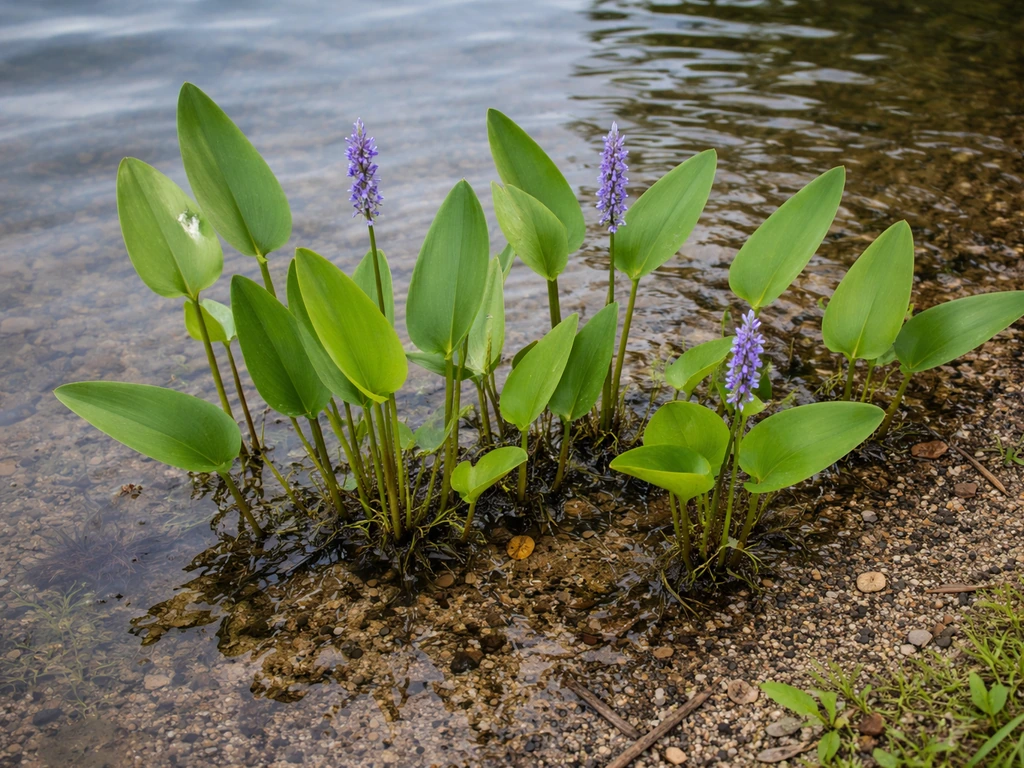
Pearl weed is flexible enough to grow in a wide range of containers, but your setup choices directly affect whether it roots well, grows bushy, or just floats around looking sad. If you want another aquatic option with similarly light-demanding, carpet-style growth, you can also look into how to grow pickerel weed. Here is what to think through before you put a single stem in the water.
Tank or container size
Pearl weed works in tanks as small as 5 gallons, though 10 gallons and up gives you more stable water parameters and more room to let it spread naturally. Nano tanks and aquatic containers work fine, but smaller volumes mean your water chemistry shifts faster, which can stress the plant during establishment. If you are starting out, a 10–20 gallon tank is a comfortable size.
Substrate options
Pearl weed does not have aggressive roots and will grow just fine floating at the surface without any substrate at all. That said, if you want it anchored as a carpet or midground plant, a fine-grained planted tank substrate (like aquasoil or fine sand at roughly 1.5–2 inches depth) works well. Active aquasoils have the added benefit of providing some initial nutrients and buffering pH slightly downward, which pearl weed appreciates. Plain gravel can work but offers less nutritional support, so you will lean more heavily on water column fertilization.
Placement and water flow
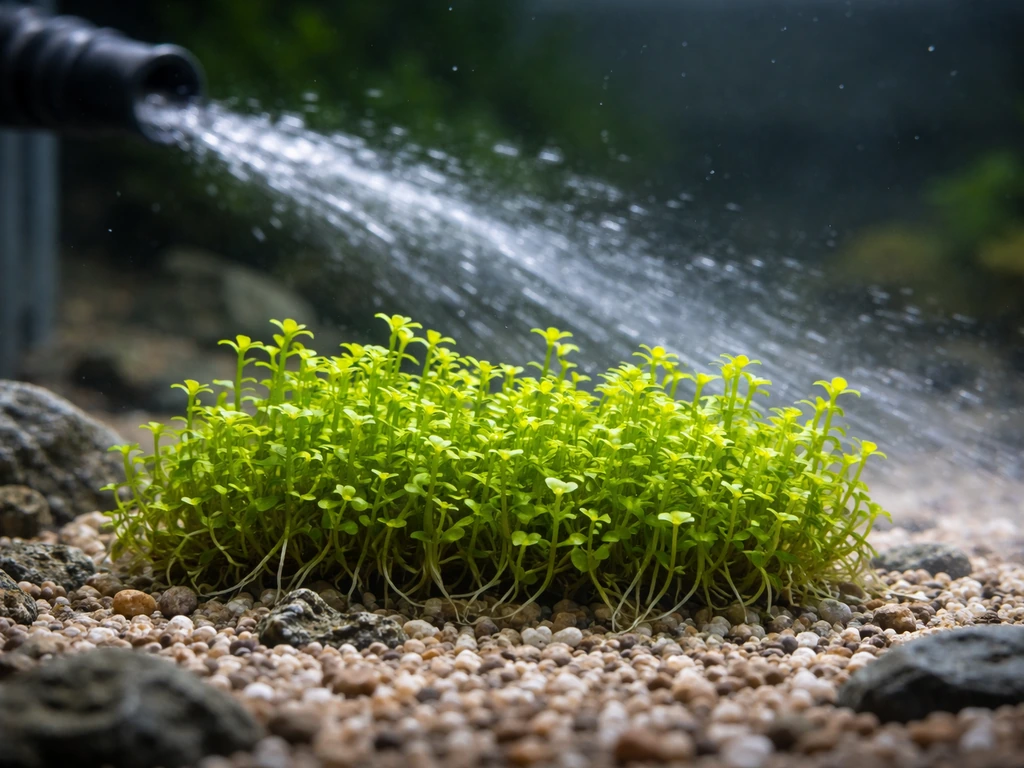
Keep pearl weed away from the direct blast of a strong filter outlet. It is a small, lightweight plant and strong flow will tear stems loose before they can root and will tangle bunches into a mess. Gentle circulation is ideal, enough to distribute CO2 and nutrients through the water column without physically uprooting the plant. A sponge filter or a low-flow hang-on-back positioned to create surface ripple rather than a directed current works really well for this plant.
Light, temperature, and water parameters
These are the numbers to work with. Get them dialed in first, and almost everything else becomes easier.
| Parameter | Target Range | Notes |
|---|---|---|
| Light intensity | 35–50 PAR (medium) | 25–50 lumens per liter as an alternative metric |
| Photoperiod | 8–10 hours/day | Use a timer; consistency matters more than perfection |
| Temperature | 66–82°F (19–28°C) | Mid-range around 72–76°F is the sweet spot |
| pH | 6.5–7.5 | Slightly acidic preferred but tolerant of neutral |
| CO2 | Not required | Injection speeds growth significantly if you want it |
| Water flow | Gentle circulation | No direct high-flow blasting at stems |
On light: medium light is the zone where pearl weed thrives without triggering algae problems. Going higher than 50 PAR without adding CO2 and dialing in nutrients is one of the most reliable ways to end up with algae coating your pearl weed instead of pearl weed coating your substrate. If you have a strong light, run it at lower intensity or reduce the photoperiod to 7–8 hours while the plant is still establishing.
On CO2: you can absolutely skip it, especially as a beginner. Without CO2 injection, pearl weed will grow more slowly and may stay more compact, but it will grow. If you want faster, denser growth for a blue pearl chlorophytum-style look, focus on consistent light and nutrients along with the right CO2 approach for your aquarium Without CO2 injection, pearl weed will grow more slowly. If you add CO2 later, you will notice faster stem elongation and denser growth almost immediately. Just raise the CO2 level gradually and watch for any melting during the transition.
How to plant and propagate pearl weed
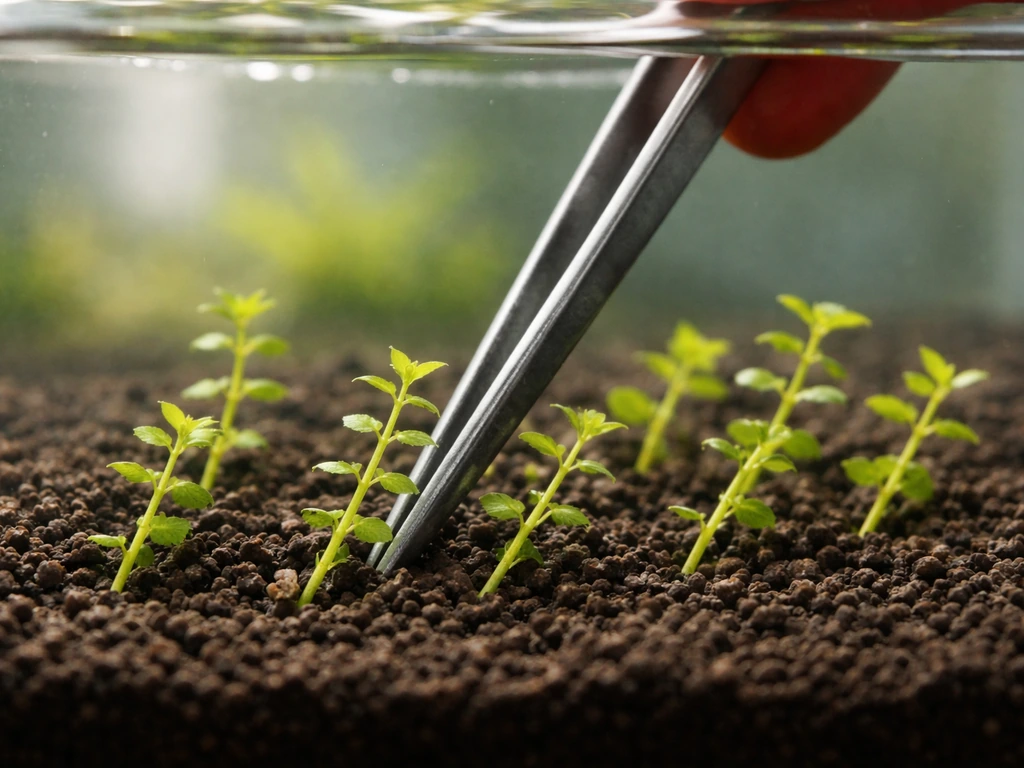
Pearl weed arrives as stem cuttings, usually a loose bunch held together with a rubber band. These same principles are also the core of how to grow sago pondweed successfully: start with healthy plants and then dial in light, nutrients, and water conditions Pearl weed arrives as stem cuttings, usually a loose bunch held together with a rubber band.. The first thing you should do is remove that rubber band, because the compressed stems rot quickly when submerged. Rinse the stems gently in dechlorinated water and check for any dead or mushy sections. Trim those off before planting.
Planting rooted stems into substrate
Use aquascaping tweezers for this. Take individual stems or small groups of 3–5 stems and push the bottom half-inch into the substrate at a slight angle. Pushing straight down tends to buckle the stem; angling slightly helps it stay put. Space stems about an inch apart to allow light to reach the lower leaves, which die off quickly if they are shaded. The plant will send out fine white roots from the stem nodes within a few days if conditions are good.
Floating as a surface plant
If you do not want to deal with rooting or you just want faster initial growth, pearl weed does genuinely well floating at the surface. It gets maximum light there, grows quickly, and the mass of stems can be thinned and trimmed easily. Some people use a floating ring to keep it contained in one area of the tank. This is actually a great beginner approach because you can see progress fast and then trim cuttings to plant in the substrate later once you have a supply.
Propagation by cuttings
Propagating pearl weed is almost trivially easy. Cut a healthy stem to about 2–3 inches long, making sure the cutting has at least 2–3 leaf nodes, and replant it in the substrate or let it float. Every node is capable of rooting. You can divide a single bunch into dozens of individual stem cuttings and fill an entire tank within a few weeks once the plant is growing well. This is also how you thin the plant when it gets too dense.
Emersed growing for terrariums and ripariums
If you want to grow pearl weed emersed, you need high humidity (above 70%), good indirect light, and a moist (not waterlogged) substrate or a humid environment where the roots stay damp. LizPlants notes that Hemianthus (H. micranthemoides) can be grown emersed in high-humidity terrariums or ripariums, where it develops slightly larger leaves and may flower (rare in submerged aquaria).
In these conditions the leaves grow slightly larger than the submerged form and the plant may occasionally produce tiny white flowers. Transitioning emersed-grown plants to a submerged tank is common when sourcing from tissue culture or emersed farms, and the plants will usually melt back a little before pushing out new submerged-form leaves. This is normal and not a sign the plant is dying.
Nutrients and fertilization
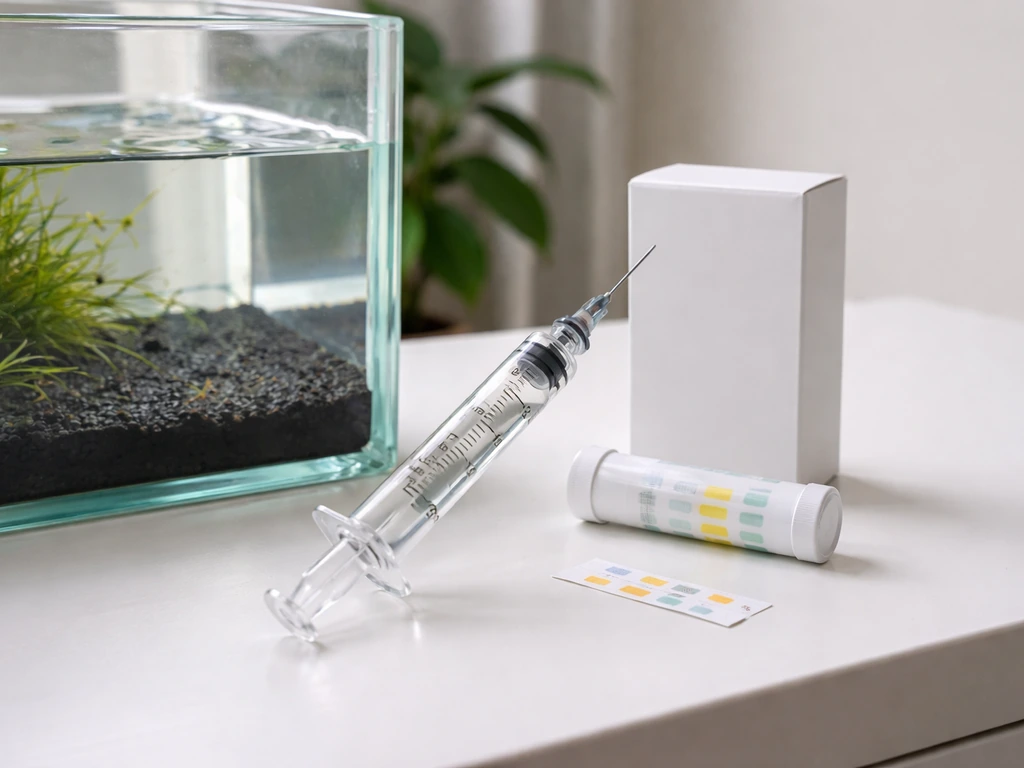
Pearl weed is a fast grower when conditions are right, which means it uses up nutrients quickly. The plant absorbs nutrients primarily through the water column, so dosing liquid fertilizers directly into the tank is the most effective approach, especially if you are using inert substrate like sand or plain gravel.
These are the target ranges to aim for in your water column. You do not need to test for all of these constantly, but having a general nitrate test kit and keeping an eye on iron levels will catch most problems early.
| Nutrient | Target Level |
|---|---|
| Nitrate (NO3) | 10–50 mg/L |
| Phosphate (PO4) | 0.5–3 mg/L |
| Potassium (K) | 5–50 mg/L |
| Iron (Fe) | 0.05–0.2 mg/L |
A simple approach: use a commercially balanced all-in-one liquid fertilizer (something like Seachem Flourish or a comparable product) dosed 2–3 times per week according to the label. If you have a lightly stocked fish tank, the fish waste will cover most of your nitrogen and phosphate needs, and you will only need to supplement potassium and micronutrients including iron. Heavily planted tanks or containers with no fish will need full macro and micro dosing.
One thing to avoid: over-fertilizing when your plant is not yet established or when light levels are low. Excess nutrients with insufficient light does not make the plant grow faster. It just feeds algae. Match your fertilizer dose to your light level and the actual size of your plant mass, and increase both together as the plant grows in.
Keeping it healthy long-term
Pearl weed is low maintenance once established, but it grows fast enough that it will take over a tank if you ignore it for a few weeks. Here is the basic routine that keeps it looking good.
- Water changes: do a 25–30% water change weekly. This removes waste, replenishes trace elements, and prevents nutrient buildup from tipping into algae territory.
- Trimming: trim stems back by a third to a half when they reach the surface or become too dense. Use sharp scissors. Cut just above a node and either replant the tops or discard them.
- Thinning: if pearl weed is carpeting or spreading more than you want, physically remove entire stem clumps from the edges of the mat. Do not let it shade out other plants.
- Replanting trimmings: take the trimmed tops, strip the bottom leaves off the lowest half-inch, and push them back into the substrate. This is how you thicken a sparse carpet.
- Checking lower stems: the stems at the base of a dense planting can die back if they are shaded by the canopy above. Lift and thin the planting periodically so light reaches the bottom.
Pearl weed can absolutely take over a small tank if left unchecked, especially if you also have it floating at the surface. That surface layer will shade everything below it. Keep up with the trimming and you will have a beautiful plant. Skip it for a month and you will have a full-tank weed problem. If you are trying to grow pond weed outside instead of pearl weed in an aquarium, the approach is different, so check these pond weed tips first how to grow pond weed. That said, it is much easier to fix than, say, duckweed, because the stems are large enough to grab and remove cleanly.
Troubleshooting: what's going wrong and how to fix it
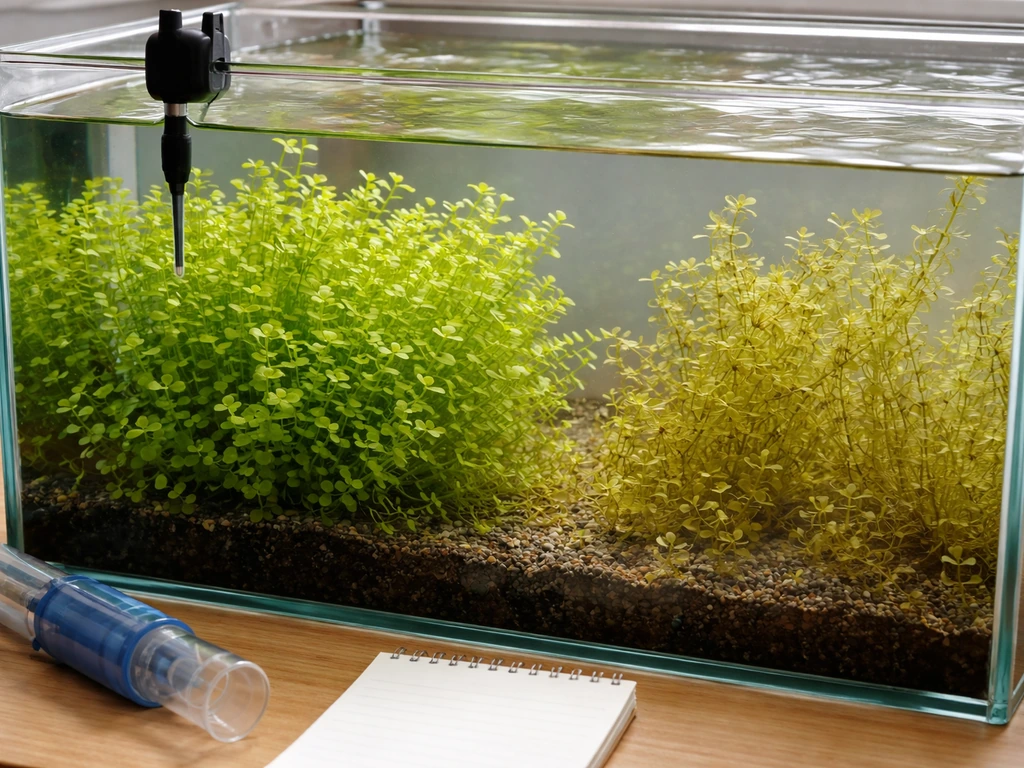
Here are the most common issues people run into with pearl weed, what is usually causing them, and what to do about it.
Plant is melting after you added it to the tank
If you added pearl weed from a store or online and it starts going mushy and translucent within a day or two, this is almost always a transition melt. Plants grown emersed or in a different water chemistry need time to adapt. Remove the melted sections (do not let them rot in the tank), keep the lighting moderate, and be patient. New submerged-form growth usually appears within 1–2 weeks. If you are using a glutaraldehyde-based CO2 substitute like Excel, check that you are not overdosing it. Hemianthus is sensitive to high doses of glutaraldehyde and will melt in response.
Leaves are turning yellow or pale
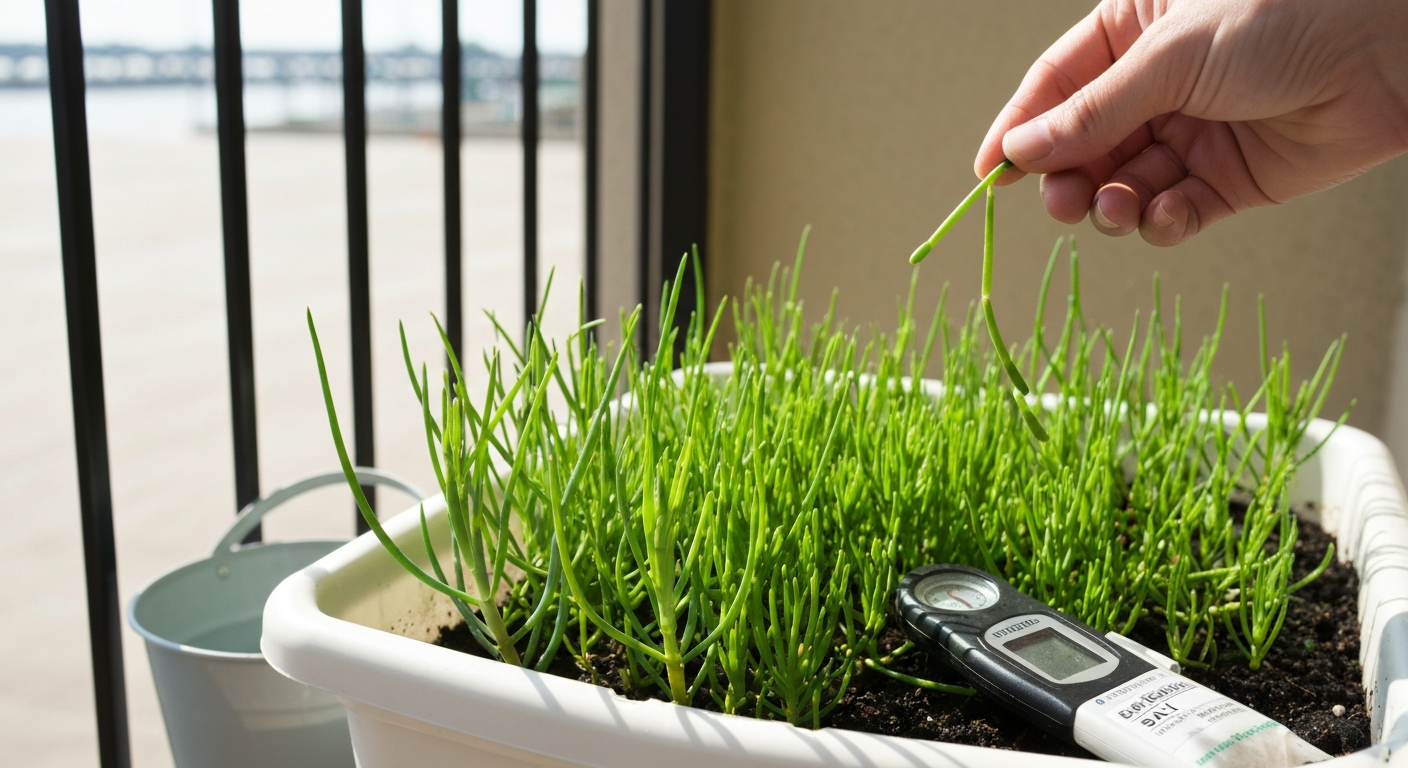
Yellowing is almost always a nitrogen or iron deficiency. Yellowing or pale color can also be tied to nutrient issues like nitrogen or iron deficiency, and light and oxygen can influence how algae shows up in microalgae cultures yellowing or pale color can indicate nitrogen or iron deficiency. If the older lower leaves are yellowing first, suspect nitrogen.
If the new growth looks pale or washed out while the veins stay green, that is a classic iron deficiency pattern. Dose a nitrogen-containing fertilizer or an iron supplement, do a 25% water change to reset the baseline, and reassess after a week. Yellow leaves that were already yellow will not recover, but new growth should come in green within a few days if the deficiency is corrected.
Growth has stalled or the plant looks leggy
Slow or leggy growth usually means insufficient light. Pearl weed stretches toward the light source when it is not getting enough, producing long internodes with widely spaced leaves instead of the dense bushy growth you are going for. Increase your light intensity (get closer to 50 PAR if you are currently below 35), or lengthen the photoperiod to 10 hours. If the plant is growing tall and thin, trim it back to 2 inches, replant the tops, and the new growth should come in denser with better light. Stalled growth with adequate light usually points to a CO2 or nutrient limitation.
Algae is growing on the leaves
Algae on pearl weed leaves is a classic sign of imbalance: too much light relative to nutrients, or too much of both relative to plant growth rate. The fix is not usually to add more fertilizer but to recalibrate. Lower your lighting intensity or photoperiod by 20%, do a 30–40% water change, and make sure your plant density is sufficient to actually use the nutrients and light you are providing. If you run CO2 and you have been inconsistent with it (running it some days but not others), that inconsistency itself can cause algae spikes. Keep CO2 stable or turn it off entirely and let the plant adjust to a no-CO2 routine.
Stems will not stay anchored
Pearl weed roots are fine and wispy and take time to develop. In the first week, almost any disturbance will pull stems loose. Use lead plant weights or small rock clusters placed near the base of stem bunches to keep them in place while roots develop. Once the roots have a grip (usually 1–2 weeks), the plant anchors itself surprisingly well. If you have substrate that is too light and fluffy (very fine powdery soil), stems may keep floating up. Mixing a thin layer of sand on top of active soil helps weight the substrate and gives roots something to grip.
Plant died off completely
Full die-off is usually one of three things: extreme temperature fluctuation, very wrong pH (below 6 or above 8 for extended periods), or a chemical issue like overdosed algaecide, copper-based medication, or too much CO2 substitute. Check your water parameters first. If everything looks fine, source fresh healthy stems, nail your light and temperature settings before planting, and start again. Pearl weed is genuinely resilient when the basics are correct.
Your quick-start checklist
- Confirm you have Hemianthus micranthemoides (pearl weed) and not a mislabeled lookalike.
- Set up your tank with fine-grained substrate at 1.5–2 inches depth, or plan to grow it floating to start.
- Set your light to medium intensity (35–50 PAR, 8–10 hours/day on a timer).
- Dial in water temperature to 68–78°F and pH to 6.5–7.5.
- Filter for gentle circulation with no direct blast on the planting area.
- Remove rubber bands from bunches, trim dead stems, and plant individual stems 1 inch apart using tweezers at a half-inch depth.
- Start dosing a liquid fertilizer 2–3 times per week within the first week of planting.
- Do 25–30% water changes weekly.
- Trim when stems approach the surface and replant the tops to thicken the planting.
- If you see melting: remove dead plant matter, hold off on Excel or CO2 changes, and wait for new growth.
- If you see yellowing: dose iron and nitrogen, do a water change, reassess in one week.
- If you see algae: reduce light or photoperiod first, then rebalance nutrients.
Pearl weed rewards consistency more than complexity. The hobbyists who struggle with it are usually either overdoing the light without matching it with nutrients, or adding too many variables at once (CO2 plus new ferts plus a new light all in the same week). Start simple, get the plant rooted and growing, and then tune from there. To grow freshwater pearls successfully, focus on light, water chemistry, and consistent feeding so your cultured pearls develop properly. If you enjoy working with small-leaved aquatic plants, you might also find it interesting to compare pearl weed with pearl grass or sago pondweed, both of which have overlapping care requirements but distinct growth habits worth knowing about.
FAQ
How do I plant pearl weed so it doesn’t float away or keep lifting out of the substrate?
After inserting stems, wait about 1 to 2 weeks before expecting firm anchoring. During that period, use small lead plant weights or gently press a bunch into place, then keep the flow low. If your substrate is very loose or “dusty,” add a thin top layer of sand (or a finer, firmer cap) so the roots have something to grip.
Should I trim pearl weed right away after planting, or let it settle first?
Let it settle for at least 7 to 14 days unless you need to remove obvious melt. Early trimming can remove the few actively growing nodes the plant uses to establish roots and new leaves. Once you see healthy new growth and roots, you can thin or cut tops and replant the cuttings to build density.
What’s the best way to handle a big transition if my pearl weed came from a different setup (emerged, hard water, or different lighting)?
Do a gradual acclimation. Match temperature and pH first, then keep lighting moderate for the first week. When moving from emersed to submerged, expect melting of part of the old growth, then focus on stable light and feeding so new submerged leaves replace the old ones within 1 to 2 weeks.
How often should I change water when dosing fertilizers for pearl weed?
If you are dosing regularly, plan for routine water changes to prevent nutrient imbalance. A 25 to 40 percent water change is a good reset step if you see recurring algae on leaves or after you adjust light and fertilizer. Also, don’t use water changes as a replacement for correcting the light-to-nutrient match.
How do I know if my pearl weed issue is nutrients, CO2, or light when multiple symptoms show up at once?
Use the pattern. Leggy stretching with pale leaves usually points to low light. Yellowing of older leaves points more toward nitrogen, while “pale new growth with green veins” points toward iron. Algae that coats leaves usually means light is too strong relative to plant uptake, or CO2 is unstable if you run it, so first recalibrate light/photoperiod before increasing fertilizer.
Can pearl weed grow in sand without active substrate, and what should I dose differently?
Yes, but expect to rely more on water column fertilization because there is less buffering and fewer initial nutrients. Use a consistent all-in-one liquid fertilizer routine, and make smaller incremental increases as the plant mass grows. Avoid heavy dosing while the plant is still melting or rooting, because low light plus excess nutrients often triggers algae.
Is it normal for pearl weed to shed lower leaves after I plant it?
Yes. Lower leaves often die off if they are shaded or if the plant is still establishing roots. The key is the presence of new, healthy growth higher up. If the entire plant goes translucent or mushy, that points to a transition melt or a chemical stressor rather than normal leaf loss.
What should I do if I’m using a CO2 substitute like Excel and pearl weed starts melting?
Stop or reduce dosing immediately and let the plant stabilize. Hemianthus can be sensitive to glutaraldehyde overdosing, especially under strong light or when the plant mass is small. After adjusting, keep lighting moderate for several days and watch for new submerged leaf growth rather than trying to “force recovery” with more nutrients.
How dense should my pearl weed planting be to prevent algae?
Aim for enough plant mass that nutrients and light are actually being used. Thin patches often stay algae-prone because there is not enough active growth to compete. If you are running low on plant biomass, temporarily reduce light intensity or photoperiod while you build density through cuttings and replanting.
Can I grow pearl weed emersed and then move it into my aquarium without losing it?
You can, but plan for melt. Keep emersed humidity high (over about 70 percent) and provide strong indirect light so the plant is healthy before the move. When transitioning, expect submerged-form regrowth after a short adaptation period, remove fully melted sections promptly, and keep the first week’s lighting moderate to reduce stress.
How long does it usually take for pearl weed to root and look “carpet-like”?
Roots often form within a few days if conditions are right, but full anchoring and dense growth usually take about 1 to 2 weeks. “Carpet” appearance depends heavily on light level and plant density, so if growth is slow, first check PAR and photoperiod consistency rather than changing many variables at once.
What’s the fastest beginner workflow for getting from new stems to a full tank?
Start with anchored stems in a 10 to 20 gallon tank if possible, use moderate light (not high PAR initially), dose fertilizer at label rates, and keep flow gentle. Let it root first, then trim tops and replant cuttings to expand coverage quickly. This “grow, trim, replant” cycle prevents rot from unanchored bunches and speeds up carpet formation.