Blue pearl chlorophytum grows best in a semi-hydroponic setup using LECA with a shallow nutrient reservoir, bright indirect light for 6–8 hours a day, temperatures between 65–75°F (18–24°C), and a diluted balanced hydroponic nutrient solution at around 1/4 to 1/2 strength. Keep the reservoir at one-third of the container height so roots get both water and air, and you will avoid the root rot and slow growth that trip up most people growing this plant in water-based systems.
How to Grow Blue Pearl Chlorophytum in Water or Soil
Marcus Holloway
4 Jul 2026
What 'blue pearl chlorophytum' actually is (and why the name is confusing)
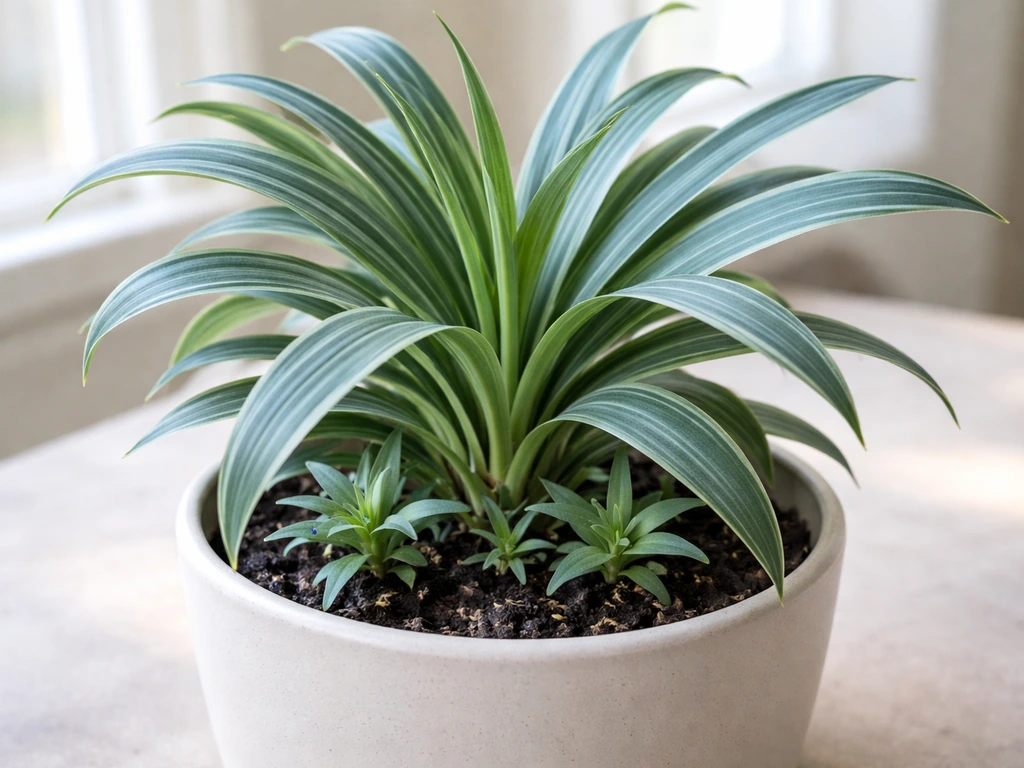
Here is the honest situation with this plant: 'Blue Pearl Chlorophytum' is a market name, not a verified botanical cultivar. Most vendors selling seeds or plants under this label are selling something in the Chlorophytum comosum species, but there is no universally registered cultivar called 'Blue Pearl' that you can trace back to an official plant register. Some non-official gardening write-ups even go as far as saying that a genuinely blue-leafed chlorophytum subspecies 'does not exist in nature,' which suggests the blue coloring in those listings is either exaggerated marketing or refers to a subtle blue-green tint rather than true blue foliage.
To make things more complicated, 'Blue Pearl' is a cultivar name used across completely unrelated plants like crocuses and spruce trees, so the name alone tells you nothing without the full botanical label. What you are most likely getting from vendors marketing this as Blue Pearl Chlorophytum is a Chlorophytum comosum type, possibly with slightly unusual foliage coloring, hanging shoots, or a crested/curly growth habit similar to the Bonnie or Vittatum cultivars. Treat it exactly like a standard spider plant from a care standpoint and you will be fine. The good news: Chlorophytum comosum is genuinely tough, adaptable to water-based growing, and does very well in semi-hydroponic and hydroponic setups.
Best growing setup: semi-hydro vs. full hydroponics vs. soil
For most home growers interested in a water-based approach, semi-hydroponics with LECA (lightweight expanded clay aggregate) is the best starting point. It gives roots access to both nutrient solution and oxygen, which is the exact balance chlorophytum needs. Full deep-water culture hydroponics works too, but it requires an air pump and air stone to keep dissolved oxygen above 5 mg/L, otherwise you are creating ideal conditions for Pythium and other root rot pathogens. Soil is the most forgiving option if you are new to the plant, but it does not give you the clean, observable root system and water control that make hydroponics and semi-hydroponics so satisfying for water-based hobbyists.
| Method | Difficulty | Root Rot Risk | Equipment Needed | Best For |
|---|---|---|---|---|
| Semi-hydroponics (LECA) | Beginner-friendly | Low if reservoir depth is correct | Inner net pot, outer cache pot, diluted nutrient solution | Home growers wanting water-based care with low maintenance |
| Full hydroponics (DWC) | Intermediate | Medium-high without aeration | Air pump, air stone, reservoir, net pots, EC/pH meters | Growers with hydroponic experience and monitoring equipment |
| Water propagation only | Easy | Medium if left too long | Glass/jar, filtered water | Short-term rooting before transferring to LECA or soil |
| Soil | Easy | Low with correct watering | Pot, well-draining mix | Beginners not focused on water-based cultivation |
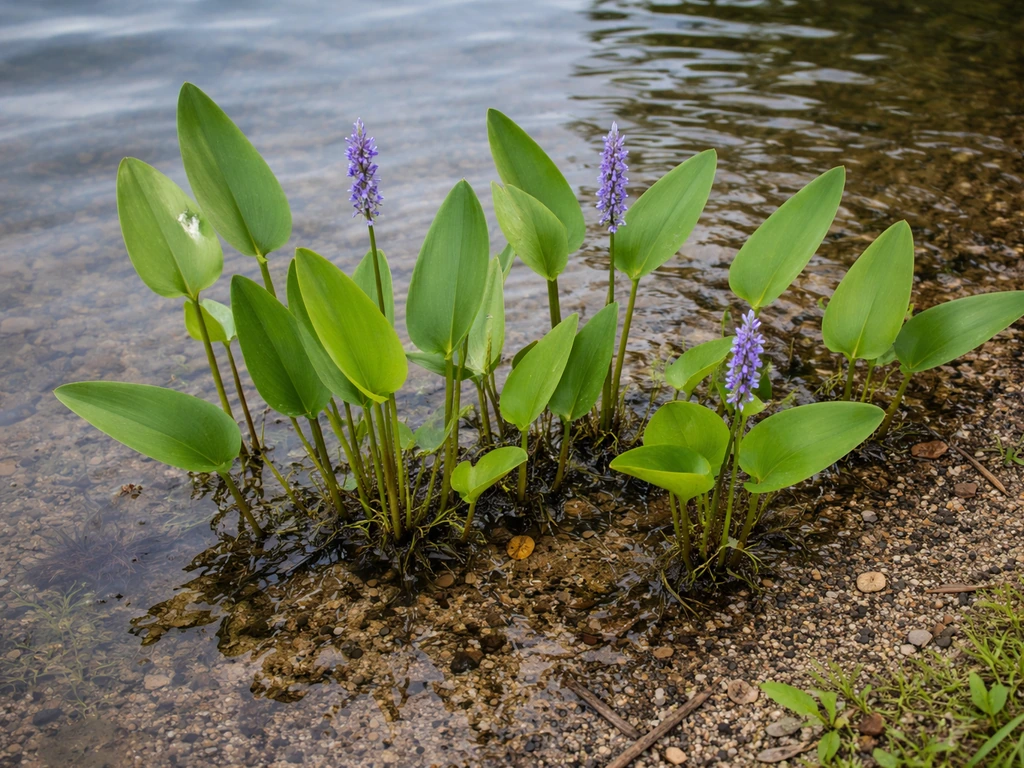
My recommendation: start with semi-hydroponics in LECA. If you want to grow pickerel weed instead, you will need a different approach focused on consistently moist conditions and the right water depth semi-hydroponics in LECA. You get the visual appeal of a water-based system, the plant adapts well, and you avoid the stagnation problems that come with leaving roots sitting in still, unmoving water. If you already have a hydroponic system running for other plants, dropping a chlorophytum into a net pot there is completely reasonable, just do not skip the air stone.
Light, temperature, and humidity targets for fast growth
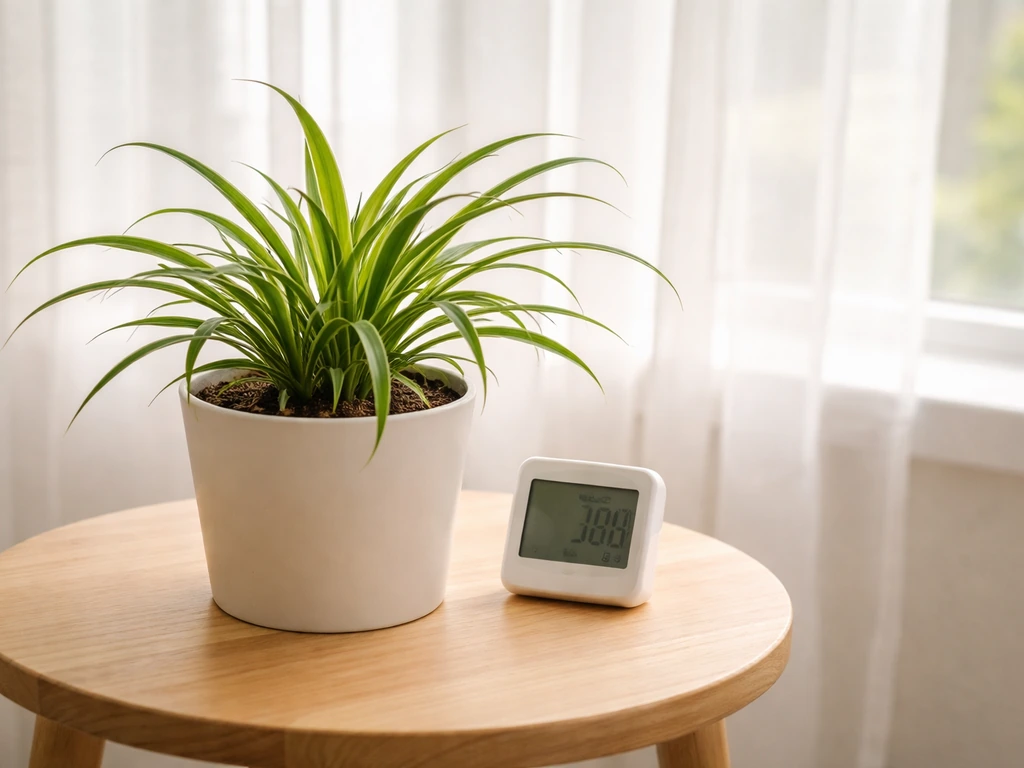
Chlorophytum comosum prefers bright indirect light. In practice, that means an east-facing window is ideal, a south or west window with a sheer curtain works, and a north window will keep the plant alive but growth will be noticeably slower. Under artificial lighting, aim for 2,000–4,000 lux at the leaf canopy, and run lights for 6–8 hours per day. If you are using a grow light and measuring in PPFD, you want roughly 100–200 µmol/m²/s for this plant since it is not a high-light-demand species. Also note that PPFD targets depend on how much of your grow area the light actually reaches, so a single center PPFD reading can be misleading compared with measuring across the canopy measuring in PPFD. More light than this does not hurt, but it will not give you dramatically faster growth and it increases algae risk in your reservoir if any light bleeds through your container.
Keep daytime temperatures between 65–75°F (18–24°C) and let it drop a few degrees at night. This range also matters for your reservoir: warm water holds less dissolved oxygen, so if your grow space gets above 75°F regularly, pay extra attention to aeration. Humidity between 40–60% is fine for most setups. The plant does not demand high humidity the way tropical aroids do, so you do not need a humidifier unless your space is very dry in winter.
Water, nutrients, and how to propagate in water
Water quality and nutrient solution
Chlorophytum is famously sensitive to fluoride and chlorine in tap water, and this shows up as brown leaf tips. For water-based setups, use filtered, distilled, or collected rainwater if you can. If tap water is your only option, leaving it out overnight reduces chlorine but not fluoride, so filtered water is genuinely worth it here. For your nutrient solution, a balanced hydroponic fertilizer diluted to 1/4 to 1/2 strength is the right starting point in LECA. Target a TDS of roughly 500–800 ppm to start (the standard 1,000–1,500 ppm hydroponic range is too strong for this plant in inert media). Keep pH between 5.8 and 6.5. Check EC and pH weekly, especially in the first month while you are getting a feel for how fast your plant is pulling nutrients.
In a semi-hydro LECA setup, top up your reservoir every one to two weeks depending on plant size, ambient humidity, and season. Every four to six weeks, do a full flush: drain the reservoir completely, rinse the LECA with clean water to clear salt buildup, then refill with fresh diluted nutrient solution. In a full hydroponic system, change your reservoir solution every one to two weeks and top off with plain water between changes to maintain concentration as the plant drinks.
Propagating from plantlets (spiderettes) in water
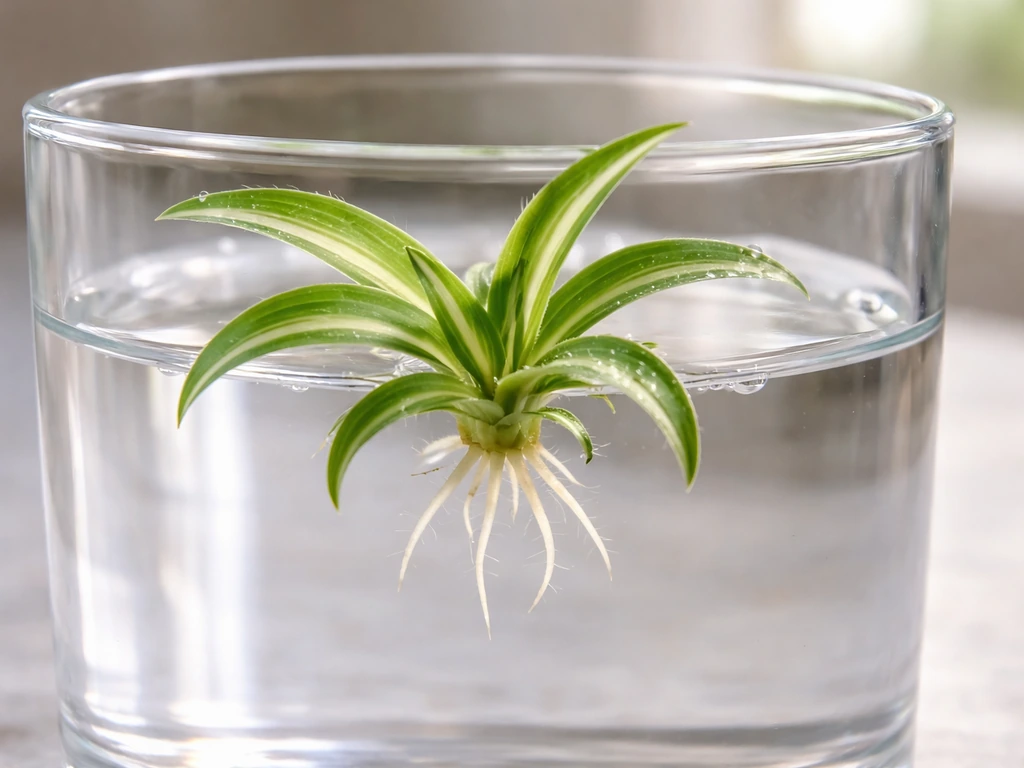
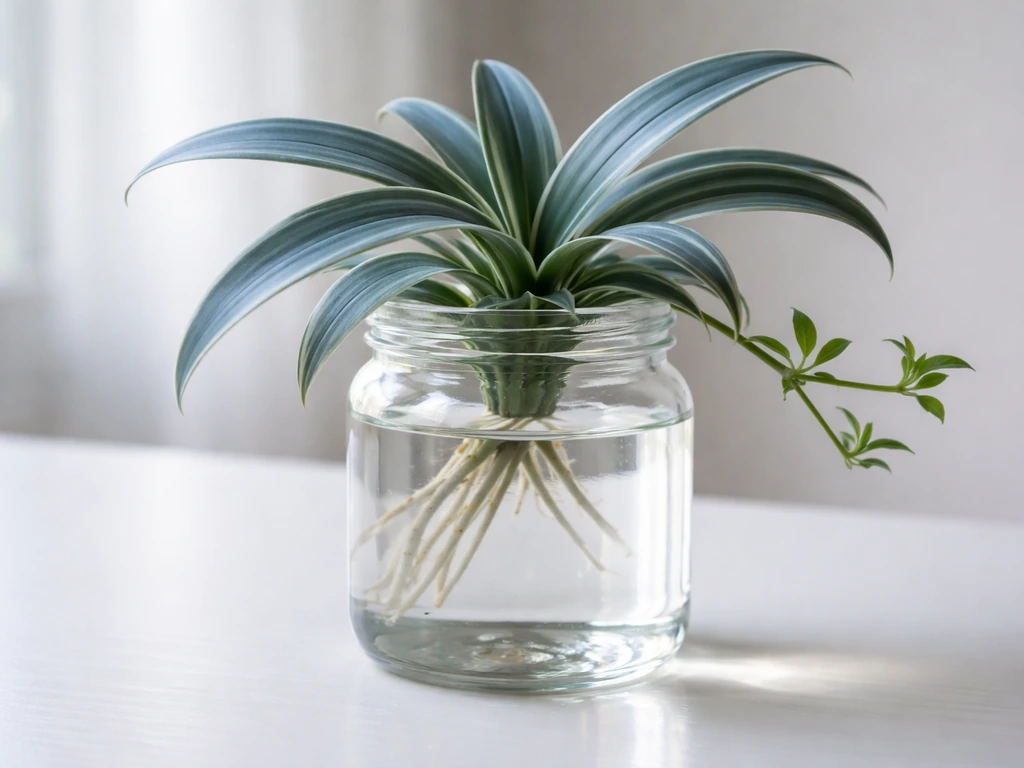
Chlorophytum comosum produces small plantlets on long arching stems, and these are your easiest and most reliable propagation material. To grow pearl weed successfully, focus on light, clean water, and consistent nutrient levels so the plants root and establish quickly. Wait until a plantlet has visible root nubs before trying to root it in water. Place it in a small glass or jar so the base and root nubs are submerged but the foliage sits above the waterline. Roots typically appear within one to two weeks. Give it another week or two after that before moving it to LECA or soil so the roots are robust enough to handle the transition without setback.
Once the plantlet has roots that are at least 1–2 cm long and clearly white and healthy, pot it into pre-soaked LECA in a net pot inside a cache pot with a shallow reservoir. Clip the connecting runner from the mother plant at this point if you have not already. Division of a mature plant works the same way: separate a clump with its own root system, rinse the roots, and pot directly into LECA with a diluted nutrient solution at 1/4 strength to reduce transplant stress.
Container, LECA, and planting depth
The classic semi-hydro configuration uses an inner net pot or slotted container holding LECA, sitting inside an outer opaque cache pot that acts as the reservoir. The opaque outer pot is not optional: it is what prevents algae from growing in your nutrient solution. Clear glass jars look nice but they will give you green water within weeks. Use any solid-colored plastic or ceramic outer pot.
Set the reservoir level at about one-third of the total LECA depth. So if your inner pot has 15 cm of LECA, your nutrient solution should sit about 5 cm deep at the bottom. This means the lower roots are in contact with nutrient solution while the upper roots and the crown of the plant stay in the oxygenated zone above the waterline. Critically, keep the crown (the point where roots meet stem) above the waterline at all times. Submerging the crown is the single most common cause of crown rot in semi-hydroponic chlorophytum.
For container size, start small. A 10–12 cm diameter pot is right for a single plantlet or small division. Chlorophytum actually grows better slightly tight and will send out more runners when it is a bit root-bound. Move up one pot size when roots are visibly circling the bottom or the plant dries out its reservoir within a few days despite regular topping up.
Ongoing care and managing growth
Weekly routine
- Check reservoir level and top up with diluted nutrient solution or plain water if it is low
- Check for any discoloration on leaves (yellowing, browning tips, pale new growth)
- Look at the reservoir water: it should be clear or very pale yellow. Green tint means algae is starting
- Check that the crown is sitting above the waterline, especially after topping up
- Measure EC and pH if you have a meter; adjust if EC drops below 300 ppm or pH drifts outside 5.8–6.5
Dealing with leggy or drooping growth
Leggy, weak, or drooping growth almost always means not enough light. If stems are stretching toward the light source, moving the plant closer to the window or increasing artificial light duration from 6 to 8 hours usually fixes it within two to three weeks. Occasionally, drooping in a semi-hydro setup means the reservoir is too full and roots are fully submerged without airspace, causing low-level oxygen stress. Drop the reservoir level and see if new growth comes in firmer.
Pruning and runner management
Prune any dead or brown leaf tips with clean scissors, cutting just outside the brown area at an angle to keep the cut looking natural. Remove any fully yellowed or dead leaves at the base. Let runners and plantlets develop freely unless they are pulling the mother plant off-balance. You can clip and propagate them at any time once root nubs appear, which is a good way to expand your collection or share plants. Leaving too many runners attached does not significantly harm the mother plant but it does mean each plantlet gets a smaller share of the plant's energy.
Common problems and how to fix them
Root rot
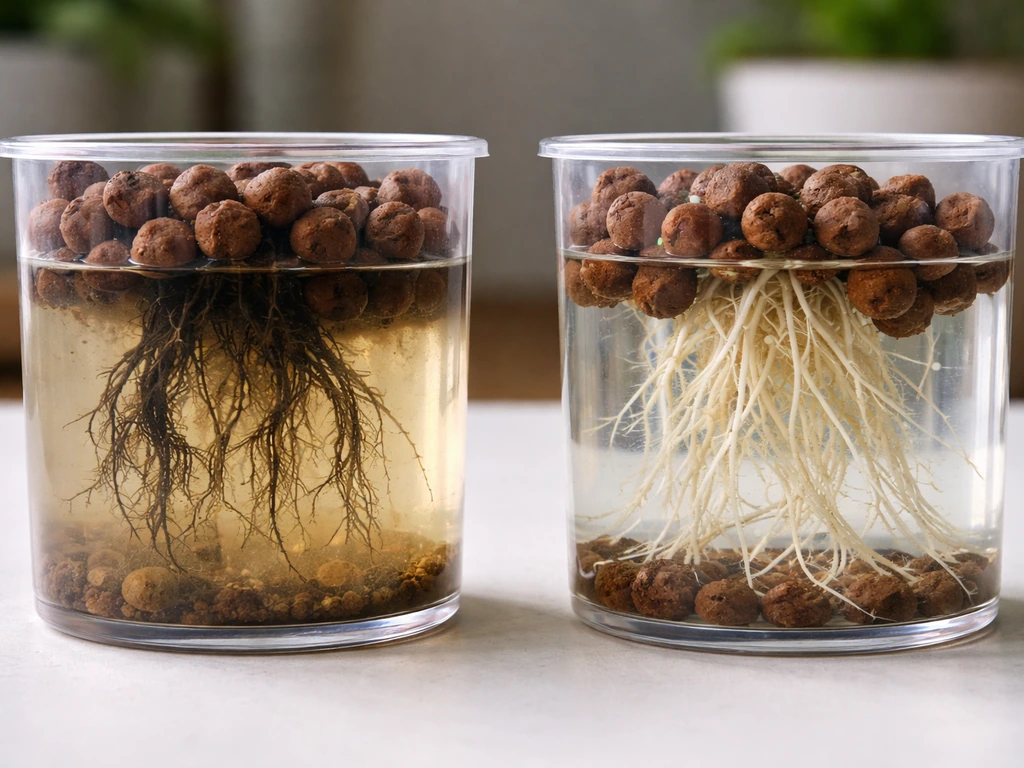
Root rot is the most serious issue in water-based setups. Signs are mushy, brown or black roots with a foul smell, combined with wilting or collapsing leaves despite adequate water. The cause is almost always one of three things: reservoir level too high, no aeration in a fully hydroponic setup, or warm stagnant water. To fix it: remove the plant, cut off all mushy roots with sterile scissors, rinse the healthy remaining roots with clean water, and let them air-dry for 30 minutes before putting the plant back into fresh LECA and clean nutrient solution. Drop the reservoir level to one-quarter of the LECA depth temporarily. If you are in a full DWC system, add or check your air stone.
Algae in the reservoir
Green, slimy buildup in your reservoir or on LECA is caused by light reaching the nutrient solution. Cover your outer pot completely so no light gets through, including at the rim where the inner net pot sits. Even a small gap at the top is enough to feed algae. Beyond being unsightly, algae competes for dissolved oxygen and can make anaerobic conditions worse, speeding up root rot. Fix it by wrapping or swapping to an opaque container, doing a full reservoir flush, and rinsing the LECA thoroughly. Do not use bleach on LECA you plan to reuse: a thorough rinse with clean water and a few days of drying in sunlight is enough.
Yellowing leaves
Uniform yellowing of older (lower) leaves is usually normal aging. Yellowing of new leaves or overall pale growth usually means nutrient deficiency, most often nitrogen. Bump your nutrient solution strength slightly (from 1/4 to 1/2 strength) and check that pH is in range, since pH drift is the most common reason nutrients become unavailable even when they are present. Yellowing combined with soggy LECA or a sour smell from the reservoir points back to root rot or oxygen stress rather than nutrient issues.
Brown tips
Brown leaf tips in Chlorophytum comosum are almost always a water quality issue. The plant is particularly sensitive to fluoride, and tap water is the most common source. Switch to filtered or distilled water for your nutrient solution and the problem will stop progressing, though existing brown tips will not reverse. If you cannot avoid tap water, leaving it out for 24 hours reduces chlorine but not fluoride, so filtering is the better long-term fix. Brown tips can also appear from very low humidity or from the plant sitting in direct sun.
Pests
Spider mites and mealybugs are the most likely pests on indoor chlorophytum. In a semi-hydro setup, spider mites appear when humidity is very low and air circulation is poor. Look for fine webbing on the underside of leaves or stippled, dull leaf surfaces. Mealybugs show up as white cottony clusters at leaf nodes or the crown. Treat both with a diluted neem oil spray or insecticidal soap, applied to the foliage (not the reservoir). Rinse off the solution after 15–20 minutes to avoid buildup. Repeat weekly for three to four weeks.
Long-term health: repotting, feeding cadence, and seasonal adjustments
Repot into a larger container when roots are visibly crowded, circling the bottom of the inner net pot, or when the plant starts drying out the reservoir noticeably faster than before. This usually happens every one to two years. When repotting in LECA, rinse old LECA thoroughly, check roots and remove any dead material, then move up one container size. Soak new LECA for at least 24 hours before use.
Feeding cadence should shift with the seasons. In spring and summer when the plant is actively growing, maintain your 1/4 to 1/2 strength nutrient solution and change the reservoir every one to two weeks. In autumn and winter, the plant slows down significantly. Reduce nutrient solution strength to 1/4 or less, extend your reservoir change interval to every three to four weeks, and make sure reservoir levels are not sitting higher than one-quarter of the LECA depth during the slower months when root oxygen demand is met by less active roots. Light duration can drop to six hours in winter without harming the plant.
Your first 72 hours and what to check each week
When you first set up a blue pearl chlorophytum in a semi-hydro system, here is what to do in the first three days: If you want to grow pond weed too, you will need to manage water depth, light exposure, and nutrient levels so it can establish without taking over how to grow pond weed.
- Rinse LECA thoroughly, soak for 24 hours, then drain before use
- Pot the plant with the crown sitting at least 2–3 cm above where the reservoir will sit
- Fill the reservoir to one-third of LECA depth with 1/4 strength nutrient solution made with filtered or distilled water
- Place the pot in bright indirect light, not direct sun
- Do not feed again or adjust the reservoir for the first week: let the plant settle
After that first week, check the reservoir level and top up as needed. At week two, measure EC and pH if you have meters and adjust accordingly. By week four, if the plant has put out new growth and the roots visible at the bottom of the net pot look white and healthy, your setup is working. If you see green water, drop in light leakage prevention. If you see soft or brown roots, lower the reservoir level and trim the affected roots. The most important thing to remember: more water is not better for this plant. Aerated, shallower, and clean is the goal.
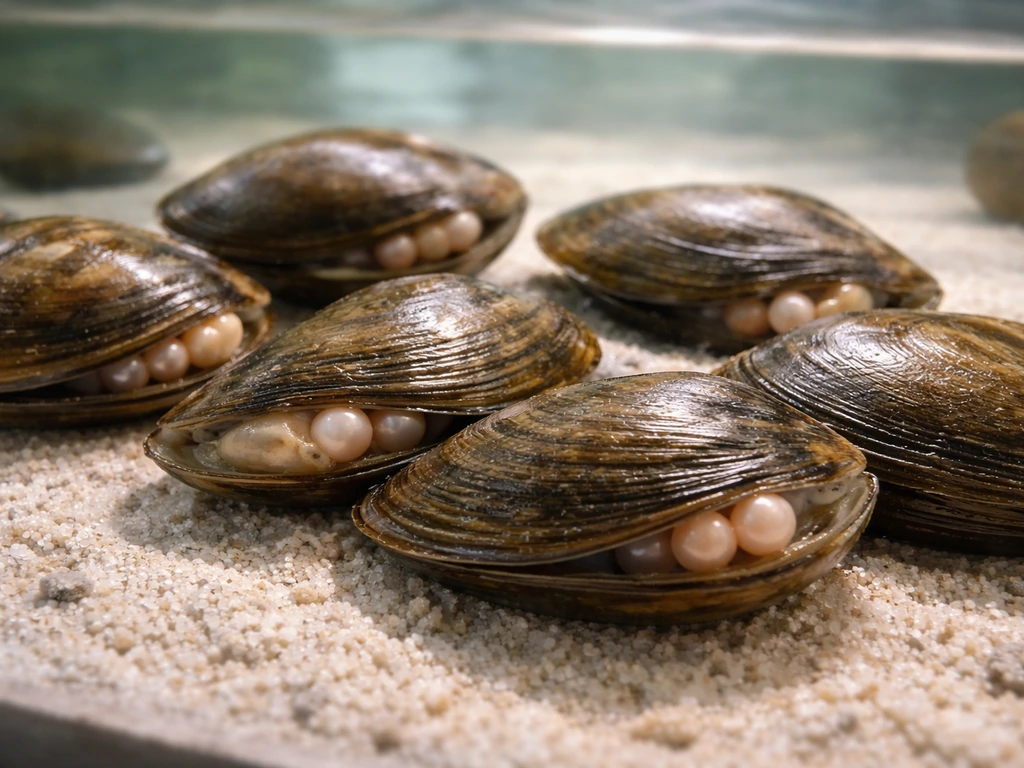
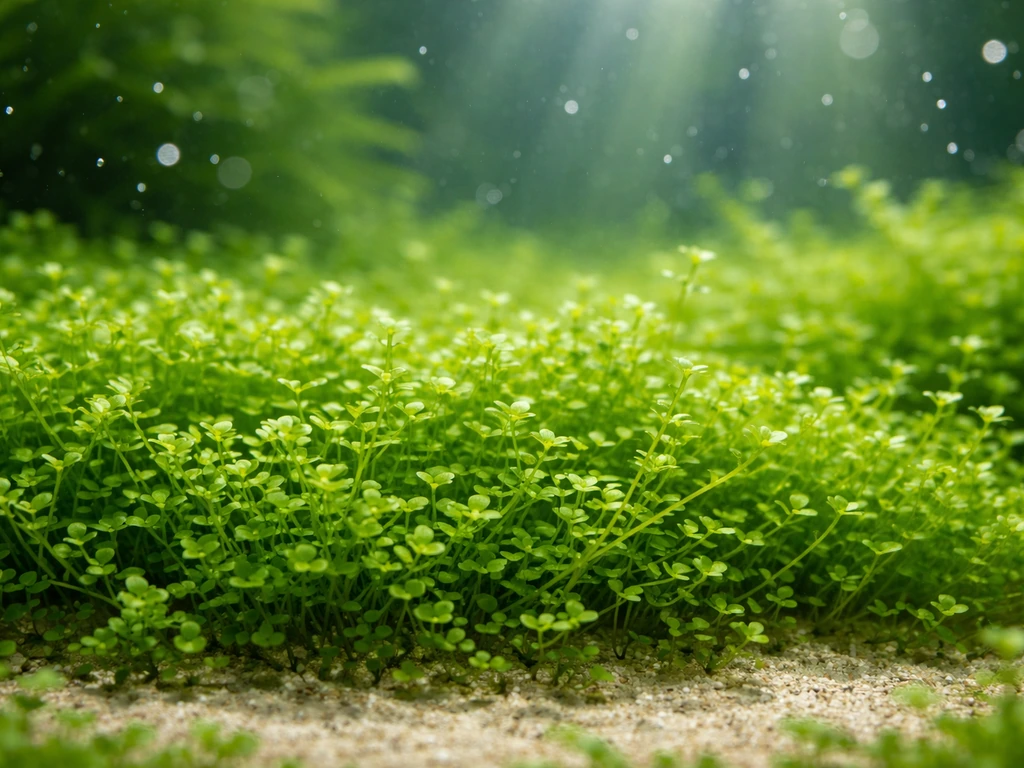
If you enjoy growing plants in water-based systems, the same care principles that apply to pearl grass, pearl weed, and other semi-aquatic plants overlap meaningfully with what works here: clean water chemistry, controlled light, and oxygen access at the root zone are the consistent factors that separate thriving plants from struggling ones. If you are specifically learning how to grow freshwater pearls, you can use the same water quality and oxygen principles to avoid common growth problems.
FAQ
Can I grow blue pearl chlorophytum in plain water without any LECA or nutrients?
You can, but growth usually slows and brown tips are more likely because tap-water issues accumulate and oxygen exchange is limited. Use bright indirect light, change the water every 2 to 3 days, and consider adding a very diluted nutrient (about 1/10 to 1/4 strength) once roots are established to avoid progressive yellowing.
How do I keep the crown safe if the reservoir level changes with evaporation or topping up?
Mark a “max” fill line on the outer pot and always confirm the crown stays above the waterline after topping up. In hot weather or low humidity, reservoirs drop faster, so check at least every 2 to 3 days early on to prevent accidental overfilling.
My reservoir looks clear, but roots still turn brown. What should I check first?
Check dissolved oxygen and temperature. If your room is frequently above 75°F (24°C) or the water is stagnant, oxygen drops and roots brown even if the solution looks normal. Lower the reservoir depth toward one-quarter temporarily and increase aeration by adding an air stone (or using a smaller reservoir height with better air exposure).
What water should I use if I cannot filter or buy distilled water?
If you must use tap water, test for hardness and consider using a carbon filter or reverse-osmosis water mixing approach. Leaving water out overnight helps chlorine but does not remove fluoride, so brown tips often keep progressing unless you switch to filtered or RO water for the nutrient solution.
How do I tell nutrient deficiency from root oxygen stress when leaves yellow?
Older lower leaves yellowing slowly is usually normal. If yellowing is paired with soft or dark roots, sour odor, or sudden drooping, treat it as oxygen or rot stress first, not feeding. If the plant looks generally firm and the newest leaves pale, verify pH (5.8 to 6.5) and raise nutrient strength slightly.
Do I need to flush the LECA even if I only top up and never let it run low?
Yes. Even with regular topping up, salts build up. Plan a full flush every 4 to 6 weeks by draining, rinsing the LECA thoroughly with clean water, then refilling with fresh diluted nutrient solution. This prevents the slow decline that looks like “it used to grow, now it stalls.”
Is it okay to grow it under a grow light 12 to 16 hours a day to speed things up?
Longer hours can increase algae and stress without meaningful speedup for this plant. Stick to about 6 to 8 hours daily, or gradually increase by 30 to 60 minutes and watch for green slime on LECA or the reservoir walls.
What TDS should I aim for long-term, and how do I adjust if the plant stalls?
Start near 500 to 800 ppm. If new growth is pale and pH is in range, bump up slightly (for example, +100 to 200 ppm). If roots are staying healthy but growth stalls during winter, it is often slower metabolism, so reduce nutrient strength and extend reservoir intervals rather than constantly increasing TDS.
When I propagate plantlets, how long should I keep them in water before moving to LECA?
Wait until you see visible root nubs and the roots are at least about 1 to 2 cm long and white. Give them a little extra time after roots appear (an additional week or two) so they handle the transition with minimal setback.
My spider plant is producing many runners but the main plant stays small. Is that a problem?
It usually means the plant is spreading energy into offsets due to either light levels or crowded root zone. Increase light slightly, ensure the crown stays above water, and consider repotting one size up when reservoir drying speeds up or roots circle the inner pot.
How can I prevent algae if I cannot use an opaque cache pot?
You need to block all light from reaching the nutrient reservoir. If you cannot use an opaque outer pot, use a fully light-blocking cover around the reservoir and ensure there is no light leakage at the rim where the inner pot sits. Even small gaps can feed algae.
What are the safest steps if I notice brown tips but the plant still looks healthy?
Stop using tap water for the nutrient solution and switch to filtered or distilled/RO water. Remove only the browned tip portion if you want aesthetics, but do not expect existing tips to turn green again. Then confirm pH is stable, since high pH can worsen nutrient availability and make recovery slower.