Yes, Rotala rotundifolia is genuinely easy to grow, and it is one of the better beginner stem plants you can put in an aquarium. It tolerates a wide range of water conditions, roots quickly from cuttings, and will grow without CO2 injection. That said, 'easy to grow' and 'easy to grow well' are two different things. If you want compact, bushy, red-tipped stems instead of leggy green ones, you need to get a few specific conditions right.
Is Rotala rotundifolia Easy to Grow? Care Guide
Marcus Holloway
21 Apr 2026
This guide gives you both the low-tech baseline to keep it alive and the upgrade path to get genuinely impressive results. If you are specifically growing Riccia fluitans, the best results come from pairing bright light with stable water conditions and a simple layout for easy tying or mat formation gives you both the low-tech baseline to keep it alive and the upgrade path to get genuinely impressive results. .
Quick verdict: yes, it's beginner-friendly, but here's the catch
Rotala rotundifolia is rated 'easy to medium' by most sources, and that range captures it well. In a basic aquarium with decent lighting and regular water changes, it will grow. Loofahs can also be grown easily at home if you provide the right conditions, and it helps to know what to prepare before you start are loofahs easy to grow.
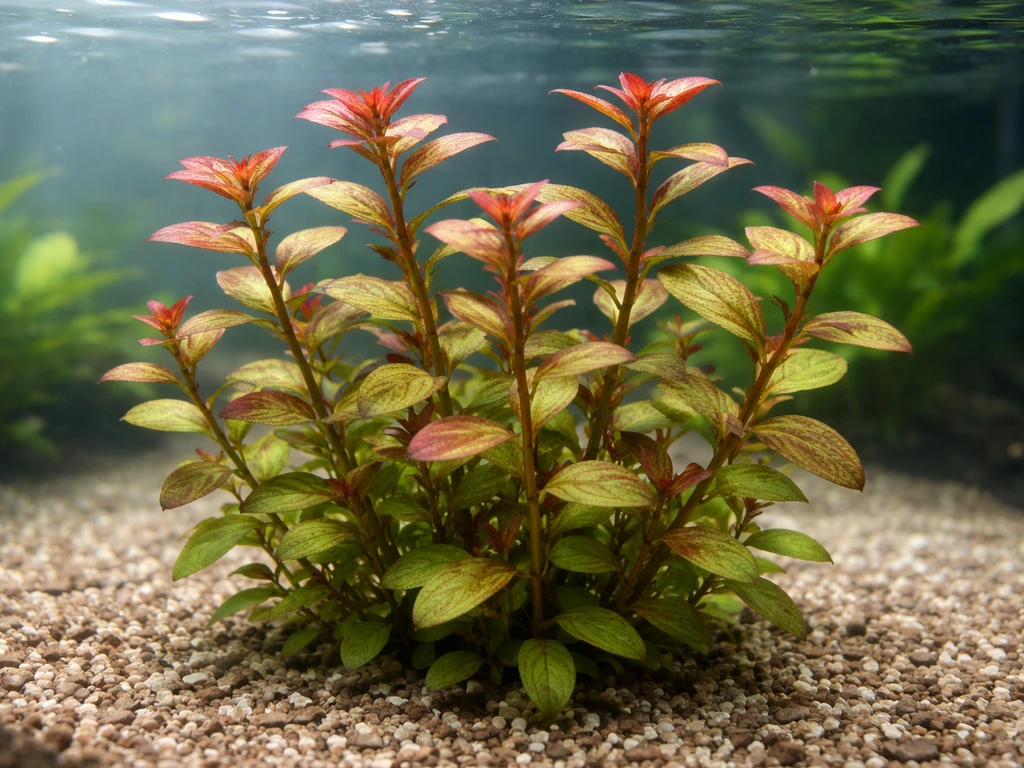
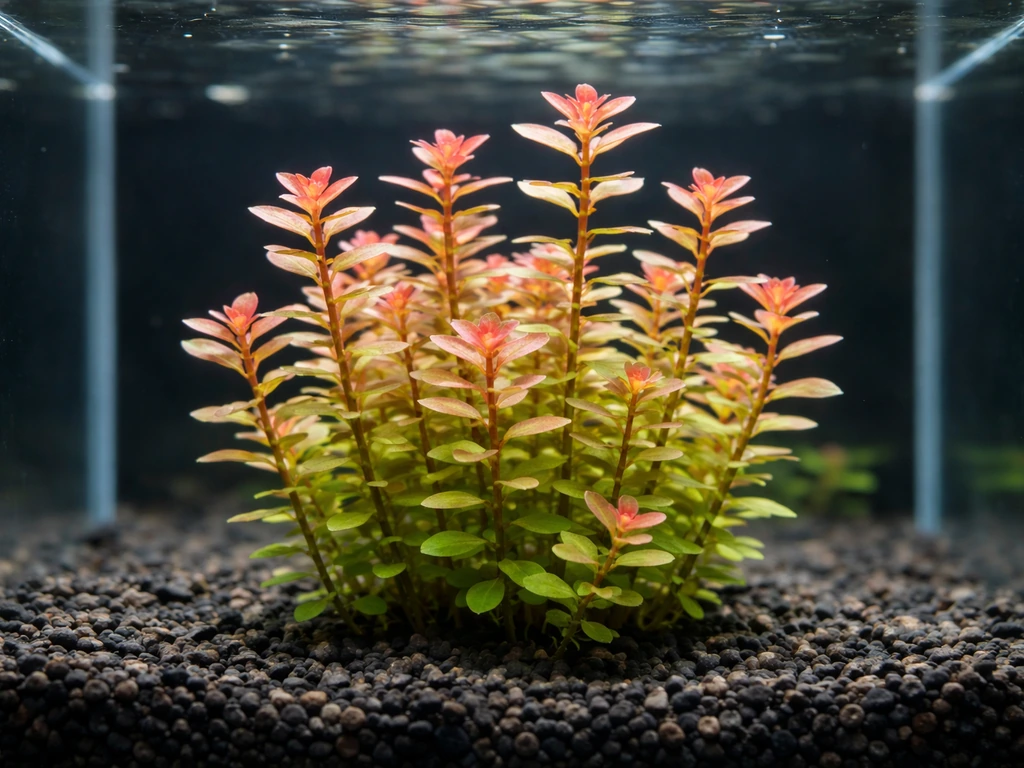
It is forgiving about pH, temperature, and hardness in a way that a lot of stem plants simply are not. The real catch is that without adequate light, it stretches toward the surface and drops its lower leaves, turning into a thin, weedy mess. If you give it enough light and trim it regularly, it rewards you with dense, bushy growth and, at lower nitrates, warm red-to-pink coloration at the tips.
If you do not, it just gets leggy and green. The plant will not die easily, but it will look bad, and beginners often mistake that stretched, sad appearance for a plant that is failing when it is actually just underpowered.
- Difficulty: Easy to medium
- Growth rate: Medium under standard conditions, fast under high light and CO2
- CO2: Not required, but recommended for best results
- Light: The single most critical factor for quality growth
- Pruning: Required weekly to prevent self-shading and lower-leaf die-off
- Best for: Beginners who want a fast-growing, colorful background or mid-ground plant
The water setup that actually works
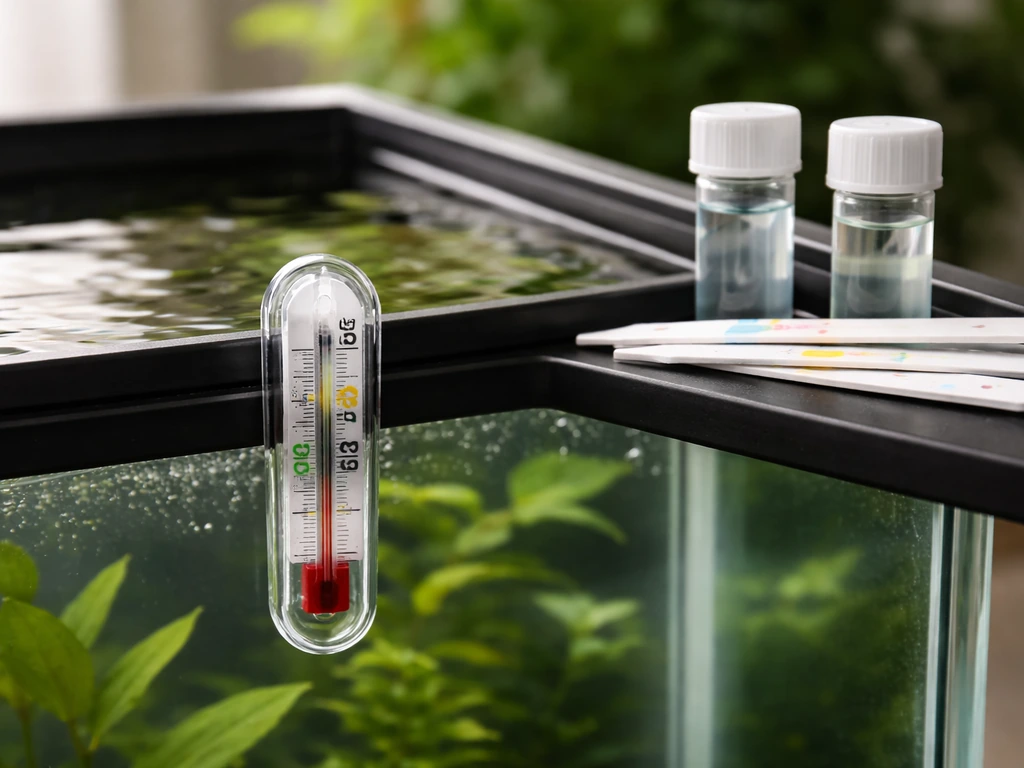
Rotala rotundifolia is tolerant of a surprisingly wide parameter range, which is part of why it suits beginners. Temperature should sit between 20 and 28 degrees Celsius (68 to 82 degrees Fahrenheit) for reliable growth. It technically survives anywhere from around 4°C to 32°C, but outside the 20–28°C window, growth slows noticeably and the plant can look stressed. Most home aquariums running around 24–26°C are in the sweet spot.
For pH, it tolerates a broad range of 5.0 to 8.0, and a practical target of 6.5 to 7.5 covers almost every common aquarium setup. Total hardness is flexible too; a recorded example from structured aquarium data shows it performing well at around pH 6.8 with very soft water (around 20 mg/L total hardness), but it also adapts to moderately hard water. Do not stress over hitting exact numbers here. If your tap water is somewhere in the pH 6–8 range and you are doing regular partial water changes, you are fine.
Water flow matters more than most beginners expect. Gentle to moderate circulation keeps nutrients moving through the water column and prevents CO2 stagnation. Rotala rotundifolia does not want a powerful flow blasting it sideways, but stagnant water leads to inconsistent nutrient delivery and invites algae. A simple sponge filter or a low-flow hang-on-back filter set to move water gently is plenty for a low-tech tank. If you want to grow sponges, focus on their specific water quality and flow needs, since these determine how well they filter and recover.
Lighting: get this right before anything else
Lighting is the single most important variable for how this plant looks and grows. Tropica themselves flag it as needing good light specifically to produce red leaves, and from experience, undershooting your light is the number one mistake beginners make with this plant. At low light, stems stretch, leaves stay small and green, and the lower plant gets shaded out and dies back. At medium to high light, growth becomes compact, lateral branching increases, and you get the pink-to-red coloration the plant is known for.
A practical minimum for a low-tech setup is at least two T8 fluorescent tubes over the tank, or a modern LED equivalent that delivers medium intensity. For better results, move to a higher-output LED that provides medium-high light levels across the full tank depth. Keep the photoperiod at 8 to 10 hours per day on a timer, and do not exceed that window. Longer photoperiods do not make the plant grow faster; they just feed algae. Eight hours is plenty for steady growth, and a consistent schedule matters more than raw hours.
The most common algae mistake with Rotala rotundifolia is running the lights too long or ramping intensity without matching nutrients. If you see green spot algae on the glass or green fuzz on the stems, the first thing to check is whether your photoperiod has crept past 10 hours and whether your nutrients are stable. Reduce the photoperiod to 8 hours, improve circulation, and balance your fertilization before you try anything else. Cutting light duration solves algae problems more reliably than cutting light intensity.
Nutrients, CO2, and the low-tech vs. high-tech difference
Rotala rotundifolia will grow in a low-tech tank without injected CO2. Tropica lists Rotala rotundifolia as requiring low CO2 and also notes that frequent pruning is needed because stems and leaves can self-shade, making lower growth harder to keep Tropica lists Rotala rotundifolia as requiring low CO2 and says frequent pruning is needed because stems and leaves self-shade. That is a genuine selling point.
But it grows slowly, the stems stretch more, and you will not get the vibrant color unless you manage nitrates carefully. In a low-tech setup, focus on two things: a nutrient-rich substrate (capped aquasoil or a nutrient layer under inert gravel) and a regular all-in-one liquid fertilizer dosed weekly. Even basic liquid fertilizer makes a visible difference in how healthy and dense the plant looks.
For CO2, the jump from no injection to pressurized CO2 at 20–30 ppm is transformative. Growth accelerates to several inches per week, stems become visibly denser, and branching improves. If you are using a pressurized system, you will also need to increase fertilization to match the faster growth, or you will start seeing deficiency symptoms. Liquid carbon supplements (like glutaraldehyde-based products) offer a middle ground between no CO2 and a full system, and they do produce a modest improvement in a low-tech tank.
One counterintuitive fact about coloration: keeping nitrates low, below 5 ppm, is associated with stronger red and pink tones in the leaves and tips. This is called nitrate limitation, and it is not a nutrient deficiency in the harmful sense. It is a deliberate technique. If you want the classic red look, dial back nitrate-heavy fertilizers and let the plant run lean on nitrogen while keeping phosphorus, potassium, and trace elements (especially iron) well supplied. Iron supplementation in particular helps deepen the red color, so a dedicated iron supplement or an iron-rich trace mix is worth adding to your routine.
| Parameter | Low-Tech Setup | High-Tech Setup |
|---|---|---|
| CO2 | None (or liquid carbon) | Pressurized, 20–30 ppm |
| Growth rate | Slow to medium | Fast (several inches/week) |
| Light demand | Medium (2 T8 or equivalent) | Medium-high LED |
| Fertilizer | All-in-one liquid, weekly | Macro + micro split dosing |
| Nitrates for red color | Below 5 ppm | Below 5 ppm |
| Stem appearance | Stretchier, greener | Compact, red/pink tips |
| Pruning frequency | Every 1–2 weeks | Weekly or more |
How to plant it and get it rooted fast
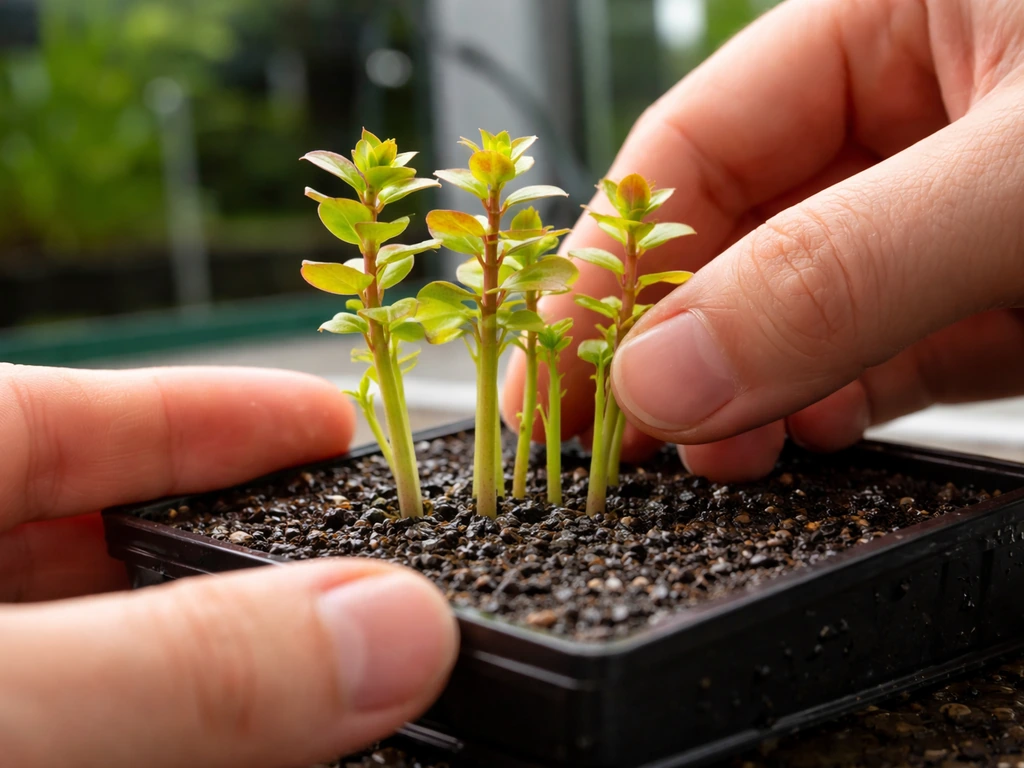
Rotala rotundifolia propagates from stem cuttings, and the process is straightforward. Take a healthy stem cutting that is 3 to 5 inches long. Strip the leaves off the bottom 1 to 1.5 inches of the stem to expose a node. Push the stripped section into the substrate at least an inch deep. That is it. The plant roots within a few days in most aquariums, faster if your substrate is nutrient-rich and temperatures are in the upper end of the range.
Plant stems in small groups of 3 to 5 cuttings spaced about 1 to 2 inches apart. Too tight and you get shading at the base immediately; too spread out and the planting looks sparse for months. Avoid planting in a single straight row because that looks artificial and creates a shading wall. A loose cluster or a gentle curve toward the back corners of the tank looks more natural and gives each stem room to branch outward as it grows.
If you are working without a traditional substrate, you can anchor cuttings to driftwood or rocks using thread or plant-safe glue, though this is less common and rooting takes longer. For hydroponic or water-column-only setups, the stems can float temporarily and will still grow, but anchoring into a substrate medium gives you faster establishment and denser growth from the base.
In the first week or two after planting, do not be alarmed if the lower leaves yellow and drop. That is normal transplant adjustment. The tips should remain green and continue growing upward. If the tips also look limp or pale, check water parameters and light intensity before assuming something is wrong with the plant.
Maintenance and what to expect over time
The most important maintenance task is regular trimming, and beginners consistently underestimate how often Rotala rotundifolia needs it. In a medium-light tank, plan to trim every one to two weeks. In a high-tech setup with CO2, you may need to trim weekly. The reason is that as stems grow toward the surface, they shade the lower leaves, which then yellow and die. This creates a bare, woody base that looks terrible and wastes nutrient resources.
The right way to trim is to cut stems halfway down rather than just removing the top inch. Cutting deeper forces two new side shoots to grow from the node just below the cut, which is how you build a bushy, dense plant rather than a forest of thin vertical stems. Take those trimmed tops and immediately replant them as new cuttings. Within a few weeks of consistent trim-and-replant cycles, a sparse initial planting fills into a thick background wall.
After several months, the base of the plant tends to become woody and unattractive, and the lower portion of each stem stops producing healthy leaves regardless of trimming. At that point, uproot the whole planting, discard the lower woody sections, and replant the healthy tops as fresh cuttings. This reset takes about 15 minutes and immediately restores the planting to a clean, healthy state. It is not a failure; it is just part of the plant's lifecycle in an aquarium.
Realistic timeline: in a low-tech tank, expect visible new growth in one to two weeks after planting, with a reasonably full planting in 6 to 8 weeks assuming regular trimming. In a high-tech tank with CO2 and strong light, the same result can happen in 3 to 4 weeks. You will not see the deep red coloration immediately, as it develops with consistent conditions over several weeks.
Troubleshooting the most common problems
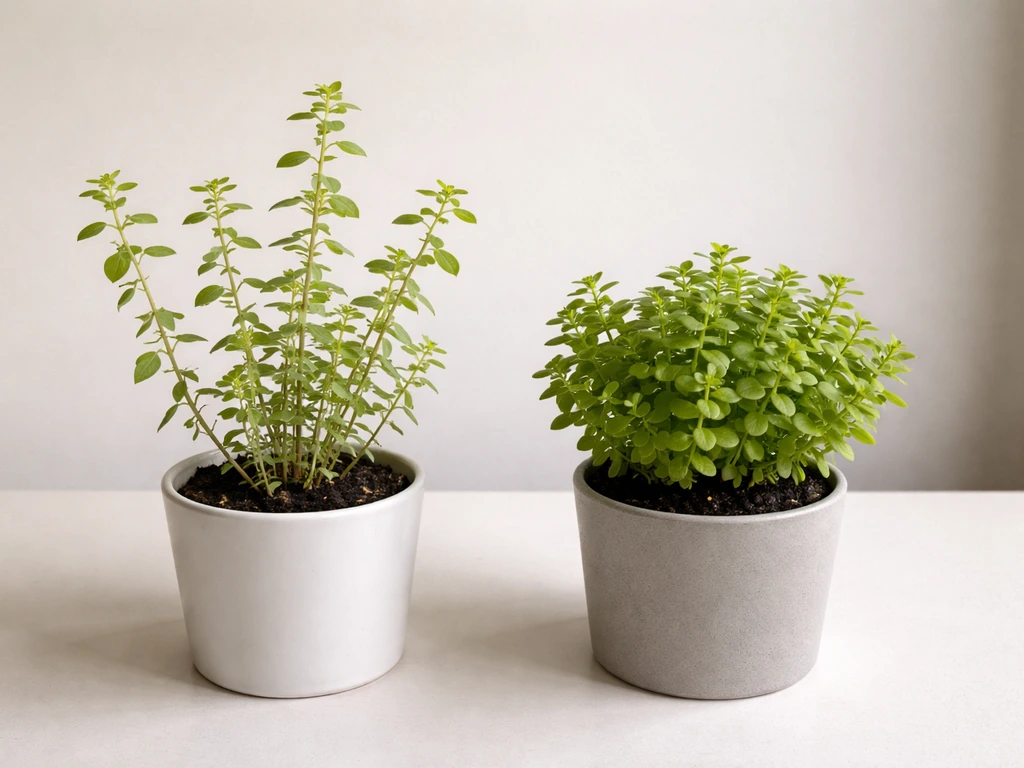
Slow growth and stretching
If your plant is growing slowly and stems are long and spindly with wide spacing between the leaves, the most likely cause is insufficient light. Increase your light intensity or duration (up to 10 hours maximum) before assuming a nutrient issue. If light is already adequate, the next check is CO2: even a small amount of added liquid carbon can visibly tighten up internodal spacing and accelerate growth.
Leaves melting or dying off lower on the stem
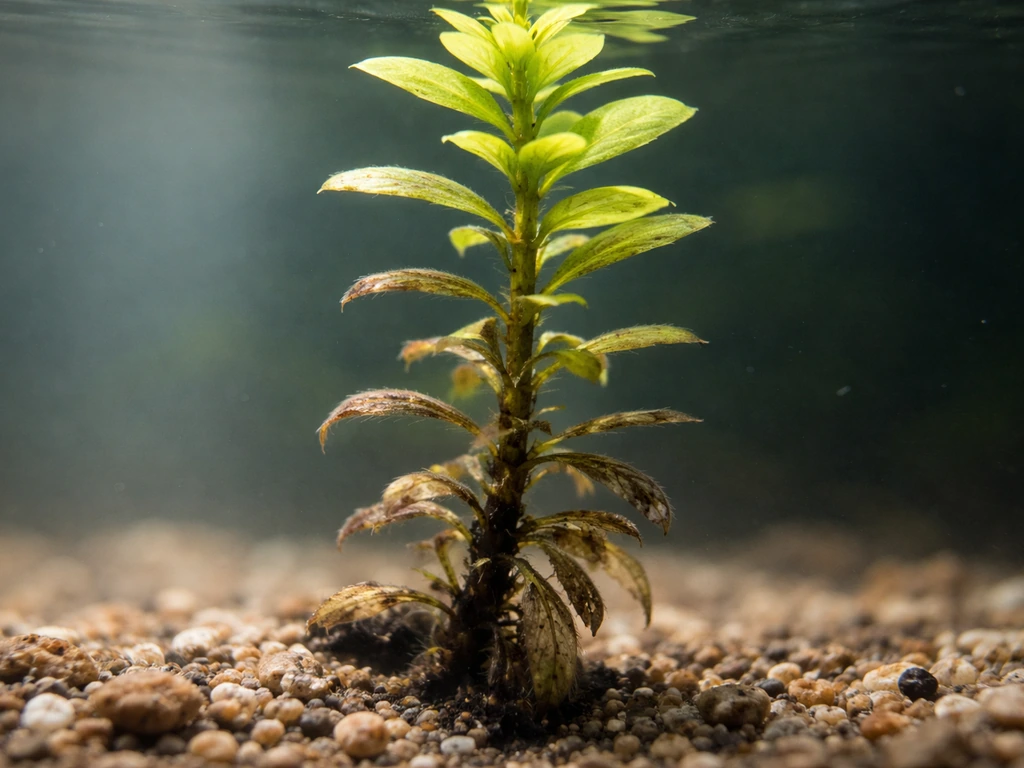
Lower-leaf die-off is almost always caused by self-shading, meaning the stems above are blocking light from reaching the bottom portion of the plant. This is normal, not a disease. The fix is to trim more frequently and more aggressively. Cut stems halfway down rather than just at the tips, and replant the cut tops to fill in the gaps.
Leaves staying green when you want red
Green leaves on a plant that should be showing red or pink coloration usually means either nitrates are too high (above 5 ppm) or light is insufficient. Check both. If nitrates are elevated, reduce nitrogen dosing and increase water change frequency to dilute the level down. If light is adequate and nitrates are already low, add an iron supplement and check that your trace element dosing is consistent. Iron deficiency and trace element gaps are often what separate a plant that is technically healthy but dull from one that is vivid and colorful.
Stunted or deformed tips
If the growing tips look twisted, curled, or stunted while the rest of the stem looks okay, that is a classic sign of CO2 deficiency or a trace element shortage. In a low-tech tank, try adding liquid carbon. In a CO2-injected tank, check that your diffuser is working and that CO2 is reaching target levels (20–30 ppm). If CO2 is fine, look at your trace element dosing and make sure boron, manganese, and iron are all present in your fertilizer mix.
White or bleached patches on leaves
Whitening or bleaching, especially on newer leaves, often points to an iron or potassium deficiency, or in some cases, too-intense light burning the newer growth. Check whether you are dosing iron and trace elements regularly. If you are already dosing and bleaching continues, check light intensity and consider raising the light fixture slightly to reduce intensity at the surface.
Algae taking over
Algae on Rotala rotundifolia almost always comes from one of two causes: a photoperiod that is too long, or unstable nutrients (either spiking from overfeeding or crashing after a missed water change). Start by cutting your photoperiod to 8 hours. Then review your fertilizer routine and make sure you are dosing consistently rather than sporadically. Improving water circulation also helps. Rotala that is growing well out-competes algae naturally, so fixing the root cause of poor growth often resolves algae at the same time.
What to check today before you plant
If you are ready to get started or are diagnosing an existing tank, run through this checklist to make sure your setup is positioned for success. Rotala rotundifolia is genuinely forgiving, but walking in with the basics dialed in will save you weeks of troubleshooting.
- Confirm tank temperature is in the 20–28°C range and stable
- Test pH and confirm it falls between 6.0 and 8.0
- Check that your light runs on a timer for 8 to 10 hours daily
- Verify your light source provides at least medium intensity at the substrate level (not just at the surface)
- Have an all-in-one liquid fertilizer ready for weekly dosing
- Decide on CO2: no injection for low-tech, liquid carbon as a middle step, or pressurized CO2 for best results
- Prepare stem cuttings that are 3–5 inches long with lower leaves stripped
- Plan your trimming schedule: mark a weekly or biweekly reminder from day one
- Have a nitrate test kit on hand so you can monitor levels for color control
Rotala rotundifolia sits in a similar 'easy but light-sensitive' category as ludwigia species, which is another popular stem plant that benefits from the same kind of attentive lighting management. If you have had success with ludwigia or are growing it alongside Rotala, the care overlaps enough that your existing setup likely already suits both. For a more detailed walkthrough of planting, growing, and shaping rotala species in general, the broader rotala growing guide covers additional varieties and aquascaping applications.
After you’ve got it rooted, the key to learning how to grow Rotala is dialing in consistent light and trimming on schedule rotala species in general. If you also want a broader biological DIY project, you can use similar patience and setup thinking to learn how to grow sponges as well rotala growing guide.
If you also want a broader biological DIY project, you can use similar patience and setup thinking to learn how to grow luffa sponge as well. If you also want to learn how to grow luffa sponge, use the same patience and attention to conditions from start to finish.
FAQ
How long does Rotala rotundifolia take to start growing after I plant cuttings?
Most tanks show noticeable new growth within 7 to 14 days, but the plant often looks “alive yet slow” for the first couple of weeks. If you see no upward growth by the end of week two, recheck substrate nutrient availability and light at the bottom half of the tank, because weak establishment is usually caused by low light or an inert substrate with no added nutrients.
Will it grow if my aquarium has no CO2 and I only use liquid fertilizer?
Yes, it will grow without injection, and liquid fertilizer can support compact growth. The main tradeoff is that color and density depend more heavily on managing light and nutrient balance, especially nitrate. If you push too much nitrogen while light is only medium, you may get fast green growth that still looks leggy rather than bushy.
What substrate works best for bushy growth, and how deep should I plant the stems?
You get the fastest, densest rooting when cuttings reach a nutrient-rich layer, such as capped aquasoil or a nutrient-rich bottom layer under inert gravel. Planting depth matters too, keep the stripped portion in the substrate at least about 2 to 3 cm (around an inch), too shallow and the plant anchors poorly, too deep and the lower leaves you kept can rot.
My Rotala turns green but the light seems bright. How do I tell whether the issue is nutrients or light?
Use two quick signals: if internodes are long and leaves are spaced far apart, it is usually still light limited (even if the fixture looks powerful). If growth is reasonably compact yet tips stay green, that points more toward nitrate being too high or iron and trace dosing being inconsistent. Measure nitrates if possible, and target low-nitrate running for red tips rather than simply “more fertilizer.”
Can I plant Rotala in the open water column, floating it instead of rooting in substrate?
It can grow when temporarily floated or anchored, but expect slower rooting and a weaker base because the plant relies on substrate access for nutrient uptake and stable anchoring. For dense growth from the bottom, cuttings generally need to be rooted into a substrate medium rather than floating long-term.
How often should I trim, and what trimming schedule prevents a woody base?
If you want a full, non-woody background, trim frequently enough that the top does not shade the lower stems. In medium light, plan on trimming every 10 to 14 days, and cut halfway down then immediately replant the tops. If you wait longer, the bottom will become woody and will stop producing healthy leaves even with more frequent pruning.
What is the best way to replant trimmed tops so it fills in quickly?
Replant tops as new cuttings in small clusters (about 3 to 5 stems per group) with spacing wide enough that leaves are not instantly shaded at the base. If you replant in a tight straight line, you often get a “wall” that delays branching. A slight curve or staggered group toward the back corners helps every stem access light.
Why do lower leaves yellow and drop after planting, is it disease?
A drop in lower leaves during the first 1 to 2 weeks is normal transplant adjustment and self-shading. It is not usually disease if the growing tips remain green and continue upward. If tips also go pale, limp, or stop growing, then look at light level and stability of parameters rather than assuming the plant is melting.
What can cause stunted or twisted growing tips?
Twisted, curled, or stunted tips usually indicate a bottleneck in CO2 delivery or trace elements, not a simple “general lack of nutrients.” In low-tech, try a modest liquid carbon approach to improve internodal spacing. In CO2 tanks, confirm your diffuser output and that CO2 is actually reaching target levels, then verify your fertilizer includes iron plus key traces like boron and manganese.
How do I fix algae that appears on Rotala?
Start with the two highest-impact variables: reduce photoperiod to around 8 hours and stabilize nutrient dosing so you do not spike from overfeeding or crash after missed water changes. Then improve circulation so nutrients do not stagnate near the plant. If the plant is growing poorly and shading out, fixing growth often clears algae faster than scrubbing alone.
Why does Rotala bleach or look pale on new leaves?
Bleaching on newer leaves can come from an iron or potassium gap, but it can also happen from too-intense light causing burn on tender growth. If you already dose iron consistently, lower effective light intensity by adjusting fixture height or using a gentler lighting ramp, then watch whether the next flush of leaves returns to normal color.
What nitrate level should I aim for if I want red or pink tips?
For the classic red look, lower nitrates (below about 5 ppm) are often associated with stronger pink to red coloration. The practical approach is nitrate limitation without starving the plant, keep phosphorus, potassium, and traces, especially iron, supplied, and adjust nitrogen down while maintaining a steady dosing routine.