Hydroponics is straightforward once you get past the idea that plants need soil. They don't. They need water, nutrients, oxygen at the roots, light, and the right temperature. Give them those things in the right amounts and they'll grow faster and more reliably than most soil setups. This guide walks you through every step: picking a system, assembling your gear, mixing your nutrients, starting plants, keeping conditions dialed in, and harvesting. Whether you're growing leafy greens, herbs, or water-tolerant plants like kangkong (water spinach), the fundamentals are the same.
Hydroponic How to Grow: Step-by-Step Setup, Care, and Harvest
Marcus Holloway
24 Mar 2026
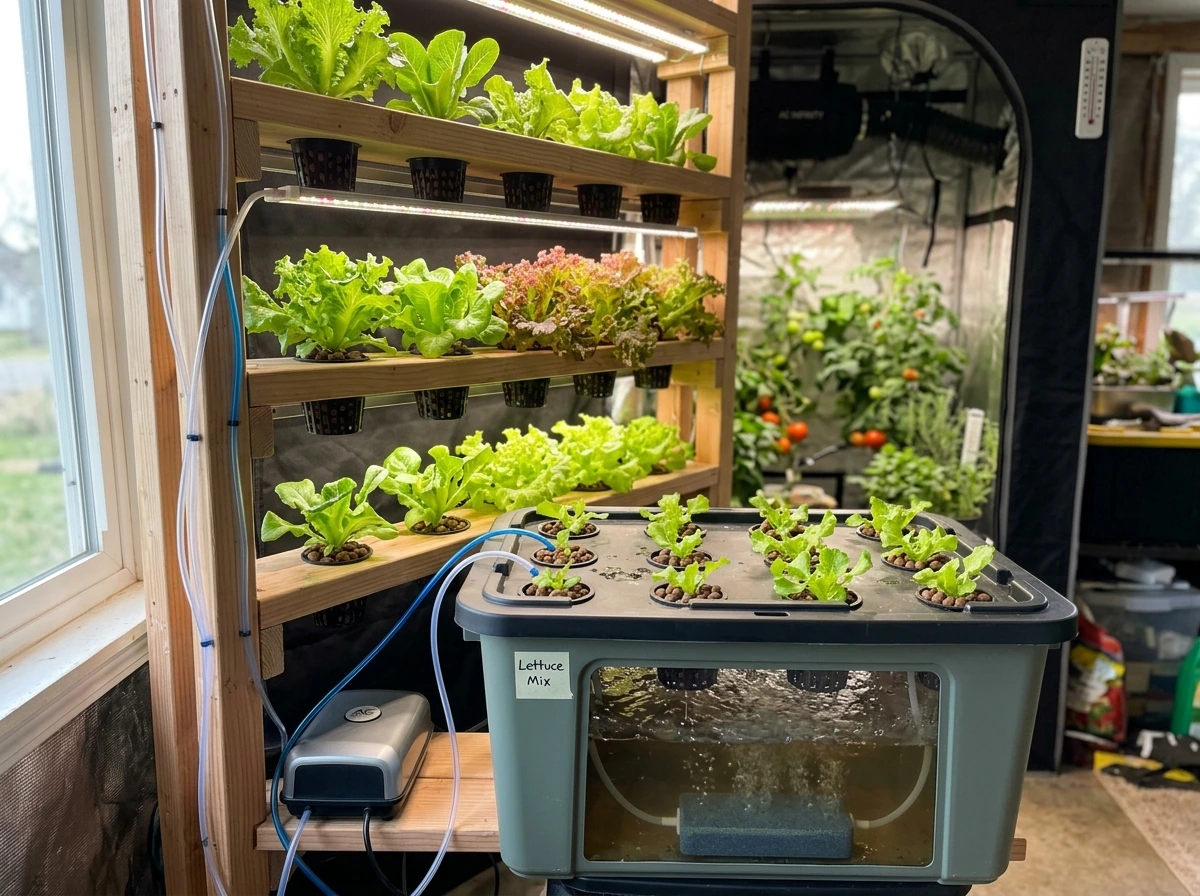
What hydroponics actually is (and what grows best in it)
Hydroponics is a soil-less growing method where plant roots sit in or are regularly fed a water-based mineral nutrient solution. The plant gets everything it needs dissolved directly in that water. Because there's no soil acting as a buffer or filter, you're in full control of what the plant receives and that's both the power and the responsibility of running a hydroponic system.
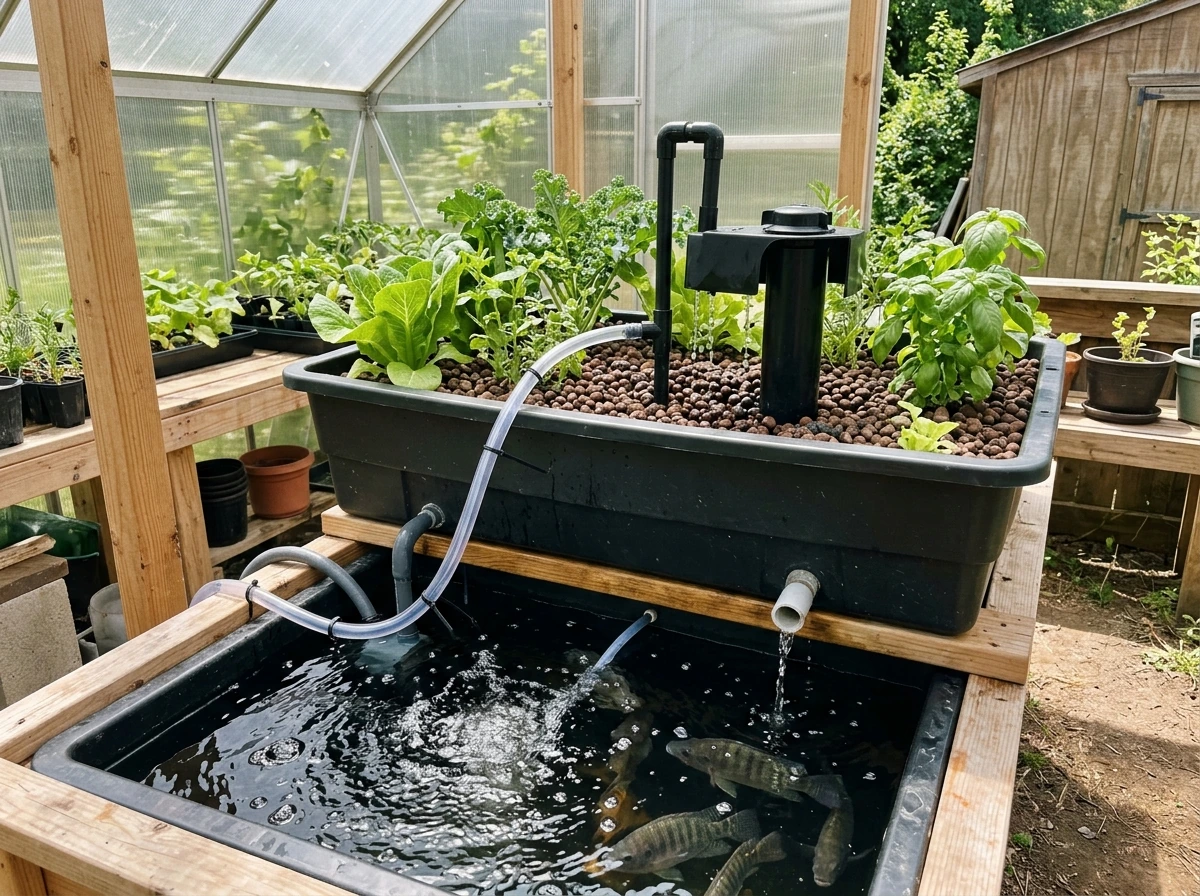
For this site's audience especially, hydroponics is a natural fit. Aquatic and semi-aquatic plants thrive in water-based systems. Water spinach (Ipomoea aquatica, also called kangkong), watercress, lettuce, spinach, herbs like basil and mint, and many flowering aquatic plants all do extremely well hydroponically. If you're already comfortable managing water quality for fish or aquarium plants, you're already thinking in the right way. The key difference between hydroponics and aquaponics (which couples fish with plant growing) is that in a pure hydroponic setup, you're adding and managing synthetic or mineral nutrients yourself rather than relying on fish waste. Both are valid approaches, and if you're curious about combining them, that's worth exploring separately.
Plants that are not well-suited to hydroponics tend to be deep-rooted crops like carrots or large fruiting trees. For beginners, stick with fast-growing leafy greens and herbs first. They're forgiving, they grow quickly so you get feedback fast, and they give you a real harvest within a few weeks.
Pick your system first (and why it matters more than anything else)
The hydroponic system type sets the rules for everything else: how often you check on it, what can go wrong, how much it costs, and which plants work best. There are six core types. Here's what each one actually means in practice.
| System | How It Works | Best For | Maintenance Level | Startup Cost |
|---|---|---|---|---|
| Deep Water Culture (DWC) | Roots hang in oxygenated nutrient solution continuously | Lettuce, herbs, water spinach | Low-Medium | Low |
| NFT (Nutrient Film Technique) | Thin stream of nutrient solution flows over roots in channels | Lettuce, spinach, herbs | Medium | Medium |
| Ebb and Flow (Flood and Drain) | Tray floods periodically then drains; timer-controlled | Most crops; versatile | Medium | Medium |
| Wick System | Capillary action pulls solution from reservoir to roots; no pump | Small herbs, seedlings | Very Low | Very Low |
| Drip System | Nutrient solution drips onto root zone via emitters | Tomatoes, cucumbers, herbs | Medium-High | Medium |
| Aeroponics | Roots misted with nutrient solution in air | Fast growth; advanced growers | High | High |
The best beginner system: DWC or wick
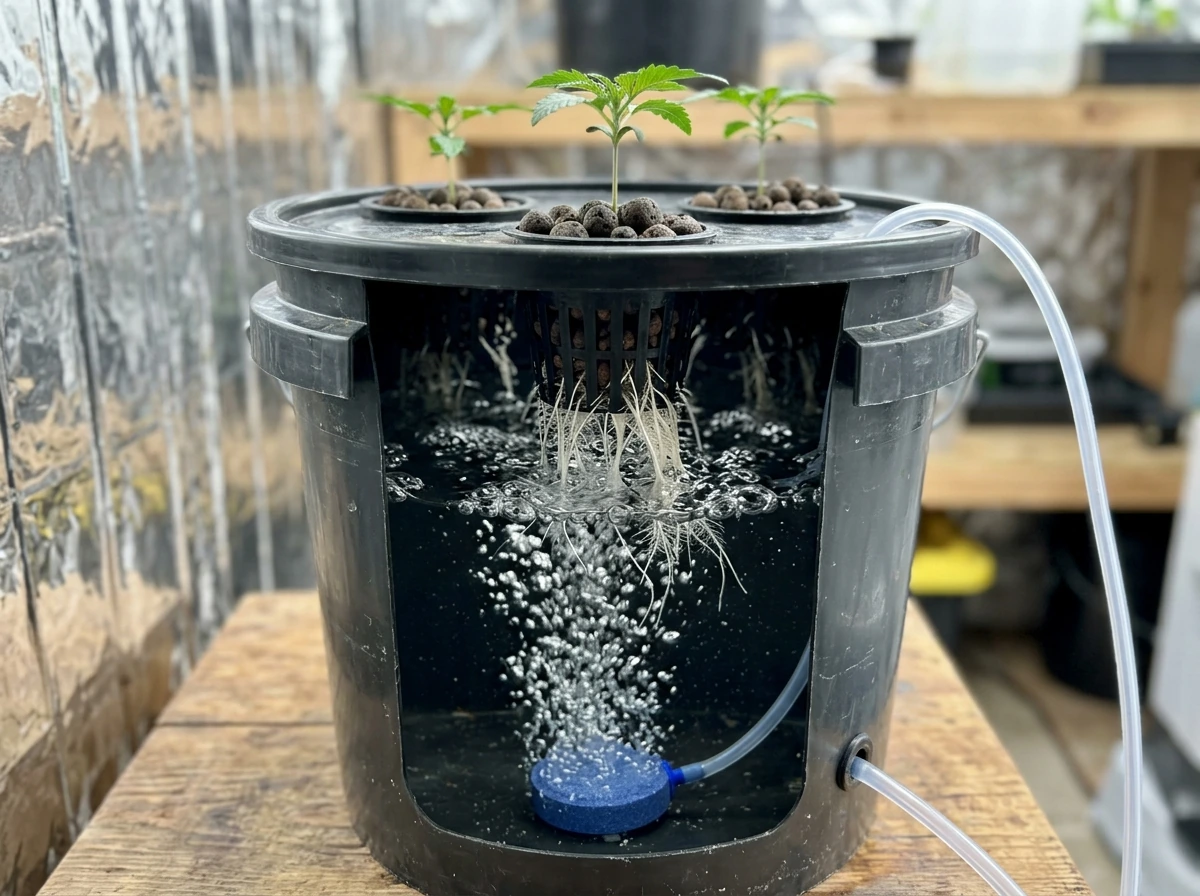
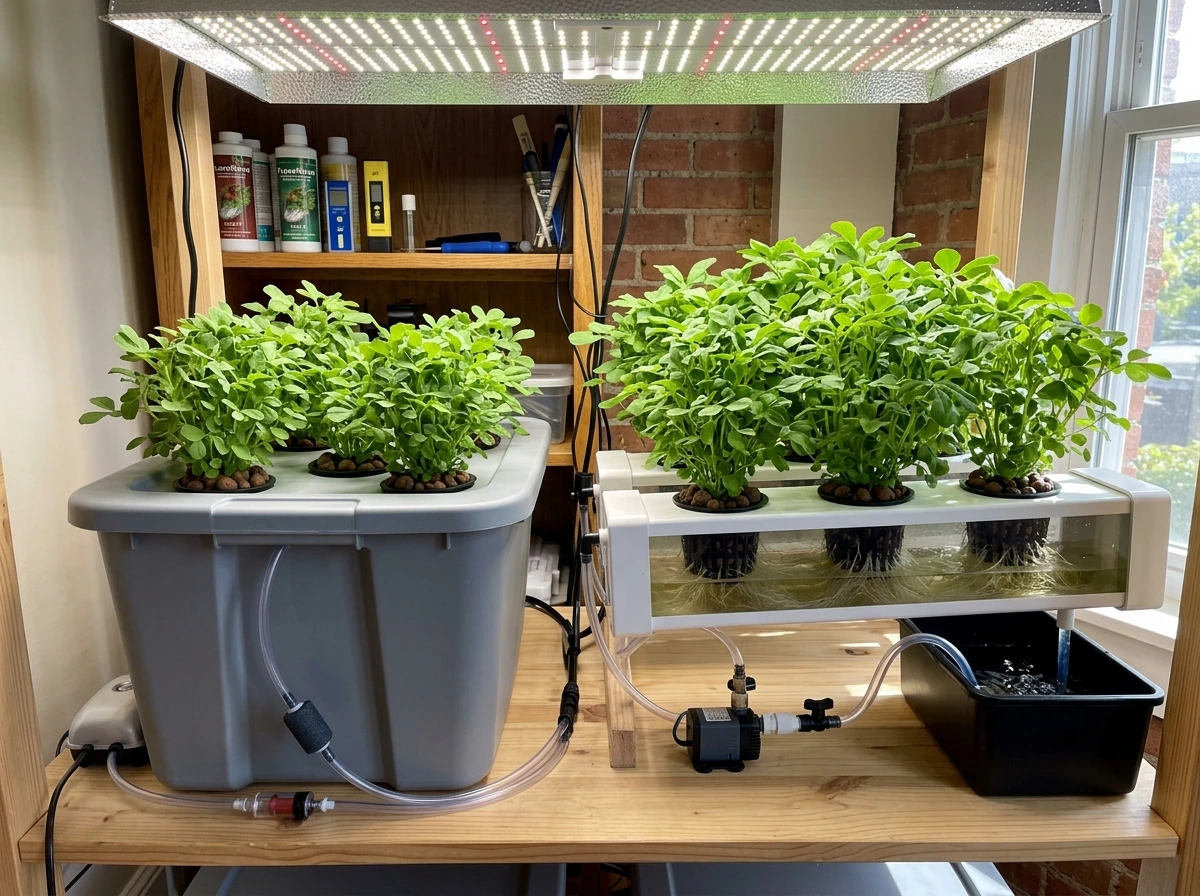
If you're starting out, go with Deep Water Culture. It's the most forgiving active system and the easiest to monitor. Your plants sit in net pots over a reservoir of nutrient solution, an air pump keeps that solution oxygenated via air stones, and the roots grow directly into the water. A basic 5-gallon bucket DWC kit gives you everything you need to test the method with minimal investment. The wick system is even simpler since it requires no pump or electricity at all and uses capillary action to pull solution from a reservoir up to the roots, but it's limited to smaller, less thirsty plants like herbs or seedlings.
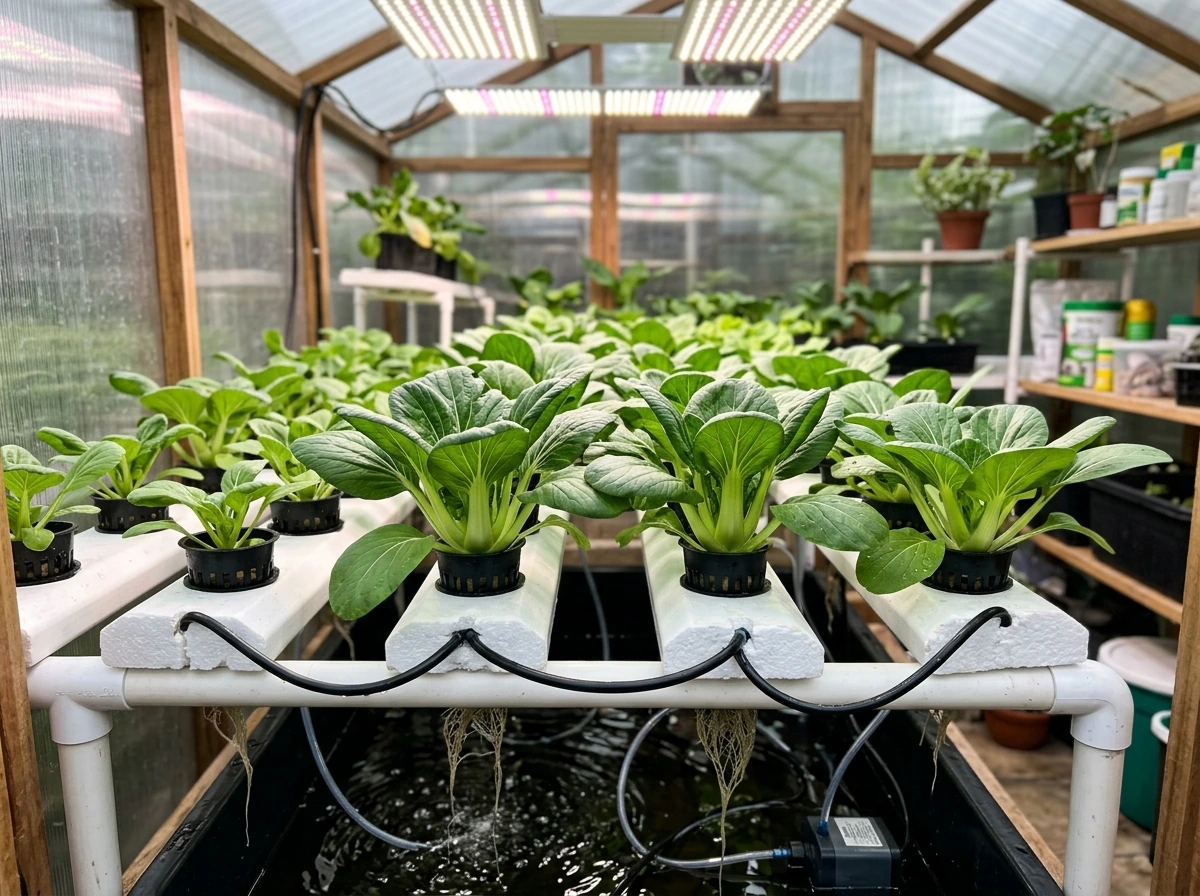
NFT and ebb-and-flow are excellent next steps. NFT runs a thin, continuous film of nutrient solution through sloped channels, and it works beautifully for leafy greens and water spinach once you have the channel slope and flow rate right. Ebb-and-flow (also called flood-and-drain) floods a growing tray on a timer and then drains it, giving roots alternating wet and dry cycles. For ebb-and-flow, a good starting point is a fill cycle of no more than 5 minutes, managed with a digital timer. Aeroponics, where roots are misted in open air, is powerful but more complex to set up and maintain, so save that for later. If you're interested in going deeper on how to grow aeroponics specifically, that's covered as its own topic elsewhere on this site.
DIY vs. ready-made kits
Both work. A DIY DWC setup can cost as little as $20 to $40 in materials: a food-safe bucket, a lid with holes cut for net pots, an air pump, air tubing, and air stones. Ready-made kits come pre-drilled and pre-configured, which saves time and removes early mistakes. I started with a DIY bucket and drilled the lid myself. It worked fine, but I cracked one lid before I figured out the right bit to use. If you'd rather skip that kind of learning curve, a kit is worth the extra cost.
Everything you need to get your setup running
Here's a practical equipment checklist for a beginner DWC or NFT setup. You don't need all of this on day one for a wick system, but for any active system, these are the essentials.
- Reservoir: food-safe, opaque bucket or tote (5 gallons per plant site for DWC; opaque to prevent algae and reduce Pythium risk)
- Air pump and air stones with tubing (for DWC and reservoir oxygenation in most systems)
- Net pots: 2-inch or 3-inch for seedlings and small plants; larger for bigger crops
- Growing medium: rockwool cubes, clay pebbles (hydroton), or coco coir
- pH meter (a calibrated digital meter, not just strips)
- EC/TDS meter (measures nutrient concentration in parts per million or millisiemens)
- pH Up and pH Down solutions (potassium hydroxide and phosphoric acid are standard)
- Two-part or three-part hydroponic nutrient concentrate (A+B or grow/bloom/micro formulas)
- Timer (digital, for ebb-and-flow or drip systems)
- Thermometer (for water temperature monitoring)
- Grow lights if indoors: LED full-spectrum panels sized to your space
- pH calibration solution (4.0 and 7.0 buffer packets)
For assembly: set up the reservoir in its final location before filling it because water is heavy. If you're running DWC, position the air stones at the bottom of the bucket and run the tubing up and out to the pump, which should sit above the water line so it doesn't back-siphon if power cuts. Fill with water, then add nutrients before adjusting pH, since nutrients change the pH significantly and adjusting before you add them wastes solution.
Water and nutrients: mixing, targets, and your daily and weekly routine
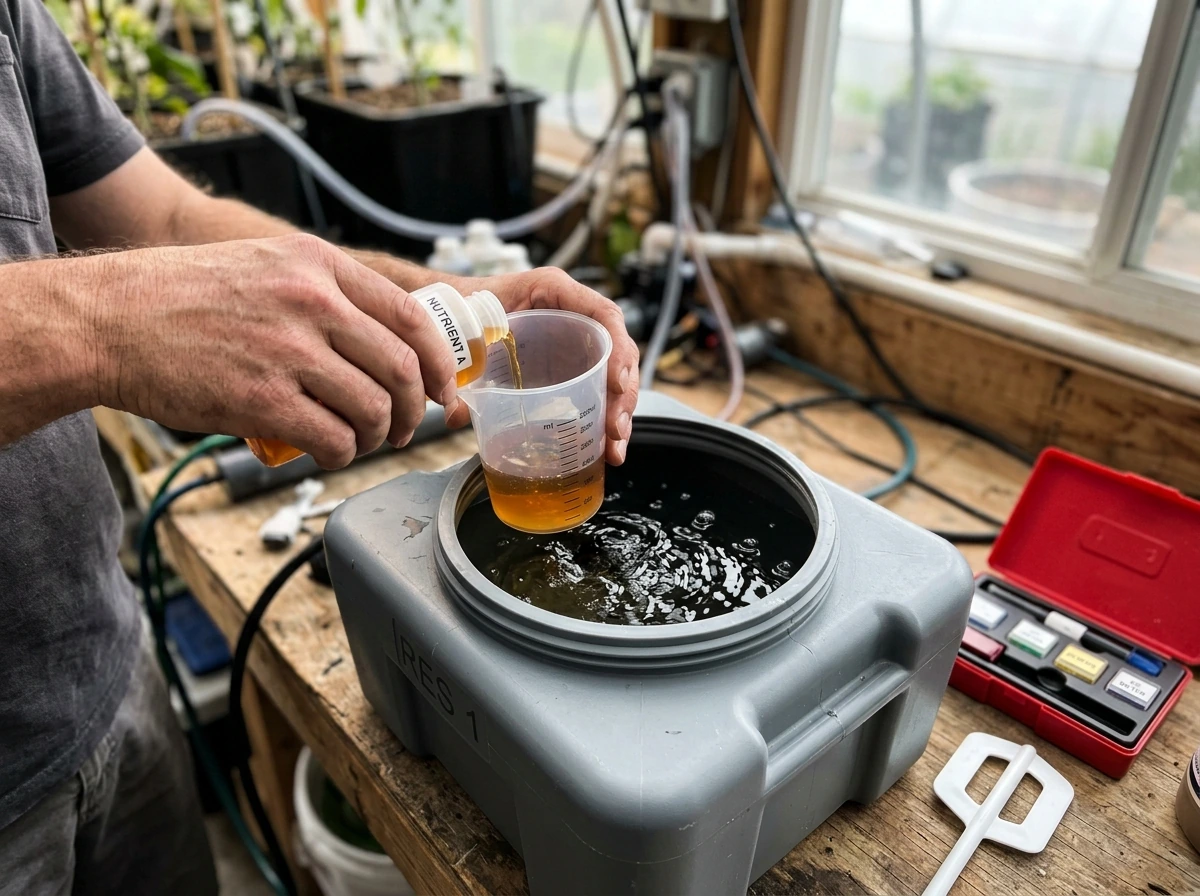
This is the part most beginners underestimate. Getting nutrients into a bucket is easy. Keeping them balanced over time is what determines whether your plants thrive or stall. Here's what you need to track and why.
Mixing your nutrient solution
- Start with clean water (filtered or low-mineral tap water is fine; very hard tap water can skew your EC baseline)
- Add your nutrient concentrate per the manufacturer's instructions, typically a few milliliters per liter for each part
- Stir or circulate the solution thoroughly before measuring
- Check EC first to confirm concentration is in range
- Then check and adjust pH to your target range using pH Up or pH Down, adding small amounts and waiting a few minutes between adjustments
Target ranges by crop
| Crop | pH Target | EC Target (mS/cm) | Water Temperature |
|---|---|---|---|
| Lettuce | 5.5–6.5 | 0.8–1.8 | 65–68°F / 18–20°C |
| Spinach | 5.5–6.6 | 1.8–2.3 | 65–70°F / 18–21°C |
| Water Spinach (Kangkong) | 5.8–6.5 | 0.8–1.2 (approx. 800–1200 ppm) | 70–75°F / 21–24°C |
| Herbs (basil, mint) | 5.5–6.5 | 1.0–1.6 | 65–72°F / 18–22°C |
| Tomatoes / Cucumbers | 5.5–6.5 | 2.0–3.5 | 65–75°F / 18–24°C |
pH matters more than most beginners expect. Outside the 5.5–6.5 range, plants start losing access to specific nutrients even if those nutrients are present in the water, a condition called nutrient lockout. EC (electrical conductivity) tells you how concentrated your nutrient solution is. Too low and plants are underfed; too high and you get nutrient burn. Dissolved oxygen should stay above 6 ppm for healthy root function, which is why the air pump is non-negotiable in active systems.
Water temperature is something many beginners ignore until they have a problem. Keeping solution temperature in the 18–20°C (65–68°F) range does two things: it helps lettuce and leafy greens grow better, and it dramatically reduces the risk of Pythium (root rot), which becomes much more aggressive above 20–30°C. If your grow room runs warm, insulate the reservoir or use a small aquarium chiller.
Daily and weekly maintenance routine
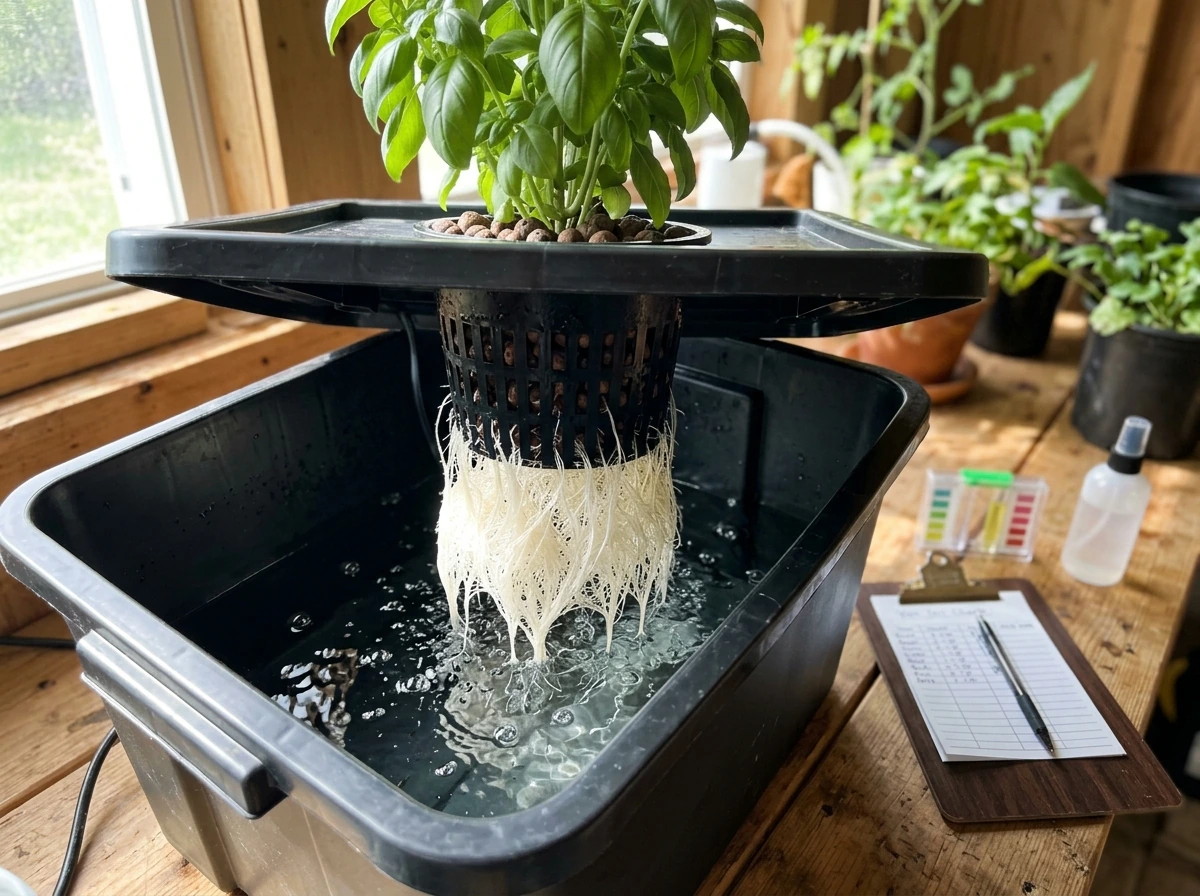
- Daily: check water level and top off with plain pH-adjusted water (evaporation removes water but not nutrients, so plain water maintains EC balance)
- Daily: visually inspect roots and plant color for early signs of deficiency or disease
- Every 2–3 days: check pH and EC with your meters and adjust if either has drifted
- Weekly: do a partial nutrient solution change (replace 25–50% of the reservoir with fresh solution) to prevent salt and microbe buildup
- Every 2–4 weeks (or when EC drifts unmanageably): do a full reservoir flush and replace with fresh nutrient solution
pH and EC drift as plants absorb water and nutrients at different rates. This is normal. The University of Missouri Extension puts it plainly: nutrient solutions change over time as plants and microbes consume water and nutrients, so measurement and adjustment is a continuous job, not a one-time setup step. Build the habit early and it becomes second nature in about a week.
Starting your plants: seeds, cuttings, net pots, and transplanting
Starting from seed
Rockwool cubes are the most reliable starting medium for hydroponic seeds. Pre-soak the cube in pH-adjusted water (around pH 5.5–6.0) for about an hour before use. The Living Green Global rockwool seed-propagation guide also recommends soaking rockwool cubes prior to use and stabilizing the soak water pH between 5. Hydrobuilder Learning Center recommends pre-soaking rockwool in buffered pH 5.5, 6.0 water and notes that the pH is slightly more acidic because alkaline rockwool will raise the water’s pH during soaking and conditioning stabilizing the soak water pH between 5. 5 and 6.. 5 and 6.0, while avoiding fertilizer during the cube phase to protect germination rates soaking rockwool cubes prior to use and stabilizing soak water pH between 5.5 and 6.0. Place one or two seeds per cube, cover lightly, and keep them under a humidity dome or plastic wrap in a warm spot (around 70–75°F) until germination. Lettuce typically germinates in 2–4 days; spinach takes 5–10 days. Once you see the first true leaves (not just the seed leaves), the seedling is ready to move into the system.
Starting from cuttings
Cuttings are faster for plants that clone easily, including water spinach, basil, and mint. Take a 4–6 inch cutting just below a node, strip the lower leaves, and place the stem directly into a rockwool cube or a net pot filled with clay pebbles. Keep humidity high for the first week while roots establish. You can also simply place cuttings in a glass of plain water (no nutrients yet) until roots appear, then transfer into your system. This works especially well for water spinach, which roots almost aggressively in water.
Moving plants into your system
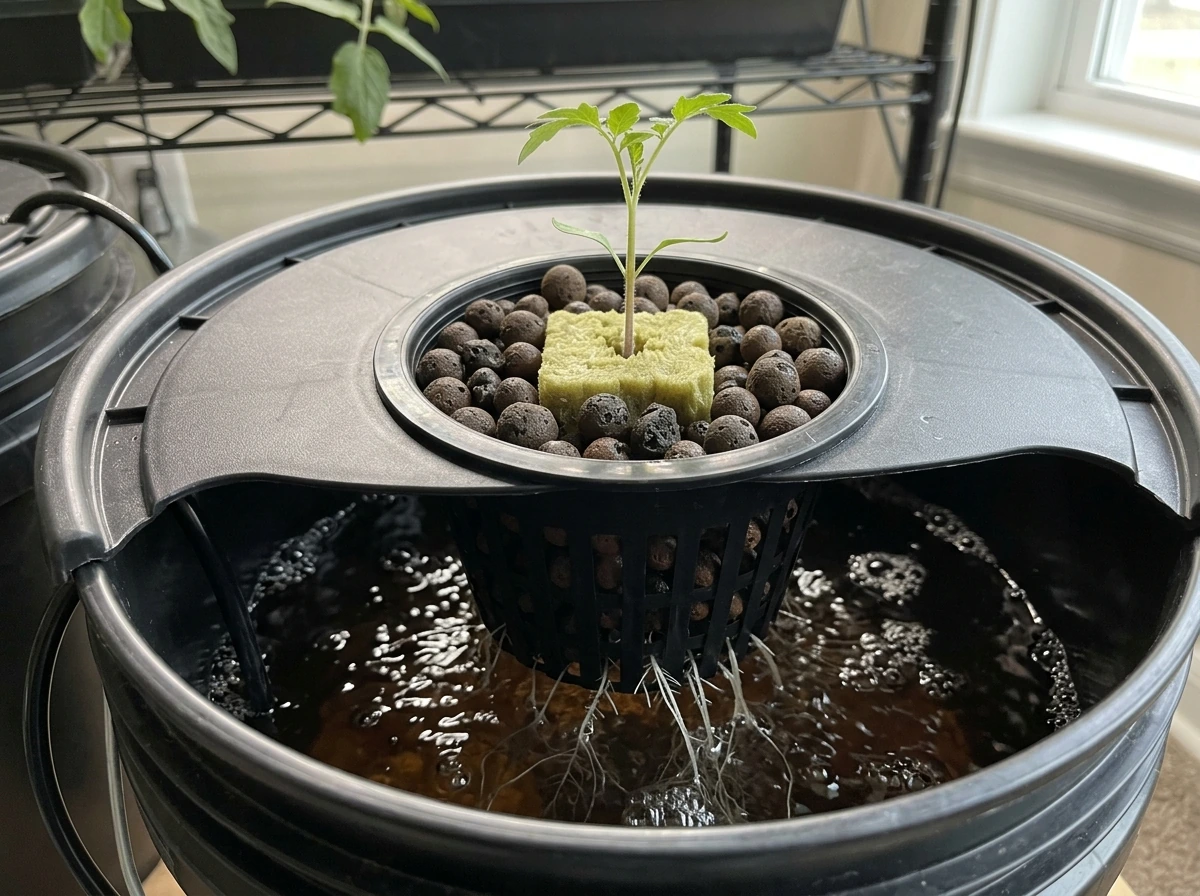
Once roots are visible through the bottom or sides of the rockwool cube, place the cube directly into a net pot and surround it with clay pebbles to hold it upright. For DWC, position the net pot so the bottom of the cube just touches or sits a few millimeters above the water level initially. The roots will grow down into the solution within a few days. Don't submerge the entire cube from the start; the seedling needs some air around the upper root zone. In NFT systems, just seat the cube in the channel and let the flowing film reach the roots.
Caring for your plants through each growth stage and knowing when to harvest
Seedling stage (weeks 1–2)
Keep nutrient concentration on the lower end of the range during this stage: an EC of around 0.6–0.8 mS/cm is plenty for seedlings. Too strong a solution early on stresses young roots. Light at 16–18 hours per day works well for most leafy greens. Keep temperatures stable and humidity moderate. Check pH daily because young seedlings are more sensitive to swings.
Vegetative stage (weeks 2–5 for leafy crops)
Ramp EC up to the mid-range for your crop as plants establish. Lettuce can move to 1.2–1.5 mS/cm; spinach to around 2.0 mS/cm. This is when you'll notice the fastest growth. If plants are growing slowly despite good nutrient levels and pH, check water temperature and dissolved oxygen first. A warm, low-oxygen reservoir stalls growth even when everything else looks right. For aloe vera, especially strong aeration makes a visible difference in growth rate. how to grow aloe vera hydroponically
Harvest
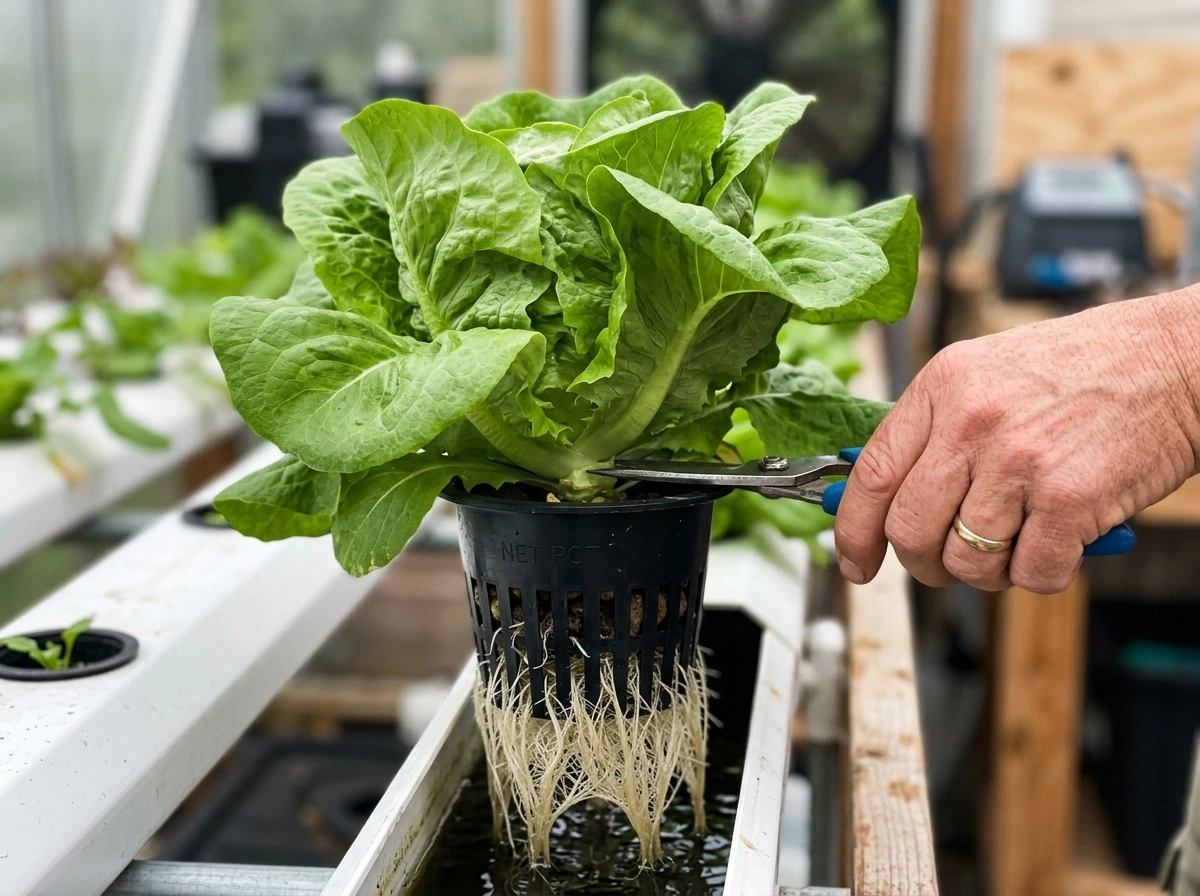
Lettuce is typically ready in 30–45 days from transplant in a well-managed hydroponic system. Spinach takes 30–40 days. Water spinach can be harvested in as little as 3–4 weeks after transplant by cutting stems above a node, which encourages regrowth for multiple harvests. Herbs like basil and mint can be harvested continuously by trimming the top growth, which also prevents flowering and keeps the plant productive. Harvest in the morning when nutrient uptake is lower and flavor is at its peak.
When things go wrong: common problems and how to fix them
Most hydroponic problems fall into a few predictable categories. Here's how to diagnose and recover from the most common ones.
Yellowing leaves
This is the most common issue beginners encounter and it has multiple possible causes. First check pH: if it's drifted above 6.8 or below 5.0, nutrient lockout is likely causing the yellowing even if your EC looks fine. Correct pH and watch for recovery over 3–5 days. If pH is in range, check EC: a reading below target means the plant is underfed. Yellowing that starts with older (lower) leaves typically indicates nitrogen deficiency; yellowing in new top growth suggests iron or calcium issues, which are often pH-related.
Root rot (Pythium)
Brown, slimy roots with a foul smell are the signature of Pythium root rot. It's caused by warm, low-oxygen, or light-contaminated nutrient solution. Prevention is far easier than treatment: keep solution temperature below 20°C, ensure your reservoir is fully opaque (no light leaks), and run your air pump continuously. If you catch it early, remove the affected plant, clean the reservoir completely with a dilute hydrogen peroxide rinse (3% solution, then thoroughly rinse with clean water), replace the nutrient solution, and lower the temperature before reintroducing plants. Severe cases usually mean starting fresh.
Algae growth
Green or brown algae in your reservoir or growing channels means light is getting in somewhere. Algae competes for nutrients and oxygen and creates conditions that favor pathogens. The fix is purely mechanical: block all light from the reservoir and channels using opaque covers, black tape over any gaps, and reflective or dark-colored tubing. Once algae is established, drain and clean the system, scrub with a dilute bleach solution, rinse thoroughly, and refill.
Slow growth despite normal readings
If pH and EC both look fine but growth has stalled, run through this checklist in order: water temperature (too warm or too cold both slow growth), dissolved oxygen levels (add more air stones or increase pump output), light intensity and duration (most leafy greens need 14–16 hours of quality light per day indoors), and root zone access (make sure roots aren't circling or blocking water flow in NFT channels).
pH won't stay stable
If pH keeps drifting up faster than expected, it's usually because plants are drawing more water than nutrients, concentrating the alkaline elements. Top off with slightly acidic plain water (pH around 5.8) between adjustments. If pH keeps crashing downward, microbial activity in the reservoir may be the cause. Do a full solution change, clean the reservoir, and ensure the system is fully opaque.
EC keeps rising even without adding nutrients
Rising EC with only top-offs happening means plants are drinking water faster than they're consuming nutrients, causing nutrient concentration to creep up. This is common in warm conditions or with high-transpiration plants. The fix is to do a partial water change, replacing some solution with plain pH-adjusted water, then recheck EC and adjust nutrients as needed.
Your next steps after this first grow
Your first grow is mostly about learning your specific system's rhythms: how fast pH drifts, how quickly plants drink in your environment, and what healthy roots and leaves look like. Once you've run one full cycle from seedling to harvest, the second one is significantly easier because you know what normal looks like.
From here, logical expansions include trying different crops (growing flowers hydroponically is a rewarding next step once you have leafy greens dialed in), experimenting with semi-aquatic plants like fennel in water or fenugreek (methi) hydroponically, or scaling up your system. If you're already interested in fish keeping, Exploring how aquaponics builds on a hydroponic foundation is a natural progression and this site covers that in depth separately. how to grow methi hydroponically
The single most useful thing you can do right now is set up something small and get water moving through it. Even a single DWC bucket with one lettuce plant will teach you more in 30 days than any amount of reading. Start small, measure consistently, and adjust based on what the plants show you.
FAQ
How often should I measure pH and EC, and how do I know my readings are accurate?
Use pH and EC strips or a reliable meter, then calibrate meters before each session (or at least weekly) using the manufacturer’s solutions. Even a small calibration drift can make your target range look “wrong,” leading you to chase pH up or down unnecessarily.
What light schedule should I use for my first hydroponic grow?
Start with a shorter light schedule (for example 14 to 16 hours) and increase gradually if the plants look healthy. If you run lights too long, you may see faster drying and more pH/EC drift, which is harder for beginners to stabilize.
Can I leave my hydroponic system unattended for a few days?
Yes, but it’s risky in active systems if the nutrient mix is not managed. If you must leave for a day or two, top off with plain pH-adjusted water based on your typical consumption, keep the air pump running, and avoid changing nutrients right before you go.
How do I tell the difference between nutrient burn and pH lockout?
Most “nutrient burn” symptoms are actually either nutrient strength (EC too high) or pH out of range. If tips look scorched or leaves crisp, first check pH, then EC, then water temperature and dissolved oxygen before lowering nutrients, so you don’t underfeed while the real issue is elsewhere.
Do I need special water (like RO water) for hydroponics?
For tank water used to start a solution, let it sit long enough for chlorine to off-gas (if applicable in your area) and adjust pH after you dissolve nutrients. If your tap water has high alkalinity, expect faster pH drift and plan for more frequent monitoring.
My seedlings look wilted after transplant, what should I check first?
If plants droop right after transplant, the most common causes are low oxygen (air pump not delivering enough), the cube being too submerged at the start, or EC being too strong for seedlings. Check dissolved oxygen first, then verify the seedling’s upper root zone has some air.
Should I top off with nutrients or just water?
Avoid topping off with nutrient solution unless you’re deliberately maintaining concentration. When EC rises during mostly top-offs, it often means you should replace part of the solution with fresh pH-adjusted water, then re-measure before making any nutrient adjustments.
What causes pH to keep drifting upward too fast?
If pH keeps climbing, your alkalinity is often the driver. Top off with slightly acidic plain water can help temporarily, but if drift persists, consider a larger solution refresh, confirm your nutrient formulation, and keep the reservoir opaque to reduce algae and microbial swings.
What causes pH to keep falling over time?
If pH keeps crashing downward, microbial activity is a common culprit. Drain, clean the reservoir, and restart with fresh solution, then ensure the system is light-proof and not contaminated by old plant material or biofilm.
Is there a way to save plants if I suspect root rot (Pythium)?
Do a plant-safe “root zone cleanup” only if you can act fast. For early Pythium signs, remove affected plants, replace solution, sanitize the reservoir, keep temperature under about 20°C, and keep oxygen high. If smell and brown slimy roots are widespread, plan to restart to avoid recurring infections.
My reservoir has algae, is it harmful and how should I fix it?
Algae is usually a light exposure problem, not a nutrient problem. Make reservoirs and channels fully opaque, block light from any tubing gaps, and do a mechanical clean (drain, scrub, refill) if it already established so it does not keep recycling nutrients.
Why does growth stall in NFT even when pH and EC seem okay?
In NFT, root mats can block channel flow if plants outgrow spacing or if the channel slope and flow rate are off. If roots start circling and nutrient film stops reaching the tips, reduce plant density, verify flow, and consider switching more of your plants back to DWC for stability.
My EC is higher than expected after mixing, what does that mean?
Hard water or high dissolved solids can push EC readings higher than expected and can reduce nutrient availability. If EC behaves strangely relative to what you mix, test your incoming water separately and adjust how you calculate nutrient additions.
How should I harvest leafy greens so they regrow reliably in hydroponics?
Yes, but do it carefully: harvest frequently to keep plants in a vegetative state, use clean tools, and avoid pulling the stem hard in young plants. For leafy greens, cut the outer leaves, then let the center regrow, and keep EC at the lower range for faster recovery.
What is the biggest beginner mistake after setting up a hydroponic system?
Don’t rush into nutrient or system changes during the first 7 to 10 days. The fastest path to success is consistent measurement, small adjustments, and learning the natural drift pattern in your specific environment, especially temperature and how quickly plants consume water.