If you searched "how to grow waterleaf terraria" and landed here, there is a good chance you were not looking for a video game. You were probably trying to figure out how to grow waterleaf in a terrarium-style setup, which is exactly what this guide covers. Before diving into setup and care, though, we need to clear up one thing: "waterleaf" is not a single plant. It is a common name that gets applied to several different species, and which one you are actually growing changes everything about how you set up your system.
How to Grow Waterleaf in a Terrarium Setup Step by Step
Marcus Holloway
6 Apr 2026
What "Waterleaf" Actually Refers To
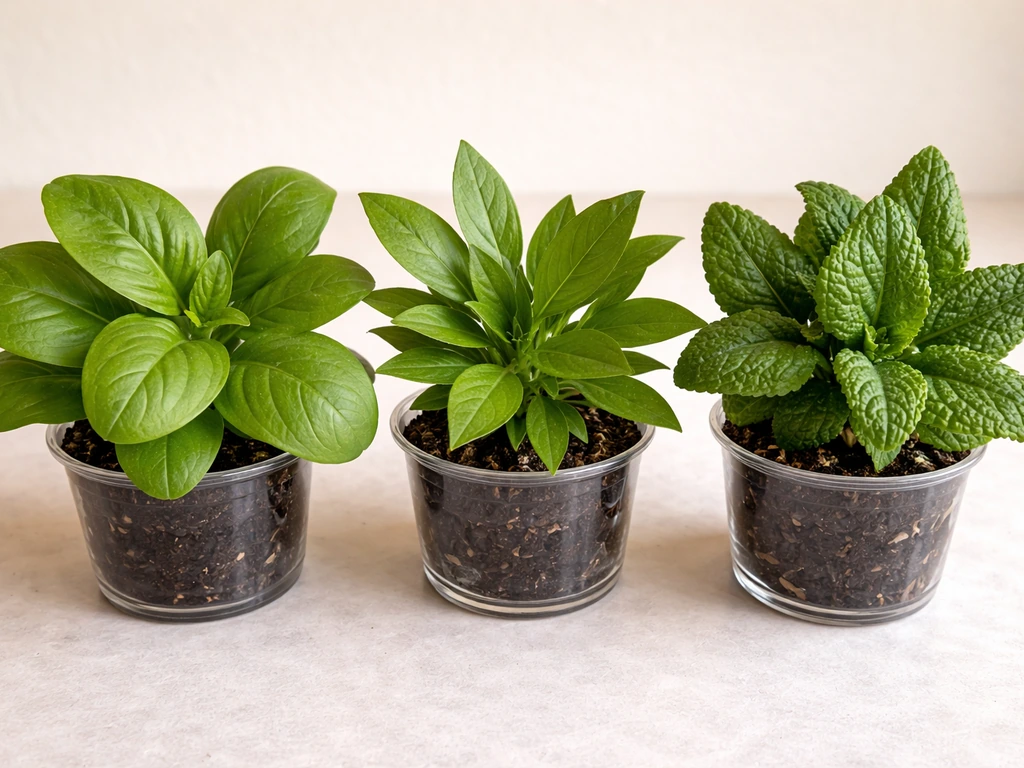
There are at least three plants commonly called waterleaf, and confusing them is one of the most common reasons people end up with the wrong setup. Texas A&M's aquatic plant resources note that "waterleaf" covers multiple species in North America alone. For aquatic growers, the name most often points to one of these three candidates:
- Talinum fruticosum (also called Talinum triangulare): A tropical leafy vegetable native to Mexico, the Caribbean, West Africa, Central America, and South America. This is the most widely grown edible waterleaf and the one most people in food-crop and hydroponics contexts mean when they say "waterleaf."
- Neptunia oleracea: Sometimes called water mimosa, this is a true floating aquatic plant used in ponds, aquaponics, and natural aquariums. It resembles a mimosa and floats on the water surface.
- Ludwigia palustris (water purslane): A semi-aquatic stem plant typically found near ponds and suited to water gardens or aquarium edge plantings.
For the purposes of this guide, we are focusing on Talinum fruticosum, the tropical leafy vegetable, because it is the plant most people are actually trying to cultivate when they search for waterleaf growing guides. It thrives in warm, humid, water-adjacent conditions, which makes it an excellent candidate for a terrarium-style or semi-aquatic hydroponic setup. If you want to go deeper on how to grow waterleaf as a food crop in more detail, that guide covers the full edible-plant picture. But here, we are zeroing in on getting it to grow in a contained, water-managed system.
Talinum fruticosum is a warm-climate plant that loves humidity, consistent moisture, and nutrient-rich water. It does not need to be submerged, but it thrives with its roots in a moist or flooded substrate and plenty of ambient humidity, which is exactly what a terrarium-style or semi-aquatic hydroponic setup provides. That alignment is what makes this combination work so well.
Picking the Right Setup for Your Space
You have three realistic options for growing waterleaf in an aquatic or semi-aquatic indoor system. Each has trade-offs, and the best one depends on your space, budget, and how hands-on you want to be.
Option 1: Semi-Aquatic Terrarium Tank
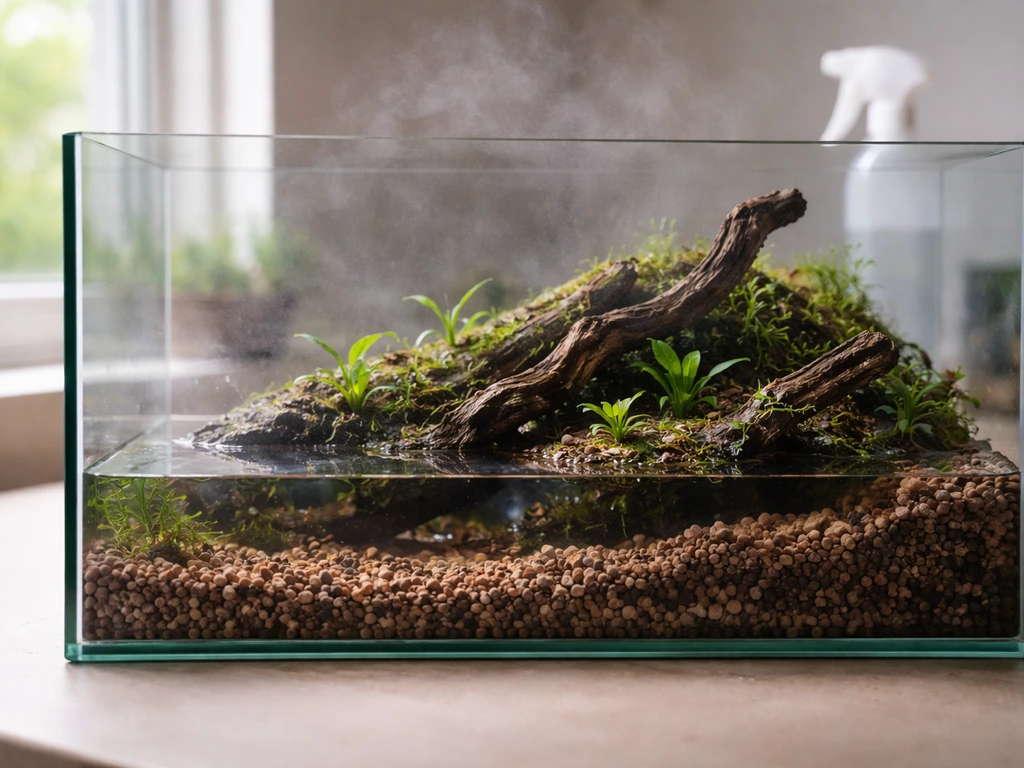
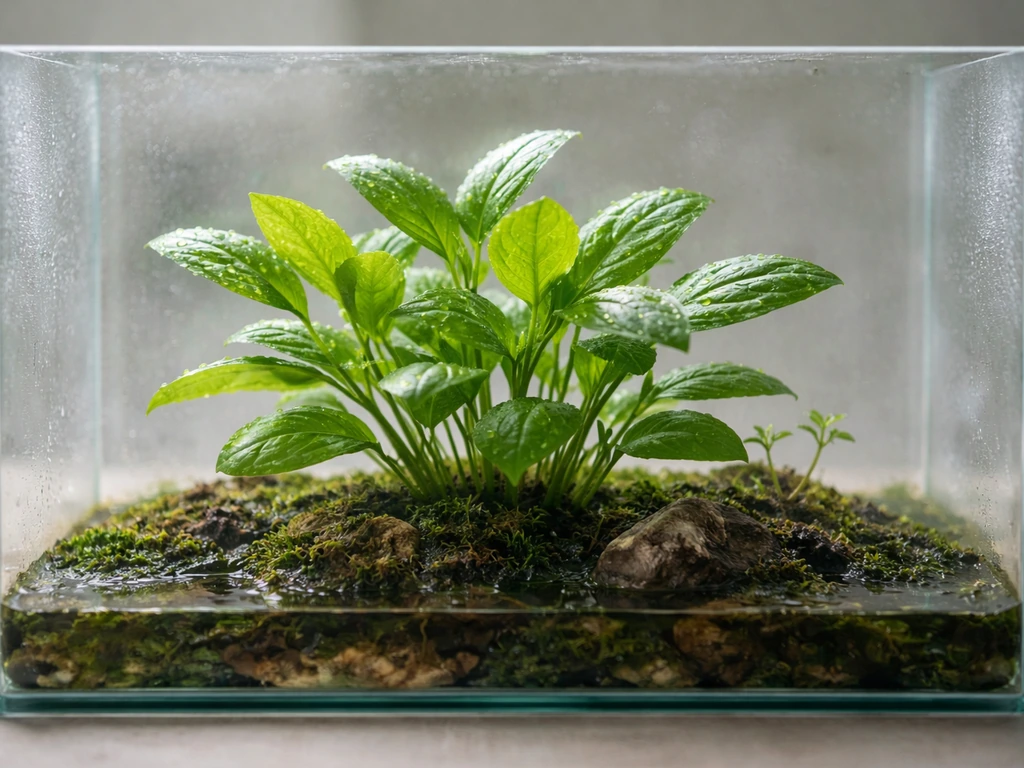
This is the most beginner-friendly approach. Take a glass or acrylic tank, add a few inches of substrate (coarse gravel or expanded clay at the bottom, topped with a nutrient-rich growing medium), and keep the substrate consistently moist to slightly flooded at the base. The plant roots sit in the moist medium while the above-water foliage grows in the warm, humid air inside the tank. A loose or vented lid keeps humidity high (80 percent or above) without completely sealing off fresh air. This setup mimics the riverbank and floodplain conditions waterleaf naturally grows in.
Option 2: Hydroponic System (Nutrient Film or Ebb and Flow)
If you want faster growth and more control over nutrients, a simple ebb-and-flood or nutrient film technique (NFT) setup works extremely well. Waterleaf has been successfully propagated and grown using stem cuttings in hydroponic media, and the plants respond very well to steady, measured nutrient delivery. This approach suits more experienced growers or anyone already running a hydroponic system and wanting to add waterleaf as a crop. The downside is that it requires more equipment and monitoring.
Option 3: Aquaponics or Pond-Edge Integration
If you already run an aquaponics system or have a pond-style tank, waterleaf makes a fantastic nutrient-uptake plant. Its roots love fish-waste-enriched water, and its rapid growth helps manage nitrogen loading. You can grow it in net pots floating at the water surface or in a grow bed that floods and drains on a timer. This is similar to how how to grow madre de agua describes fast-growing tropical greens being integrated into aquatic systems for both food production and water quality management.
| Setup Type | Difficulty | Cost | Growth Speed | Best For |
|---|---|---|---|---|
| Semi-aquatic terrarium tank | Beginner | Low | Moderate | Hobbyists, small harvests, display setups |
| Hydroponic (NFT/ebb-flood) | Intermediate | Medium | Fast | Consistent yields, experienced growers |
| Aquaponics / pond-edge | Intermediate-Advanced | Varies | Fast | Existing aquaponics systems, large setups |
My recommendation for most people reading this: start with the semi-aquatic terrarium tank. It is forgiving, requires minimal equipment, and gives you a genuine feel for how the plant behaves before you invest in more infrastructure.
Starting Your Plants: Seeds vs. Cuttings
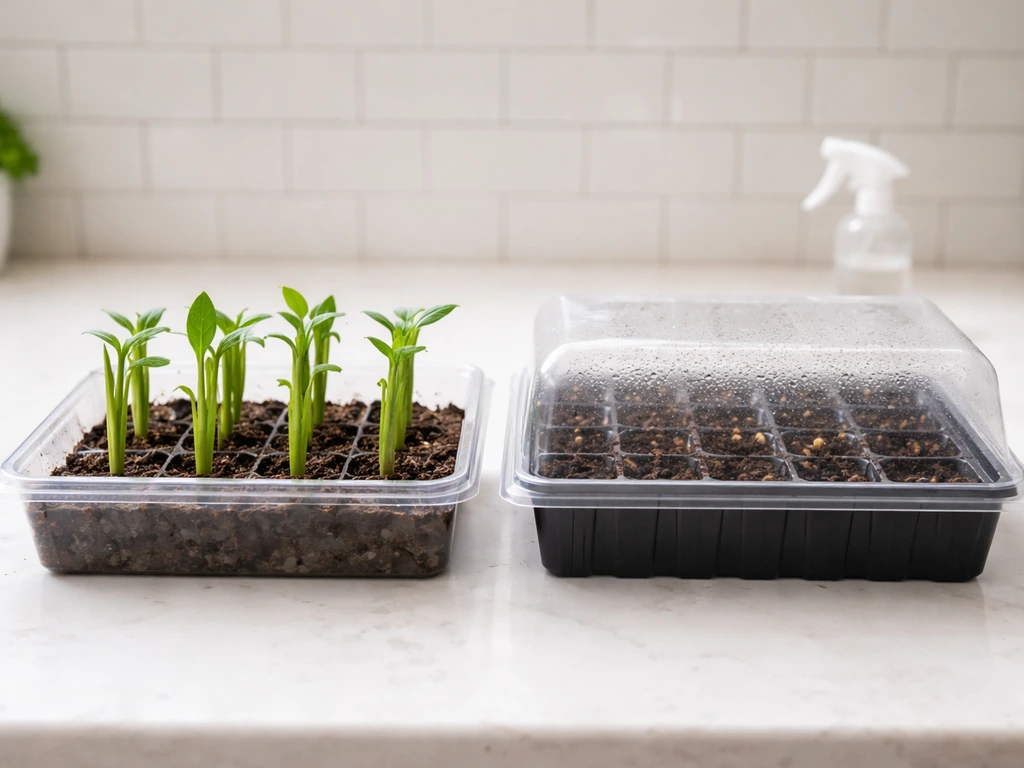
Waterleaf can technically be started from seed, but it is genuinely difficult and slow. Germination requires temperatures between 20 and 30 degrees Celsius, and even under ideal conditions, seedling establishment is unreliable. Most experienced growers skip seeds entirely and go straight to cuttings, and that is the approach I would recommend here too.
Take stem cuttings from a mature plant in 5 to 8 inch segments. Strip the lower leaves, leaving two or three sets at the top. You can push these directly into a moist growing medium about 2 inches deep, and they will begin rooting within 7 to 14 days under warm, humid conditions. No rooting hormone is needed, though it can speed things up. If you want to root cuttings in water first before transferring to your system, that works too: just place the cut ends in a small jar of clean, room-temperature water and watch for root nubs to appear before transplanting.
The first time I tried growing waterleaf from seed, I lost about 80 percent of my starts to damping off and erratic germination. Switching to cuttings from a local market plant was a complete game-changer. If you can find a fresh bunch of waterleaf at a Caribbean, West African, or Asian grocery store, the stems from that bunch can often be rooted directly. Just make sure to use stems that have not been refrigerated for too long, since cold damage kills the rooting potential quickly.
If you enjoy rooting leafy plants in water as a starting method, the same general approach used for how to grow betel leaf in water applies here: clean water, indirect light, and patience for the first root emergence before moving to a substrate or hydroponic medium.
Dialing In Water, Light, Temperature, and Nutrients
Water Conditions
Target a pH of 5.5 to 6.1 in your nutrient solution or reservoir water. This is the sweet spot for waterleaf's nutrient uptake and matches the guidance from established Talinum cultivation data. Waterleaf is actually remarkably tolerant of imperfect water: it can handle electrical conductivity (EC) up to 6 dS/m without significant growth setbacks, which means it can handle moderately enriched aquaponics water or slightly concentrated nutrient solutions without complaint. That said, for a terrarium or indoor hydroponic setup, keeping your EC between 1.5 and 2.5 dS/m is a safer and more consistent target for beginners.
Monitor pH and EC regularly because both drift over time as the plant absorbs nutrients and microbes break down organic matter. A basic pH pen and an EC meter are the two tools you really cannot skip. Calibrate them monthly. If you are running an ebb-and-flood system, top off your reservoir with fresh water (not nutrient solution) when levels drop, and do a full reservoir change every two to three weeks to prevent salt buildup.
Light
Waterleaf wants at least 4 to 6 hours of direct or high-intensity light per day, and more is generally better for a fast-growing food plant. In a terrarium or indoor setup, a full-spectrum LED grow light positioned 6 to 12 inches above the canopy works well. Run it for 14 to 16 hours per day to simulate the long tropical days waterleaf is adapted to. If you go below 10 hours of light, you will see the plant stretch, become leggy, and produce fewer leaves.
Temperature
Keep your grow space between 24 and 32 degrees Celsius. Waterleaf is a tropical plant and genuinely does not like the cold. Below 18 degrees Celsius, growth stalls. Below 15 degrees, you risk leaf drop and root stress. In a sealed or semi-sealed terrarium with grow lights running, maintaining temperature is usually not a problem since the lights generate enough ambient heat. Just keep the tank away from cold drafts or air conditioning vents.
Nutrients
Waterleaf is a leafy green, so it prioritizes nitrogen. Target 100 to 175 ppm of nitrogen in your nutrient solution, using nitrate-form nitrogen sources rather than ammonium-heavy formulas. Nitrate is gentler on root systems and does not swing pH as aggressively. Keep phosphorus on the lower side, since excessive phosphorus in an enclosed water system is one of the fastest ways to trigger an algae bloom. A balanced leafy-greens hydroponic nutrient formulation (like a 3-1-2 NPK ratio) is a solid starting point. Adjust based on how your plants look: pale green leaves usually mean more nitrogen, while purple-tinged older leaves often point to phosphorus or temperature stress.
Planting, Spacing, and Managing Water Flow and Oxygen
Waterleaf is a vigorous grower that spreads quickly once established, so give each plant at least 6 to 8 inches of horizontal space in your setup. In a terrarium-style tank, this usually means no more than two to four plants in a standard 20-gallon tank, depending on how long you plan to run it. Crowding plants leads to poor airflow, increased humidity stagnation at the leaf level, and fungal problems.
For substrate in a semi-aquatic setup, a base layer of expanded clay pellets (hydroton) topped with coconut coir or a peat-perlite mix works well. The clay base keeps the root zone aerated even when the base is flooded, and the coir retains moisture without becoming anaerobic as quickly as pure soil. If you are using a hydroponic net pot setup, standard expanded clay pellets alone are sufficient.
Oxygenation matters a lot for root health. In a flooded or reservoir-based setup, run a small aquarium air stone and air pump in the water reservoir. This keeps dissolved oxygen high and prevents the root zone from going anaerobic, which is one of the main causes of root rot in water-based systems. Even in a passive terrarium, a small fan running a few hours a day keeps air moving and reduces fungal pressure on the leaves. Think of it the same way aquatic plant growers think about surface agitation: oxygen in equals healthier growth.
This kind of attention to oxygenation and water movement is similar to what makes a thriving aquatic stem plant setup work. If you have ever grown water sprite in an aquarium, you already understand the principle: stagnant water equals slow growth and disease risk, while gently moving, oxygen-rich water supports fast, healthy plant growth.
Harvesting and Keeping Plants Productive
Waterleaf is ready for its first harvest about 3 to 4 weeks after cuttings are established, sometimes faster in warm, well-lit setups. The rule is simple: harvest the top 4 to 6 inches of each stem, cutting just above a leaf node. The plant will branch from that node and produce two new shoots, which means each cut effectively doubles your future harvest points. This is the same cut-and-come-again pattern you see with basil and other leafy herbs.
In a well-managed semi-aquatic or hydroponic setup, you can harvest every 2 to 3 weeks once the plant is established and growing well. Do not strip more than one-third of the plant's foliage in a single harvest, or you will slow regrowth significantly. Leave at least two or three sets of leaves on each stem after cutting.
If you want to keep seeds for future propagation or to start new plants for the next growing cycle, leave a few stems unharvested at the end of the warm season and let them flower and set seed. Otherwise, replace aging plants with fresh cuttings every three to four months, since older waterleaf stems become woody and less productive over time. In a continuous production setup, stagger your cuttings so you always have plants at different stages of development.
Troubleshooting: What Goes Wrong and How to Fix It
Yellowing Leaves
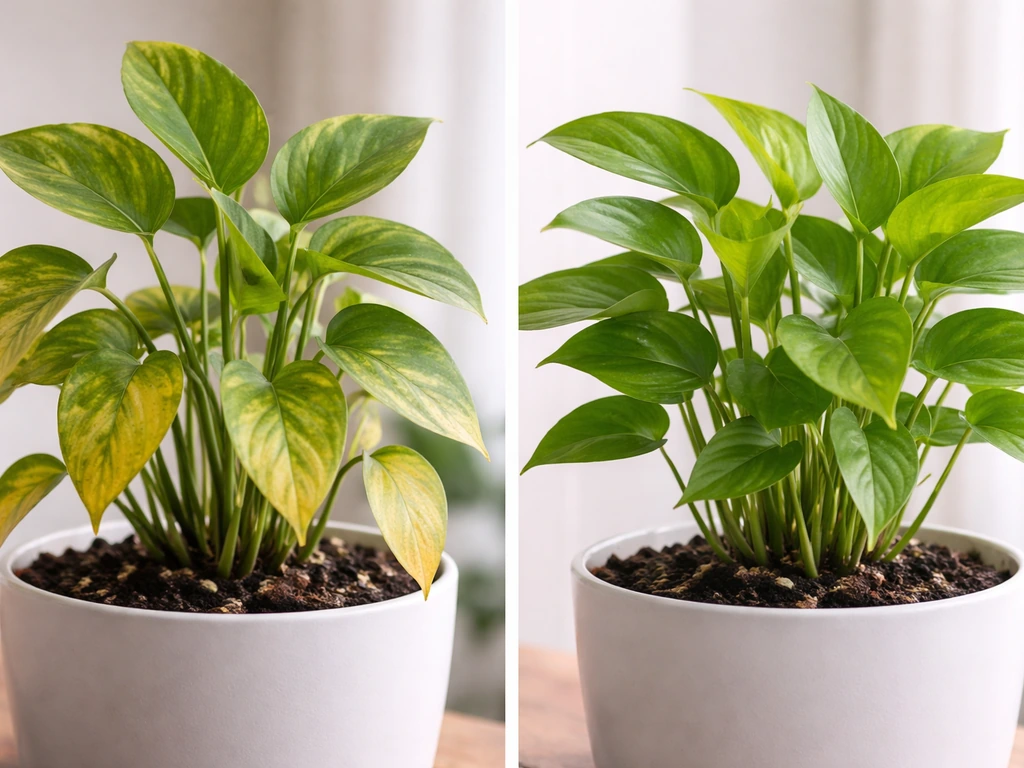
Yellowing is almost always a nutrient or pH issue. If the older lower leaves are yellowing first, suspect nitrogen deficiency: increase your nitrogen concentration toward the higher end of your target range (150 to 175 ppm N). If the new growth at the top is yellowing while lower leaves stay green, that is more likely iron or manganese deficiency, which is often caused by pH being too high (above 6.5), locking out micronutrients. Bring your pH back down to 5.8 to 6.0 and the problem usually resolves within a week. General overall yellowing with slow growth can also mean the water temperature is too cold: check your reservoir temp and make sure it is staying above 20 degrees Celsius.
Algae Blooms
Algae in a terrarium or hydroponic reservoir is almost always a combination of excess light and excess nutrients hitting the water surface or tank walls. Cover exposed water surfaces with dark material or foam to block light. Reduce phosphorus in your nutrient mix. If you are seeing green algae coating the inside of a glass tank, it is not harmful to the waterleaf but it does compete for nutrients and can clog reservoirs. A weekly wipe-down of tank walls and an opaque reservoir cover prevent most algae problems before they start.
Root Rot and Stem Melting
Soft, brown, mushy roots or stems that collapse at the base are signs of root rot, usually caused by poor oxygenation, standing water with no drainage, or water temperatures that are too warm (above 30 degrees Celsius in the reservoir). Fix it by increasing aeration (add or upgrade your air stone), improving drainage in the substrate, and trimming affected roots aggressively before they spread. Hydrogen peroxide (3 percent solution, a few milliliters per liter of reservoir water) can help knock back the pathogenic bacteria causing the rot, though it also knocks back beneficial microbes, so use it as a rescue measure rather than a routine treatment.
Fungal Issues and Pests
In a humid terrarium environment, fungal problems like gray mold (Botrytis) can appear on lower leaves, especially where leaves touch the substrate or overlap each other. Remove affected leaves immediately, improve airflow with a small fan, and make sure you are not harvesting right before a long period of darkness when wounds cannot dry. Fungus gnats are the most common pest in moist substrate setups: their larvae damage roots and can introduce disease. If you spot the small flies, let the top layer of substrate dry slightly between waterings, and consider adding a layer of sand on top to deter egg-laying.
Slow Growth or Leggy Plants
If your waterleaf is growing slowly or producing long stems with sparse leaves, the most likely culprits are insufficient light and insufficient nitrogen. Increase your photoperiod first (go to 16 hours if you are not already there), then check your nitrogen levels. Leggy growth in particular almost always points to the plant reaching for more light. Move your grow light closer or switch to a higher-output fixture. Waterleaf is a sun-hungry tropical plant: more light almost always equals more compact, productive growth in an indoor setup.
Getting waterleaf established in a terrarium or semi-aquatic system takes a little patience in the first two weeks, but once it roots and starts growing, it is genuinely one of the most rewarding plants you can run in a water-based indoor setup. Fast growth, frequent harvests, and the ability to thrive in the warm, humid conditions that many aquatic and hydroponic systems already maintain naturally make it an excellent addition to any aquatic grower's lineup.
FAQ
How can I keep the waterleaf from getting waterlogged when using a terrarium or hydroponic net pot?
If you want waterleaf to behave like a true terrarium plant (foliage above water, roots in moisture), keep the water level below the main root zone, and maintain a consistently wet medium rather than fully submerging stems. In a net-pot hydroponic approach, ensure the base of the stem stays above the water line, while roots are in the oxygenated nutrient reservoir.
Do I need to completely empty and refill the tank, or can I just add nutrients as it grows?
Generally no. Waterleaf is not usually grown by “fertilizing heavily once” and forgetting it, because pH and EC drift as nutrients are consumed. Use a diluted nutrient approach, monitor pH and EC, and make partial top-offs (with fresh water, not nutrient) between full reservoir changes.
What causes cloudy reservoir water, and how do I prevent it in waterleaf systems?
Aim for clean, low-sediment water sources and keep organics minimal. If the reservoir gets cloudy, has a film, or smells sour, oxygenation is not enough or the water is becoming contaminated, which can worsen root health. Also avoid pouring in leftover “nutrient leftovers” from earlier tests.
How do I know whether my EC is too high or too low if I do not have perfect meters?
With a planted terrarium, waterleaf can tolerate a higher EC than many plants, but beginners still benefit from staying lower (your 1.5 to 2.5 dS/m guideline). The practical sign to adjust is leaf color plus growth speed, if plants stay dark green but slow down, reduce nitrogen a bit, if growth is pale and sluggish, raise nitrogen toward the high end.
Is it better to root waterleaf cuttings in water first, or push them directly into substrate?
Yes, you can root cuttings in a jar first, but use clean, room-temperature water and change it when it becomes tinted or starts to smell. Only transfer once you see stable root nubs or short roots, otherwise the plant can be shocked when moved to a medium that drains differently than the jar.
Why do my waterleaf cuttings turn mushy before they root, and what should I change?
If the cuttings rot before rooting, it is usually too much moisture combined with low oxygen or foliage touching damp substrate. Strip lower leaves so they are not buried, keep the medium moist but not anaerobic, and improve airflow. If a cutting is mushy, remove it immediately to protect the rest.
How much airflow and fan use is safe in a sealed or semi-sealed terrarium?
Start by separating the systems by function, grow light for photosynthesis and fan or ventilation for airflow. A terrarium does not need constant strong wind, but it does benefit from gentle circulation, especially when humidity is high and leaves overlap. Use a timer-style fan schedule (for example, a few hours daily) rather than relying on natural convection.
My lights run 16 hours, but growth still stalls at night. What temperature issue should I check?
Temperature swings matter more than the average number. If your room nights drop, the reservoir may cool and slow rooting even when the tank warms during the day. Use the reservoir water temperature for your checks, and insulate the container if it is exposed to drafts or cold surfaces.
What are the warning signs that my plants are stressed by nutrients or light, not just normal growth?
For waterleaf, stunting plus yellowing is often nitrogen-related or pH-related, but leaf burn or crisp edges can indicate overly concentrated solution (EC too high) or direct light that is too intense at the plant surface. First verify pH and EC, then back off light height or nutrient strength before changing multiple things at once.
How do I prevent fungus gnats in a humid waterleaf terrarium?
For pests, fungus gnats are the big one in moist media. Preventive steps work better than treating adults, let the top layer of substrate dry slightly between waterings, and use a top-dress such as sand to reduce egg-laying. If larvae are already present, expect multiple days to weeks of improvement as you interrupt their life cycle.
When should I replace older waterleaf plants, and how do I decide based on plant condition?
If you plan to keep plants producing long term, replace or re-cut regularly. Even though the article mentions a three to four month replacement window, the better decision rule is plant vigor, if stems become woody, growth slows, and leaf size shrinks, restart from fresh cuttings while the current plants still look productive.