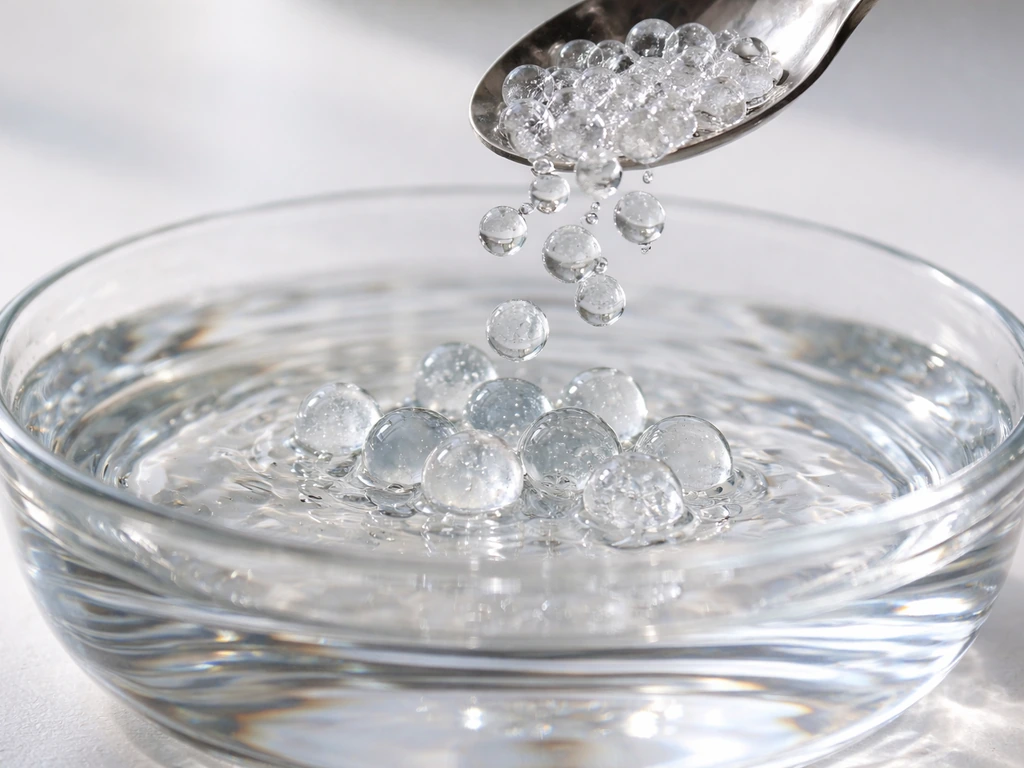
Drop dry jelly beads into a container of room-temperature water, use enough water to cover them with several inches to spare, and leave them alone for 4 to 6 hours (or overnight to be safe). GellyBall’s owners manual also advises straining the gel beads thoroughly of excess water before loading them into hoppers, and notes that [soaking overnight or longer periods is fine](https://s3. eu-west-1. amazonaws.
How to Make Jelly Balls That Grow in Water Step by Step
Marcus Holloway
28 Apr 2026
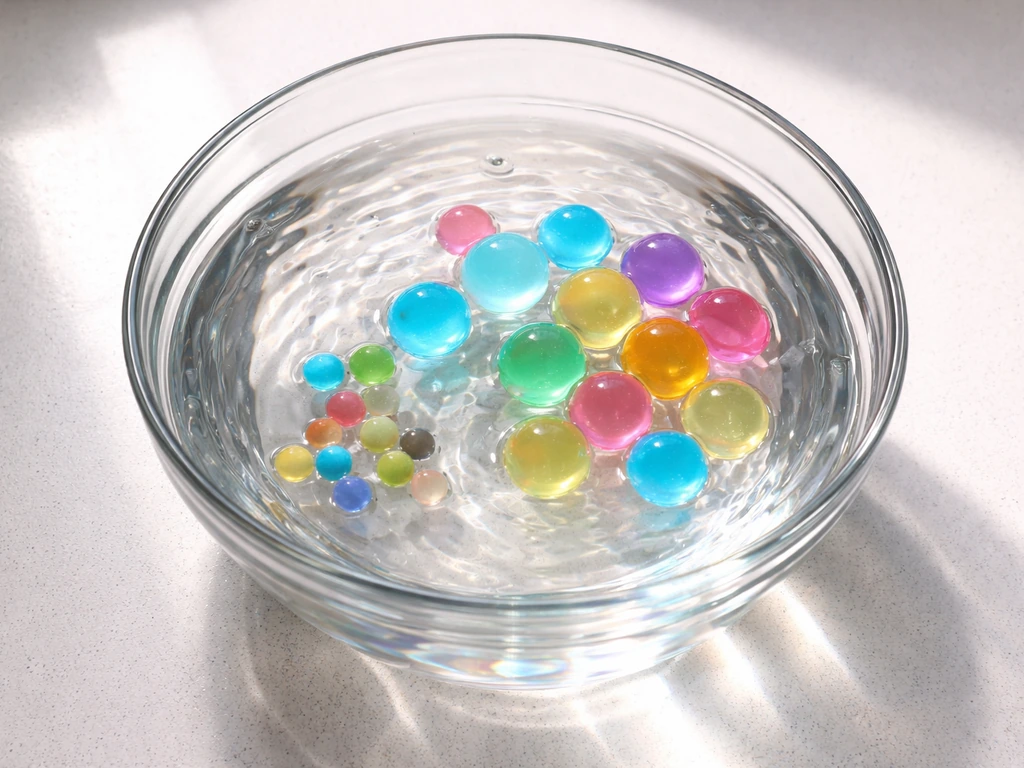
com/storage. quickbutik. com/stores/33389y/files/Gellyballmanual. pdf).
To learn the best conditions step by step for how to grow water balls, start with the hydration and activation process and keep the water at the right temperature. That's the core of it.
The beads are superabsorbent polymer (SAP) hydrogels that swell by pulling water into a cross-linked molecular network, and as long as you give them clean water at the right temperature and enough time, they'll reliably expand from tiny 2–3 mm pellets up to 7–10 mm spheres, sometimes growing to roughly 100 times their dry volume.
If you want the beads to increase in size as quickly as possible, follow the steps in our guide on how to make water beads grow. If you need the exact timing for how to grow water beads grow, use our guide and follow the water and soak conditions closely how to make water beads grow.
What jelly balls actually are and why they grow
Jelly balls, water beads, Orbeez, gel balls, hydrogel beads: they're all the same basic thing. Each bead is a tiny pellet made from a cross-linked superabsorbent polymer, usually an acrylic or acrylate-based hydrogel. The cross-linked structure is the key detail. The polymer chains are chemically bonded into a 3D network, which means when water contacts the bead, it gets drawn in by osmotic pressure and bound by hydrophilic groups on the polymer chains. The network expands to accommodate that water, but it doesn't dissolve because the cross-links hold everything together. The result is a soft, squishy, water-filled sphere that can absorb 300 to 500 times its own weight in water.
If the cross-linking in a bead is insufficient (usually a sign of a low-quality product), the polymer chains can partially dissolve instead of holding their structure. That's when you end up with mushy, disintegrating beads rather than firm spheres. It's the most common reason cheap bulk beads fall apart on you, and it's worth keeping in mind when choosing what to buy.
Choosing your materials: store-bought SAP beads vs DIY alternatives
For hobbyists and aquatic system growers, the most practical choice is always ready-made SAP hydrogel beads. They're inexpensive, widely available, and purpose-built to swell uniformly. Brands like Orbeez, Hdrason gel beads, and GellyBall-compatible beads are reliable options you can order online or find at hobby and craft stores. Post-March 2026, any water-bead product manufactured and sold in the US must comply with new CPSC federal safety standards, so stick to compliant products from reputable sellers. CPSC’s Small Entity Compliance Guide hub references a “Safety Standard for Water Beads” and provides Federal Register context for when these rule requirements take effect, around May 18, 2026 new CPSC federal safety standards for water-bead products effective around May 18, 2026.
DIY from scratch is much harder than it sounds. Making a true cross-linked SAP hydrogel requires synthesizing acrylic acid or acrylamide-based polymers with a crosslinking agent under controlled conditions. That's chemistry lab territory, not a kitchen project. Some people try agar, gelatin, or konjac gel as substitutes, but these don't absorb water in the same way and won't produce the classic expanding sphere effect. If your goal is the satisfying grow-in-water result, buy the real beads. If your goal is an aquarium plant substrate or a hydration medium for growing semi-aquatic plants, plain commercial water beads do the job well and cost very little.
| Material | Expansion behavior | Integrity | Best for | Verdict |
|---|---|---|---|---|
| Commercial SAP beads (Orbeez, gel balls) | 100x volume, 7–10 mm spheres | Firm, stays intact with quality product | Aquarium decor, plant media, experiments | Best choice |
| Budget bulk beads (unbranded) | Variable, often under-expands | Can dissolve or mush if poorly cross-linked | Only if from a tested source | Use with caution |
| Agar/gelatin DIY gels | Swells slightly, doesn't form beads | Dissolves or breaks apart quickly | Not suitable for this use | Not recommended |
| Konjac or starch gels | Absorbs some water, no real expansion | Poor structural integrity in water | Not suitable for this use | Not recommended |
Step-by-step: how to hydrate and activate jelly balls
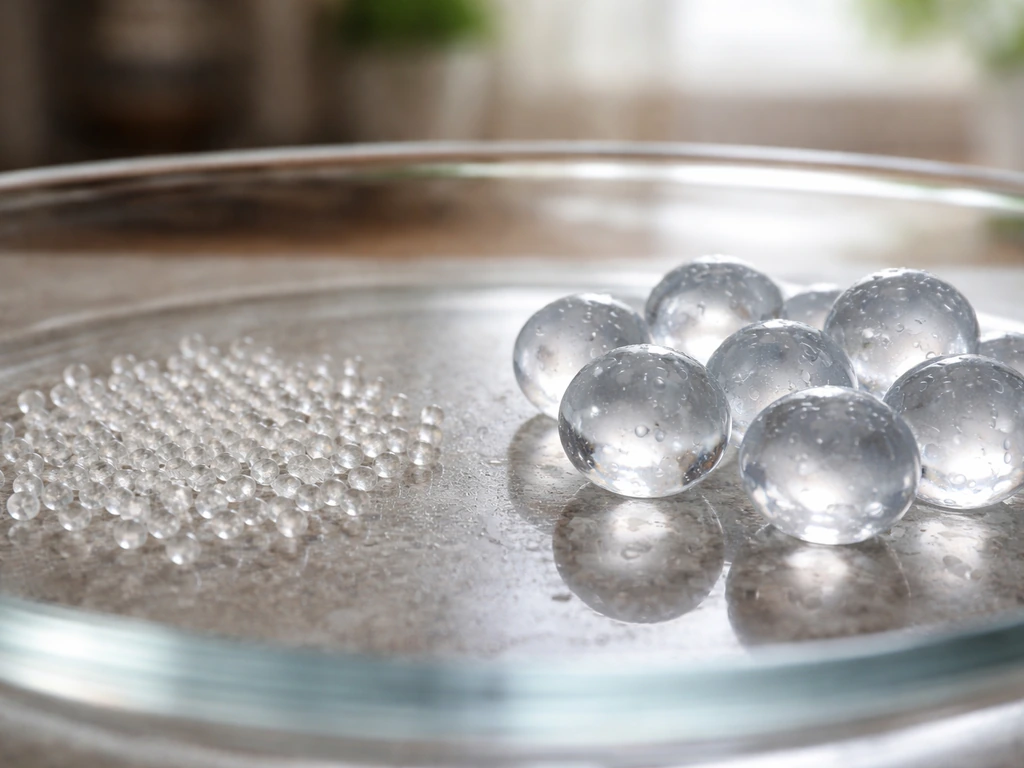
The process is simple, but the details matter. For an even more targeted soak plan, see our step-by-step how to grow gummy bears in water guide. Rushing or using the wrong water conditions is what causes most failures. Once you’re ready to hydrate them, you can focus on the conditions that make water beads grow at a consistent rate, like using room-temperature, clean water and giving them enough time to fully swell how to make water beads grow.
- Pick a container with plenty of room. Dry beads expand dramatically, so a small handful of dry pellets can fill a large bowl. Use a container at least two to three times the volume you think you'll need.
- Fill the container with clean room-temperature water first, then add the dry beads. Adding water to a pile of dry beads leads to clumping, where beads stuck together can expand unevenly or fuse at the contact points.
- Use distilled or clean tap water at 18–25°C (64–77°F). This is the sweet spot for swelling speed without risking bead damage.
- Add enough water to submerge the beads with several inches of water above them. As they expand, they'll absorb a lot of that water, so more is better than less. A ratio of roughly 1 tablespoon of dry beads to 1–2 liters of water works well for most commercial bead products.
- Leave the container undisturbed. Stir gently once after about 30 minutes to separate any beads that have stuck together early in the swelling process.
- Wait. At room temperature, most commercial beads reach full expansion in 4 to 6 hours. GellyBall-type products recommend at least 3 hours; gel blaster bead manuals specify at least 2 hours submerged. Soaking overnight guarantees full expansion and is the most reliable approach.
- Drain off the excess water once beads are fully swollen. They should be firm, round, smooth, and roughly uniform in size. Any beads that are still very small after 6+ hours are likely low-quality and won't expand further.
Water setup and conditions that actually matter
Temperature is the biggest variable most people overlook. Cold water (below 15°C) slows swelling significantly, pushing soak times to 6 hours or more. Hot water sounds like a shortcut but it can damage the polymer network, making beads brittle and prone to breaking under pressure. Some guides suggest warm (not boiling) water can speed expansion to 2–3 hours, but the risk of fragile beads isn't worth it unless you're in a real hurry and don't mind some losses. Stick to room temperature water and you'll get consistent results every time.
Water quality matters too, especially if you're planning to use the expanded beads in an aquarium or plant-growing setup. Tap water works fine for most applications, but be aware that minerals and dissolved salts in hard tap water can reduce swelling capacity compared to distilled or RO water. Salt ions compete with the osmotic pressure mechanism that drives water uptake, so beads soaked in hard water may end up slightly smaller than their maximum size. For aquatic hobbyists using the beads as a substrate or decoration in a tank, soaking in dechlorinated water is the better call so you're not introducing extra chlorine into your system.
| Condition | Recommended value | Effect of getting it wrong |
|---|---|---|
| Water temperature | 18–25°C (64–77°F) | Cold slows expansion; hot damages polymer, causes brittle beads |
| Soak time | 4–6 hours minimum, overnight ideal | Under-soaking leaves hard, under-expanded pellets |
| Water volume | 1 tbsp dry beads per 1–2 liters water | Too little water starves expansion; beads stay small |
| Water type | Clean tap or distilled (dechlorinated for aquarium use) | Hard/saline water reduces max swelling capacity |
| Water pH | Neutral to slightly alkaline (pH 6–8) | Extreme pH alters swelling rate and bead integrity |
Troubleshooting when things go wrong
Beads won't expand or are still tiny after hours
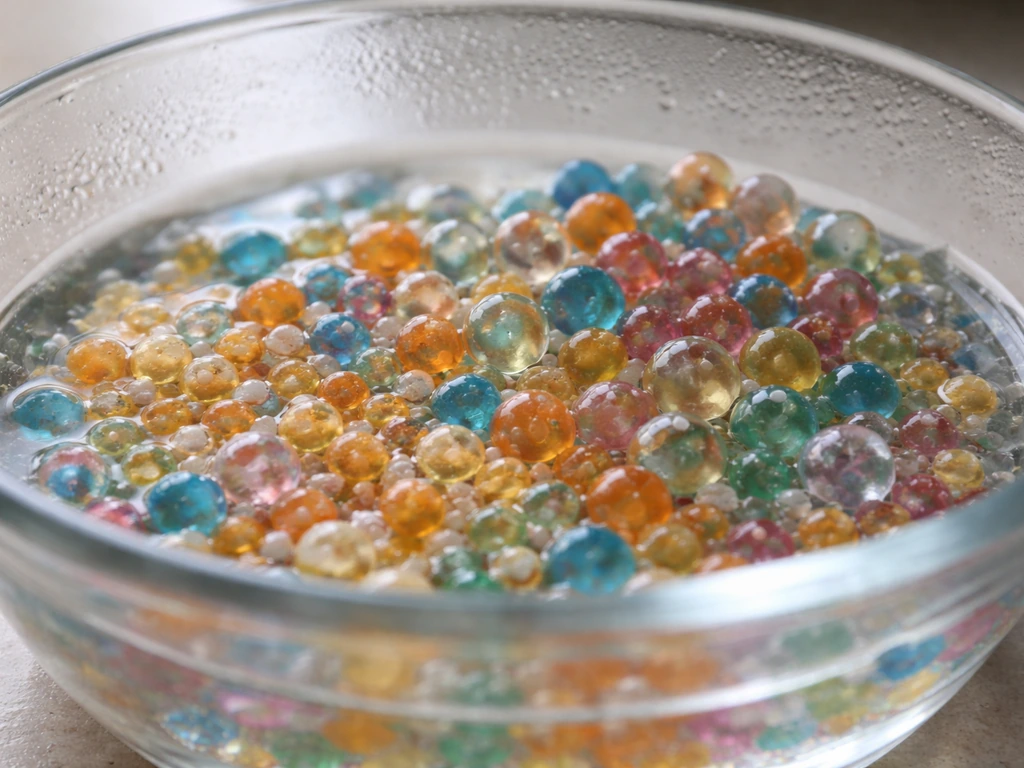
The most common culprit is not enough water. If the beads absorb all the available water before reaching full expansion, they stop growing. Add significantly more water and give them another few hours. The second cause is cold water: if your room or tap water is below 15°C, expansion slows to a crawl. Move the container somewhere warmer or use slightly warmer water (around 22–25°C). If beads are still tiny after 8 hours in the right conditions with plenty of water, the product quality is the problem. Low cross-link density means they just don't have the capacity to expand properly.
Beads are clumping together
Clumping happens when dry beads are piled together and water is poured on top, causing them to stick as they start swelling. Fix it by adding beads to the water (not the other way around), and stir gently within the first 30 minutes of soaking. If you already have a clump, submerging it in a fresh container of water and giving it time is usually enough to get the beads to separate and fully expand individually.
Beads are mushy, breaking apart, or dissolving
This is a cross-linking problem with the beads themselves. When the polymer network doesn't have enough cross-links to hold its structure, the chains partially dissolve and you get a gel mess instead of firm spheres. There's no fix for it once it's happening. Switch to a reputable brand. Hot water can also cause this, so if you used hot water to speed things up and your beads are now falling apart, that's likely why.
Beads expanded but are uneven in size
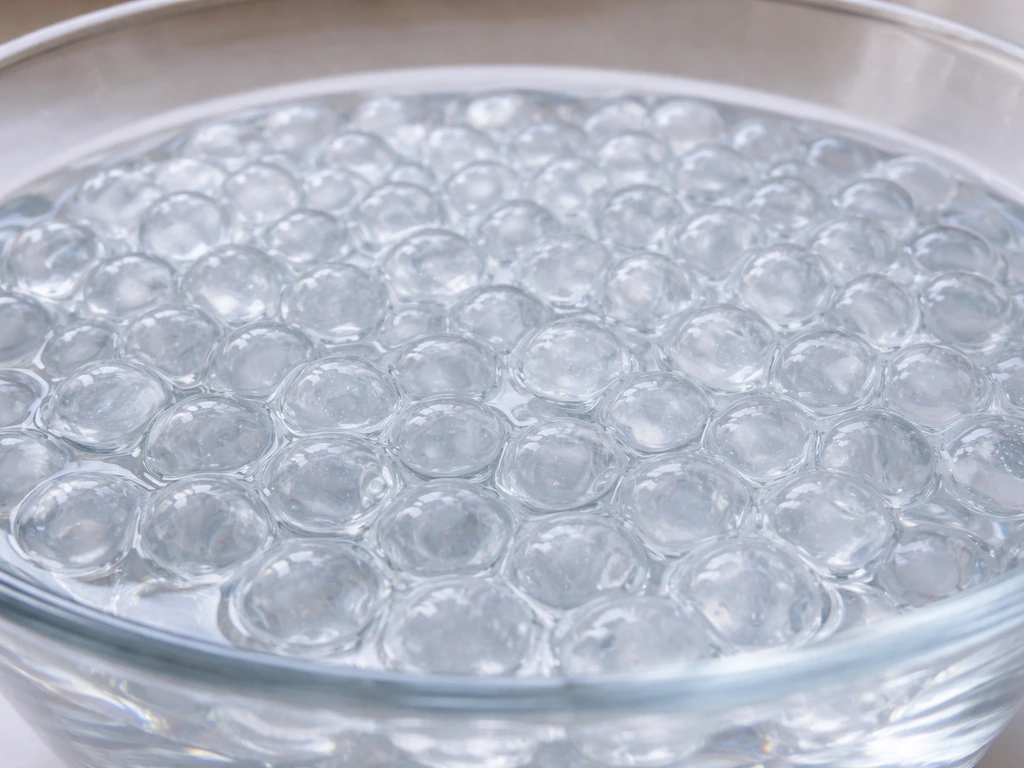
Uneven sizing usually means inconsistent water exposure: some beads got more water than others, or clumps prevented even hydration. It can also happen with beads soaked in hard or saline water, where mineral ions interfere unevenly. Redunking everything in fresh clean water for another hour often evens things out. Some size variation is normal even with good products, so don't expect perfect uniformity.
Beads expanded too slowly
Slow expansion is almost always a temperature issue. Move the container to a warmer spot, around 22–25°C, and be patient. Don't compensate with hot water; you risk damaging the polymer. If you're in a hurry, using slightly warm (not hot) water around 30°C can reduce the time to 2–3 hours for most products, but check on them more frequently to make sure they're not getting brittle.
Storing, reusing, and safely disposing of your jelly balls
Storing dry beads
Unused dry beads store indefinitely in a sealed container kept in a cool, dry place. Moisture is the enemy here: even ambient humidity can start the swelling process, so an airtight bag or container is important. There's no expiration date on properly stored SAP beads, which makes them a practical shelf item for aquatic hobbyists who use them periodically as substrate, vase filler, or water-retention media for semi-aquatic plants.
Reusing expanded beads
One of the most useful things about SAP beads is that they're reusable. If you let expanded beads dry out completely, they shrink back down to nearly their original dry size. You can then re-soak them and they'll expand again. The number of reliable reuse cycles depends on product quality, but good-quality beads can go through this expand-dry-expand cycle multiple times. If you're using them in an aquatic plant or hydroponic setup, note that repeated reuse can degrade swelling capacity over time as the polymer network gradually breaks down. Rinse beads with clean water before reuse to remove any accumulated salts, biofilm, or debris.
Using expanded beads in aquarium or hydroponic systems
Expanded SAP beads are generally considered inert once fully hydrated and are used in aquarium-style displays and as a growing substrate for certain semi-aquatic and aquatic plants. That said, a few things are worth knowing before you drop them into a live system. Rinse newly expanded beads thoroughly in dechlorinated water before adding them to a tank. Some cheaper beads contain dyes or additives that can leach into the water column.
Uncolored or plant-specific water beads are the safest bet for live setups. Also, avoid introducing beads that have been soaked in water containing fertilizers or chemicals back into a system with fish or invertebrates without a thorough rinse. This connects to broader aquatic growing practices: just as you'd treat any new substrate carefully before adding it to a cycled tank, treat water beads the same way.
Disposal
Never pour expanded jelly beads down a drain. Expanded SAP beads can swell further in moist drain pipes and cause blockages. Let spent beads dry out completely first, then dispose of them in the trash. Alternatively, expanded beads can be mixed into soil in an outdoor garden as a water-retention amendment, which is actually one of the legitimate agricultural uses for SAP materials. Do not add them to aquarium waste water systems or pour bead-containing water into drains. Keep them away from young children and pets during use: ingestion is a serious hazard, as SAP beads can continue swelling inside the body, and the CPSC has issued strong warnings about this risk specifically for children under five.
A quick note on related projects
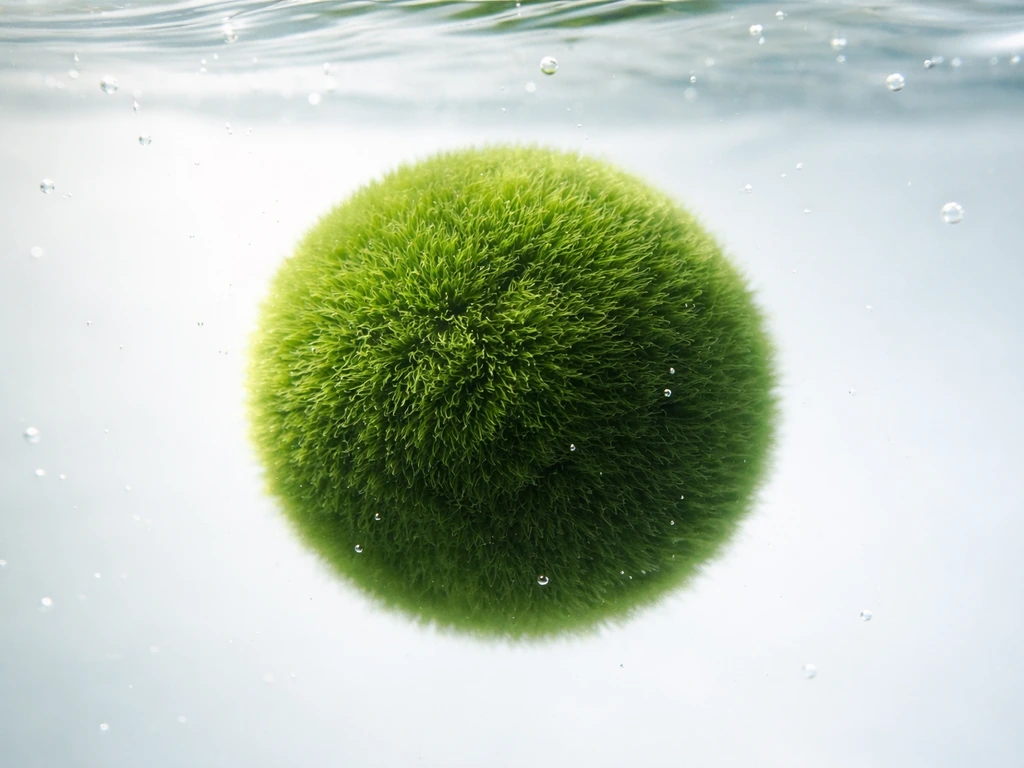
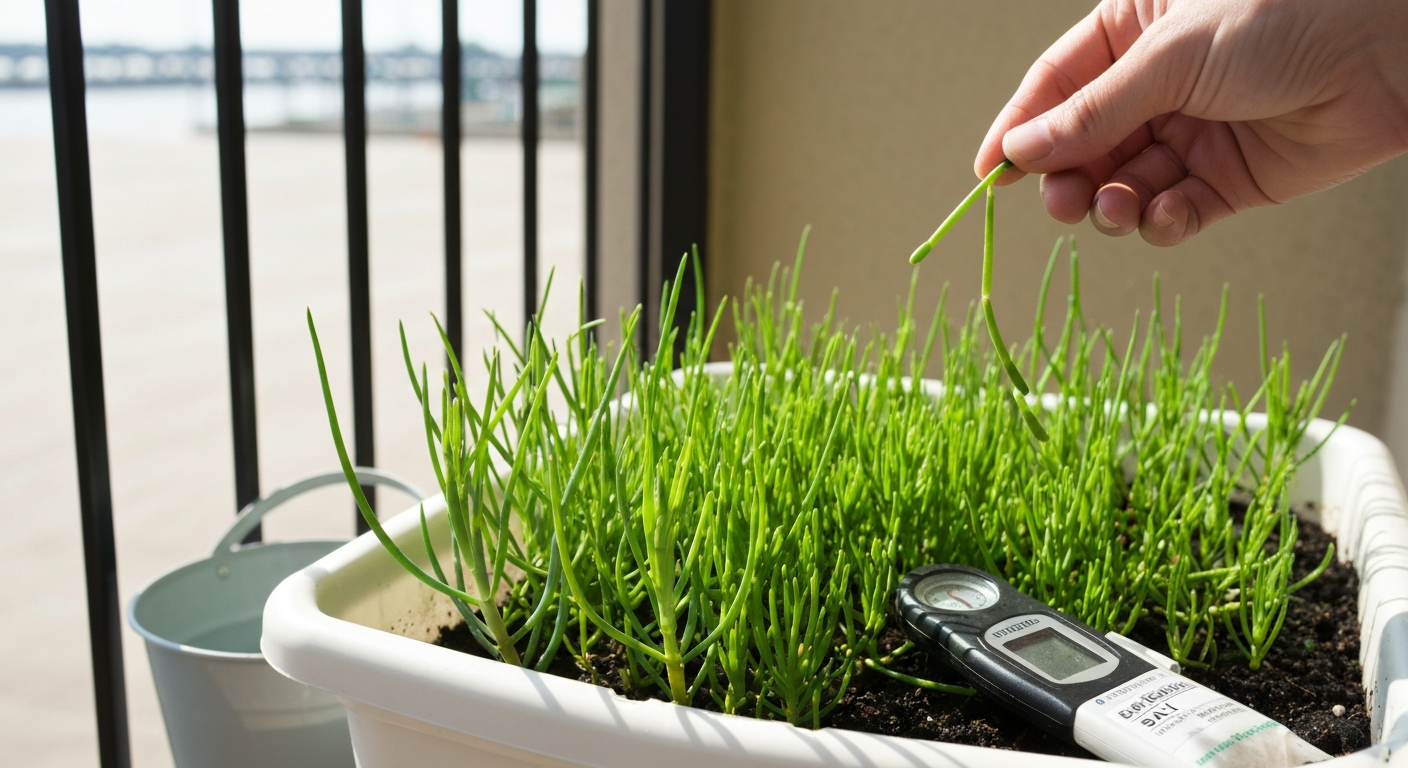
If you're exploring water-based growing media more broadly, water beads are one point on a bigger spectrum of aquatic cultivation options. Growing marimo moss balls involves a very different mechanism (live algae, not polymer), and projects like growing water soldiers or working with other aquatic species in water-based systems each have their own conditions and requirements. The expanding behavior of jelly beads is also closely related to how standard water beads behave in hydroponic and semi-aquatic plant setups, where the beads act as a moisture-retaining substrate rather than just a decorative element.
FAQ
How do I prevent jelly balls from expanding past the size I want?
Control total soak time and water temperature. Check the bead diameter at the 4 hour mark, then move to a fresh container of the same temperature water only if you still need more growth. Also keep the initial water volume much higher than the expected final volume, otherwise growth can stop early and give inconsistent final sizes.
What water should I use if I want to put the beads in an aquarium or near fish?
Use dechlorinated water and consider using RO or distilled water for soaking first, then rinse in dechlorinated tank water. Hard tap water can reduce maximum swelling, and some products may release dyes or additives, so a thorough rinse before adding to a live tank matters.
Why do my beads look cloudy or have strings forming in the water?
Cloudiness can come from fines or polymer dust, especially with lower-quality beads, and clumps can create stringy gel fragments as parts partially dissolve. Pour off the first soaking water, gently rinse, then submerge again in clean water for about an hour to let the beads separate and settle.
Is it safe to mix different brands or pellet sizes together?
It can work, but it often leads to uneven growth because different products have different cross-link densities and swelling rates. If you mix, expect size variation, and consider sorting by size before soaking if you want more uniform results.
How can I speed up growth without making the beads brittle?
Aim for a controlled warm room target around 22 to 25°C instead of using hot water. If you try warmer water (around 30°C), monitor frequently and remove them as soon as they reach your desired size, because higher temperatures increase the chance of network damage and bead breakage.
What should I do if the beads are stuck together in one large lump after soaking?
Transfer the clump to a larger container filled with clean water at the same temperature, then let it sit undisturbed for at least an hour. After that, gently stir or swish the container to break surface sticking, then rinse once before continuing to soak to avoid carrying dissolved residue.
Can I reuse jelly balls more than once, and how do I keep reuse from going bad?
Yes, but only if you dry them fully, then re-soak, and rinse before reuse to remove salts, debris, or biofilm. After multiple cycles, swelling capacity can drop because the polymer network gradually degrades, so you may see smaller final sizes and softer texture.
Will soap, sanitizer, or residue from containers affect the beads?
Yes. Surfactants or leftover cleaning chemicals can interfere with water uptake and make beads swell unevenly or shed material. Use a clean container with no detergent or sanitizer residue, and rinse the container well before starting the soak.
How do I store dry beads to stop premature swelling?
Keep them sealed and as dry as possible. Store in an airtight bag or container with minimal headspace, away from humid areas like bathrooms or near humidifiers, because even ambient moisture can start gradual hydration over time.
What is the correct way to dispose of used jelly beads?
Do not pour expanded beads down drains, since they can continue swelling in pipes. Dry them completely first, then dispose in household trash, or mix dried SAP into outdoor soil as a water-retention amendment. Do not add bead-containing soak water to sensitive wastewater or aquarium systems.