You can grow kinchay (Chinese chives, Allium tuberosum) in water using a simple hydroponic setup, and it works surprisingly well. The plant is a clump-forming perennial with flat, grass-like leaves that grow up to about 12 inches long, and because it regrows from the same crown after each cut, a single planting can keep feeding you for months. The best beginner approach is a deep-water culture (DWC) jar or tote with an air pump and air stone to keep the roots oxygenated. Avoid the Kratky static method for kinchay unless you can keep your room temperature cool and you are very consistent with maintenance. A little airflow, the right nutrient mix, and decent light are all you really need to get this going on a kitchen counter or under a grow light.
How to Grow Kinchay in Water: Setup, Care, and Harvest
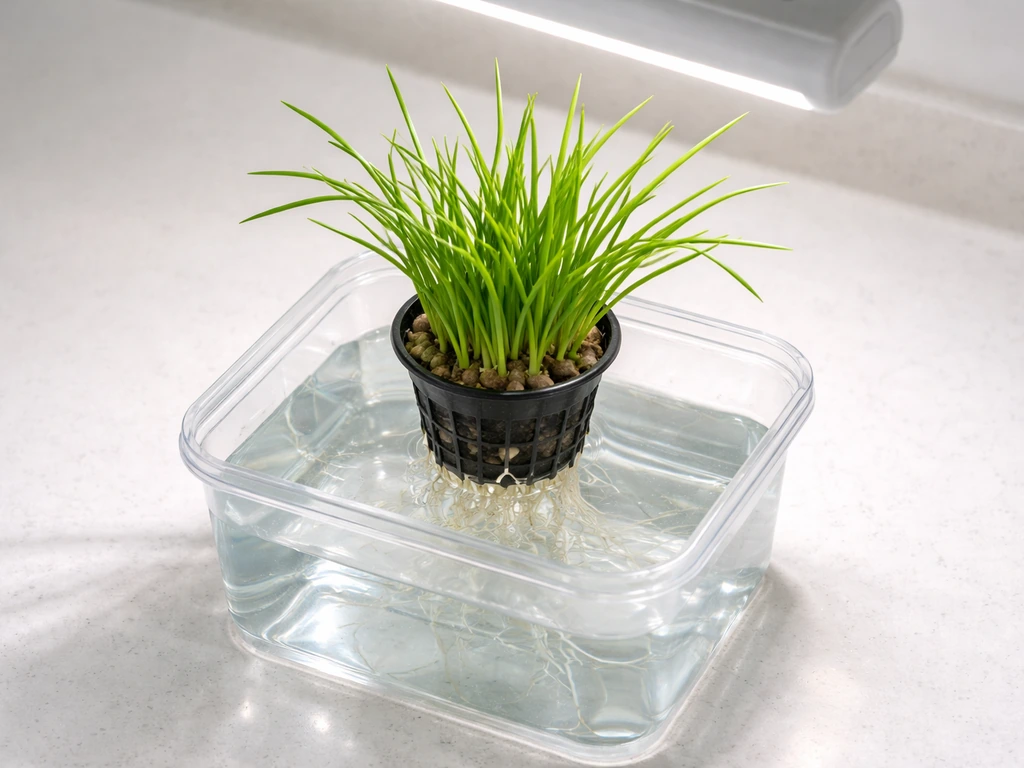
What kinchay actually is and why water culture suits it
Kinchay is the Filipino name for Chinese chives, also called garlic chives. Botanically it is Allium tuberosum, a close relative of standard chives but with a mild garlic flavor instead of an onion bite. Each plant grows from a stout rhizome and typically produces 4 to 9 flat leaves per crown. It is a true perennial, meaning the crown lives on after harvest and pushes out new leaves. That regenerative growth habit makes it ideal for hydroponic water culture, where you can harvest the leaves, leave the crown in place, and watch new growth emerge within 1 to 2 weeks.
Water culture suits kinchay for the same reasons it suits pechay and gotu kola: the plant does not need deep soil to anchor a taproot, the crown sits at the waterline naturally, and nutrient delivery through solution is efficient enough to push fast, tender leaf growth. Gotu kola can be grown in water too, but it needs bright light and careful nutrient and oxygen management to keep the roots healthy water culture suits kinchay for the same reasons. If you want the same approach for pechay, keep the water oxygenated, maintain a steady light schedule, and use leafy-greens nutrients at a safe pH. The flavor from water-grown kinchay is slightly milder and more tender than soil-grown, which many cooks actually prefer for fresh garnishing and soups. Expect slightly less pungency but higher leaf moisture content compared to field-grown.
Picking your container, water type, and system style
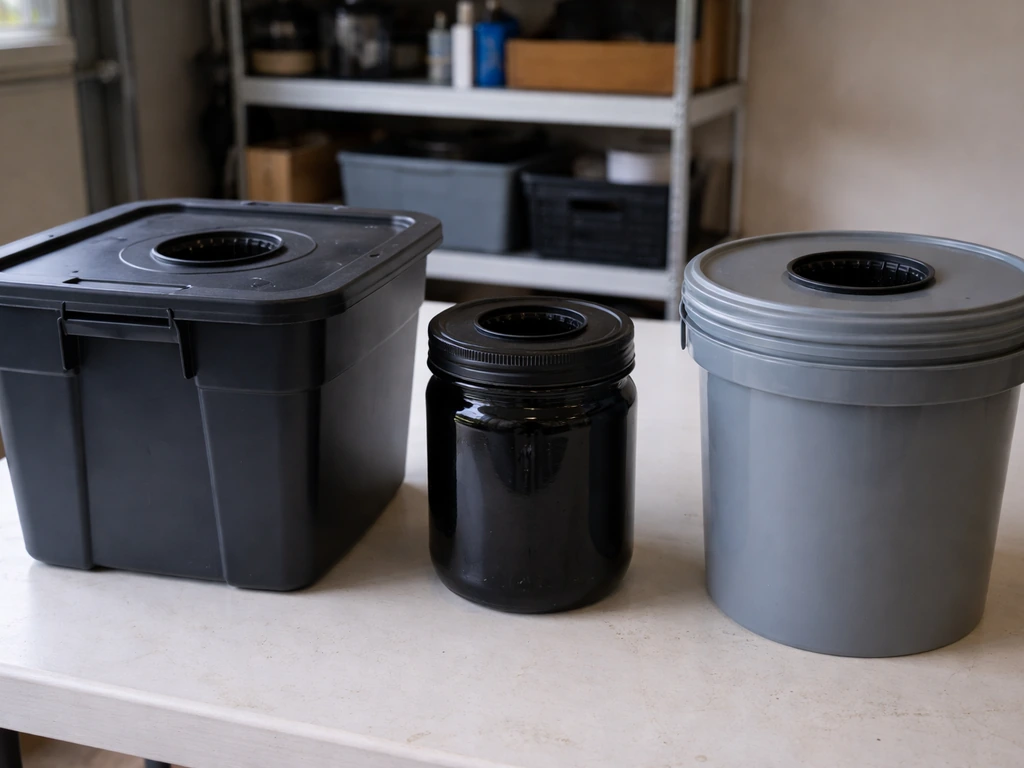
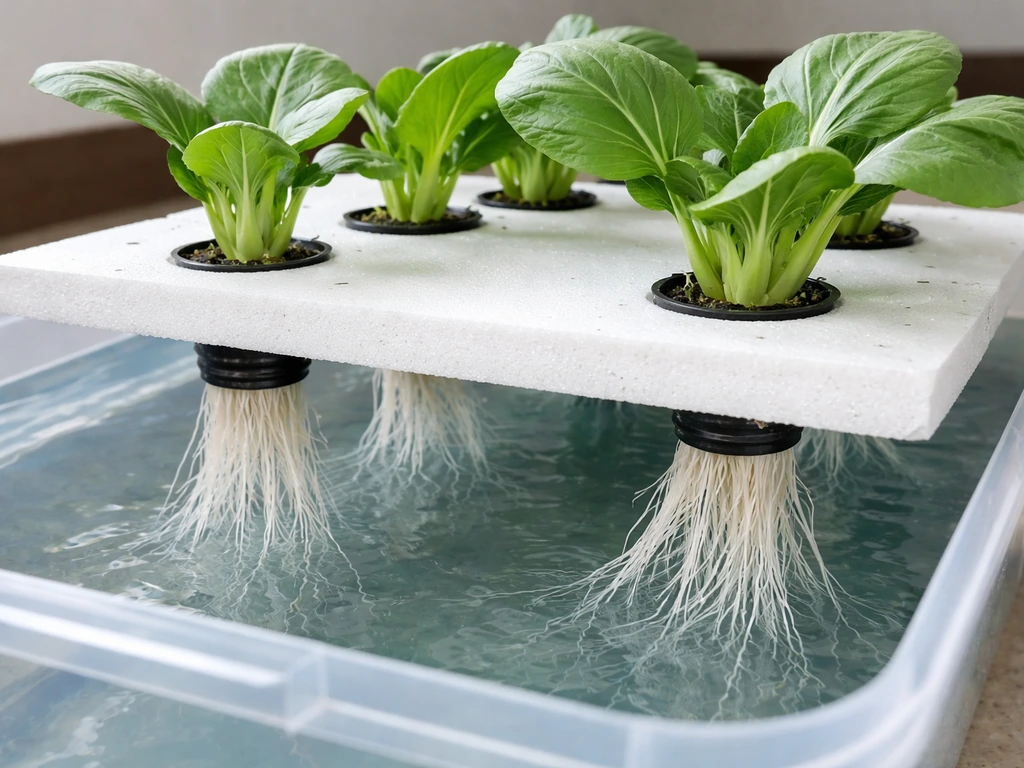
Your container choice matters more than most guides admit. The key requirements are: opaque walls to block light from reaching the nutrient solution (light causes algae), enough depth for roots to hang freely (at least 4 to 6 inches of water depth), and a lid or net pot setup that suspends the crown just at the waterline. For taro in a pond, you want similarly stable water conditions and protection from direct sunlight so the root zone stays healthy opaque walls to block light from reaching the nutrient solution. A wide-mouth mason jar wrapped in black tape works fine for one or two plants. A dark-colored plastic storage tote (10 to 20 liters) fitted with net pot lids is better for a small batch of 6 to 12 crowns.
Water type to use
Use filtered tap water or plain tap water that has sat out for 24 hours to off-gas chlorine. Distilled water works but costs money and lacks any mineral baseline. Hard tap water with high calcium and magnesium content can throw off your nutrient ratios, so if your water tastes chalky or leaves scale in your kettle, use filtered water. Avoid well water with unknown mineral content unless you test it first.
System options compared
| System | How it works | Best for | Main risk |
|---|---|---|---|
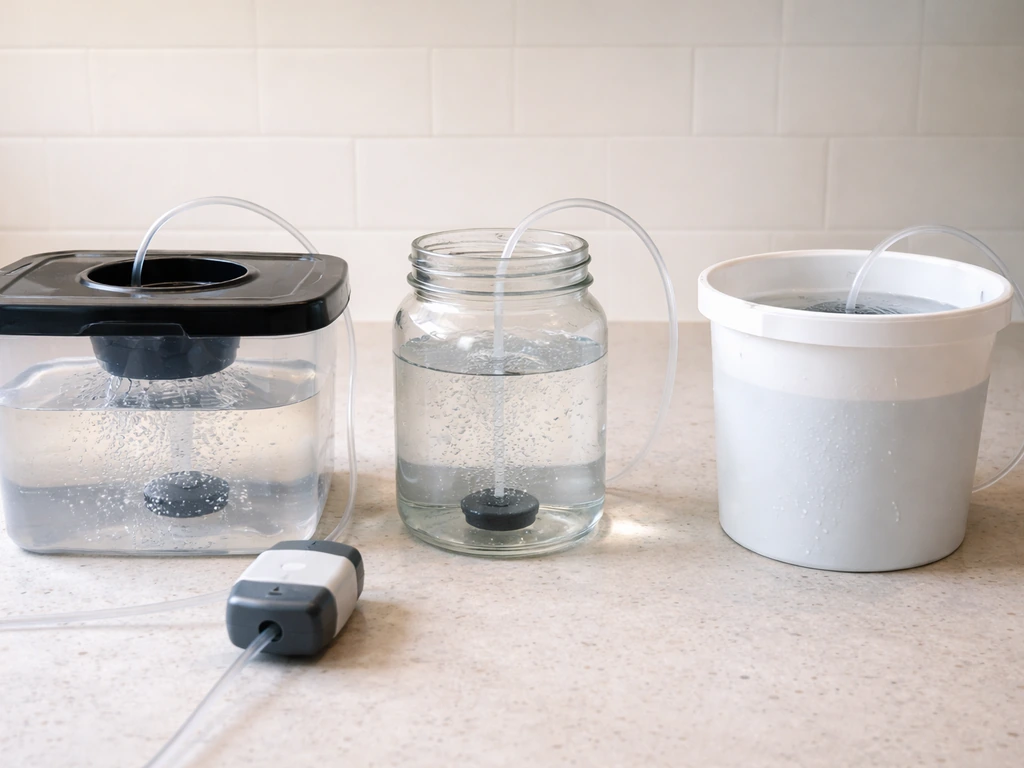
| DWC jar/tote with air pump | Roots hang in aerated nutrient solution; air stone keeps oxygen up | Beginners, small batches, countertop setups | Power outage drops oxygen; reservoir heats in warm rooms |
| Kratky (no pump, static jar) | Roots access an air gap above static solution | Very casual setups, minimal equipment | Root rot if room is warm or solution stagnates; needs perfect maintenance |
| Raft/float system (DFT-style) | Polystyrene raft floats plants on shallow, aerated reservoir | Batches of 6 or more crowns, slightly more serious setup | Root mass can get large and crowd the reservoir |
| NFT (nutrient film technique) | Thin film of solution flows through angled channels past roots | Experienced growers, dedicated grow area | Kinchay roots grow large fast and can clog narrow channels |
For most home growers, the DWC tote with an air pump is the sweet spot. It is cheap, easy to assemble, and forgiving enough for beginners. I tried Kratky for kinchay once during a warm Philippine summer and lost two out of three jars to slimy roots within three weeks because the room temperature was consistently above 28°C. The moment I added an air stone the surviving jar recovered fast. Go with air-assisted DWC unless you can keep your room below 24°C reliably.
Starting from seeds vs. cuttings: what to actually do
Starting from seeds
Kinchay seeds are small and a little slow. Radicle (root tip) emergence happens around 2 to 5 days after sowing under warm, moist conditions, but full germination and seedling establishment take longer. Budget 10 to 14 days before you see consistent seedling emergence. Because seedlings are so small and fragile at first, do not put them directly into the hydroponic reservoir. Germinate them first in a moist medium, then transfer when strong enough.
- Soak seeds in room-temperature water for 8 to 12 hours to speed up germination.
- Spread seeds on a damp paper towel or in small rockwool cubes or peat plugs. Keep moist but not waterlogged at 20 to 25°C.
- Once radicles emerge (day 2 to 5), transfer to net pots filled with hydroton clay pebbles or rockwool, keeping the seed just below the surface of the growing medium.
- Place net pots over a shallow tray of plain water (no nutrients yet) for the first two weeks while seedlings establish.
- When seedlings are 4 to 6 cm tall and roots are visible hanging from the net pot, move to your main nutrient reservoir. Research protocols transplanted Chinese chive seedlings at about 2 months old for DFT systems, but home growers can move them earlier as long as roots are actively growing.
Starting from cuttings or market bunches
This is the faster route. Buy a fresh bunch of kinchay from the wet market or grocery store, one with the root base still attached (look for the white, slightly bulbous crown at the bottom). Trim the leaves back to about 4 to 5 cm above the crown, place the crown in a net pot or small container so the roots hang into water (plain tap water to start), and set it somewhere with indirect light. Within 3 to 5 days you will see new leaf tips pushing up. Once the roots look active and white, move to your nutrient solution. This method skips the seed stage entirely and gets you to first harvest in as little as 2 to 3 weeks.
Getting the plants into the system
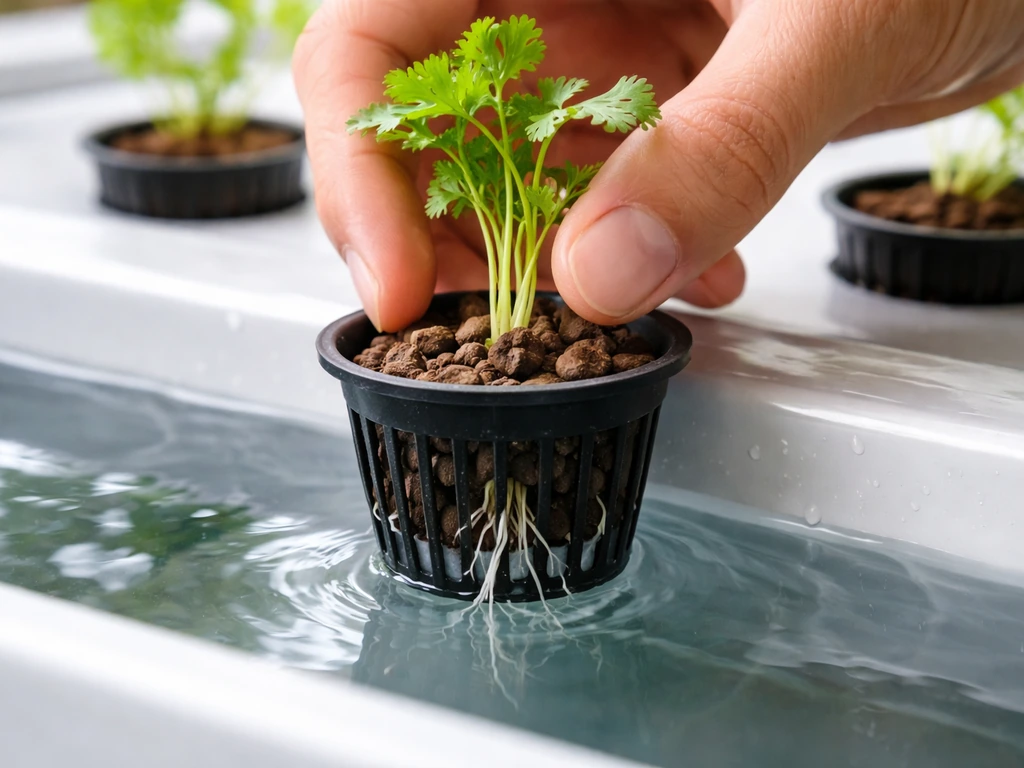
- Fill your reservoir with prepared nutrient solution (see next section for ratios).
- Set the solution level so it just touches the bottom of the net pots or sits about 1 cm below the crown base. The air gap above the solution is important for Kratky; for DWC with an air stone, roots can sit fully submerged.
- Space crowns at least 8 to 10 cm apart to allow leaf spread and airflow.
- Top up with plain pH-adjusted water between reservoir changes as evaporation drops the level.
Nutrients, light, temperature, and keeping water alive
Nutrient solution
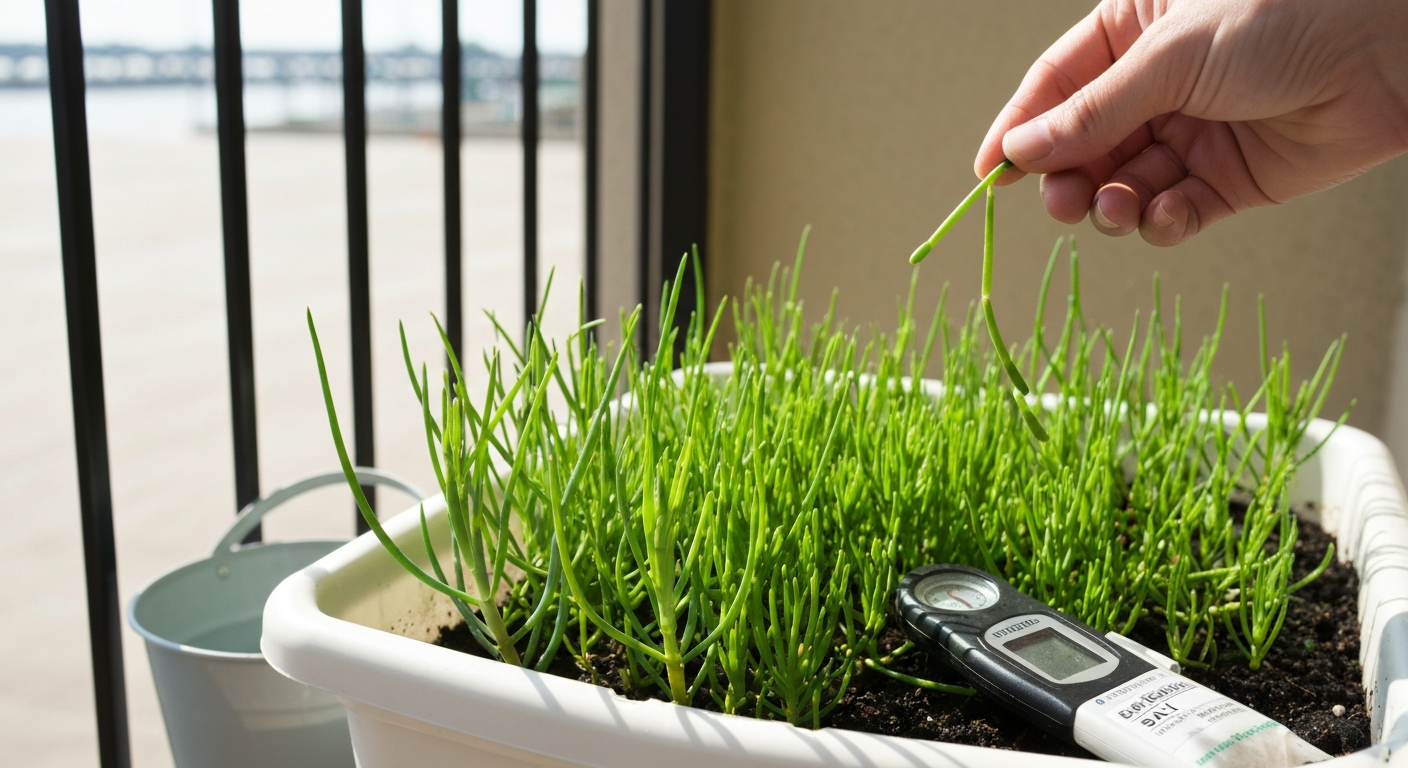
Target an electrical conductivity (EC) of 1.2 to 1.8 mS/cm and a pH of 6.0 to 6.5. Research specifically on hydroponic Chinese chive tested pH levels from 4.5 to 7.5 and found that growth performance tracked closely with pH management. Staying in the 6.0 to 6.5 range keeps nutrient ions available without tipping into toxicity or deficiency territory. General hydroponic references for leafy herbs suggest keeping nutrient-solution pH around 5.5 to 6.5, so this range is well-supported and safe to use as your baseline.
For the nutrient solution itself, use a pre-mixed hydroponic nutrient formula designed for leafy greens (brands like General Hydroponics, Masterblend, or local equivalents all work). Mix according to the manufacturer's directions for leafy greens at the lower end of the recommended dose to start, then dial up if you see slow growth. A 2-part or 3-part formula that includes nitrogen, phosphorus, potassium, calcium, and magnesium is all you need. Check and adjust pH after mixing, since adding nutrients almost always drops pH.
Light
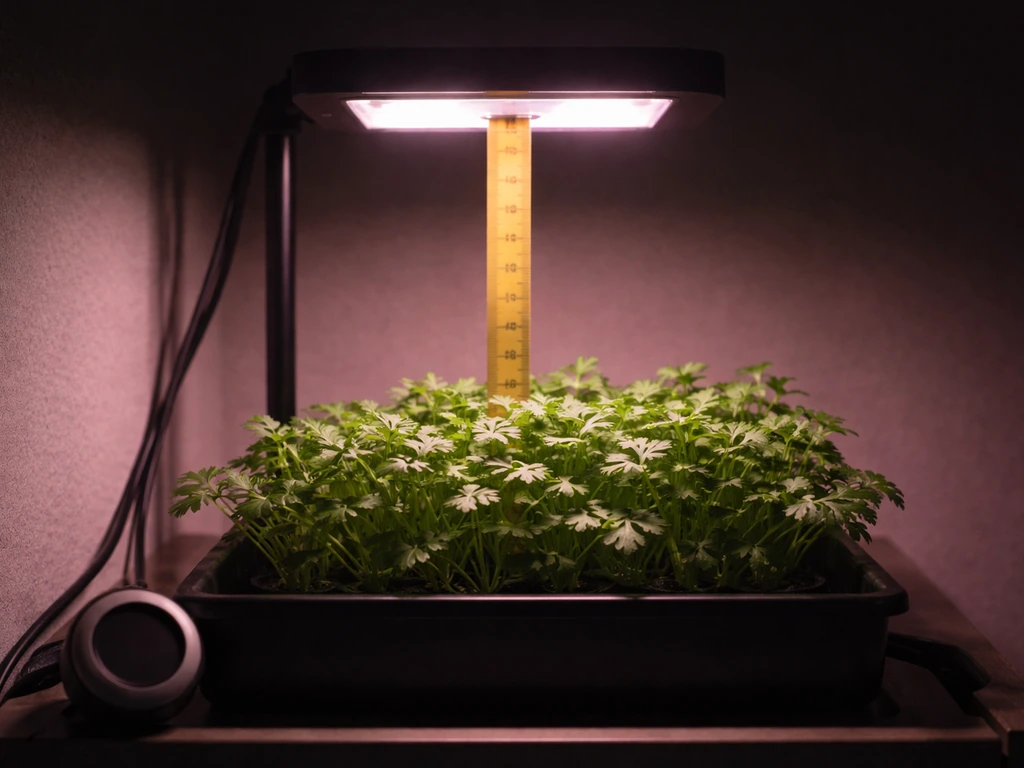
Kinchay needs 12 to 16 hours of light per day for strong, upright leaf growth. A dedicated hydroponic LED grow light positioned 20 to 30 cm above the plant canopy is ideal. If you are growing near a south or east-facing window in the tropics, you may get enough natural light in summer months, but supplemental light almost always speeds things up. Research on hydroponic Chinese chive used a 10 to 14 hour light/dark photoperiod under LED lamps, and that is a perfectly workable target if you want a conservative baseline. Set a timer and stick to it: consistent photoperiod matters more than peak intensity for leafy herbs.
Temperature
Keep air temperature between 15 and 22°C for best results. This is the documented sweet spot for hydroponic herb production and aligns with field guidance for Allium tuberosum. In tropical home environments where temperatures regularly hit 28 to 32°C, growth is still possible but slower, and root pathogen risk goes up significantly in warm reservoirs. If you cannot cool the room, at minimum keep the reservoir out of direct sunlight, wrap it in insulating material, and make sure your air stone is working hard. Water temperature above 24°C (75°F) is a known risk factor for brown, slimy roots in stagnant conditions.
Oxygenation and water flow
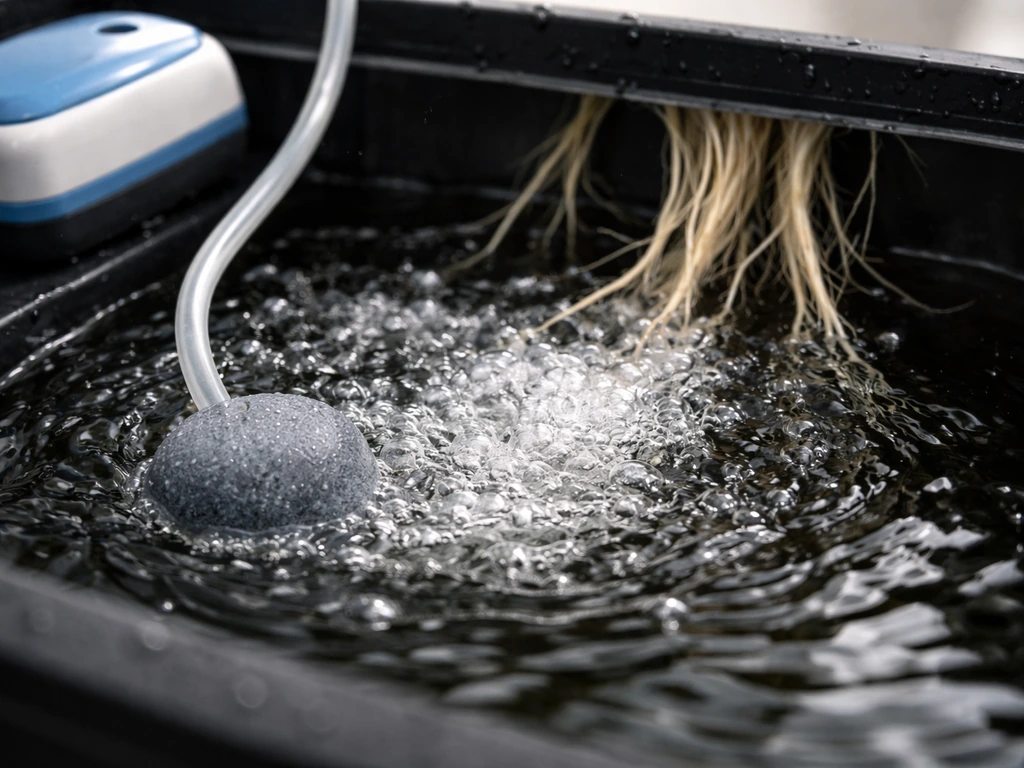
This is non-negotiable for water-grown kinchay. Stagnant, low-oxygen water is the single biggest killer in home hydroponic setups. Run an aquarium air pump with one or two air stones in your reservoir continuously. The bubbling action keeps dissolved oxygen levels high enough for root health and also discourages anaerobic bacteria that cause root rot. If you are using a recirculating system, make sure the return flow creates surface agitation. Change out the full nutrient solution every 7 to 14 days. Weekly is better in warm conditions. Every time you change the water, rinse the reservoir with clean water before refilling.
Care routine: trimming, harvesting, and keeping production going
Kinchay is a cut-and-come-again plant, which is the whole point of growing it in water. For garlic chives, UNH Extension advises managing growth by cutting leaves back and removing flower stalks to help prevent rampant spread Garlic chives are managed by cutting leaves back. Once your plants are established and pushing leaves past 15 to 20 cm, you are ready for the first harvest. Cut the leaves about 2 to 3 cm above the crown using clean scissors. Do not cut into the crown itself or you will slow regrowth significantly. Leave the white or pale green base intact. Under good light and correct nutrients, regrowth appears within a few days and you can harvest again in 1 to 2 weeks.
- Harvest when leaves are 15 to 20 cm tall for best flavor and texture.
- Cut in the morning if possible; freshly cut leaves store better when harvested cool.
- Always leave 2 to 3 cm of leaf above the crown after cutting.
- After 3 to 4 harvest cycles, thin crowns that have become very dense by removing a few outer leaf clusters to maintain airflow and light penetration to the center.
- If a crown stops producing after multiple harvests and the leaves look pale and weak, it may have exhausted its stored energy. Replace it with a fresh cutting or seedling.
- Do not let leaves flower if you want edible leaf production to continue. Pinch off any flowering stalks that appear to redirect energy back into leaf growth.
Slow growth is almost always a signal from the plant that one of your inputs is off: light is too dim, water temperature is too warm, EC is too low, or pH has drifted. Check these four variables first before assuming the plant is the problem. A quick pH and EC check takes less than two minutes and will tell you 80% of what you need to know.
What goes wrong and how to fix it
Root rot and slimy roots
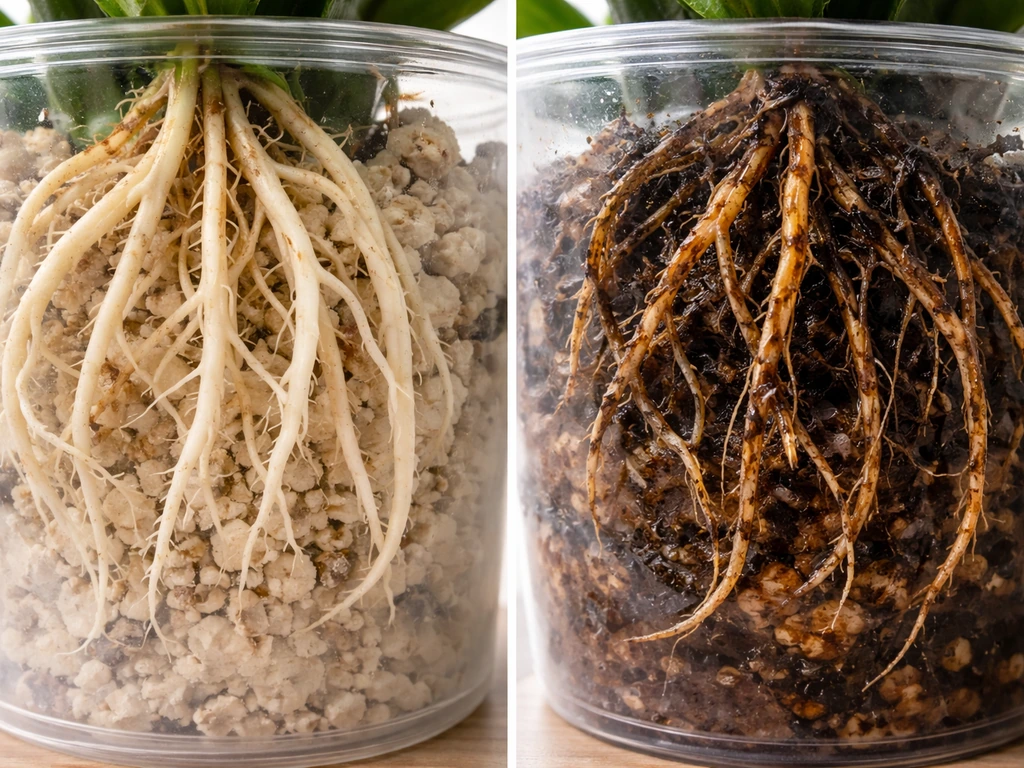
Brown, slimy roots with a foul or sulfurous smell mean you have root rot, almost certainly from a combination of warm water, low oxygen, and anaerobic bacteria. Fix it immediately: remove the plant, rinse roots gently in plain water, trim away any completely dead brown roots with sterile scissors, and put the plant back in a clean, freshly filled, well-aerated reservoir. Add a small amount of hydrogen peroxide (3% solution, about 3 ml per liter of water) to the new reservoir to kill residual pathogens. Increase air stone output and, if possible, lower water temperature. If roots are mostly white with only a few brown tips, you caught it early and recovery is very likely.
Algae buildup
Green or brown slime coating the inside of your reservoir or growing on the roots is algae. It grows when light reaches the nutrient solution. Cover any gaps around net pots with aluminum foil or black tape. Wrap transparent containers completely. Algae itself does not kill plants immediately, but it competes for nutrients, can clog roots, and degrades water quality fast. If you see it, do a full reservoir clean: empty, scrub with a dilute bleach solution (1 part bleach to 20 parts water), rinse thoroughly, and refill with fresh nutrient solution.
Nutrient deficiency signs
- Pale yellow leaves overall: likely nitrogen deficiency. Increase nutrient concentration slightly or check that EC is in the 1.2 to 1.8 range.
- Yellowing of older (lower) leaves while new growth stays green: classic nitrogen draw-down. Top up nutrient solution and do a full change if it has been more than 10 days.
- Leaves curling or showing brown tips: could be nutrient toxicity (EC too high), pH too far out of range, or salt buildup on roots. Check EC first and dilute if above 2.0.
- Stunted new growth with distorted leaf tips: often calcium or pH-related. Check pH and adjust back to 6.0 to 6.5.
Pests in indoor water setups
Common indoor pests on water-grown kinchay include fungus gnats (attracted to moist growing medium), aphids (which can arrive on a new cutting from the market), and occasionally spider mites in hot, dry rooms. Fungus gnats lay eggs in moist media near the waterline, so letting the top of your net pot medium dry out slightly between watering helps. For aphids, a strong spray of plain water dislodges most of them. Neem oil diluted in water (2 to 3 ml per liter with a drop of dish soap) sprayed on leaves is effective for most soft-bodied insects, but rinse plants before harvesting for food. Avoid systemic insecticides on anything you plan to eat.
What to expect: flavor, yield, and how long it lasts
Water-grown kinchay tastes milder and has a slightly more delicate texture than field-grown. The garlic-chive flavor is still there, but softer. For soups, dumplings, egg dishes, and fresh garnishing this is actually a plus. If you want stronger flavor for something like kimchi or a stir-fry where the chive flavor needs to stand up to heat, let the leaves grow a little longer before cutting rather than harvesting at 15 cm, and grow under strong light for more concentrated flavor compounds.
Yield from a single crown depends on how many leaves it carries (typically 4 to 9 per crown based on the plant's botanical habit) and how quickly they grow. Under a 14 to 16 hour LED photoperiod at 20°C with proper nutrients, you can realistically harvest from the same crowns every 1 to 2 weeks. A small tote with 8 to 10 crowns will produce enough fresh kinchay for regular cooking use continuously. The system lasts as long as the crowns stay healthy, which is many months with proper care and periodic crown replacement.
On food safety: always use clean, uncontaminated water. Do not use water from a source you would not drink, and do not reuse nutrient solution that smells foul or has visible contamination. Rinse harvested leaves under fresh running water before eating. Keep your tools (scissors, reservoir, net pots) clean between uses. Wash hands before handling the system, especially after applying any pest control treatments. These are basic hygiene habits that make a real difference when you are growing food at home.
FAQ
Can I germinate kinchay directly in the water reservoir?
Yes, but treat it as a short pre-start step, not a permanent growing medium. Hydroponic kinchay needs oxygen at the roots, so you still want the crown sitting at the waterline with a net pot and air stone once the roots are active. If you keep it fully submerged in a jar, expect less oxygenation and a higher risk of slimy roots.
What water should I use if my tap water is very hard?
Use water that you can drink comfortably. If your tap water is very hard (chalky kettle buildup or visible mineral residue), it can push your nutrient mix off balance even if you set EC and pH. In that case, switch to filtered water or test your water source and adjust nutrient strength accordingly rather than only tweaking pH.
How high should the crown sit in the water?
If the crown is sitting too low, the plant can spend more time in warm, stagnant water and rot more easily. Aim for the crown just at the waterline, with roots hanging into the solution. Also make sure there is no “pooling” around the crown, use a net pot and keep the reservoir filled to your target depth.
My kinchay is growing slowly, what should I check first?
The fastest way to diagnose is to check EC and pH first, then water temperature, then light duration. If EC is low, growth usually slows uniformly, if pH drift is the issue, you may see pale tips or uneven color. If the room is warm, roots can become stressed even if the leaves look okay at first.
How often should I test pH and EC, and when should I measure after refilling?
Keep pH and EC measurements consistent and meaningful. Measure pH after nutrients fully dissolve and recheck after any adjustment, since pH can rebound. For EC, test after mixing and again a day later if you recently changed solution, since readings can shift as plants take up ions.
Is algae in the reservoir normal, and when is it a problem?
If you see green growth on reservoir walls or the solution surface, cover the system immediately and look for gaps around the net pot lid. A little algae on surfaces can be managed with cleaning and better light exclusion, but algae in the root area can clog roots and degrade water quality. Do a full clean if slime is appearing on roots.
How much of the leaves can I cut without slowing regrowth?
Harvest by cutting above the crown and leave the white or pale base intact. Do not trim down into the crown, and avoid removing too many leaves at once. A good rule is to harvest once plants reach your target height, then take a portion each cycle so the crown keeps pushing new growth steadily.
How can I tell the difference between normal root color and root rot?
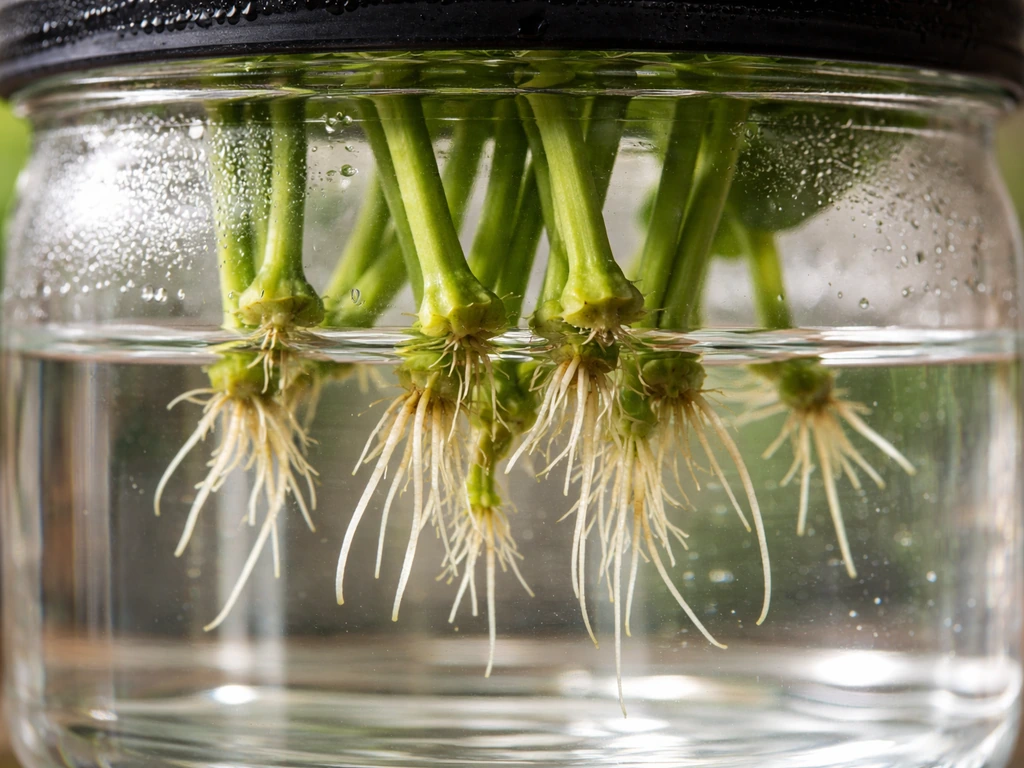
White roots are your goal, brown slimy roots with a foul smell is root rot. If only a few tips are brown, it is often recoverable. If most roots are turning mushy, act quickly: remove the plant, trim only fully dead roots, switch to a clean aerated reservoir, and lower water temperature.
Can I grow kinchay in water during hot weather?
Yes, if you can keep temperature stable and oxygen high. The main concern with warm climates is water temperature and oxygen transfer. Use more aeration (two air stones), shade the reservoir from sun, insulate the tote, and check water temperature at least once or twice a day during hot periods.
How do I know when to change nutrient solution sooner than the usual schedule?
Refill scheduling depends on temperature and how many crowns are in the system. If your room is warm, aim for more frequent changes, and if you see frequent pH drift or rising EC without faster leaf growth, change the solution sooner. Always rinse the reservoir before refilling.
My air pump is noisy or sometimes stops, how does that affect kinchay?
Definitely, but keep it specific to root-zone oxygen. Increase air stone output if roots start looking unhealthy, and verify the pump and air line are working reliably. If you run out of air due to power loss, roots can deteriorate quickly, so consider a simple backup plan.
Should I use full-strength nutrients for faster growth?
The “wrong” nutrient is usually too strong or too weak, especially nitrogen. Start at the lower end of leafy-greens dosing, then increase gradually if leaves are thin and slow. If you keep increasing nutrients when roots or pH are already off, you can make the plant struggle instead of improving growth.
What light problems look like, and how do I fix them?
Aim to keep the growing plant at the right light schedule, not just high intensity. If leaves are tall but weak or spaced out, boost light time or raise intensity with a proper grow light distance. If growth is stunted despite adequate light hours, check EC, pH, and water temperature before changing lighting repeatedly.
How do I manage common pests on water-grown kinchay without making it unsafe to eat?
Yes, but do it in a way that prevents re-infestation. Before harvesting, rinse off residues from neem or other sprays, then allow leaves to dry so you do not create a wet habitat in the reservoir area. For fungus gnats, let the top of the net-pot medium dry slightly between wetting and consider sticky traps near the system.
How do I get stronger garlic-chive flavor in my water-grown kinchay?
You can, but skip this if your goal is clean flavors. For stronger garlic-chive punch, allow longer leaf growth before the cut, provide stronger light, and keep nutrients balanced rather than pushing high EC. Concentrating flavor is usually more about harvest timing and light than about adding extra supplements.