Yes, gotu kola (Centella asiatica) can absolutely grow in water. The best approach for most people is a partially submerged or hydroponic-style setup where the roots sit in a nutrient solution but the stems and leaves stay above the waterline. If you want to try kinchay, the water-growing basics are very similar, especially using a nutrient solution and good oxygenation for the roots grow kinchay in water. Full submersion long-term does not work well, but a well-oxygenated water setup with nutrients added will keep this plant thriving, rooting, and producing harvestable leaves consistently. Once you have the water setup dialed in for pechay, you can use similar oxygenation and feeding routines to keep it growing fast how to grow pechay in water.
How to Grow Gotu Kola in Water: Easy Setup, Care
Can Gotu Kola Actually Grow in Water? (The Direct Answer)
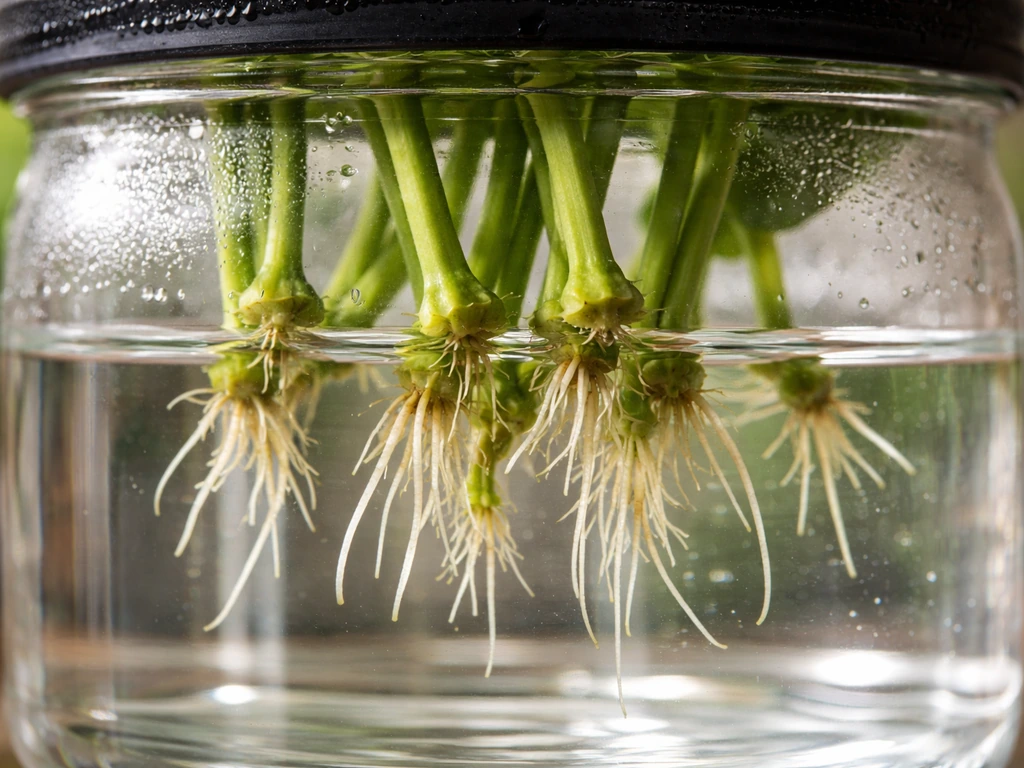
Gotu kola is a semi-aquatic plant native to wetland margins across Asia, so water-based growing is not a stretch. It naturally grows in boggy, waterlogged conditions and along stream banks, which makes it one of the easier herbs to transition into a water or hydroponic setup. Research has confirmed it can be fully established and grown in hydroponic culture without soil at all. The catch is that plain, stagnant water will not cut it. You need dissolved oxygen, a pH in the right range, and some form of nutrients in the water, or growth slows dramatically and rot sets in quickly.
Choosing Your Method: Fully Submerged, Partially Submerged, or Hydroponic-Style
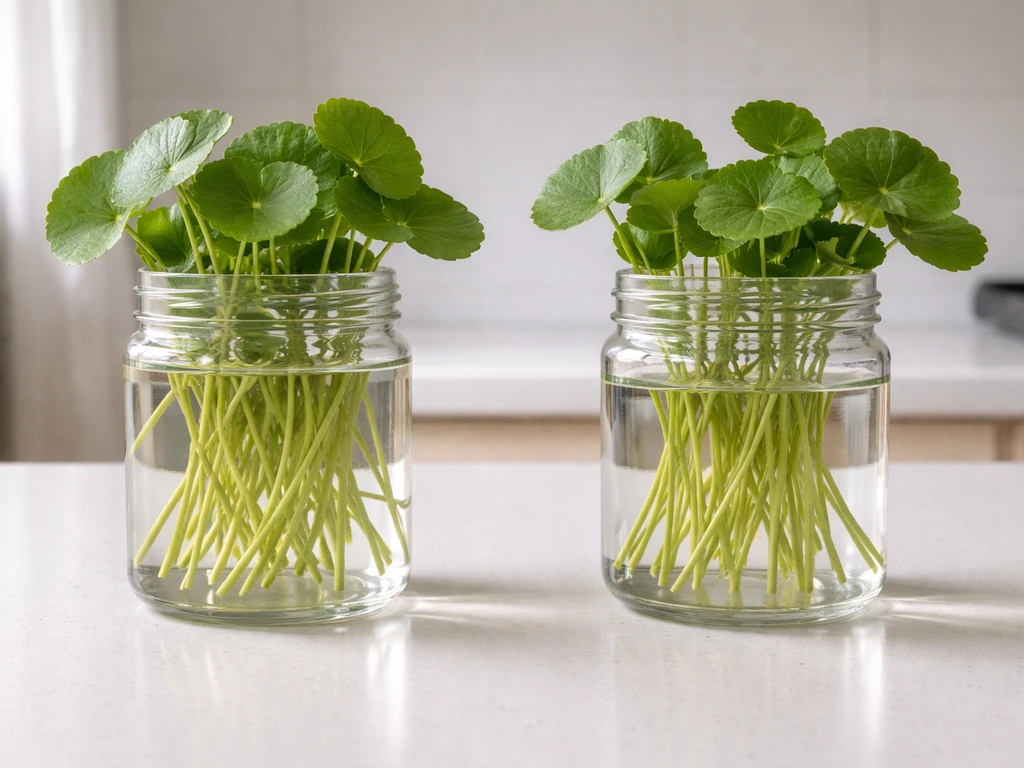
There are three broad ways to grow gotu kola in water, and they are not equally effective. Here is how they compare and when to use each: You can use the same principles of oxygenation, nutrients, and container setup when you learn how to grow taro in pond.
| Method | How It Works | Best For | Main Risk |
|---|---|---|---|
| Partially submerged (jar/vase) | Stems in water, leaves above waterline | Propagating cuttings, small-scale growing | Stagnant water, rot if water not changed |
| Hydroponic (DWC or wick) | Roots suspended in aerated nutrient solution | Long-term production, consistent harvests | pH drift, nutrient imbalance |
| Fully submerged | Entire plant underwater | Not recommended for sustained growth | Leaf die-off, oxygen deprivation, rapid rot |
For most readers, a simple deep water culture (DWC) setup or even a jar-and-airstone arrangement is the sweet spot. You get reliable rooting, steady growth, and easy maintenance without overcomplicating things. Full submersion is basically a dead end for anything beyond very short-term experiments. Temporary immersion systems (where roots cycle between wet and air-exposed phases) have shown strong rooting results in research settings, and that principle applies even to a basic home setup: roots need both water contact and oxygen.
What You Need Before You Start
You do not need fancy equipment to get this working. Here is the core kit for a beginner-friendly water setup:
- Container: A dark or opaque container (mason jar, food-grade bucket, or grow tray) that holds at least 1–2 liters per plant. Dark containers reduce algae buildup significantly.
- Water: Tap water works. Let it sit 24 hours before use to off-gas chlorine, or use a dechlorination drop. Filtered or rainwater is fine too.
- Air pump and airstone: Non-negotiable for anything beyond short-term rooting. Target 7 mg/L dissolved oxygen or above. A basic aquarium air pump with a small airstone does the job.
- Hydroponic nutrient solution: A general-purpose balanced hydroponic nutrient (liquid or soluble powder). Plain water alone will produce weak, yellowing plants over time.
- pH meter or test strips: Gotu kola prefers a pH of 5.8–6.5 in hydroponic solution. Outside this range, nutrients lock out and growth stalls.
- EC meter (optional but helpful): Target EC of roughly 0.8–1.6 mS/cm for seedlings and young plants, scaling up slightly as plants mature.
- Net pots or small cups with holes: For supporting cuttings above the waterline in a DWC setup.
- Clay pebbles or rockwool: Used to stabilize cuttings in net pots while roots develop down into the solution.
- Rooting hormone (optional): IBA-based powder or liquid. Not required but noticeably speeds up root development on cuttings.
Starting Gotu Kola in Water: Cuttings vs. Seeds
Cuttings are the clear winner for water-based growing. They root faster, are more predictable, and you can start harvesting in weeks rather than months. Seeds in water are tricky because they need a moist-but-not-flooded germination environment, and managing that in a purely water-based setup adds unnecessary complexity early on. If you are set on starting with seeds, the same water-germination basics and early-stage moisture control apply to copper grass pilea seeds too how to grow copper grass pilea seeds in water. That said, both methods are described here.
Starting from Cuttings (Recommended)
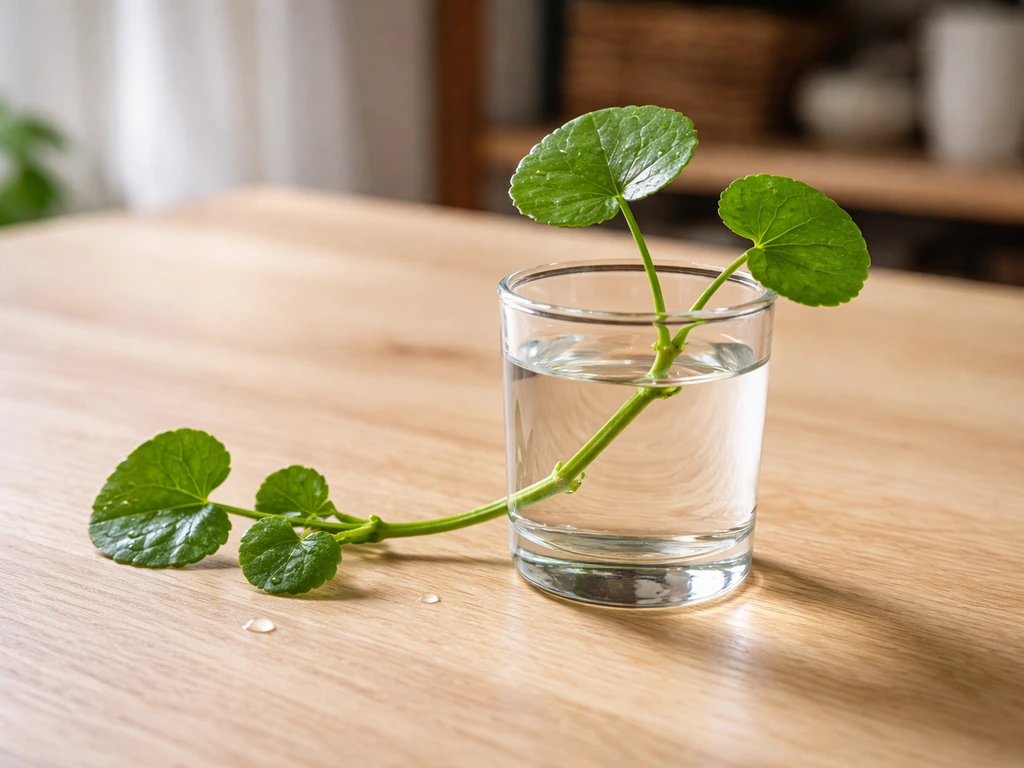
- Take a cutting 8–12 cm long with at least 2–3 nodes. Gotu kola sends out runners (stolons), so these work perfectly. A healthy stolon with a visible node almost always roots.
- Strip the lower leaves, leaving only 1–2 leaves at the top to reduce moisture loss and rot surface area.
- Optional but effective: dip the cut end in IBA rooting hormone powder or soak in a dilute IBA solution for 1–2 hours before placing in water. This meaningfully improves root count and speed.
- Place the cutting in your container so the node(s) are submerged but the leaves sit above the waterline. A net pot filled with clay pebbles is ideal for holding it in position in a DWC setup.
- Fill with your prepared nutrient solution at a low EC (around 0.8 mS/cm) and pH 6.0–6.2. This gentle solution supports root development without stressing the cutting.
- Run the airstone continuously. Stagnant water during the rooting phase is the fastest way to get rot.
- Keep the container out of direct harsh sun during the first 1–2 weeks. Indirect bright light or low-intensity LED is ideal at this stage.
- Expect visible roots in 7–14 days. Once roots are 3–5 cm long and white/cream colored, you can increase nutrient strength to EC 1.2–1.6 mS/cm and move to your final growing position.
Starting from Seeds
If you only have seeds, start them in a damp rockwool cube or coco coir plug placed in a tray with just a thin film of water at the bottom (not submerged). Keep humidity high by loosely covering with plastic wrap. Once seedlings are 4–6 cm tall with a couple of true leaves, transfer them into your water system by carefully placing the rockwool plug into a net pot with clay pebbles and letting roots grow down into the nutrient solution. This hybrid approach gets you into a water system without the frustration of trying to germinate seeds directly in standing water.
Water and Nutrition: What to Feed It and How Often
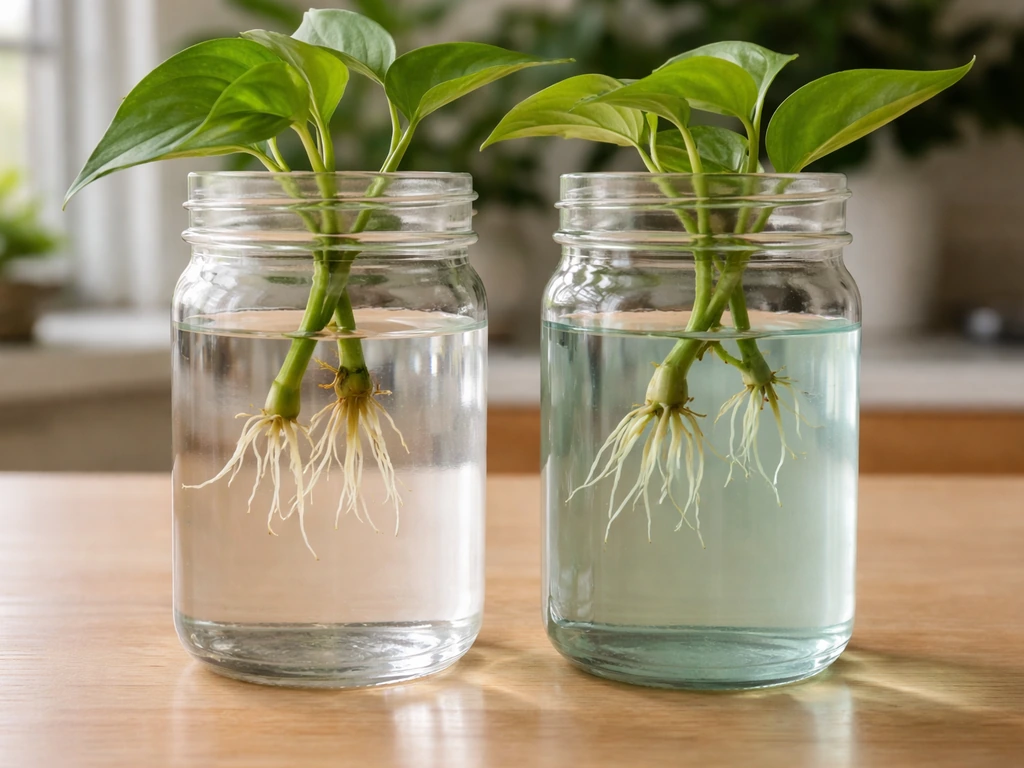
This is where most people go wrong. They put cuttings in plain water, get excited when roots appear, then watch the plant slowly yellow and stall because there is nothing to eat. Gotu kola needs a nutrient solution, not plain water, for sustained growth.
Use a standard balanced hydroponic nutrient formulation (something like a 3-part or 2-part solution designed for leafy greens or herbs works well). Mix according to package instructions for the vegetative/leaf stage, targeting an EC of 1.0–1.6 mS/cm once your plant is established. Research specifically on Centella asiatica hydroponics confirms that EC directly affects both growth rate and the concentration of beneficial compounds in the leaves. Running too low (near 0, like plain water) stunts the plant; running too high stresses it.
Check pH and EC every 2 days. This sounds like a lot but takes about 90 seconds with a decent meter. pH will drift, especially as the plant feeds. If pH climbs above 6.5, use a pH-down solution (phosphoric acid-based). If it drops below 5.8, use pH-up (potassium hydroxide-based). Top off the reservoir with plain water between nutrient changes to compensate for evaporation. Do a full nutrient solution change every 7–10 days to prevent salt buildup and pathogen accumulation.
| Parameter | Target Range | What Happens if Off |
|---|---|---|
| pH | 5.8–6.5 | Nutrient lockout, yellowing, stunted growth |
| EC (seedling/rooting) | 0.8–1.0 mS/cm | Too high stresses cuttings, too low starves them |
| EC (established plant) | 1.2–1.6 mS/cm | Below this, slow growth; above 2.0, leaf tip burn |
| Dissolved oxygen | 7 mg/L or above | Root rot, slime, wilting despite water presence |
| Water temperature | 18–26°C | Warm water holds less oxygen; cold slows roots |
Light, Temperature, and Where to Put It
Gotu kola is not a sun-lover like tomatoes, which makes it easier to grow indoors under modest lighting. In controlled indoor cultivation research, it performed well under LED lighting at 90–95 µmol/m²/s PPFD with a 16-hour light and 8-hour dark cycle. That is a moderate light intensity easily achieved with a basic T5 fluorescent or small LED grow panel placed 20–30 cm above the canopy.
If you are growing near a window, a bright spot with indirect light or filtered morning sun is fine. Avoid intense afternoon direct sun, especially in summer, because it heats up your water reservoir fast (warm water holds less oxygen, which is bad for roots) and can scorch the delicate leaves.
- Light intensity: 90–150 µmol/m²/s PPFD is the sweet spot. A 16:8 hour photoperiod works well indoors.
- Temperature: Aim for 20–28°C ambient air and 18–26°C water temperature. Gotu kola is subtropical and tolerates warmth but suffers in cold water (below 15°C slows root function significantly).
- Humidity: Moderate to high humidity (50–70%) helps. In dry indoor environments, the leaves can curl or look stressed even when the roots are healthy.
- Placement: Keep the reservoir out of direct sunlight to prevent algae explosions. A dark container plus shaded positioning makes a big difference.
Troubleshooting: What Went Wrong and How to Fix It
Cuttings Not Rooting
If after 2–3 weeks there are still no roots, check a few things. First, is the node actually in the water? The node (the bump where a leaf or runner attaches) is where roots emerge, and if it is sitting above the waterline, nothing will happen. Second, is there enough oxygen? Stagnant water kills the rooting process. Add an airstone if you have not already. Third, consider rooting hormone on your next attempt. A quick IBA dip makes a visible difference, especially if your cuttings are from older, woodier stems.
Rot and Sliminess
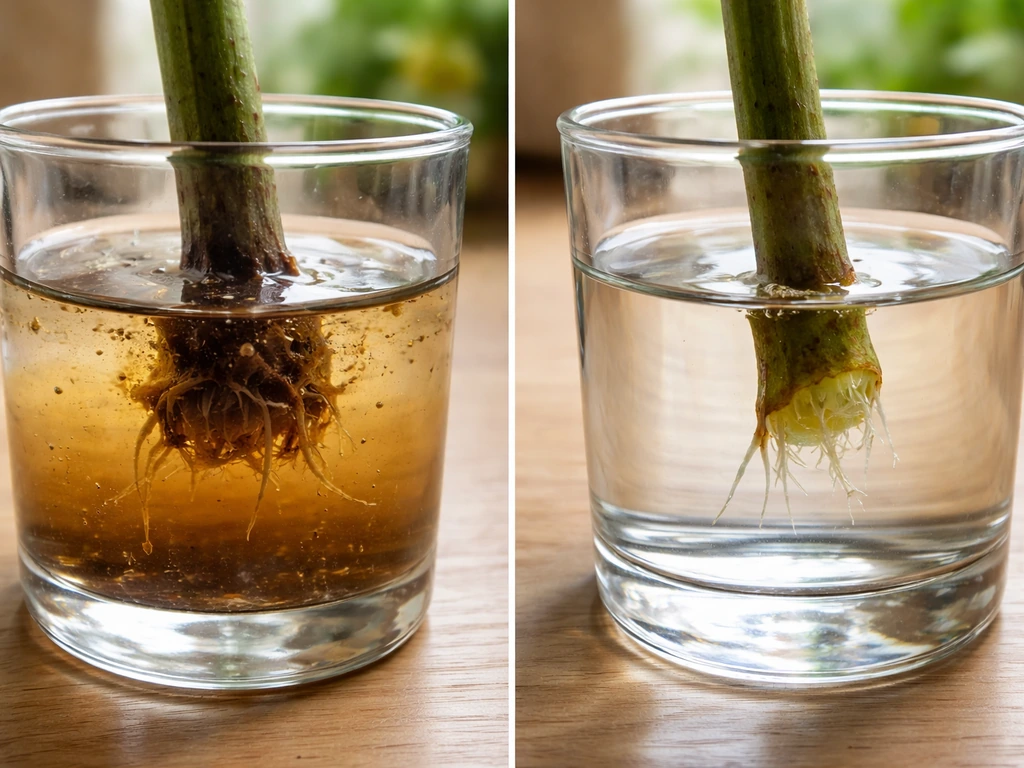
Slimy stems, brown mushy bases, and foul-smelling water all point to the same problem: not enough oxygen and water that has been sitting too long. Do a full water change immediately, trim any rotted stem material back to clean tissue, and make sure your airstone is running. Going forward, change the solution every 7–10 days and never let the reservoir get warm and stagnant. A dark container also helps because algae and biofilm thrive in light-exposed nutrient water.
Yellowing Leaves
Yellow leaves in a water setup almost always mean one of two things: nutrient deficiency (pH is off or EC is too low) or root rot choking off uptake. Check your pH first. If it has drifted above 6.5 or below 5.8, correct it and see if new growth comes in green within a week. If pH is fine, check EC and top up with fresh nutrient solution. If roots look brown and slimy rather than white and firm, treat that as a rot problem first.
Algae and Biofilm Buildup
Green algae coating the container walls, biofilm on roots, or green water are common when light hits your nutrient solution. Switch to an opaque or dark container if you have not already, and cover any exposed water surface. Algae itself does not directly kill the plant but competes for nutrients and oxygen, and heavy algae or biofilm on roots blocks nutrient uptake. A weekly reservoir change and keeping light out of the water solves about 90% of this.
Slow or Stalled Growth
If the plant looks healthy but is just sitting there not producing new leaves, the most common culprits are low light, low EC, or cold water. Check that your light is reaching 90+ µmol/m²/s at canopy level, bump EC up to 1.4–1.6 mS/cm if you have been running it lean, and check water temperature. Below 18°C, metabolic processes slow noticeably. Also check that your photoperiod is actually 16 hours per day if growing indoors. Missing a few hours of light each day adds up over weeks.
Harvesting, Pruning, and Keeping It Going
One of the best things about gotu kola in a water setup is how quickly it turns into a continuous production system once it is established. You can start taking small harvests around 3–4 weeks after roots are well developed, and with regular pruning it produces new runners and leaves on an ongoing cycle.
Harvest by snipping the outer leaves and runners at the base, leaving the central growing points intact. Never strip more than about one-third of the plant at a time. Gotu kola responds well to this kind of regular trimming by sending out new stolons, and in a water system those new stolons often grow straight down into the nutrient solution and self-root, giving you free new plants.
To propagate and expand your system, simply cut a healthy runner with a node, drop it into a new container, and repeat the rooting process. Water-rooted cuttings from an established gotu kola plant root even faster than the first generation because the parent plant conditions them well.
Replant or refresh your system every 3–4 months. Over time, root mass fills the reservoir, old roots die off, and the system becomes harder to manage. A full teardown with fresh cuttings into clean containers resets everything and usually results in faster growth than trying to maintain an aging root system indefinitely.
Signs It Is Time to Refresh
- Root mass is dense, brown, and tangled despite good water quality
- Growth has slowed significantly even after correcting light, pH, and EC
- Reservoir is increasingly hard to maintain stable pH (old root debris causes rapid pH swings)
- Leaves are small and thin compared to earlier growth cycles
- New runners are sparse even with regular pruning
If you enjoy growing other herbs and leafy plants in water, gotu kola fits naturally alongside similar semi-aquatic species. The same system parameters and nutrient management approach apply to a range of water-based herb and vegetable cultivation projects, so the skills you build here transfer directly.
FAQ
Can I grow gotu kola in water using just a window and no air pump?
You can try, but success is much less consistent. Gotu kola needs dissolved oxygen at the roots, so without an airstone you should change the solution more frequently (at least every 5 to 7 days) and use a smaller, well-aerated reservoir. If roots turn brown or cuttings stall after 2 to 3 weeks, add an airstone immediately.
What kind of water should I use for the nutrient reservoir?
Use water that is low in chlorine and generally stable in pH. If your tap water is chlorinated, let it sit uncovered 24 hours or use a filter, then measure pH and EC before adding nutrients. Blindly adding nutrients to chlorinated or very hard water often leads to faster pH drift and root stress.
How do I keep the leaves from staying wet and rotting in a hydro setup?
Keep the stem and leaf junctions above the waterline, and use a net pot or collar so only roots are submerged. If you notice stems looking slimy near the water edge, lower the water level or raise the plant so the contact point is clearly at the roots only.
Should I use tap nutrients or premixed hydro fertilizer?
Either can work, but premixed hydro nutrients labeled for leafy greens or herbs are easiest to control. Avoid mixing multiple products together unless you can calculate total EC, because overlapping additives commonly push EC above the ideal 1.0 to 1.6 mS/cm and cause yellowing or slowed growth.
How do I interpret EC readings when the plant is growing and the reservoir is shrinking?
EC rises as water evaporates but nutrients remain, which can push you above target. Top off with plain water whenever the reservoir level drops, then recheck EC. If EC keeps climbing even after topping off, do a partial or full nutrient change sooner than your usual 7 to 10 days.
Why do my cuttings root but the plant later loses vigor?
The most common cause is nutrient timing, plain water for too long, or oxygen decline. After roots form, switch to a properly mixed nutrient solution right away, and keep the airstone running continuously. Also inspect for rot at the base, brown slimy roots usually recover slowly if you wait too long.
What temperature range is best for root growth in water?
Aim for roughly 18 to 24°C. Below 18°C growth slows noticeably, and above 26°C oxygen in water drops and rot risk rises. If your reservoir gets warm (summer sun or near a heater), use an insulated container or move it to a cooler spot.
Do I need to sanitize jars and tools before starting a water system?
Yes, especially if you have had algae or slime in past batches. Rinse and sanitize containers, net pots, and scissors, then start with fresh nutrient solution. Reusing dirty reservoirs often leads to biofilm faster than you can correct with pH and EC alone.
How often should I prune, and will pruning stunt growth in water?
Prune lightly and regularly, removing the outer leaves and runners while leaving the central growth points. Avoid stripping more than about one-third of the plant at once. In water systems, frequent light pruning usually improves branching because new runners form and root quickly.
Can I grow gotu kola with fish waste, compost tea, or homemade fertilizers?
It is risky. These inputs often introduce inconsistent nutrients and microbes, which can cause biofilm, foul odors, and oxygen depletion. If you want to experiment, keep it to diluted, filtered nutrient-based products and monitor EC, pH, smell, and root color closely, but for best results stick to a consistent hydroponic nutrient.
What should I do if I see white foam or bubbles on the nutrient surface?
Some foaming can come from aeration and can be normal. If it comes with a foul smell, rapidly forming slime, or worsening root color, treat it as a sanitation and oxygen issue: change the solution, clean the container, trim any compromised tissue, and ensure the airstone is delivering fine bubbles throughout the root zone.
How long should I expect before I can harvest, and when should I replant instead?
With healthy cuttings and correct oxygen, small harvests often start around 3 to 4 weeks after robust rooting. If you have no new growth after about 3 to 4 weeks even after correcting pH, EC, and temperature, replant with fresh cuttings or restart in a clean container rather than waiting indefinitely.