Madre de agua is Trichanthera gigantea, a fast-growing tropical shrub from the Acanthaceae family that thrives right at the water's edge and genuinely loves having its roots wet. It's one of those plants that bridges the gap between a terrestrial garden plant and a true aquatic, you won't submerge it, but you can grow it in waterlogged containers, pond margins, or semi-hydroponic setups and get lush, productive results. Propagate from stem cuttings, keep temperatures around 28–30°C, give it bright indirect to full light, and manage water quality just like you would for a productive aquatic bed. That's the core of it. Everything below is the detail that turns those basics into actual results.
How to Grow Madre de Agua Step-by-Step Aquatic Guide
Marcus Holloway
1 Jul 2026
What "madre de agua" is and which variety you're growing
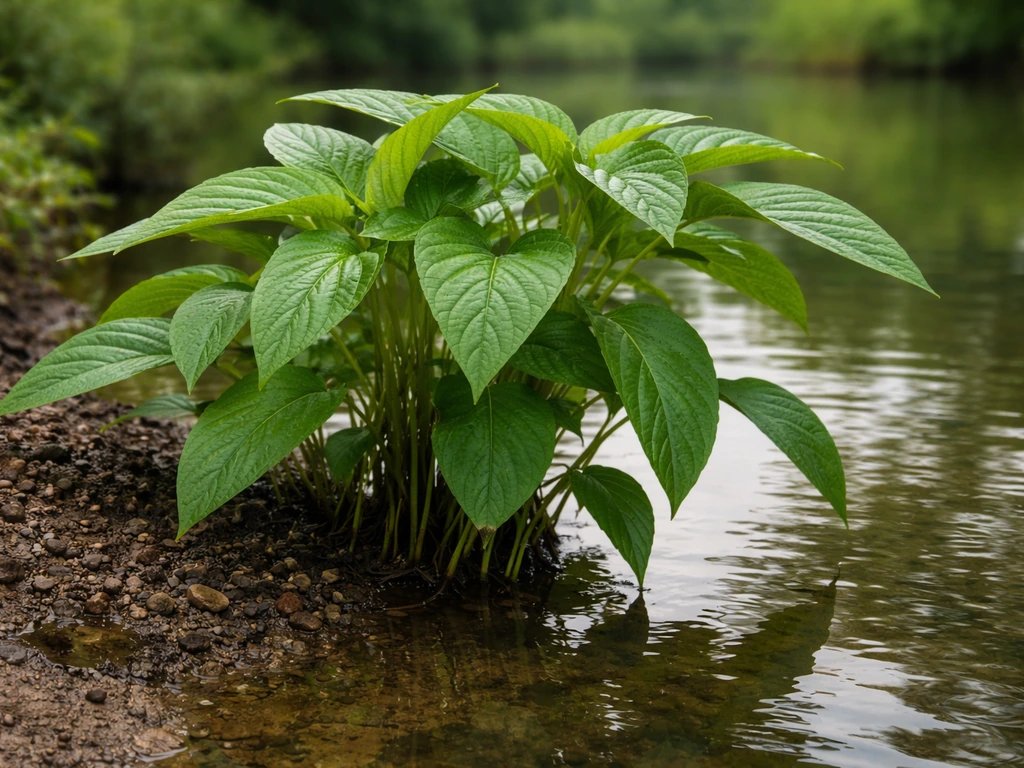
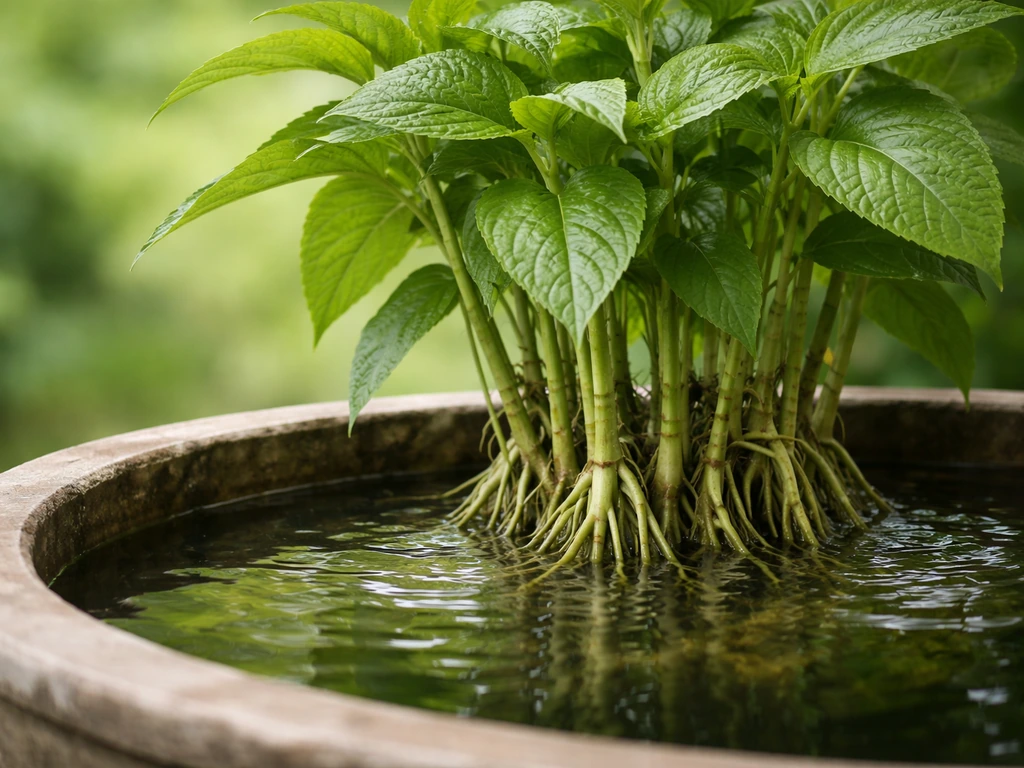
The name "madre de agua" translates literally to "mother of water" in Spanish, and it almost always refers to Trichanthera gigantea. You'll also see it called nacedero, and older botanical literature sometimes lists it under the synonym Ruellia gigantea. It's a tall, multi-branched shrub native to tropical South and Central America, most commonly Colombia, Ecuador, and Venezuela, where it grows naturally along stream banks, irrigation channels, and flooded lowland edges. That natural habitat is exactly why it's such a good candidate for water-based cultivation.
Before you commit to a setup, confirm you actually have Trichanthera gigantea and not one of the other plants that occasionally borrow the same common name in regional markets. The real thing has large, opposite, slightly fuzzy leaves that can reach 15–25 cm in length, reddish tubular flowers when mature, and stems that root very readily when placed in moist substrate. If your plant looks more like a floating aquatic or a small-leafed ground cover, double-check the botanical name with whoever sold it to you. For the purposes of this guide, we're talking about Trichanthera gigantea exclusively.
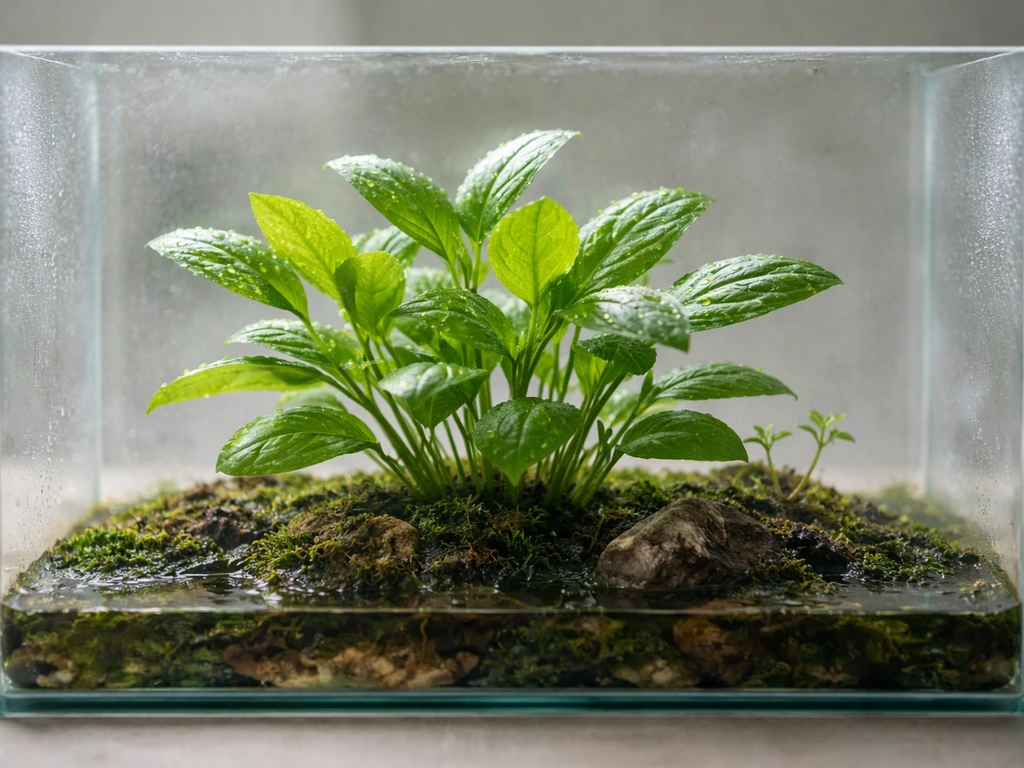
One more thing worth noting: this plant is primarily grown as a semi-aquatic or pond-margin species rather than a fully submerged aquarium plant. If you came here looking for a purely submerged aquarium plant, species like water sprite are a better fit for that role. While madre de agua is semi-aquatic, the same water-based growing approach can also help you learn how to grow betel leaf in water. Madre de agua wants its roots in water or waterlogged soil, but its stems and leaves need to grow in open air.
Choosing the right setup
You have three realistic options for growing madre de agua in a water-based system, and the right choice depends on your space, climate, and goals.
| Setup Type | Best For | Space Needed | Key Requirement |
|---|---|---|---|
| Semi-hydroponic container (tub/pot in water tray) | Beginners, indoor/patio growers, small harvests | Very small — a 10–20L tub works | Standing or slowly exchanged water in the reservoir tray |
| Outdoor pond margin or rain garden edge | Larger harvests, existing ponds, tropical climates | Medium to large outdoor area | Permanent water access at root zone, full sun |
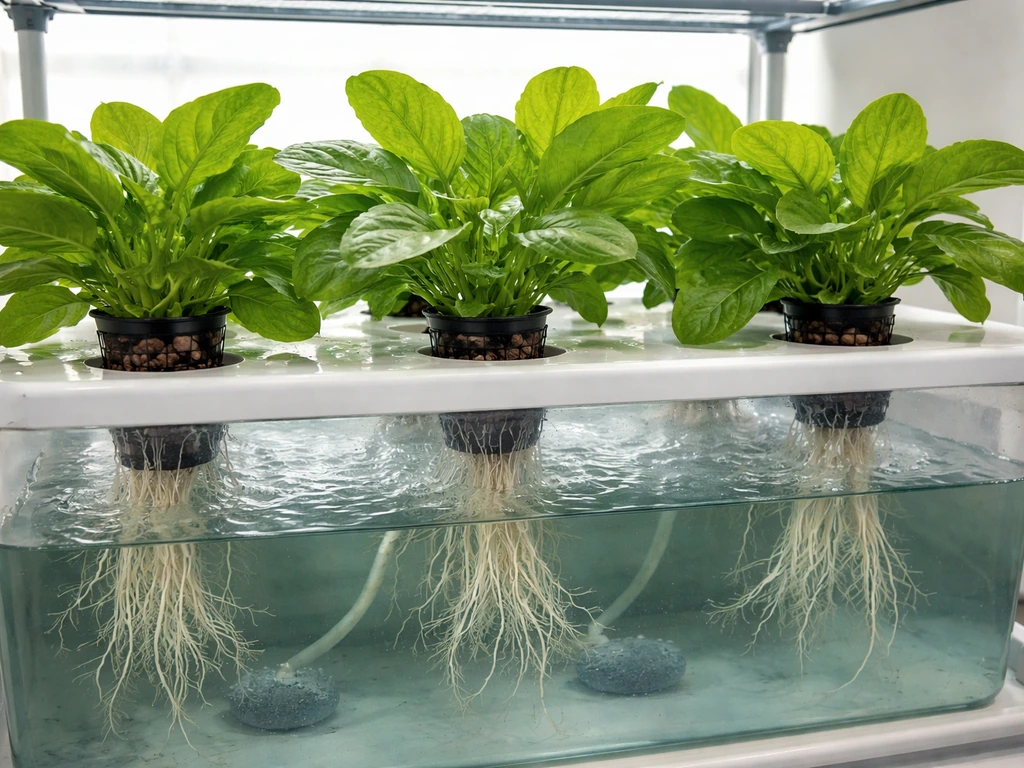
| Aquaponic or hydroponic grow bed | Experienced growers, food production, system integration | Depends on system scale | Nutrient-rich water flow, good aeration, regular monitoring |
For most people reading this, a semi-hydroponic container setup is the easiest starting point. Fill a 15–20L nursery pot or fabric grow bag with a coarse, open substrate (a 50/50 mix of coarse sand and perlite works well), then sit it in a water tray or reservoir that keeps the bottom 5–8 cm of the substrate constantly wet. The plant's roots will migrate down toward the water and establish quickly. This mimics the natural stream bank conditions Trichanthera gigantea loves, and it's easy to manage water quality in a small system.
If you have an outdoor pond or large water feature, planting madre de agua directly at the margin, with the root zone in saturated soil or even submerged by a few centimetres, is the most hands-off approach and produces the largest, most productive plants. For aquaponic systems, it makes an excellent nutrient-absorbing border plant in a media grow bed, where roots can access the water flow constantly. I've seen it used this way to help control nutrient loads in tilapia systems very effectively.
Water, light, and temperature: the non-negotiables
Water conditions
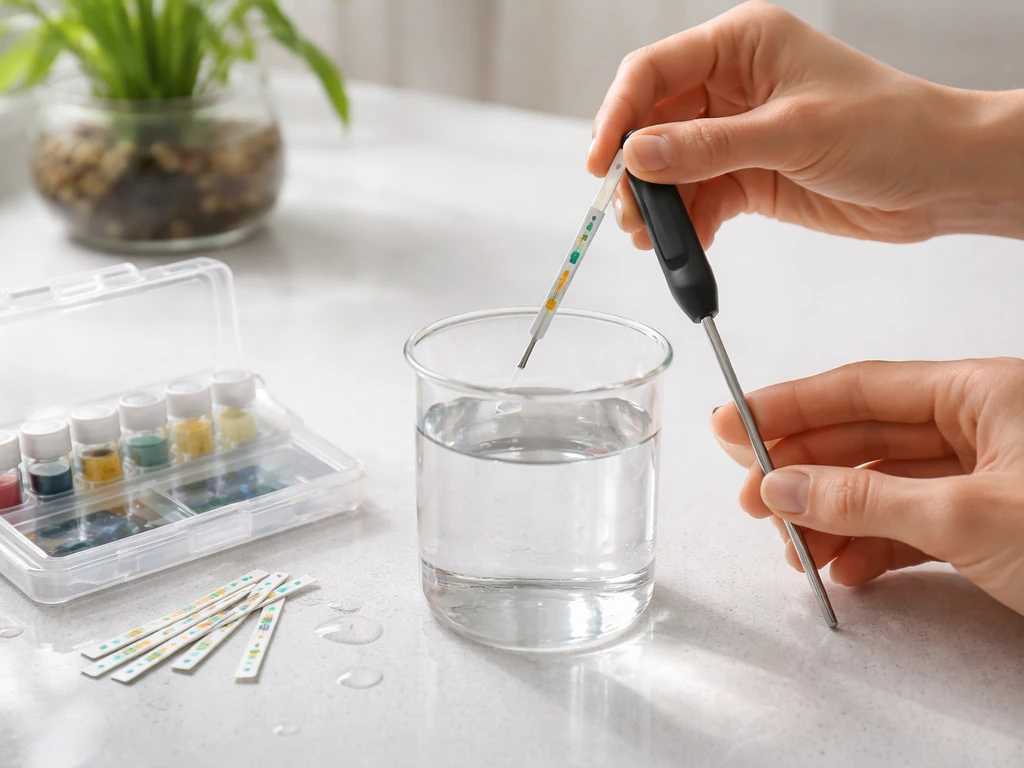
Madre de agua is not fussy about water chemistry the way many aquatic plants are, but there are a few parameters that matter for consistent growth. Aim for a pH between 6.0 and 7.5, it tolerates mild acidity and mild alkalinity equally well. Water temperature at the root zone should ideally stay between 22°C and 30°C. In outdoor setups in tropical or subtropical climates, this happens naturally. In indoor container systems, avoid placing the water reservoir on cold concrete floors in winter, as root-zone temperatures below 18°C will noticeably slow growth.
- pH range: 6.0–7.5 (test weekly when getting started, monthly once stable)
- Water temperature at roots: 22–30°C optimal, below 18°C causes slow growth
- Keep the reservoir or margin water clean — partial water changes every 1–2 weeks in container setups
- Light aeration or gentle water movement helps prevent stagnant anaerobic conditions around roots
- Avoid salt buildup — flush the substrate with clean water monthly if using liquid fertilizers
Light
This plant wants light, real, generous light. Outdoors, full sun for 6–8 hours a day produces the fastest growth and most productive harvests. In partial shade (3–5 hours of direct sun plus bright indirect light), it still grows well but more slowly and with slightly larger, softer leaves. Indoors, you'll need a strong grow light: aim for a minimum of 200–300 µmol/m²/s PAR for at least 12–14 hours per day. Standard aquarium LED strips won't be enough on their own. Full-spectrum LED grow lights positioned 20–30 cm above the canopy work well.
Temperature
Trichanthera gigantea is a true tropical plant. Research on the species consistently points to a mean temperature of around 30°C as the sweet spot for growth, and it performs best between 22°C and 35°C. Below 15°C, growth essentially stops and cold damage becomes a real risk. This is not a plant for temperate winters unless you can bring it indoors or maintain supplemental heat. If you're in a tropical or subtropical climate, you can largely ignore temperature as a variable, it's in its element.
Starting from cuttings: propagation and the first two weeks
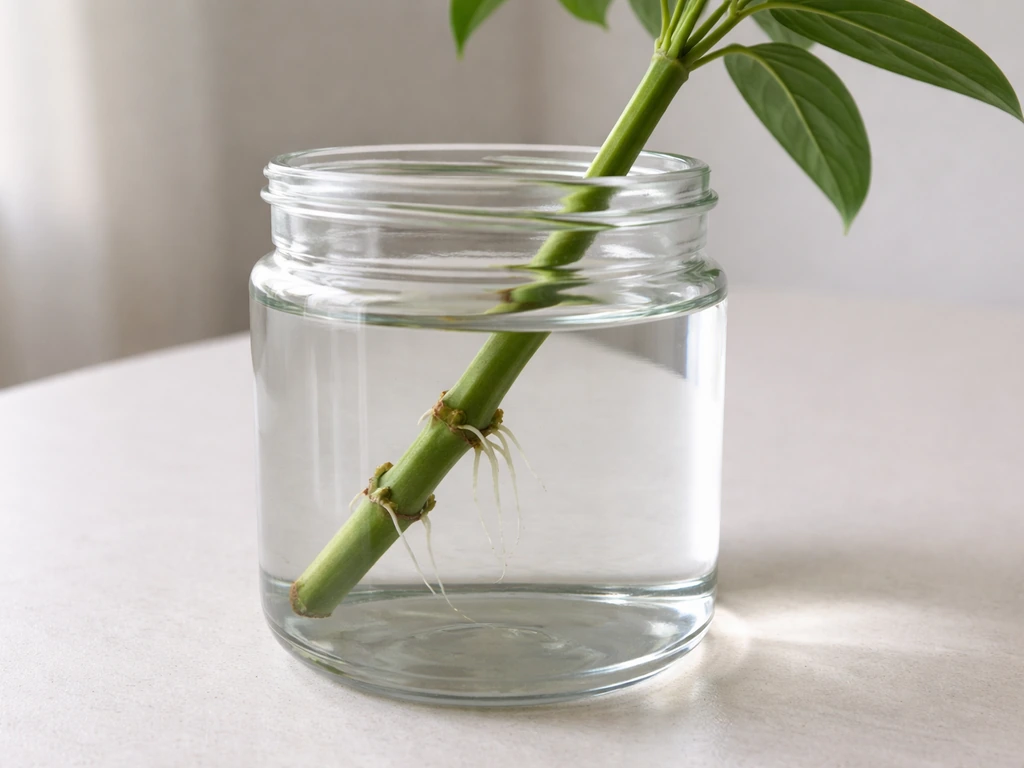
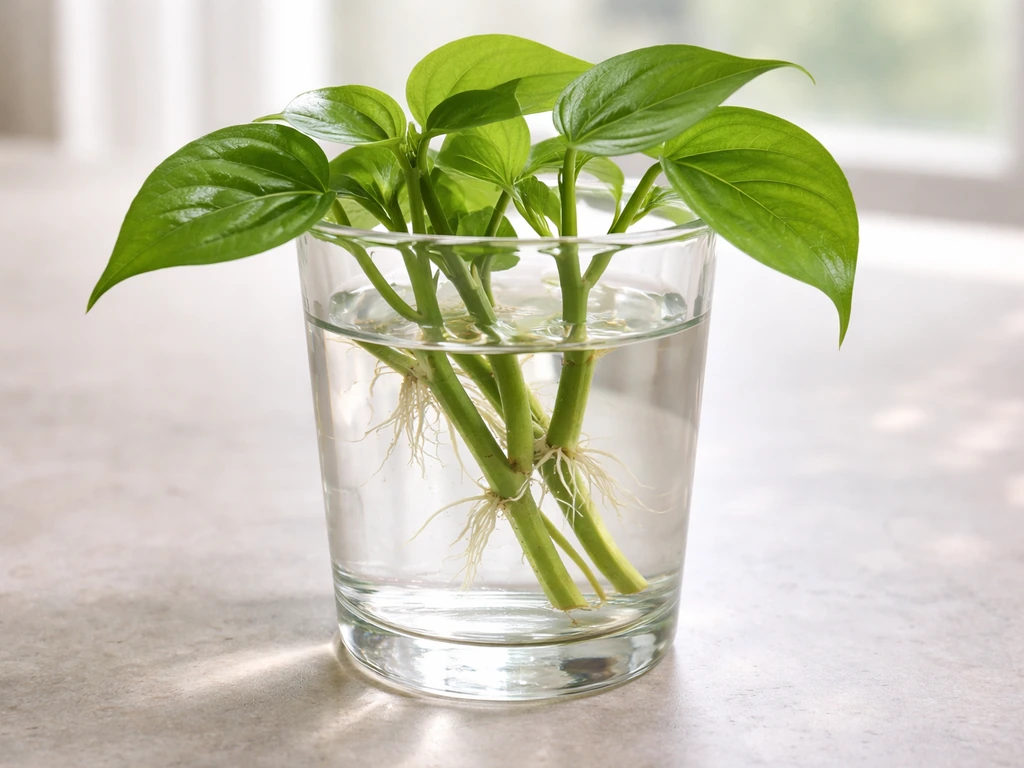
Stem cuttings are by far the most reliable way to start madre de agua, and honestly the only practical method for water-based setups. If you want step-by-step guidance on how to grow waterleaf in a water-based setup, this is the starting point to focus on. Seeds exist but are slow and rarely how this plant is shared or sold. Here's how to do it right from day one. Research on D. giganteus cutting studies shows that blank" rel="noopener noreferrer">auxin-type rooting hormones can influence adventitious root formation, which supports the idea that auxins may be a variable in rooting success.
- Select a healthy stem cutting that is 20–30 cm long with at least 3–4 nodes. Semi-hardwood cuttings (not the soft new tip growth, not old woody stems) root the fastest.
- Remove the lower leaves, leaving 2–3 leaves at the top. Too much leaf surface causes wilting before roots establish.
- Shade the cuttings for 24 hours before planting — just leave them somewhere cool and out of direct sun. This simple step has been shown to meaningfully improve strike rates in Trichanthera gigantea and reduces stress on the cutting.
- Optional but helpful: dip the cut end in a rooting hormone powder or gel (indole-3-butyric acid, IBA, is the most common auxin-type rooting hormone available at garden centres). Research on related species confirms auxins can improve adventitious root formation on cuttings like these.
- Insert the cutting 8–10 cm deep into your moist substrate (coarse sand/perlite mix works well, or a dedicated nursery bed kept consistently wet).
- Keep the substrate evenly moist — not flooded at this stage — for the first 10–14 days. Mist the leaves daily if the air is dry.
- Roots typically appear within 10–21 days depending on temperature. Once you see new leaf growth emerging at the nodes, the cutting has rooted successfully.
- After rooting is confirmed, you can transition the plant to your main container, pond margin, or grow bed with the water access it'll have for the rest of its life.
During the first two weeks, keep newly planted cuttings out of full direct sun. Bright indirect light is enough until roots are established. I made the mistake of putting fresh cuttings straight into full afternoon sun once and lost three out of five to wilt before they had a chance to root. The 24-hour shading step before planting, combined with gradual sun introduction after rooting, makes a real difference.
Nutrients and water quality management
Madre de agua is a vigorous grower and a moderate feeder. In a natural pond margin or an aquaponic system with fish waste, it will often find enough nutrients without any supplementation, in fact, one of its most practical uses in aquaponic setups is as a nutrient buffer that absorbs excess nitrates. In a clean-water container system, you'll need to add nutrients to sustain strong growth.
For container and semi-hydroponic systems, a balanced liquid fertilizer with an NPK ratio around 3-1-2 or similar (nitrogen-forward but not without phosphorus and potassium) applied at half the recommended dose works well. Apply every 1–2 weeks during active growing periods. In tropical conditions with year-round growth, fertilize consistently through the year. In cooler or lower-light conditions where growth slows seasonally, reduce to once every 3–4 weeks.
- Use liquid fertilizers rather than slow-release granules in water-adjacent setups — granules can leach unpredictably and cause algae issues
- EC (electrical conductivity) in the reservoir should stay between 1.2 and 2.0 mS/cm if you're running a hydroponic-style setup
- Top up the reservoir with fresh water regularly — don't just let it evaporate down, as this concentrates salts
- In aquaponic systems, monitor ammonia and nitrite levels as you would for the fish — madre de agua will help consume nitrates but won't protect fish from ammonia spikes
- Flush the substrate with plain water every 4–6 weeks to prevent salt accumulation, especially in container systems
Ongoing care: pruning, spacing, and keeping growth in check
This plant grows fast in the right conditions, we're talking 30–60 cm of new growth per month during peak growing season in warm, sunny conditions. That's great for production but means you need a management strategy, or it will quickly outcompete any space you've given it.
Pruning is your primary maintenance task. Cut stems back by one-third to one-half every 4–6 weeks once the plant is established. This encourages bushy, multi-branched growth rather than a single tall stem, and the pruned material becomes your cutting stock for propagation. Never remove more than half the plant at once, it stresses the root system and slows recovery.
- Spacing in a multi-plant setup: allow at least 60–80 cm between plants at the base to prevent overcrowding and improve air circulation
- Cut just above a node when pruning — the plant will branch from just below your cut
- Remove any yellowing or dead stems promptly to reduce disease pressure
- In pond margin plantings, use a physical barrier (pond liner edging, buried pots) to prevent aggressive spreading into areas you don't want colonized
- In container systems, repot or divide root-bound plants annually to maintain productivity
Troubleshooting common problems
Yellowing leaves
The most common cause of yellowing in madre de agua is nitrogen deficiency, especially in clean-water container setups without regular fertilization. If the lower (older) leaves go yellow first while upper leaves stay green, you're almost certainly looking at a nitrogen shortage. Add a nitrogen-forward fertilizer and the plant should green up within 1–2 weeks. If yellowing starts at the top (new growth), suspect an iron or micronutrient deficiency, switch to a fertilizer that includes chelated iron and trace elements. Yellowing across the whole plant combined with stunted growth usually points to root rot or cold temperatures.
Root rot and stem rot
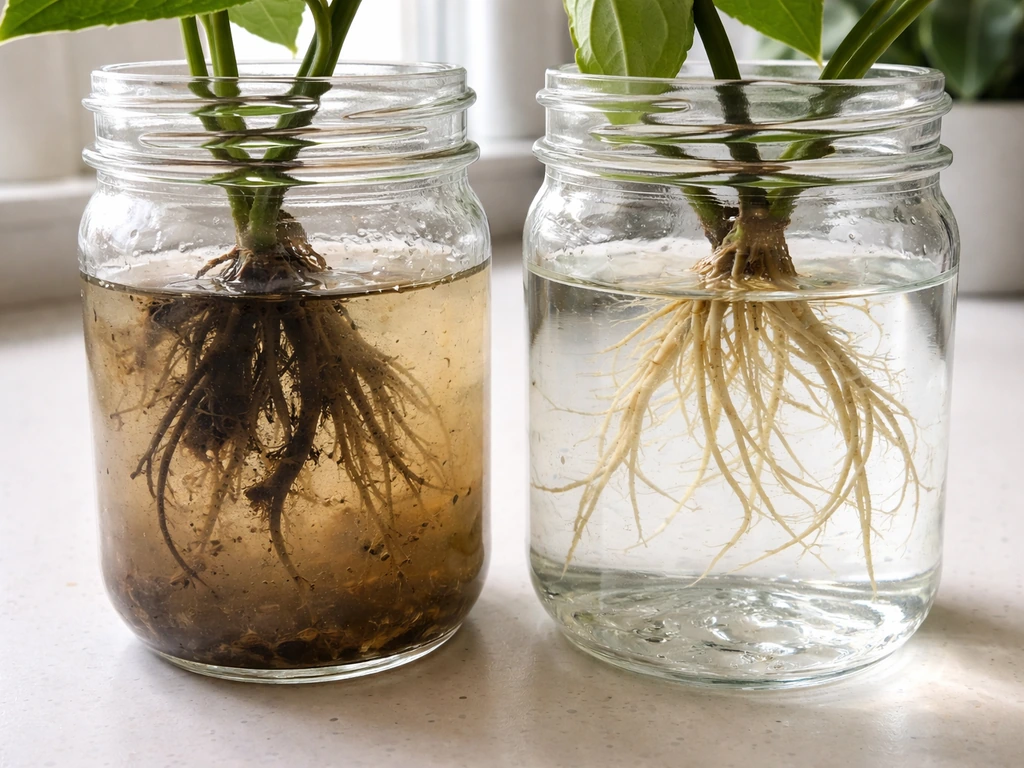
Rot is most often caused by anaerobic conditions around the roots, stagnant, oxygen-depleted water with no movement. If you notice dark, mushy roots or a sulfur smell from the water reservoir, improve aeration immediately. Add a small aquarium air stone to the reservoir, increase partial water changes, and prune back any affected stems. In severe cases, remove the plant, trim all rotten roots and stems, let the cut surfaces dry for a few hours, then replant into fresh substrate with improved drainage and aeration.
Algae in the water reservoir
Green algae growing in the reservoir water is common and mostly harmless to the plant, but it competes for nutrients and can clog irrigation holes. Prevent it by blocking light from reaching the reservoir, cover the water surface with opaque material, use a dark-colored container, or wrap the reservoir in light-blocking fabric. If algae is already established, do a full water change, scrub the reservoir, and then block the light. Avoid algaecides in setups connected to fish or other aquatic life.
Pests and mold
Aphids and whiteflies are the most common pest issues on madre de agua, particularly on soft new growth. A strong spray of water knocks most aphids off, and neem oil spray (diluted to 0.5–1% and applied in the evening) handles recurring infestations without harming aquatic systems nearby when used carefully. Powdery mildew can appear in humid, low-airflow conditions, improve spacing and ventilation first, and remove affected leaves. Avoid overhead watering on the foliage if mildew is a recurring problem.
No growth or very slow establishment
If a cutting or newly transplanted plant just sits there for more than 3–4 weeks without any new growth, the most likely culprits are: temperature below 20°C at the root zone, insufficient light, or the cutting never rooted properly in the first place. Check the cutting by gently tugging, if it comes straight out with no resistance and no roots, start fresh. If roots are present but growth is still slow, raise the temperature and increase light before adding more fertilizer.
Harvesting and keeping the plant productive long-term
You can start harvesting foliage once the plant has been growing actively for 6–8 weeks and has developed a solid root system with multiple branches. For leaf harvest (used as animal forage or, in some traditional practices, as a leafy green), cut entire stems rather than stripping individual leaves, the plant responds better and regrows faster. Leave at least 30–40% of the canopy intact at each harvest.
For long-term production, the cut-and-come-again approach works beautifully with madre de agua. Every time you harvest stems, select the healthiest 15–20 cm tips from your cuttings and use them to propagate new plants. This means you always have replacement plants coming up, which matters because individual plants in container setups tend to become root-bound and less productive after 2–3 years. Keep a nursery pot or two of rooting cuttings going at all times, treat it like a rolling production system.
When a plant starts looking woody at the base, produces smaller leaves than it used to, or seems to be declining despite good conditions, that's your signal to take cuttings and replace it. Don't try to rescue an old, exhausted plant, the cutting you propagated from it will outperform the parent within a season. This cycling approach is genuinely one of the most satisfying things about growing madre de agua: the more you harvest, the more planting material you have, and the system just keeps expanding as long as you want it to.
If you're already growing other semi-aquatic plants in your setup, madre de agua pairs well with other fast-growing, light-hungry species at the margins of your system. The nutrient management and water quality habits you develop for madre de agua carry over directly to growing other leafy semi-aquatics, whether you're working with a pond edge, an aquaponic grow bed, or a water-tray container system.
FAQ
Can I grow madre de agua fully submerged in an aquarium?
It generally should not be submerged like a true aquarium plant. In practice, keep the leaves and stems above water or only barely wet, while the root zone stays saturated. If you fully drown the top growth, you will usually see leaf softening, slower branching, and faster algae buildup around the reservoir.
What if I only have a deep container, can I still grow it without flooding the entire plant?
Yes, but you must keep the top growth exposed to open air and light. A common approach is to use a net pot or small container inside a larger tub, with water touching the bottom of the substrate while the plant sits above the waterline. This preserves its “wet roots, dry shoots” growth pattern.
How do I prevent slow growth in winter indoors?
Cold concrete or metal can sink root-zone temperature fast, even when the room air is warm. Use an insulating stand (wood/plastic blocks) under the reservoir and, in winter, consider a small aquarium heater or heat mat on the reservoir side so the bottom stays above about 18 to 20°C.
What is the biggest mistake when starting madre de agua from cuttings?
Use the cutting fresh and keep it shaded immediately after planting, then gradually increase light after roots form (usually within a couple of weeks). If the cutting sits in full sun before it has resistance when gently tugged, it can wilt even if the roots are still forming.
When should I give up on a cutting that is not rooting yet?
The article suggests checking by tugging, and the next step is to confirm visually and timing-wise. Wait longer in warm conditions, but if there is zero new growth by 3 to 4 weeks and the tug test shows no rooting resistance, discard and restart from a healthier, fresher cutting.
How can I tell root rot versus nutrient deficiency when leaves yellow?
If roots are brown, mushy, and water smells sulfurous, you are likely dealing with anaerobic conditions, not just “bad water.” Increase aeration, prune affected stems, and replant into fresher, more open substrate, because once root tissue is damaged it rarely recovers.
My plant’s lower leaves yellow first, what should I adjust first, fertilizer or water conditions?
If yellowing starts on lower leaves first, treat as nitrogen shortage (especially in clean-water setups), but confirm before heavy fertilizing. A good rule is to check growth rate and color together, if growth is fine but only older leaves yellow, adjust fertilizer modestly, if growth is stunted too, suspect oxygen or temperature issues.
What’s the best way to stop green algae in the reservoir without harming aquatic systems?
Covering the reservoir and blocking light is usually safer than adding chemicals. If algae is persistent, also reduce nutrient availability by confirming fertilizer dosing, increase water movement or aeration, and clean surfaces where algae mats can re-seed.
Can I use neem oil if my madre de agua is in an aquaponic system with fish?
Yes, especially on new soft growth. Treat in the evening, use diluted neem oil, and test on a small portion first if you are near fish or other sensitive organisms. After treatment, improve airflow and consider rinsing foliage after several hours if you see leaf burn.
What should I do if I get powdery mildew, can I just spray it away?
You can, but if you are connected to fish or a sensitive tank, skip broad-spectrum approaches and prioritize water quality fixes (aeration, light reduction, spacing). For mildew, remove affected leaves and improve ventilation first, because repeated wet foliage usually drives recurrence.
After pruning, why is my madre de agua not getting bushy again?
When pruning cycles are working, you should see rapid regrowth from multiple branch points within weeks. If you prune and the plant responds with very small regrowth, check root-zone temperature and light intensity first, then adjust fertilizer frequency, because pruning cannot “fix” cold or low-light stress.
Can I still harvest regularly if light or temperature drops?
Yes, but manage expectations. In low light or cooler roots, harvest should be lighter and less frequent, because the plant needs energy to re-root and regrow. If growth slows seasonally, extend the harvest interval instead of taking the same one-third to one-half stem amounts.
How do I refresh an old container plant that is declining but still looks alive?
Most container problems come from buildup and limited oxygen around roots. Every 2 to 3 years (and sooner if you see decline), plan to take cuttings and restart in fresh substrate, rather than trying to renovate an old, root-bound plant.