Can you actually grow real plants in a fish tank or fishbowl?
Yes, absolutely. Real live plants thrive in fish tanks, and plenty of species will do just fine in a fishbowl too. In fact, live plants and fish are a genuinely good pairing: the plants use the fish waste as fertilizer, and the fish benefit from the oxygen and biological stability the plants provide. The catch is that plants have real requirements around light, nutrients, and water stability, and if you skip those basics, you'll end up with melting, yellowing, or algae-covered leaves within a few weeks. This guide walks you through every step, from picking the right plants to fixing the problems that trip up most beginners.
Pick the right plants first (this part matters a lot)
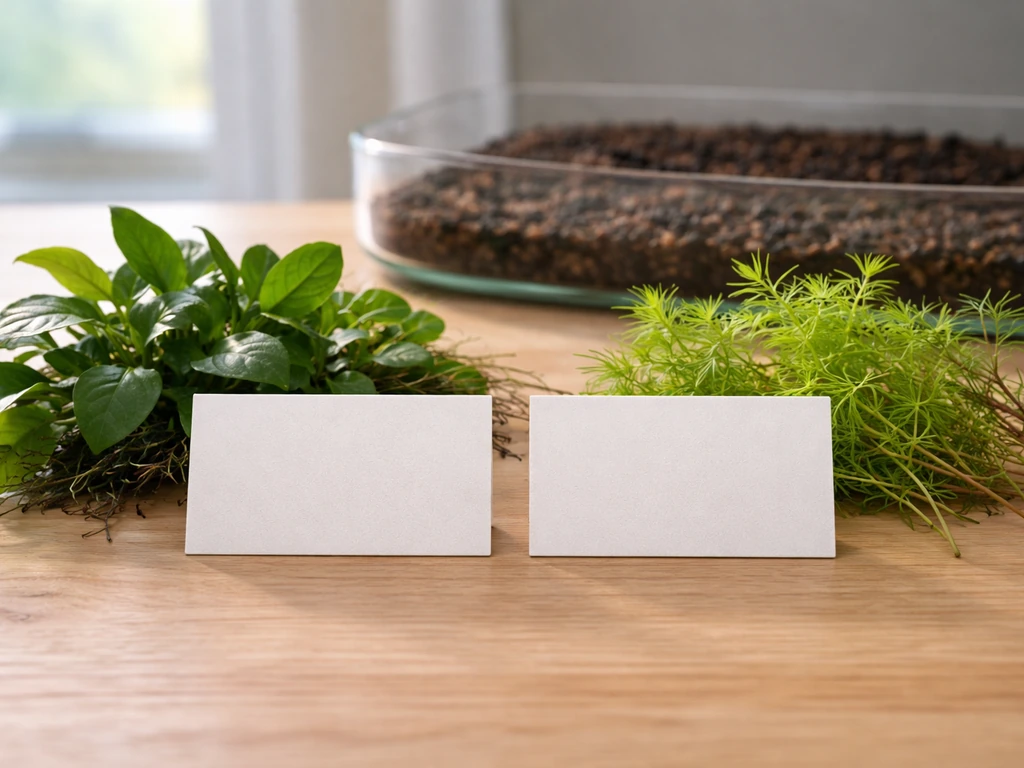
The single fastest way to fail with a planted tank is choosing plants that don't match your setup. High-light, CO2-hungry plants like glosso or HC Cuba will melt in a low-tech tank. Stick to beginner-friendly species and you'll have a much easier time getting results you can actually see.
For a standard aquarium, these are the species that consistently work for beginners without injected CO2 or fancy lighting:
- Java fern (Microsorum pteropus): attach to driftwood or rock, never bury the rhizome in substrate
- Anubias (various species): same as java fern, rhizome must stay exposed or it rots
- Java moss: ties to almost anything, nearly indestructible, great for shrimp tanks
- Amazon sword (Echinodorus bleheri): needs substrate and root tabs, grows large in tanks 20+ gallons
- Cryptocoryne (crypt) species: low light tolerant, will melt after planting but almost always recovers
- Hornwort (Ceratophyllum demersum): fast-growing, can float or be loosely anchored, excellent nutrient absorber
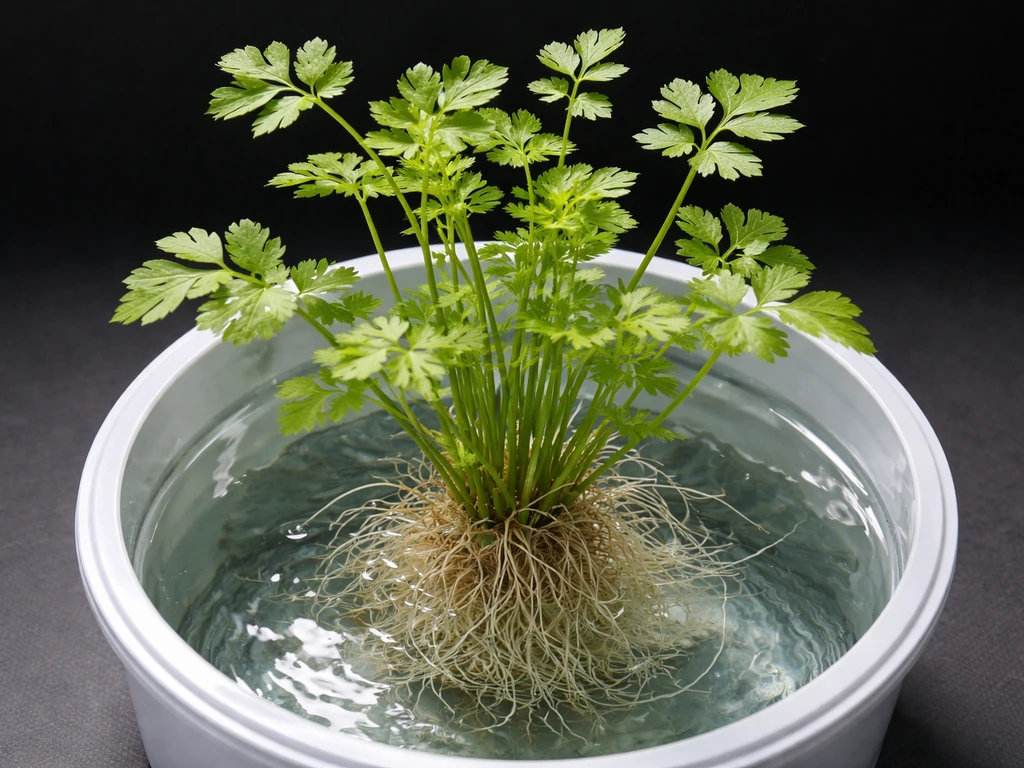
- Water sprite (Ceratopteris thalictroides): floats or roots, grows fast enough to outcompete algae
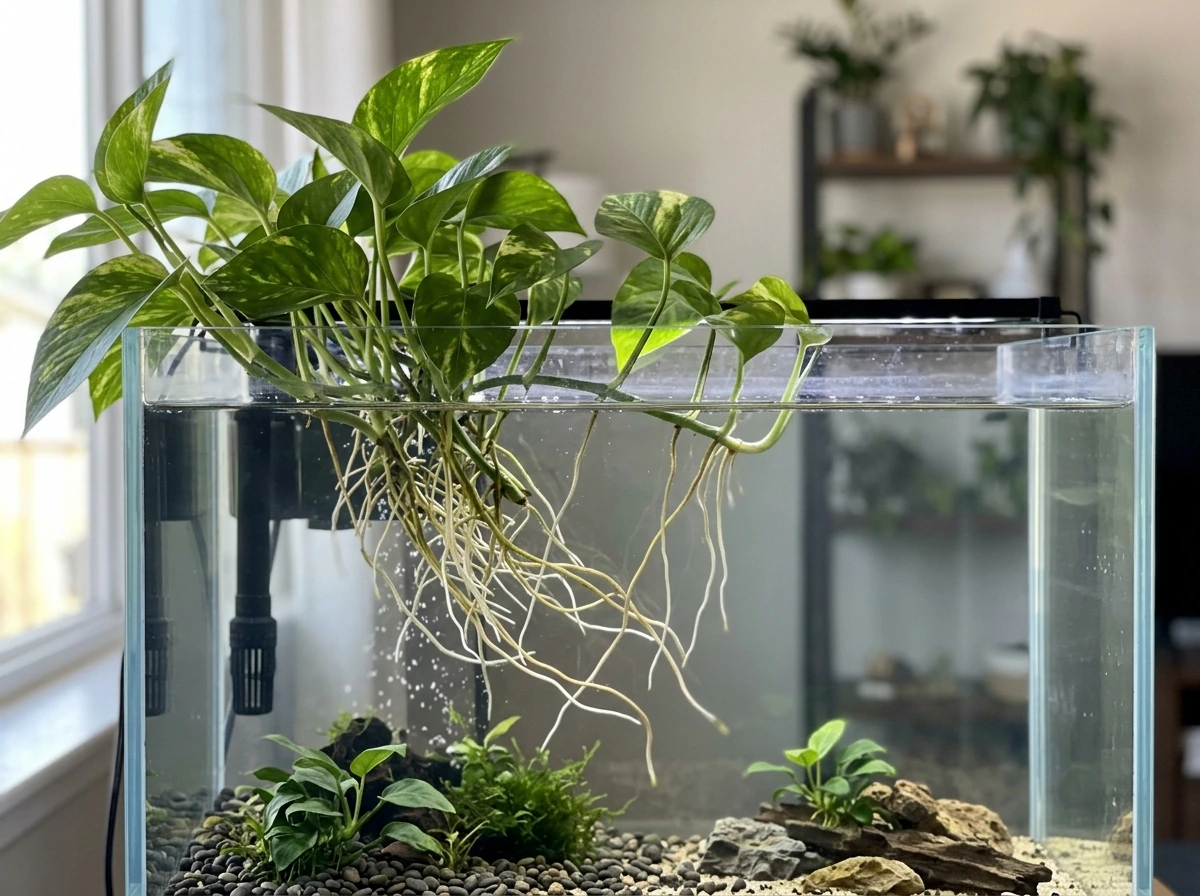
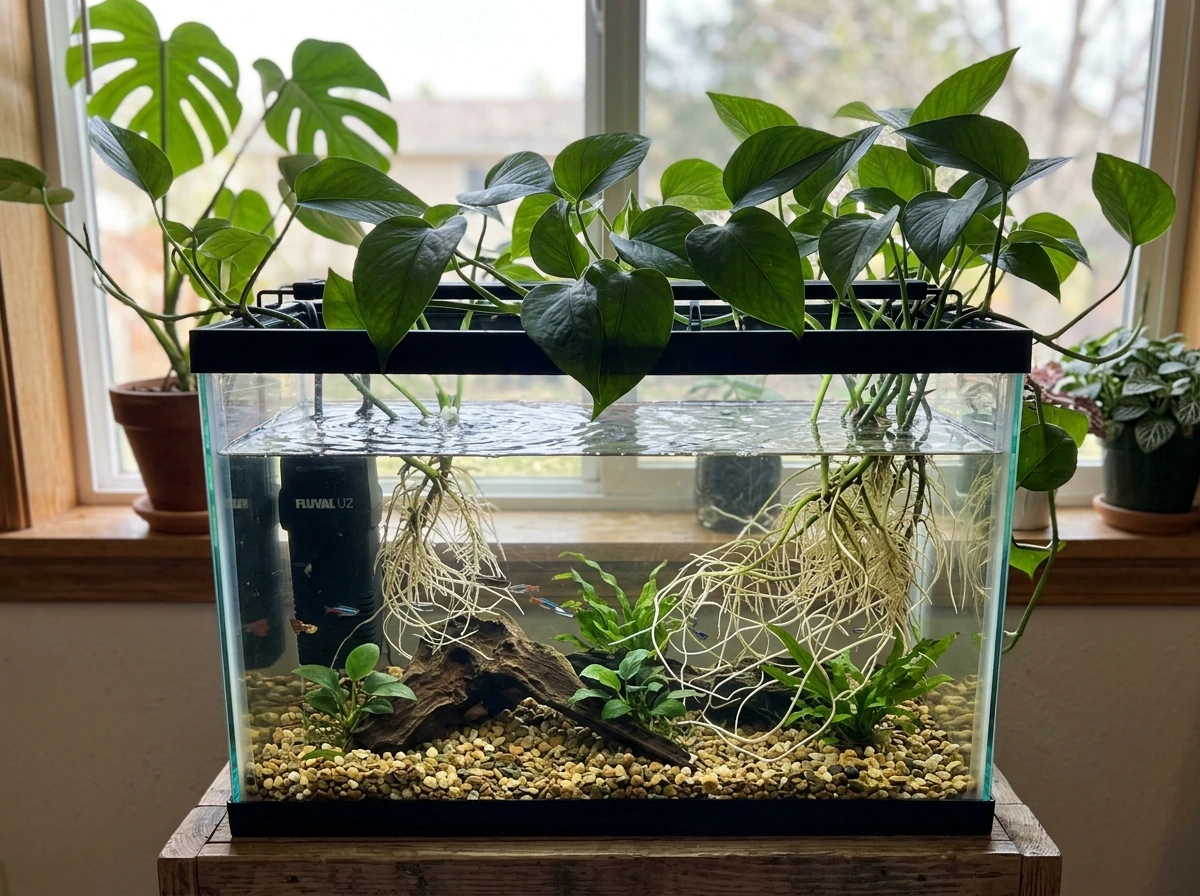
For a fishbowl, your choices narrow because light penetration is limited and water volume is small (usually 1 to 5 gallons). Pothos is one of the most popular options: you grow the roots in the water column while the leaves stay above the surface, and it pulls nutrients directly from the water. If you want to dig into that approach, the specifics of how to grow pothos in a fish tank are worth reading before you start. Anubias and java moss also work well in bowls because both tolerate low light and stable, slow-moving water.
Set up the essentials: light, water conditions, and nutrients
Lighting
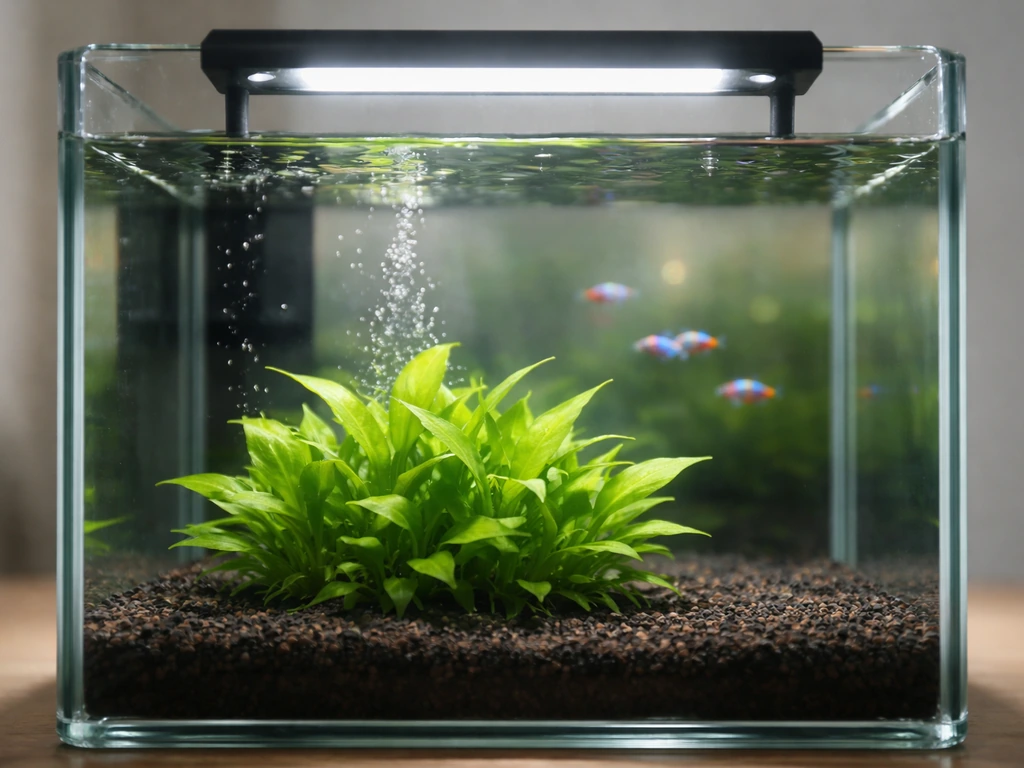
For most low-tech planted tanks, aim for an 8 to 10 hour photoperiod, meaning lights on for 8 to 10 hours and off for roughly 12 to 14 hours. More light than that almost always causes algae before your plants are established enough to use it. Use a timer and set it on day one. Modern LED aquarium lights are strong enough for low- and medium-light plants right out of the box, so you don't need to overthink the fixture as long as it's designed for aquarium use and rated for your tank's footprint. For a fishbowl sitting near a window, indirect natural light supplemented with a small LED clip light usually works well enough for the species listed above.
Water parameters
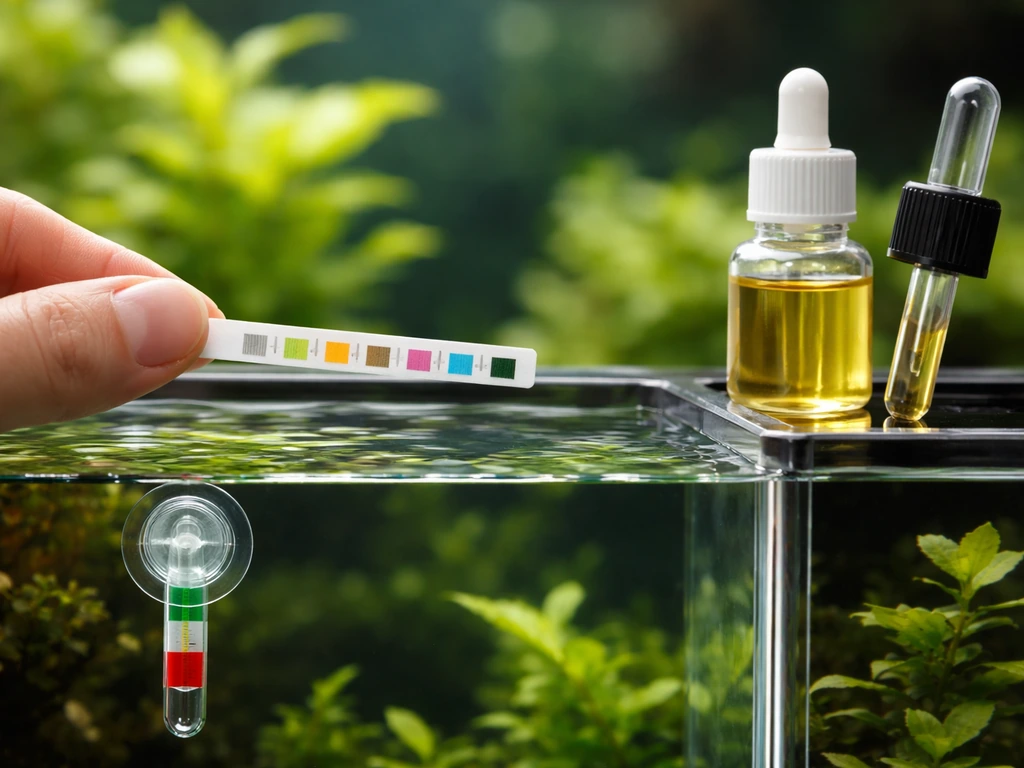
Most common aquarium plants are flexible, but here are the target ranges that give you a solid starting point. These also overlap well with what most community fish need, so there's no real conflict:
| Parameter | Target Range | Why It Matters |
|---|
| Temperature | 72–82°F (22–28°C) | Affects plant metabolism and fish health |
| pH | 6.5–7.5 | Most plants and fish thrive here |
| Nitrate | 10–20 mg/L | Primary nitrogen source for plant growth |
| Phosphate | 0.1–0.4 mg/L | Needed in small amounts; excess drives algae |
| Potassium | 10–15 mg/L | Important macro nutrient, often deficient |
| Iron | 0.05–0.2 mg/L | Micronutrient; deficiency shows in new leaves |
| Magnesium | >10 mg/L | Supports chlorophyll production |
Nutrients and fertilizers
Plants need both macro nutrients (nitrate, potassium, phosphate) and micro nutrients (iron and trace elements). In a tank with fish, the fish waste covers a lot of the nitrogen demand, but potassium and iron are almost always low and need to be supplemented. A liquid all-in-one fertilizer like Seachem Flourish, Tropica Plant Nutrition, or a CSM+B mix covers the micro side well. For the macro side, especially potassium, a dedicated supplement helps in heavily planted tanks. Always dose based on your water volume using the label dosing tables rather than guessing. Over-fertilizing in the early weeks is one of the fastest ways to trigger an algae outbreak.
CO2: do you need it?
For a low-tech setup with the plant species listed above, you don't need injected CO2. Plants use roughly three times as much carbon as any other nutrient, and CO2 limitation can cause slow growth and give algae an opening to take over. But dissolved CO2 from fish respiration and surface water exchange is often enough for easy plants. If you do decide to add CO2 injection later (a "high-tech" approach), be careful: excess CO2 can cause fish to gasp at the surface and can suffocate them if not monitored. Start low, watch your fish, and don't chase perfect plant growth at the expense of fish health.
Rooted plants vs. floating plants: choosing your planting method
How you plant depends entirely on the species you're working with, and getting this wrong is probably the most common beginner mistake I see.
| Planting Method | Best For | Substrate Needed? | Notes |
|---|
| Buried in substrate | Amazon sword, crypts, stem plants | Yes, 2–3 inches deep | Root tabs help in inert substrate like sand or gravel |
| Attached to hardscape | Java fern, anubias, mosses | No | Use thread or glue to fix to driftwood or rock; never bury rhizome |
| Floating | Hornwort, water sprite, duckweed | No | Great for fishbowls; shades water and reduces algae |
| Emergent (roots in water, leaves above) | Pothos, peace lily, lucky bamboo | No | Excellent for fishbowls and rimless tanks; roots hang in water column |
For tanks without any substrate at all (bare bottom tanks or setups where you want to skip gravel entirely), you can still grow a genuinely lush planted tank. The key is leaning on epiphytes like anubias and java fern, floating species, and emergent plants. If you want the full breakdown for that approach, the guide on how to grow plants in a fish tank without substrate covers it in detail.
If you are using substrate, inert options like plain aquarium gravel or coarse sand work fine as long as you add root tabs (slow-release fertilizer capsules pushed into the substrate near the roots) for heavy feeders like Amazon swords. Nutrient-rich substrates like Fluval Stratum or ADA Aqua Soil give you a head start but cost more and can spike ammonia when new, which is why cycling your tank first is so important.
How to actually start and acclimate plants today
- Cycle your tank before planting if possible. A cycled tank (with established beneficial bacteria converting ammonia to nitrate) is far more stable for new plants. High ammonia levels in an uncycled tank stress plants and dramatically increase the risk of melt. If you're starting a brand new tank, do a fishless cycle first, or use a seeded filter from an established tank.
- Rinse your new plants under dechlorinated water. Remove any dead or yellowing leaves, and cut off rotting roots (healthy roots are white or tan, not black and mushy).
- Remove any rock wool (the grey sponge plugs that tissue culture or nursery plants often come in). Rock wool can trap debris and encourage rot in an established tank.
- Plant rooted species first. Push the roots gently into the substrate to a depth where the crown (where roots meet stem) sits just at the surface. Don't bury the crown or it will rot.
- Attach rhizome plants (anubias, java fern) to hardscape using thin cotton thread or cyanoacrylate gel glue. The thread biodegrades once the plant attaches naturally, usually within 4 to 6 weeks.
- Add floating or emergent plants last. For pothos or other emergent species, suspend the roots so they hang into the water but keep the stems and leaves above the waterline.
- Set your light timer immediately. Start with 8 hours on, 16 hours off for the first two weeks while plants establish. You can increase to 10 hours after that if plants look healthy.
- Do a 25–30% water change after 3 to 4 days. This dilutes any debris or compounds released by new plants and helps maintain stable conditions during the critical first week.
- Watch (don't adjust) for the first two weeks. It's tempting to change things when plants look rough early on, but sudden changes in lighting, fertilizer, or CO2 are a top cause of melt. Give plants time to adapt before tweaking.
Ongoing plant care: feeding, pruning, and keeping algae in check
Fertilizing schedule
Once plants are established (usually 2 to 4 weeks after planting), start a regular fertilizer routine. A good starting point for most community tanks with fish is dosing an all-in-one liquid fertilizer once or twice a week right after a water change. Follow the label dosing table for your tank volume exactly, at least at first. It's much easier to fix a nutrient deficiency by adding more than to fix an algae outbreak caused by over-dosing. If you're growing heavier-feeding rooted plants, replace root tabs every 3 to 4 months.
Pruning
Trim stem plants (like water sprite or hornwort) when they reach the surface or start blocking light to lower plants. Cut just above a node (the point where a leaf meets the stem), and you can replant the cutting directly into the substrate to create a new plant. For rosette plants like Amazon sword, remove any fully yellow or dead leaves at the base. Anubias and java fern grow slowly enough that they only need occasional removal of old or damaged leaves.
Keeping algae under control
Algae in a planted tank is almost always a symptom of imbalance: too much light for the nutrient and plant density you have, or too many nutrients relative to plant uptake. The two most effective preventive steps are sticking to your 8 to 10 hour photoperiod and doing consistent weekly water changes of 25 to 30%. Algae eaters like nerite snails, otocinclus catfish, and amano shrimp are genuinely useful for keeping surfaces clean without touching plants. If algae is already out of control, reduce the photoperiod to 6 hours for a week, do a large water change, and check your nutrient levels before adding more fertilizer.
Troubleshooting: melting, slow growth, yellowing, and more
Plants are melting after I added them
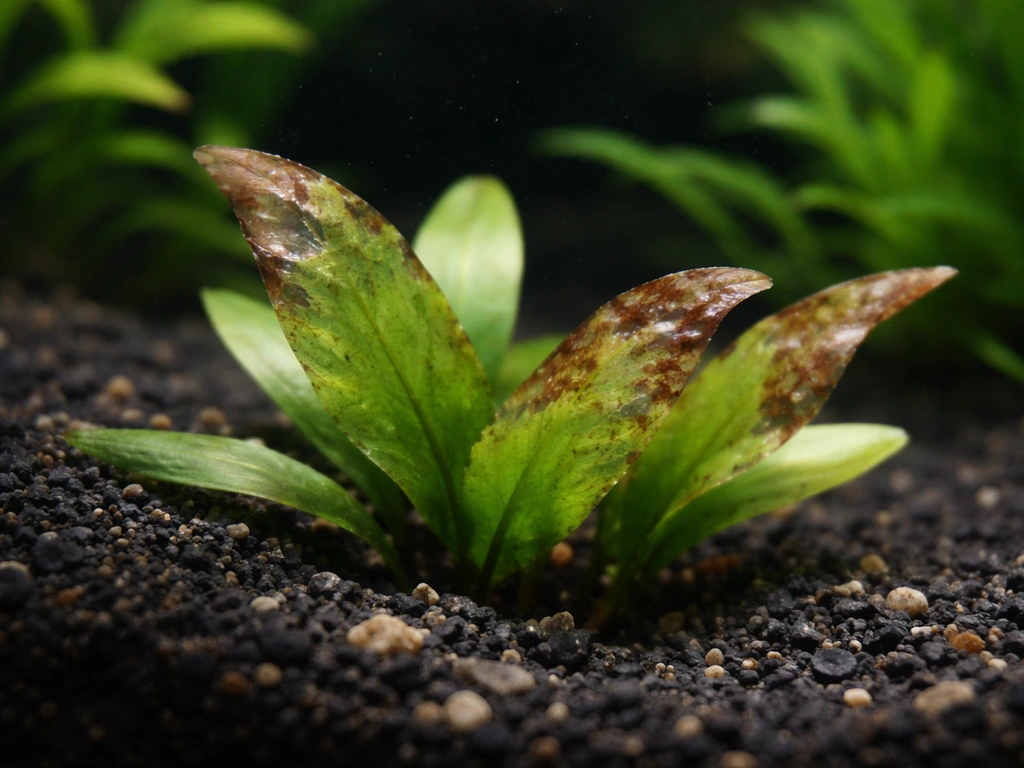
Melting is by far the most common complaint from new planted tank owners, and it's almost always normal, especially with crypts (which have a well-known "crypt melt" phenomenon). Plants grown emersed (above water) at nurseries have different leaf tissue than submersed aquatic leaves, so the old leaves dissolve while the plant grows new tissue adapted to underwater life. Don't pull the plant out. As long as the roots and rhizome look healthy, leave it alone. What you can do to reduce melt risk: plant into a fully cycled tank, avoid making sudden changes to lighting or fertilizer right after planting, and make sure water flow isn't blasting directly at new plants.
Plants aren't growing (or are growing very slowly)
Slow growth usually comes down to one of three things: not enough light, not enough carbon (CO2), or a specific nutrient deficiency. Check your photoperiod first. If you're already at 8 to 10 hours and plants are still stalled, carbon limitation is a likely culprit. Plants use roughly three times more carbon than any other nutrient, and without enough CO2, photosynthesis stalls regardless of how much fertilizer you add. Adding more light or nutrients at this point often just feeds algae instead of plants. A liquid carbon supplement (like Seachem Excel) can help bridge the gap in low-tech tanks without the complexity of a full CO2 system.
Leaves are turning yellow
Where the yellowing shows up tells you a lot about the cause. If old leaves (lower, older parts of the plant) are turning yellow or translucent starting at the tips, that's a classic sign of nitrogen deficiency. The plant is pulling nitrogen from old growth to support new leaves. Check your nitrate level and aim for 10 to 20 mg/L. If your newest leaves are pale or yellow while the veins stay darker green, that's iron deficiency (chlorosis). Add a targeted iron supplement like Seachem Flourish Iron and watch new growth over the next 1 to 2 weeks for improvement.
Algae is taking over despite healthy-looking plants
This is almost always a light and nutrient balance problem. Beginners commonly run lights too long and add too much fertilizer before plants are established enough to use it. Cut the photoperiod back to 6 to 8 hours, skip fertilizer for a week, and do two water changes that week to dilute excess nutrients. Then reintroduce both light and fertilizer slowly. Adding fast-growing plants like hornwort or water sprite specifically to outcompete algae for nutrients is one of the most effective low-tech tools you have.
Plants in a fishbowl keep dying
Fishbowls are harder because water volume is small, which means parameters swing fast. Stick to the most tolerant species (anubias, java moss, pothos roots). Do small, frequent water changes (10 to 15% every few days rather than large weekly ones) to keep things stable. Avoid overfeeding fish because uneaten food rots fast in a small volume. If you're growing houseplants with roots in the bowl, you're also in good company: the guide on how to grow houseplants in a fish tank covers which species work best and how to set them up safely alongside fish.
A few things worth knowing before you dive in
The biggest thing I'd tell a beginner is to resist the urge to keep adjusting things. A new planted tank needs two to four weeks to settle, and during that time it will look rough. Melting leaves, a little cloudiness, maybe some early algae: this is normal. The mistake most people make is changing too many variables too fast, which stresses plants and fish simultaneously and makes it impossible to know what actually caused the problem.
Start simple: one or two hardy species, a basic LED light on a timer, a small dose of liquid fertilizer once a week, and consistent water changes. Once those plants are growing well and your tank is stable, add more species and complexity. For anyone who wants to explore the pothos-and-aquarium combination specifically (which is genuinely one of the easiest and most rewarding ways to get started), the detailed walkthrough on how to grow pothos in an aquarium is a great companion to this guide.
You don't need CO2, expensive substrate, or a huge tank to grow live plants successfully. A cycled tank, a reliable light on a timer, the right plant species, and a bit of patience will get you there.