Yes, you can grow houseplants in a fish tank, and the results can look genuinely stunning. The short answer is this: certain houseplants tolerate wet roots or high humidity extremely well, and an aquarium gives you a controlled, enclosed environment that mimics those conditions almost perfectly. The longer answer involves picking the right plants, setting up the tank correctly, and keeping water chemistry stable enough that nothing (including your fish) suffers. This guide walks you through every step from scratch.
How to Grow Houseplants in a Fish Tank Step by Step
Marcus Holloway
17 Apr 2026
What "growing houseplants in a fish tank" actually means
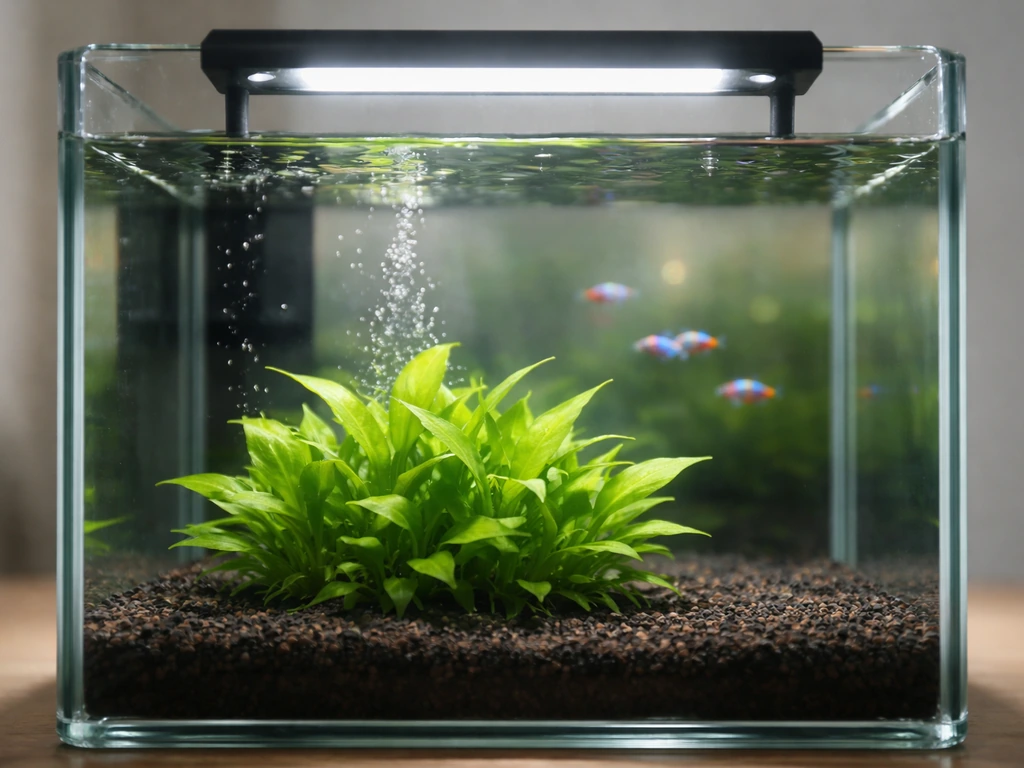
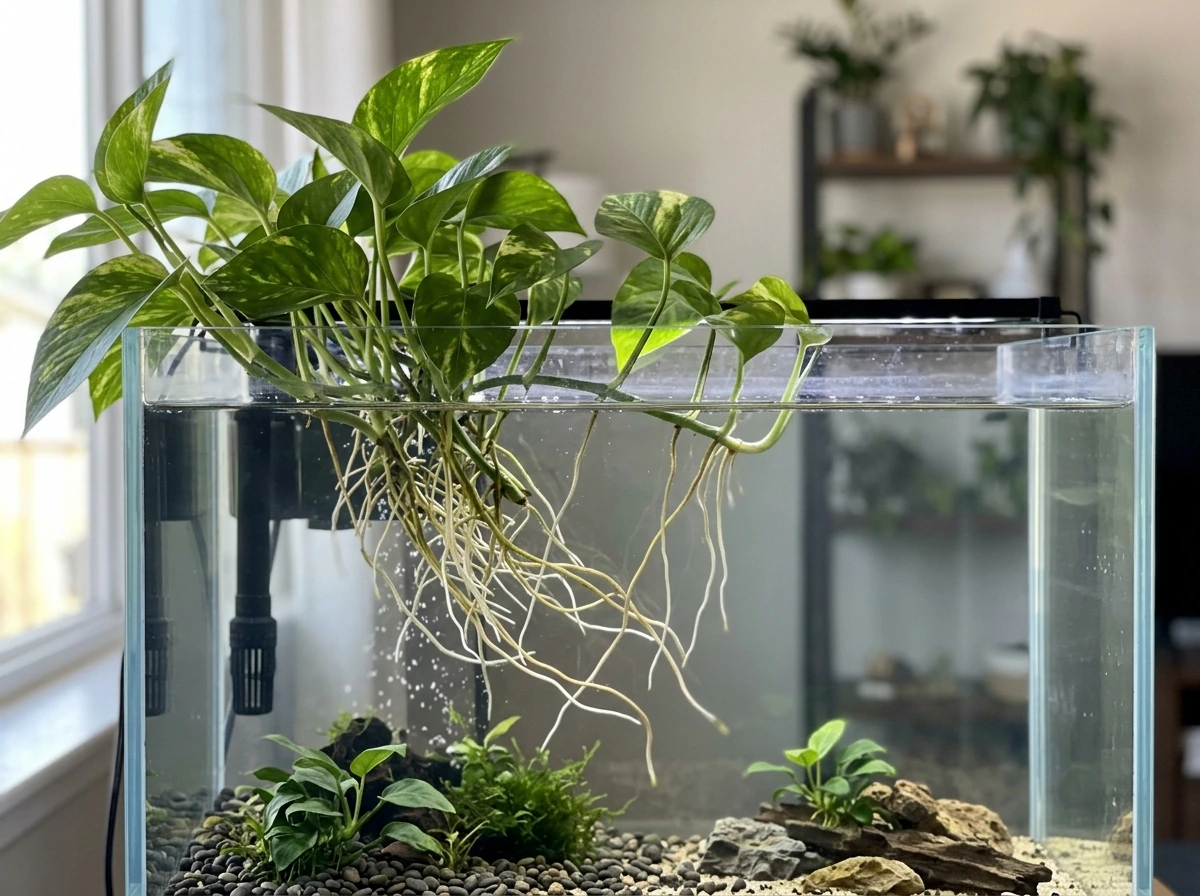
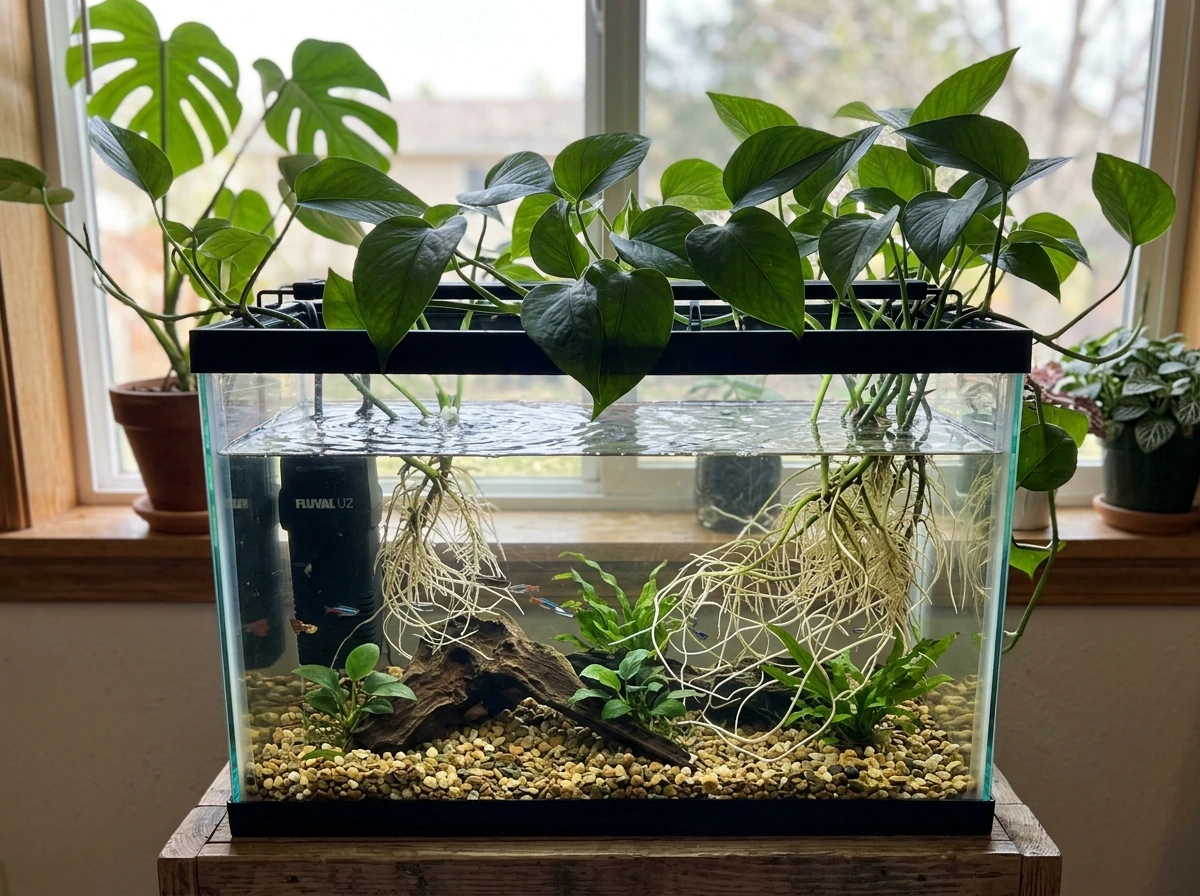
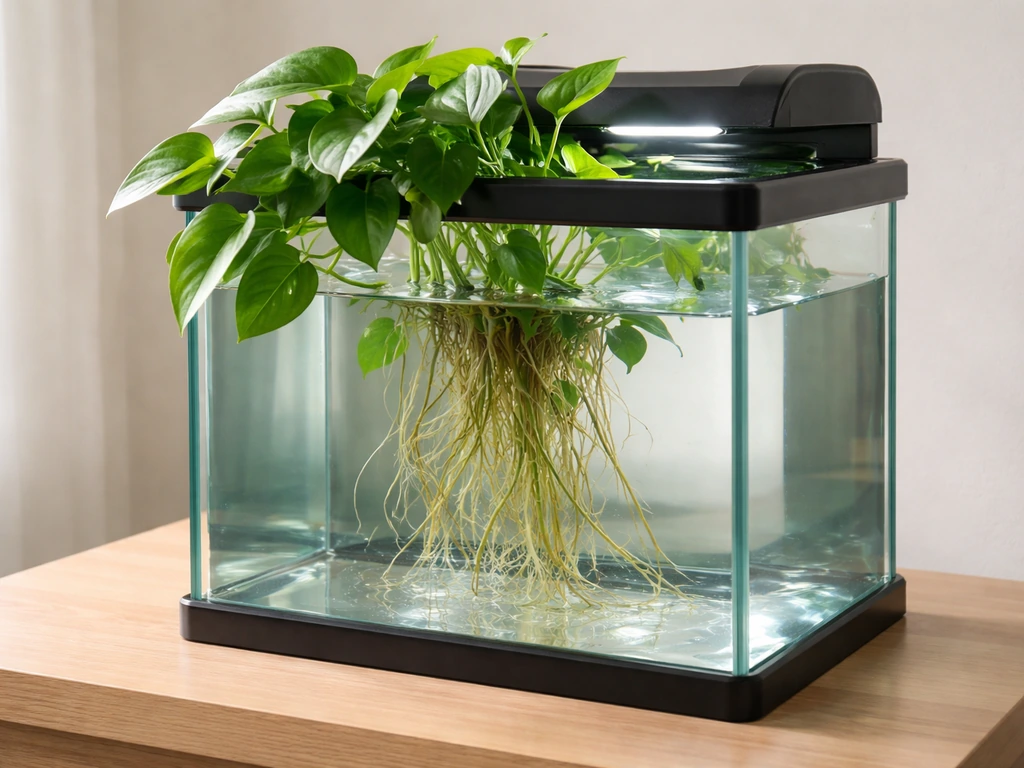
Before you buy anything, it helps to get clear on which setup you're actually building, because the phrase covers a few different things. The most common arrangements are: (1) a fully planted aquarium where rooted plants grow inside the water column, (2) an emersed setup where roots are submerged but leaves grow above the water surface, and (3) a paludarium, which is a semi-aquatic vivarium that has a defined underwater zone and an above-water land zone in the same enclosure. A paludarium is probably the closest match to what most people picture when they imagine houseplants spilling out of an aquarium.
There's also a style called wabi-kusa, popularized by Takashi Amano, where aquatic plants are grown in their emersed form above a water source, creating a lush, moss-ball-on-a-stone aesthetic. Almost every aquarium plant can form both a submersed and an emersed version of itself, which is exactly the biology that makes these setups possible. The practical takeaway: you don't need to limit yourself to fully aquatic plants. Many true houseplants, especially ones that naturally live near rivers, ponds, or tropical forest floors, thrive when their roots stay wet and their leaves stay in humid air.
If you want a deeper dive into the core concept before getting into hardware, the guide on how to grow plants in a fish tank covers the foundational principles well and is worth reading alongside this one.
Plants that actually work in and around aquarium water
Not every houseplant will survive wet feet. Succulents and most cacti are instant nos. What you're looking for are plants with tropical or riparian origins that are used to sitting in waterlogged soil or high-humidity environments. Here's what consistently works:
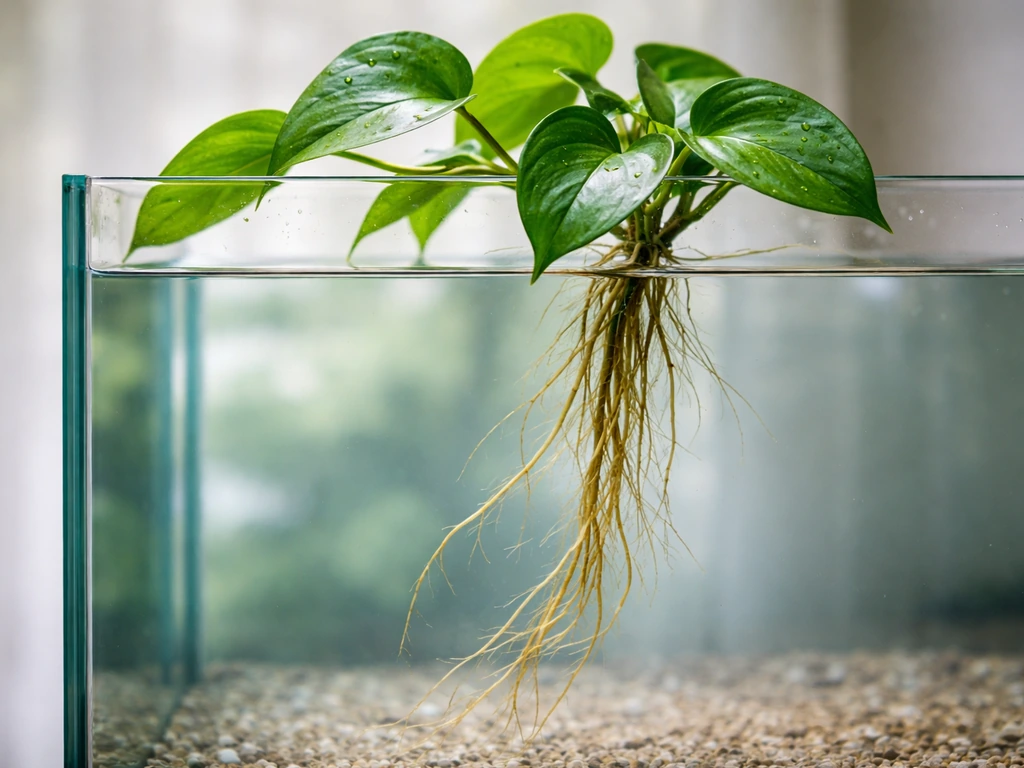
- Pothos (Epipremnum aureum): one of the easiest wins. Roots dangle into the water, leaves grow out of the tank. Fast-growing, low-light tolerant, and genuinely effective at pulling nitrates out of the water column.
- Peace lily (Spathiphyllum): handles wet roots well, thrives in indirect light, and looks dramatic growing over the rim of a tank.
- Philodendron: similar growth habit to pothos, roots adapt quickly to water, and the leaves stay healthy as long as they stay above the waterline.
- Lucky bamboo (Dracaena sanderiana): often sold already growing in water, making it a natural fit for aquarium setups.
- Spider plant (Chlorophytum comosum): tolerates moisture but does better in emersed arrangements than fully submerged.
- Anubias and Java fern: technically aquarium plants rather than houseplants, but they're sold in garden centers and home improvement stores. Both grow with roots submerged and leaves emersed or fully submerged, making them ideal for beginners.
- Cryptocoryne (crypts): popular aquarium plants that transition between emersed and submerged growth, though they can go through a temporary melt phase when moved (more on that in troubleshooting).
- Amazon sword (Echinodorus): a background plant that needs reasonable lighting and growing space, but adapts well to emersed-root setups.
Pothos deserves a special mention because it's probably the most forgiving starting point for this whole concept. If you want to go deeper on that specific plant, the detailed walkthrough on how to grow pothos in a fish tank covers placement, root development, and water quality effects in full.
Setting up the tank: containers, substrate, water level, drainage, and airflow
The physical setup varies depending on which style you're building, but the principles stay consistent. A standard glass aquarium works for any of these approaches. Rimless tanks are easier for emersed growth because plants can trail over the edge freely. A lid or plastic wrap is useful in the early stages to trap humidity, especially if you're rooting cuttings or running a dry start.
Substrate choices
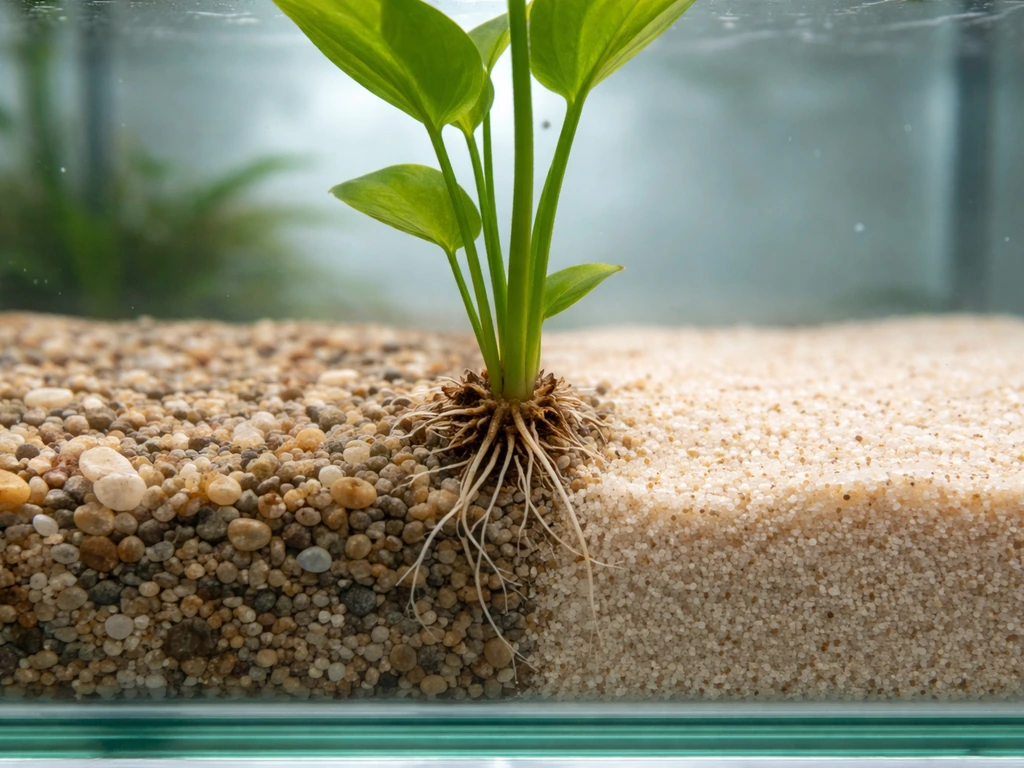
For fully submerged plants, use an inert aquarium substrate (fine gravel, sand, or a commercial aquarium soil like ADA Amazonia or Fluval Stratum) rather than regular potting mix. Potting soil is tempting because it's cheap and nutrient-rich, but it creates real problems in a fish tank: organic components release ammonia as they break down (which is toxic to fish), peat content can drop your pH significantly, and bark or perlite pieces float and cloud the water. If you insist on using soil as a base layer, cap it with at least one to two inches of gravel or sand to limit how much leaches directly into the water column.
For emersed arrangements, where plant roots are in a growing medium above or at the waterline rather than fully submerged, you have more flexibility. Hydroton (clay pebbles), lava rock, or coconut coir work well because they hold moisture without compacting, allow oxygen to reach the roots, and don't leach chemicals into the water. If you want to skip substrate entirely, that's also viable for many plants. The guide on how to grow plants in a fish tank without substrate is worth a read if you want to go that route.
Water level, drainage, and airflow
For a pure emersed setup, keep the water level low enough that plant roots are submerged but stems and leaves stay above water. A good starting point is filling the tank roughly one-third to one-half full. For a paludarium, you'll build a physical divider (foam, rocks, or hardscape material) to create a distinct wet zone and a dry land zone. In both cases, you don't need drainage in the traditional sense since the tank holds the water, but you do want surface agitation from a filter or small powerhead to keep oxygen levels up and prevent stagnant conditions.
Airflow matters more than most beginners expect. If you're running a mostly enclosed setup (plastic wrap or a lid for humidity), lift the cover for 15 to 20 minutes daily to exchange CO2 and oxygen. Plants in a sealed environment will exhaust available CO2 quickly, which stalls growth. A small USB fan pointed across the surface of an open-top tank handles this automatically and also reduces the chance of fungal issues on leaves.
Lighting and water parameters that grow plants without growing algae
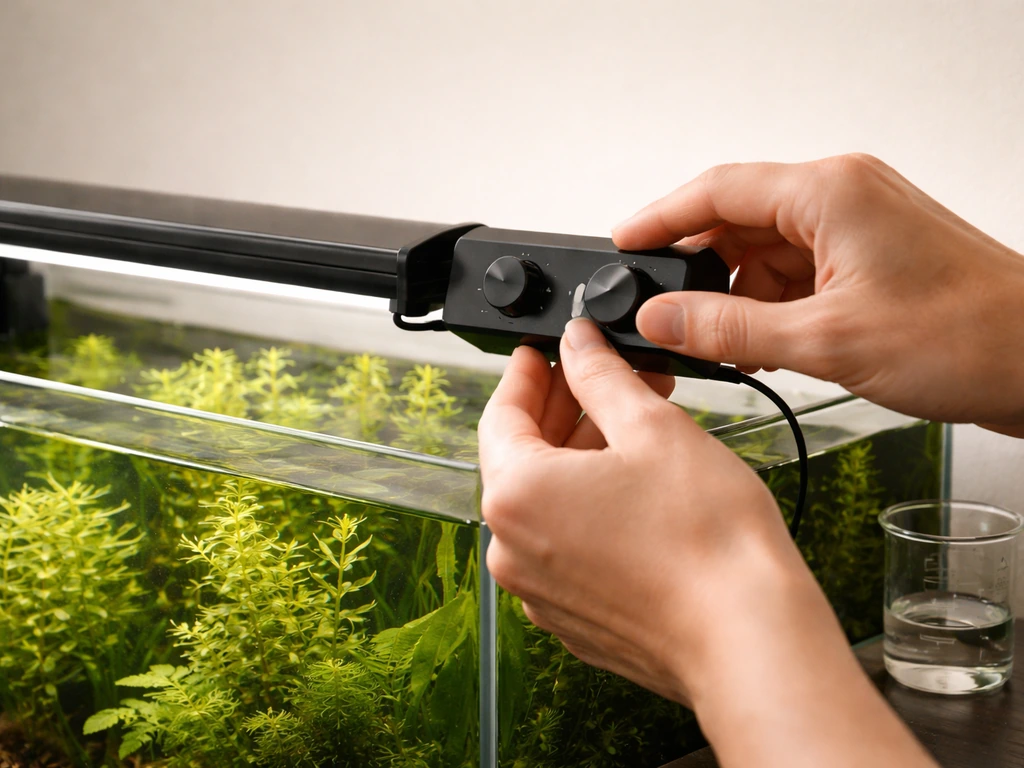
Light is the variable most beginners get wrong, usually by doing too much rather than too little. The standard recommendation for low-to-medium tech planted setups is 6 to 8 hours per day, and that's a genuinely reliable starting point. Going longer than 8 hours doesn't make plants grow faster; it mostly just hands algae a competitive advantage. Leaving lights on 24/7 is one of the most reliable ways to end up with a tank coated in green fuzz, and it can actually reduce how effectively plants photosynthesize by disrupting their light/dark cycle.
Start at 6 hours per day and a moderate intensity (around 50 to 70 percent if your light has a dimmer). Watch the tank for two weeks. If plants are growing well and there's no significant algae, you can nudge the photoperiod up to 7 or 8 hours. If algae appears before plants establish, cut back to 5 to 6 hours and address any nutrient imbalances first. Algae is a symptom, not a random occurrence. It almost always means nutrients and light are out of sync: either too much light for the available nutrients, or too many nutrients without enough plant biomass to use them.
Water parameter targets
| Parameter | Target Range | Why It Matters |
|---|---|---|
| Temperature | 68–82°F (20–28°C) | Suits most tropical houseplants and common fish species |
| pH | 6.5–7.5 | Broad range tolerated by most plants; watch for pH drop if using soil substrates |
| Ammonia | 0 ppm | Lethal to fish; monitor carefully when cycling a new tank or using organic substrate |
| Nitrite | 0 ppm | Toxic to fish and shrimp even at low levels |
| Nitrate | 5–20 ppm | Plants use this as a nutrient source; keep below 40 ppm if fish are present |
| General Hardness (GH) | 4–12 dGH | Provides calcium and magnesium for plant cell function |
If you're running an emersed-only setup with no fish, you have more flexibility on all of these, but it's still worth testing your water periodically so you're not guessing when problems appear.
How to root and plant: propagation methods and step-by-step setup
There are two main approaches to getting plants established in a tank: the direct planting method (put plants in, flood the tank, done) and the dry start method. The dry start, originally developed by aquascaper Tom Barr in 2007, involves planting into a moist but unflooded substrate, then covering the tank to maintain high humidity while plants root and establish. You flood the tank weeks later once plants have a solid foothold. The main advantage is that emersed plants have direct access to atmospheric CO2, which is far more abundant than dissolved CO2 in water. This means faster initial growth and better rooting before the harder transition to submerged life.
Step-by-step: dry start method
- Add your substrate to the tank (2 to 3 inches deep for rooted plants, less for carpeting species).
- Mist the substrate until it's evenly moist but not standing in water. You want damp, not wet.
- Plant your cuttings or rooted plants into the substrate, pressing roots in gently. For rhizome plants like Anubias or Java fern, lay the rhizome on top of the substrate and anchor it with fishing line or aquarium-safe glue. Never bury the rhizome itself or it will rot.
- Cover the tank with plastic wrap or a glass lid, leaving a small gap for minimal air exchange.
- Place under your light at 50 to 80 percent intensity for 6 to 8 hours per day.
- Lift the cover briefly each day (10 to 15 minutes) to refresh CO2 and prevent mold buildup.
- After 3 to 6 weeks, once plants show new growth and visible roots, slowly raise the water level over several days rather than flooding all at once. This gradual transition reduces transplant shock.
Transitioning houseplants from soil to aquarium media
If you're moving a houseplant like pothos or philodendron from a pot into an aquarium arrangement, remove it from its soil and rinse the roots thoroughly under lukewarm water. Get as much potting mix off the roots as possible. Potting soil in a fish tank introduces organic matter that breaks down into ammonia. Once the roots are clean, you can either let them dangle directly into the water (for emersed-style pothos), tuck them into a small mesh pot filled with clay pebbles, or anchor them into aquarium substrate. Most houseplants adapt to this transition within two to four weeks.
If you want a tried-and-tested example of this exact process with one of the most popular houseplants for aquariums, the detailed guide on how to grow pothos in an aquarium walks through root preparation, placement options, and what healthy growth looks like over time.
Ongoing care: feeding, pruning, and keeping things from going sideways
Fertilizing without poisoning your tank
Plants growing in aquarium water need nutrients, but the fertilizer approach is different from a regular houseplant. You can't use standard potting fertilizers with high phosphate or chelated iron formulas not designed for aquatic use. Instead, use a liquid aquatic plant fertilizer designed specifically for fish tanks. Products like Easy Green from Aquarium Co-Op or Thrive from NilocG are formulated to be safe for fish, shrimp, and snails at recommended dosing.
NilocG’s FAQ also notes that its Thrive/Thrive+ / ThriveC variants are positioned as shrimp-safe, but they are concentrated and can increase the need for frequent, larger water changes. Thrive is an all-in-one formula with clear dosing instructions that simplifies the process significantly for beginners. Easy Green is similarly straightforward and has been confirmed safe for invertebrates, including shrimp and snails, which is important if you have those in your tank.
Dose conservatively at first, especially in a new tank. A low-tech setup with moderate plant density usually needs less than the maximum recommended dose. Overdosing doesn't make plants grow faster; it mostly feeds algae. Start at half-dose weekly, watch how plants respond over two to three weeks, then adjust upward if you see yellowing or stunted growth (which typically indicates nitrogen deficiency). If nitrate drops to very low levels (around 0, 20 ppm), aquarium plants may show yellow or translucent leaves and can go into stress or melt because they need to consume older leaves for nutrients yellowing or stunted growth (which typically indicates nitrogen deficiency).
Pruning and managing growth
Fast-growing plants like pothos, philodendron, and stem plants will need regular pruning to keep them from overtaking the tank. Trim stems back to a node and either replant the cutting or compost it. Removing old or yellowing leaves promptly matters because decaying plant matter raises ammonia levels and encourages bacterial and algae growth. For submerged plants, use sharp aquascaping scissors to make clean cuts and remove trimmings before they decompose on the substrate.
Troubleshooting: melting, yellowing, and algae
- Crypt melt: Cryptocorynes commonly drop or dissolve their leaves when moved or when transitioning from emersed to submerged growth. This looks alarming but is usually not fatal. As long as the roots and rhizome are intact and healthy-looking, leave the plant alone. New, submersed-adapted leaves typically emerge within two to four weeks. Don't throw the plant out just because the leaves disappeared.
- Yellowing leaves: usually nitrogen deficiency in an established tank. Increase fertilizer dose slightly and confirm your light schedule isn't too short. In a new tank, yellowing combined with cloudy water suggests a cycling issue. Test for ammonia first.
- Algae bloom: this is almost always a symptom of nutrient imbalance or a lighting issue rather than a standalone problem. Reduce photoperiod by one to two hours, do a 30 to 50 percent water change, and check that your plants are healthy enough to compete. Algae thrives when plants are stressed or insufficient to use available nutrients.
- Brown or tinted water: if you used potting soil or any substrate containing peat, expect tannin leaching that tints the water brownish-yellow. It's generally not harmful to fish but can reduce light penetration. Activated carbon in your filter handles it within a few days.
- Root rot on emersed plants: usually from consistently waterlogged conditions with no oxygen. Ensure your roots have some air exposure or use a porous medium like clay pebbles that keeps roots moist without saturating them.
Keeping fish and plants safe in the same system
If you have fish, shrimp, or snails sharing the tank, a few additional rules apply. The single most important one: don't use any fertilizer, pesticide, or plant treatment not explicitly labeled as aquatic and safe for fish. Many standard houseplant fertilizers, pesticide dips, and leaf-shine sprays contain copper, which is acutely toxic to shrimp and invertebrates even at trace concentrations. Never rinse a plant treated with any commercial plant product directly into your tank without a quarantine period and thorough washing first.
Some common houseplants are also directly toxic to fish or aquatic animals if leaves or sap leach into the water. Pothos (and most Epipremnum species) contains calcium oxalate crystals that are irritating in large quantities, though in a properly set-up emersed arrangement the leaves stay out of the water and this is rarely a practical issue. Lucky bamboo and most Dracaena species are considered low-risk in aquarium use. What you should avoid introducing: any plant that's been treated with systemic pesticides (common in plants from garden centers), plants from the Dieffenbachia family (highly toxic sap), and any plant you're uncertain about without research first.
Do's and don'ts for a fish-safe planted tank
| Do | Don't |
|---|---|
| Use aquatic-specific liquid fertilizers (Easy Green, Thrive, etc.) | Use standard houseplant fertilizers or foliar sprays in the water |
| Rinse all plant roots thoroughly before adding to the tank | Add plants from garden centers without quarantine and root washing |
| Anchor rhizome plants (Anubias, Java fern) on top of substrate | Bury rhizomes in substrate where they'll rot and degrade water quality |
| Cycle the tank fully before adding fish if using a new soil substrate | Add fish immediately after setting up an organic-substrate tank |
| Monitor ammonia and nitrite weekly during the first month | Assume the water is fine without testing it |
| Choose emersed growth arrangements for pothos/philodendron with fish | Let large quantities of terrestrial plant leaf litter decay in the tank |
The goal with a combined plant-and-fish system is balance: plants pulling nutrients from the water, fish producing nutrients through waste, and lighting calibrated to drive plant growth rather than algae. When it clicks, it becomes genuinely self-regulating and easier to maintain than a tank with no plants at all. The initial setup and the first four to six weeks of dialing things in are the hardest part. After that, it mostly becomes routine water changes, occasional pruning, and watching things grow.
A quick comparison: the main setup styles
| Setup Type | Best For | Plant Placement | Fish Compatible? | Difficulty |
|---|---|---|---|---|
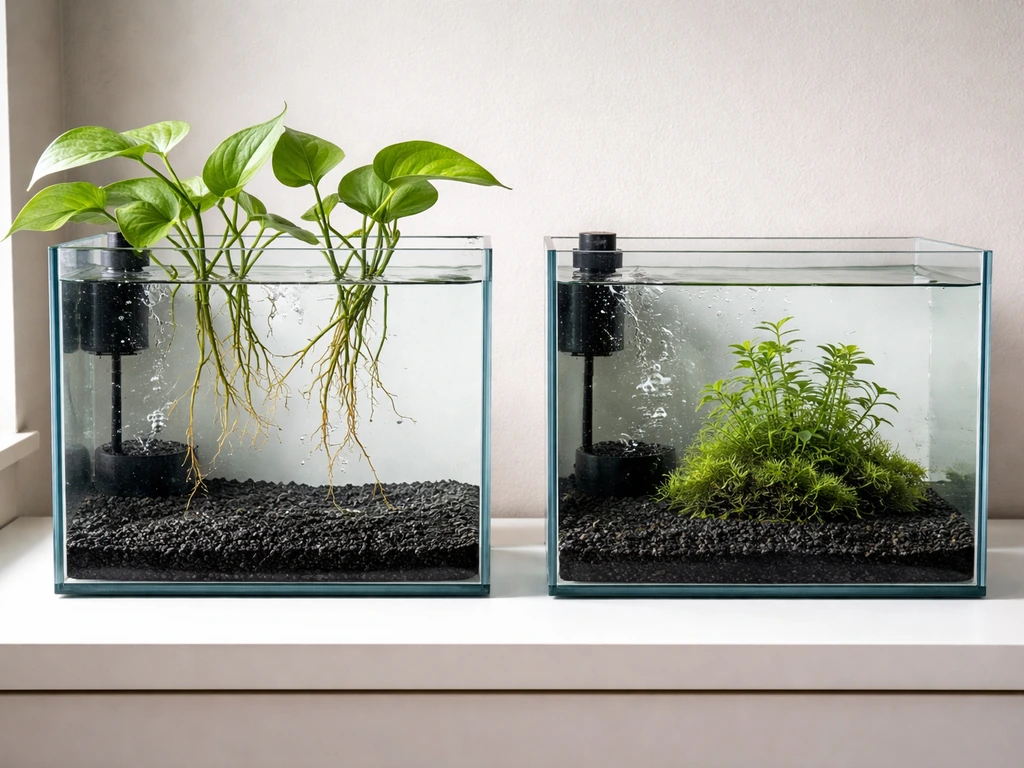
| Emersed roots (open-top tank) | Pothos, philodendron, lucky bamboo | Roots in water, leaves above rim | Yes | Beginner |
| Fully planted aquarium | Aquarium plants (Anubias, crypts, swords) | Fully or mostly submerged | Yes | Beginner to intermediate |
| Paludarium | Mixed aquatic and terrestrial plants | Split: underwater and land zones | Yes (aquatic zone) | Intermediate |
| Dry start then flood | Carpeting plants, stem plants | Planted in substrate, later flooded | Yes (after flooding) | Intermediate |
| Wabi-kusa style | Mosses, aquatic plants emersed | Above water surface on a substrate ball | Optional | Intermediate |
If you're completely new to this, the emersed roots approach with pothos or philodendron is the easiest starting point by a significant margin. You get visible results fast (roots develop in one to two weeks), the risk to fish is minimal, and the plant actively improves water quality as it grows. From there, you can add more complexity: a hardscape, additional plant species, a structured paludarium, or a full aquascape. Each step builds on the last, and the fundamentals you learn managing light, nutrients, and water chemistry carry over to every more advanced version of this hobby.
FAQ
Can I keep the tank fully sealed while plants establish, so humidity stays high?
Yes, but only if you keep the lid strategy aligned with plant and fish needs. For humidity trapping, use cover wrap or a lid during the rooting phase, then switch to a regular open-top or loosely ventilated setup once leaves are established. If the tank stays mostly sealed long-term, CO2 buildup can stunt growth and surface oxygen exchange drops, which stresses fish even if plants look healthy.
When I move a pothos or philodendron from soil, do I just rinse the roots once or should I do anything extra?
For fish tanks, treat root rinsing like a contamination control step, not just cleaning. After rinsing potted plants, let roots sit in clean dechlorinated water for 10 to 15 minutes, then rinse again to remove loose particulates, especially fine peat or fertilizer residues. This reduces the chance of ammonia spikes when organic debris finally breaks down.
What should I do if I see algae the first week or two after planting?
Start with a “minimum viable light” plan, then adjust. If algae appears before plants establish, do not immediately reduce nutrients to near-zero, instead reduce photoperiod by 1 to 2 hours and hold fertilizer at half-dose. Once you see steady new leaf growth, you can increase light slowly, since algae usually improves after nutrient uptake and plant biomass catch up.
How do I fertilize if I have fish versus if the tank has no fish?
Use fertilizer only in a way that matches the tank’s biology. If your setup includes fish, you generally want liquid aquatic plant fertilizer dosed conservatively, and you should avoid any “aquarium water changes plus heavy feeding” cycle that overwhelms plants and feeds algae. If your setup is emersed-only with no fish, you can be slightly more flexible, but still ramp dose gradually to prevent fast algae establishment on new substrates.
How often should I prune, and what happens if I leave trimmed leaves or stems in the tank?
Yes, pruning is part of filtration. For fast growers, remove cuttings promptly and discard decaying leaves rather than letting them sit in the substrate. Also, when you trim, cut at a node and replant immediately, otherwise the plant may shed leaves and temporarily reduce nutrient uptake, which can trigger algae.
My plants look okay but growth is stalled, what’s the first thing I should troubleshoot?
If plants are not growing, the most common cause is light imbalance, not “bad plants.” Check that your photoperiod is in range (6 to 8 hours to start) and that intensity is not too high. Then verify that you are not using potting soil or uncapped organic layers, since organic breakdown can create unstable ammonia and nutrient conditions that stunt plants even when fertilizer seems correct.
Is it really possible to grow plants in a fish tank without substrate, and what’s the catch?
Plants can root without soil, but you still need stability. If you go substrate-free, secure stems or roots with mesh or ties so they do not float or get buried under detritus. Also, keep water quality steady, because without substrate buffering, nutrient and waste swings are more noticeable and can cause leaf yellowing.
Do I need different substrate or media care for fully submerged versus emersed setups?
It depends on placement style. In fully submerged setups, roots need oxygen and an inert medium helps prevent anaerobic pockets. If you use sand or fine gravel, stir during water changes only if you suspect compaction, otherwise avoid aggressive disturbance. For emersed setups, ensure roots are consistently moist, not submerged for the whole leaf area, since leaves can rot when they stay wet too long.
How do I prevent ammonia and stress when I add plants to a tank that already has fish?
Fish can survive initial transitions, but you should avoid a “chemical and nutrient shock” at the same time. Keep dechlorinated water on hand, rinse roots thoroughly to remove soil, then start with reduced lighting and half-dose fertilizer. This gives nitrifying bacteria and plants time to establish without rapid ammonia or algae blooms.
Can I use regular plant spray or leaf shine products on plants before putting them in the tank?
Yes, but only if the product is safe for aquatic invertebrates. Copper-based leaf shine, many pesticides, and some systemic treatments can be deadly to shrimp and snails. If you must use any treated plant or product, quarantine and wash thoroughly first, and never assume “small amount” is safe. When in doubt, choose plants sourced for aquarium use or with confirmed aquatic compatibility.
How risky is plant toxicity, does it matter more if leaves are submerged or only if roots are in water?
Common toxic plants are often toxic because of sap, but the risk changes with placement. If the plant’s leaves and sap do not contact water in an emersed arrangement, risk is lower, while fully submerged plants can leach materials directly into the water column. Still, avoid plants from families known for severe sap toxicity, and research any unknown plant before adding it to a combined fish-and-plant tank.