Growing lucky bamboo in pebbles is straightforward: anchor the canes in a layer of inert, smooth pebbles inside an opaque container, keep about 1 to 2 inches of clean, non-chlorinated water at the base at all times, place the setup in bright indirect light, and change the water every 7 to 10 days. That covers roughly 90% of what keeps these plants alive and looking good long-term. The details below fill in the rest, including why your water and container choices matter more than most people realize.
How to Grow Lucky Bamboo in Pebbles: Step by Step Guide
Marcus Holloway
23 May 2026
What lucky bamboo actually is (and why it matters)
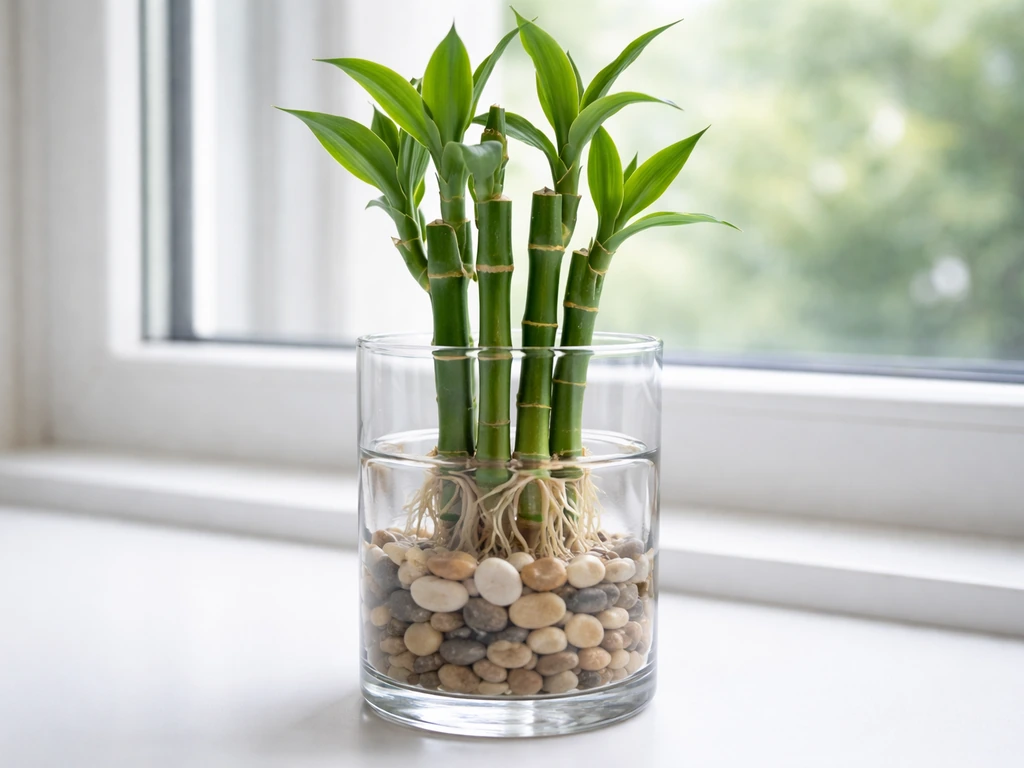
Lucky bamboo is Dracaena sanderiana, not bamboo at all. True bamboo belongs to the Bambusoideae grass family and grows from hollow, woody, jointed culms with papery sheaths and narrow leaves on side branches.
Dracaena sanderiana has solid, fleshy, glossy stalks with leaves spiraling from the top. It's sold under several names in commerce including Chinese water bamboo and friendship bamboo, but it's always the same plant. Knowing this matters practically because dracaenas behave very differently from bamboos in water culture: they're far more tolerant of being grown in pure water or pebble media with no soil, and they root and recover from cuttings in weeks, not months.
That resilience is exactly why the pebble-and-water setup works so well for this species.
One more identification note worth knowing: if your 'lucky bamboo' cane has hollow internodes or produces narrow feathery leaves on branches, it's actually a true bamboo and won't thrive in a pebble water culture setup the same way. The real Dracaena sanderiana is what this guide is built around.
Choosing pebbles, pot, and setup
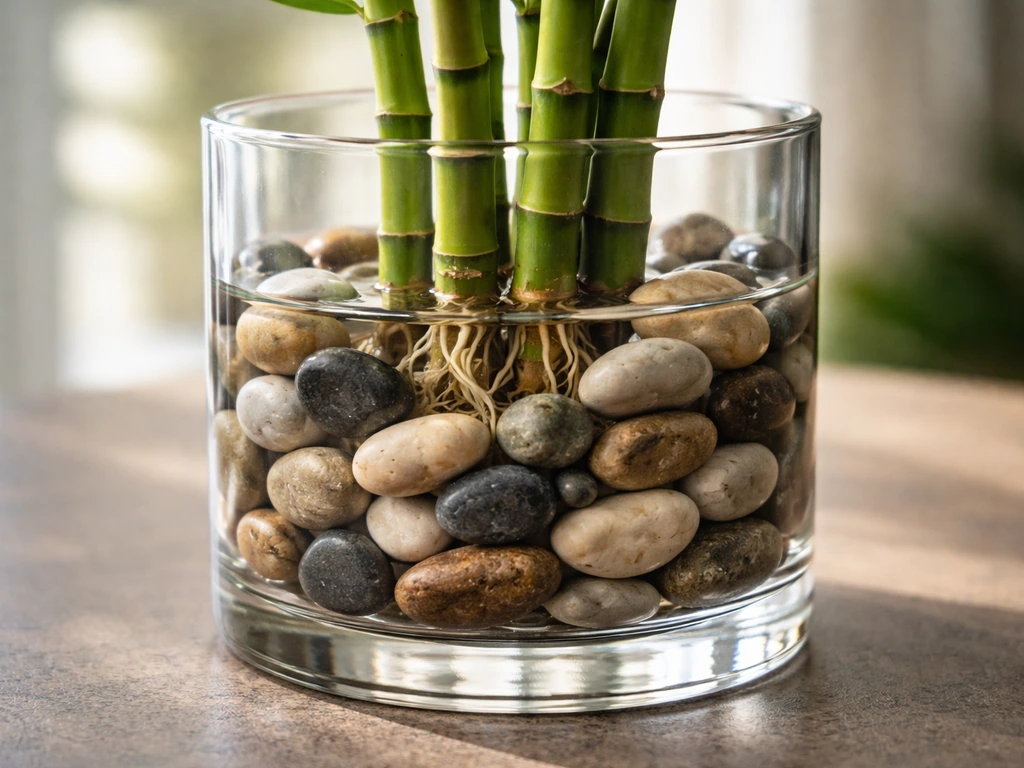
The pebble and container choices here are genuinely important and this is where most beginners get it wrong. I've seen people use sharp decorative gravel from a craft store and wonder why their cuttings never rooted well. Sharp edges abrade the soft root initials forming at the base of cuttings, which creates tiny wounds that invite rot. Go for smooth, rounded stones with no sharp edges. Aquarium-style gravel in the 3 to 8 mm range works perfectly because the particle size creates enough voids for oxygen movement around the roots while still anchoring the canes solidly.
The material matters as much as the shape. Avoid limestone, marble, or any calcite-type stones because they slowly dissolve in water and push pH into alkaline territory, which stresses roots. Stick with chemically inert options: glass pebbles (the decorative flat kind sold at florist shops), polished river stones, or plain aquarium gravel. Rinse whatever you choose thoroughly before use to remove dust and fine particles.
Container choice
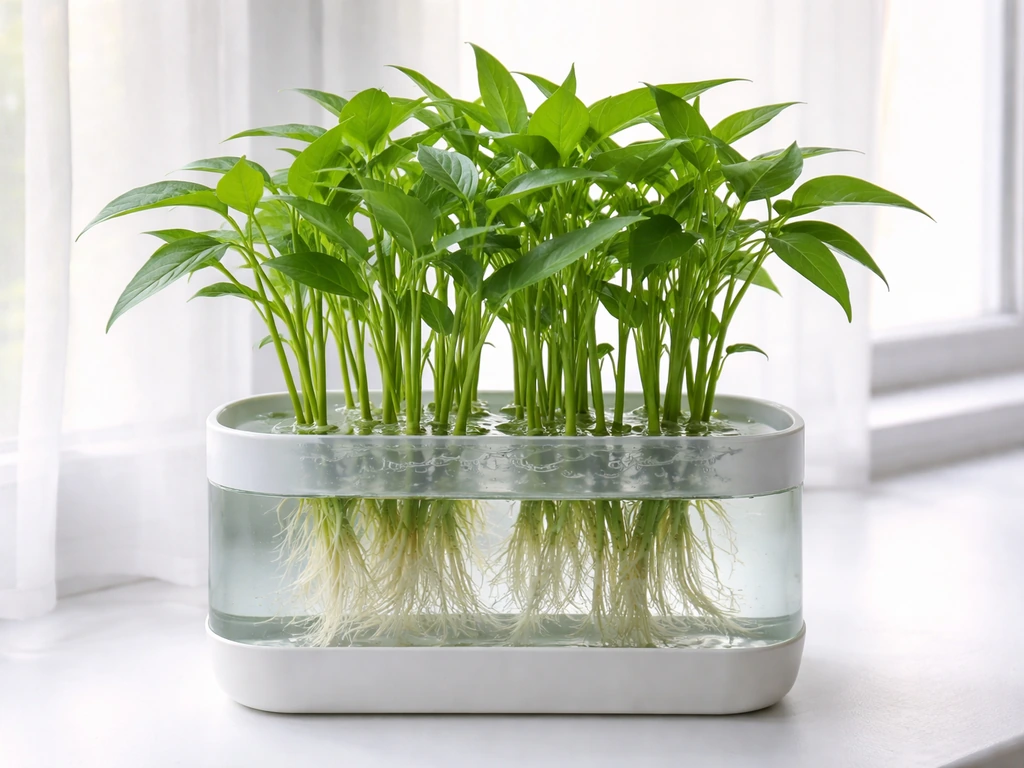
This is the other place people go wrong. Clear glass vases look beautiful, but they let light straight into the water, which fuels algae and cyanobacteria growth on the pebbles and inside the container walls. If you want to grow bamboo in a water vase for a similar look, use the same basics: inert pebbles, clean water, and a container that limits algae grow bamboo in water vase. Opaque or semi-opaque containers dramatically reduce that pressure. Ceramic pots, dark-tinted glass, or any container that blocks most light to the water column are all good choices. If you love the look of a clear glass vase, just plan to clean it more frequently and keep it out of direct light.
- Use a non-porous container that holds water without leaching chemicals (ceramic, glass, or food-safe plastic)
- Opaque or semi-opaque walls reduce algae growth significantly compared to clear glass
- Avoid metal containers: metals can leach ions into the water and stress roots
- The container should be wide enough to let you pack pebbles snugly around each cane for stability
- A depth of 4 to 6 inches is plenty for most lucky bamboo pebble setups
For a more advanced setup, you can use an inner net pot or basket filled with pebbles sitting inside a larger outer cache pot as a reservoir. This is essentially a semi-hydroponic configuration where the roots have access to water at the base while the upper pebble zone stays partially air-spaced. It works well for larger cane arrangements and makes water changes much easier.
Water, light, and temperature: the non-negotiables
Water
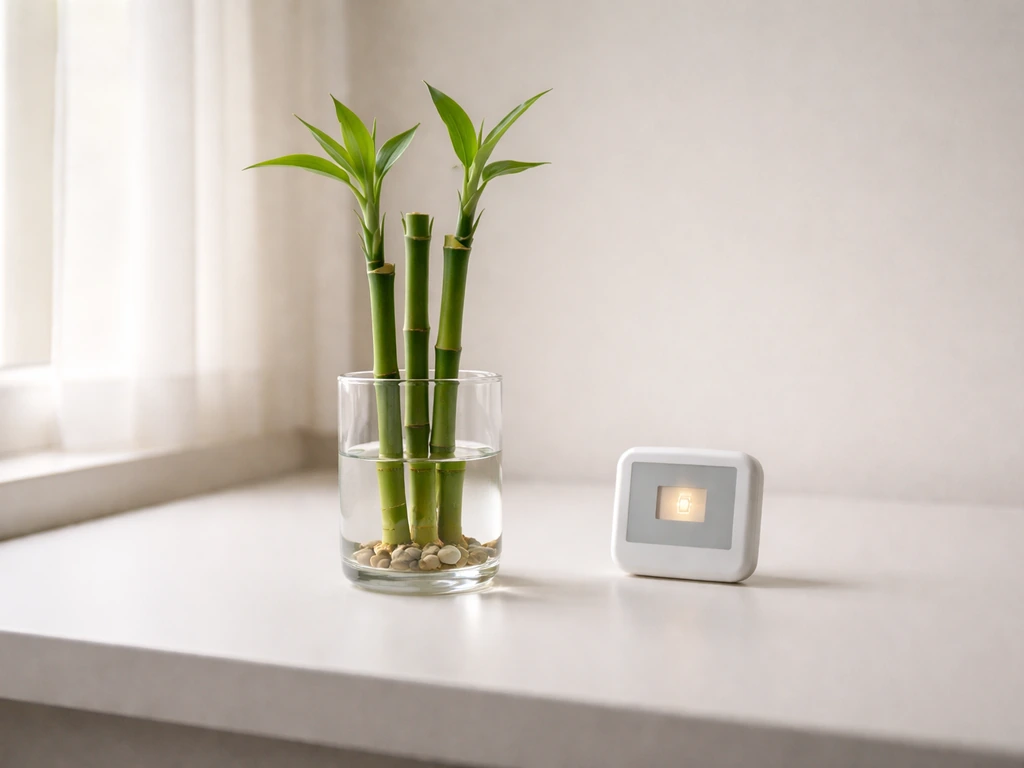
Water quality is probably the single biggest factor in whether this setup works or falls apart. Tap water typically contains chlorine, chloramine, and fluoride, all of which are stressful for Dracaena sanderiana roots and contribute to yellowing leaves and tip browning. Distilled water or collected rainwater is genuinely the best option. If you're using tap water, let it sit uncovered for at least 24 hours to off-gas chlorine before using it. Note that chloramine (used in many municipal systems) does not off-gas the same way, so a carbon filter or distilled water is more reliable if you're in a chloramine-treated area.
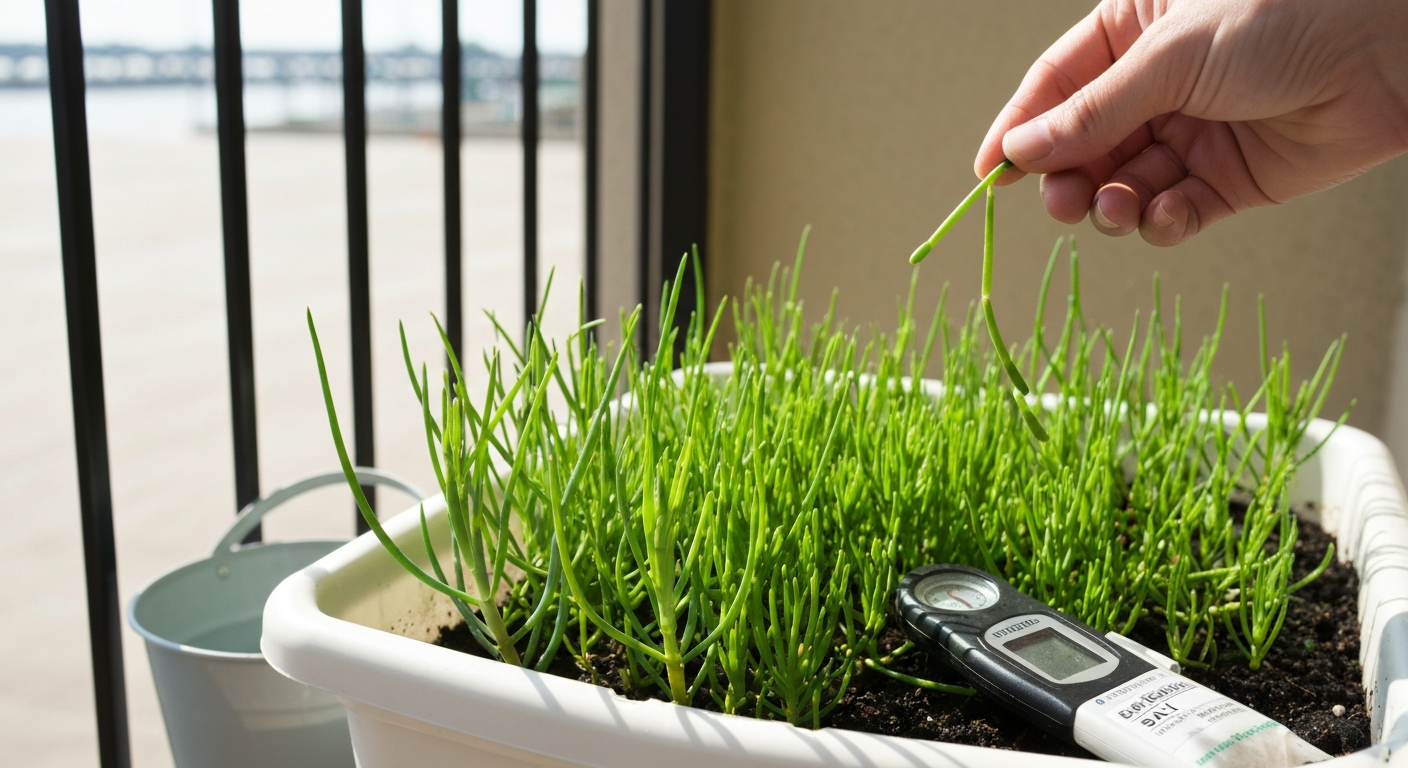
For growers interested in pH, the sweet spot for lucky bamboo in water culture is around 6.0 to 6.5. If you're running a very dilute nutrient solution, keep your EC (electrical conductivity) in the 0.4 to 0.8 mS/cm range. These numbers are easy to test with inexpensive aquarium-style meters if you want to get precise.
Light
Lucky bamboo thrives in bright, indirect light. The practical placement: 3 to 5 feet back from a south or west-facing window, or right up at a north or east-facing window where direct afternoon sun can't hit it. Direct midday or afternoon sun scorches and bleaches leaves fast. On the other hand, very low light leads to pale, yellowing growth and weak, elongated canes. A spot with good ambient brightness but no direct sun exposure is the target. If your indoor space is quite dim, a full-spectrum grow light for 10 to 12 hours a day works well.
Temperature
Keep the setup somewhere that stays between 65 and 85°F (18 to 29°C) consistently. The plant can tolerate slightly higher temperatures, up to around 95°F (35°C), but you'll see stress and browning above that threshold. More importantly, avoid cold drafts from open windows in winter, and keep the setup away from heating vents and air conditioning units, both of which create temperature swings and dry out the leaves.
How to start from cuttings and plant in pebbles
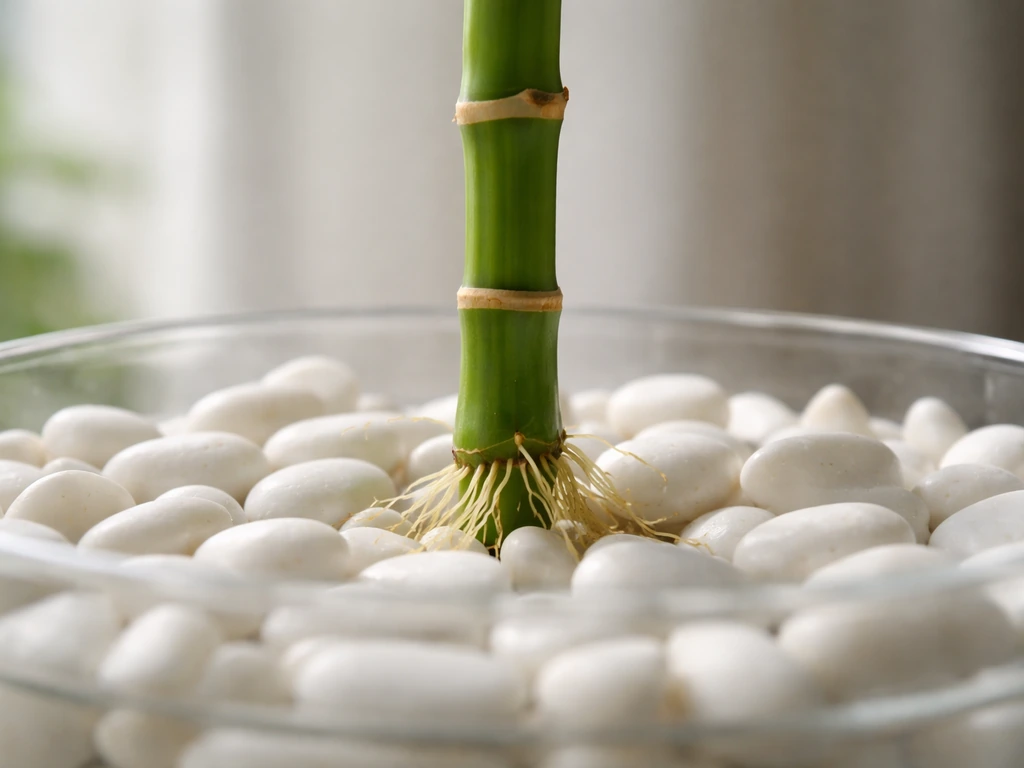
Lucky bamboo is one of the easier plants to propagate because the canes naturally produce roots from their nodes. A node is the raised ring you can see along the stalk. Here's how to do it properly for a pebble setup. You can use the same general idea of stable, clean water and careful light to guide panikoorka as well how to grow panikoorka in water.
- Choose a healthy parent cane with at least one visible node and no soft, mushy spots or yellowing sections
- Make a clean cut at roughly a 45-degree angle just below a node using a sharp, clean blade (scissors or a sterile knife)
- Optional: dip the cut end in rooting hormone powder before planting to speed up root formation
- Rinse and prepare your pebbles, then add a layer about 2 to 3 inches deep to the bottom of your container
- Stand the cutting upright in the pebbles with the node and cut end pointing down, then pack pebbles around the cane firmly enough to hold it without tipping
- Add water until it sits about 1 to 2 inches deep at the base of the pebbles, making sure the lowest node is submerged but the main stalk and leaves remain above the waterline
- Place in bright indirect light and check water level daily for the first two weeks
Roots typically appear within 2 to 6 weeks depending on temperature, light, and water quality. Warmer conditions in that 70 to 80°F range speed things up noticeably. Don't panic if you see no roots in the first two weeks. Keep the water clean, the light bright and indirect, and give it time. Once you see white root tips at the base, the cutting has established and will grow steadily from that point.
For arrangements with multiple canes, plant each cutting individually first until it shows root development, then consolidate into a decorative arrangement in a larger pebble container. Trying to root multiple canes at once in a crowded setup makes it harder to spot early rot on any individual cane.
Ongoing care: water, fertilizer, and pruning
Water level and water changes
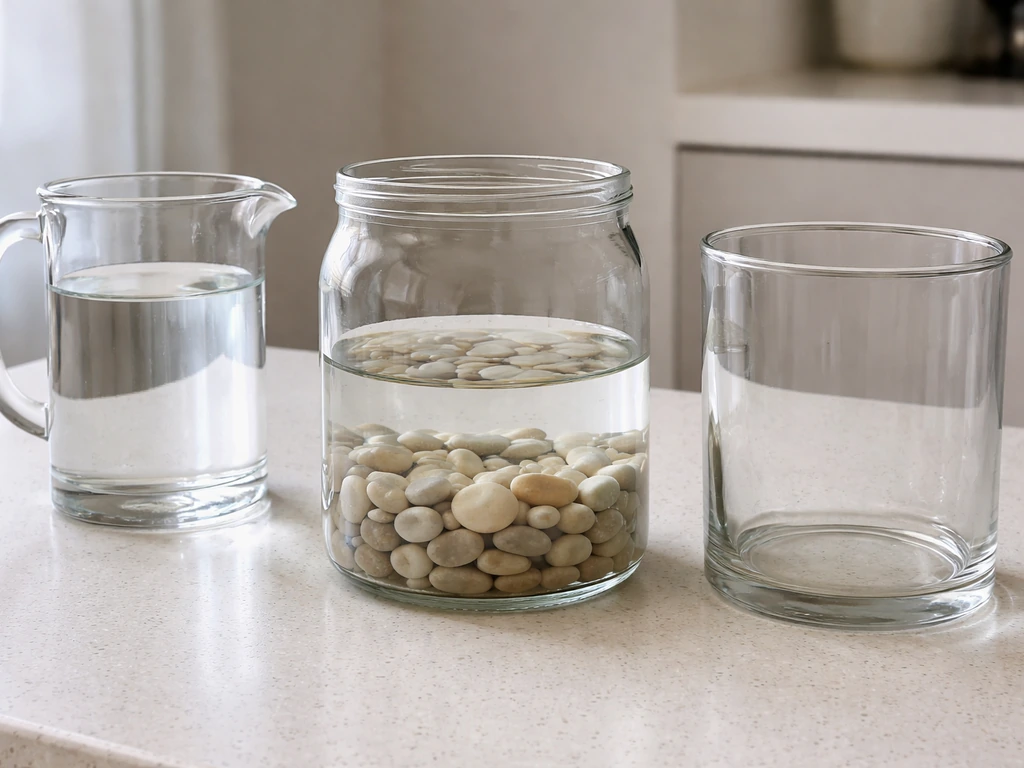
The routine that works well is topping off the water as needed throughout the week (evaporation drops the level fast in dry indoor air), then doing a full water change every 7 to 10 days. Once you understand the basic “water culture” rules, applying them to how to grow monggo seeds in water is straightforward water changes.
For a full change: pour out the old water, rinse the pebbles and container with clean water (no soap), and refill with fresh distilled or filtered water. Lucky bamboo roots must be in contact with water, but you should keep stems and leaves above the waterline so you do not submerge the entire stem or leaves. This prevents mineral buildup, biofilm accumulation on the pebbles, and the microbial load that leads to cloudy, smelly water.
If you miss a change and the water starts looking murky, do it immediately. Don't let that sit.
Fertilizing
Lucky bamboo in water culture needs very little fertilizer. Over-fertilizing is actually one of the most common causes of yellowing and root burn in this setup. A light monthly feeding with a balanced, water-soluble fertilizer diluted to about one-quarter strength is plenty during the active growing season (spring and summer). In fall and winter, scale back to every 6 to 8 weeks or skip it entirely. Plain clean water is often all the plant needs for healthy green growth. If you're using a hydroponic-style nutrient solution, target a low EC in the 0.4 to 0.8 mS/cm range and keep pH at 6.0 to 6.5.
Pruning
Prune yellowing or dead leaves by pulling them cleanly away from the stalk at the base. For shoots that are getting too tall or leggy, cut them back to just above a node with a clean blade. The stalk won't regrow from below the cut, but new offshoots often emerge from the node just below. Don't remove more than a third of the plant's leaf area at once, and always use clean, sharp tools to avoid introducing pathogens to the cut surface.
Troubleshooting common problems
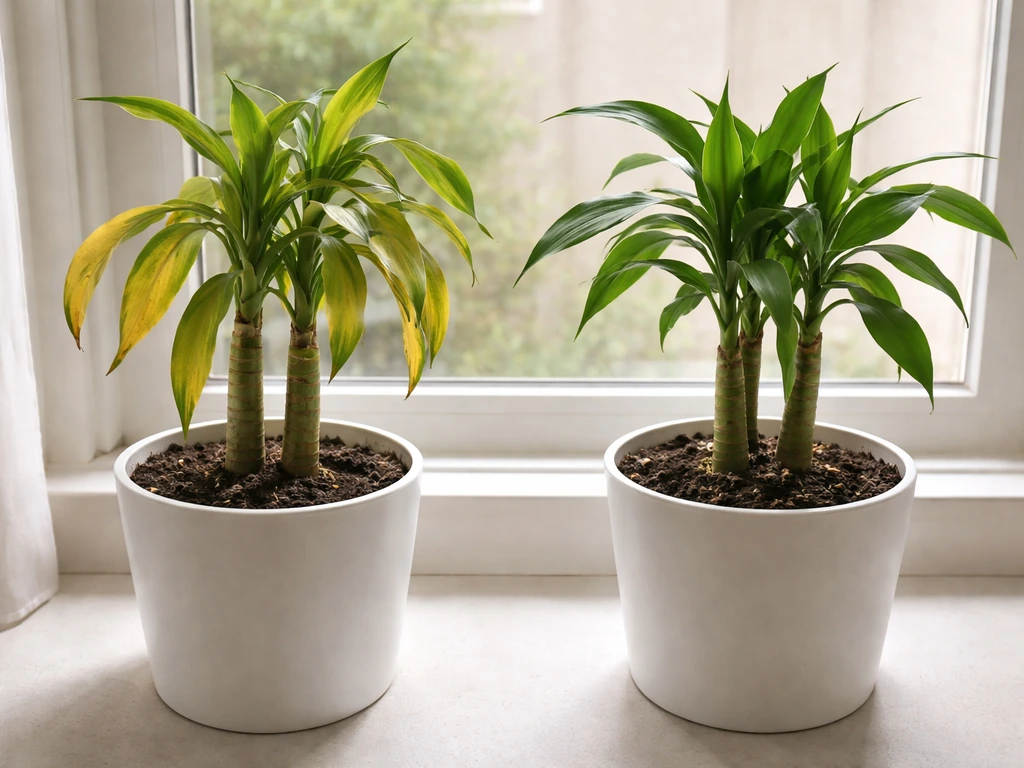
| Problem | Most likely cause | Fix |
|---|---|---|
| Yellow leaves or stalks | Chlorine/fluoride in tap water, overfeeding, or too much direct sun | Switch to distilled water, reduce or stop fertilizing, move to indirect light |
| Brown tips | Low humidity, fluoride in water, or heat/draft stress | Use distilled water, move away from vents/windows, mist leaves lightly |
| Cloudy or smelly water | Microbial/bacterial buildup from infrequent water changes | Do a full water change immediately, scrub pebbles and container, increase change frequency to every 7 days |
| Mushy or black roots | Root rot from stagnant water, overwatering, or crowded roots with no oxygen | Trim rotted root sections with sterile scissors, rinse pebbles thoroughly, restart with fresh water and ensure airspace above water level |
| Algae or green slime on pebbles | Light hitting the water through a clear container | Switch to an opaque container or move setup out of direct light; scrub pebbles during each water change |
| Mold on pebble surface | Poor air circulation and stagnant moisture at pebble surface | Ensure the water level stays at the base, not wicking up to the surface layer; improve airflow around the setup |
| No roots forming on cuttings | Too cold, too dark, or water chemistry issues | Move to a warmer spot (75°F+), improve indirect light, use fresh distilled water |
The rot/smelly water combination is the one I see most often. It almost always comes down to infrequent water changes combined with a clear container in a bright spot. Once rot takes hold in the pebbles, the only real fix is to pull everything out, trim any mushy root sections back to firm white tissue, scrub the container and pebbles with plain water (no bleach near roots you want to save), and restart with fresh water. Catching it early by doing weekly water changes makes this a non-issue.
Safety, toxicity, and knowing when to repot
Pets and household safety
Dracaena sanderiana is toxic to cats and dogs. The compounds in the plant can cause vomiting, drooling, dilated pupils (in cats), and lethargy if ingested. Keep your setup out of reach of pets that chew on plants. It's also worth noting that the plant is non-toxic to humans, but the water in the container can harbor bacteria if it gets stagnant, so don't use the water change runoff anywhere near food preparation areas. Avoid using chemical cleaners, bleach, or harsh detergents in the container, since residues can damage roots and stress the plant.
When to repot or transition
Lucky bamboo can live in a pebble-and-water setup indefinitely if you stay on top of water changes and occasional pebble cleaning. That said, after 2 to 3 years you'll often see the root system becoming very dense and tangled around the pebbles.
When roots start pushing pebbles out of the container or circling heavily at the base, it's time to either move to a larger container with fresh pebbles or transition the plant to a well-draining potting mix with added perlite. Transitioning to soil after years in water takes patience: the roots that form in water are physiologically different from soil roots, so the plant may drop some leaves during the adjustment.
If you want to grow kangkong in soil, focus on a consistently moist, nutrient-rich bed with good drainage and regular feeding transition the plant to a well-draining potting mix with added perlite. Give it 4 to 6 weeks of careful watering (moist but not soggy) before judging whether the transition worked.
If you're interested in expanding your water-culture growing beyond lucky bamboo, the same foundational principles of clean water, inert media, and controlled light apply to a wide range of plants in aquatic and semi-aquatic systems. Lucky bamboo in pebbles is genuinely one of the best starter setups for getting comfortable with how water-based plant culture works before moving into more complex hydroponic or aquatic arrangements.
If you're specifically looking for how to grow coconut in water, you'll need a different approach, since coconut palms are far less tolerant of short, node-based water rooting than Dracaena how water-based plant culture works. If you want to try a similar water-based approach with edible leaves, the principles of clean, aerated hydroponics also apply to growing kangkong hydroponics.
That same approach also covers how to grow kangkong in water, since it relies on clean water, good light, and stable roots.
FAQ
What kind of pebble size should I use for lucky bamboo, and can I go too small or too large?
Aim for smooth, rounded pebbles in the 3 to 8 mm range. Too-small stones (like fine gravel) can trap less oxygen around the base and encourage biofilm, while very large stones can leave gaps that wobble the canes and stress new roots during early establishment.
Can I use boiled or filtered tap water instead of distilled, and how do I handle chloramine?
Boiling helps with chlorine, but it does not reliably remove chloramine. If your water is chloramine-treated, distilled water is the simplest option, or use a carbon filter designed to reduce chloramine. After switching, watch for slower yellowing and less tip browning over 1 to 3 weeks.
How much water level should I maintain, and what happens if the water touches the leaves or stalk?
Keep about 1 to 2 inches of non-chlorinated water at the base, with the stalk and leaves kept dry. If the water line climbs up the stalk, it increases the chance of rot and algae, and roots may decline because the plant is no longer getting an air-spaced zone above the water.
My container is clear, algae keeps forming, what’s the best practical fix?
Reduce light to the water column first (switch to dark or opaque containers). If you want to keep a clear vase, place it away from any direct sun and clean it more often, rinsing pebbles during the regular water change to break algae and cyanobacteria buildup before it spreads.
How do I know early rot is happening, and what should I do immediately?
Look for a sour smell, cloudy water, soft or dark mushy sections at the base, or roots turning brown instead of staying white. When you see it, remove the plant, trim back to firm white tissue, rinse pebbles and container with plain water, and restart with fresh distilled or filtered water. Delaying usually turns a salvageable cutting into a total loss.
Do I need fertilizer, and what signs mean I’m overdoing it?
You can usually grow well on clean water alone, especially outside active growth. If leaves yellow faster, roots seem to brown, or the plant looks “burned” at the tips, cut feeding or skip fertilizer for 4 to 8 weeks, then restart at about one-quarter strength only in spring and summer.
What EC or pH testing should I do if I use only water, not nutrients?
If you use distilled or good filtered water and follow regular water changes, testing is optional. If you notice persistent yellowing despite correct light and water-change timing, then test pH (target 6.0 to 6.5) and EC (target 0.4 to 0.8 mS/cm if you’re adding any dilute nutrients) to rule out mineral buildup.
How long should it take for my cuttings to root, and what should I check if roots never appear?
Roots typically show within 2 to 6 weeks at 70 to 80°F. If nothing appears by 6 to 8 weeks, check that you are using the correct plant (Dracaena sanderiana, not true bamboo), confirm node area stays submerged in the water layer, ensure bright indirect light, and verify water changes are not being skipped.
Is it okay to root multiple canes in the same pebble container right away?
It’s better to root individually first. When multiple cuttings share one base area, rot can spread unnoticed between canes. Once each cutting has visible healthy root tips and a stable base, you can consolidate into a decorative arrangement.
When I transition to a larger container or new pebbles, should I rinse the roots or trim them?
Gently rinse off old pebbles with clean water, avoid scrubbing roots, and only trim sections that are clearly dark, mushy, or damaged. Healthy water-grown roots are delicate, so keep the roots exposed to air for the shortest time possible while you refill with fresh pebbles and new water.
Can I move the plant from one window to another, and how fast should I expect changes?
Yes, but adjust gradually. Sudden drops in light cause paler growth and slower rooting, while sudden direct sun can bleach leaves quickly. Give it 7 to 14 days to stabilize after relocation, then reassess water clarity and leaf color.
Is it safe if the plant’s leaves touch the water or container walls?
Try to keep leaves from consistently wetting, because constant contact encourages algae growth and can contribute to rot at leaf bases. If leaves are naturally long enough to dip, raise the canes slightly with a deeper pebble bed or choose a taller container so the water line stays below the stalk and leaf bases.
How do I prevent stink or slimy pebbles between water changes?
Stick to the 7 to 10 day schedule, keep the container out of strong light, and rinse pebbles during each full change with plain water. If water starts getting cloudy early, shorten the interval and confirm the pebbles are inert and smooth, since dust and irregular stones accelerate microbial slime.
Is lucky bamboo really toxic to pets, and does that include the water in the container?
Yes, Dracaena sanderiana is toxic to cats and dogs if ingested. While the plant is the main concern, the standing water can also become a microbial risk if pets drink it. Keep both the plant and the water vessel securely out of reach.
How often should I clean the pebbles if I don’t see algae but the water gets cloudy?
If cloudiness appears before the next scheduled change, clean immediately rather than waiting. A quick rinse of pebbles during the change helps remove fine biofilm particles that keep water cloudy, then restart with fresh distilled or filtered water.